Why Some Ohio Native Plants From Stores Aren’t Actually Native
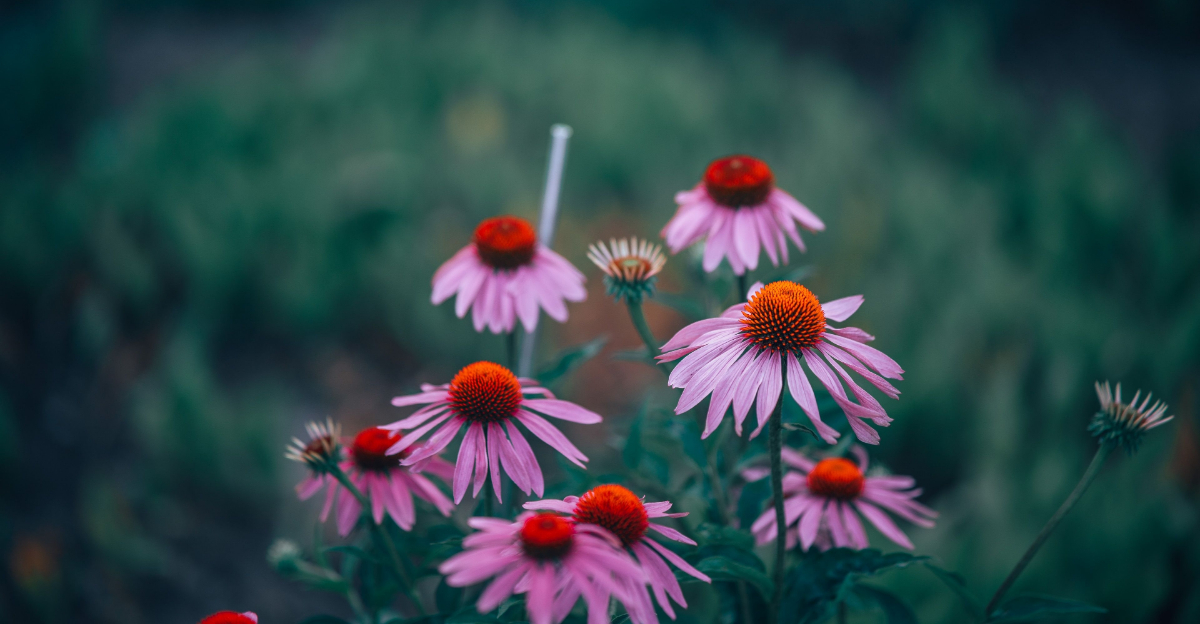
It is a good feeling to bring home a plant labeled native to Ohio. You expect it to support local wildlife, handle the climate well, and fit naturally into your yard without much trouble.
Many gardeners make choices based on those labels, especially when trying to create a more natural space.
The problem is that not every plant sold as native truly matches what grows naturally in Ohio. Some are close relatives from other regions, while others have been altered through cultivation in ways that change how they behave.
At first glance, everything may look right, which makes it easy to miss the difference. This can lead to plants that do not perform as expected or do not offer the same benefits to pollinators and local ecosystems.
Once you know what to look for, it becomes much easier to spot the details that matter and choose plants that truly belong in an Ohio garden.
1. Some Are Nativars, Not Straight Species
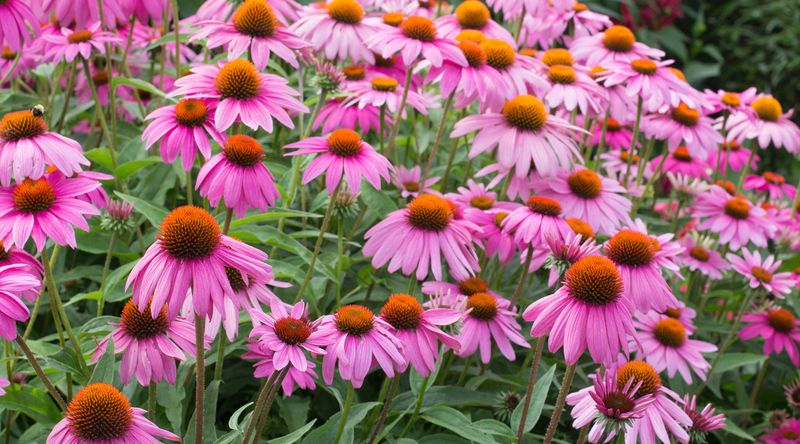
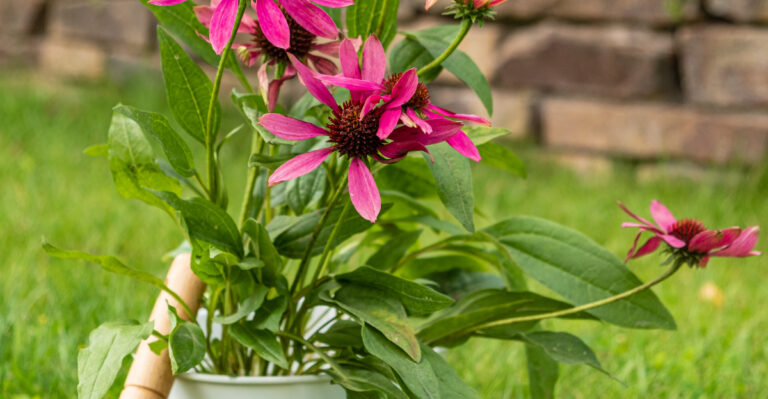
Walk through almost any Ohio garden center in spring, and you will spot rows of coneflowers and black-eyed Susans with tags proudly reading “native.” But flip that tag over and look closely at the fine print. Many of these are nativars, a term combining “native” and “cultivar,” meaning they have been selectively bred from a native species and may differ from plants found growing wild across Ohio’s fields and forests.
Nativars can look stunning. You might find a Purple Coneflower with extra-fluffy petals or a Black-eyed Susan with a deeper gold color.
Breeders choose these traits on purpose because they sell better. The problem is that those changes often come with trade-offs that matter to the local ecosystem.
Research from the University of Vermont and other institutions has found that some nativars attract fewer native bees than their wild counterparts. The nectar content, pollen availability, and even plant scent can shift during the breeding process.
For Ohio gardeners trying to support monarch butterflies, native bees, or songbirds, those shifts add up over time.
A good rule of thumb is to look for the straight species name on the plant tag. For example, Echinacea purpurea with no extra variety name attached is more likely to be the real deal.
Ask your local Ohio nursery staff specifically whether the plant is a straight species before you buy.
2. Some Are Native To North America, Not Ohio
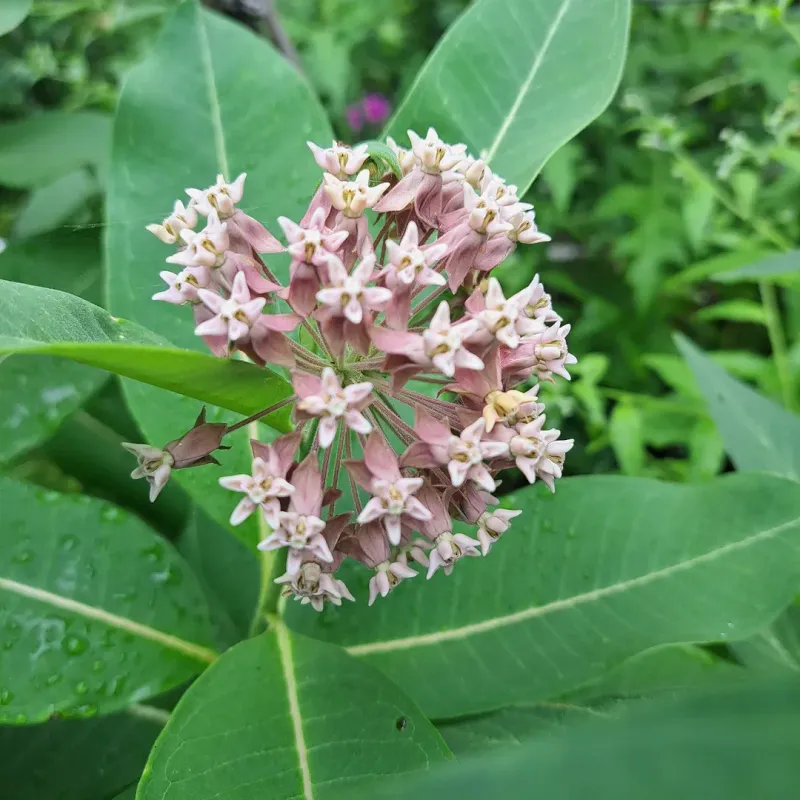
North America is a big place, and “native to North America” does not mean the same thing as “native to Ohio.” A plant can be completely wild and indigenous to Arizona, Texas, or the Pacific Northwest and still be sold in Ohio garden centers with a “North American native” label. That label is technically true, but it is also misleading for shoppers who want to support local wildlife.
Plants evolve alongside the specific insects, birds, and fungi in their home region. A milkweed species native to the American Southwest may look similar to Ohio’s Common Milkweed, but local monarch butterflies and native bees in Ohio have not developed the same relationships with it.
Your Ohio Garden Changes Every Week. Your Plan Should Too.
Gardening in Ohio changes quickly throughout the season. Every Friday you’ll receive a simple weekly plan showing exactly what to plant, prune, fertilize, harvest, and protect so you never miss the right timing.
The chemistry of the leaves, the timing of the blooms, and even the root structure can all be different in ways that matter to Ohio’s ecosystem.
Butterfly Weed is a good example to watch for. Asclepias tuberosa is genuinely native to Ohio, but some sellers stock other Asclepias species from different regions and market them under the broad “native milkweed” umbrella.
For Ohio gardeners, that distinction really does matter for monarch conservation efforts.
When shopping, ask the nursery staff for the plant’s specific native range, not just its continent of origin. Reputable native plant nurseries in Ohio, like the Ohio Native Nursery, can tell you exactly where the seed stock or parent plant originated, giving you confidence that what you plant truly belongs here.
3. Some Have Been Bred For Looks First
Gardening trends push nurseries to stock plants that turn heads, and that commercial pressure has led to a wave of native species being bred almost entirely for visual appeal. Bigger blooms, bolder colors, more compact shapes, longer bloom times, these are the selling points that move plants off shelves.
But nature did not design Ohio’s wildflowers to be showstoppers. It designed them to feed insects, shelter birds, and maintain healthy soil.
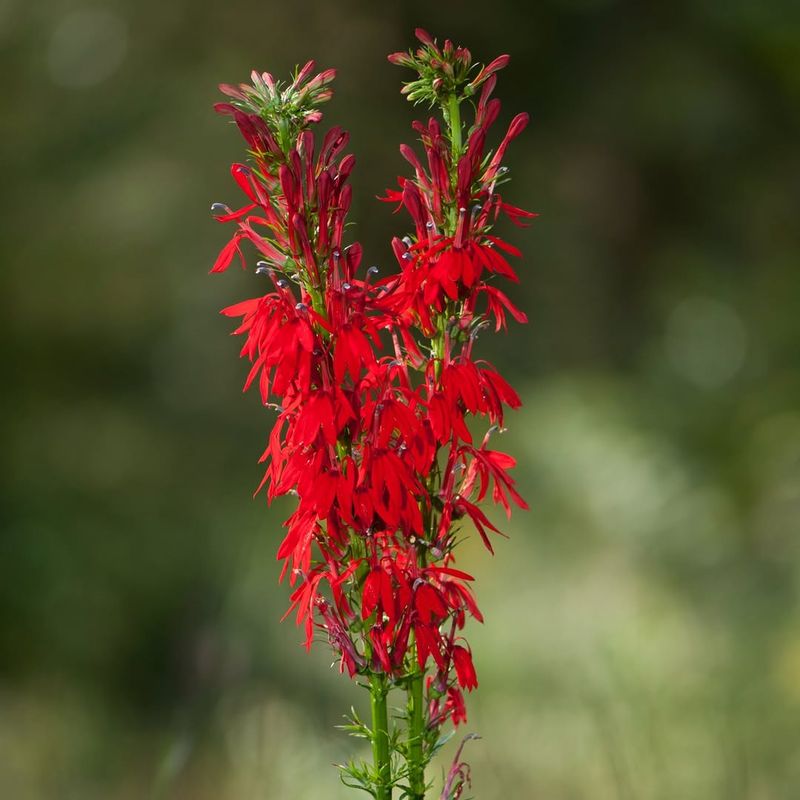
Take the Cardinal Flower, a striking red native that thrives near Ohio’s streams and wetlands. Wild Cardinal Flowers have a specific tube shape that fits the bill of a ruby-throated hummingbird almost perfectly.
Some bred varieties change that tube shape or bloom color, which can reduce how well the hummingbird can access the nectar. Small changes in flower structure have real effects on the wildlife that depends on them.
New England Aster is another Ohio native that has been heavily modified for the garden trade. Wild versions produce loose, sprawling plants with dozens of small purple flowers that native bees absolutely love in the fall.
Compact, heavily flowering cultivars might look tidier, but they often produce less pollen and fewer seeds for overwintering birds.
Looks are not everything when it comes to ecological function. Choosing a plant that appears a little wilder and less manicured is often the smarter move for Ohio gardeners who want their yard to genuinely support the local food web, not just look pretty in a photo.
4. Some Flower Changes Can Affect Pollinators
Most people assume that more flowers means more food for pollinators. That logic sounds reasonable, but it does not always hold up when those extra flowers are the result of selective breeding.
Doubled flowers, the ones that look extra full and lush, are often created by converting the plant’s pollen-producing parts into additional petals. The result is a flower that looks generous but has almost nothing to offer a hungry bee.
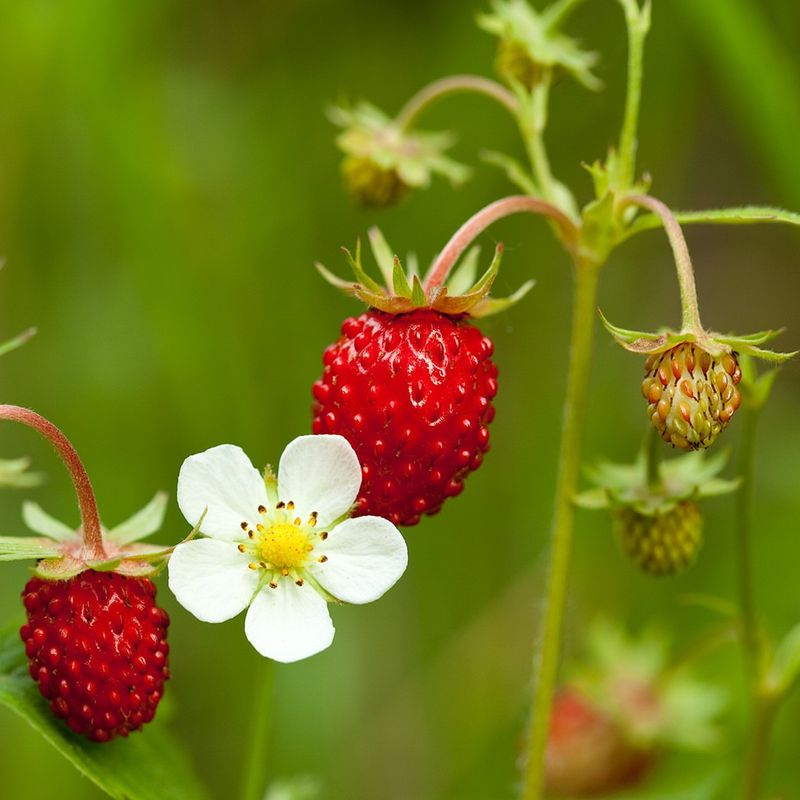
Ohio is home to over 500 species of native bees, many of which depend on specific native plants for the right type of pollen. Wild Strawberry, for example, produces a simple open flower that native bees can access easily.
Ornamental versions with extra petals or unusual petal arrangements can block access to the pollen entirely, leaving visiting insects with nothing useful.
Flower color changes can also play a role. Many insects, including bees and butterflies, see ultraviolet light that humans cannot.
The natural UV patterns on wild Ohio flowers act like landing guides that direct pollinators straight to the nectar and pollen. When breeders change the pigmentation of a flower for a new color trend, those UV patterns can shift or vanish completely, making the flower harder for pollinators to read.
Looking for open, simple flower forms when shopping in Ohio nurseries is one of the best ways to ensure the plants you bring home are actually useful to local bees, butterflies, and other pollinators that keep your garden and neighborhood ecosystem running smoothly.
5. Some Leaf Colors Do Not Match The Wild Type
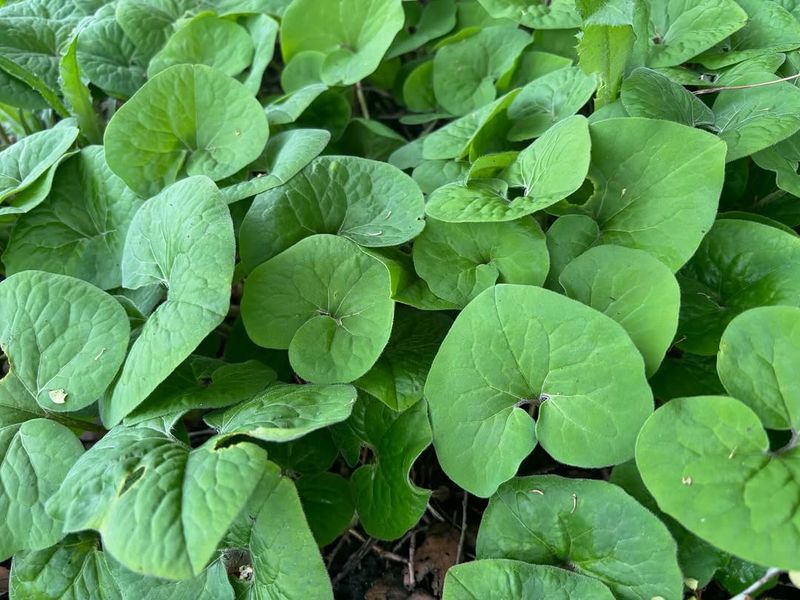
Dark burgundy leaves on a plant that should be green. Golden-yellow foliage on a species that grows with plain medium-green leaves in Ohio’s wild spaces.
These color changes are eye-catching in a garden, but they are a signal that the plant has been significantly altered from its original form. Unusual leaf colors in cultivated plants usually come from mutations in chlorophyll production or pigmentation, and those changes are not neutral from an ecological standpoint.
Leaves are more than just pretty backdrops. They are food sources for caterpillars, shelter for tiny insects, and essential parts of the plant’s own energy system.
Some research suggests that caterpillars, including those of moths and butterflies native to Ohio, have a harder time recognizing and feeding on plants with dramatically altered leaf colors. Since many of these caterpillars are specialists, meaning they can only eat certain plant species, this recognition problem can affect their survival.
Purple-leafed versions of plants like Wild Ginger or Joe-Pye Weed might look stunning in a border planting, but they were not part of Ohio’s natural landscape before humans started tinkering with them. Local insects evolved alongside the green-leafed versions and may not interact with the colored forms in the same productive way.
Sticking with green-leafed, standard-looking versions of Ohio native plants is almost always the better ecological choice, even if the purple-leafed version on the shelf looks more dramatic. Your local pollinators and caterpillars will thank you for keeping it close to nature’s original design.
6. Some Are Hybrids Sold Under Native Labels
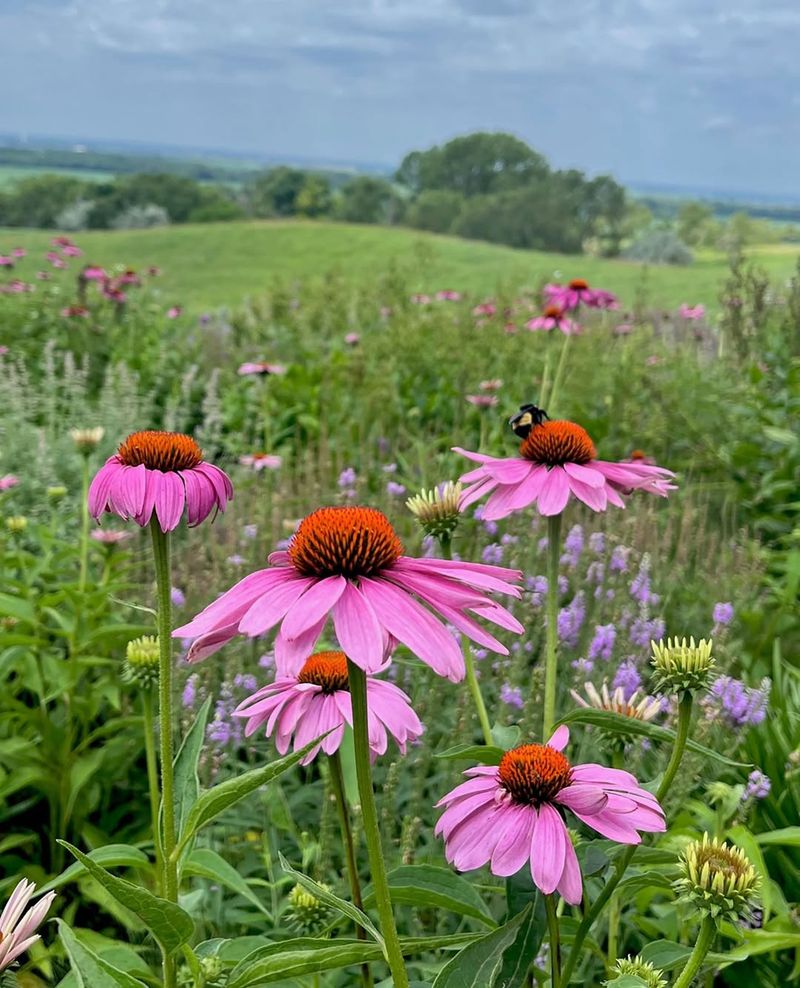
Hybrids are created by crossing two different species together, and the results can be genuinely beautiful. Breeders have produced hybrid coneflowers in shades of orange, yellow, red, and white by crossing Ohio’s native Purple Coneflower with species from other parts of North America.
These plants often show up at Ohio garden centers with tags that mention the word “native” somewhere in the description, even though the plant itself is not a species that has ever existed in the wild.
The issue with hybrids goes beyond just genetics. Many hybrid plants are sterile or produce seeds that do not grow true, meaning they cannot self-propagate and contribute to a local seed bank the way a wild plant would.
Native plants in Ohio rely on natural seed dispersal through birds, wind, and animals to spread across the landscape. A sterile hybrid breaks that chain entirely.
Some hybrids also produce pollen that is chemically different from the parent species. Bees that have evolved to collect pollen from a specific native species may find that the hybrid’s pollen does not meet their nutritional needs, even if they visit the flower.
Over a full growing season, that nutritional mismatch can stress bee populations that are already under pressure from habitat loss across Ohio.
Always read the full botanical name on a plant tag. If you see a multiplication sign between two species names, like Echinacea purpurea x paradoxa, that is a hybrid.
A genuinely native Ohio plant will have a single, clean species name with no hybrid notation attached to it.
7. Some Seed Sources Are Not Local Or Regional
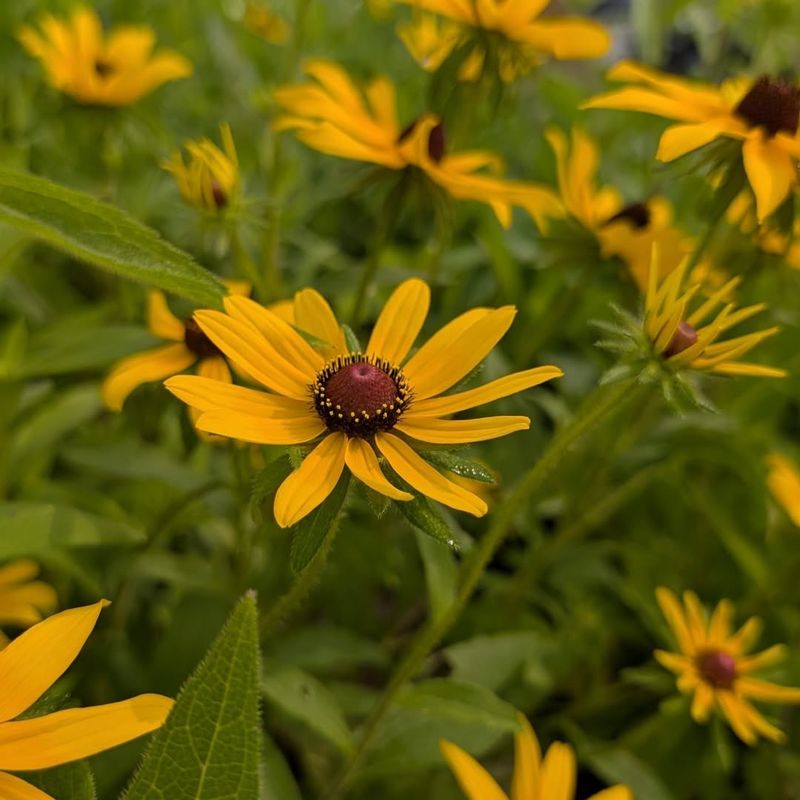
Even when a plant is genuinely a true Ohio native species with no breeding changes, the seed it grew from might have come from a completely different part of the country. A Black-eyed Susan grown from seed collected in Georgia is still technically Rudbeckia hirta, but it has adapted over many generations to Georgia’s climate, soil, and day-length patterns.
Planted in Ohio, it may bloom at the wrong time, struggle through Ohio winters, or fail to sync up with local pollinators the way a locally sourced plant would.
This concept is called local ecotype, and it matters more than most gardeners realize. Plants within the same species can vary significantly based on where their seeds originated.
Ohio’s native plants have spent thousands of years adapting to the state’s specific freeze and thaw cycles, rainfall patterns, and native insect activity. Seeds from a distant state carry a different genetic blueprint that may not fit Ohio’s conditions as well.
The good news is that some Ohio nurseries and seed suppliers specifically source their plants from local or regional seed stock. Organizations like the Ohio Prairie Nursery and seed exchanges run by local native plant societies are great places to find plants with verified Ohio origins.
Asking a nursery where their seed stock comes from is a completely reasonable question, and a knowledgeable seller will have a clear answer.
Supporting local seed sourcing also helps preserve Ohio’s unique genetic plant diversity, which is a resource worth protecting for future generations of gardeners and wildlife alike.