Why Your Hostas Get Smaller Each Year In Ohio
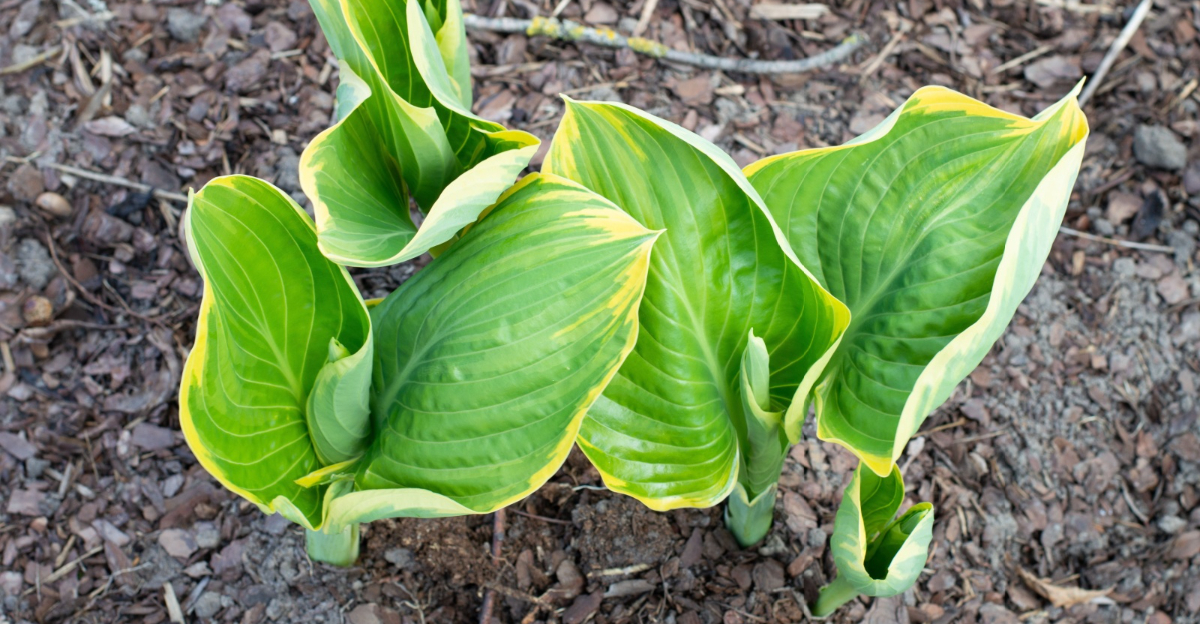
Hostas are the kind of plant Ohio gardeners count on to come back bigger and fuller each year, which is why it stands out when they start doing the opposite.
One season they fill in a shady bed beautifully, and the next they seem a little smaller or less dense.
It is a common shift that often points to changing conditions in the garden. Ohio’s mix of cold winters, unpredictable springs, and humid summers can gradually affect how hostas grow over time.
The encouraging part is that this change usually has a clear cause, and once you spot it, there are practical ways to help your plants regain their full, healthy look.
1. Crowded Clumps Reduce Growth And Leaf Size Over Time

Walk through almost any Ohio shade garden in midsummer and you might notice older hosta clumps where the leaves look noticeably smaller than they did a few seasons back.
That’s often a crowding problem, and it’s more common than most gardeners expect.
As hostas grow outward each year, the individual shoots called “eyes” compete with each other for water, nutrients, and root space.
When a clump gets too dense, every shoot ends up sharing a shrinking pool of resources. The result is leaves that never quite reach their full size, and a plant that looks tired rather than thriving.
Ohio’s clay-heavy soils can make this worse, since compacted ground gives roots fewer places to expand as the clump grows larger.
Dividing hostas every three to five years is one of the most reliable ways to reset their growth. Early spring in Ohio, just as the rounded “noses” of new growth push up through the soil, is an excellent window for division.
Use a sharp spade or garden fork to lift the entire clump, then cut or pull it apart into smaller sections, each with several healthy eyes attached.
Replant the divisions with fresh compost worked into the soil, water them in thoroughly, and give them room to spread.
Many Ohio gardeners are surprised by how quickly divided hostas bounce back and start producing larger, more vigorous leaves within a single growing season.
2. Soil Nutrients Can Decline Without Regular Replenishment
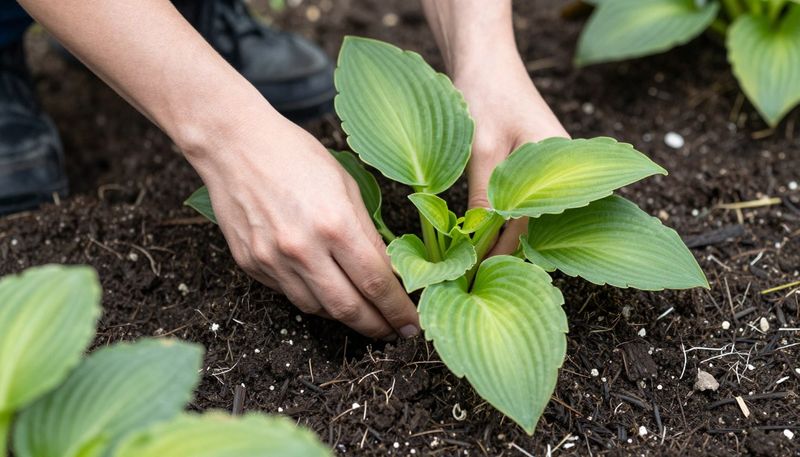
Soil that once supported lush, full hostas can gradually lose its fertility, especially in Ohio gardens that haven’t received consistent organic amendments over the years.
Hostas are not extremely heavy feeders, but they do rely on a steady supply of nitrogen, phosphorus, and potassium to produce the large, thick leaves they’re known for.
When those nutrients thin out, so do the leaves.
Ohio soils vary quite a bit across the state. Some areas have naturally rich loam, while others deal with heavy clay or sandy patches that drain nutrients quickly.
Either way, years of growth without replenishment can leave the soil depleted. A simple soil test, available through many Ohio county extension offices, can reveal exactly what your garden is missing and point you toward the right amendments.
Your Ohio Garden Changes Every Week. Your Plan Should Too.
Gardening in Ohio changes quickly throughout the season. Every Friday you’ll receive a simple weekly plan showing exactly what to plant, prune, fertilize, harvest, and protect so you never miss the right timing.
Compost is one of the most practical fixes for nutrient-poor hosta beds.
Working two to three inches of finished compost into the soil each spring adds organic matter, improves drainage in clay soils, and feeds soil microbes that help plants absorb nutrients more efficiently.
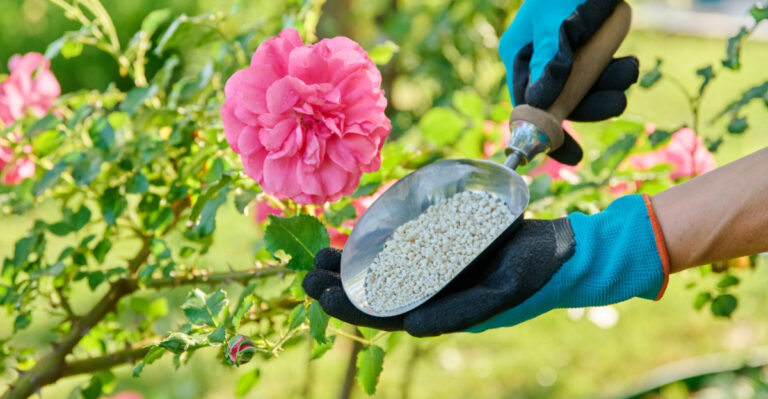
A balanced, slow-release granular fertilizer applied in early spring can also give hostas the boost they need as new growth emerges.
Avoid over-fertilizing with high-nitrogen products, as this can push leafy growth at the expense of root health.
Steady, moderate feeding paired with regular organic matter additions tends to produce the most consistent improvements in leaf size over time.
3. Too Much Sun Can Stress Hostas In Summer
Ohio summers can bring stretches of intense heat and strong afternoon sun that push hostas well beyond their comfort zone.
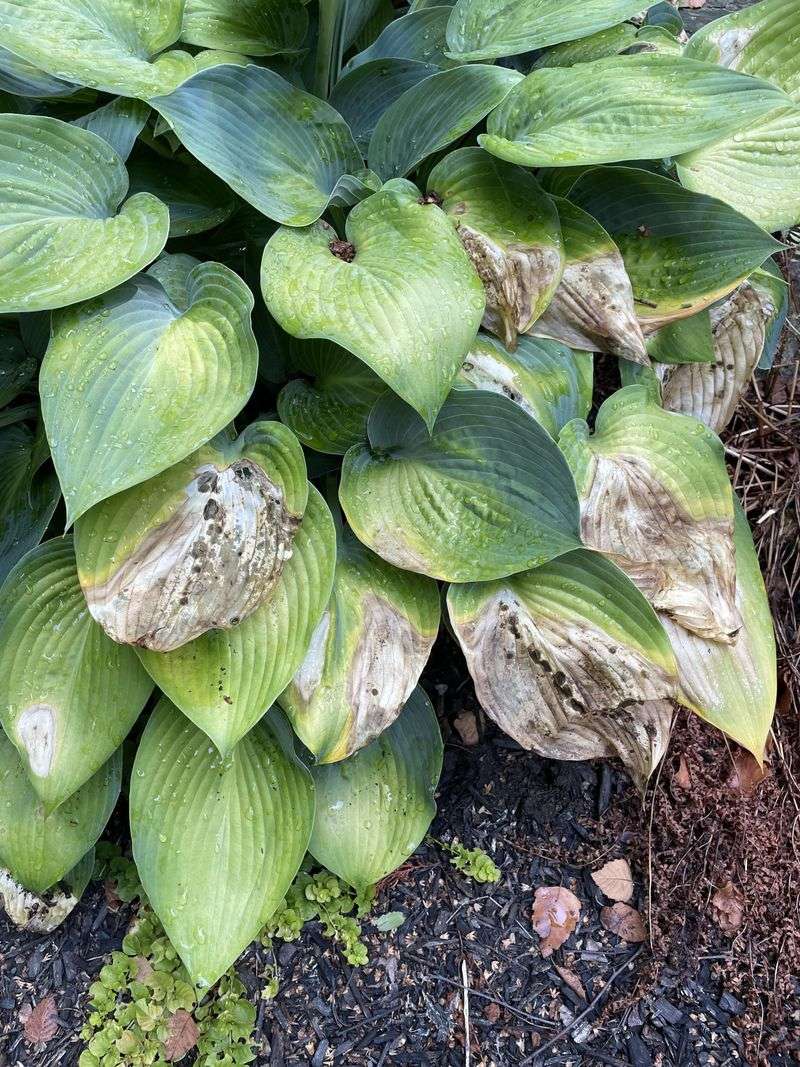
Most hosta varieties are bred for shade or dappled light, and when they receive too much direct sun, especially during the hottest part of the day, their leaves respond by curling, fading, and eventually producing less vigorous growth the following season.
A spot that felt shady three or four years ago may look completely different today.
Trees get trimmed, neighboring shrubs are removed, or a fence comes down, and suddenly a hosta bed that was comfortably filtered is baking in direct afternoon light.
Gardeners in central and southern Ohio especially notice this during July and August when temperatures regularly climb into the upper eighties and humidity makes the heat feel more intense.
Leaf scorch is the most visible sign of sun stress, showing up as bleached or brown-edged foliage.
But repeated sun exposure over multiple seasons can gradually reduce the plant’s overall energy reserves, leading to smaller leaves the following spring even if the damage isn’t obvious at first glance.
Relocating hostas to a spot with morning sun and afternoon shade can make a meaningful difference.
If moving them isn’t practical, adding a shade cloth during peak summer heat or planting taller companion plants to create natural screening are both solid options for Ohio shade gardens dealing with shifting light conditions.
4. Inconsistent Moisture Limits Healthy Leaf Development
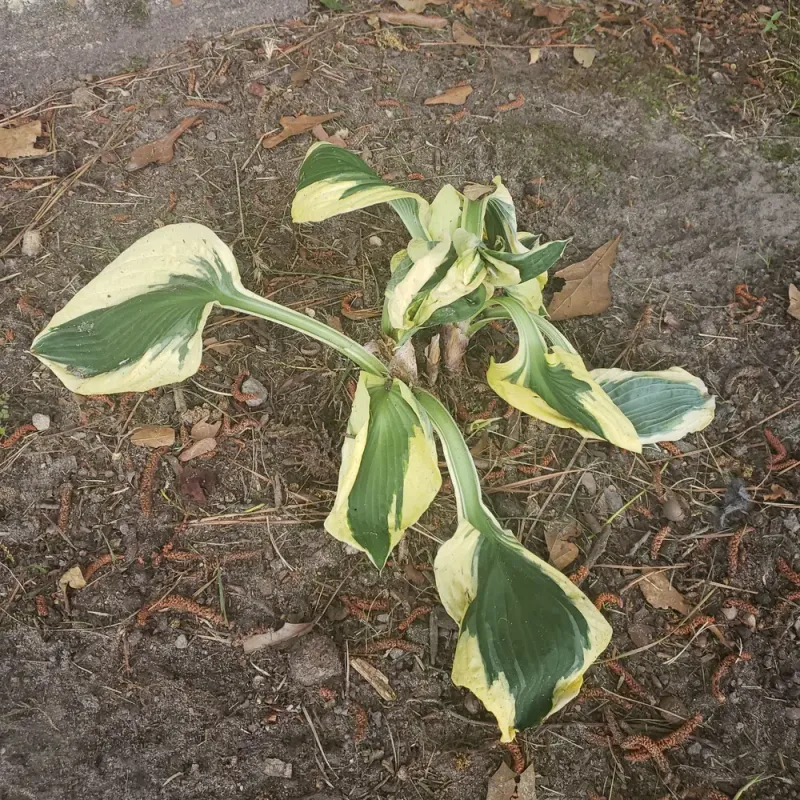
Moisture is one of the biggest factors controlling how large hosta leaves grow each season, and Ohio’s rainfall patterns can be frustratingly unpredictable.
Some summers bring regular rain that keeps garden beds consistently moist, while others swing between wet spells and weeks-long dry stretches that stress plants before gardeners even realize what’s happening.
Hostas develop most of their leaf size during a relatively short window in spring and early summer. If soil moisture is inconsistent during that period, leaves may emerge smaller than expected and stay that way for the entire season.
Unlike some plants that can recover mid-season, hostas tend to set their leaf size early and don’t dramatically expand once the growing period gets underway.
Watering deeply and less frequently is generally more effective than light daily watering. Encouraging roots to grow downward helps hostas access moisture reserves in the soil during dry Ohio summers.
A two to three inch layer of mulch around the base of each plant helps retain soil moisture, moderate soil temperature, and reduce the stress caused by surface drying between rain events.
Soaker hoses or drip irrigation are practical tools for Ohio hosta beds, delivering water directly to the root zone without wetting foliage, which can invite fungal problems in humid conditions.
Checking soil moisture an inch or two below the surface, rather than relying on surface appearance alone, gives a much more accurate picture of what the roots are actually experiencing.
5. Slugs And Pests Damage Leaves And Slow Growth
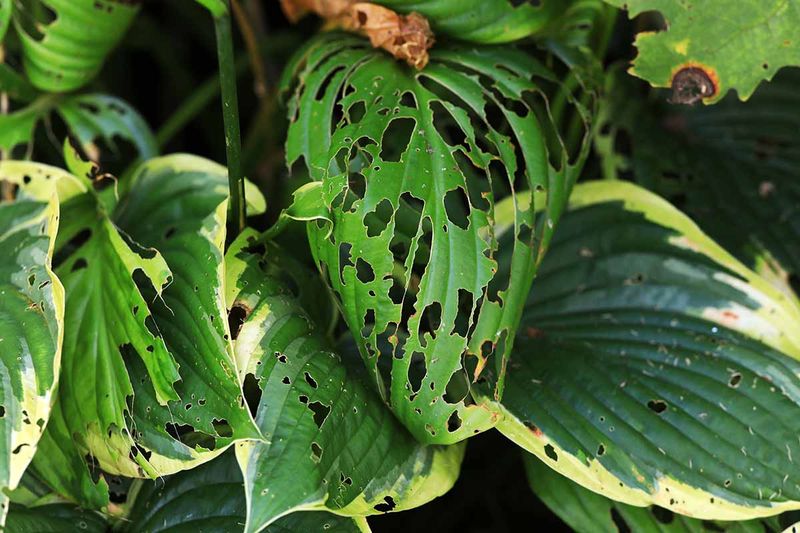
Slugs thrive in the kind of moist, shaded environment that Ohio hosta beds naturally provide, making them one of the most consistent challenges for gardeners growing these plants.
The damage shows up as irregular holes in leaves, ragged edges, and sometimes entire young leaves that seem to vanish overnight.
What many gardeners don’t immediately connect is that repeated slug pressure over multiple seasons gradually weakens the plant and contributes to smaller overall growth.
When slugs feed on emerging leaves in spring, they interrupt the plant’s most critical growth window.
Young leaves that are damaged early may never fully expand, and the plant spends energy on repair rather than on producing the large, healthy foliage it’s capable of.
Ohio’s cool, wet springs create ideal conditions for slug populations to build up quickly before gardeners notice the problem.
Checking under leaves and along the soil surface in the evening or early morning is the most reliable way to spot slug activity.
Iron phosphate-based slug baits are widely used in Ohio gardens and are considered relatively safe around pets and wildlife compared to older metaldehyde products.
Removing excess mulch or debris near hosta crowns reduces the damp hiding spots slugs rely on during the day.
Encouraging natural predators like ground beetles, toads, and birds into the garden also helps keep slug populations in check over time.
A combination of habitat management and targeted baiting tends to produce the most consistent results for Ohio gardeners dealing with recurring slug problems.
6. Compacted Soil Restricts Root Expansion
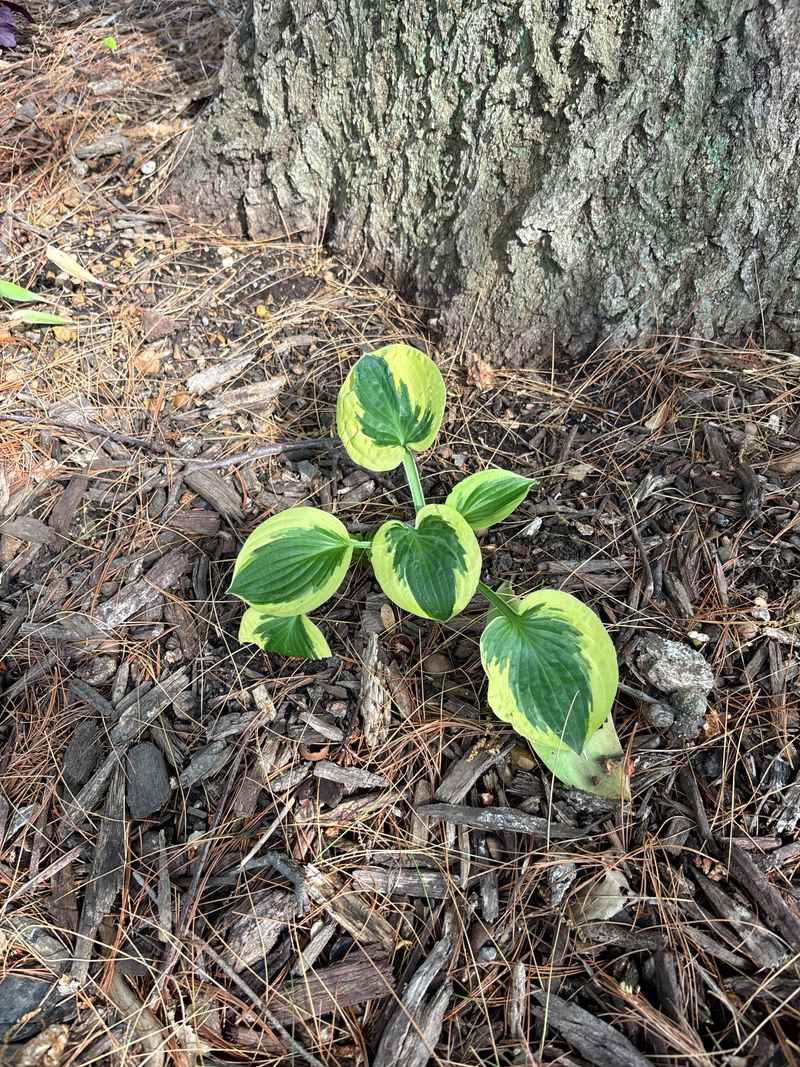
Ohio is well known for its heavy clay soils, particularly in the central and western parts of the state, and that clay can be a real obstacle for hostas trying to establish strong, wide root systems.
When soil becomes compacted, either from foot traffic, heavy rain, or simply years of compression, roots struggle to push outward and downward.
A plant with a restricted root system simply cannot take up enough water and nutrients to support large, vigorous leaf growth.
Compaction also reduces the amount of oxygen available in the soil, which roots need just as much as moisture.
In poorly aerated soil, beneficial microbial activity slows down, nutrient cycling becomes less efficient, and the plant’s overall health gradually declines even if surface conditions look fine.
Hostas may continue to return each year but produce increasingly smaller leaves as their roots run out of workable space.
Breaking up compacted soil around hosta beds with a garden fork, being careful not to damage surface roots, can improve aeration without major disruption.
Adding organic matter like aged compost or leaf mold works it into the soil structure over time, opening up pore spaces that allow both roots and water to move more freely.
For seriously compacted areas, raised beds filled with a well-amended planting mix can give hostas the loose, fertile environment their roots need to truly spread out.
Keeping foot traffic away from planting beds and using stepping stones in high-traffic garden areas helps prevent compaction from returning season after season.
7. Aging Plants Benefit From Division And Resetting
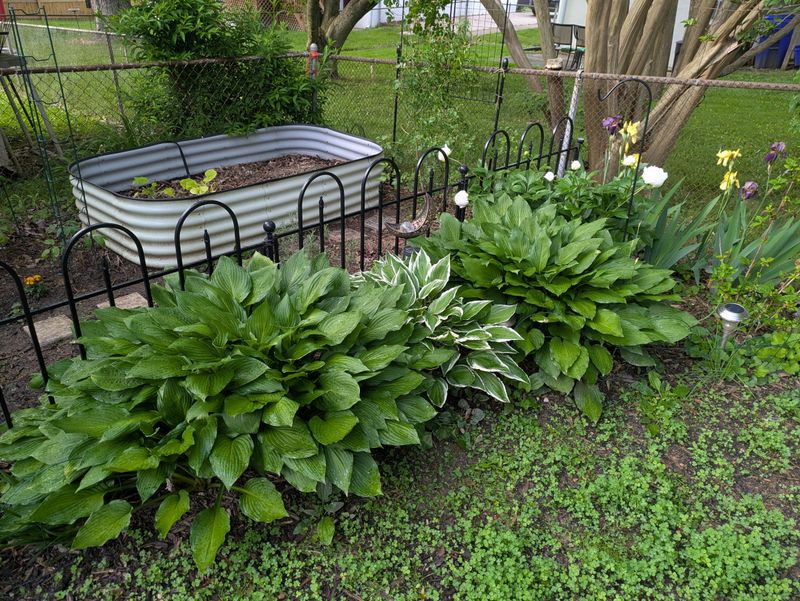
There’s a common assumption that older, established hostas are automatically stronger plants, but that’s not always how it plays out in Ohio gardens.
A hosta clump that has been growing in the same spot for eight or ten years without any intervention can actually become less productive over time.
The center of an old clump often becomes woody and less vigorous, while the outer edges continue to grow but produce increasingly smaller leaves.
Resetting an aging hosta through division essentially gives the plant a fresh start.
When you lift the clump, remove the older central growth, and replant the younger, outer sections with improved soil, you’re giving the plant the conditions it had when it was young and growing at its best.
Many Ohio gardeners who do this in early spring are genuinely surprised by the difference in leaf size and fullness by midsummer.
The timing of division matters in Ohio’s climate. Early spring, when new growth is just beginning to emerge but before leaves fully unfurl, is the most forgiving window.
The soil is typically workable after winter, and the plants have enough growing season ahead to establish well before summer heat arrives.
Replanting divisions in soil amended with compost, watering consistently through the first few weeks, and applying a light layer of mulch around the crown helps divisions settle in quickly.
Giving each division adequate spacing, at least two to three feet for medium-sized varieties, allows the plant room to develop the full, rounded form that makes hostas so appealing in Ohio shade gardens.
8. Late Spring Frost Can Set Back Early Growth
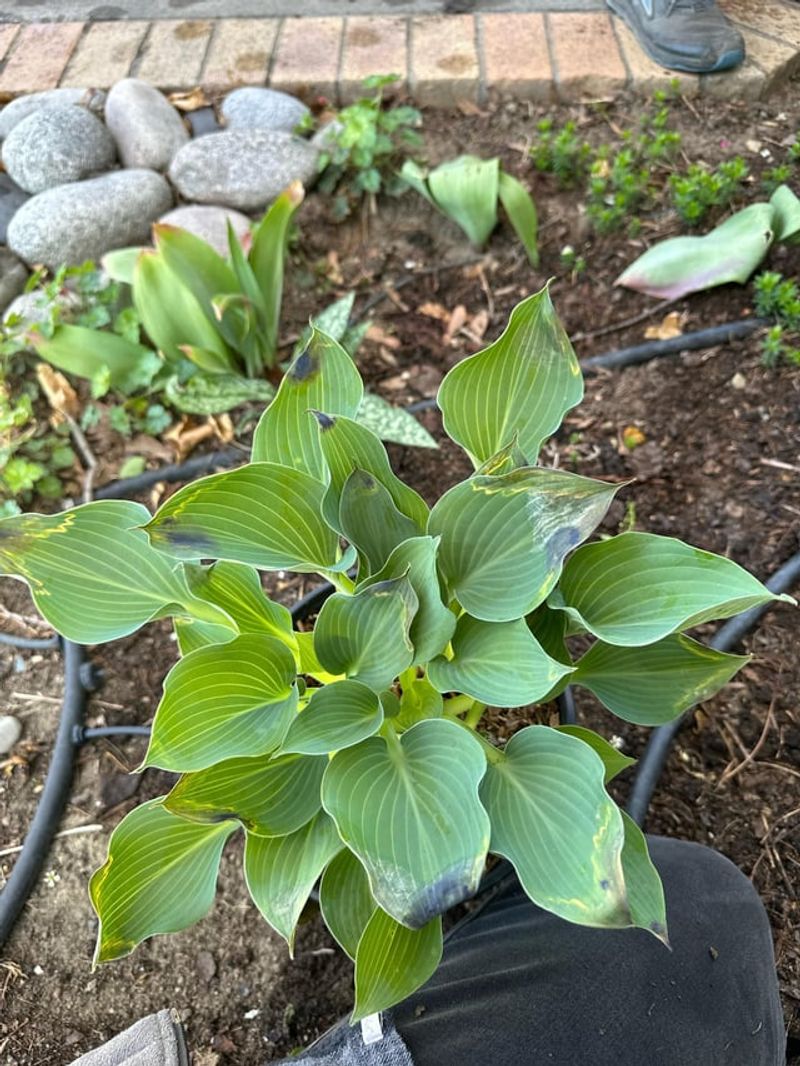
Ohio springs have a reputation for being unpredictable, and gardeners who have been growing hostas for a few years have almost certainly seen the damage a late frost can cause.
Hostas are among the earliest perennials to emerge in spring, pushing up tightly rolled leaves well before the last frost date has reliably passed.
When a late freeze hits those tender emerging shoots, the damage can be significant and season-long.
Frost-burned hosta leaves don’t simply recover and keep growing. The damaged tissue turns dark, becomes mushy, and often stops developing normally.
In mild cases, the plant may push out a second flush of growth, but those replacement leaves are frequently smaller and less vigorous than the original growth would have been.
In Ohio, late frosts in April and even early May are not unusual, particularly in northern parts of the state near Lake Erie and in low-lying frost pockets throughout the region.
Watching the forecast during early spring and covering emerging hosta crowns with a light frost cloth or even a simple layer of newspaper on nights when temperatures are expected to drop near freezing can prevent most of the damage.
It takes only a few minutes and can save an entire season of growth.
Gardeners who notice their hostas consistently emerging earlier each year might also consider applying a slightly thicker layer of mulch over the crown in late fall.
This can delay emergence by a week or two in spring, reducing the chances that new growth appears during the riskiest frost window in Ohio’s unpredictable shoulder season.