How To Grow Blueberries In Oregon Using Containers
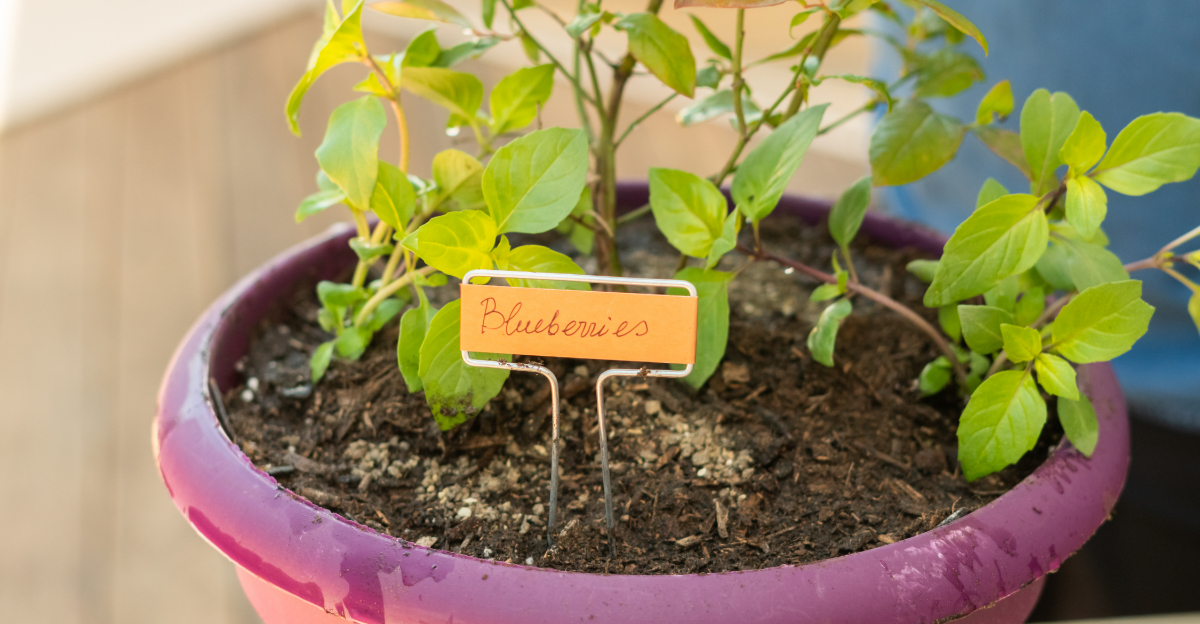
There is something satisfying about picking fresh blueberries right from your own space, especially on a warm Oregon morning.
Not everyone has the room for a full garden bed, though, and that is where containers can really open up new possibilities.
Growing blueberries in pots might seem limiting at first, but it can actually make things easier. You have more control over soil conditions, placement, and watering, which are all important for these plants.
In a state like Oregon, where soil types and rainfall can vary quite a bit, that flexibility can make a noticeable difference. Even a small patio or deck can support healthy blueberry plants with the right setup.
With the proper container size, soil mix, and care, blueberries can grow well and produce steadily without needing a large yard. It is a simple way to enjoy homegrown fruit while working with the space you already have.
1. Choose The Right Blueberry Type For Your Region
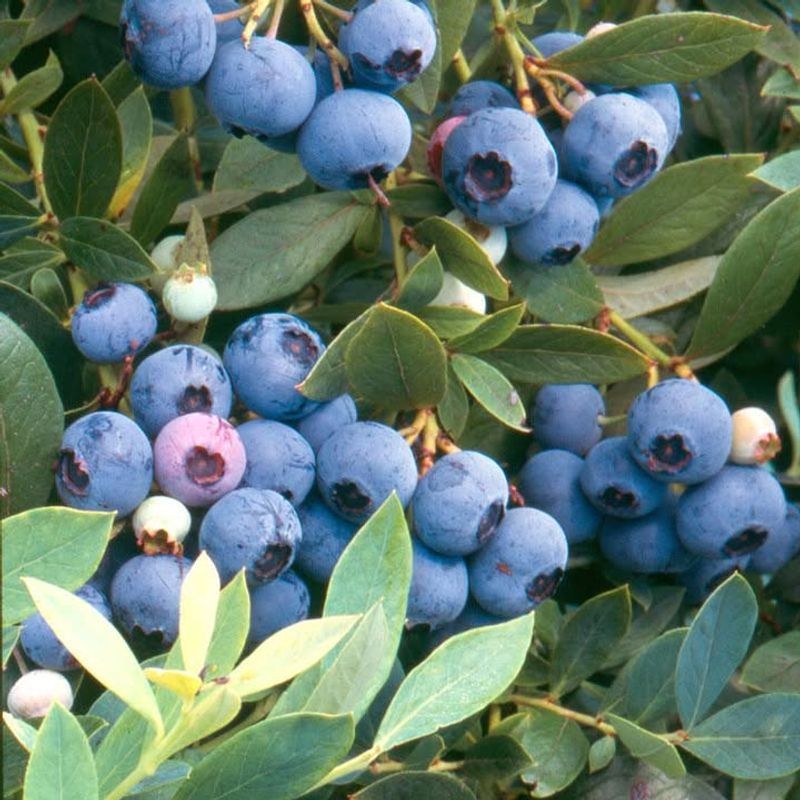
Not every blueberry bush is built the same, and picking the wrong variety for Oregon’s climate can leave you frustrated with little to no fruit. Oregon gardeners, especially those in the Willamette Valley, tend to do well with highbush varieties like Bluecrop, Duke, and Elliott.
These varieties love the mild, wet winters and warm summers that much of western Oregon offers.
For container growers, compact varieties are your best friends. Look for bushes labeled “half-high” or specifically bred for pots, like Sunshine Blue or Top Hat.
These smaller plants stay manageable in containers while still producing a generous harvest of sweet, plump berries.
Southern Oregon gardeners may want to explore rabbiteye varieties, which handle drier, warmer conditions better than standard highbush types. Always check the chill hour requirements on the plant tag before buying.
Blueberries need a certain number of cold winter hours to produce fruit, and matching that number to your specific Oregon zip code makes a huge difference in your harvest. Visiting a local Oregon nursery and asking staff about regionally tested varieties is one of the smartest first moves any container grower can make.
2. Use Acidic Soil With Proper pH Levels
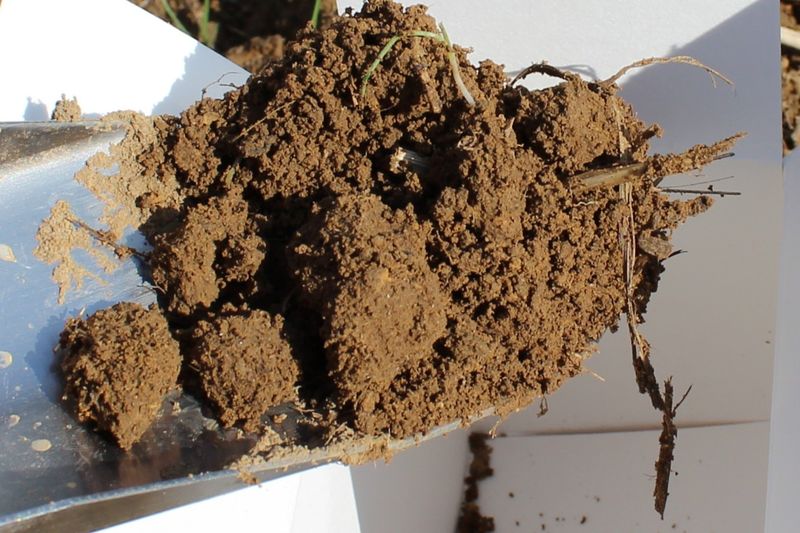
Blueberries are famously picky about their soil, and getting the pH right is absolutely non-negotiable if you want healthy plants loaded with fruit. The sweet spot for blueberries falls between a pH of 4.5 and 5.5.
Regular potting soil from a garden store usually sits around a pH of 6.0 or higher, which is too alkaline for these plants to absorb the nutrients they need.
Building your own mix is easier than it sounds. A popular and proven recipe combines equal parts peat moss, pine bark, and perlite.
Peat moss naturally lowers the pH, pine bark helps with drainage and aeration, and perlite keeps the mix from compacting over time. You can find all three ingredients at most Oregon garden centers without much trouble.
Testing your soil pH before planting is a step you should never skip. Inexpensive pH test kits are available online and at local nurseries.
Your Oregon Garden Changes Every Week. Your Plan Should Too.
Gardening in Oregon changes quickly throughout the season. Every Friday you’ll receive a simple weekly plan showing exactly what to plant, prune, fertilize, harvest, and protect so you never miss the right timing.
If your mix is still too alkaline, adding a small amount of sulfur can bring it down over a few weeks. Once your plants are growing, test the pH every spring to make sure it has not drifted upward.
Oregon’s naturally soft rainwater actually helps maintain lower pH levels in containers, which is a nice advantage for local growers working with this method.
3. Pick Containers With Excellent Drainage
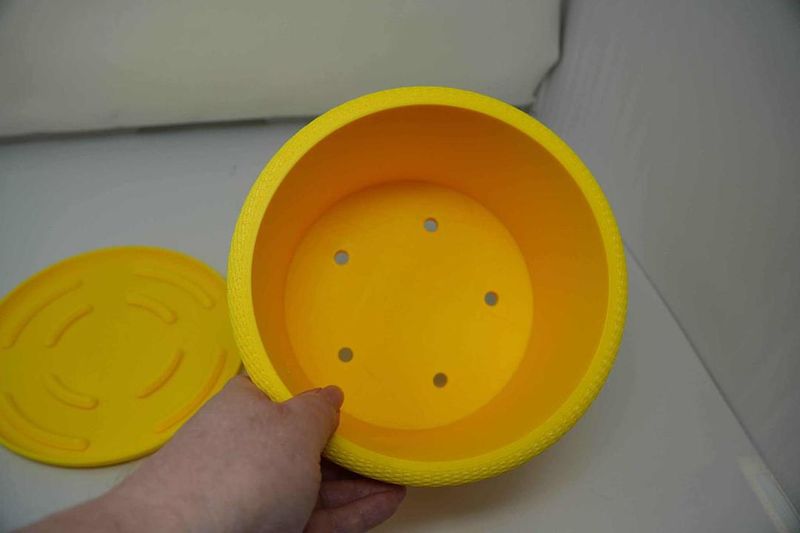
Ask any experienced Oregon container gardener and they will tell you the same thing: drainage is everything. Blueberries love consistent moisture, but their roots will rot quickly if they sit in standing water.
Choosing the right container from the start saves you a lot of headaches down the road.
For a mature blueberry bush, aim for a container that is at least 24 inches wide and 24 inches deep. Anything smaller will restrict root growth and reduce your harvest.
Half-whiskey barrels, large plastic nursery pots, and fabric grow bags are all popular choices among Oregon gardeners. Fabric grow bags are especially worth considering because they allow air to reach the roots and naturally prevent overwatering through a process called air pruning.
No matter what style of container you choose, make sure it has multiple drainage holes at the bottom. If you are using a saucer underneath to protect your deck or patio, empty it after every heavy rain.
Oregon gets a lot of rainfall between October and April, so keeping an eye on drainage during those wet months is especially important. Elevating your containers slightly on pot feet or bricks can also improve airflow and help excess water escape more efficiently.
Starting with the right pot sets the foundation for everything else that follows in your container blueberry journey.
4. Place Plants In Full Sun For Best Growth
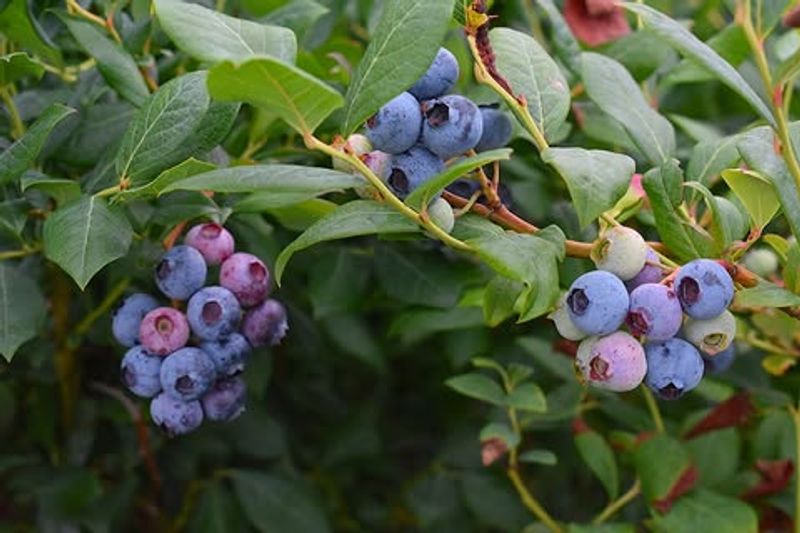
Sunlight is the engine that powers your blueberry plants, and giving them enough of it is one of the biggest factors in getting a good harvest. Blueberries need at least six to eight hours of direct sunlight every day.
One of the greatest perks of container gardening is that you can move your pots around to chase the sun as the seasons change.
In Oregon, especially west of the Cascades, cloudy days are common from fall through early spring. Positioning your containers on a south-facing patio or deck gives your plants the best shot at catching all the available sunlight during those gray months.
As summer arrives and the skies clear, Oregon blueberries in full sun can produce some truly impressive harvests.
Watch your plants for signs that they are not getting enough light. Pale or yellowish leaves, slow growth, and very little fruit production are all clues that your blueberry bush needs a sunnier spot.
Avoid placing containers under large trees or against north-facing walls where shade is heavy. If your outdoor space is naturally shaded, look into lighter-colored container materials that reflect heat and help warm the root zone.
Getting the sunlight situation right from the beginning makes every other part of growing container blueberries in Oregon noticeably easier and more rewarding.
5. Water Consistently Without Waterlogging
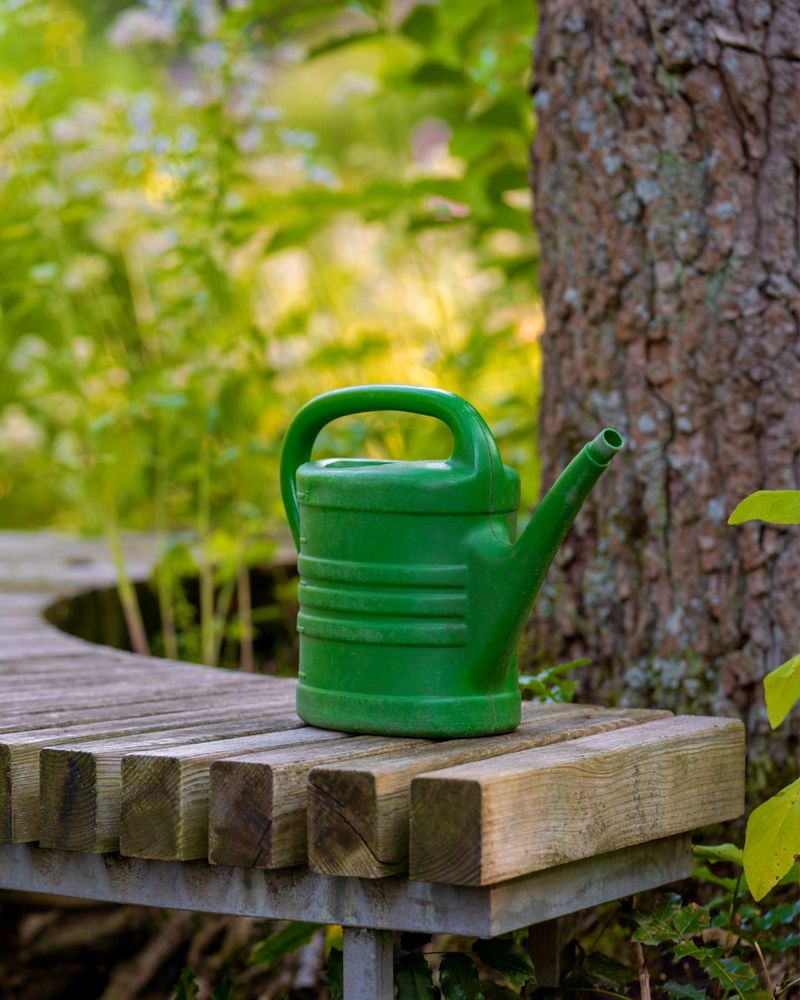
Blueberries have shallow, fibrous root systems that dry out faster than you might expect, even in rainy Oregon. Keeping the soil evenly moist is the goal, but there is a real difference between moist and waterlogged.
Overwatering is just as problematic as underwatering, and both can seriously set back your plants.
During Oregon’s dry summer months, container blueberries may need water every day or every other day, especially when temperatures climb into the 80s and 90s. Stick your finger about an inch into the soil.
If it feels dry at that depth, it is time to water. If it still feels damp, give it another day.
This simple test takes five seconds and saves your plants from a lot of unnecessary stress.
Drip irrigation systems work wonderfully for container blueberries, delivering a slow and steady trickle of water directly to the root zone. Many Oregon gardeners set up basic drip timers during summer to keep watering consistent even when they are away from home.
During the rainy season, your containers may get most of their moisture from natural rainfall, but always check that drainage holes are clear and working properly. Using rainwater collected in a barrel is an especially smart move in Oregon, since it is naturally soft and slightly acidic, which blueberry plants absolutely love.
6. Mulch To Protect Shallow Roots
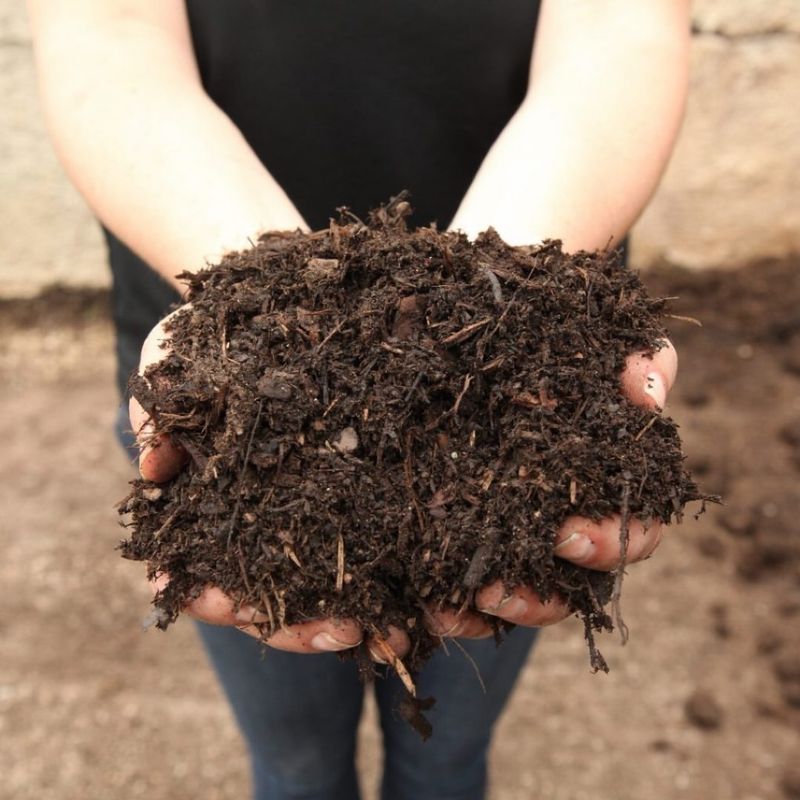
Did you know that a few inches of mulch on top of your container soil can make a dramatic difference in how well your blueberry plants perform? Because blueberries have roots that grow close to the surface, they are vulnerable to temperature swings and moisture loss.
Mulching is one of the simplest and most effective ways to protect them.
Pine bark mulch and wood chip mulch are the top choices for blueberry containers in Oregon. Both materials break down slowly, add a small amount of acidity to the soil over time, and do a great job of holding in moisture between waterings.
Apply a layer about two to three inches thick across the top of your container, keeping the mulch pulled slightly away from the main stem to prevent rot.
Beyond moisture retention, mulch acts as a natural insulator. During Oregon’s chilly fall and winter months, a good layer of mulch helps buffer the root zone against sudden cold snaps.
In summer, it keeps the soil cooler on hot days, which blueberry roots genuinely appreciate. Refresh your mulch layer each spring as it breaks down and thins out.
Some Oregon gardeners also use pine needles as mulch because they are easy to collect locally and add natural acidity to the growing environment, making them a clever and resourceful choice for container blueberry care.
7. Fertilize In Early And Late Spring
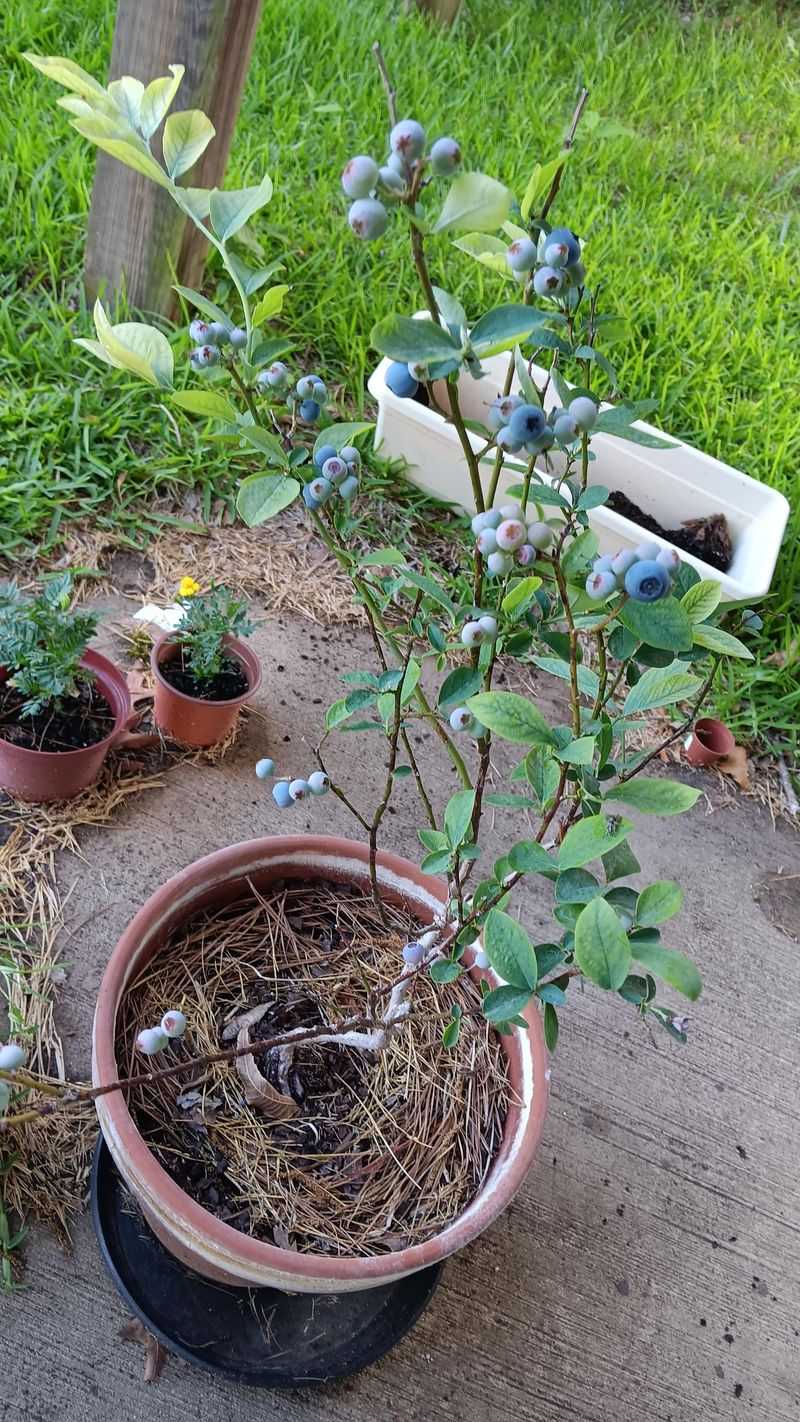
Feeding your blueberry plants the right fertilizer at the right time is one of those details that separates a decent harvest from a truly great one. Blueberries are acid-loving plants, so using a fertilizer formulated specifically for them is important.
Look for products labeled for azaleas, rhododendrons, or blueberries at your local Oregon garden store.
The timing of fertilization matters just as much as the type. Apply your first round of fertilizer in early spring, right around the time you start to see new buds swelling on the branches.
A second application in late spring, roughly four to six weeks after the first, gives your plants a steady supply of nutrients through the busiest part of their growing season. Avoid fertilizing in late summer or fall, as pushing new growth too late in the year can make your plants more vulnerable to Oregon’s cold winter temperatures.
Granular slow-release fertilizers are a popular and forgiving option for container gardeners because they feed plants gradually over several weeks. If you prefer a faster approach, liquid fertilizers diluted in water can be applied during regular watering sessions.
Always follow the label instructions carefully, since over-fertilizing can burn roots and actually reduce fruit production. A little patience and consistency with your feeding schedule will reward you with healthy, vigorous blueberry plants loaded with berries come harvest time in Oregon.
8. Grow Multiple Varieties For Better Yield
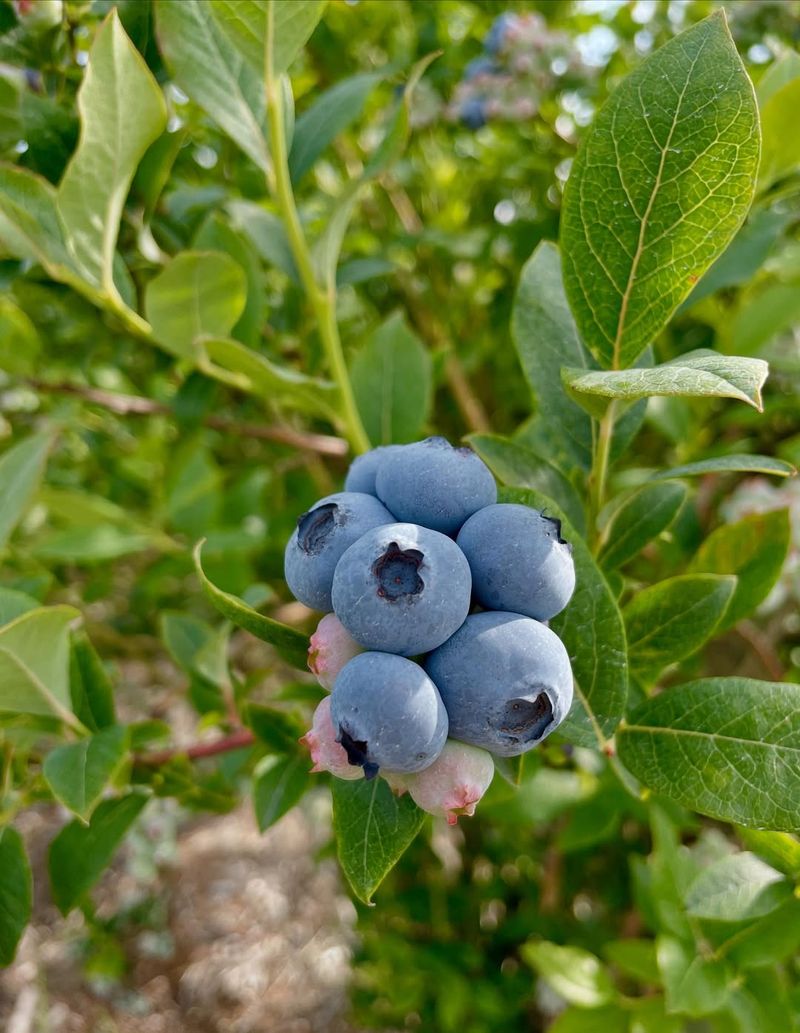
Here is something a lot of first-time blueberry growers in Oregon do not realize until their second season: planting just one variety often leads to a smaller harvest than you might expect. While some blueberry varieties are self-pollinating, most produce significantly more fruit when they have a cross-pollination partner growing nearby.
The good news is that growing multiple varieties in containers is totally manageable. You do not need a large space, just a few extra pots grouped together on your patio or deck.
Pairing early, mid-season, and late-season varieties also has a bonus effect: instead of all your berries ripening at once, you get a rolling harvest that can stretch from late June all the way into September in many parts of Oregon.
Popular pairing combinations for Oregon container growers include Bluecrop with Duke, or Sunshine Blue with Toro. Ask your local nursery which varieties cross-pollinate well and which ones are best suited to your specific part of Oregon, whether you are in the Portland metro area, the coast, or the high desert east of the Cascades.
Bees and other pollinators do most of the heavy lifting when it comes to cross-pollination, so placing your containers near flowering plants that attract pollinators is a smart and natural way to boost your blueberry harvest every single year.
9. Protect Plants From Heat And Sun Stress
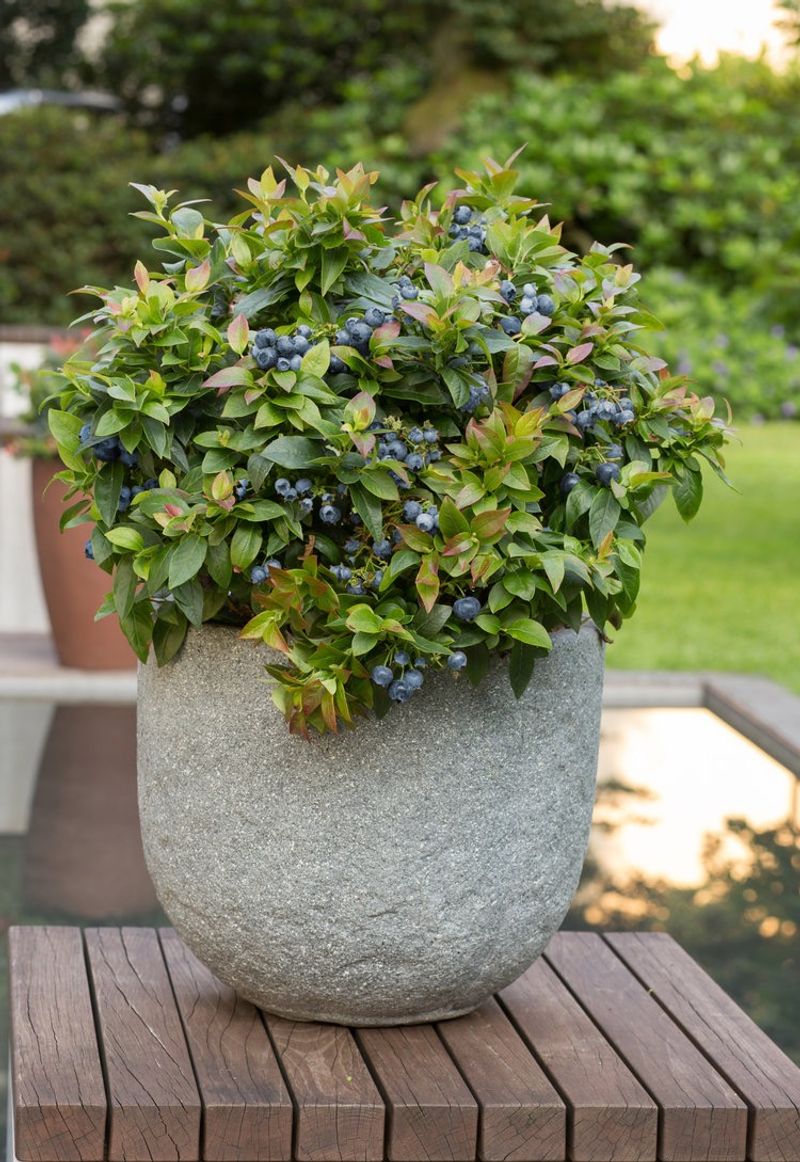
Oregon summers can catch new gardeners off guard. While the state is famous for its rainy winters, July and August can bring stretches of intense heat, especially east of the Cascades and in the Rogue Valley.
Blueberry plants in containers are more exposed to these temperature swings than plants in the ground, making heat protection a real priority.
When temperatures push above 85 degrees Fahrenheit, blueberry plants can start showing signs of stress. Leaves may curl or take on a slightly scorched look along the edges.
Moving containers to a spot with afternoon shade during heat waves is one of the easiest and most effective solutions. A location that gets full morning sun and gentle shade after 2 p.m. works beautifully during Oregon’s hottest weeks.
Shade cloth is another tool worth having on hand for Oregon container growers. A lightweight 30 percent shade cloth draped over your plants during extreme heat events can reduce leaf temperature noticeably without cutting out too much of the light your plants need to produce fruit.
Keeping up with watering during hot spells is equally critical, since containers dry out much faster in high heat. Grouping your pots together also helps, because the plants create a small microclimate that retains a bit more humidity around the leaves, giving your blueberries a better chance of sailing through summer heat in great shape.