Oregon Perennials That Establish Fast When Planted Right Now
There is a certain point in the Oregon growing season when everything seems ready to take off. The soil has warmed just enough, spring moisture is still hanging around, and plants have a chance to settle in before summer conditions arrive.
This window can make a real difference, especially when planting perennials. Some varieties take their time getting established, but others respond quickly and start putting on noticeable growth without much delay.
That can be especially rewarding if you are looking to fill in garden spaces or refresh areas that felt a little sparse earlier in the season.
Planting at the right moment can help these perennials root in faster and handle the transition into warmer weather with less stress.
Choosing varieties that respond well right now can lead to stronger plants that continue performing well through the rest of the season.
1. Oregon Sunshine That Lives Up To Its Name
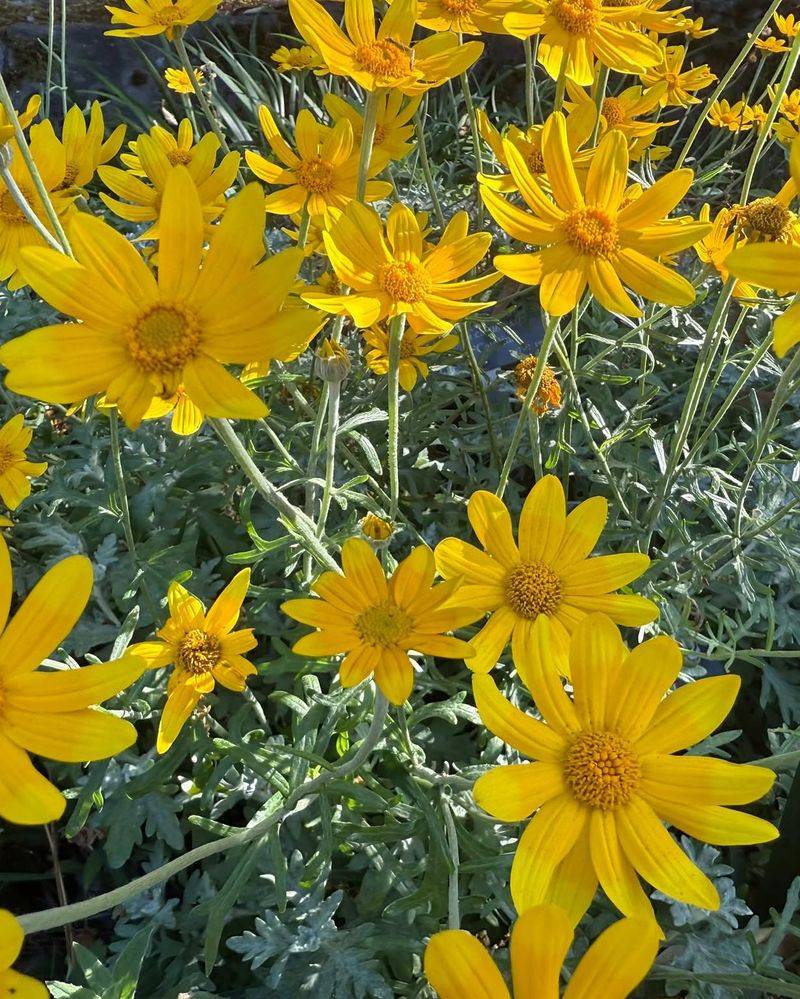
Bright as a summer afternoon, Oregon Sunshine is one of the most cheerful native plants you can add to your garden right now. Botanically known as Eriophyllum lanatum, this low-growing perennial produces clusters of golden-yellow, daisy-like flowers that practically glow in the sunlight.
It is native to Oregon and thrives across many of the state’s varied landscapes, from dry hillsides in the Willamette Valley to rocky coastal bluffs.
One of the best things about Oregon Sunshine is how fast it establishes when planted in spring. The soil is warming up just enough to encourage strong root development, and the plant wastes no time getting comfortable.
It prefers well-drained soil and full sun, making it an excellent choice for spots where other plants might struggle. Sandy or gravelly soil?
No problem at all for this tough little bloomer.
Gardeners across Oregon love it because it asks for so little once it gets going. Watering during the first few weeks helps roots anchor firmly, but after that, Oregon Sunshine handles dry spells with ease.
It is also a magnet for native bees and butterflies, adding real ecological value to your yard. Deadheading spent flowers encourages a longer blooming season, stretching the color from late spring well into summer.
If you want a plant that looks like it belongs in an Oregon landscape, because it literally does, this golden gem deserves a prime spot in your garden beds this season.
2. Yarrow That Handles Tough Conditions With Ease
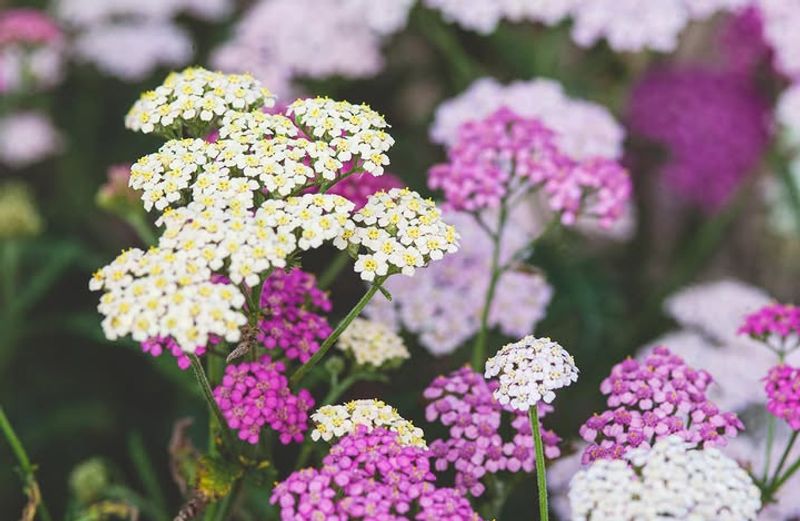
Few perennials in Oregon can match Yarrow when it comes to speed of establishment and overall toughness. Achillea millefolium has been growing wild across Oregon’s meadows and roadsides for centuries, and that wild resilience translates beautifully into home gardens.
Plant it now and you will likely see strong, feathery foliage within just a couple of weeks, followed by flat-topped flower clusters in shades of white, yellow, pink, or red depending on the variety you choose.
Yarrow thrives in full sun and is remarkably tolerant of poor or dry soil conditions, which makes it ideal for many parts of Oregon where summer drought is a real concern. Its root system expands quickly once soil temperatures rise in spring, locking the plant into place well before the heat of July arrives.
Your Oregon Garden Changes Every Week. Your Plan Should Too.
Gardening in Oregon changes quickly throughout the season. Every Friday you’ll receive a simple weekly plan showing exactly what to plant, prune, fertilize, harvest, and protect so you never miss the right timing.
Gardeners who have struggled with dry, compacted spots in their yards often find that Yarrow is the plant that finally makes those areas look intentional and beautiful.
Beyond its good looks, Yarrow pulls serious weight in the pollinator department. Bees, butterflies, and beneficial insects flock to its blooms throughout the summer months.
The feathery foliage also has a pleasant, herbal scent when brushed against. Cutting spent flower heads back in midsummer often encourages a second round of blooms before fall.
For Oregon gardeners who want a low-fuss, high-reward perennial that earns its keep year after year, Yarrow is a tried-and-true classic that never disappoints in the ground.
3. Douglas Aster That Brings Late Season Color
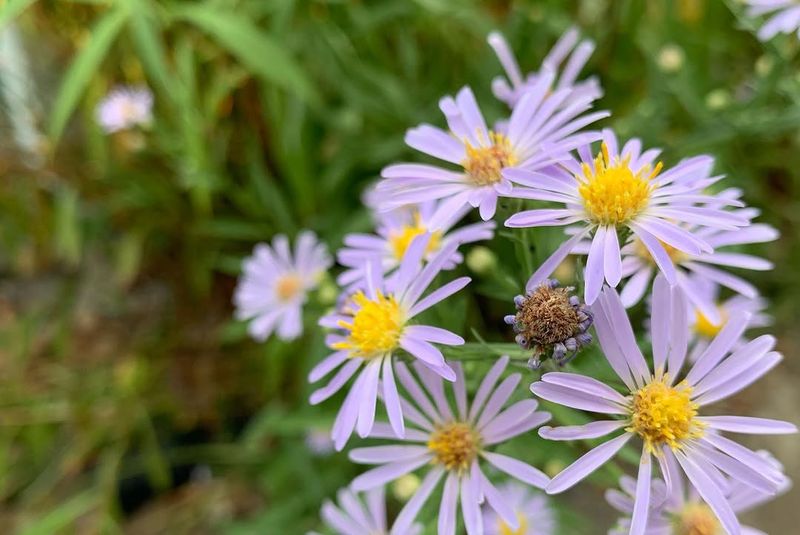
Native plant enthusiasts across Oregon have a special fondness for Douglas Aster, and honestly, it is easy to understand why. Symphyotrichum subspicatum is a Pacific Northwest original, found naturally along Oregon’s coast, in its river valleys, and throughout moist woodland edges.
When you plant it in spring, it channels all that native energy into rapid root growth, establishing itself firmly before summer even gets started.
Douglas Aster produces a generous flush of small, lavender-purple flowers with bright yellow centers, and the blooms appear late in the season when many other perennials are winding down. That late-summer and fall color is genuinely valuable in any Oregon garden.
The plant grows to about two to three feet tall and spreads at a moderate pace, filling in gaps in garden beds without becoming a nuisance. It handles both moist and moderately dry conditions, though it truly shines when given a spot with some afternoon shade in hotter inland areas of Oregon.
Pollinators absolutely love Douglas Aster. Monarch butterflies passing through Oregon in fall are especially drawn to its nectar-rich blooms, making it a meaningful addition to any wildlife-friendly yard.
It pairs beautifully with other native perennials like Oregon Sunshine and Red Columbine, creating a layered, natural-looking planting scheme. Minimal pruning and occasional watering during dry spells are all this plant really needs.
For gardeners who want to support Oregon’s native ecosystem while enjoying genuinely pretty flowers, Douglas Aster checks every single box without asking much in return.
4. Blanket Flower That Thrives In Heat And Sun
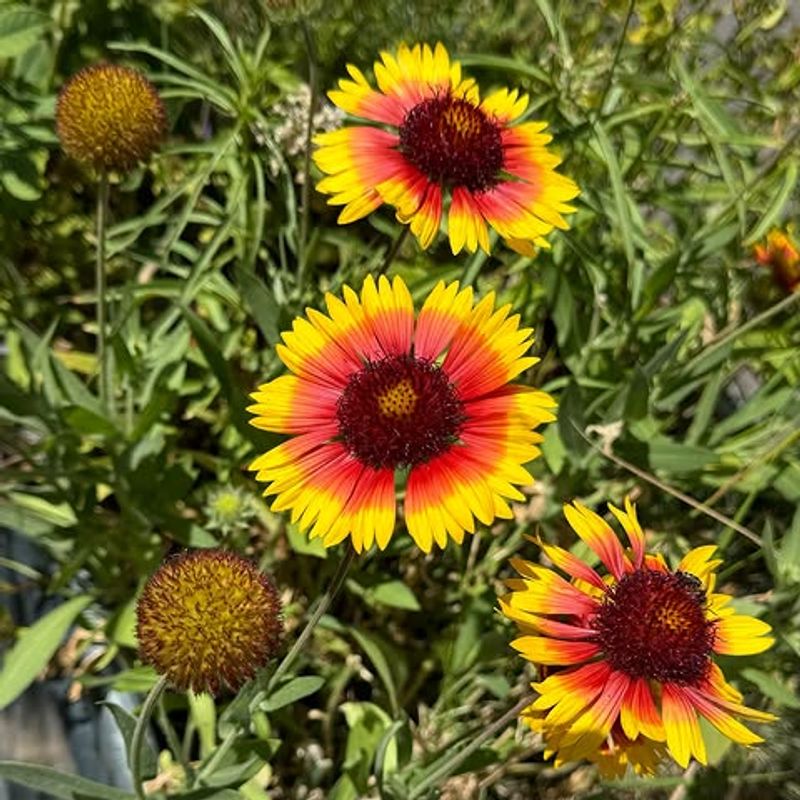
Warm, fiery, and absolutely impossible to ignore, Blanket Flower brings a bold splash of color to Oregon gardens from early summer straight through to fall. Gaillardia is named for its resemblance to the richly patterned blankets made by Native American artisans, and the comparison is spot-on.
The blooms feature dramatic combinations of red, orange, and yellow that look like tiny sunsets sitting right in your garden bed. Plant it now and you will be rewarded with flowers faster than you might expect.
Blanket Flower is a superstar in full-sun spots with well-drained soil, which describes a huge number of Oregon garden settings. It establishes quickly in spring because it genuinely loves warm soil and bright light.
Unlike some perennials that sulk through their first season, Blanket Flower often blooms abundantly right in its planting year, giving you immediate visual impact. It is also notably drought-tolerant once established, a huge bonus during Oregon’s characteristically dry summers in the valley and eastern regions.
Deadheading spent blooms regularly keeps Blanket Flower producing new flowers at an impressive rate. The plant typically grows one to two feet tall, making it a great mid-border choice that will not overshadow shorter plants nearby.
Bees and butterflies visit the blooms constantly throughout the season. Blanket Flower also works wonderfully as a cut flower, bringing that same vivid energy indoors.
For gardeners who want maximum color with minimum fuss, this perennial is a genuinely exciting plant to have in an Oregon garden right now.
5. Penstemon That Hummingbirds Can’t Resist
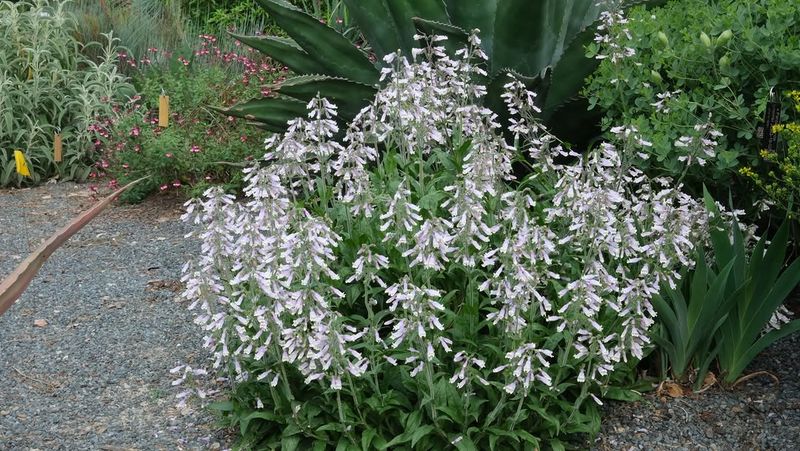
If hummingbirds visiting your Oregon garden sounds appealing, Penstemon is the perennial you need to plant right now. Often called Beardtongue, this genus has dozens of species native to the Pacific Northwest, and many of them establish with impressive speed when put in the ground during spring.
The tubular flowers come in shades of purple, pink, red, and white, and they are perfectly shaped to attract hummingbirds that pass through Oregon during their seasonal migration.
Penstemon is remarkably well-suited to Oregon’s varied conditions. It handles dry, rocky, and sandy soils with ease, making it a great choice for challenging spots where richer soil plants might not perform as well.
Full sun is preferred, though some species tolerate light afternoon shade in the hotter inland valleys of Oregon. Once established, Penstemon is highly drought-tolerant, requiring little supplemental watering beyond the first season.
That combination of toughness and beauty makes it a standout perennial for low-maintenance Oregon landscapes.
Planting in spring gives Penstemon the long growing season it needs to develop a strong root system before facing its first summer. Mulching around the base after planting helps retain moisture during the establishment phase.
Most varieties bloom in late spring to early summer, creating elegant vertical spikes of color that contrast beautifully with rounder or spreading plants nearby. Native bee species also rely heavily on Penstemon as a nectar source.
Choosing a species native to your specific region of Oregon ensures the best long-term performance and the most ecological benefit for local wildlife.
6. Coreopsis That Keeps Blooming And Blooming
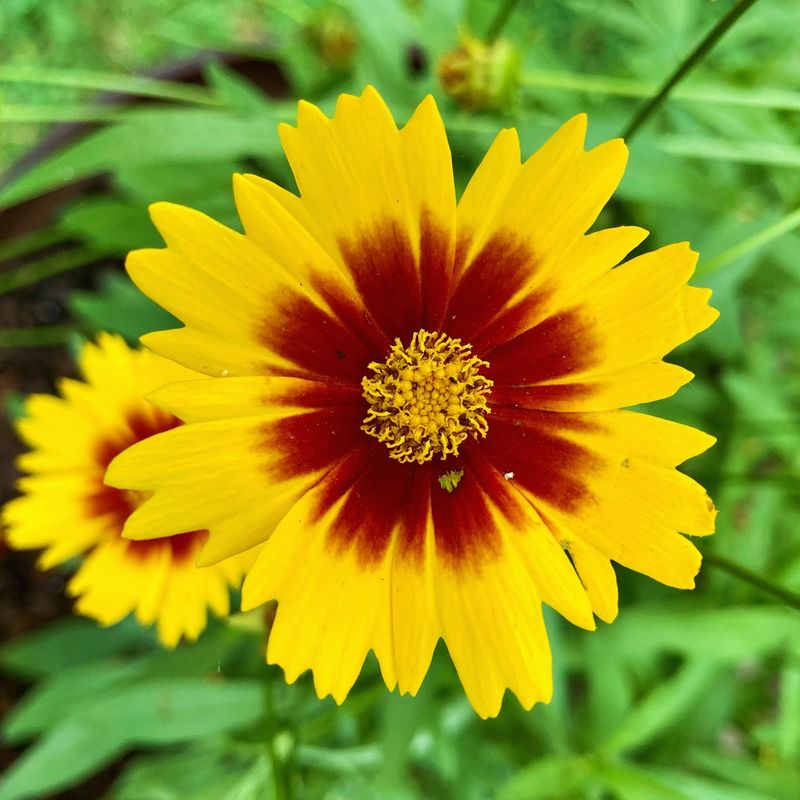
Cheerful, sunny, and almost unstoppably productive, Coreopsis earns its nickname Tickseed by producing so many flowers that the plant practically buzzes with color from late spring through summer. For Oregon gardeners planting right now, Coreopsis is one of the fastest-establishing perennials available.
Its roots spread eagerly in warm spring soil, and many varieties begin blooming within the first season, sometimes within just a few weeks of being planted.
Full sun and well-drained soil are the two things Coreopsis really asks for, and Oregon’s spring conditions deliver both quite nicely in most parts of the state. It tolerates drought well once established, which is great news for gardens in the Willamette Valley or southern Oregon where dry summers are a regular reality.
The bright yellow flowers, and sometimes pink or bicolor varieties, attract a wide range of pollinators including native bees, honeybees, and butterflies that are active throughout Oregon’s growing season.
One of the most practical things about Coreopsis is how forgiving it is for beginner gardeners. It does not demand perfect soil, regular fertilizing, or complicated care routines.
Deadheading spent blooms encourages continuous flowering, but even without much attention, Coreopsis puts on a reliable show. It grows anywhere from one to three feet tall depending on the variety, fitting naturally into borders, rock gardens, or wildflower-style plantings.
Pairing it with native grasses or other sun-loving Oregon perennials creates a dynamic, layered look that feels both intentional and effortlessly natural throughout the entire growing season.
7. Red Columbine That Lights Up Shady Spots
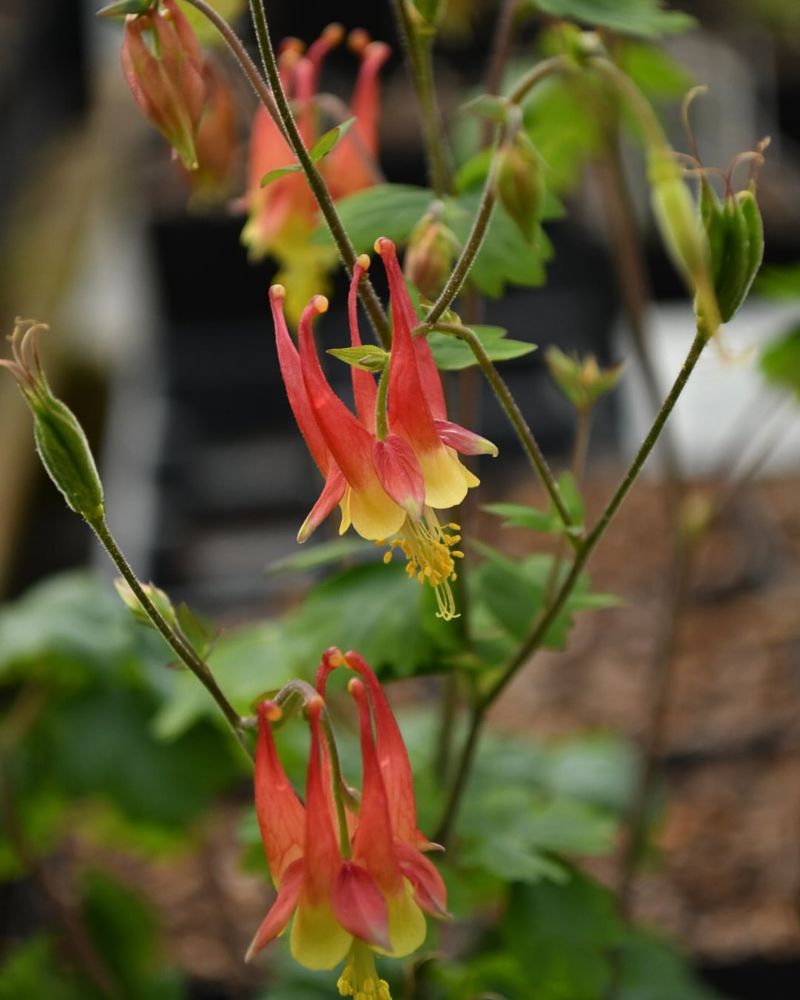
There is something genuinely magical about Red Columbine blooming in a shaded Oregon garden corner in spring. Aquilegia formosa is the native species found throughout the Pacific Northwest, and its intricate red and yellow spurred flowers look like tiny lanterns hanging among delicate, blue-green foliage.
Hummingbirds are practically obsessed with these blooms, and watching them hover around the flowers is one of the simple pleasures of an Oregon spring garden.
Red Columbine is one of the earlier bloomers on this list, often producing flowers in April and May when planted in the ground right now. It prefers partial shade to full shade, making it an excellent solution for those tricky spots under trees or along north-facing fences where other plants refuse to cooperate.
It grows naturally in Oregon’s forest edges and streamside habitats, so moist, well-drained soil with plenty of organic matter closely mimics its ideal conditions.
Establishing quickly from nursery transplants, Red Columbine typically settles in within a few weeks and begins spreading gently by self-seeding over time. That self-seeding habit means you get more plants each year without any extra effort on your part, which feels like a genuine gift.
The foliage remains attractive even after flowering ends, adding texture to shaded garden areas through the rest of the growing season. Pairing Red Columbine with Douglas Aster, native ferns, or shade-loving grasses creates a lush, layered planting that celebrates Oregon’s natural woodland character beautifully and authentically.
8. Lupine That Makes A Bold Spring Statement
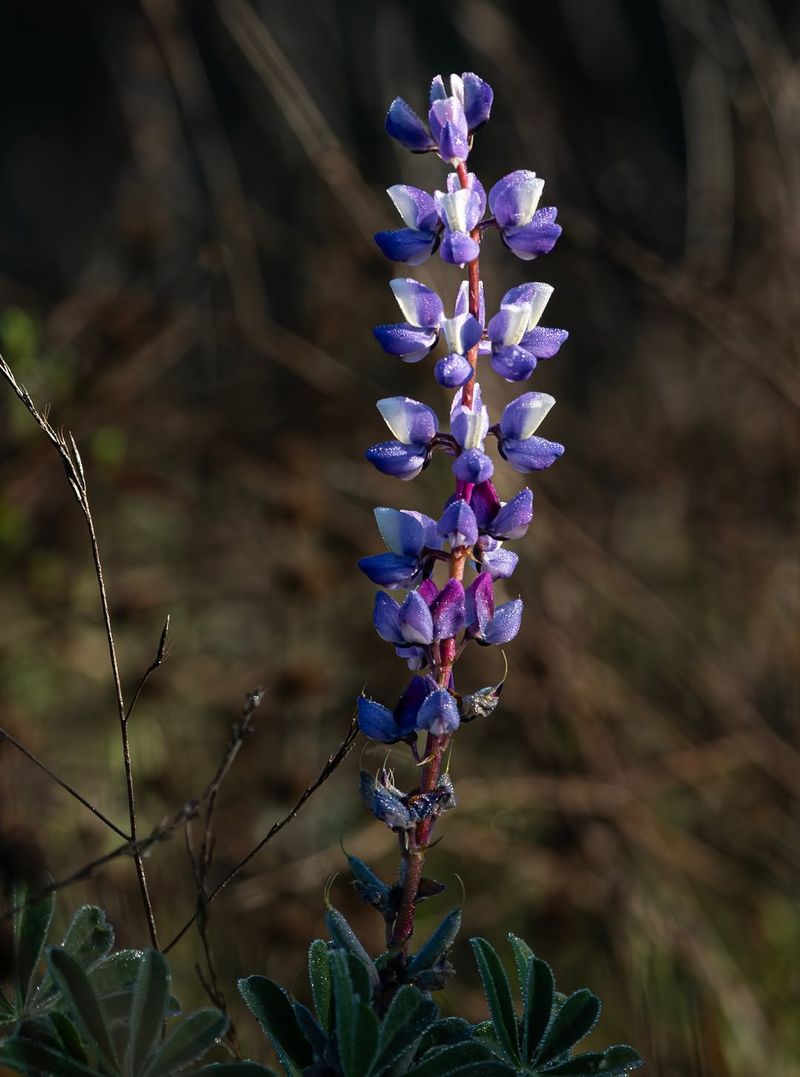
Tall, dramatic, and wildly beautiful, Lupine is one of those perennials that stops people in their tracks when it is in full bloom. Anyone who has driven through Oregon’s Cascade foothills in late spring has likely spotted the tall purple spires of wild Lupine rising from roadside meadows and forest clearings.
Planting it now in your home garden gives you a front-row seat to that same breathtaking display without leaving your backyard.
Lupine establishes well when planted in spring because mild soil temperatures and consistent moisture help young plants develop deep, nitrogen-fixing root systems. Yes, Lupine actually improves the soil it grows in by pulling nitrogen from the air and storing it in root nodules, which is an incredible bonus for any Oregon gardener looking to build soil health over time.
Full sun to light shade and well-drained, slightly acidic soil suit it best, conditions that describe large portions of western Oregon’s garden landscape.
Varieties like Lupinus polyphyllus, native to the Pacific Northwest, are especially well-adapted to Oregon’s climate and establish faster than many introduced cultivars. The tall flower spikes, often reaching three to four feet in height, create incredible vertical interest in garden beds.
Bumblebees are the primary pollinators of Lupine and visit the blooms constantly during the flowering period. After blooming, cutting the flower stalks back encourages fresh foliage growth and sometimes a second smaller flush of flowers later in the season.
Lupine is simply one of Oregon’s most iconic and rewarding perennials to grow.