The Vegetables That Thrive In Containers In Oregon
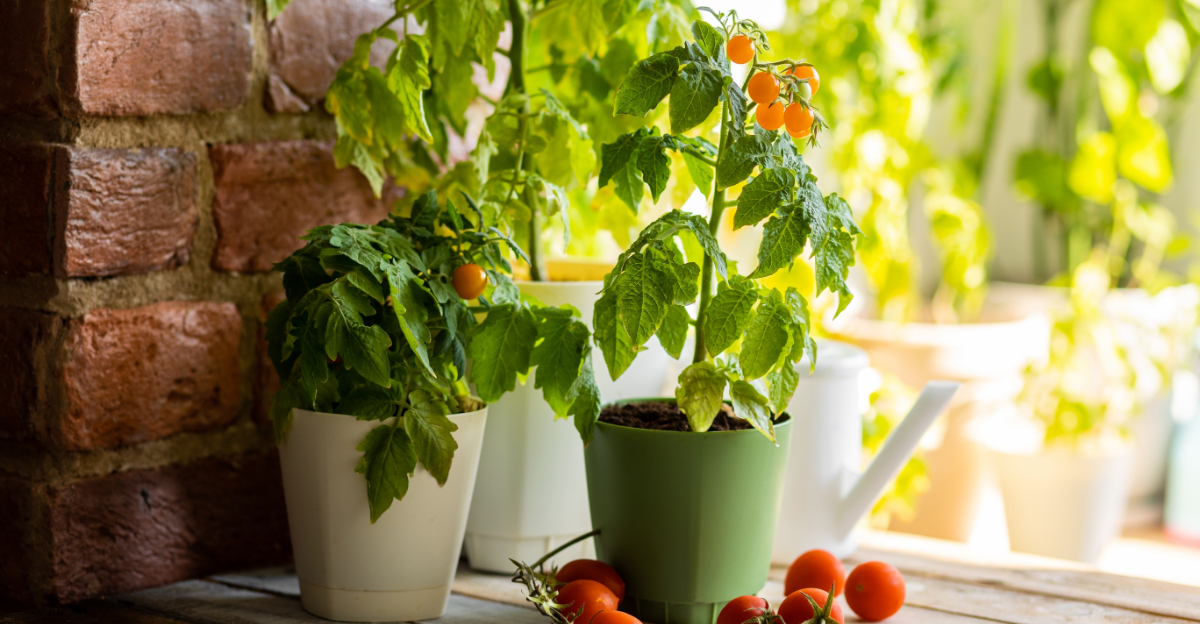
Not every Oregon gardener has space for raised beds or a full backyard setup, and that is completely fine. Containers have become a reliable way to grow vegetables without needing a large footprint.
A few well-placed pots on a patio, balcony, or even a sunny walkway can produce more than people expect. The key is knowing which vegetables are naturally suited to container growing and can handle Oregon’s shifting spring and summer conditions.
Some crops adapt easily to limited space, while others struggle without deeper soil and more room to spread.
Getting that choice right makes the whole process feel much simpler and more rewarding.
With the right vegetables and a bit of attention to watering and placement, container gardening can turn small spaces into productive growing areas that keep up throughout the season.
1. Lettuce That Keeps Coming Back For More
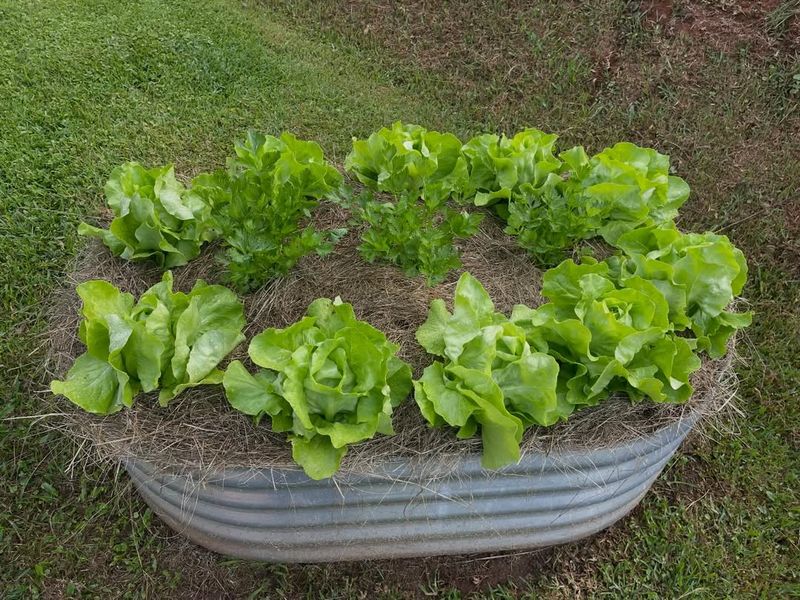
Few vegetables are as beginner-friendly and rewarding as lettuce, especially when you are growing it in containers in Oregon. It grows quickly, often ready to harvest in about six weeks from the time you sow the seeds.
That fast turnaround makes it perfect for Oregon’s shorter growing seasons in places like Eugene or the Willamette Valley.
Lettuce prefers cooler temperatures, which means Oregon’s mild spring and fall weather is practically made for it. You can start seeds indoors in late winter and move the containers outside as the weather warms up.
Place your pots where they get morning sun but some afternoon shade, especially during warmer summer days.
A wide, shallow container works best for lettuce since the roots do not grow very deep. Use a good-quality potting mix and keep the soil consistently moist, because dry soil can make lettuce taste bitter.
You can also try a cut-and-come-again approach, snipping leaves from the outside of the plant and letting the center keep growing for multiple harvests. Growing several containers with staggered planting dates gives you a steady supply of fresh salad greens throughout the season.
2. Spinach That Loves Cool Oregon Weather
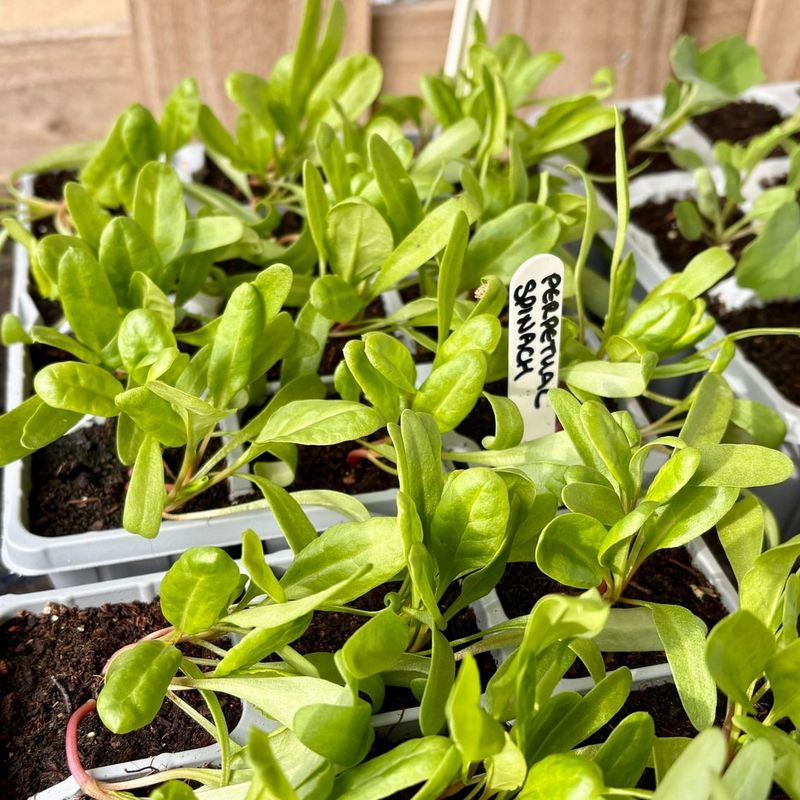
In Oregon’s cool, mild climate, few vegetables feel more at home than spinach. The state’s cool, damp springs and mild falls create ideal conditions for this leafy green to flourish in containers.
Unlike warmer climates where spinach bolts quickly, Oregon gardeners often enjoy longer harvesting windows before the heat of summer kicks in.
A container that is at least eight inches deep works well for spinach. Fill it with rich, well-draining potting mix and sow seeds about an inch apart.
As the plants grow, thin them out so each one has enough room to develop properly. Keep the soil moist but not waterlogged, and your plants will reward you with tender, flavorful leaves.
Spinach is packed with nutrients like iron and vitamin C, which makes growing your own feel extra worthwhile. You can harvest outer leaves regularly to keep the plant producing, similar to the cut-and-come-again method used for lettuce.
In Oregon, you can often grow spinach into late fall by moving containers to a sheltered spot, like against a south-facing wall or under an overhang. Starting a second batch of seeds in late summer sets you up for a productive autumn harvest that stretches well into the cooler months.
Your Oregon Garden Changes Every Week. Your Plan Should Too.
Gardening in Oregon changes quickly throughout the season. Every Friday you’ll receive a simple weekly plan showing exactly what to plant, prune, fertilize, harvest, and protect so you never miss the right timing.
3. Radishes Ready In Record Time
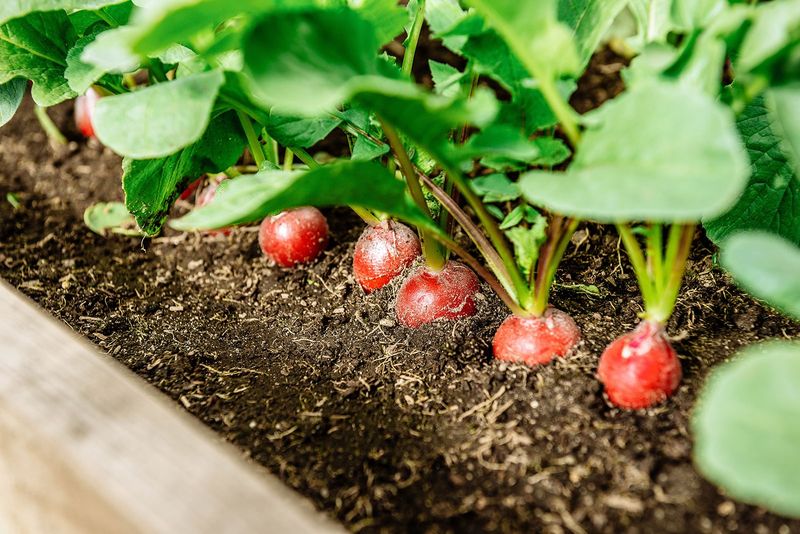
If patience is not your strong suit, radishes are about to become your favorite vegetable. Ready to harvest in as little as three to four weeks, radishes are arguably the fastest-growing crop you can grow in containers in Oregon.
That speed makes them incredibly satisfying, especially for kids or first-time gardeners looking for quick results.
Radishes do not need deep containers since they are small root vegetables, but you do want a pot that is at least six inches deep to give the roots room to swell. Fill it with loose, well-draining potting mix, because compacted soil can cause radishes to grow oddly shaped or split.
Sow seeds directly into the container, spacing them about two inches apart so each radish has room to develop properly.
Oregon’s cool spring weather is a sweet spot for radishes. They prefer temperatures between 50 and 65 degrees Fahrenheit, which Oregon delivers reliably in April and May.
Planting a small batch every two weeks throughout the spring keeps a fresh supply coming without any single harvest being overwhelming. Radishes also grow well in fall, making them a two-season crop in most parts of Oregon.
Try mixing different varieties like Cherry Belle and French Breakfast for a colorful and flavorful container harvest.
4. Green Onions That Keep Regrowing
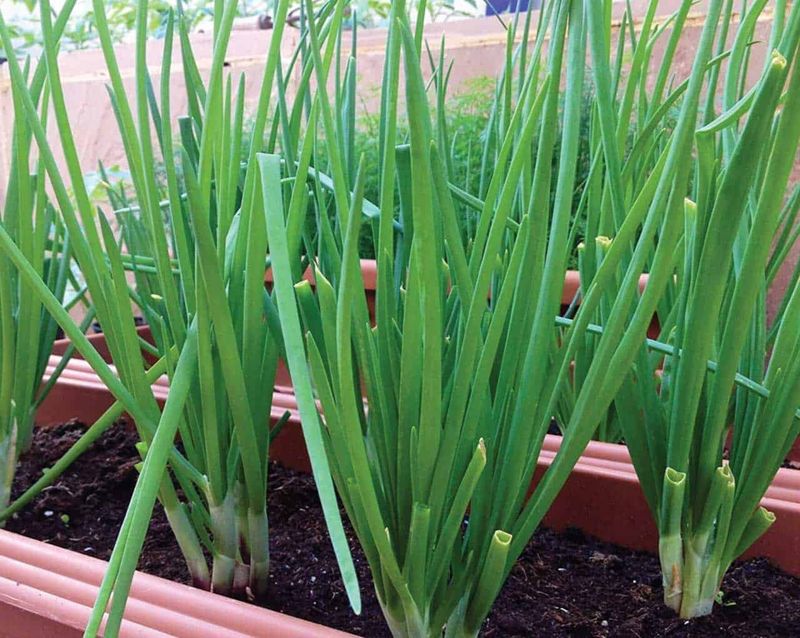
Among the most practical vegetables for container gardening in Oregon are green onions, also known as scallions. They take up very little space, grow quickly, and can be snipped and used in the kitchen within just a few weeks of planting.
Whether you are adding them to soups, salads, or stir-fries, having a pot of green onions right outside your door is genuinely convenient.
A container that is at least six inches deep works perfectly for green onions. You can plant seeds, sets, or even regrow green onions from store-bought bunches by placing the root ends in water first.
Once the roots are about an inch long, plant them in potting mix and watch them take off. Keep the soil moist and place the container in a spot that gets at least six hours of sunlight per day.
Oregon’s mild climate is well-suited to green onions, which prefer cooler growing conditions. In the Willamette Valley and along the coast, you can grow them through most of the year with minimal effort.
Harvesting is simple: just snip the green tops with scissors when they reach the height you want, leaving the white base in the soil so the plant keeps growing. One container can provide multiple harvests, making green onions one of the most productive small-space crops available.
5. Bush Beans That Produce Big In Small Spaces
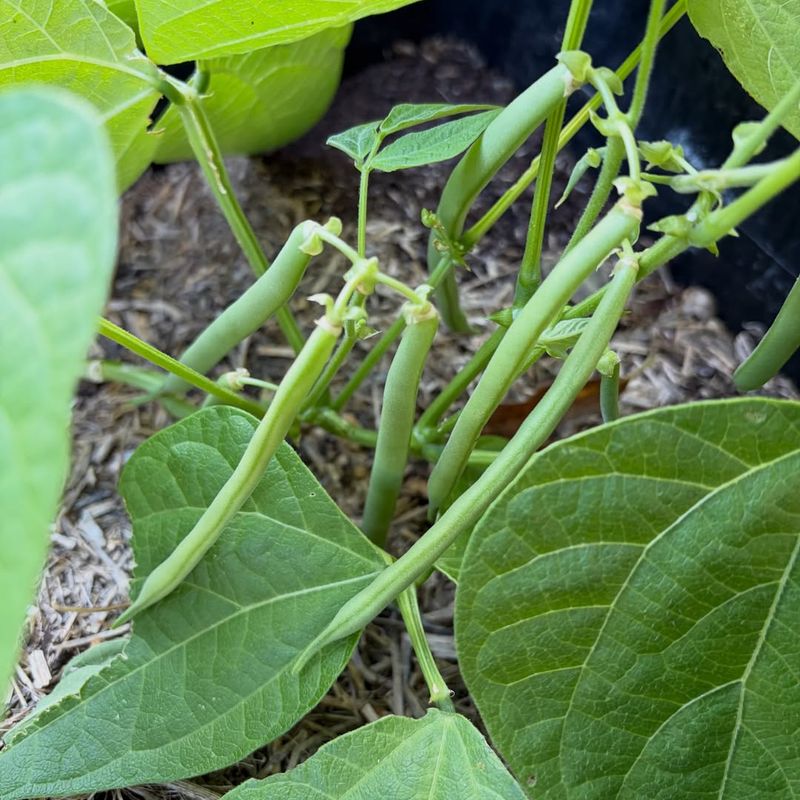
Container gardens in Oregon get a real boost of energy from bush beans. Unlike pole beans, which need a tall trellis to climb, bush beans stay compact and upright on their own, making them a natural fit for pots and containers.
They produce a generous harvest of crisp, flavorful beans without demanding a lot of extra work or special equipment from the gardener.
For best results, choose a container that holds at least five gallons of soil. Bush beans need room for their roots to spread, and a deeper pot helps the plant stay stable as it grows.
Plant seeds directly into the container after the last frost date in your area of Oregon, which varies from mid-March in the southern valleys to late May in higher elevation regions. Space seeds about three inches apart and water regularly once the plants are established.
Bush beans love warmth and sunshine, so place your container in the sunniest spot available. Oregon summers, especially east of the Cascades in places like Bend, can get quite warm, which bush beans absolutely thrive in.
Harvest the pods when they are firm and snap easily, before the seeds inside start to bulge noticeably. Picking beans regularly encourages the plant to keep producing, so do not let pods sit on the plant too long before harvesting.
6. Cherry Tomatoes That Overflow With Flavor
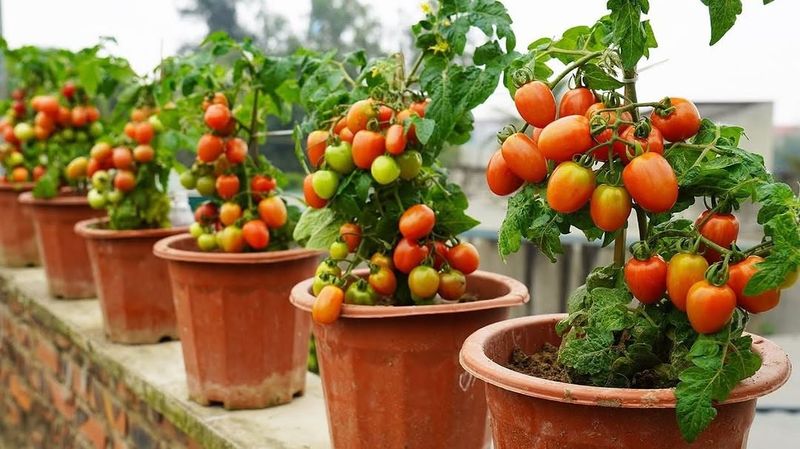
There is something genuinely exciting about walking out to your patio and picking a handful of warm, ripe cherry tomatoes straight from the vine. Cherry tomatoes are among the most popular container vegetables in Oregon, and for good reason.
They are prolific producers, easier to grow in pots than larger tomato varieties, and absolutely delicious when eaten fresh or tossed into pasta and salads.
Choose a container that holds at least five gallons of potting mix, though bigger is always better for tomatoes. Look for compact varieties labeled as patio, dwarf, or container-friendly, such as Tumbling Tom, Sweet 100, or Tiny Tim.
These varieties are bred to stay manageable in size while still producing impressive amounts of fruit throughout the season. Place a small tomato cage or stake in the pot early to support the plant as it grows taller.
Oregon gardeners in warmer inland areas like the Rogue Valley often get the best results with cherry tomatoes, as the warm summers help fruit ripen quickly. Along the coast or in the Portland metro area, starting plants indoors six to eight weeks before the last frost and choosing early-ripening varieties makes a big difference.
Water consistently and fertilize every two weeks with a balanced fertilizer to keep your plants healthy and productive all season long.
7. Peppers That Thrive With A Little Heat
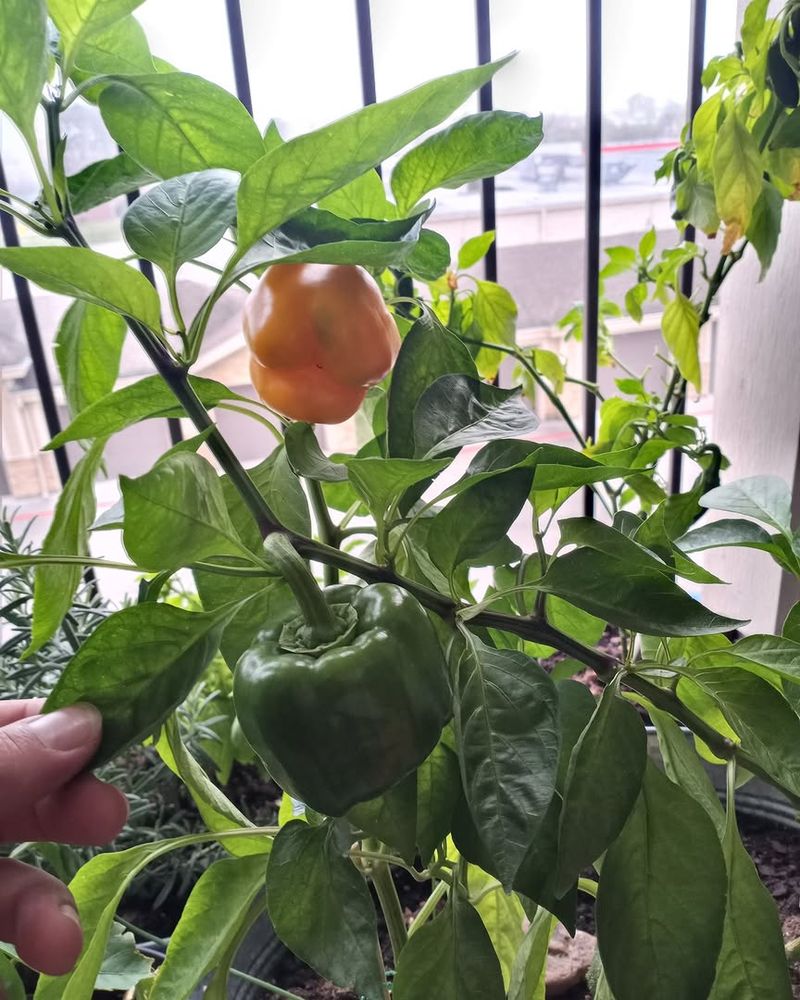
Warm sunshine and steady heat are exactly what peppers love, and Oregon provides plenty of both during the summer months, especially in the southern and eastern parts of the state. Growing peppers in containers is a smart move because you can move the pots to the warmest, sunniest spots in your yard or patio, giving the plants the heat they crave.
Both sweet bell peppers and spicy varieties like jalapenos perform well in containers across Oregon.
A five-gallon container is the minimum size you should use for peppers, though a larger pot will produce a healthier and more productive plant. Use a high-quality potting mix that drains well, since peppers do not like sitting in soggy soil.
All pepper plants benefit from staking or a small tomato cage, particularly varieties that produce large, heavy fruits that can weigh down the branches as the season progresses.
Start pepper seeds indoors eight to ten weeks before your last frost date in Oregon, since peppers need a long growing season to reach full production. Transplant seedlings outside only after nighttime temperatures stay consistently above 55 degrees Fahrenheit.
Fertilize with a low-nitrogen, higher-phosphorus fertilizer once the plants start flowering to encourage fruit development rather than excessive leaf growth. With consistent care and a warm spot, your container pepper plants can produce an impressive harvest all the way into early fall.
8. Kale That Keeps Going Strong
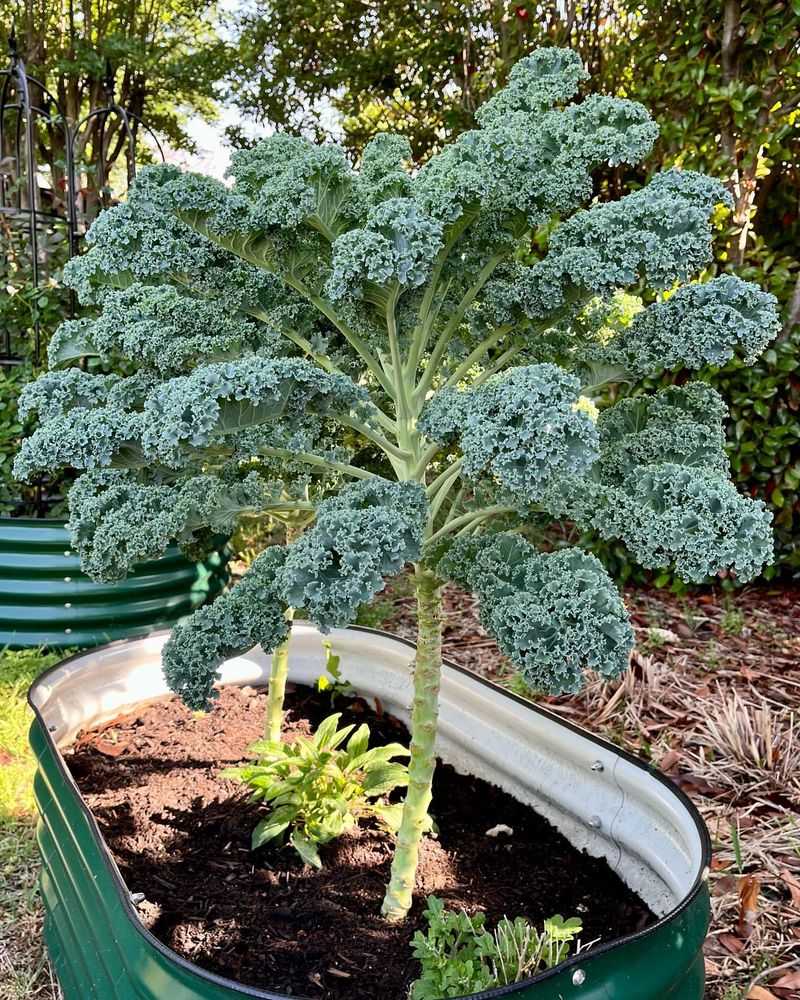
Kale has become something of a celebrity in the vegetable world over the past decade, and Oregon gardeners have embraced it wholeheartedly. This rugged, nutritious green is incredibly well-suited to Oregon’s climate, especially the cool, wet conditions that dominate much of the state from fall through spring.
Growing kale in containers means you can keep it close to the kitchen and harvest fresh leaves whenever a recipe calls for them.
A container that is at least ten to twelve inches deep works well for kale, since the plants develop a decent root system. Choose a variety like Lacinato, also called dinosaur kale, or Red Russian kale, both of which handle Oregon’s cool temperatures beautifully.
Plant in a good potting mix and place the container where it gets at least six hours of sunlight daily. Kale can handle partial shade, which makes it flexible enough for balconies or shaded patios.
One of the best things about kale is how cold-hardy it is. In many parts of Oregon, you can harvest kale well into December and even beyond, especially if the container is moved to a sheltered location during freezing nights.
Flavor actually improves after a frost, becoming sweeter and more complex. Harvest outer leaves first, leaving the central growing point intact so the plant continues producing fresh growth for weeks or even months after your first pick.
9. Chard That Adds Color And Harvests For Weeks
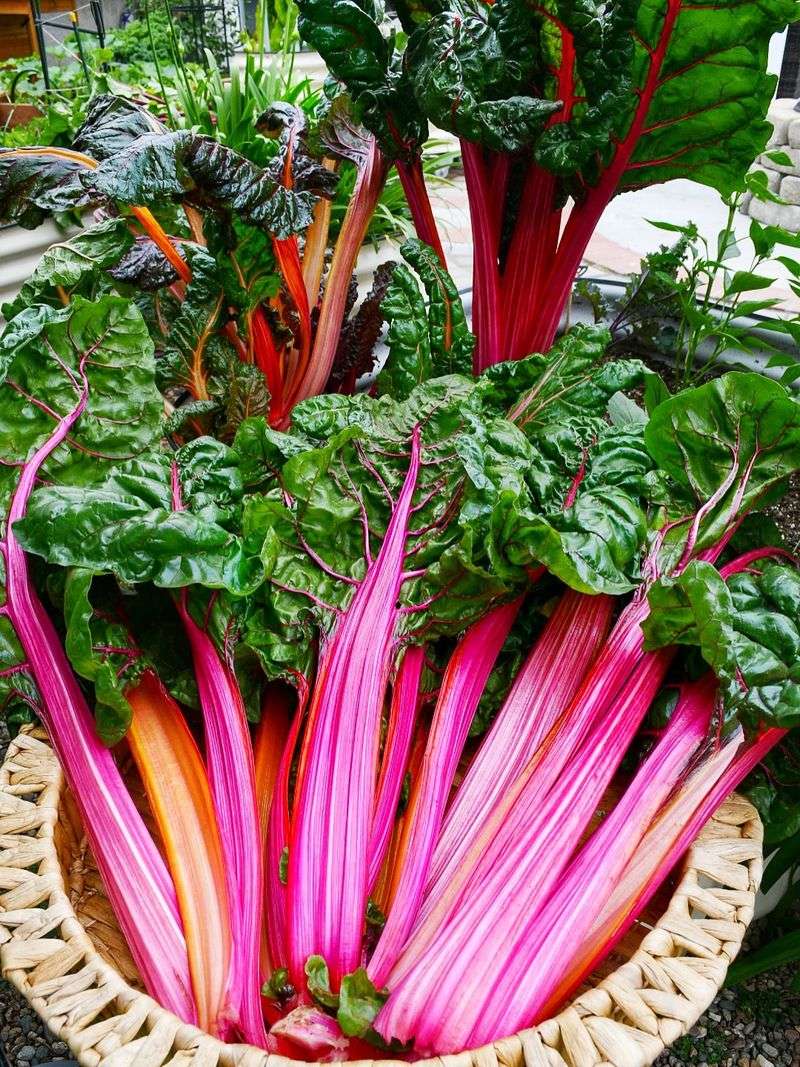
Few container vegetables in Oregon are as visually stunning as rainbow chard. With stems that come in shades of red, orange, yellow, and pink, a pot of chard looks almost like a flower arrangement from a distance.
Beyond its good looks, chard is a nutritional powerhouse that grows reliably across Oregon’s varied climates, from the foggy coast to the sunny Willamette Valley.
Plant chard in a container that is at least ten inches deep, using a rich potting mix amended with compost if possible. Sow seeds or transplant seedlings after the last frost in spring, spacing plants about six inches apart in the pot.
Chard is not fussy about soil pH and tolerates both cool and warm temperatures, making it one of the most adaptable vegetables for Oregon container gardens.
Harvesting chard is straightforward and satisfying. Cut outer stalks at the base when they reach eight to ten inches tall, and the plant will push out new growth from the center continuously.
A single well-maintained container of chard can supply your kitchen with fresh greens for several months without needing to replant. Use chard leaves in salads when young and tender, or saute the larger leaves with garlic and olive oil for a simple and nutritious side dish that showcases the best of your Oregon container garden.
10. Cucumbers That Climb And Take Off Fast
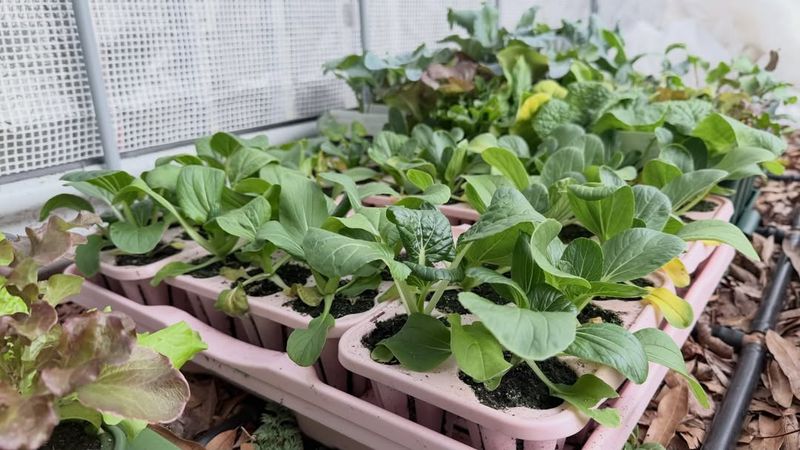
With the right setup, this warm-season crop can absolutely succeed in containers in Oregon, and cucumbers are a great example of it. The key is choosing a bush variety rather than a sprawling vine type, since bush cucumbers stay compact and manageable in a pot.
Varieties like Spacemaster or Bush Pickle are well-suited to container growing and produce a reliable crop throughout Oregon’s summer months.
Use a large container, at least five gallons, filled with a rich, well-draining potting mix. Adding a small trellis or a few bamboo stakes inside the pot gives the plant something to climb and keeps the vines off the ground, which improves air circulation around the leaves and helps prevent disease.
Place the container in the warmest, sunniest spot you have, since cucumbers need consistent heat to develop properly and produce well.
Watering is critical for cucumbers in containers because they have high moisture needs, especially during the heat of an Oregon summer. Check the soil daily and water thoroughly whenever the top inch feels dry.
Inconsistent watering can cause cucumbers to taste bitter or develop uneven shapes. Fertilize every two weeks with a balanced fertilizer to keep the plant energized through the growing season.
Harvest cucumbers when they reach a usable size and do not let them overripen on the vine, as that slows down the production of new fruits.