These Flowers Bloom Longer Than Most Perennials In Oregon
You plant a beautiful flower, enjoy it for a couple of weeks, and then the color fades just as your Oregon garden is hitting its stride.
It is a familiar frustration, especially as spring’s lush growth gives way to drier summer conditions.
That is why long-blooming perennials stand out so much. Some keep producing flowers for weeks or even months, helping your garden stay vibrant without constant replanting.
Across Oregon, these reliable bloomers handle seasonal shifts well and continue adding color long after others slow down, making them a smart choice for gardeners who want lasting impact through the growing season.
1. Yarrow Keeps Blooming Through Oregon Summers
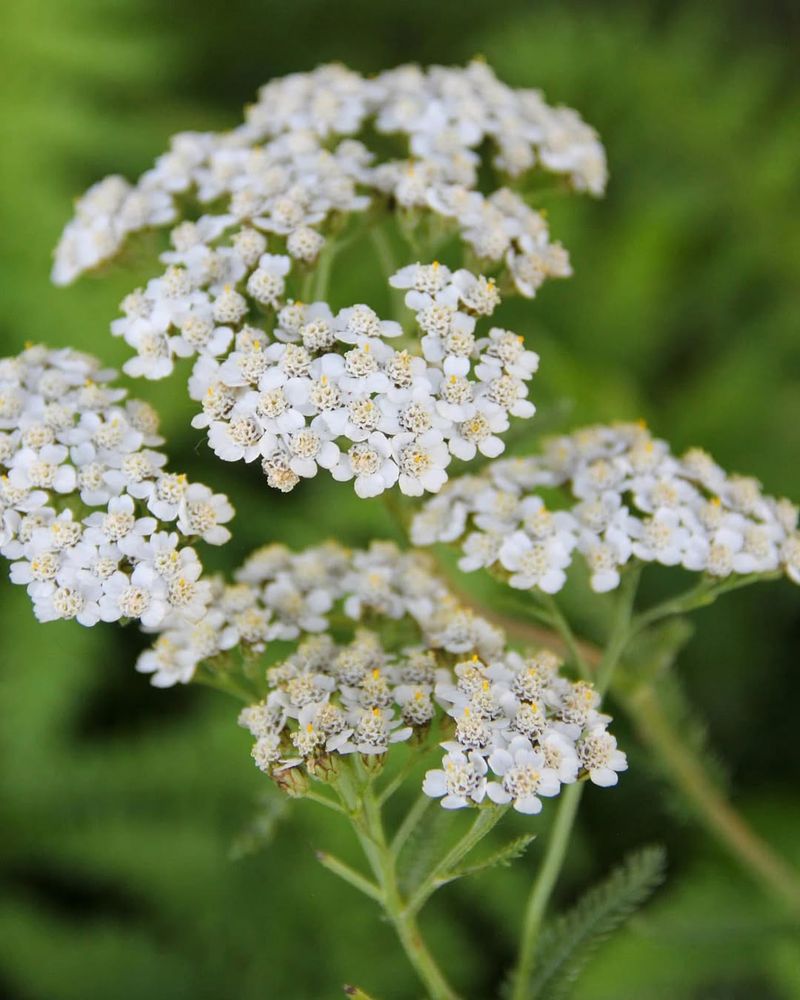
Few perennials handle Oregon’s dry summer stretches quite like yarrow, a tough and cheerful plant that seems to thrive when other flowers start to fade.
Yarrow produces flat-topped clusters of flowers in shades of yellow, white, red, and pink, and a single plant can stay in bloom for six to eight weeks or longer.
Removing spent flower heads encourages a second round of blooms, which is especially useful during Oregon’s long summer dry season.
Yarrow prefers full sun and well-drained soil, making it a natural fit for the drier parts of Oregon’s Willamette Valley and southern regions. It handles heat without wilting and rarely needs supplemental watering once it gets established.
The feathery, aromatic foliage looks attractive even when the plant isn’t blooming.
One thing many Oregon gardeners appreciate about yarrow is how little maintenance it needs. Plant it in a sunny spot, give it decent drainage, and it takes care of itself through most of the season.
Pollinators like bees and butterflies visit yarrow regularly, so it also adds ecological value to the garden. Dividing clumps every few years keeps the plant vigorous and flowering well.
2. Catmint Produces Waves Of Soft Purple Flowers
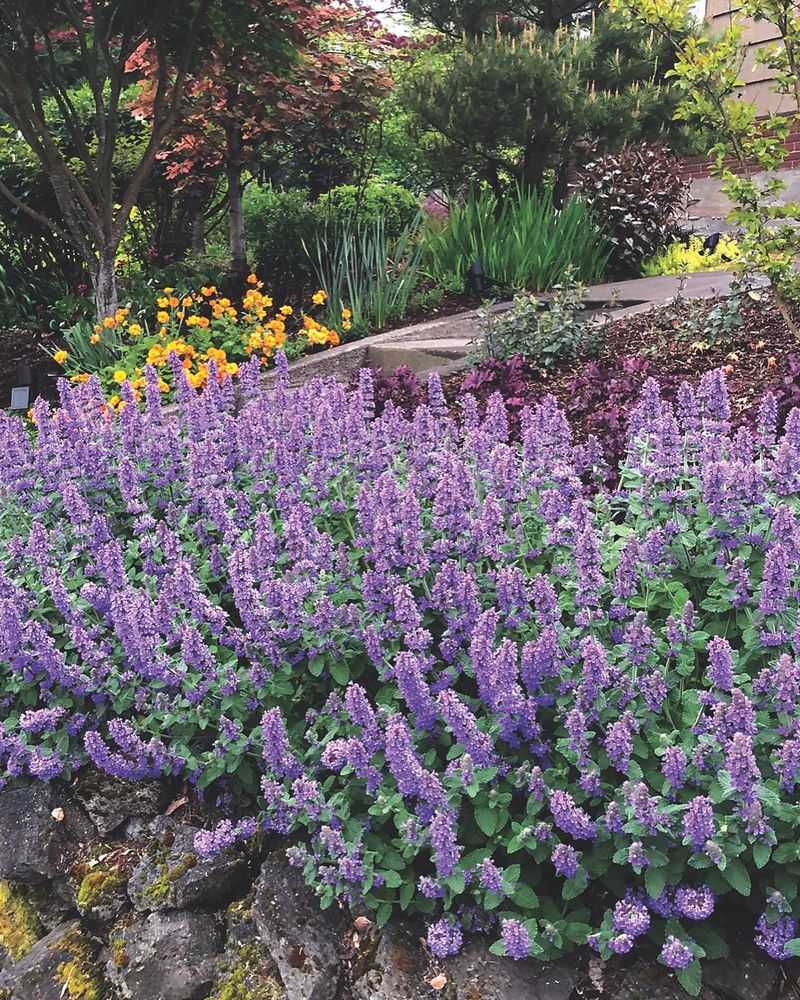
Walking past a catmint plant in full bloom is one of those small garden pleasures that never gets old.
The soft lavender-blue flower spikes rise above silvery-green foliage in late spring and keep going through much of summer, creating a hazy, romantic look that works well in borders and along pathways.
In Oregon, catmint often starts blooming in May and continues well into July without much help from the gardener.
After the first big flush of flowers fades, cutting the plant back by about a third encourages a fresh round of blooms in late summer or early fall. This shearing technique is easy to do and makes a noticeable difference in how long catmint stays colorful.
Oregon’s mild fall temperatures give the reblooming period plenty of time to develop before frost arrives.
Catmint is drought-tolerant once established, which suits Oregon’s dry summer conditions well. It grows best in full sun but tolerates light shade without losing too much flower production.
Compact varieties like ‘Cat’s Pajamas’ work well in smaller spaces, while larger types like ‘Walker’s Low’ make bold statements in bigger beds. Bees absolutely love catmint, visiting the flowers throughout the entire bloom period.
Your Oregon Garden Changes Every Week. Your Plan Should Too.
Gardening in Oregon changes quickly throughout the season. Every Friday you’ll receive a simple weekly plan showing exactly what to plant, prune, fertilize, harvest, and protect so you never miss the right timing.
3. Coreopsis Brings Bright Color For Weeks
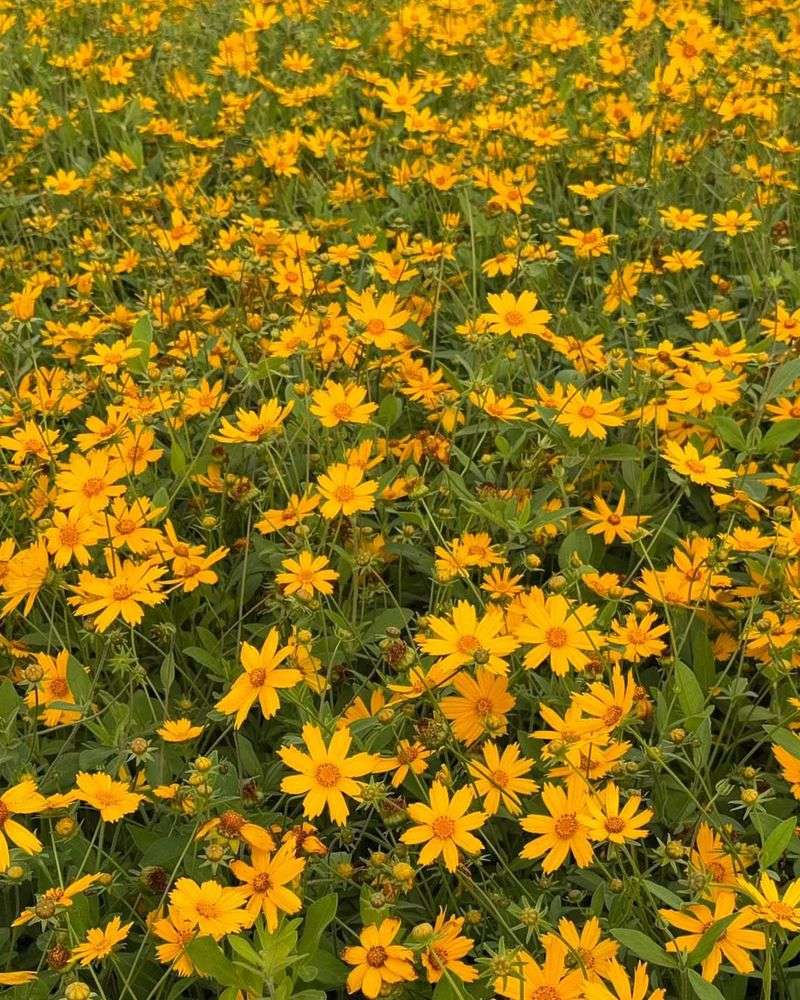
Cheerful and almost relentlessly sunny, coreopsis earns its place in Oregon gardens by delivering bright yellow or golden blooms from early summer through early fall.
Sometimes called tickseed, this perennial produces a mass of daisy-like flowers on slender stems that sway attractively in the breeze.
Varieties like ‘Full Moon’ and ‘Moonbeam’ are especially well-suited to Oregon’s climate, tolerating both dry spells and occasional summer heat without complaint.
Regular deadheading keeps coreopsis producing new flower buds throughout the season. Removing spent blooms before they go to seed redirects the plant’s energy into fresh growth, which can extend the blooming period by several weeks.
In Oregon gardens, this simple habit can stretch the color display from June all the way into September.
Coreopsis thrives in full sun with well-drained soil and handles dry conditions far better than many other perennials.
It doesn’t need rich soil – in fact, overly fertile ground can cause the plant to produce more foliage than flowers.
Established plants rarely need much watering during Oregon’s dry summers, making them a low-maintenance choice for gardeners who want reliable color without constant attention. Butterflies and small bees visit the flowers frequently.
4. Black-Eyed Susan Adds Long-Lasting Summer Blooms
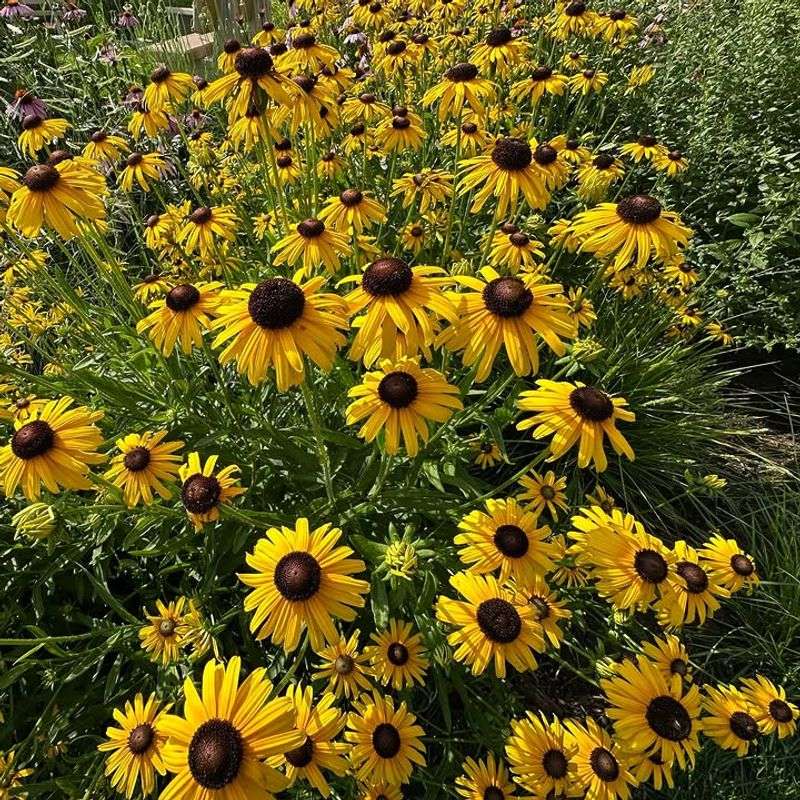
Golden petals surrounding a dark, velvety center – black-eyed Susan has a look that feels both wild and welcoming at the same time.
Native to North America, this tough perennial starts blooming in mid-summer and keeps going strong through late summer and into early fall, giving Oregon gardens weeks of warm, golden color when many spring bloomers have long since finished.
Black-eyed Susan grows well in full sun and handles Oregon’s dry summer conditions with ease once established.
It prefers well-drained soil and doesn’t respond well to soggy roots, so raised beds or sloped garden areas work especially well for this plant.
Removing spent flowers encourages continued bloom production, though leaving some seed heads in place at the end of the season provides food for birds and adds winter interest to the garden.
One reason Oregon gardeners keep coming back to black-eyed Susan is its adaptability. It tolerates heat, drought, and occasional neglect without losing its cheerful appearance.
The flowers attract butterflies, bees, and other beneficial insects, making it a valuable addition to pollinator-friendly gardens. Clumps can spread slowly over time, and dividing them every three or four years keeps plants vigorous and full of blooms.
5. Shasta Daisy Stays In Bloom Well Into Summer
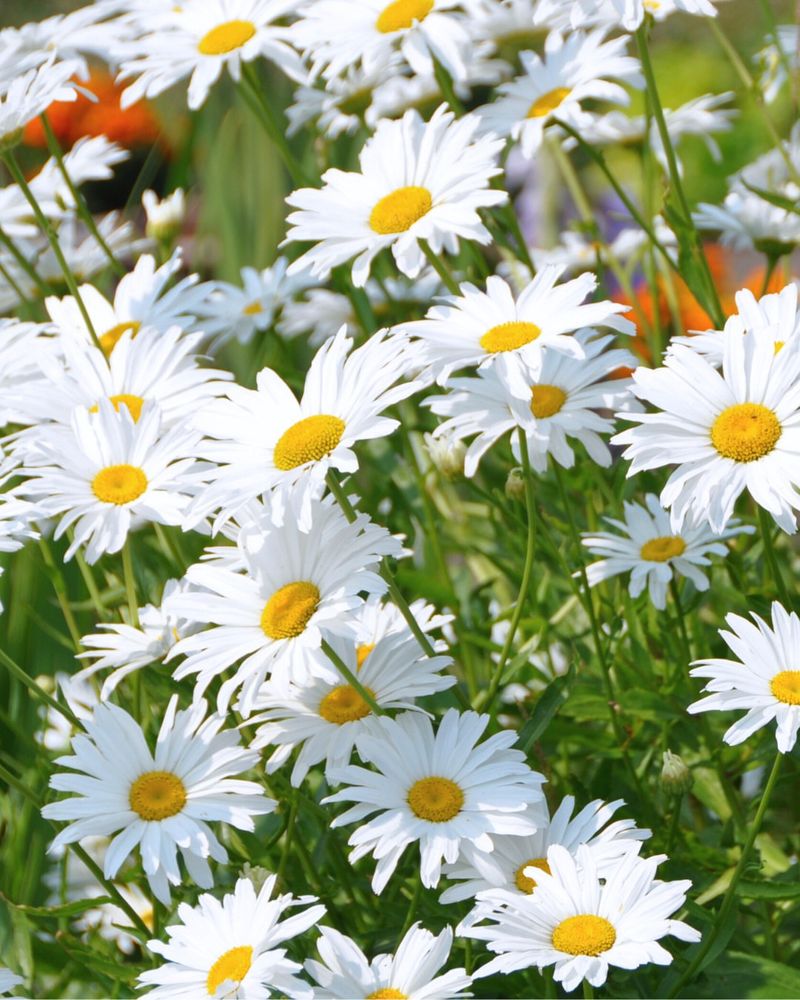
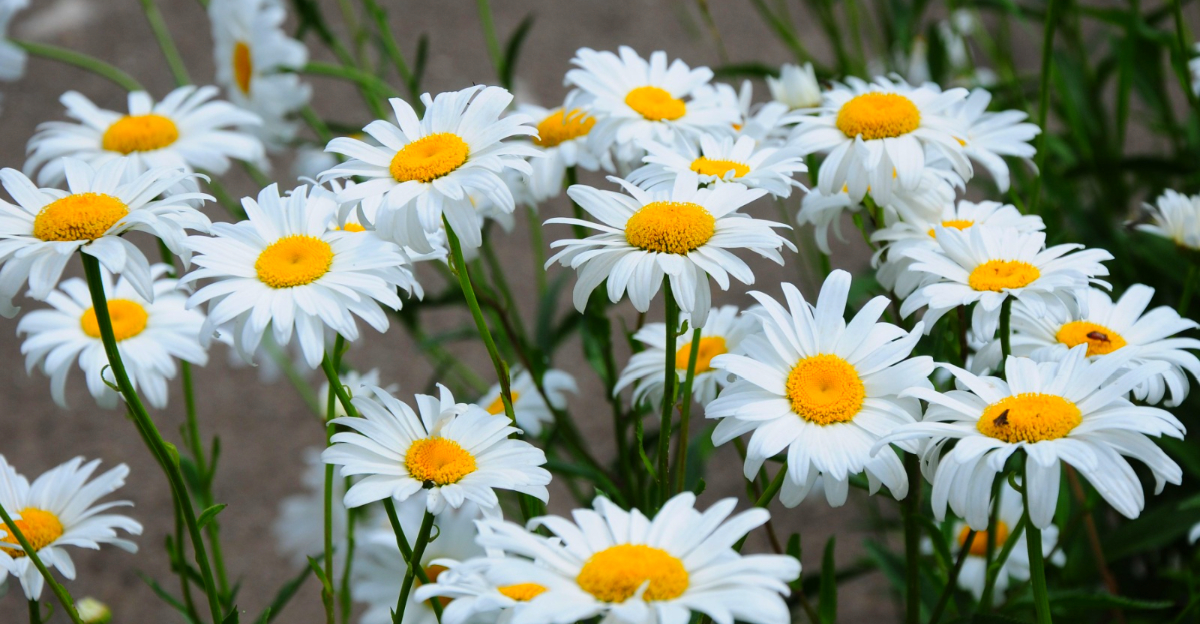
Shasta daisy has a clean, classic look that feels right at home in Oregon gardens, and its long bloom season makes it even more appealing.
White petals with sunny yellow centers appear in late spring and continue through much of summer, sometimes stretching well into August depending on conditions and care.
Few flowers offer that combination of classic beauty and extended bloom time quite as reliably.
Removing is the single most effective way to keep Shasta daisies blooming longer. Removing spent flower heads before seeds form encourages the plant to push out new buds rather than putting energy into seed production.
In Oregon’s moderate summer climate, a well-deadheaded Shasta daisy can stay in bloom for two months or more without much additional effort.
Shasta daisies prefer full sun and well-drained soil. They tolerate some drought once established but perform best with occasional deep watering during Oregon’s dry summer months.
Taller varieties may need staking in windy spots, while compact types like ‘Becky’ or ‘Alaska’ tend to hold themselves up well. Dividing clumps every two to three years keeps the plants producing strong, healthy stems and plenty of flowers.
Bees and butterflies visit the blooms regularly throughout the season.
6. Hardy Geranium Flowers Over An Extended Season
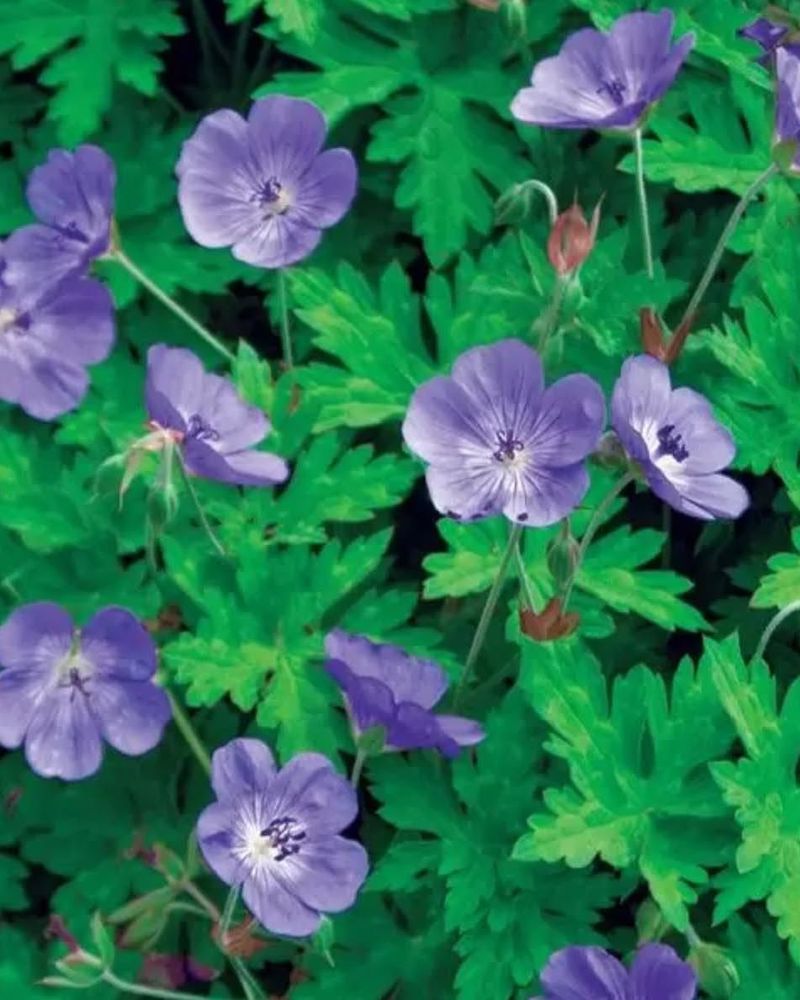
Hardy geraniums – not to be confused with the tender annual geraniums sold in pots – are some of the most underrated long-blooming perennials available to Oregon gardeners.
These low-growing plants produce a steady supply of small, cup-shaped flowers in shades of pink, purple, blue, and white from late spring through summer.
Some varieties, like ‘Rozanne,’ bloom almost continuously from late spring until the first frost arrives.
One of the qualities that makes hardy geraniums so useful in Oregon gardens is their adaptability to different light conditions.
They perform well in full sun but also handle partial shade, which opens up planting options under trees or along north-facing borders where other sun-lovers struggle.
The deeply lobed foliage stays attractive even when the plant isn’t in full bloom, adding texture to the garden bed.
Hardy geraniums don’t need much fussing to perform well. Cutting them back lightly after the first flush of flowers fades often triggers fresh new growth and a second round of blooms.
They handle Oregon’s dry summers reasonably well once established, though occasional watering during extended dry spells helps maintain flowering.
These plants also spread gently over time, filling in gaps between other perennials without becoming invasive or overwhelming nearby plants.
7. Salvia Reblooming Keeps Color Going Longer
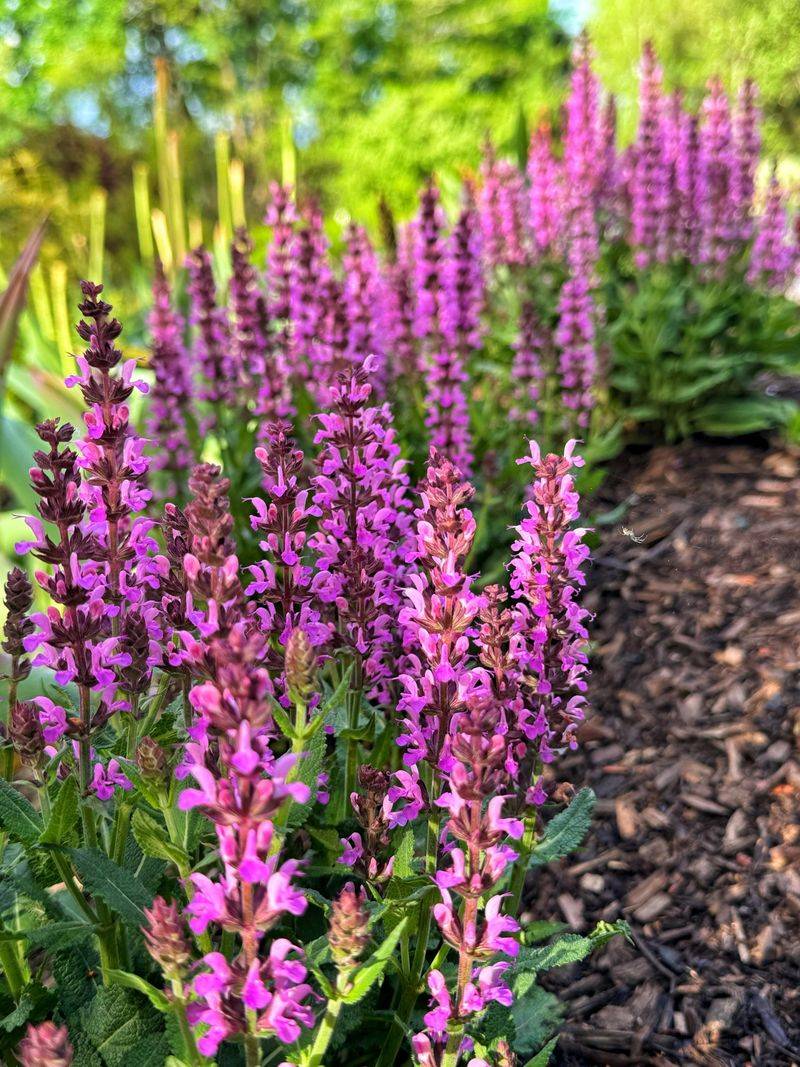
Salvia has earned a loyal following among Oregon gardeners, and reblooming varieties take that loyalty to a whole new level.
While standard salvias put on one strong flush of purple or blue flower spikes and then slow down, reblooming types like ‘May Night’ and ‘Caradonna’ can produce two or even three rounds of blooms through the season when deadheaded consistently.
That kind of staying power is hard to find in a perennial.
After the first bloom cycle finishes, cutting the spent flower spikes back to the base of the plant encourages fresh new growth within a few weeks.
Oregon’s relatively mild summer temperatures support this regrowth well, and gardeners who deadhead regularly often see a strong second flush of flowers in late summer.
The rich purple color contrasts beautifully with the silvery or gray-green foliage that persists between bloom periods.
Reblooming salvia grows best in full sun with well-drained soil and handles dry conditions with notable resilience once established.
It doesn’t thrive in heavy clay soils that stay wet, so amending Oregon’s denser soils with compost or gravel improves drainage and plant performance.
Hummingbirds and bumblebees are frequent visitors to salvia flowers, and the aromatic foliage tends to deter deer – a practical bonus for many Oregon gardeners.
8. Gaura Adds Light, Airy Blooms For Months
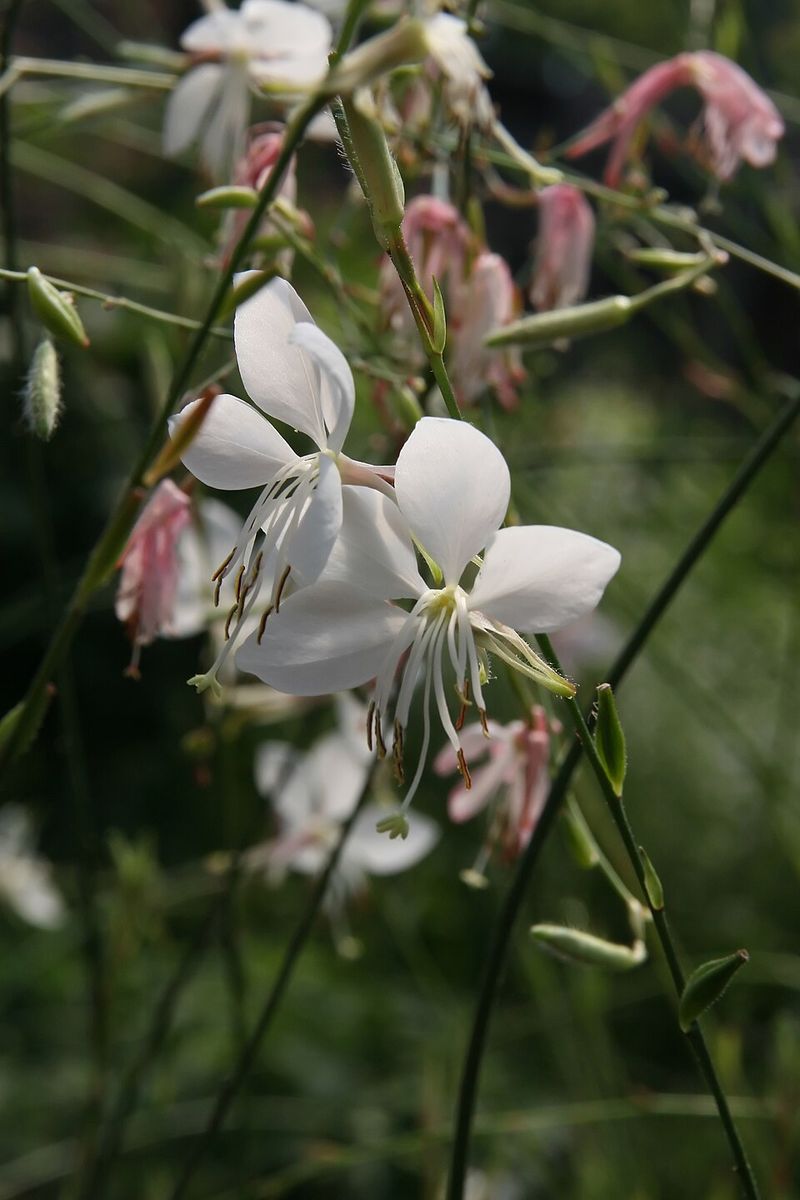
Gaura has a quality that’s hard to describe until you see it moving in a summer breeze – the flowers look like tiny butterflies dancing on long, arching stems, and the effect is genuinely magical.
This perennial starts blooming in late spring and keeps producing fresh flowers well into fall, making it one of the longest-blooming options available to Oregon gardeners.
The blooms are delicate and airy rather than bold and showy, offering a softening contrast when planted near heavier, more structured flowers.
Oregon’s dry summers suit gaura very well. Once established, it handles extended dry periods without wilting or dropping flower production, and it actually performs better in lean, well-drained soils than in rich, fertile ones.
Overly rich soil encourages floppy growth rather than the upright, graceful form that makes gaura so appealing in garden borders.
Deadheading gaura isn’t strictly necessary because the plant tends to produce new buds continuously along its stems.
Light trimming in midsummer can tidy up the plant and encourage fresh basal growth, but many gardeners simply let it do its own thing.
White-flowering varieties like ‘Whirling Butterflies’ and pink-toned types like ‘Siskiyou Pink’ both perform well in Oregon’s climate, offering months of soft, continuous color with minimal effort required.
9. Coneflower Continues Blooming Into Late Summer
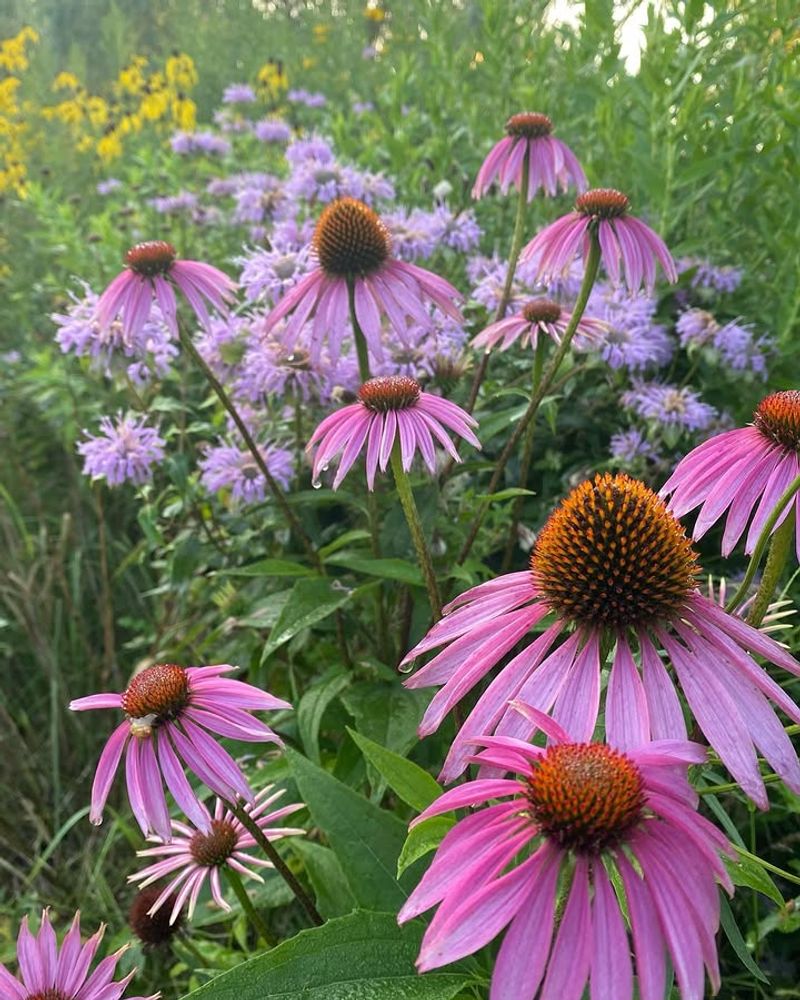
Coneflower, known botanically as echinacea, starts blooming in early summer and keeps going longer than almost any other perennial in the Oregon garden.
The large, daisy-like flowers with their distinctive raised centers are easy to recognize and incredibly popular with pollinators.
Varieties like ‘Magnus’ produce blooms from June through September, and regular deadheading can push that window even further into fall.
Oregon’s warm, dry summers create conditions that coneflowers genuinely enjoy.
They thrive in full sun and handle drought better than many other flowering perennials, making them well-suited to the dry periods that typically settle over much of Oregon from July through September.
The plants grow upright and sturdy, rarely needing staking even when grown in exposed, windy spots.
One of the most interesting things about coneflowers is how their value extends beyond the bloom season. After the petals drop, the spiky seed heads remain on the plant and attract goldfinches and other seed-eating birds through fall and winter.
Leaving the seed heads in place rather than cutting them back adds wildlife habitat value to the garden. Newer hybrid varieties come in shades of orange, yellow, red, and white, giving Oregon gardeners plenty of color options beyond the classic purple.