10 Ohio Perennials That Bloom Multiple Times A Year

A garden that bursts with color once is nice, but a garden that keeps coming back for an encore is something else entirely.
In Ohio, where the growing season can feel like it flies by, plants that bloom more than once earn their spot fast.
The trick is knowing which perennials are built to repeat, not just put on a short show and call it a season. Some bounce back with a second flush after a quick trim, while others keep pushing out blooms in waves from early summer into fall.
With the right choices, those empty gaps between bloom times start to disappear, and your garden stays lively for months instead of weeks.
1. Daylilies Keep Blooming All Summer
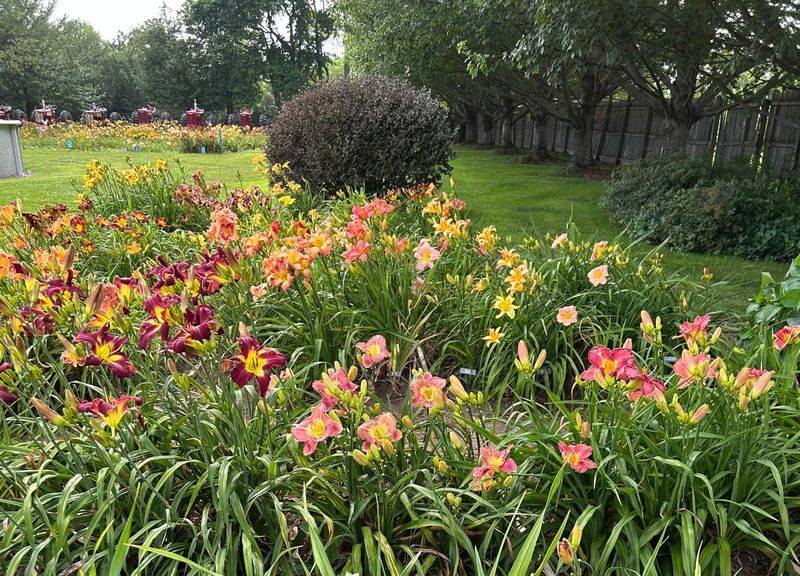
Few plants earn their keep in an Ohio garden quite like a good reblooming daylily. Known botanically as Hemerocallis, daylilies get their name from the fact that each flower lasts just one day.
But do not let that fool you because reblooming varieties like ‘Stella de Oro’ and ‘Happy Returns’ push out wave after wave of flowers from early summer through early fall.
Each flower scape holds multiple buds, and once one flush finishes, the plant gears up for another round. Deadheading spent blooms by snapping them off at the base encourages the plant to redirect its energy into producing more flowers rather than setting seed.
Cutting back old scapes after they finish also keeps the plant tidy and productive.
Reblooming daylilies thrive in full sun and are incredibly tolerant of Ohio’s summer heat and humidity. They are drought-tolerant once established and are rarely bothered by pests.
Plant them in well-drained soil and divide clumps every three to four years to keep blooms strong. With minimal effort, these cheerful plants can deliver color across most of the growing season.
2. Catmint Bounces Back After A Quick Trim
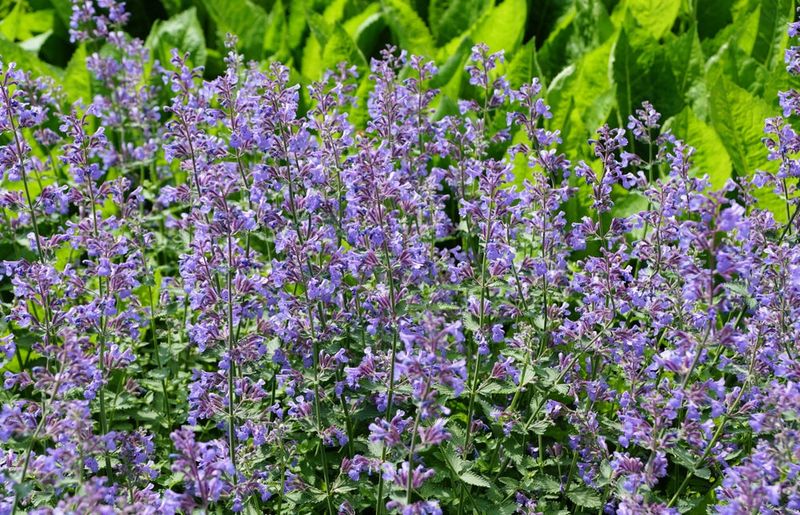
Walk past a patch of catmint in full bloom and you will immediately understand why pollinators go absolutely wild for it. Nepeta x faassenii produces soft, lavender-blue flower spikes from late spring into early summer, attracting bees and butterflies in impressive numbers.
The fragrant, gray-green foliage smells faintly of mint and stays attractive even when the plant is not in bloom.
After the first flush of flowers fades, catmint looks a little ragged. That is your signal to grab a pair of shears and cut the whole plant back by about one-third to one-half.
Within a few weeks, fresh new growth emerges and a strong second flush of blooms follows, often stretching into September in Ohio gardens.
Catmint performs best in full sun with well-drained soil and handles dry conditions like a champ once established. It is a low-maintenance perennial that rarely needs fertilizing and naturally resists deer.
Varieties like ‘Walker’s Low’ grow about two feet tall and spread nicely along borders or pathways. Regular trimming after each bloom cycle keeps the plant compact and flowering well for years.
3. Coreopsis Delivers Waves Of Color For Months
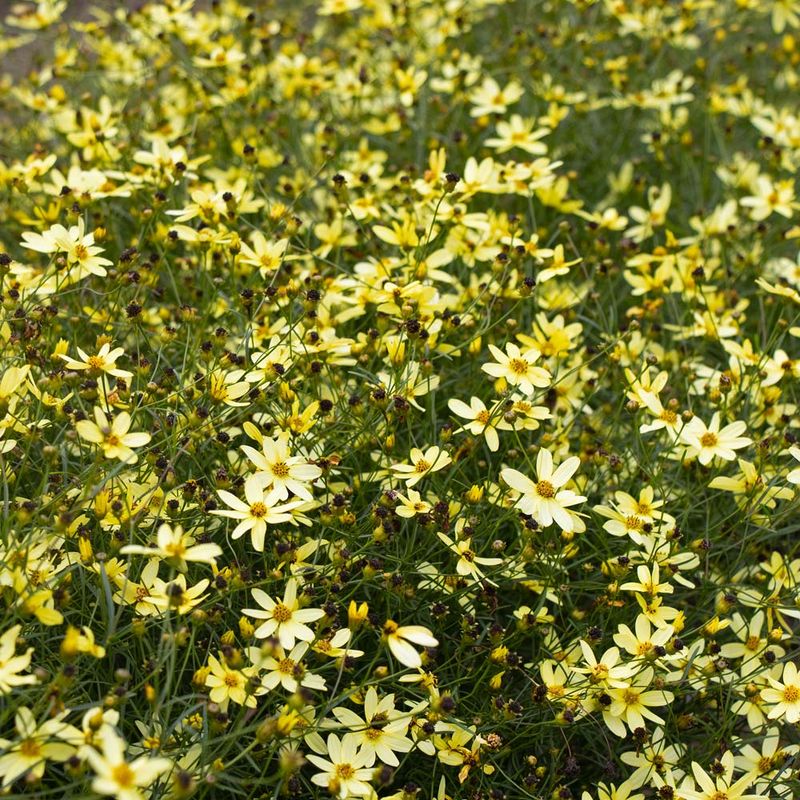
There is something almost cheerful about coreopsis. Sometimes called tickseed, Coreopsis verticillata produces a cloud of small, daisy-like flowers in shades of yellow, gold, and soft cream.
Your Ohio Garden Changes Every Week. Your Plan Should Too.
Gardening in Ohio changes quickly throughout the season. Every Friday you’ll receive a simple weekly plan showing exactly what to plant, prune, fertilize, harvest, and protect so you never miss the right timing.
The ‘Moonbeam’ variety is a fan favorite among Ohio gardeners for its pale lemon-yellow blooms and delicate, thread-like foliage that sways in a summer breeze.
Coreopsis is considered an extended bloomer, meaning it flowers over a long period rather than producing distinct separate flushes. However, giving the plant a light shearing after the first big wave of blooms often encourages a fresh round of flowers to follow.
Removing spent blooms regularly also prevents the plant from putting too much energy into seed production.
Full sun and well-drained soil are the keys to keeping coreopsis happy in Ohio. It handles heat well and is relatively drought-tolerant once established.
Avoid heavy clay soils, which can cause root problems in wet winters. ‘Moonbeam’ typically grows about 18 to 24 inches tall and spreads steadily over time, making it a great filler plant for sunny borders.
Divide clumps every few years to maintain vigor and encourage strong, consistent blooming.
4. Shasta Daisies Reward Deadheading With More Blooms
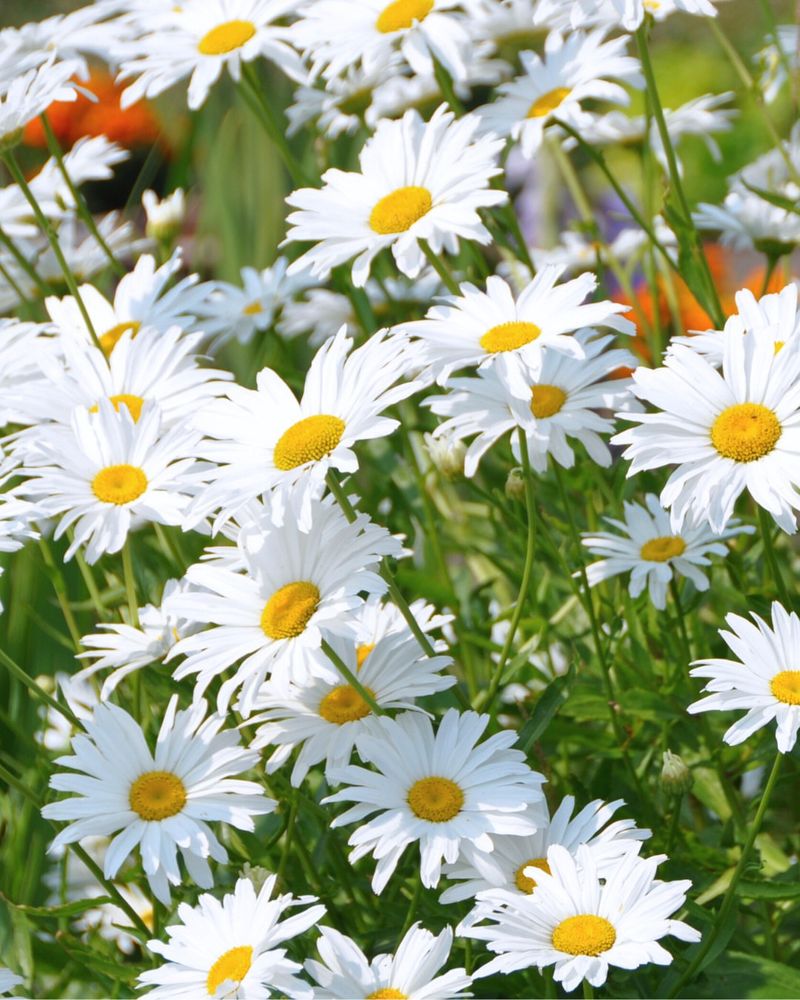
Nothing says classic summer garden quite like a cluster of bright white Shasta daisies. Leucanthemum x superbum is a beloved perennial across Ohio, producing bold, white-petaled flowers with sunny yellow centers starting in early summer.
They look beautiful in bouquets and are a reliable, long-lived addition to any garden bed or border.
Shasta daisies are not true rebloomers in the traditional sense, but consistent deadheading can significantly extend their flowering period and even coax out a light second flush before summer ends.
The trick is to remove spent blooms promptly, cutting the stem back to a set of leaves or a side bud.
This prevents seed formation and keeps the plant focused on producing new flowers.
Plant Shasta daisies in full sun with fertile, well-drained soil for the best results. They are hardy in Ohio’s Zones 5 and 6 and return reliably each spring.
Dividing clumps every two to three years keeps plants healthy and prevents the center from becoming woody and less productive. Varieties like ‘Becky’ are especially vigorous and well-suited to Ohio summers, holding up well in heat and humidity.
5. Salvia Rebloom After A Midseason Cutback
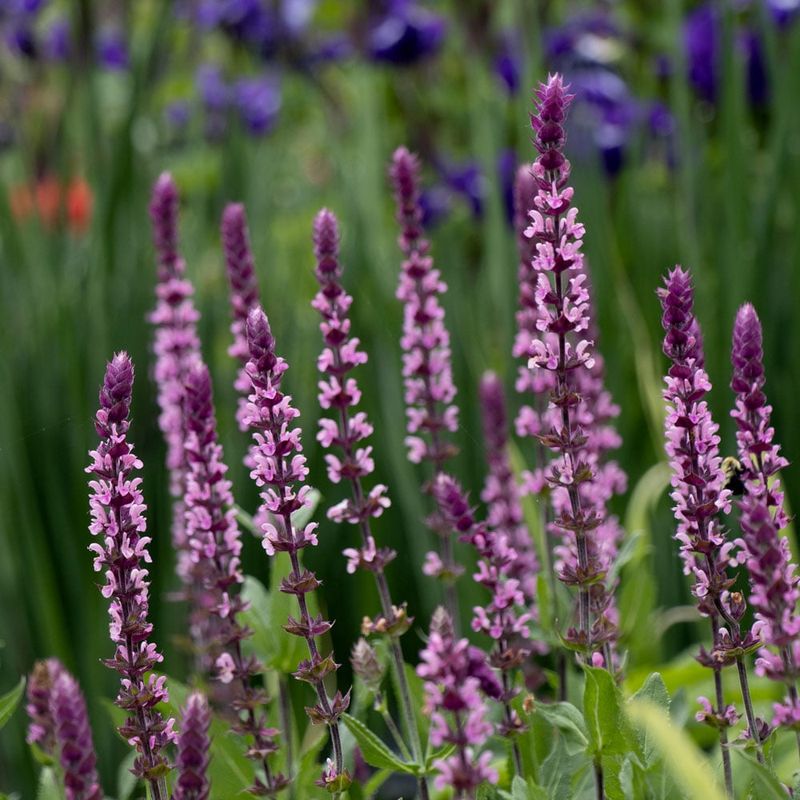
Ornamental salvia is one of those plants that seems almost too easy to grow, yet delivers stunning results season after season. Salvia nemorosa, commonly called woodland sage, sends up dense, upright spikes of violet-purple, blue, or pink flowers in late spring and early summer.
The blooms are a magnet for bees, hummingbirds, and butterflies, making this plant a real asset for pollinator gardens in Ohio.
Once the first flush of flower spikes begins to fade and look brown at the tips, it is time for a midseason cutback. Trim the spent spikes back to the base of the flower stems, just above the leafy mound.
Within a few weeks, new growth pushes up and a second, sometimes even a third, flush of blooms emerges before fall arrives.
Salvia nemorosa thrives in full sun and is very tolerant of Ohio’s summer heat. It prefers well-drained soil and does not like sitting in wet conditions, especially over winter.
Popular varieties like ‘Caradonna’ and ‘May Night’ are hardy to Zone 4, making them very reliable in Ohio gardens. These compact plants top out around 18 to 24 inches tall and look great massed together in borders.
6. Garden Phlox Puts On A Second Show

Garden phlox has a nostalgic, cottage-garden quality that is hard to replicate with any other plant.
Phlox paniculata produces large, rounded clusters of fragrant flowers in shades of white, pink, lavender, and red during mid to late summer, giving Ohio gardens a bold pop of color right when many other perennials are taking a break.
After the main flower heads finish, cutting the plant back by about one-third can encourage a lighter second flush of blooms later in the season. Even without a full rebloom, trimming keeps the plant looking tidy and can extend the overall flowering window.
One important note for Ohio gardeners is that older varieties of garden phlox are highly susceptible to powdery mildew, especially in humid summers.
Choosing mildew-resistant varieties like ‘David,’ ‘Robert Poore,’ or ‘Volcano’ makes a big difference in how the plant performs through the season. Plant garden phlox in full sun with good air circulation to further reduce mildew problems.
It prefers moist, well-drained, fertile soil and benefits from regular watering during dry spells. Divide clumps every three years to maintain strong blooms and healthy, vigorous plants throughout Ohio’s growing season.
7. Blanket Flowers Thrive And Keep Going Strong
If your garden has a hot, dry spot that seems to defeat every plant you try, blanket flower might be exactly what you need.
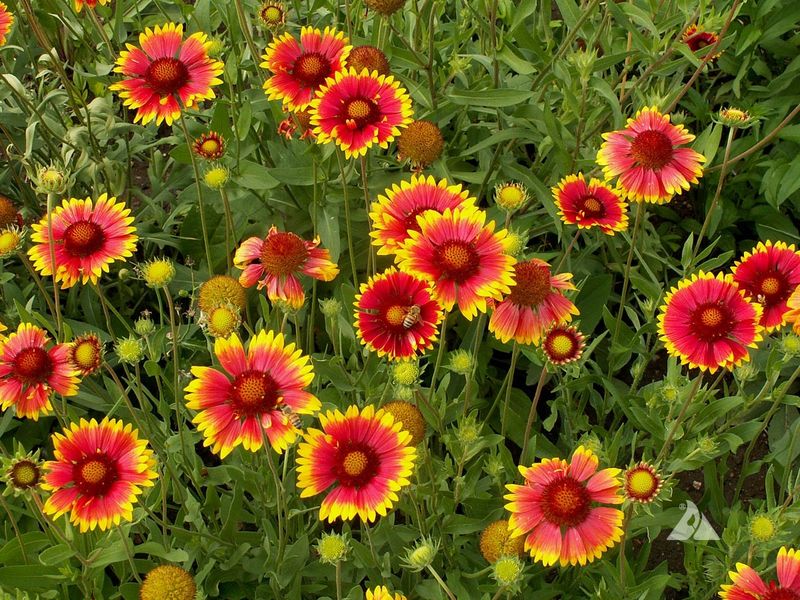
Gaillardia aristata is a tough, sun-loving perennial that produces bold, daisy-like flowers with fiery red, orange, and yellow petals radiating from a dark central button.
The blooms are showy, long-lasting, and incredibly cheerful from early summer well into fall.
Blanket flower has one of the longest natural bloom seasons of any Ohio perennial, but regular deadheading takes that performance even further.
Removing spent flowers consistently encourages the plant to keep producing new buds rather than slowing down to set seed.
During especially hot stretches, the plant may slow slightly, but it rebounds quickly once temperatures moderate in late summer.
Full sun and excellent drainage are non-negotiable for blanket flowers. They actually prefer lean, somewhat sandy soil over rich, fertile ground, which can cause floppy growth.
Avoid overwatering and skip heavy fertilizing. Hardy varieties like ‘Goblin’ and ‘Arizona Sun’ are well-suited to Ohio’s Zones 5 and 6 and stay compact at around 12 to 15 inches tall.
Divide plants every two to three years to keep them blooming at their best.
8. Yarrow Pushes Out A Fresh Flush Of Blooms
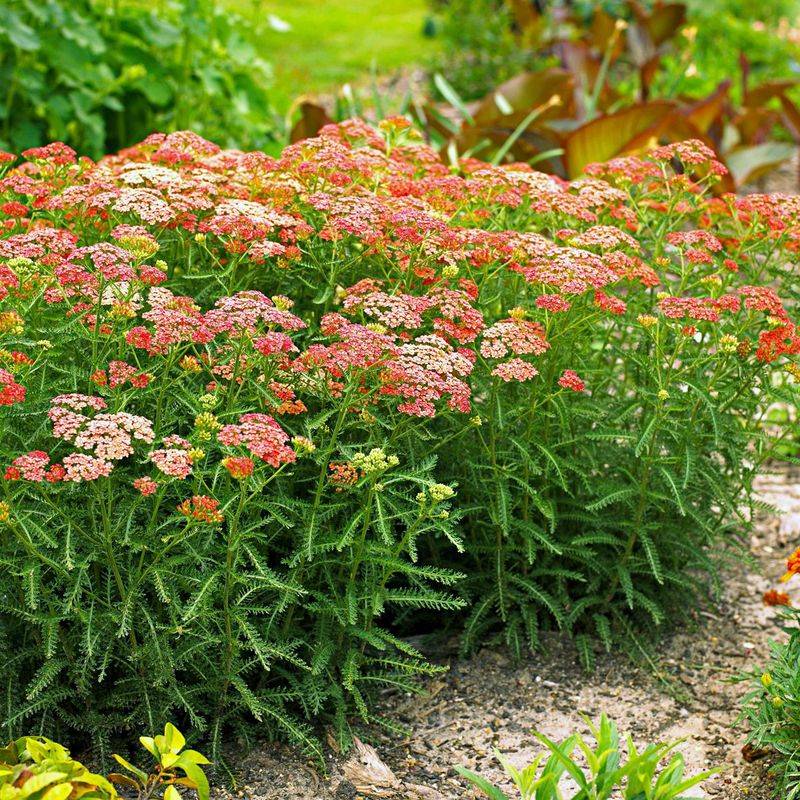
Yarrow is one of those plants with a long and fascinating history. Achillea millefolium has been used for centuries in herbal traditions, and today it earns its place in Ohio gardens as a dependable, drought-tough perennial with a long blooming season.
Flat-topped clusters of tiny flowers appear in shades of yellow, red, pink, white, and salmon from early summer onward, providing a reliable landing pad for butterflies and beneficial insects.
After the first flush of blooms fades, cutting the flower stalks back to the basal foliage encourages the plant to push out a fresh round of flowers later in the season.
This second flush may not be quite as abundant as the first, but it keeps the garden colorful well into late summer and even early fall in favorable Ohio conditions.
Yarrow thrives in full sun and well-drained to dry soil. It handles heat and drought with ease once established and actually performs poorly in overly rich or consistently wet soil.
Avoid heavy clay without amending it first. Popular cultivars like ‘Coronation Gold’ and the ‘Seduction’ series are reliably hardy in Ohio.
Divide yarrow every two to three years to prevent the center from thinning out and to maintain vigorous, productive growth.
9. Hardy Geraniums Fill Back In Fast
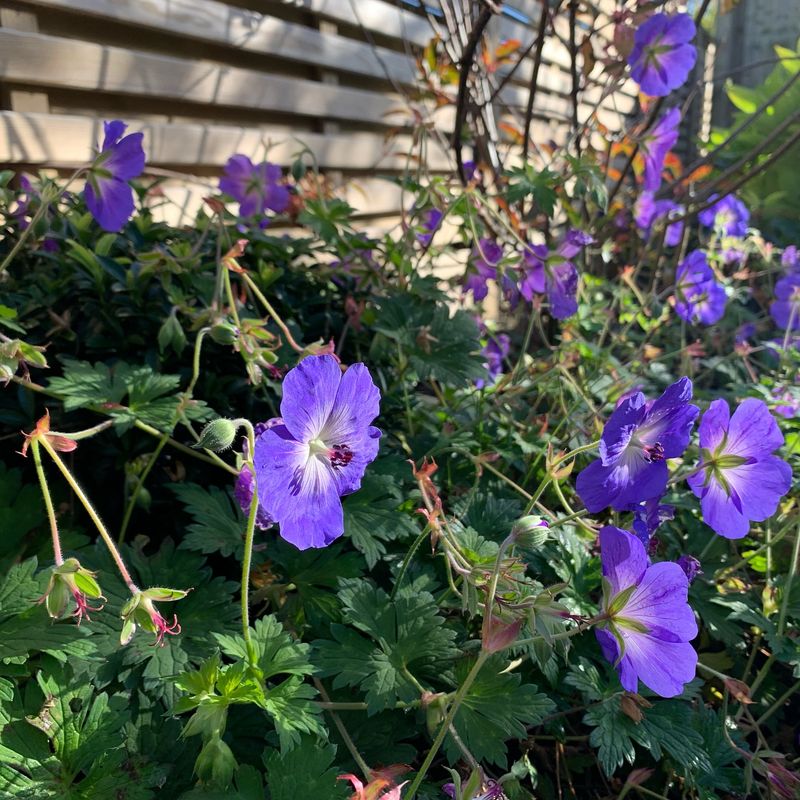
Hardy geraniums often get overlooked in favor of flashier perennials, but experienced Ohio gardeners know these plants are quiet overachievers.
Geranium sanguineum, commonly known as bloody cranesbill, and its many hybrid relatives produce cheerful, five-petaled flowers in shades of magenta, pink, lavender, and white from late spring into early summer.
The foliage is deeply lobed and attractive even when the plant is between bloom cycles.
After the first flush of flowers winds down, cutting the entire plant back hard, sometimes by half or more, encourages a fresh wave of foliage and a second round of blooms.
This technique, sometimes called rejuvenation pruning, works especially well for hardy geraniums and helps prevent the plant from looking ratty by midsummer.
New growth typically fills back in within two to three weeks.
Hardy geraniums are adaptable plants that perform well in full sun to partial shade, making them useful in spots where other perennials might struggle. They prefer well-drained soil and are generally low-maintenance once established.
Varieties like ‘Biokovo,’ ‘Rozanne,’ and ‘Max Frei’ are particularly well-regarded for Ohio gardens, offering strong rebloom and attractive foliage. These plants are also naturally deer-resistant, which is a welcome bonus for many Ohio homeowners.
10. Black-Eyed Susans Keep The Color Going
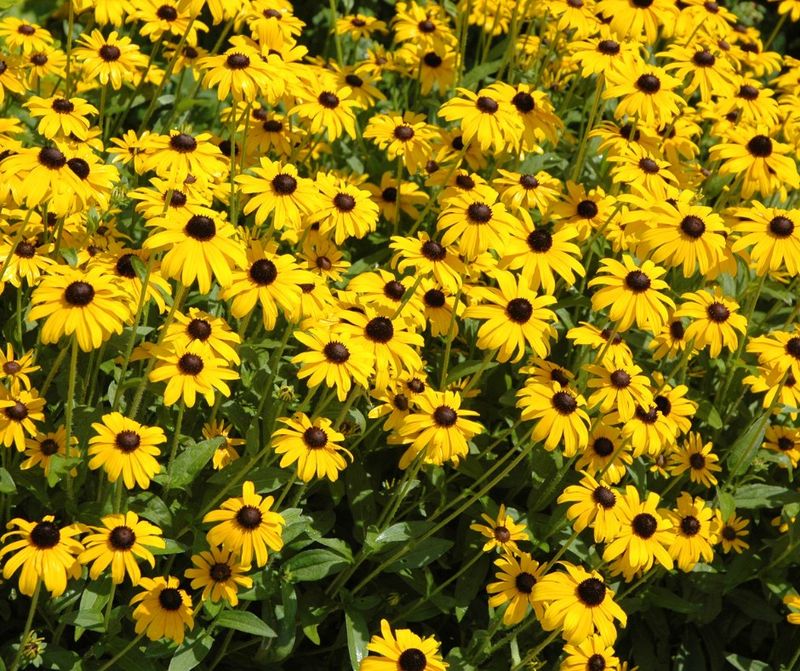
When late summer arrives and many perennials are starting to wind down, black-eyed Susans are just hitting their stride. Rudbeckia hirta and its hybrid relatives produce bold, golden-yellow flowers with dark, chocolate-brown centers that practically glow in the late-season sun.
They are a staple of Ohio gardens for good reason, offering reliable color at a time of year when it can be hard to come by.
Black-eyed Susans are considered extended bloomers, naturally flowering over a long period from midsummer through fall. Deadheading spent flowers stretches that window even further, encouraging the plant to keep producing new buds rather than transitioning to seed.
If you want to support local birds, leaving some seed heads in place in late fall gives goldfinches and other species a valuable food source heading into winter.
These plants thrive in full sun and are very adaptable to a range of soil conditions, including the clay soils common across much of Ohio. They are drought-tolerant once established and rarely need extra fertilizing.
Varieties like ‘Goldsturm’ are especially popular for their compact habit and reliable performance in Zones 5 and 6. Plant in masses for the most dramatic late-season display your neighbors will notice from the street.