Why Leaf Litter Matters More Than California Gardeners Think
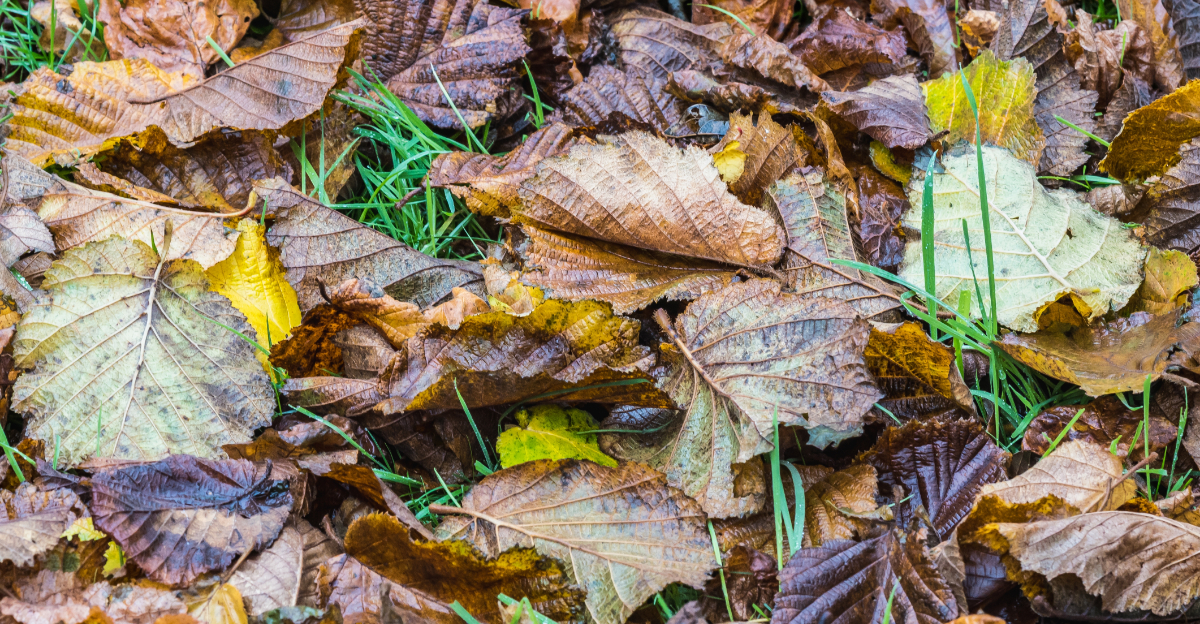
It is easy to look at fallen leaves in a California yard and see a mess that needs to be cleaned up. Many people reach for a rake without thinking twice, especially when they want everything to look neat and well cared for.
It has been a long-standing habit for homeowners who take pride in their outdoor spaces.
But that layer of leaves does more than sit on the surface. It plays a quiet role in protecting soil, holding moisture, and supporting the small life that keeps a garden functioning properly.
In a state where dry conditions and water conservation matter so much, those benefits can make a real difference. Removing every bit of leaf litter may leave your yard looking tidy, but it can also strip away something your plants rely on.
Taking a closer look at what is happening beneath that layer can change how you approach garden cleanup and how you support healthier soil over time.
1. Leaf Litter Provides Shelter For Native Bees
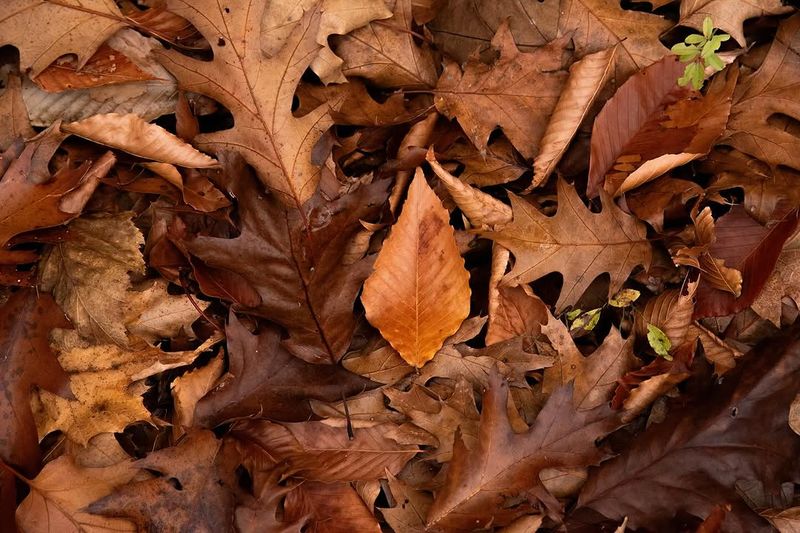
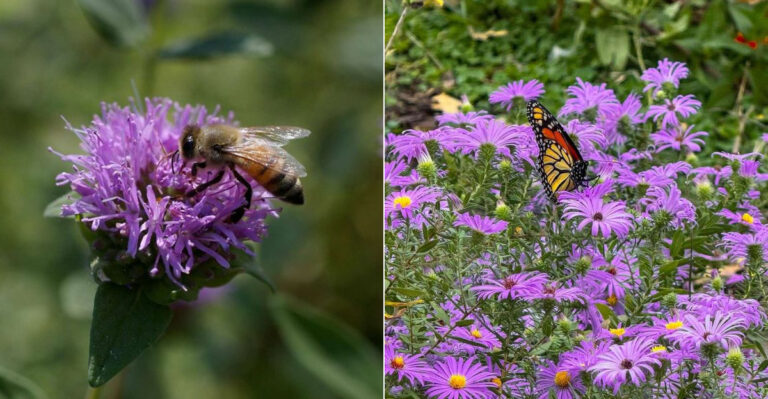
Most people picture beehives when they think about where bees live, but the truth is far more surprising. About 70 percent of California’s native bee species actually nest in the ground or in loose organic material like leaf litter.
These tiny pollinators depend on that layer of fallen leaves to create safe, protected spaces where they can rest, lay eggs, and survive cooler months.
Without leaf litter, many native bees simply have nowhere to go. Gardens that are swept completely clean leave these important insects exposed and vulnerable.
Bees like mining bees and sweat bees are especially reliant on undisturbed ground cover, and California’s diverse native bee population is one of the richest in the country.
Keeping a loose, natural layer of leaves in your garden beds is one of the easiest things you can do to support these pollinators. You do not need a fancy bee hotel or any special equipment.
Just let the leaves settle naturally around your plants, especially near flowering species. In places like the Central Valley or the foothills of the Sierra Nevada, where native plants bloom in waves throughout the year, this simple step can make a real difference for local bee populations and, in turn, for your garden’s productivity and health.
2. It Protects Overwintering Pollinators And Insects
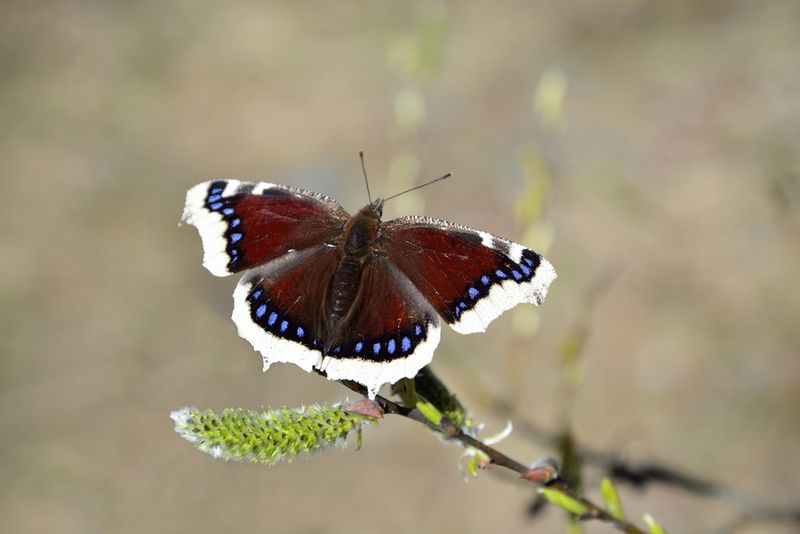
Many of California’s most important pollinators rely on simple, natural shelter to make it through the colder months, often hidden in places most gardeners overlook. Butterflies like the mourning cloak and various moth species overwinter as pupae, chrysalises, or eggs hidden within leaf litter.
Without that protective covering, they have little chance of surviving a cold snap.
Fireflies, beetles, and dozens of other beneficial insects also rely on leaf litter as a winter refuge. Even in California’s milder climate, nights can get cold enough to be dangerous for these small creatures.
A thick layer of fallen leaves acts like a natural blanket, buffering temperature swings and keeping conditions stable underneath.
Gardeners in Northern California, where winters can bring frost and heavy rain, often notice a big difference in pollinator activity come spring when they leave their leaf litter in place through the cooler months. The connection is not coincidental.
Your California Garden Changes Every Week. Your Plan Should Too.
Gardening in California changes quickly throughout the season. Every Friday you’ll receive a simple weekly plan showing exactly what to plant, prune, fertilize, harvest, and protect so you never miss the right timing.
By protecting overwintering insects, you are essentially setting up next season’s garden helpers before the first spring flower even opens. Shredding leaves lightly before spreading them helps prevent matting while still offering that critical layer of insulation.
It is a small habit with a surprisingly large payoff for your entire garden ecosystem throughout the year.
3. It Acts As Natural Mulch And Moisture Retainer
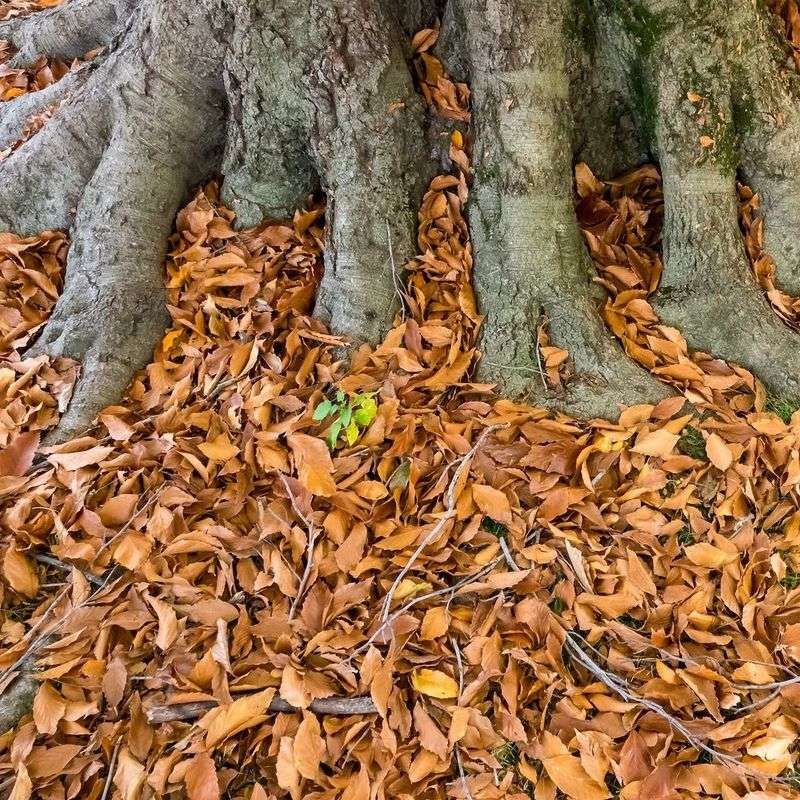
California summers are no joke. With long dry spells stretching from June through October in many parts of the state, keeping soil moisture from evaporating is a constant challenge for gardeners.
Leaf litter steps in as a completely free, naturally renewable mulch that does the job surprisingly well. A layer just two to three inches deep can dramatically slow evaporation and keep roots cooler during the hottest parts of the day.
Unlike store-bought bark mulch, leaf litter breaks down gradually and feeds the soil as it goes. In places like the Inland Empire or the Sacramento Valley, where summer temperatures regularly climb past 100 degrees Fahrenheit, this moisture-retaining quality can mean the difference between plants that struggle and plants that thrive.
You also end up watering less often, which saves time, money, and a precious resource in a state that frequently faces drought conditions.
One helpful trick is to shred your leaves before spreading them across garden beds. Whole leaves can sometimes mat together and actually repel water rather than retain it.
Running a lawn mower over a pile of dry leaves takes just a few minutes and creates a much more effective mulch layer. Mixing shredded leaves with a little compost gives you an even better result, improving both moisture retention and soil structure at the same time for long-lasting garden benefits.
4. It Slowly Feeds Soil With Organic Matter
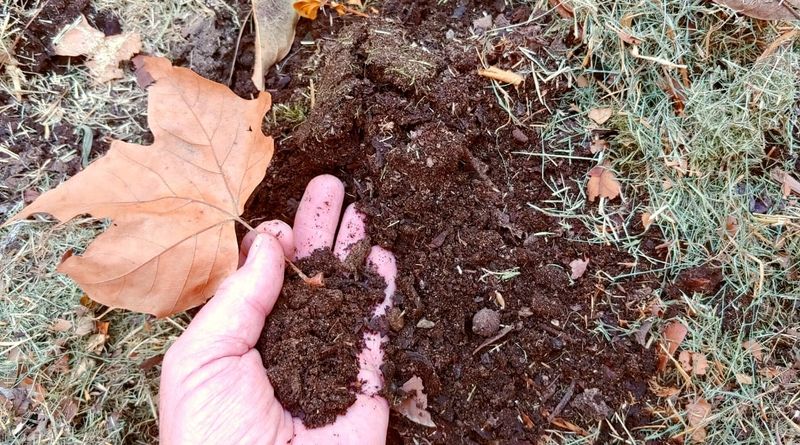
Healthy soil is not just dirt. It is a living, breathing system packed with bacteria, fungi, earthworms, and countless other organisms that work together to feed your plants.
Leaf litter is one of the most important ingredients in keeping that underground community well-nourished. As leaves break down, they release nitrogen, phosphorus, potassium, and a whole range of trace minerals directly into the soil in a slow, steady way that synthetic fertilizers simply cannot replicate.
Fungi play a huge role in this process. Certain species of soil fungi form networks that connect with plant roots and help transfer nutrients more efficiently.
Leaf litter creates the perfect environment for these fungi to thrive. In California gardens, where native oaks and sycamores drop enormous quantities of leaves each year, the natural leaf cycle has been feeding local soils for thousands of years.
Rather than bagging up your autumn leaves and sending them off to a landfill, consider spreading them across your garden beds and letting nature do the rest. Over time, you will notice your soil becoming darker, richer, and easier to work with.
Earthworm populations tend to increase noticeably in gardens where leaf litter is left in place. More earthworms mean better aeration, better drainage, and better nutrient cycling throughout the entire soil profile, creating a foundation that supports stronger, more resilient plants season after season.
5. It Reduces Soil Erosion During Rain And Wind
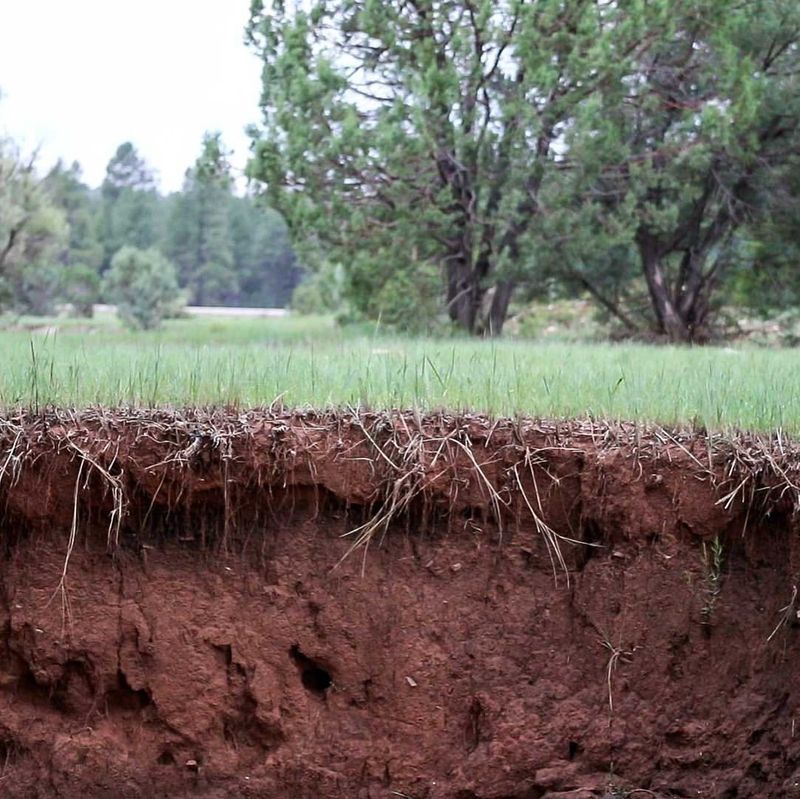
Anyone who has watched a heavy rain wash topsoil down a sloped yard knows how frustrating and costly erosion can be. California’s rainy season, which tends to arrive suddenly after months of dry weather, can hit exposed soil with serious force.
Leaf litter acts as a natural buffer, absorbing the impact of raindrops before they can dislodge soil particles and carry them away in runoff.
This matters even more in fire-affected areas of California, where vegetation has been stripped away and soil is left completely bare. In these vulnerable landscapes, a layer of organic material like leaf litter can slow the loss of precious topsoil significantly.
Wind erosion is also a real concern in drier, inland parts of the state, where gusts can pick up loose soil and carry it away before plants have a chance to establish root systems.
Gardeners with raised beds or terraced landscapes in hilly neighborhoods throughout the Bay Area or the foothills of the San Gabriel Mountains will find that keeping leaf litter in place between plants helps anchor the soil through the roughest weather. It works best when the leaves are layered consistently and refreshed after particularly heavy rains.
Pairing leaf litter with deep-rooted native ground covers creates an even stronger defense against erosion and helps keep your garden looking tidy and well-managed throughout California’s unpredictable wet season.
6. It Supports Beneficial Insects That Control Pests
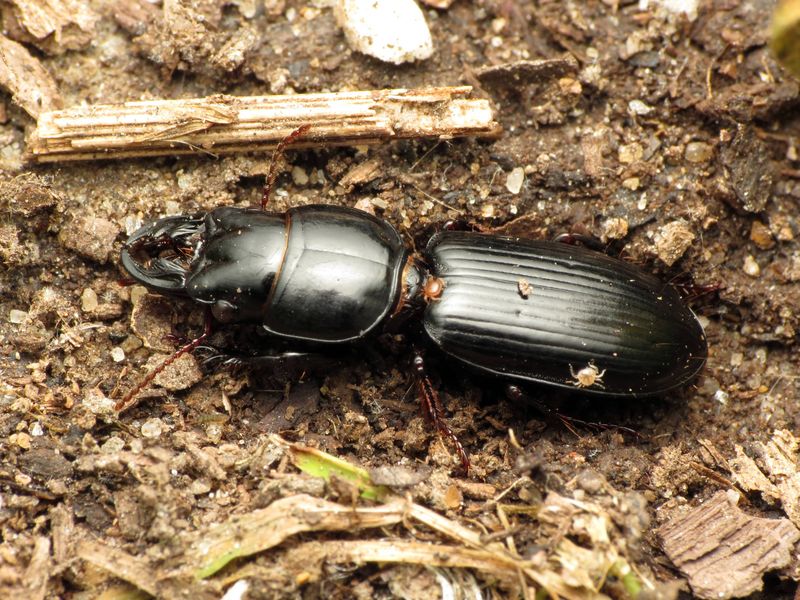
Not all bugs are bad news for your garden. Ground beetles, spiders, centipedes, and parasitic wasps are just a few of the beneficial insects that call leaf litter home, and they are some of the most effective natural pest controllers you will ever find.
A single ground beetle can consume dozens of aphids, slugs, and caterpillar eggs in a single night. Leaf litter gives these helpful hunters the habitat they need to live and breed close to where pests are most active.
California gardeners who rely heavily on pesticides often find themselves in a frustrating cycle. Spraying eliminates the pest but also wipes out the beneficial insects that would have kept the pest population in check naturally.
Leaving leaf litter in place encourages a more balanced ecosystem where nature handles much of the pest management on its own. Gardens in areas like the Monterey Peninsula or the wine country of Sonoma County, where organic growing practices are common, already embrace this approach with great results.
The key is to think of your garden as a community rather than a collection of individual plants. Every creature in that community has a role to play, and leaf litter is essentially the apartment complex that houses the workers keeping everything in order.
Allowing leaf litter to accumulate in designated areas, especially along garden borders and near vegetable beds, gives beneficial insects a permanent base of operations right where you need them most throughout the growing season.
7. It Helps Regulate Soil Temperature Year-Round
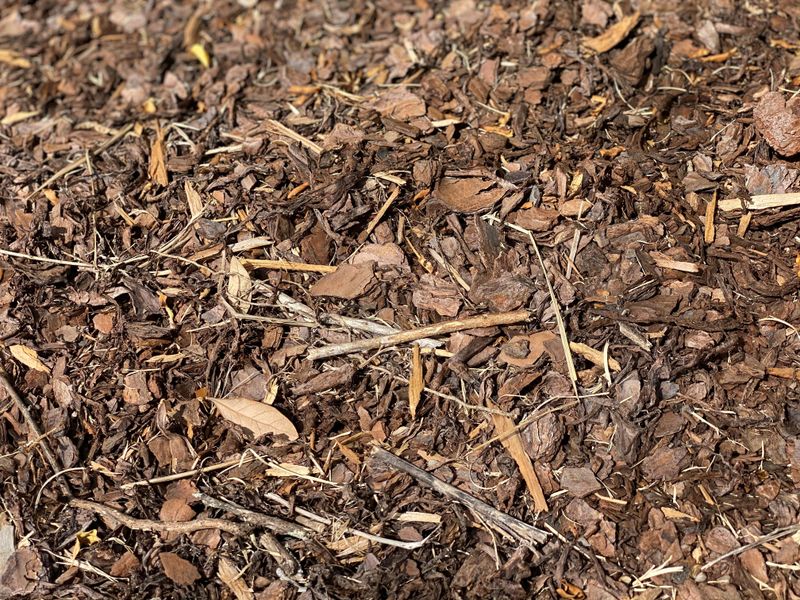
Soil temperature might not be the first thing that comes to mind when you think about garden health, but it has a massive impact on how well your plants grow. Roots are sensitive to extreme heat and cold, and when soil temperatures swing too dramatically, it stresses plants and slows growth.
Leaf litter acts like a natural insulating layer, keeping soil temperatures more consistent no matter what is happening above ground.
During California’s hot, dry summers, leaf litter keeps the soil several degrees cooler than bare ground, which protects shallow roots and keeps soil microbes active and healthy. Come winter, especially in regions like the Central Coast or the northern parts of the state where temperatures can dip into the thirties, that same layer of leaves traps warmth in the soil and helps protect roots from frost damage.
It works in both directions, which makes it one of the most versatile tools available to any home gardener.
Perennial plants and newly established shrubs benefit the most from this temperature buffering effect. If you have recently planted California natives or Mediterranean species in your yard, spreading a generous layer of leaf litter around their base can give them a much better chance of getting established during their first year.
Refreshing the layer each autumn, as new leaves fall, keeps the insulating effect strong and ensures your soil stays within a comfortable range for healthy root growth and microbial activity all year long.