Plants That Help California’s Native Bees Survive Summer
By the time summer settles across California, the landscape can start to look a little different. Spring blooms fade, the soil dries out, and many plants slow down as the heat builds.
For native bees, this stretch of the season can be especially challenging. Food sources become less consistent, and not every plant can keep producing nectar and pollen under dry, warm conditions.
That is why certain plants play such an important role during this time. They continue to offer support when other parts of the garden start to fade.
Adding the right plants can help keep your yard active with pollinators even during the hottest weeks.
It is a simple shift that can make your garden more balanced while giving native bees a better chance to stay active and supported through the summer months.
1. California Buckwheat That Feeds Bees Through The Heat
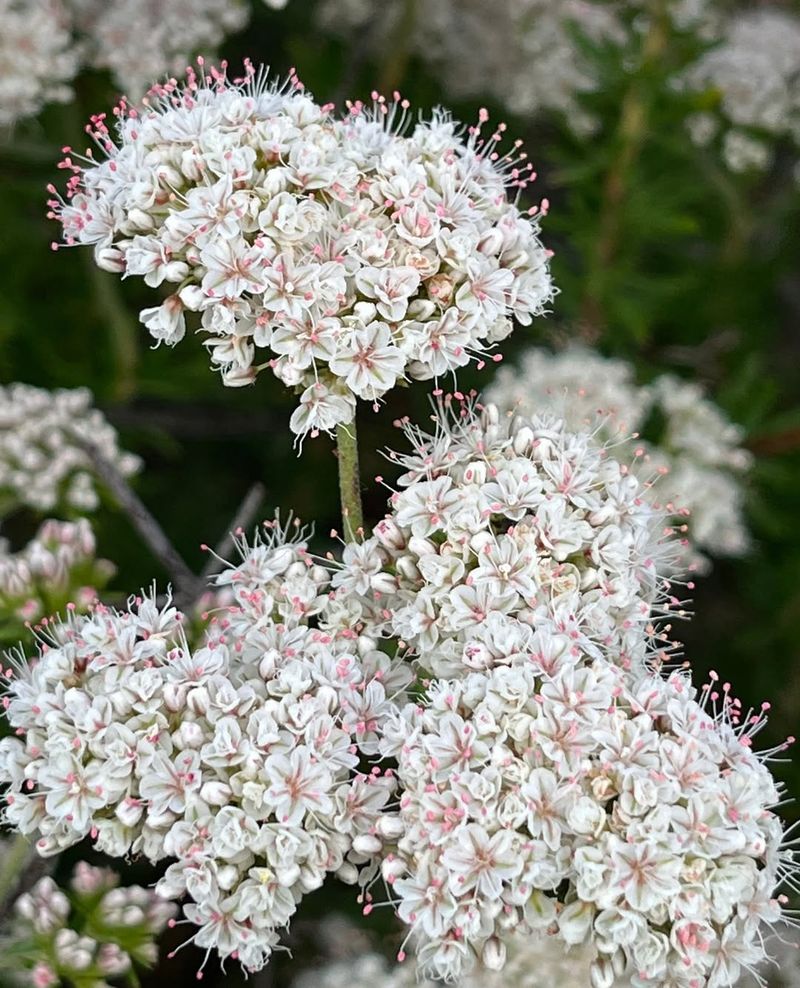
Few plants in California work as hard for native bees as California Buckwheat. Known scientifically as Eriogonum fasciculatum, this tough evergreen shrub blooms from late spring all the way through fall, giving bees a steady food source when other plants have already stopped flowering.
That kind of consistency is rare and incredibly valuable during the dry summer months.
California Buckwheat thrives in full sun and sandy or rocky soils, making it perfect for the dry slopes and hillsides found across Southern California and beyond. It requires very little water once established, which means gardeners don’t need to stress about keeping it alive during a drought.
The small clusters of pink and white flowers may look delicate, but they pack a serious punch of nectar and pollen.
Bumble bees, sweat bees, and many other native species absolutely love this plant. Planting California Buckwheat near the edges of your yard or along a sunny fence line gives bees easy access while also adding natural beauty to your outdoor space.
It also doubles as habitat for other beneficial insects, making it one of the most rewarding native plants you can grow in California.
2. Coyote Mint Bursting With Summer Nectar
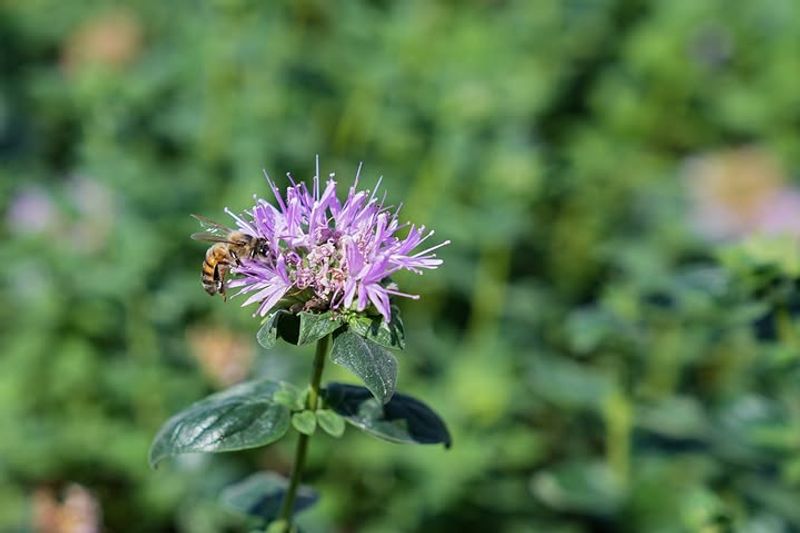
Walk past a patch of Coyote Mint on a warm California afternoon and you will immediately understand why bees are obsessed with it. The sweet, minty fragrance alone is enough to stop you in your tracks, and for native bees, that scent is basically an invitation to a feast.
Monardella villosa, as it is officially called, produces round clusters of tiny purple flowers that bees find completely irresistible.
What makes Coyote Mint especially useful is its timing. It blooms during the hottest parts of summer, filling in a gap when many other flowering plants have already faded.
Native bumblebees, digger bees, and even some rare bee species visit it regularly. In California’s chaparral and foothill regions, it grows naturally on dry, well-drained slopes, which tells you a lot about how little water it actually needs.
Gardeners in California who want a low-maintenance but high-impact plant will find Coyote Mint easy to love. It spreads gradually to form a soft, fragrant ground cover that looks great along pathways or in rock gardens.
Your California Garden Changes Every Week. Your Plan Should Too.
Gardening in California changes quickly throughout the season. Every Friday you’ll receive a simple weekly plan showing exactly what to plant, prune, fertilize, harvest, and protect so you never miss the right timing.
Pair it with other native bloomers like California Buckwheat, and you will have a bee-friendly corner of your yard that stays active all summer long.
3. California Fuchsia That Shines When Others Fade
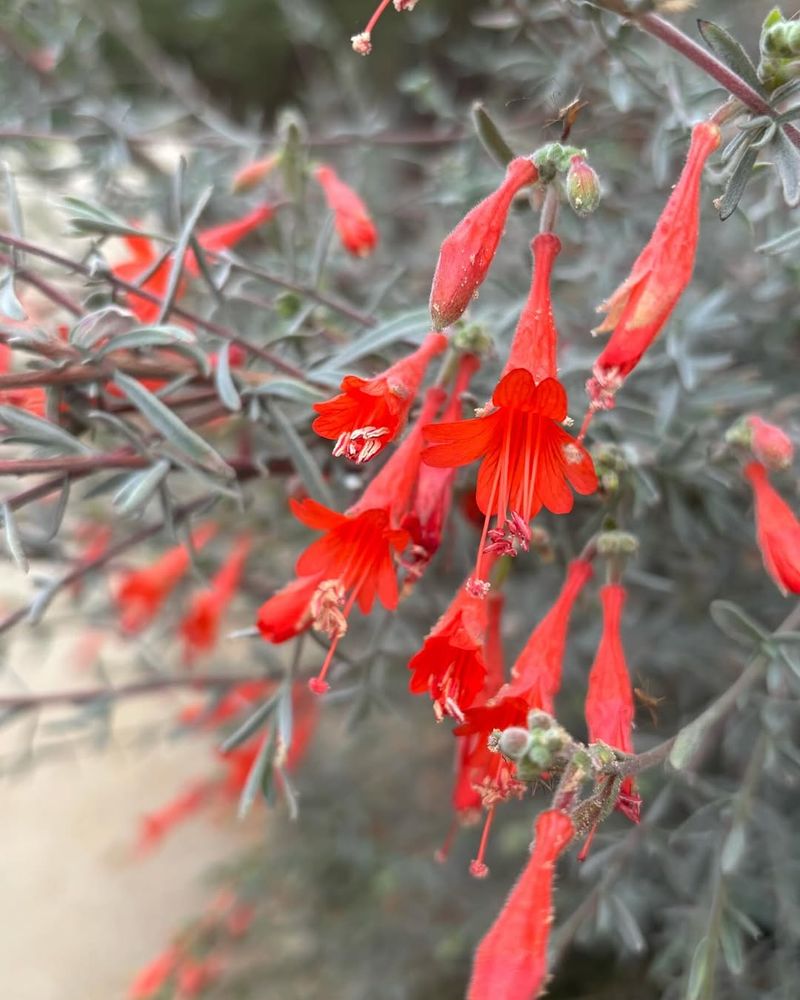
When late summer rolls around and most flowering plants in California have already called it quits, California Fuchsia is just getting started. Its brilliant red tubular flowers light up gardens from August through October, making it one of the most important late-season food sources for native bees.
Epilobium canum is the plant’s scientific name, and it earns its place in any pollinator garden without much fuss.
You might think those narrow red flowers are built for hummingbirds, and you would be right. But native bees, especially long-tongued species, have figured out how to access the nectar too.
Bumble bees in particular are strong enough to push their way into the tubular blooms and get their reward. Watching the activity around a blooming California Fuchsia on a warm September afternoon in California is genuinely exciting.
As a garden plant, California Fuchsia is almost too easy to grow. It loves full sun, handles drought without complaining, and spreads into a low, silvery-leaved mat that looks attractive even when it is not in bloom.
Cutting it back in late winter keeps it looking tidy and encourages strong new growth each season. For bees navigating California’s challenging late-summer conditions, this plant is a lifeline.
4. Cleveland Sage Filling The Air With Scent And Bees
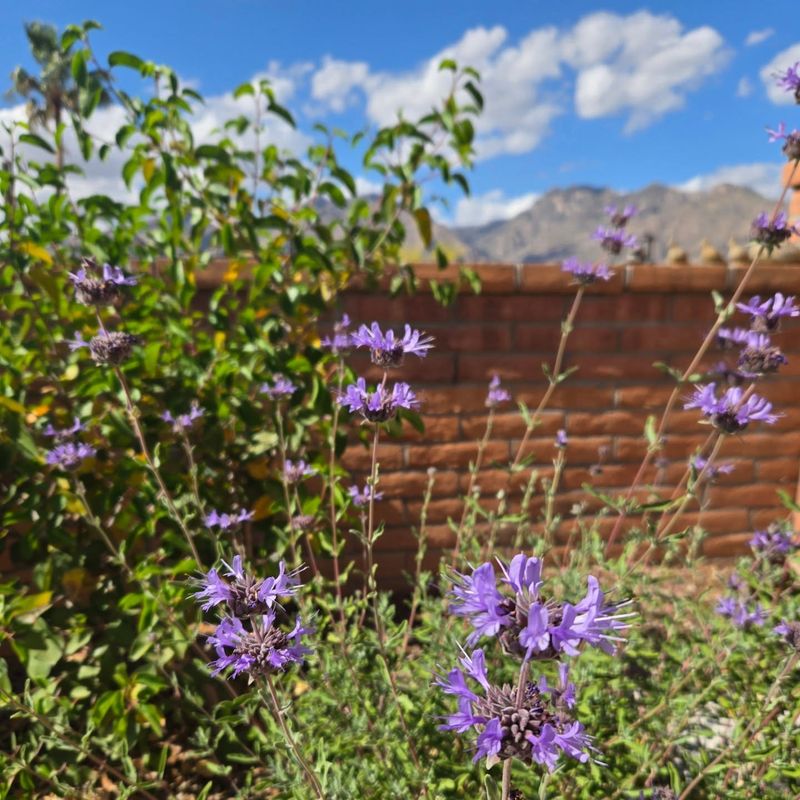
There is something almost magical about a Cleveland Sage in full bloom. The purple-blue flower spikes rise up from silvery-green foliage, releasing a bold, woodsy fragrance that carries on the breeze.
Native to Southern California’s coastal sage scrub habitat, Salvia clevelandii is a plant that both gardeners and bees have been falling for a very long time.
Cleveland Sage blooms in late spring and early summer, which is a critical window for native bees that are raising their young. The flowers are loaded with nectar, and the plant is a magnet for bumble bees, carpenter bees, and small native solitary bees alike.
Its heat tolerance is impressive even by California standards, thriving in full sun with minimal water once it gets established in the ground.
From a garden design perspective, Cleveland Sage works beautifully as a backdrop plant or a fragrant hedge. It can grow three to five feet tall and wide, so it makes a real statement in the landscape.
Gardeners across California have discovered that once this shrub is planted, it practically takes care of itself. Pruning lightly after blooming helps it stay bushy and productive, giving bees even more to look forward to the following season.
5. Narrowleaf Milkweed Supporting Monarchs And More
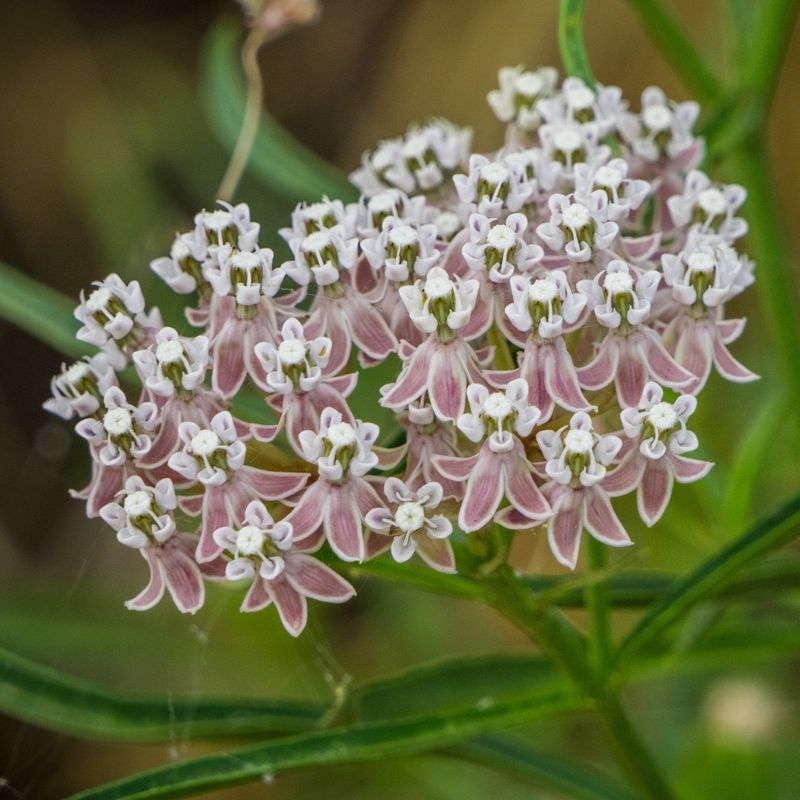
Most people know milkweed as the plant that monarch butterflies depend on, but Narrowleaf Milkweed is also a fantastic resource for native bees. Asclepias fascicularis grows naturally throughout California’s valleys, roadsides, and open fields, and its clusters of small pale pink flowers bloom reliably through the summer heat.
Native bees love the nectar, and the flowers are open enough for many different bee species to access easily.
What sets Narrowleaf Milkweed apart from other milkweed species is how well it handles California’s dry summers. It goes dormant in winter and comes back strong each spring from its deep root system, which means it is both resilient and long-lived.
Sweat bees, bumble bees, and various solitary bees visit it frequently, making it a genuinely multi-purpose plant for any pollinator-focused garden in California.
Planting Narrowleaf Milkweed in groups of three or more creates a more visible and attractive patch that bees can find more easily. It pairs well with other summer bloomers like Goldenrod and Yarrow, creating a layered garden that supports bees from different angles.
If you want to support both native bees and monarch butterflies with a single plant, Narrowleaf Milkweed is the clear choice for California gardeners.
6. Sunflower That Keeps Pollinators Coming Back
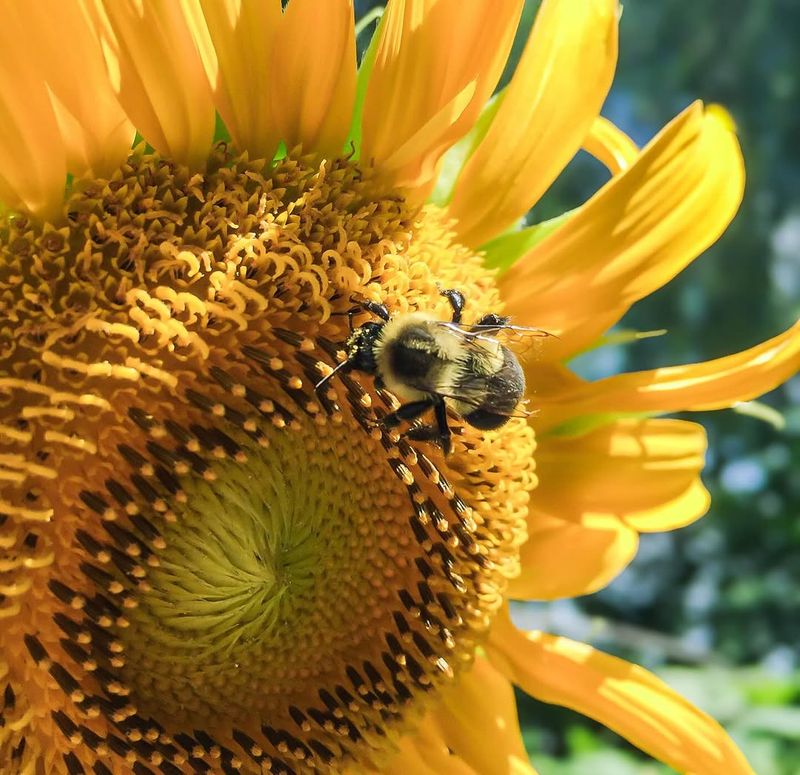
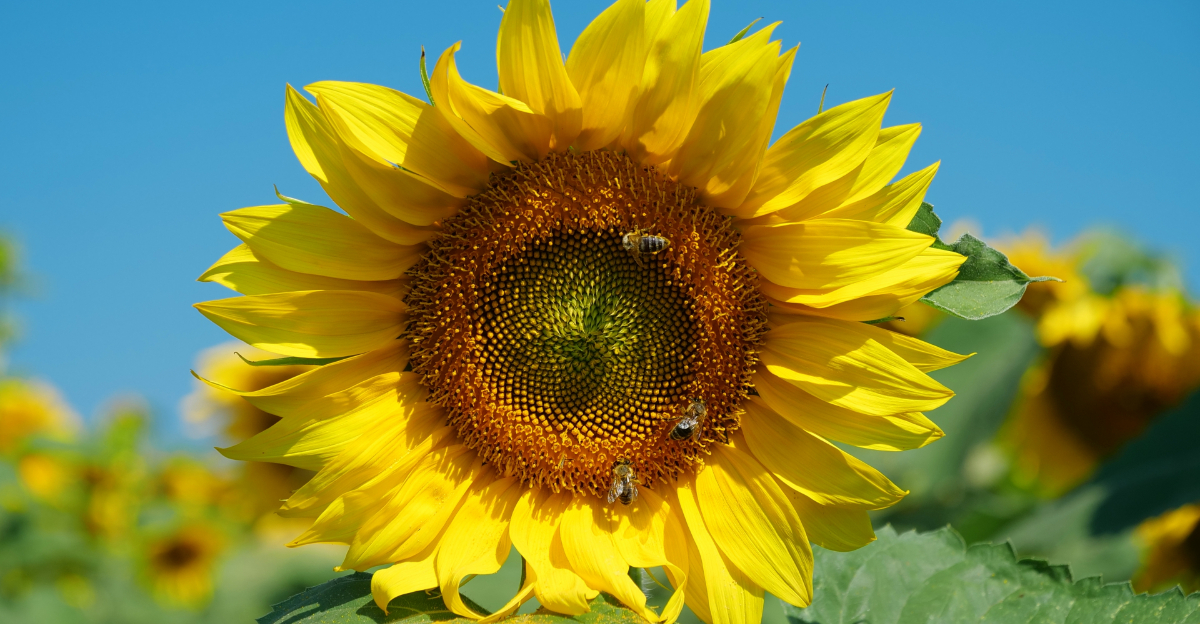
Bold, cheerful, and absolutely packed with pollen, sunflowers are one of the most generous plants a California gardener can grow for native bees. The California Sunflower, Helianthus californicus, is a native species that blooms from midsummer through fall, providing one of the richest sources of both nectar and pollen available during those hot, dry months.
Bees do not have to work hard to find it because the large, open flower heads practically announce themselves across the garden.
Native sweat bees, bumble bees, and long-horned bees are especially fond of sunflowers. Some bee species actually specialize in sunflower pollen, meaning this plant is not just helpful but essential for certain California bee populations.
Watching a fuzzy bumble bee roll around in a sunflower’s center, coating itself in golden pollen, is one of the best sights a garden can offer on a warm summer afternoon.
Growing sunflowers in California is straightforward. They love full sun, tolerate dry conditions once established, and grow quickly from seed.
Planting them along a south-facing fence or in a raised bed gives them the warmth they need to perform their best. Leaving the seed heads standing after blooming also provides food for birds, making sunflowers a gift that keeps on giving well beyond summer.
7. Yarrow That Handles Heat And Still Delivers
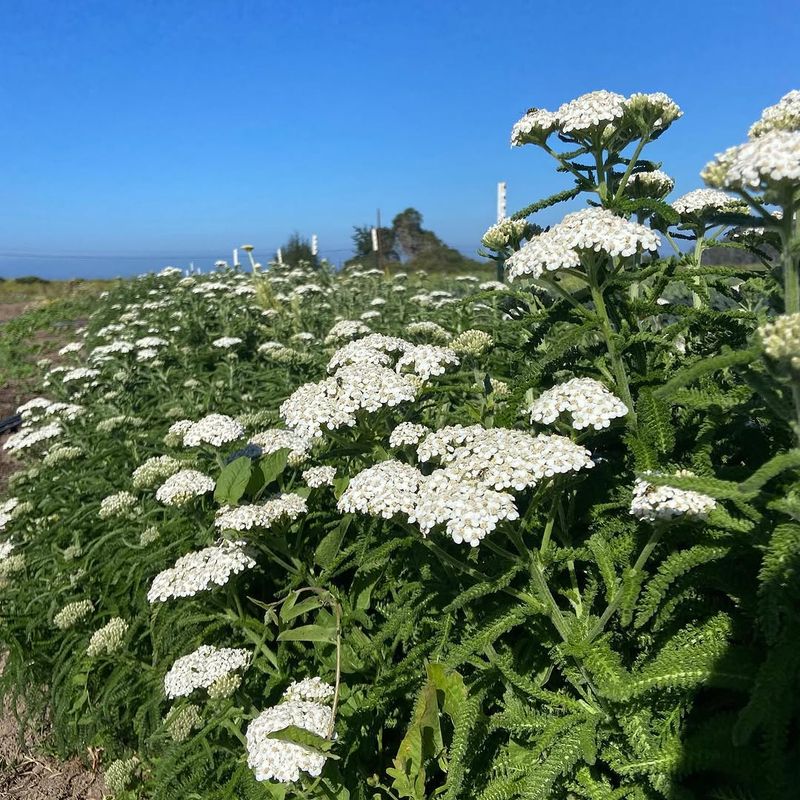
Yarrow has been growing wild across California for centuries, and native bees have been taking advantage of it for just as long. Achillea millefolium produces flat-topped clusters of tiny flowers that act like landing pads for all kinds of pollinators.
The wide, open flower heads make nectar and pollen easy to reach, which is why so many different bee species visit Yarrow throughout the summer season.
One of Yarrow’s greatest strengths is its incredibly long bloom time. In California, it can flower from late spring all the way through early fall, giving bees a consistent food source across multiple months.
It grows in a wide range of conditions, from coastal bluffs to inland valleys, which speaks to its adaptability. Even in areas with poor, dry soil, Yarrow holds its own and continues to produce flowers reliably.
For gardeners who want a plant that looks great and works hard, Yarrow checks both boxes. It comes in white, yellow, and soft pink varieties, allowing you to mix and match colors in your garden design.
Cutting back spent flower stalks encourages a second round of blooming, which gives bees an extra bonus later in the season. Planting Yarrow in drifts of five or more creates a visual impact that is hard to beat in any California summer garden.
8. Gumplant That Thrives In Tough Dry Conditions
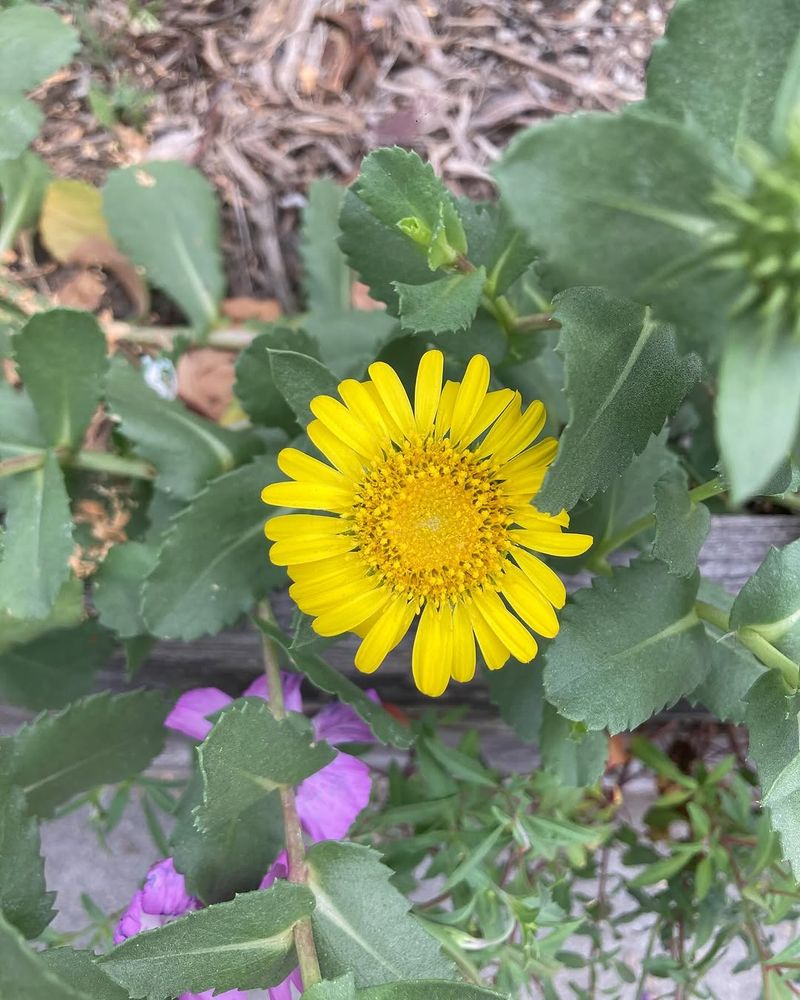
If you have ever touched a Gumplant bud and felt that strange, sticky white resin, you already know this plant is one of a kind. Grindelia species, commonly called Gumplant, produces cheerful yellow daisy-like flowers that bloom reliably through summer and into fall in California.
The flowers are wide open and easy for bees to land on, making them a go-to food source during the hottest and driest part of the year.
Gumplant is native to California’s coastal areas and inland hillsides, and it has a well-earned reputation for toughness. It handles salt spray, poor soils, and extended dry periods without much complaint.
For native bees working along the California coast or in scrubby inland areas, Gumplant often represents one of the only reliable nectar sources available during peak summer heat.
Sweat bees and bumble bees are among the most frequent visitors, but you can also spot small native solitary bees working the flowers on any given sunny afternoon. Gumplant grows to about two to three feet tall and has a somewhat sprawling habit that fills in gaps nicely between taller shrubs.
Planting it along borders or on dry slopes where other plants struggle gives it room to shine and ensures that bees always have somewhere to stop and refuel.
9. Goldenrod That Powers Late Season Pollinators
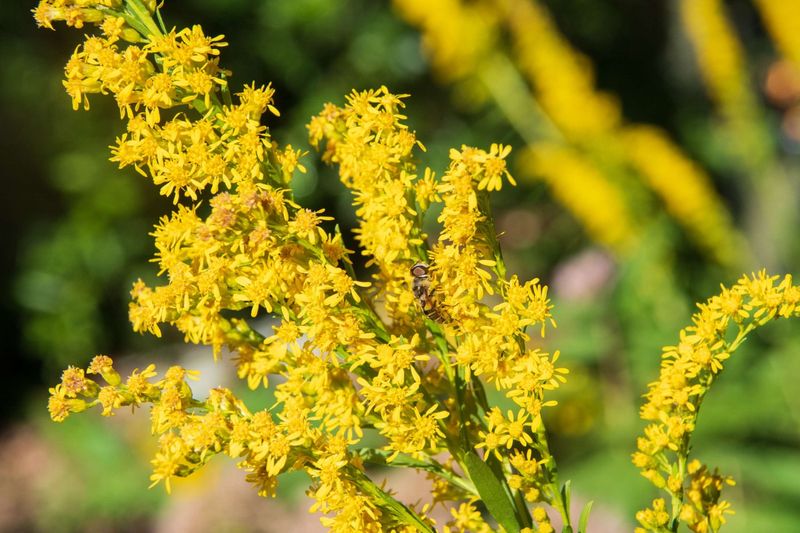
Late summer in California can feel like a desert for hungry bees, but Goldenrod is one plant that refuses to let them go without. Solidago californica, the California native variety, produces arching sprays of tiny golden-yellow flowers that bloom from late summer into fall.
The timing could not be better for native bees that are working overtime to store up food before cooler weather arrives.
Goldenrod has a bit of an unfair reputation as an allergy plant, but that is mostly a case of mistaken identity. Its pollen is heavy and sticky, designed to be carried by bees rather than blown around by the wind.
Native bumble bees, sweat bees, and solitary bees are major fans, and a blooming Goldenrod patch on a warm California afternoon can look like a buzzing, golden party.
Growing California Goldenrod is a satisfying experience for any gardener. It prefers well-drained soil and full sun but is flexible enough to handle partial shade in hotter inland areas of California.
It spreads gradually by underground runners, eventually forming a lush colony that provides dense habitat and food. Planting it alongside Narrowleaf Milkweed and Yarrow creates a late-season pollinator garden that bees will return to again and again throughout the summer and into fall.
10. Phacelia That Bees Simply Cannot Ignore
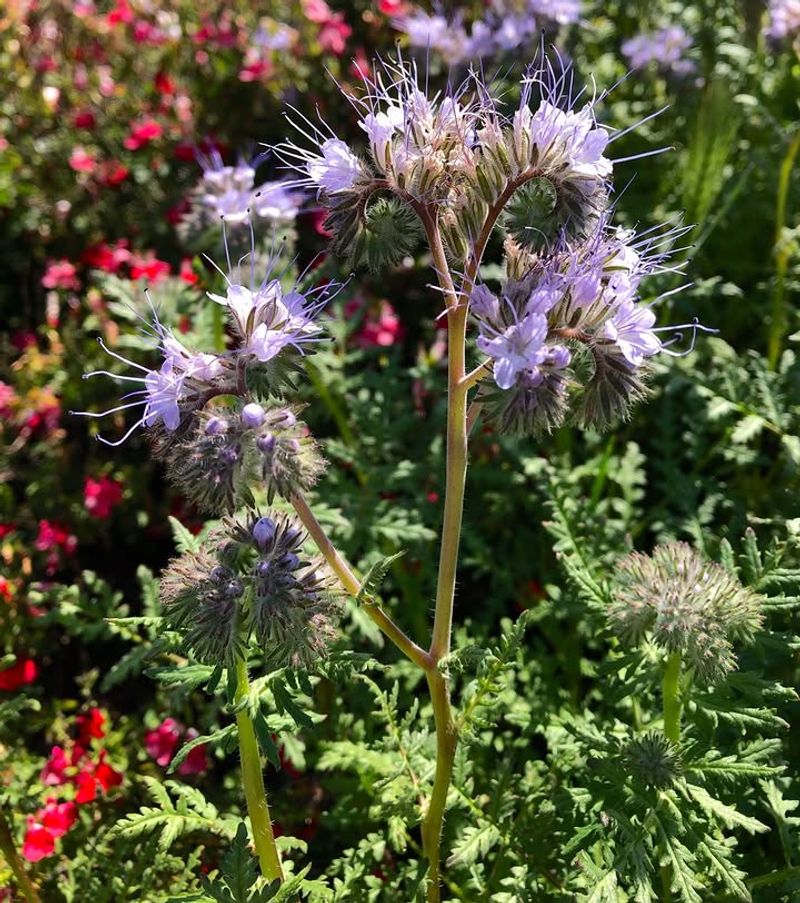
Ask any experienced California beekeeper which wildflower their bees go absolutely wild for, and Phacelia will likely come up fast. This native annual or perennial, depending on the species, produces coiled clusters of small purple-blue flowers that are extraordinarily rich in both nectar and pollen.
Bees seem to find it almost irresistible, and on a sunny summer morning in California, a patch of Phacelia can sound like a small engine from all the buzzing activity happening inside it.
Phacelia tanacetifolia, one of the most common species planted for pollinators, is actually used as a commercial crop cover in some parts of California because it attracts so many beneficial insects. Native bumble bees, sweat bees, and mining bees are among the most frequent visitors.
The coiled flower clusters unfurl gradually over several weeks, extending the blooming period and giving bees a longer window to benefit from the plant.
For home gardeners across California, Phacelia is easy to grow from seed and does well in sandy or loamy soils with good drainage. It grows quickly, blooms prolifically, and self-seeds readily, which means once you plant it, it may come back on its own the following year.
Scattering seeds in a sunny patch of bare ground in early spring gives bees a summer reward they will not forget anytime soon.