8 Plants You Should Never Grow Next To Your Zinnias In California
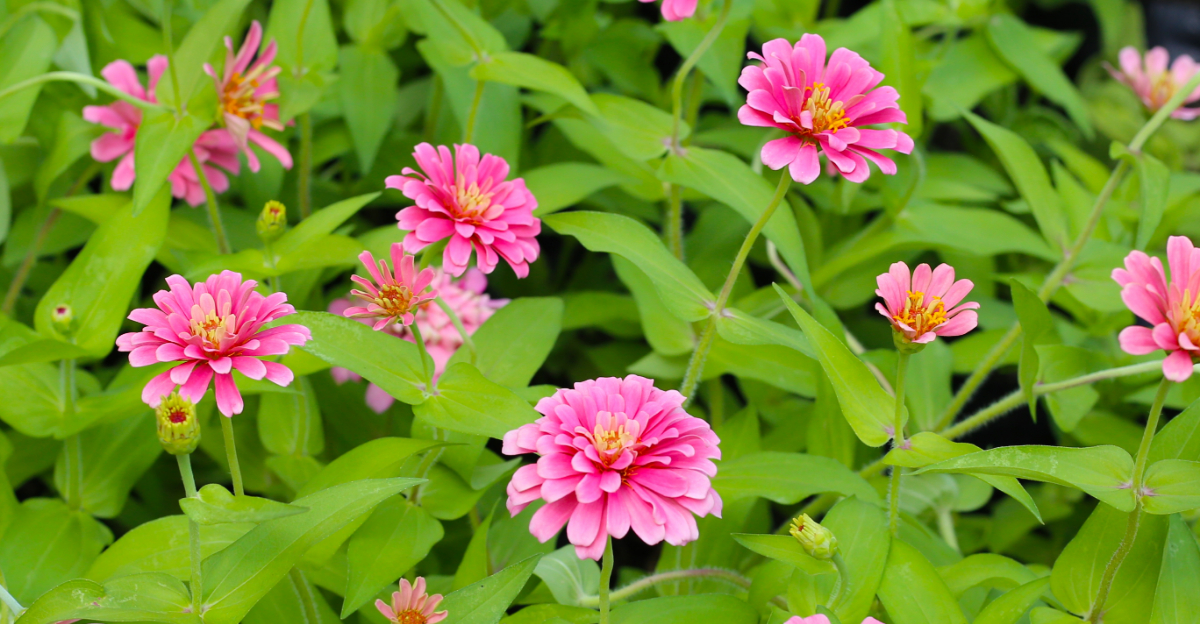
Zinnias are one of those flowers that seem to bring instant color and energy to a California garden. They grow quickly, bloom generously, and fit into many different spaces, from garden beds to containers near a patio.
Because they are so easygoing, it is tempting to plant them alongside just about anything. But not every combination works as well as it seems at first glance.
Some plants compete for the same space and resources, while others can create conditions that make zinnias less comfortable as they grow.
The effects are not always obvious right away, which can make it harder to spot what is going wrong.
Everything can look perfectly fine at first, right up until the moment your zinnias start to slow down, lose their color, or stop putting out those steady blooms you were counting on.
1. Cucumbers That Compete For Space And Nutrients
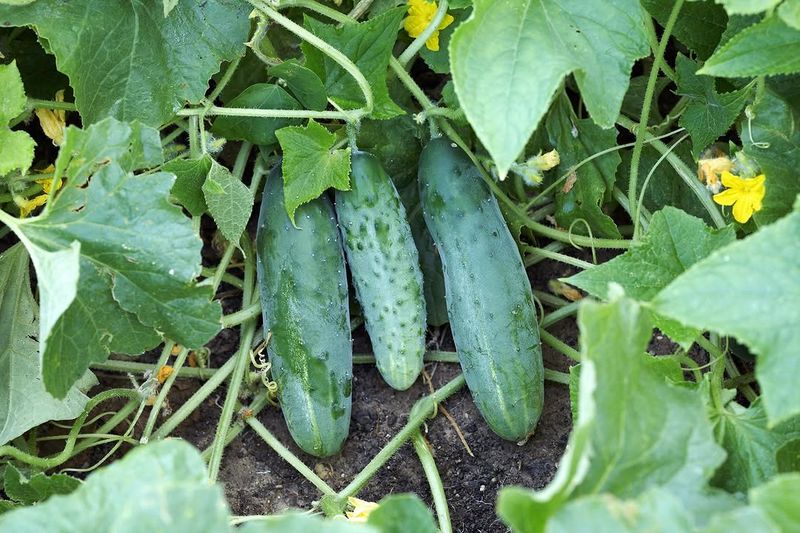
They might seem like an innocent addition to your California garden, but planting cucumbers near your zinnias can quickly turn into a recipe for frustration. These vining vegetables are heavy feeders, meaning they pull a large amount of nutrients from the soil at a rapid pace.
When cucumbers and zinnias share the same garden bed, the cucumbers often win that nutrient race, leaving your zinnias looking pale, weak, and far less vibrant than they should be.
Beyond the nutrient competition, cucumbers also have a reputation for attracting cucumber beetles. These small but destructive insects do not limit themselves to cucumbers alone.
They will happily munch on nearby plants, including your beloved zinnias, causing leaf damage and spreading disease throughout the garden bed. In California’s warm climate, beetle populations can grow quickly, making this risk even more significant.
Cucumbers also tend to spread out with wide, sprawling leaves that can shade neighboring plants. Zinnias need full sun to produce their best blooms, and even partial shade from cucumber leaves can reduce flower production noticeably.
Additionally, cucumbers require frequent, deep watering that can create overly moist soil conditions, which may encourage fungal diseases like powdery mildew on your zinnias. Keeping cucumbers at least a few feet away from your zinnia patch will help both plants thrive independently.
Give your zinnias plenty of open space, full sun, and well-draining soil, and they will reward you with non-stop color throughout California’s long growing season.
2. Potatoes That Bring Underground Competition
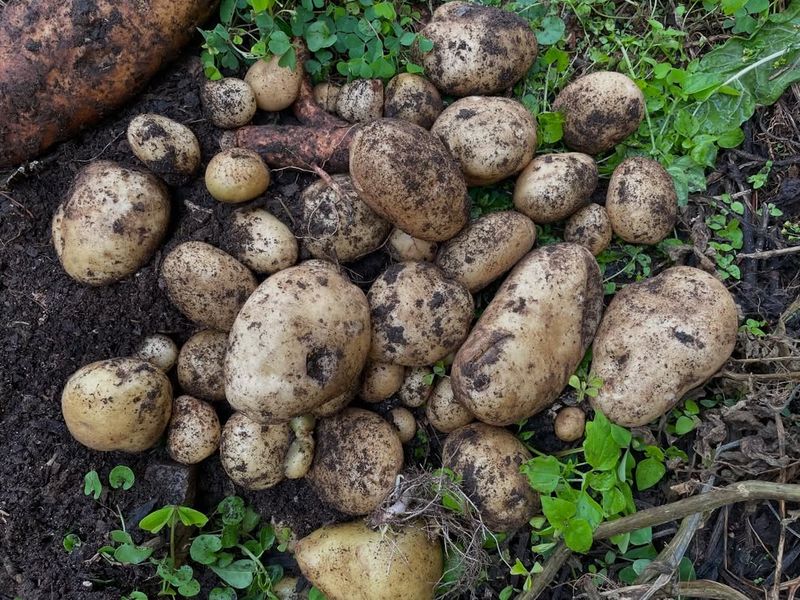
They might both enjoy California’s sunny weather, but planting potatoes next to your zinnias is not a smart move. Potatoes are underground growers with an extensive root system that spreads wide and competes aggressively for soil moisture and nutrients.
Since zinnias have relatively shallow roots, they often end up on the losing end of that underground battle, struggling to get the water and food they need to produce those gorgeous blooms.
One of the biggest concerns with growing potatoes near zinnias is the risk of shared diseases. Potatoes are highly susceptible to fungal infections, including early blight and late blight.
These diseases can travel through the soil or splash onto nearby plants during watering. Zinnias are already prone to powdery mildew, and having diseased potatoes nearby only increases the chances of your flowers developing additional problems.
Your California Garden Changes Every Week. Your Plan Should Too.
Gardening in California changes quickly throughout the season. Every Friday you’ll receive a simple weekly plan showing exactly what to plant, prune, fertilize, harvest, and protect so you never miss the right timing.
In California’s warm and sometimes humid coastal regions, this risk is especially worth taking seriously.
Potatoes also tend to be planted in mounds or rows that disrupt the surrounding soil, which can interfere with the root development of neighboring plants like zinnias. The physical disturbance of hilling potatoes throughout the growing season can damage nearby flower roots and stress the plants.
To keep your California zinnia garden looking its best, give potatoes their own dedicated space far from your flower beds. A little separation goes a long way toward keeping both crops healthy and productive all season long.
3. Fennel That Disrupts Nearby Growth
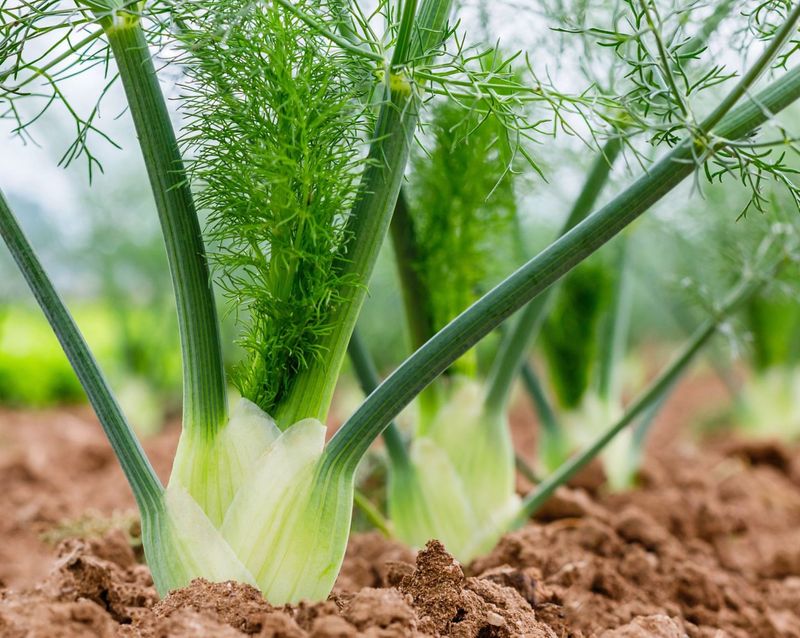
It may look beautiful and smell amazing, but fennel is notoriously bad at playing nice with its garden neighbors. In fact, fennel is well known among gardeners for releasing natural chemical compounds into the soil that can suppress the growth and germination of nearby plants.
Zinnias are particularly sensitive to these compounds, which means planting fennel close to your zinnia bed could result in stunted growth, poor germination, and far fewer flowers than you were hoping for.
This chemical interference, known as allelopathy, is not just a minor inconvenience. In California gardens where the growing season is long and conditions are warm, the effects can build up in the soil over time, making it harder for zinnias to establish themselves even after the fennel has been removed.
Gardeners across California have noticed that beds where fennel once grew can remain problematic for other plants for an entire season afterward.
Fennel also grows tall and bushy, casting shade over shorter plants like zinnias that desperately need full sun exposure to bloom at their best. Its root system competes for moisture in the soil, which adds another layer of stress for your zinnias.
The good news is that fennel does have its place in the garden as a helpful herb and pollinator attractor. Just make sure it is planted in a completely separate area, well away from your zinnias.
A dedicated herb corner or container garden works perfectly for keeping fennel contained and your zinnias thriving.
4. Corn That Towers And Steals Sunlight
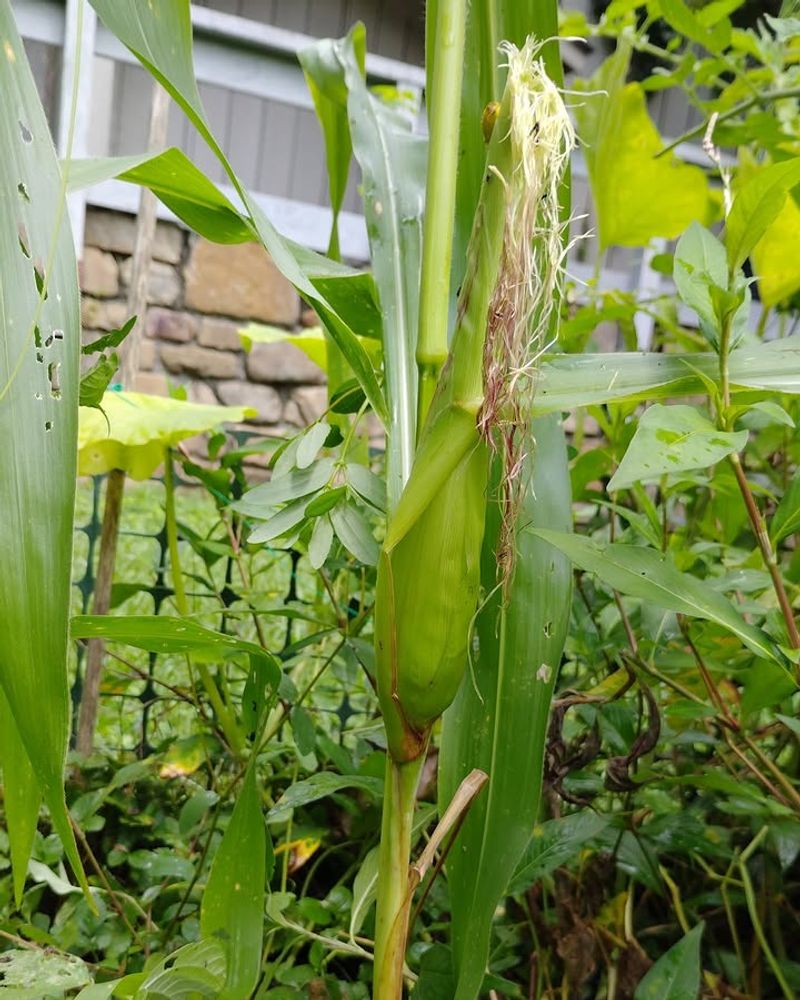
Standing tall and proud in the summer sun, corn might look like a great garden companion, but for zinnias, it is more of a bully than a buddy. Corn grows very tall, very fast, and its broad leaves create significant shade beneath the canopy.
Since zinnias absolutely need full sun to produce their signature bright blooms, being overshadowed by corn stalks can dramatically reduce their flowering potential. In California’s long summer growing season, this shade problem only gets worse as corn reaches its full height.
Corn is also a notoriously heavy feeder. It pulls nitrogen and other essential nutrients from the soil at a high rate, leaving less available for nearby plants.
Zinnias growing in nitrogen-depleted soil tend to look pale and produce fewer flowers. Even in California’s fertile garden soils, the combination of corn’s nutrient demands and its towering height creates a tough environment for zinnias to compete in successfully.
There is also the issue of pest attraction. Corn earworms and other insects that target corn crops can spread to nearby flowering plants, causing unexpected damage to your zinnia blooms and foliage.
Corn also requires more water than zinnias prefer, meaning the watering schedule for corn can create overly moist conditions around zinnia roots, raising the risk of root rot and fungal issues. Keeping corn on the far side of your California garden, well separated from your zinnia beds, is the smartest approach for protecting your flowers all season long.
5. Dill That Can Crowd And Reseed Fast
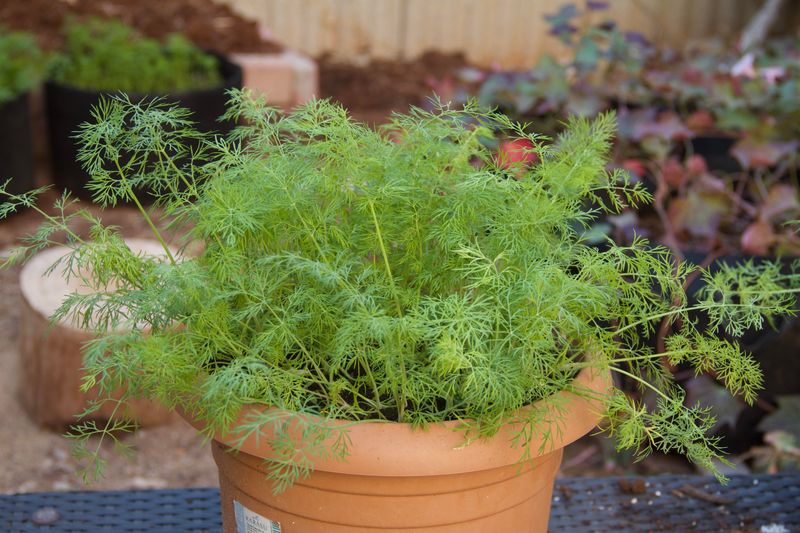
Dill is a popular herb in California gardens thanks to its culinary uses and its ability to attract beneficial insects like swallowtail butterflies. However, when it comes to zinnias, dill is not the friendly neighbor it might appear to be.
Young dill plants release compounds that can interfere with the growth of nearby flowering plants. While this effect is most pronounced when dill is in its early growth stages, it can still put unnecessary stress on your zinnias during a critical time in their development.
Beyond chemical interference, dill has another trick up its sleeve that makes it problematic near zinnias. As dill matures, it bolts quickly and grows quite tall, producing large umbrella-shaped flower heads.
These tall, feathery tops can cast shade over shorter zinnia plants, reducing the sunlight they receive. In California, where maximizing sun exposure is key to getting the most vibrant zinnia blooms, even partial shading from dill can make a noticeable difference in flower production.
Dill also attracts aphids in large numbers, and once aphids show up, they rarely stay on just one plant. These tiny sap-sucking insects can quickly migrate from dill to your zinnias, causing leaf curl, stunted growth, and a general decline in plant health.
California gardeners dealing with warm, dry summers may find aphid populations particularly hard to control once they get established. Planting dill in a container or a separate herb garden away from your zinnia beds keeps the benefits of dill without the drawbacks for your flowers.
6. Pumpkins That Sprawl And Take Over
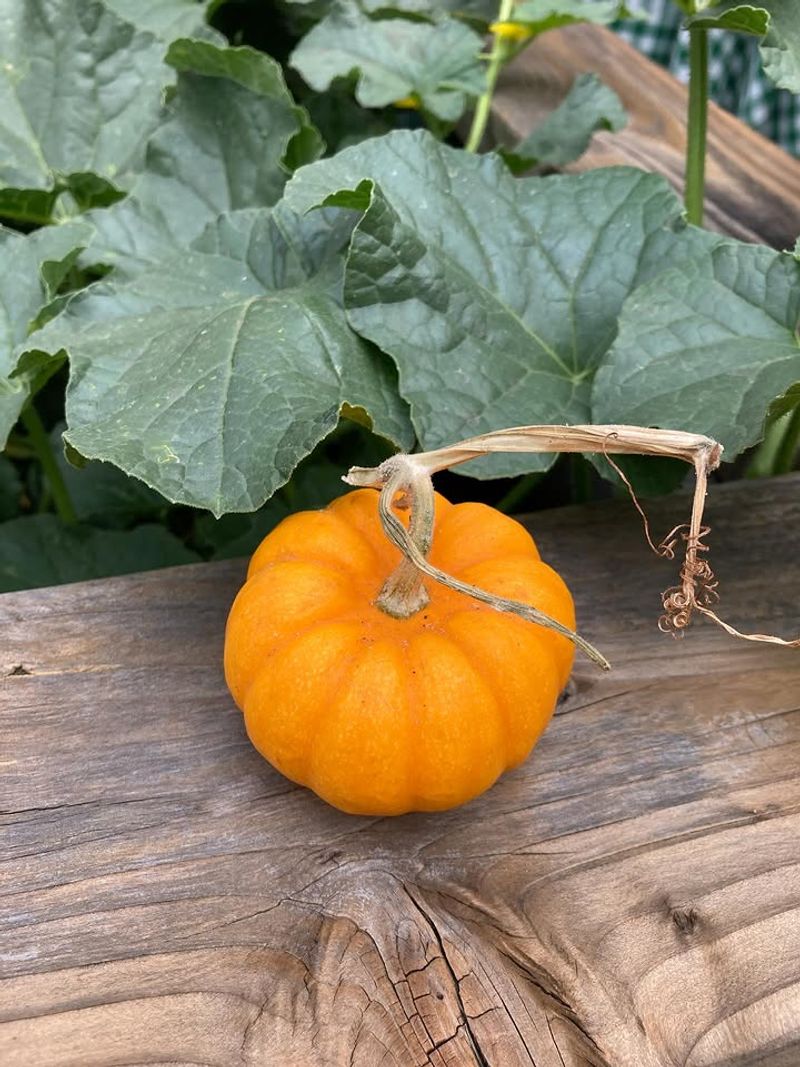
Few things say fall in California quite like a big, beautiful pumpkin patch. But if you are also trying to grow zinnias nearby, you might want to think twice before letting those pumpkin vines run free.
Pumpkins are vigorous growers with sprawling vines that can quickly take over large sections of a garden. Their enormous leaves create dense canopies that block sunlight from reaching lower-growing plants, and zinnias, which need as much direct sun as possible, can suffer badly under that kind of shade.
Pumpkins are also serious water hogs. They require consistent and generous irrigation to develop properly, and their extensive root systems spread far beyond the base of the plant.
This means they are competing with zinnias for soil moisture across a wide area. In California’s hot summer months, water is already a precious resource in the garden, and having pumpkins nearby can leave your zinnias thirsty and stressed, resulting in fewer blooms and weaker plants overall.
There is also the matter of pest attraction. Pumpkins are magnets for squash bugs and cucumber beetles, both of which can spread to nearby plants, including zinnias.
These pests can chew through foliage and introduce diseases that weaken your flowers. The large leaf surface area of pumpkins also promotes humid microclimates around the base of the plants, encouraging the growth of powdery mildew, which zinnias are already prone to catching.
Giving pumpkins their own dedicated patch well away from your California zinnia garden is the best way to let both plants shine on their own terms.
7. Squash That Quickly Overruns The Space
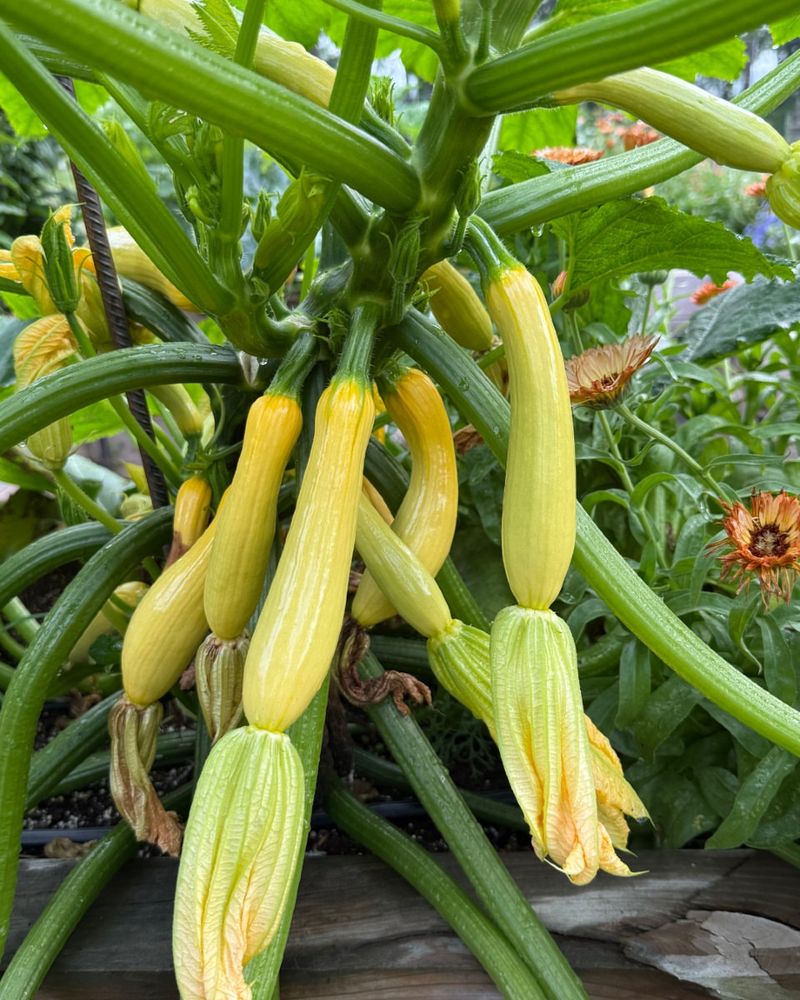
They may both be summer garden staples in California, but pairing squash with zinnias is a combination that tends to backfire. Like their pumpkin cousins, squash plants produce enormous, broad leaves that spread out quickly and create deep shade beneath them.
For sun-loving zinnias that need six to eight hours of direct sunlight each day, being crowded by squash leaves is a serious problem that directly impacts bloom production and overall plant health.
Squash is also a heavy feeder and a thirsty plant. It draws heavily on soil nutrients, particularly nitrogen and phosphorus, which are also essential for zinnia growth and flower development.
When squash and zinnias compete for these resources in the same garden bed, zinnias almost always come out short-changed. The result is often a bed of zinnias that looks sparse, pale, and disappointing compared to what they could be with proper spacing and the right companions around them.
Squash plants are notorious for attracting squash vine borers and whiteflies, two pests that can cause real headaches in California gardens. Whiteflies, in particular, are known to move between plants freely, and a zinnia patch sitting next to a squash bed is an easy target.
Whitefly infestations can weaken zinnias significantly, leading to yellowing leaves and reduced flowering. Additionally, the moist conditions around squash plants can encourage fungal growth, putting your zinnias at greater risk for powdery mildew.
Keeping squash on the opposite side of your California garden protects your zinnias and gives both plants room to grow without interference.
8. Broccoli That Competes For Cool Season Resources
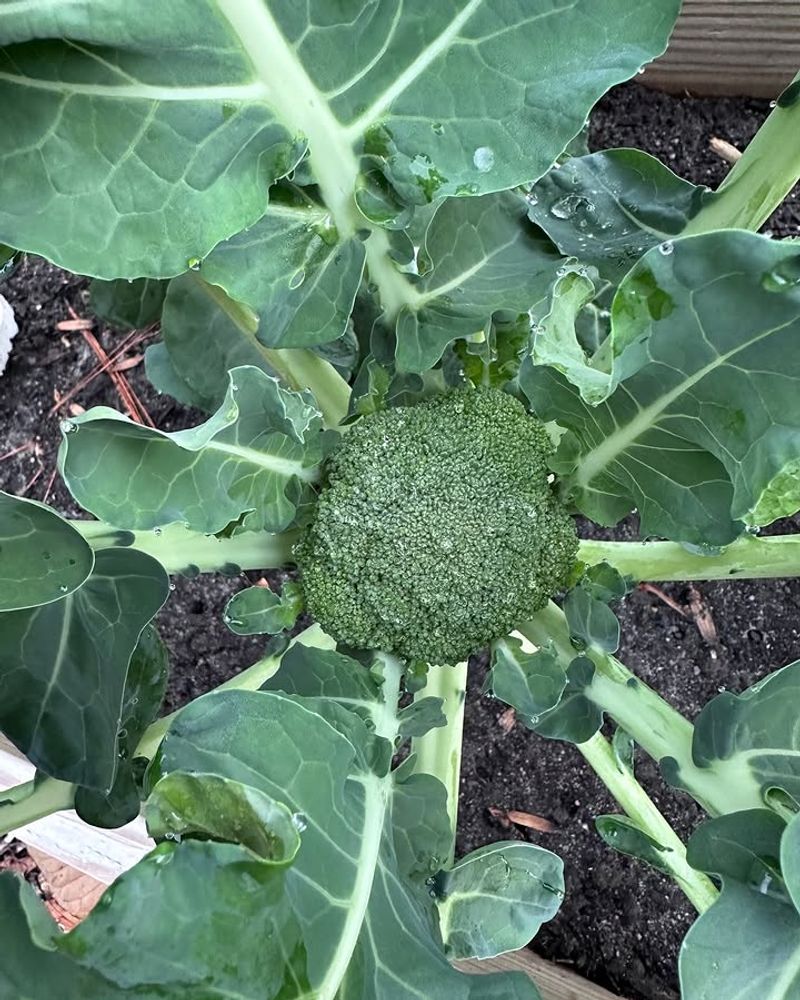
A cool-season vegetable that many California gardeners grow in fall and early spring, broccoli can overlap with zinnia planting schedules in ways that create problems. Broccoli belongs to the brassica family, a group of plants known for releasing compounds into the soil that can interfere with the growth of surrounding plants.
These compounds, released through the roots and decomposing plant material, can slow down zinnia growth and reduce the overall vigor of nearby flowers.
Broccoli also has wide, waxy leaves that can cast meaningful shade over shorter plants growing nearby. Even though broccoli does not grow as tall as corn or sunflowers, its dense leaf structure can still block enough light to negatively affect zinnias planted right beside it.
In California’s cooler growing regions, like the San Francisco Bay Area or coastal areas where broccoli thrives, the lower light levels combined with broccoli’s shading can make conditions especially tough for sun-hungry zinnias.
Pest overlap is another real concern when broccoli and zinnias share garden space. Broccoli attracts cabbage worms, aphids, and flea beetles, all of which can spread to nearby plants.
Aphids especially love to move from brassica crops to flowering plants like zinnias, feeding on their soft stems and new growth. This can weaken your zinnias and make them more vulnerable to other stressors throughout the season.
Planting broccoli in a separate raised bed or vegetable section of your California garden keeps these pest pressures away from your zinnia blooms and helps both crops perform at their best.