8 Border Plants That Thrive On Neglect And Still Deliver Stunning Color In Pennsylvania
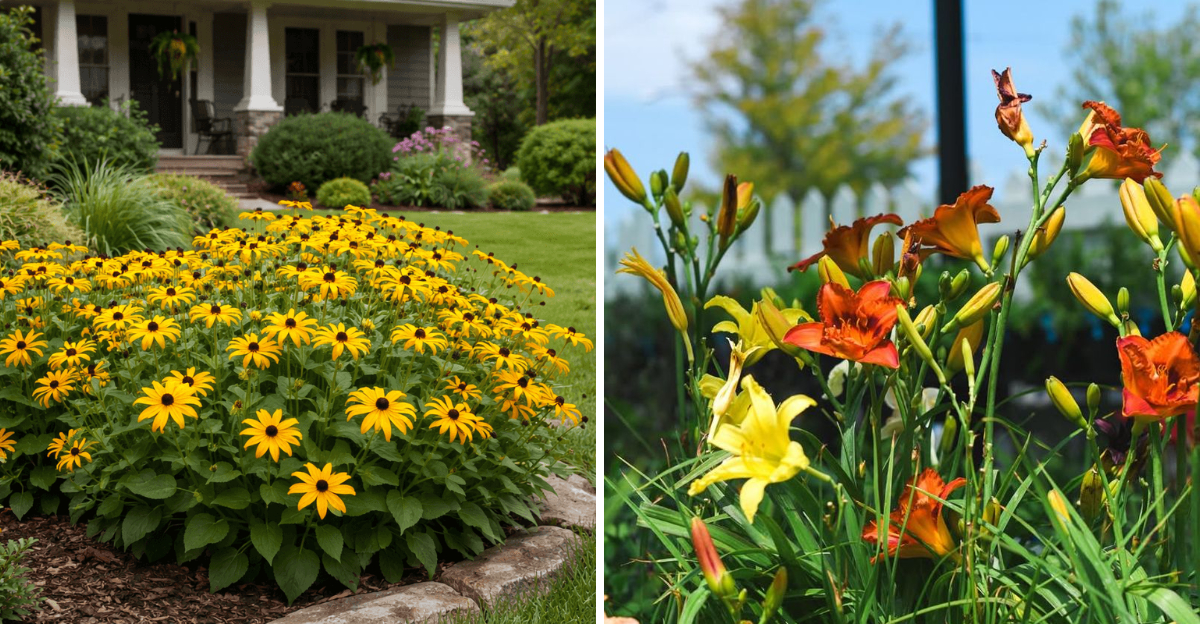
Not every gardener wants to spend spring and summer fussing over every inch of the yard. Sometimes you just want plants that can sit along the edge of a bed, do their job, and still look great without demanding constant attention.
That is exactly why low-maintenance border plants are such a win in Pennsylvania. They can bring color, shape, and a more polished look to a garden without turning your weekends into a long list of chores.
That kind of easy beauty goes a long way, especially in border spaces that are supposed to tie everything together. The right plants can soften pathways, brighten the edges of flower beds, and make the whole yard feel more finished even when the care routine stays simple.
In Pennsylvania, where weather can shift from cool and wet to warm and dry before you know it, dependable plants matter even more. Tough border varieties that keep showing off with very little help can make gardening feel a lot more enjoyable.
When color comes this easily, the whole yard starts to feel like less work and a lot more reward.
1. Black-Eyed Susan
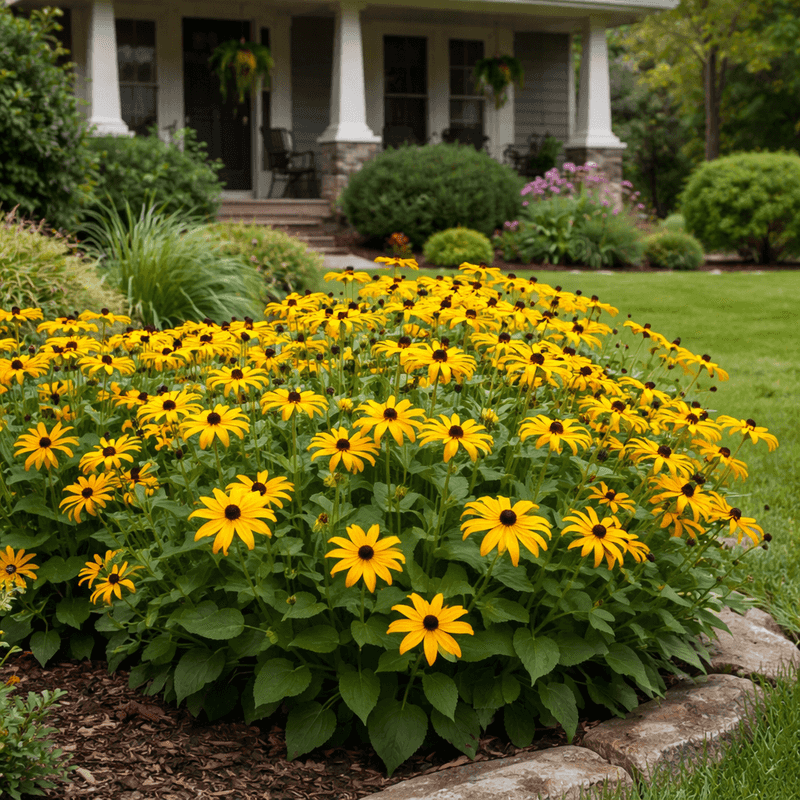
Few flowers say “Pennsylvania summer” quite like the cheerful Black-Eyed Susan. Its bold yellow petals and nearly-black centers pop against green foliage, making any border look alive and vibrant.
Gardeners across the state love it because it asks for almost nothing in return. Black-Eyed Susan handles poor soil like a champ. It doesn’t need rich, amended beds or regular fertilizing.
In fact, too much pampering can actually reduce how many blooms you get, so less really is more with this plant.
It blooms from midsummer all the way into fall, giving you weeks of color when other plants start to fade. Pollinators like bees and butterflies absolutely flock to it.
That makes it a double win for both beauty and supporting local wildlife in Pennsylvania.
Once established, it tolerates drought surprisingly well. You can skip watering for stretches at a time and still come home to a full, healthy plant.
It also self-seeds gently, meaning new plants pop up year after year with zero effort on your part. Plant it in a sunny spot and step back. That’s genuinely all the care it needs.
It’s one of the most rewarding plants you can add to a low-maintenance Pennsylvania border.
2. Coneflower
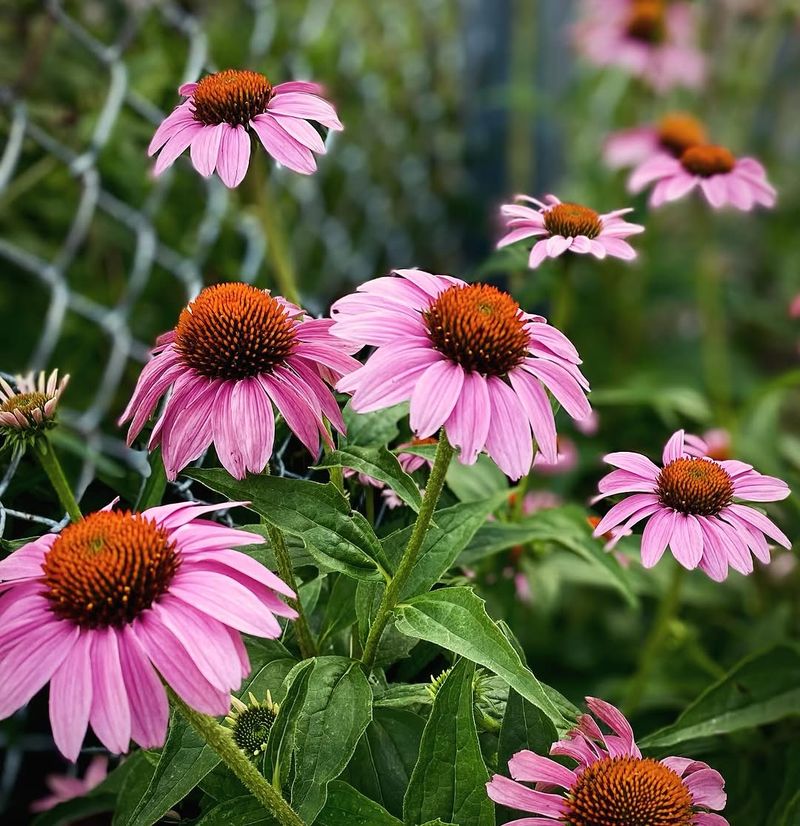
Native to North America and perfectly at home in Pennsylvania, coneflowers are one of the most reliable plants you can grow. Their rosy-purple petals droop slightly around a spiky orange-brown center, giving them a look that’s both wild and beautiful.
Once you plant one, you’ll likely have them for decades. Coneflowers are genuinely tough. They handle clay soil, sandy soil, heat waves, and dry spells without missing a beat.
Established plants rarely need watering, and they don’t ask for fertilizer or special attention of any kind.
Bloom time runs from early summer through fall, which is an impressively long show for a perennial. The flowers don’t just look good either. They attract butterflies, bees, and even goldfinches that love to eat the seeds in late fall.
Your Pennsylvania Garden Changes Every Week. Your Plan Should Too.
Gardening in Pennsylvania changes quickly throughout the season. Every Friday you’ll receive a simple weekly plan showing exactly what to plant, prune, fertilize, harvest, and protect so you never miss the right timing.
Did you know coneflowers have been used in herbal medicine for centuries? Native American communities used Echinacea long before it became a popular supplement. That history adds a fun layer of meaning when you grow them in your Pennsylvania border.
Divide clumps every few years to keep plants vigorous and to spread them around your yard. Other than that, coneflowers really do thrive on neglect. They’re a cornerstone plant for any low-effort, high-reward Pennsylvania garden.
3. Sedum
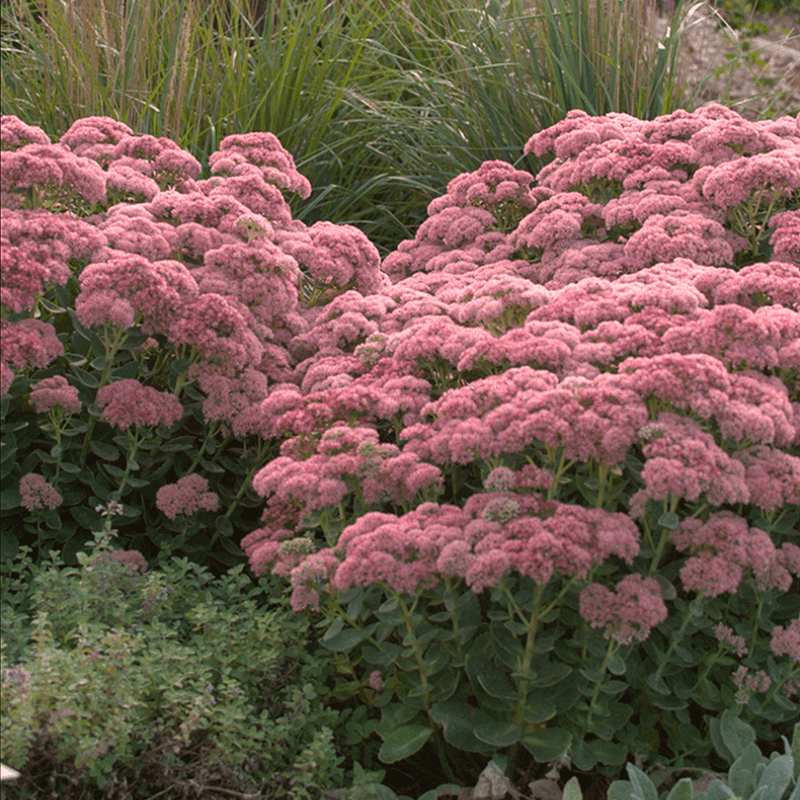
When the rest of the garden starts looking tired in late summer, sedum steps up and steals the show. Also called stonecrop, this succulent perennial stores water right in its thick, fleshy leaves. That means it barely notices when Pennsylvania summers turn hot and dry.
Sedum thrives in full sun and well-drained soil, which makes it perfect for spots where other plants struggle. Rocky slopes, sandy beds, and south-facing borders that bake in the afternoon heat are all places where sedum will absolutely flourish.
The popular variety called Autumn Joy is a Pennsylvania favorite. It starts with tight green buds in late summer, then opens into soft pink clusters that deepen to a rich rusty-red by October.
Even after the flowers fade, the dried seed heads add winter texture and interest to the border.
Maintenance is almost laughably minimal. Cut the old stems back in early spring, and that’s basically your entire to-do list for the year. sNo deadheading, no fertilizing, no fussing required at all.
Sedum also attracts late-season pollinators, which is a big deal because fewer plants are blooming by September.
Bees and butterflies rely on it as an important food source heading into fall. It’s a smart, hardworking plant that earns its place in any Pennsylvania border.
4. Coreopsis
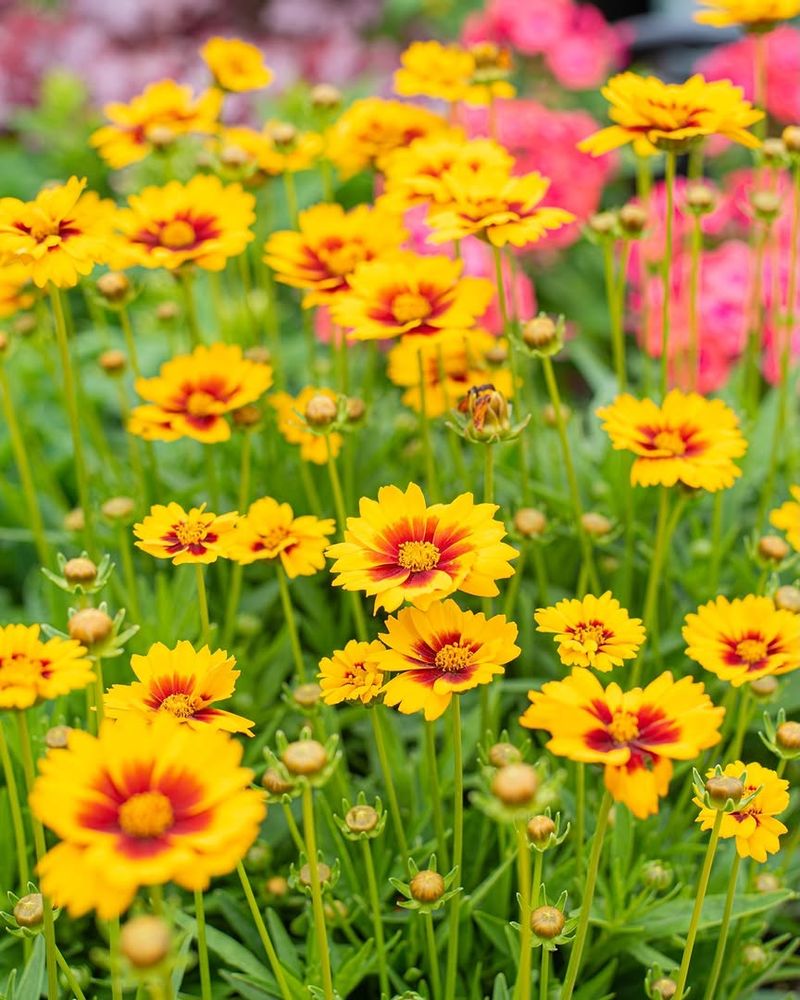
Sunny and unstoppable, coreopsis is one of those plants that just keeps blooming no matter what. Its cheerful, daisy-like flowers in shades of yellow, gold, and orange light up a border from late spring all the way into fall.
Pennsylvania gardeners who want nonstop color without a lot of work should absolutely have coreopsis in their beds.
What makes coreopsis so impressive is how well it performs in poor conditions. It actually prefers lean, well-drained soil over rich, heavily amended beds.
Give it too much fertilizer and you’ll end up with lots of leaves and fewer flowers, so hold back on the extra feeding.
Full sun is its happy place. Plant it along a south or west-facing border where it gets at least six hours of direct light daily. In those conditions, it will bloom heavily for months with minimal deadheading needed.
The threadleaf variety, Coreopsis verticillata, is especially tough and has a soft, feathery texture that contrasts beautifully with bolder plants like coneflowers or black-eyed Susans in a Pennsylvania border design.
Coreopsis is also drought-tolerant once established, making it a smart choice for Pennsylvania summers that can turn unexpectedly dry.
Divide clumps every two to three years to keep them blooming at their best. It’s one of the easiest ways to keep a border looking colorful all season long.
5. Yarrow
Yarrow has been growing wild across Pennsylvania’s roadsides and meadows for generations, which tells you everything you need to know about how tough it is.
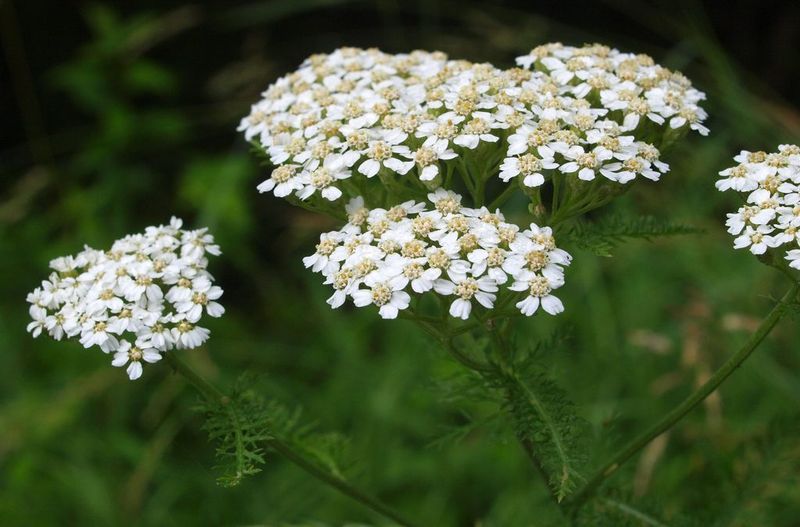
This feathery-leaved perennial produces wide, flat-topped flower clusters in shades of white, yellow, pink, and deep red. It’s bold, beautiful, and practically indestructible.
One of yarrow’s best qualities is its ability to thrive in poor, dry soil. It doesn’t want rich, moist beds.
Rocky ground, sandy slopes, and spots that other plants avoid are exactly where yarrow feels most at home. That makes it incredibly useful in tricky areas of a Pennsylvania border.
Bloom time runs from early summer through midsummer, and if you cut the spent flowers back, it will often rebloom later in the season.
The flowers also dry beautifully, making them a favorite for dried flower arrangements. That’s a bonus that goes well beyond the garden itself.
Pollinators love yarrow. Butterflies especially are drawn to the wide, flat flower heads that make landing easy.
Growing it in your Pennsylvania border means you’re also supporting the local ecosystem, which is always a good thing.
Yarrow spreads gradually over time, filling in gaps in the border without becoming invasive. Divide clumps every few years to control the spread and keep plants healthy. It’s a dependable, low-fuss perennial that delivers real color season after season.
6. Daylily
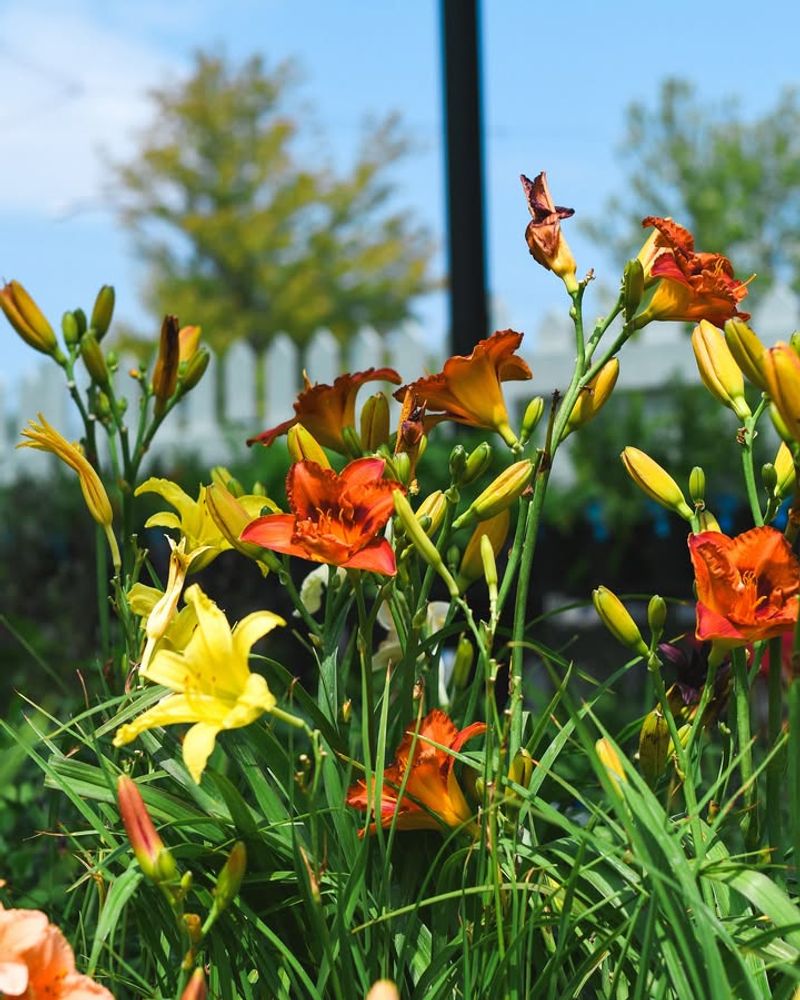
Ask any experienced Pennsylvania gardener which plant they’d trust to come back year after year without any fuss, and daylilies will almost always come up.
These tough, adaptable perennials have earned a legendary reputation for a reason. They spread steadily, bloom reliably, and look fantastic doing it.
Daylilies aren’t picky about soil. Clay, sandy, loamy, or somewhere in between, they’ll grow in almost anything as long as it drains reasonably well.
They also handle both full sun and partial shade, which gives you a lot of flexibility when planning a Pennsylvania border.
Each individual flower lasts just one day, which is how daylilies got their name. But each plant produces dozens of buds, so the blooming season stretches across several weeks in summer.
With a mix of early, mid, and late-season varieties, you can keep your border colorful from June through August.
Colors range from pale yellow and soft peach to deep red and rich purple. There are thousands of named cultivars available, so finding one that fits your border’s color scheme is easy and fun.
Daylilies rarely need dividing more than every four or five years. When clumps get crowded and blooming slows down, simply split them apart in early fall.
They bounce back fast and reward you with even more blooms the following summer. Few plants in Pennsylvania offer this level of reliability.
7. Russian Sage
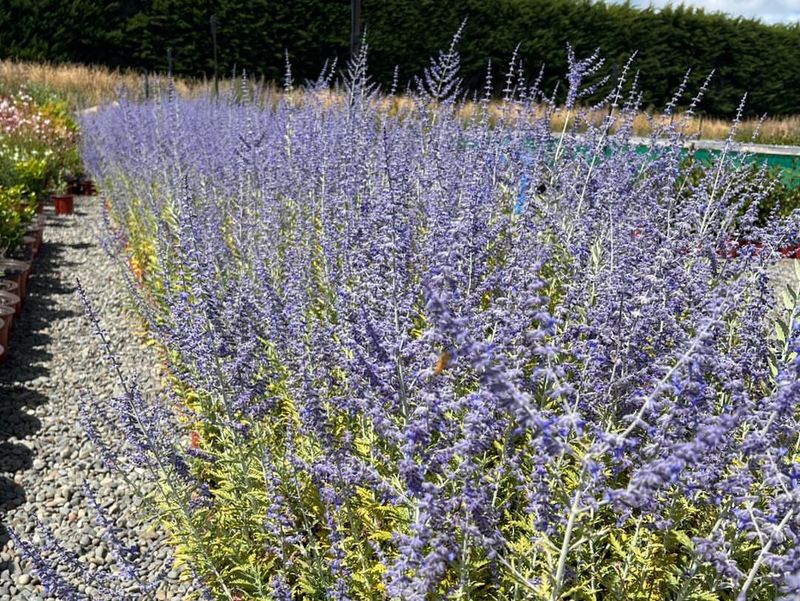
There’s something almost magical about the way Russian sage moves in a summer breeze. Its tall, silvery stems and airy spikes of soft lavender-blue flowers create a hazy, dreamy look that pairs beautifully with bolder plants.
In a Pennsylvania border, it acts like a soft backdrop that makes everything around it look better.
Russian sage is made for tough conditions. It thrives in full sun, tolerates drought, and actually prefers poor, well-drained soil over rich, moist garden beds. Overwatering or heavy clay soil are the only real threats to this otherwise no-fuss plant.
It blooms from midsummer all the way through fall, which is an unusually long season for a woody perennial. The silvery foliage also has a pleasant, herbal fragrance when brushed against, adding a sensory element to the garden that goes beyond just looks.
Deer tend to leave Russian sage alone, which is a significant bonus for Pennsylvania gardeners dealing with heavy deer pressure. The strong scent and texture of the leaves seem to deter browsing, making it a smart choice for exposed borders.
Cut it back hard in early spring, right down to about six inches from the ground. New growth will emerge quickly and the plant will fill out beautifully by summer.
It’s a stunning, hands-off perennial that earns its place in any low-maintenance Pennsylvania garden.
8. Blanket Flower
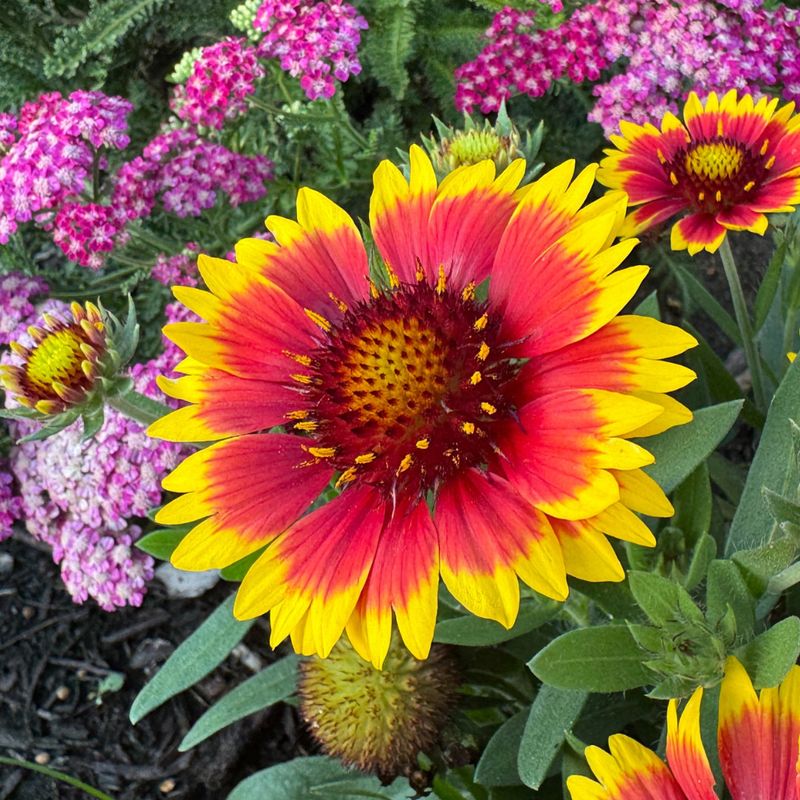
Bold, fiery, and utterly fearless in the heat, blanket flower is one of the most eye-catching plants you can add to a Pennsylvania border.
Its flowers look like tiny sunsets, with petals banded in warm shades of red, orange, and yellow surrounding a rich burgundy center. It’s a plant that genuinely turns heads.
Blanket flower got its name from its resemblance to the colorful woven blankets made by Native American communities. That bit of history makes it even more interesting to grow.
It’s a plant with roots in the American landscape, which feels right at home in Pennsylvania gardens.
Hot, dry conditions are where blanket flower truly shines. It loves full sun, handles drought without complaint, and actually performs better in sandy or gravelly soil than in rich, moist beds. If you have a tough, dry spot in your border that nothing else will fill, this is your answer.
Blooming starts in early summer and continues relentlessly until frost if you keep up with light deadheading. Even without deadheading, it puts on a respectable show all season long. Few perennials deliver this much color for this little effort.
Blanket flower is short-lived as perennials go, typically lasting two to three years. But it self-seeds readily, so new plants naturally replace older ones.
That means your Pennsylvania border stays colorful year after year with almost no replanting required.