8 Exotic Fruits You Can Grow In Georgia Gardens
Georgia gardens can surprise you with what they can support once conditions line up, especially when it comes to fruit that does not usually come to mind for this region.
Many stick with the usual choices, even though there is room to try something a bit different without turning the garden into a challenge.
Some fruits adapt well to Georgia’s long growing season and warm conditions, yet they rarely show up in everyday planting plans. That gap leaves a lot of potential untapped, even in smaller spaces.
The right picks can bring new flavor, strong growth, and a fresh look to the garden without adding extra complexity.
Once those options go in, the space starts to feel more interesting, and the results can be far more rewarding than expected.
1. Figs Grow Reliably And Produce With Little Effort
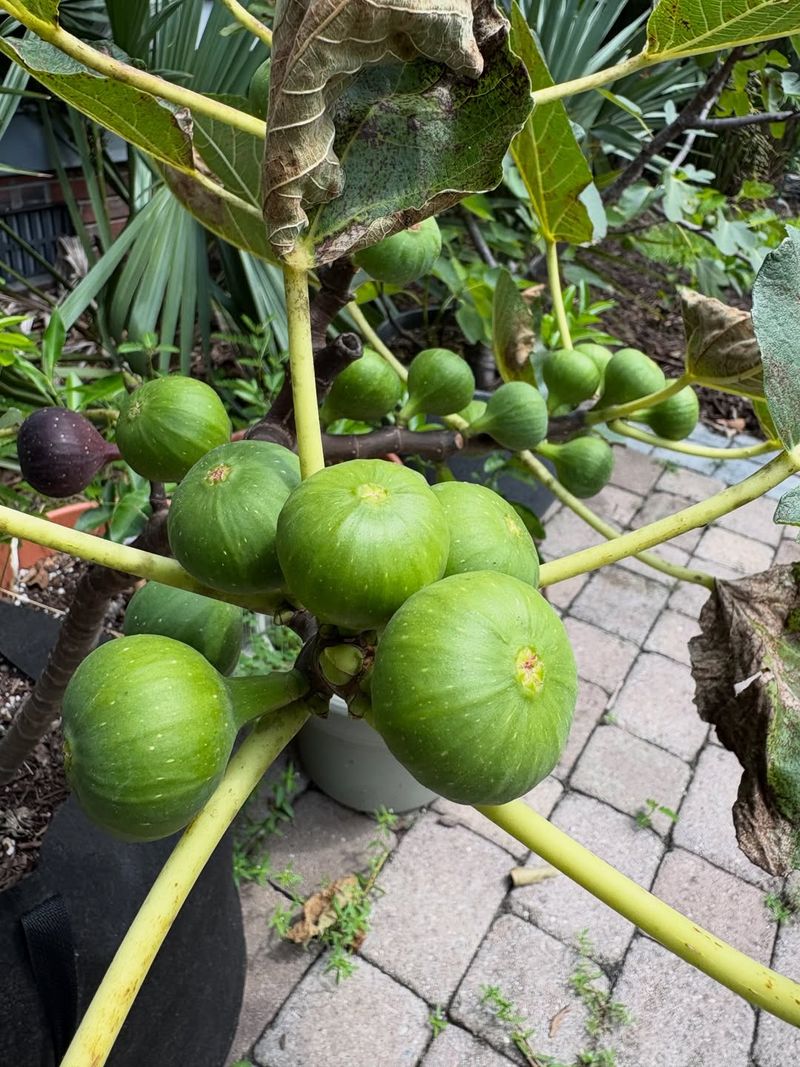
Figs might be the most forgiving fruit tree you can plant in Georgia. Brown Turkey and Celeste varieties have been growing in Georgia yards for generations, and for good reason.
They handle the heat, tolerate the occasional dry stretch, and bounce back from a hard winter better than most people expect.
Figs prefer well-drained soil and a sunny spot. They are not picky about soil type, which helps in a state where you might be dealing with anything from dense clay to sandy loam.
A layer of mulch around the base helps protect the roots during colder snaps and keeps moisture from evaporating too quickly in summer.
Young trees need consistent watering during their first season, especially in the drier months of July and August. After that, established trees are fairly self-sufficient under normal rainfall.
They do not need heavy fertilizing. Too much nitrogen pushes leafy growth at the expense of fruit.
Harvest usually happens in late summer through early fall. Figs ripen quickly and do not keep long off the tree, so check them often once they start softening.
Birds are competitive about the ripe ones, so netting the tree as fruit matures is worth considering. In north Georgia, wrapping the trunk base in late fall can help protect against severe cold snaps that occasionally push below 10 degrees Fahrenheit.
2. Pomegranates Handle Heat And Occasional Cold Well
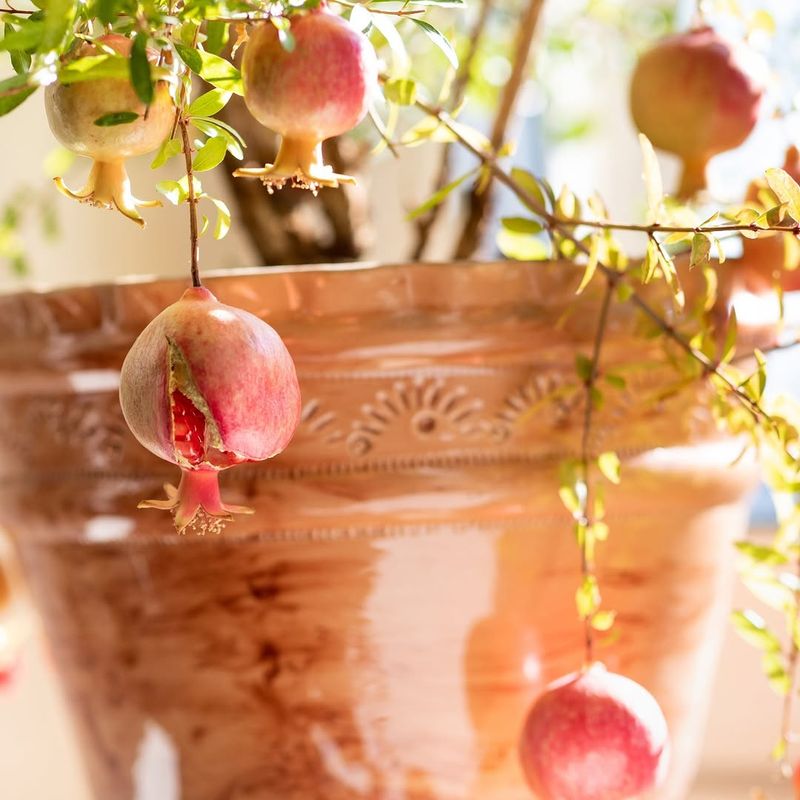
Pomegranates are tougher than they look. Wanderful and Salavatski are two varieties that have proven themselves in Georgia conditions, handling summer heat without complaint and holding up through winters that occasionally dip into the low teens.
South and central Georgia tend to see the best results, though north Georgia growers have had success with proper placement near a south-facing wall or fence.
Full sun is non-negotiable. Pomegranates planted in shade struggle to produce much fruit.
Well-drained soil matters too. Sitting in wet soil for extended periods causes root problems that no amount of care can fix.
Sandy or loamy soils common in south Georgia tend to suit them well.
Fruit typically ripens between September and November depending on your location. Knowing when to pick takes a little practice.
Tap the fruit and listen for a metallic sound, and look for the skin to shift from smooth to slightly angular as the seeds push outward. Leave them too long and they crack on the tree.
Your Georgia Garden Changes Every Week. Your Plan Should Too.
Gardening in Georgia changes quickly throughout the season. Every Friday you’ll receive a simple weekly plan showing exactly what to plant, prune, fertilize, harvest, and protect so you never miss the right timing.
Pruning is minimal. Remove crossing branches in late winter, and that is about all the shaping they need.
Pomegranates can take three to four years to settle into consistent production, so patience matters. Once they find their footing in your yard, they tend to produce reliably year after year with fairly straightforward care.
3. Fuyu Persimmons Produce Sweet Fruit Without Fuss
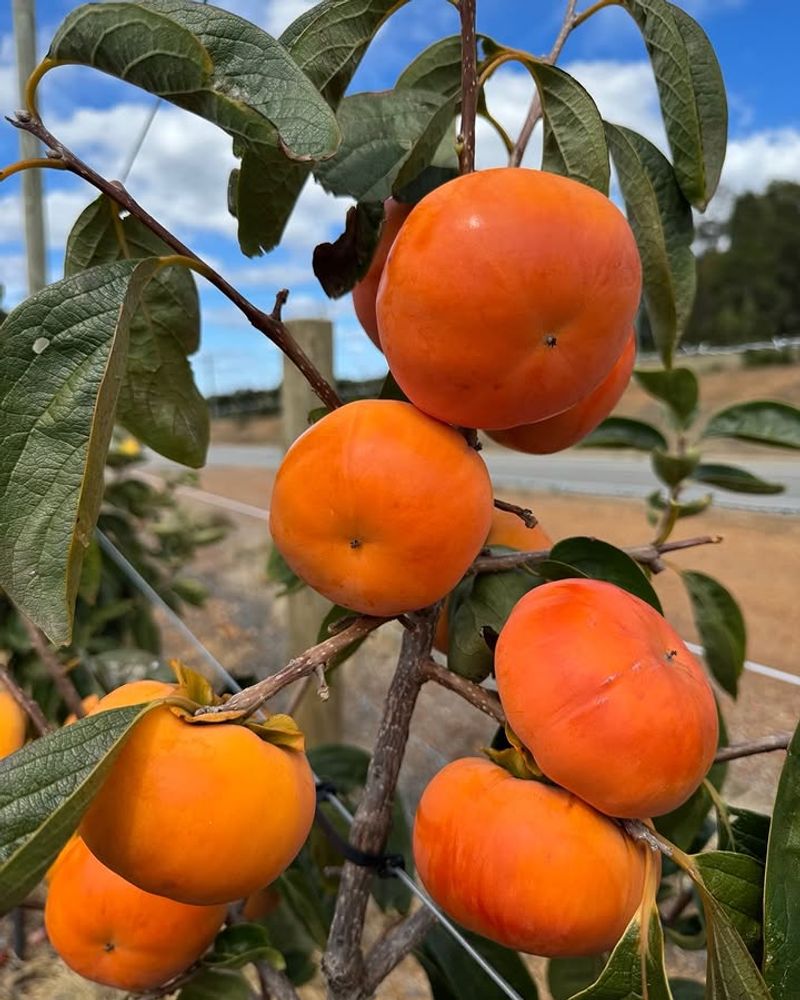
Fuyu persimmons are the non-astringent type, meaning you can eat them while they are still firm, like an apple. No waiting for them to turn to mush before they taste good.
That alone makes them worth growing for most people who have tried both types.
Georgia’s climate suits persimmons well. They handle summer heat without much trouble and tolerate winter temperatures down to around 0 degrees Fahrenheit, making them viable across most of the state.
Fuyus are self-fruitful, so you do not need two trees to get a harvest, which is a real advantage for smaller yards.
Plant them in a spot with full sun and reasonably well-drained soil. They are not fussy about soil pH the way some fruits are, but they do not like standing water.
In heavier clay soils common in parts of north Georgia, planting on a slight slope or raised bed helps drainage considerably.
Fruit ripens in October and into November, often hanging on the tree after the leaves drop. That bare-branch look with bright orange fruit is genuinely striking in the fall garden.
Birds and deer will go after them, so keep that in mind when choosing your planting location. Trees typically begin producing fruit around three to five years after planting, and production tends to improve gradually as the tree matures and puts on size.
4. Hardy Kiwi Vines Grow Well With Proper Support
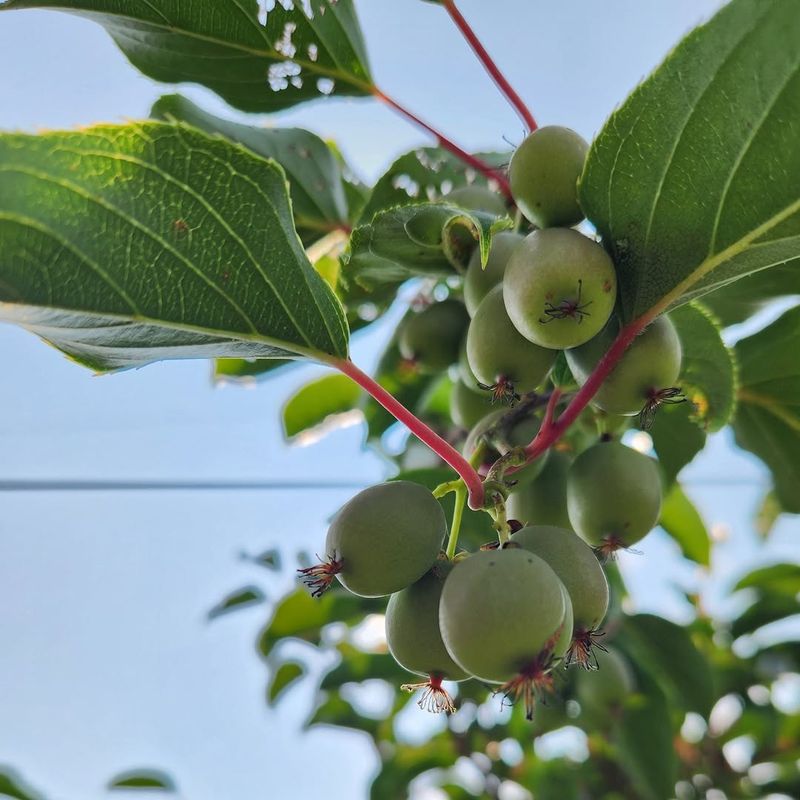
Most people picture the fuzzy brown kiwis from the grocery store, but hardy kiwi is a different animal entirely. Actinidia arguta produces small, smooth-skinned fruits about the size of a large grape.
You eat them whole, skin and all, and the flavor is genuinely good. They are less common in stores, which makes growing your own feel especially worthwhile.
Hardy kiwi vines are vigorous. That is not an exaggeration.
Without a strong support structure, they will sprawl in every direction and become difficult to manage. A sturdy pergola, a heavy-gauge wire trellis, or a fence built to handle serious weight is what you need before you plant.
Plan the structure before the vine goes in, not after.
You will need at least one male vine for every six to eight female vines to get fruit. Most nurseries sell them labeled clearly.
Plant in full sun to light shade, in well-drained soil with a pH between 6.0 and 6.5. Georgia’s humidity can encourage fungal issues, so good airflow around the vines matters more here than in drier climates.
Fruit ripens in late summer through early fall. Vines can take three to five years to start producing, and they need annual pruning to stay manageable and productive.
Cut back heavily in late winter before new growth starts. With consistent pruning and the right support, these vines can produce surprising amounts of fruit in a relatively small space.
5. Pineapple Guava Handles Heat And Light Frost
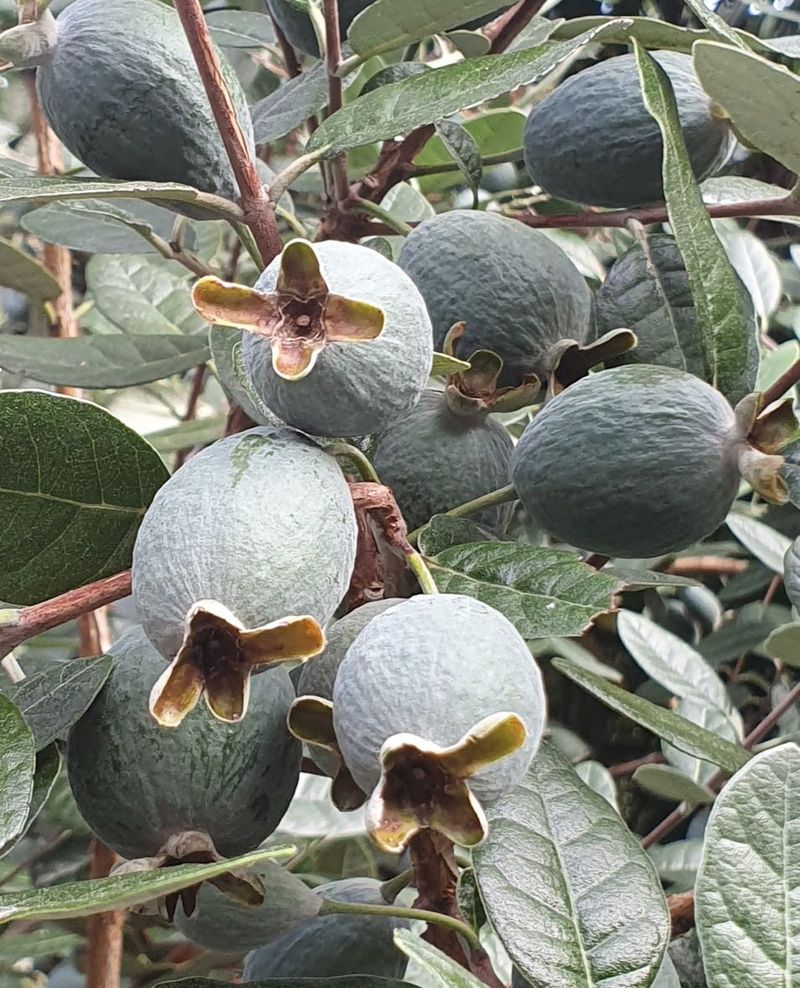
Pineapple guava, also called feijoa, has a flavor that is genuinely hard to describe to someone who has never tried it. Sweet and tropical with hints of both pineapple and mint, the fruit is unlike anything else you can grow in Georgia.
It is not widely available in stores here, which makes it a fun and practical addition to the home garden.
Cold hardiness is one of its real strengths. Pineapple guava can handle temperatures down to about 14 degrees Fahrenheit, making it suitable for much of south Georgia and many protected spots in the central part of the state.
In north Georgia, a hard winter can cause significant damage, so placement near a structure or south-facing wall helps buffer the cold.
Plant in well-drained soil with a pH between 6.0 and 6.5. Full sun produces the best fruit set, though it tolerates partial shade.
Soil that stays soggy is a problem. Raised planting or a sloped location helps in heavier soils.
Mulching around the base helps regulate soil temperature and moisture through Georgia’s dry stretches.
Fruit ripens in fall, typically October through November. You can tell it is ready when it drops on its own or detaches with a gentle twist.
Most varieties are self-fertile, but planting two different varieties tends to improve fruit set noticeably. Flowers in spring are edible and attractive, with bright red stamens that bring pollinators in reliably.
6. Loquat Trees Fruit Early In Warmer Conditions
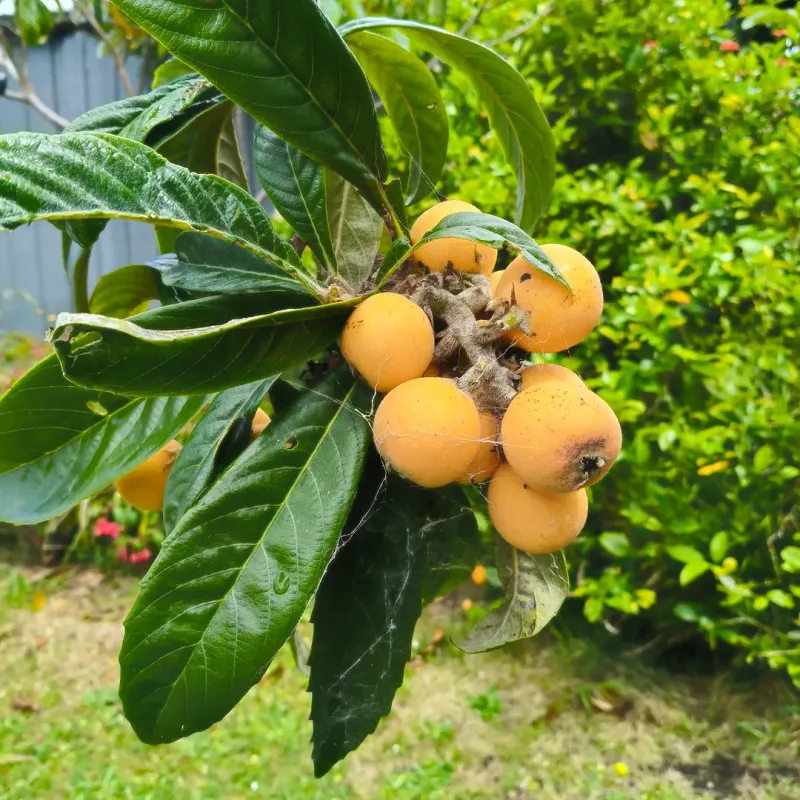
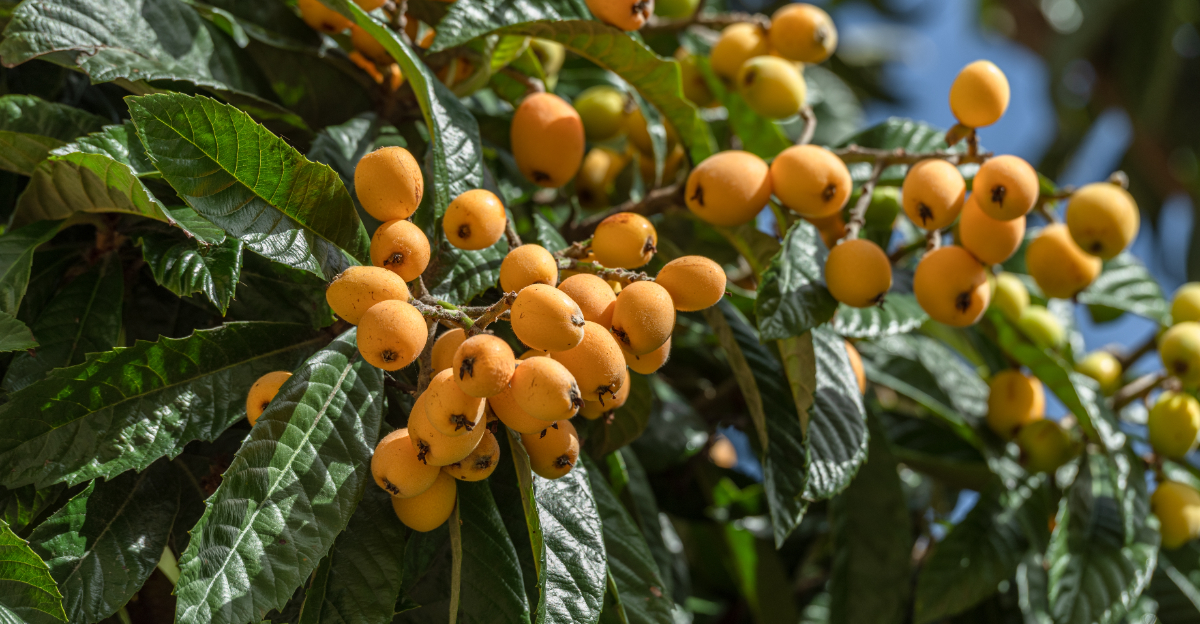
Loquats are one of the few fruits that ripen in late winter or early spring in Georgia, which makes them stand out from nearly everything else in the home garden. When most trees are still dormant, a healthy loquat can be loaded with small, golden-orange fruit.
That early season window is part of what makes them interesting to grow.
South Georgia is where loquats perform most consistently. The tree is evergreen and can handle light frost, but a hard freeze during bloom or when fruit is forming can wipe out the harvest for that year.
Central Georgia growers can have success, especially in urban areas or microclimates that stay a few degrees warmer than the surrounding countryside. North Georgia is a tougher situation and requires careful site selection.
Loquats prefer well-drained soil and full sun. Sandy loam suits them well.
In heavier clay soils, raised planting and good drainage are important. Mature trees can reach fifteen to thirty feet, so factor in the eventual size when choosing a planting spot near structures or utility lines.
Fruit has a flavor that lands somewhere between peach, apricot, and mild citrus. Seeds inside are large and not edible, but the flesh around them is worth the effort.
Birds love them too, so harvest promptly when fruit softens and takes on full color. Consistent watering during dry spells in the first couple of years helps the tree establish a strong root system.
7. Asian Pear Trees Adapt Well And Produce Consistently
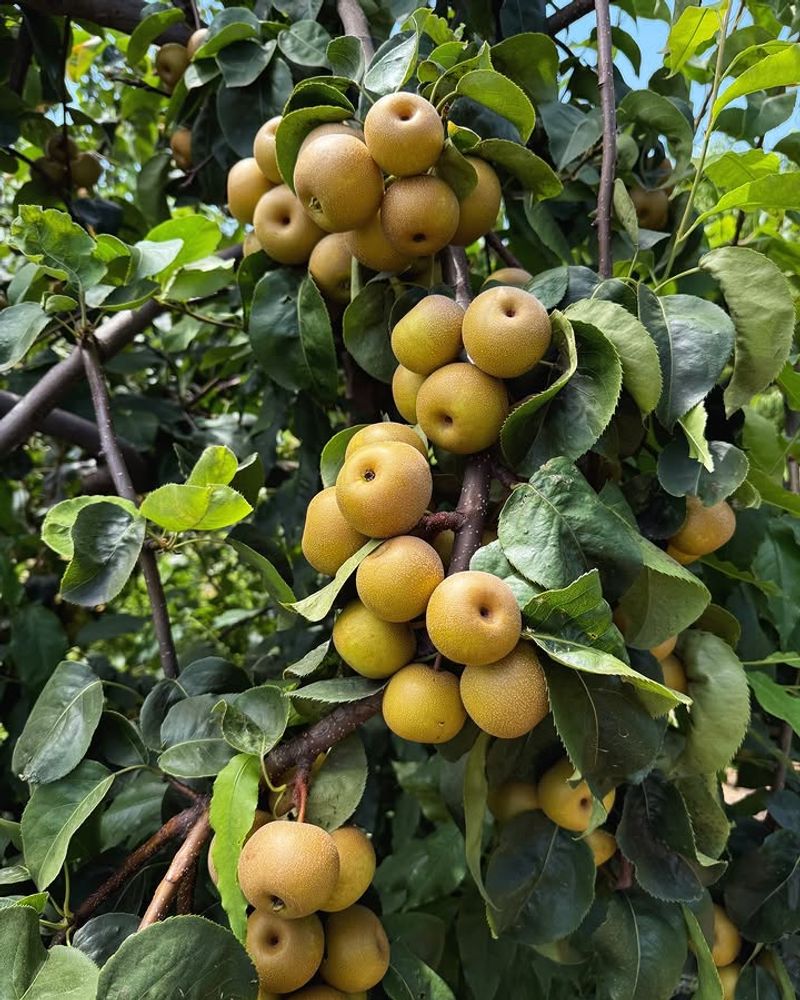
Asian pears are crisp, juicy, and ready to eat straight off the tree with no ripening time on the counter. Unlike European pears, they do not need to be stored and softened before eating.
You pick them when they look and smell right, and they are ready immediately. That is a practical advantage most home growers appreciate after the first harvest.
Georgia’s climate suits Asian pears reasonably well. They need adequate chill hours during winter, and most of the state gets enough cold to satisfy that requirement.
Hosui and Shinseiki are two varieties that have performed well for Georgia growers. Both are relatively disease-resistant compared to European pears, which matters in Georgia’s humid summers where fire blight can be a serious issue.
Plant in full sun with well-drained soil. Spacing matters more than many people realize.
Crowded trees with poor airflow are more susceptible to disease pressure. Give them room, and prune annually to keep the canopy open.
Fire blight is still a risk even with resistant varieties, so watch for the characteristic wilted, scorched-looking branch tips and remove affected wood promptly.
Most varieties are not fully self-fruitful, so planting two different Asian pear varieties or having a compatible pollinator nearby improves fruit set considerably. Fruit typically ripens in August and September in Georgia.
A mature tree can produce a generous amount of fruit, and the flavor holds up well in storage for several weeks when kept cool after harvest.
8. Jujube Trees Thrive With Minimal Care
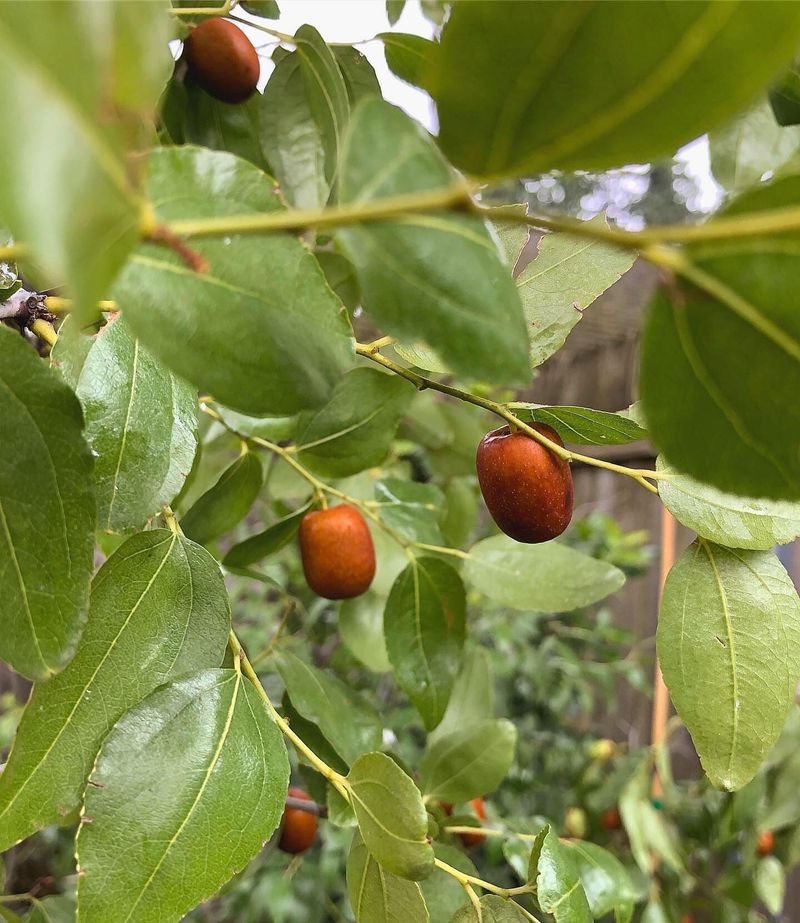
Jujube might be the most underrated fruit tree you can plant in Georgia. Drought tolerance, adaptability to a wide range of soils, and the ability to produce fruit with very little intervention make it stand apart from most other options on this list.
The fruit tastes something like an apple when fresh and takes on a date-like sweetness when dried.
Li and Lang are two popular varieties with a track record in the Southeast. Both handle Georgia summers without complaint and tolerate winter temperatures well below what the state typically sees.
Soil requirements are flexible. Jujubes grow in sandy soil, clay, and everything in between, as long as drainage is adequate.
Waterlogged roots are one of the few things that cause consistent problems.
Full sun is where they do their best work. Partial shade reduces fruit production noticeably.
Trees can reach fifteen to twenty feet at maturity, though many home growers keep them smaller through selective pruning in late winter. Annual pruning is not strictly required but helps maintain a manageable shape and encourages better fruiting wood.
Fruit ripens in late summer through fall, usually August into October depending on variety and location. Harvest when the skin shifts from green to partially red or fully reddish-brown.
Leaving fruit on the tree too long past peak ripeness leads to shriveling, which is fine if you want a dried product but less ideal for fresh eating. Jujubes are slow to find at local nurseries, so ordering from a reputable specialty nursery online is often the most reliable way to source good varieties.