8 Exotic Fruits You Can Grow In Arizona Gardens
Arizona gardens can handle more than most expect once the right conditions come together, especially when it comes to fruit that feels outside the usual choices.
Many stick with the same familiar plants, even though there is room to grow something far more interesting without turning the process into a struggle.
Warm temperatures and long growing periods open the door for certain fruits that thrive under heat, yet they rarely make it into everyday plans. That leaves a lot of potential sitting unused in both larger yards and smaller spaces.
The right selections bring strong growth, unique flavors, and a fresh look that stands out from typical setups.
With those in place, the garden starts to feel more dynamic, and the results can be far more rewarding than expected.
1. Figs Grow Reliably In Extreme Heat
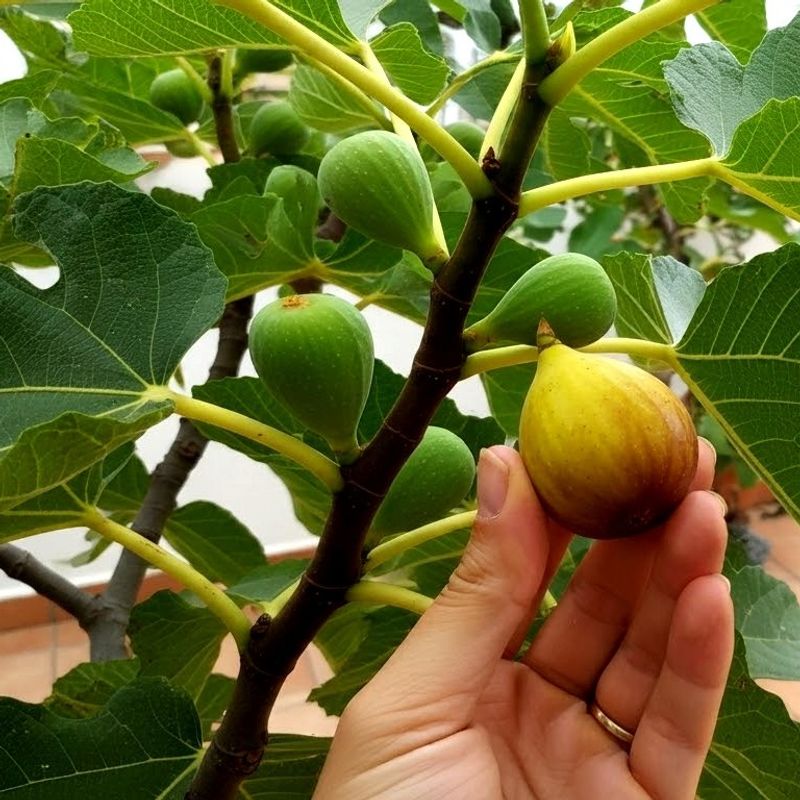
Few fruit trees handle Arizona summers as confidently as the fig. Temperatures that would stress most fruit trees barely slow a fig down, and that alone makes it worth planting in any low desert yard.
Brown Turkey and Black Mission are two varieties that have proven themselves across Arizona’s hotter zones. Both ripen fruit in late summer, and a healthy tree can put out a solid crop without constant attention.
You don’t need rich soil either — figs are pretty forgiving about soil quality as long as drainage is decent.
Watering matters most during fruit development, roughly from late spring through August. Deep, infrequent irrigation encourages roots to go deep, which helps the tree handle dry stretches better than shallow watering ever could.
In the Phoenix metro area, figs can reach 15 to 20 feet if left unpruned. Keeping them around 8 to 10 feet makes harvesting easier and also improves airflow through the canopy.
Prune in late winter before new growth starts.
Birds love ripe figs, so netting is worth the effort if you want to actually eat what you grow. Figs ripen fast once they start softening, so check the tree every couple of days during peak season.
Picking slightly early and letting them finish indoors is a reasonable strategy when birds are a problem.
2. Pomegranates Thrive In Dry Conditions
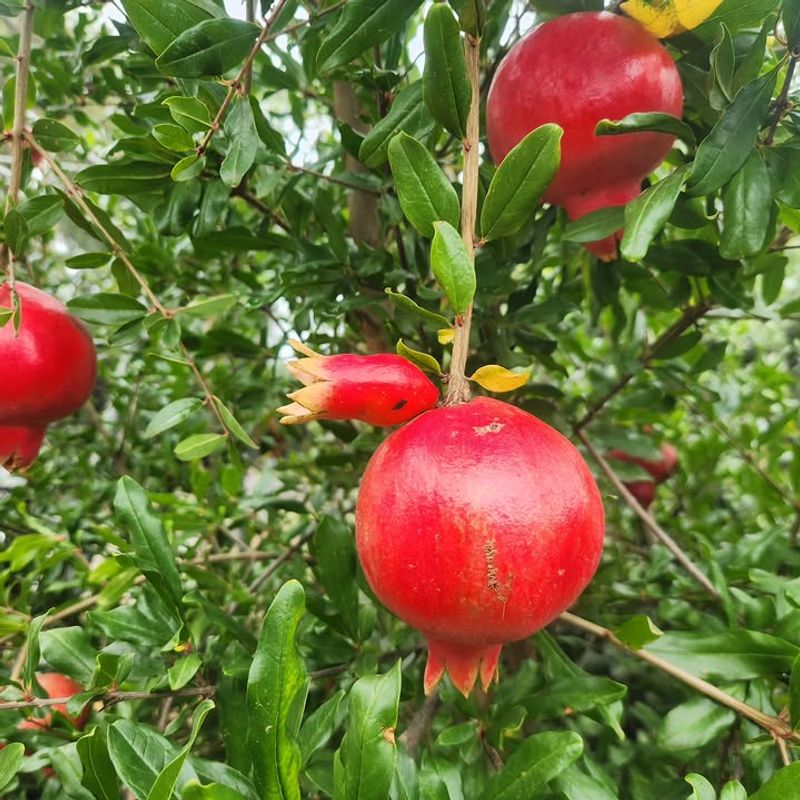
Pomegranates were practically made for Arizona. Originating in dry regions of the Middle East and Central Asia, they’ve been thriving in desert climates for thousands of years, and Arizona’s low desert conditions suit them very well.
Wonderful is the most widely grown variety in Arizona and for good reason — it produces large, deep red fruit with rich flavor and handles summer heat without complaint. Planting in full sun with well-draining soil gives the best results.
Sandy or rocky soil is fine as long as water doesn’t pool around the roots.
Irrigation during the growing season keeps fruit sizing up properly. Cut back watering in fall to let the fruit mature and develop better sweetness.
Overwatering late in the season can actually split the fruit before harvest.
Pomegranates tend to bloom in spring with striking orange-red flowers, and fruit is typically ready between September and November depending on the variety and elevation. At higher Arizona elevations like Tucson’s foothills, the harvest window shifts slightly later.
Your Arizona Garden Changes Every Week. Your Plan Should Too.
Gardening in Arizona changes quickly throughout the season. Every Friday you’ll receive a simple weekly plan showing exactly what to plant, prune, fertilize, harvest, and protect so you never miss the right timing.
Young trees benefit from some frost protection during their first winter or two, especially in areas above 3,000 feet. After a few years of establishment, most varieties handle light frosts reasonably well.
Fertilize lightly in early spring with a balanced fertilizer, and avoid heavy nitrogen applications, which push leafy growth at the expense of fruit production.
3. Jujube Trees Handle Poor Soil And Heat Easily
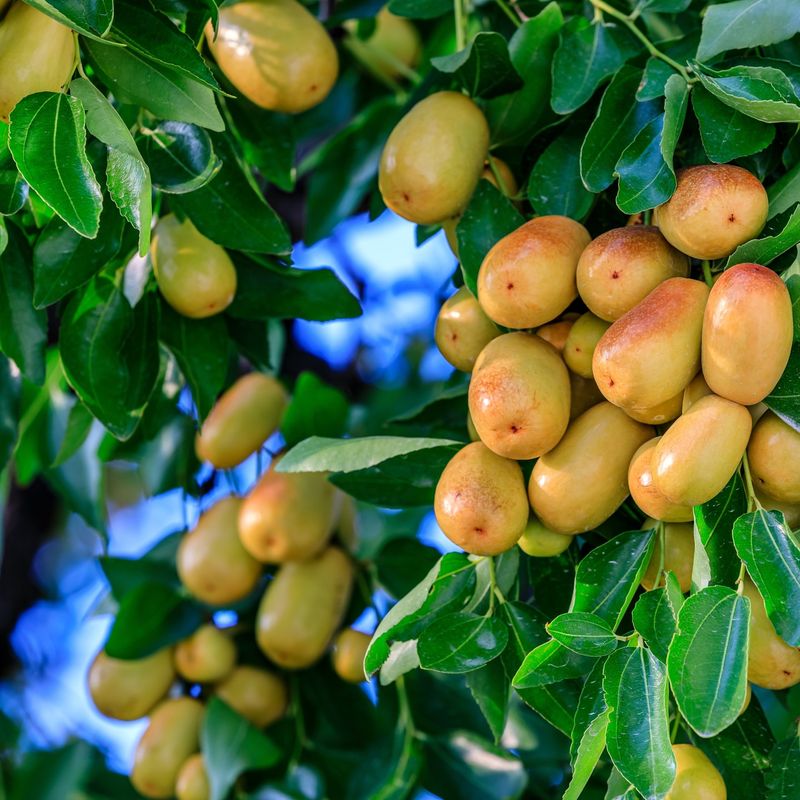
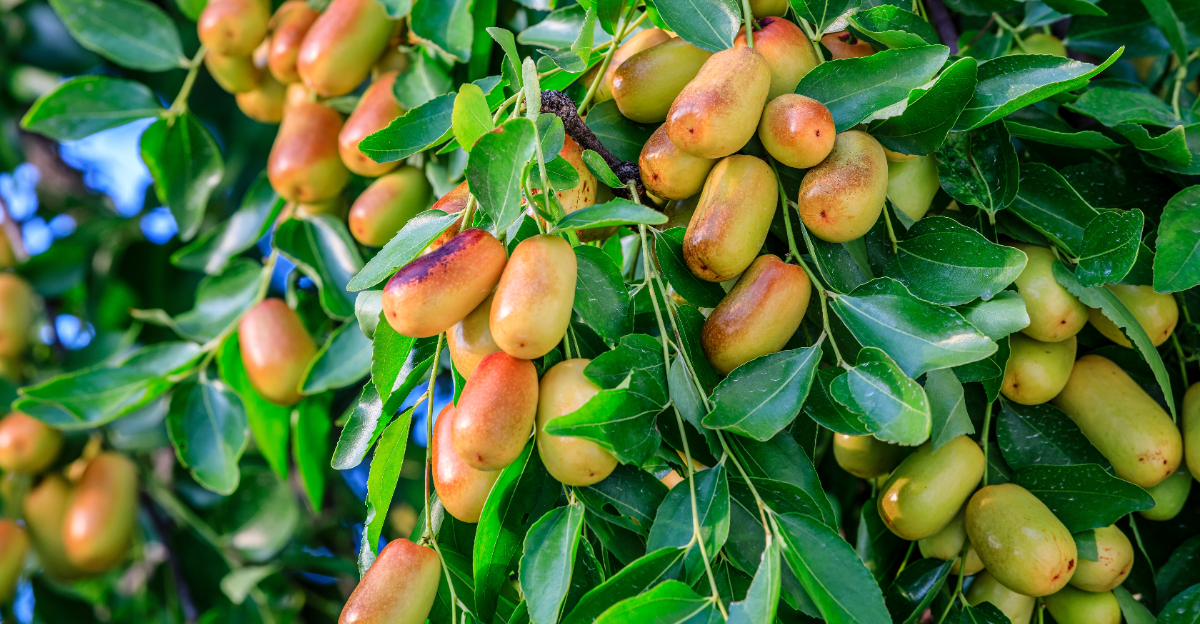
Not many fruit trees can handle Arizona’s combination of intense heat, alkaline soil, and limited water the way jujube can. It’s one of those plants that almost seems to prefer difficult conditions over comfortable ones.
Jujubes produce small oval fruits that start green and ripen to a reddish-brown. Fresh off the tree, the texture is crisp and apple-like with a mildly sweet flavor.
Left to dry on the branch, the fruit shrivels and tastes more like a date — which is why jujubes are sometimes called Chinese dates.
Li and Lang are two popular varieties that perform well across Arizona’s lower elevations. Both are self-fertile, meaning you only need one tree to get fruit, though planting two tends to improve yields noticeably.
Jujubes leaf out late in spring, which can look alarming to a first-time grower. Patience pays off — once temperatures warm consistently, the tree flushes out and grows quickly through summer.
Fruit ripens from late August into October.
Soil quality honestly doesn’t matter much with jujube. Caliche-heavy ground, sandy patches, and slightly saline spots that would challenge most fruit trees are handled without much trouble.
Water deeply but infrequently, and avoid overwatering, which can reduce fruit quality. Fertilizer needs are minimal — a light application in early spring is usually sufficient for steady growth and consistent fruiting.
4. Date Palms Produce Well In Hot Climates
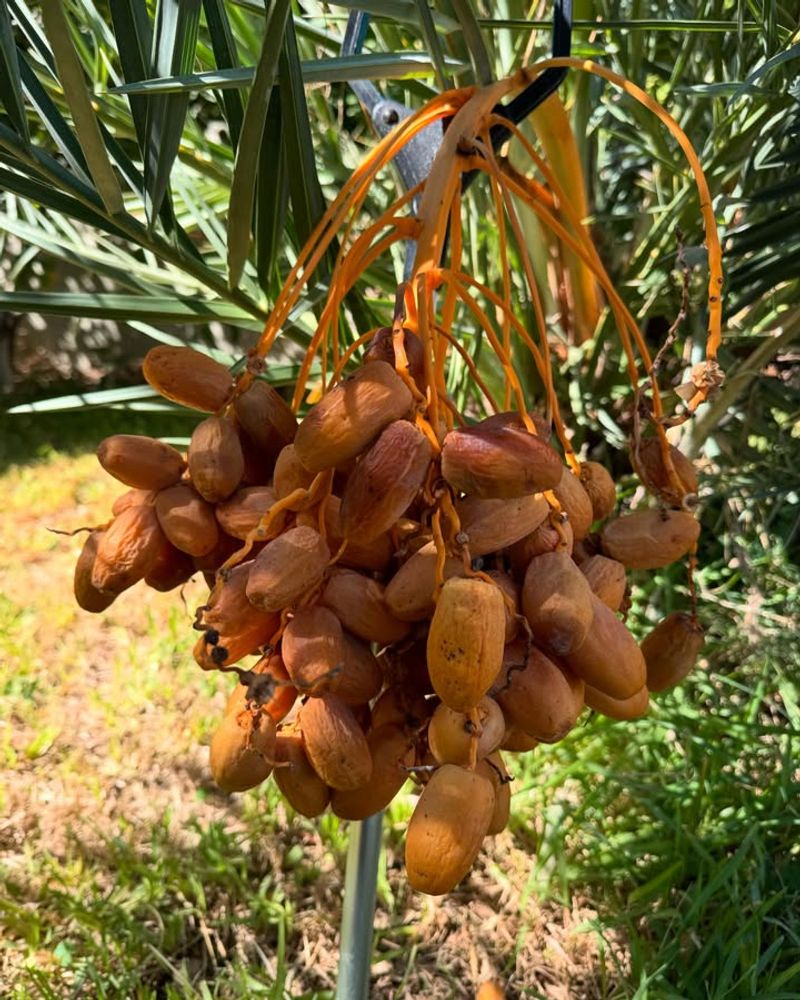
Arizona’s low desert is one of the few places in the United States where date palms actually produce fruit worth eating.
The Coachella Valley in California gets most of the attention, but the Yuma and Phoenix areas have the same kind of dry, scorching summers that date palms genuinely need to ripen properly.
Medjool is the most sought-after variety — large, soft, and sweet with a caramel-like flavor. Deglet Noor is another option that produces smaller, firmer fruit with a slightly nutty taste.
Both varieties need long, hot, dry summers with very little humidity during ripening, which is exactly what Arizona’s low desert delivers.
Date palms are slow to start fruiting. Most trees won’t produce a meaningful crop until they’re four to eight years old, so this is genuinely a long-term investment.
Once they’re producing, though, a single mature tree can yield a substantial amount of fruit annually.
Full sun and well-draining soil are non-negotiable. Date palms handle drought reasonably well once established, but consistent deep watering during summer produces better fruit.
Wrapping developing fruit clusters with paper or cloth bags protects against rain and insects during the ripening period.
Growing date palms in Tucson or higher-elevation Arizona areas is harder due to cooler winters and summer monsoon humidity. Stick to the low desert zones around Phoenix, Yuma, and the lower Sonoran Desert for the best chance at a real harvest.
5. Citrus Trees Grow Well With Proper Care
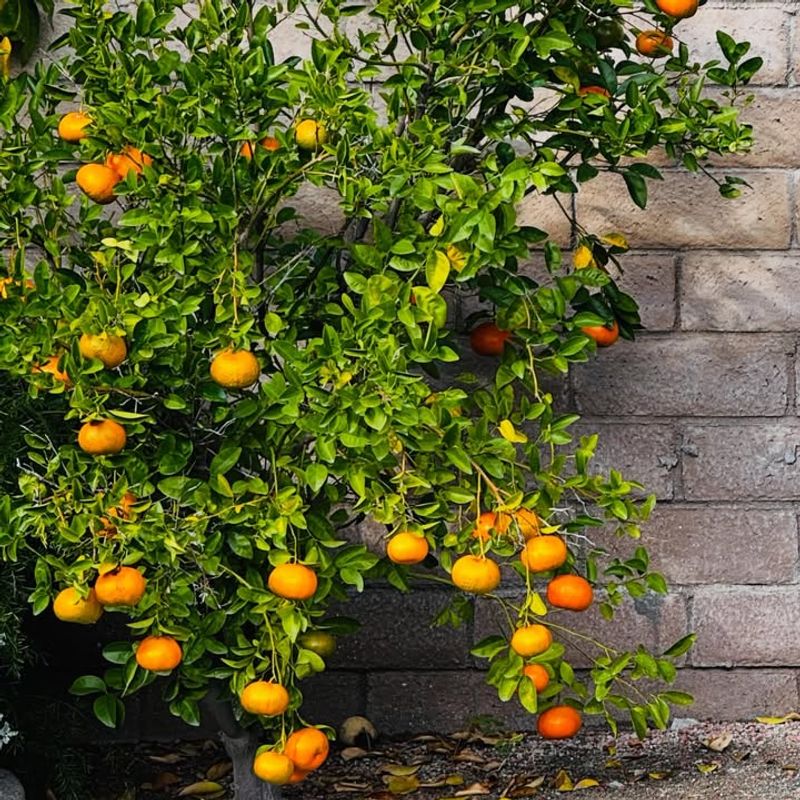
Citrus is about as close to a staple fruit crop as Arizona gets, and for good reason. Navel oranges, Meyer lemons, grapefruits, and mandarins all have long track records of doing well in the Phoenix, Tucson, and Yuma areas.
Planting location makes a real difference with citrus in Arizona. South or west-facing walls provide reflected heat that helps protect trees during cold snaps in December and January.
Young trees especially need that extra warmth during their first few winters in the ground.
Watering citrus correctly takes some practice. Deep, infrequent irrigation is the goal — allowing the top few inches of soil to dry out between waterings reduces the risk of root rot and encourages deeper root development.
During summer heat, more frequent watering is necessary to keep trees from stressing.
Fertilizing with a citrus-specific blend that includes micronutrients like iron and zinc keeps the foliage healthy and green.
Arizona’s alkaline soils tend to lock up these nutrients, so chelated iron applications a couple of times per year can prevent that telltale yellowing between leaf veins.
Frost protection matters more than people expect, even in Phoenix. Covering young trees with frost cloth on nights below 28 degrees Fahrenheit is a reasonable precaution.
Mature trees handle brief cold spells better, but prolonged freezes below 25 degrees can cause real damage to branches and fruit. Harvest timing varies by variety, but most citrus in Arizona ripens between November and April.
6. Loquat Trees Perform Best In Milder Areas
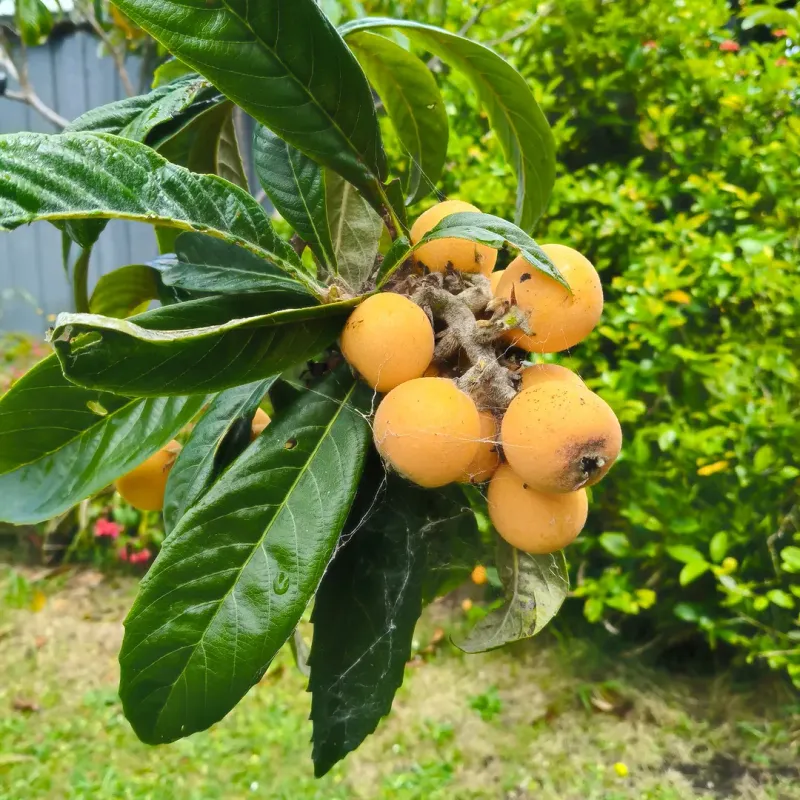
Loquat is a genuinely underrated fruit tree for Arizona, especially in the Tucson area and other spots where summers are slightly less brutal than the Phoenix basin.
The fruit ripens in late winter to early spring — a time when almost nothing else in the garden is producing fresh fruit.
Flavor-wise, loquat sits somewhere between apricot, peach, and a hint of citrus. The fruit is small, typically one to two inches long, with smooth golden-orange skin and juicy flesh.
It’s sweet with a mild tartness that makes it great eaten fresh or turned into jam.
In Arizona’s lower desert areas, afternoon shade is genuinely helpful during peak summer. Loquat foliage can scorch under relentless July sun, especially in Phoenix where temperatures regularly exceed 110 degrees.
Tucson’s slightly cooler summers and higher humidity during monsoon season suit loquat a bit better overall.
Loquat trees bloom in fall or early winter, which creates a frost risk for the developing fruit in colder microclimates. Planting near a south-facing wall or under the protection of a larger tree can reduce frost exposure meaningfully.
Soil drainage matters more than soil richness for loquat. Average garden soil with decent drainage is fine.
Overwatering is a more common problem than underwatering once the tree is settled in. Regular deep watering during the dry spring period helps fruit size up before harvest, which typically runs from February through April depending on location and elevation.
7. Guava Can Grow In Protected Warm Spots
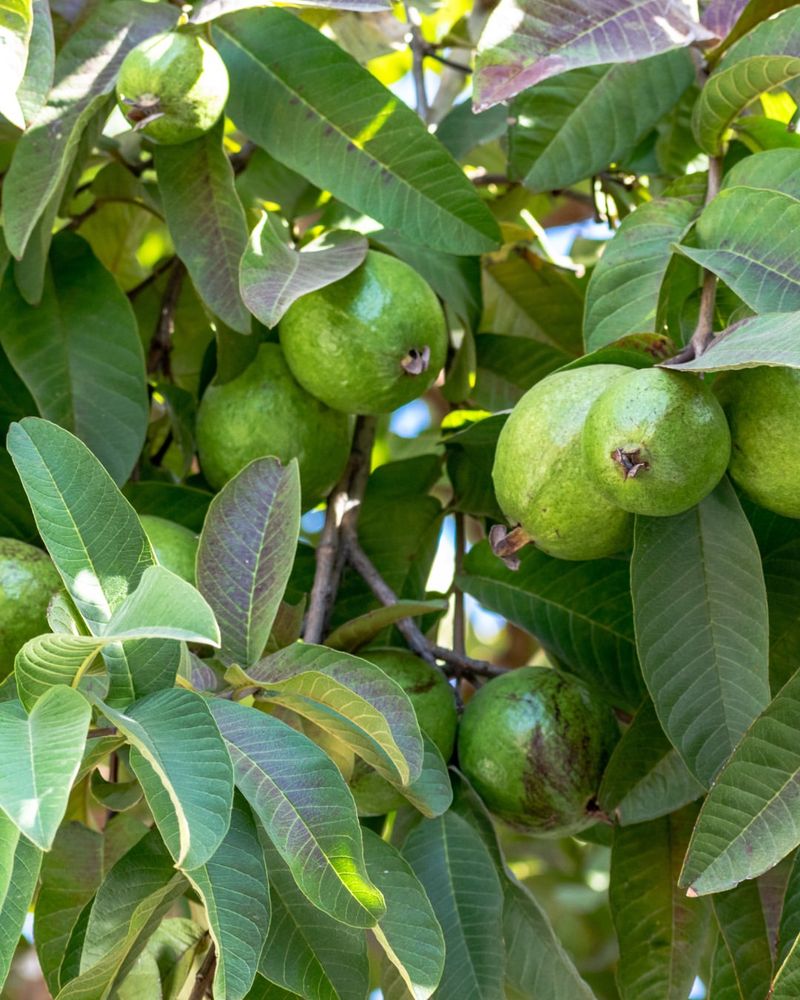
Guava pushes the limits of what’s possible in Arizona, and that’s part of what makes it interesting to grow. Tropical guava isn’t cold-hardy, but in the warmest pockets of the Phoenix area, it can survive and produce fruit with a little planning.
Planting against a south-facing block wall gives guava the best shot at getting through winter.
The thermal mass of the wall releases stored heat overnight, which can be the difference between a plant that survives and one that gets knocked back to the ground by a cold snap in January.
Tropical guava produces round to pear-shaped fruit with pale green or yellow skin and pink or white flesh. The flavor is intensely aromatic — sweet, slightly musky, and unlike anything you’d find in a grocery store.
Fruit ripens in late summer through fall in Arizona’s warm zones.
Container growing is a practical option for guava in Arizona. A large pot on a covered patio can be moved to a protected spot during cold weather, which dramatically improves the plant’s survival odds in marginal climate zones like Tucson or higher-elevation areas.
Watering consistently through the growing season keeps guava productive. It’s more drought-sensitive than pomegranate or jujube, so don’t let the soil dry out completely during summer.
Fertilize every six to eight weeks during the growing season with a balanced fertilizer. Pinching back new growth encourages a bushier shape and can improve fruit production over time.
8. Dragon Fruit Produces Well In Warm Conditions
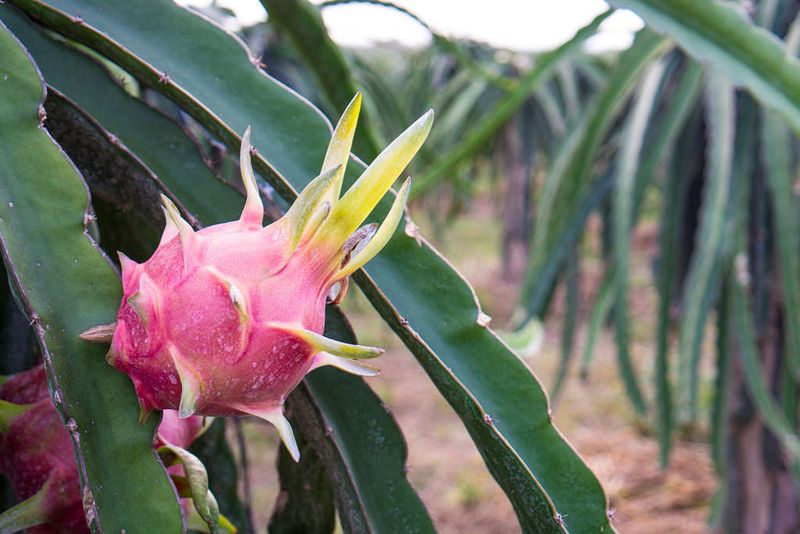
Dragon fruit might look like something out of a science fiction novel, but it grows surprisingly well in Arizona’s warm, dry climate. As a cactus, it’s built for heat and low humidity — conditions that describe most of the state’s lower elevations pretty accurately.
The plant climbs and sprawls, so a sturdy trellis or post system is necessary before planting. Without support, the long succulent stems flop over and don’t fruit as reliably.
A simple wooden post or concrete pillar works well, and the plant will wrap itself around the structure as it grows.
Flowers are one of the most remarkable things about dragon fruit. They’re enormous, white, and bloom only at night — typically for a single night per flower.
Hand-pollinating with a small brush improves fruit set, especially when growing a single plant without nearby pollinators active at night.
Fruit takes about 30 to 50 days to ripen after a successful pollination. The skin turns bright pink or yellow depending on variety, and the flesh inside is either white or magenta with tiny black seeds scattered throughout.
Flavor is mild and lightly sweet — refreshing rather than intensely flavored.
In Arizona, dragon fruit produces most actively from late spring through early fall. Protect plants from hard freezes, as prolonged temperatures below 32 degrees Fahrenheit can damage stems.
Container growing works well in cooler Arizona locations, allowing the plant to be moved indoors during cold weather without much disruption.