These Plants Attract Dragonflies To Pennsylvania Yards Every Spring
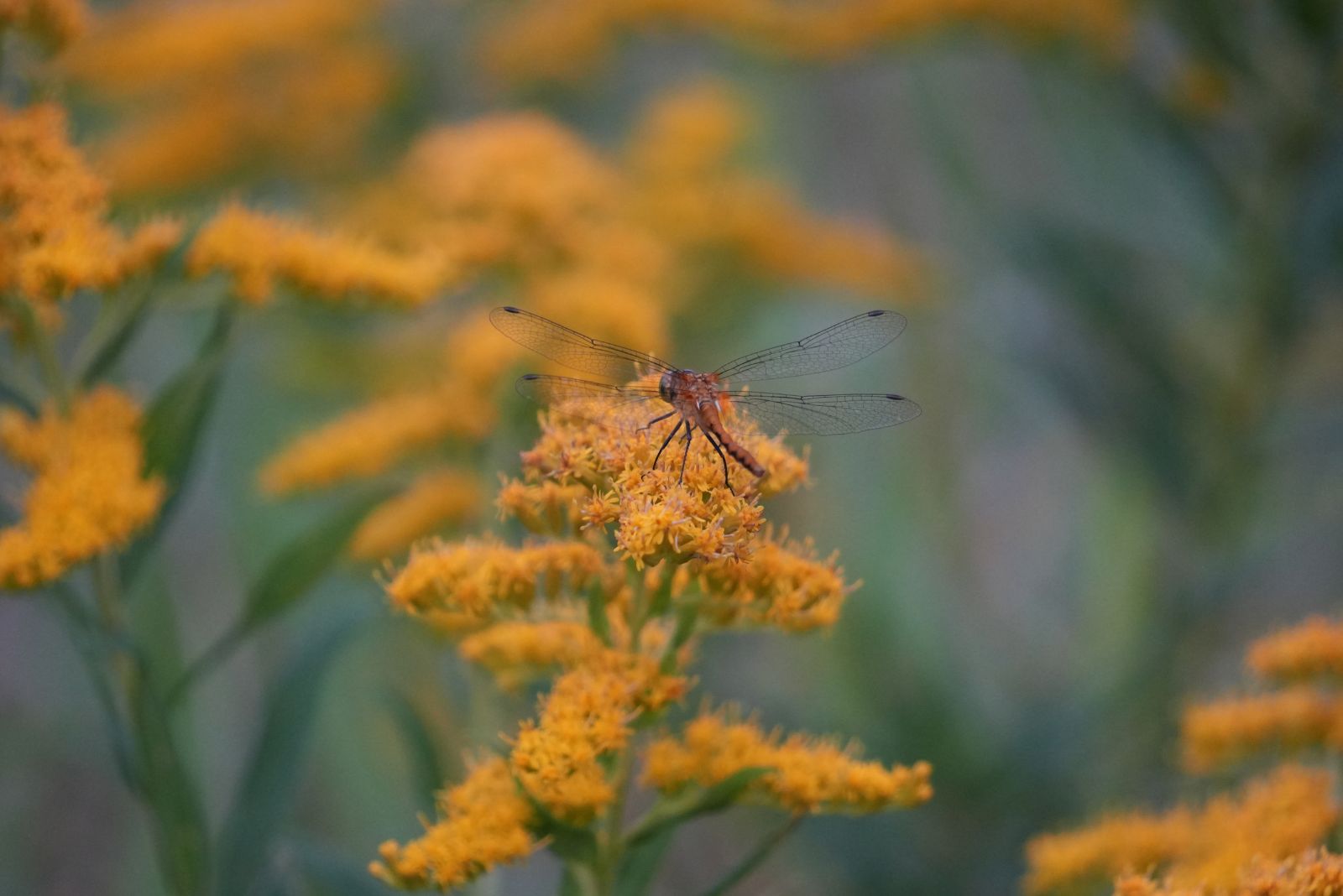
Dragonflies can make a yard feel more alive in an instant. One moment everything is quiet, and the next these bright, quick visitors are darting through the air and adding a little extra energy to the space.
In Pennsylvania, spring is when they start showing up again, and that alone can make the season feel even better.
They are also useful to have around. Dragonflies help control pests, which makes them a welcome sight once warmer weather brings more insects into the yard.
That is one reason plant choice matters. Some plants help create the kind of space dragonflies are more likely to visit, whether through shelter, moisture, or a more natural setting.
For homeowners who want a yard that feels beautiful and active, that can make a big difference. The right plants can add color, texture, and a more lively feel all season long.
1. Pickerelweed (Pontederia Cordata)
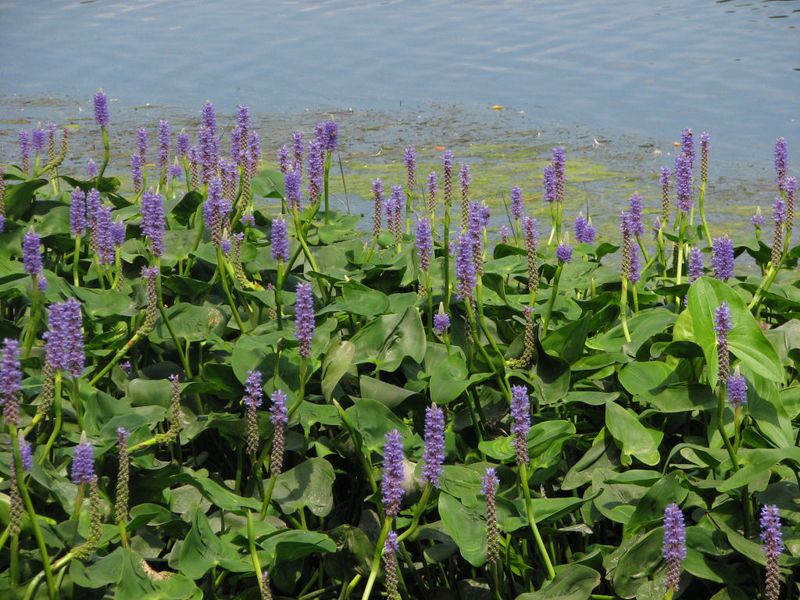
Few aquatic plants do as much for a Pennsylvania yard as pickerelweed. This native beauty grows right at the water’s edge, producing tall spikes of rich purple-blue flowers that bloom from late spring through early fall.
It is one of the most reliable plants you can add to a backyard pond or water garden if you want dragonflies to show up and stick around.
Dragonflies are strongly attracted to calm, shallow water, and pickerelweed grows in exactly those conditions. The plant’s thick stems rise above the waterline, giving adult dragonflies sturdy spots to rest and watch for prey.
Female dragonflies also use the submerged portions of the stems to lay their eggs, making it an essential part of their life cycle.
Once the eggs hatch, dragonfly nymphs spend months underwater developing before they emerge as adults. Pickerelweed provides the underwater shelter and structure those nymphs need to survive.
Without plants like this one, dragonfly populations in your yard simply would not grow. Planting pickerelweed in Pennsylvania is easy. It thrives in USDA hardiness zones 3 through 10, so it handles the state’s winters without any trouble.
Place it in a container submerged in your pond, or plant it directly in the muddy soil along a water feature’s edge.
It spreads naturally over time, creating a lush habitat that benefits dragonflies, pollinators, and even small frogs. This one plant can truly transform a basic water feature into a buzzing, lively ecosystem.
2. Blue Flag Iris (Iris Versicolor)
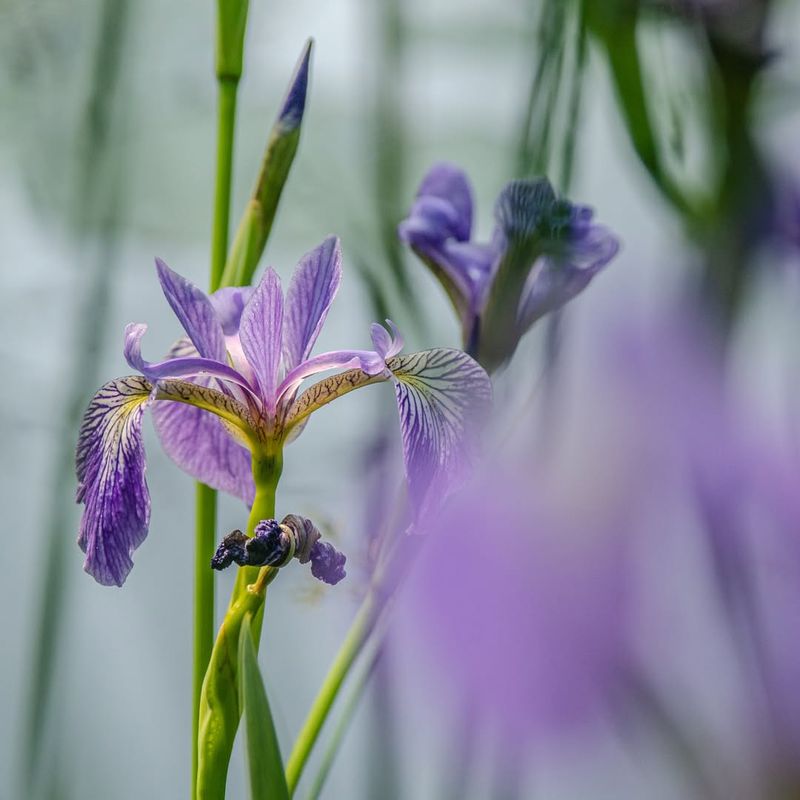
There is something almost magical about the blue flag iris blooming along the edge of a quiet Pennsylvania pond in spring. The flowers are a deep violet-blue with delicate yellow and white markings, and they stand tall on sturdy green stems.
Beyond their beauty, these plants are powerhouses for creating dragonfly-friendly habitat right in your own backyard.
Blue flag iris is a native plant that naturally grows in wetlands, marshes, and along stream banks throughout Pennsylvania. It loves moist to wet soil and thrives at the margins of ponds and water features.
That makes it a natural partner for dragonflies, which need water nearby to complete their life cycle. The tall, blade-like leaves provide vertical structure that adult dragonflies use as perching and hunting spots.
Your Pennsylvania Garden Changes Every Week. Your Plan Should Too.
Gardening in Pennsylvania changes quickly throughout the season. Every Friday you’ll receive a simple weekly plan showing exactly what to plant, prune, fertilize, harvest, and protect so you never miss the right timing.
Planting blue flag iris is a smart move for any Pennsylvania homeowner who wants a low-maintenance, high-impact garden plant. It spreads slowly by rhizomes, gradually filling in pond edges with lush greenery.
Once established, it needs very little care. Just make sure it gets full sun to partial shade and stays in consistently moist soil.
One fun fact worth sharing: blue flag iris has been used by Indigenous peoples for centuries as a medicinal and ceremonial plant. Today, its biggest role in your yard is ecological.
It supports not just dragonflies but also bees, hummingbirds, and other beneficial wildlife. Adding even a few clumps along your water feature’s edge can make a noticeable difference in the dragonfly activity you see each spring in Pennsylvania.
3. Arrowhead (Sagittaria Latifolia)
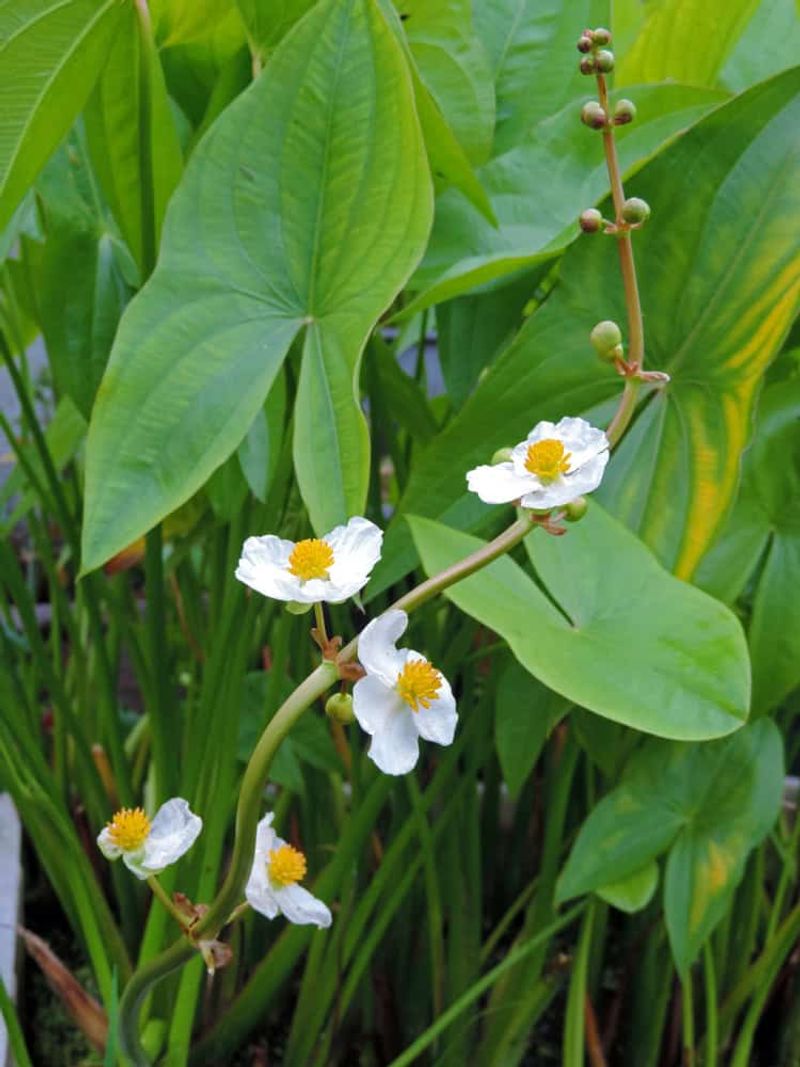
Named for the bold, arrow-shaped leaves that shoot up from the water’s surface, arrowhead is one of the most recognizable aquatic plants in Pennsylvania’s wetlands and ponds.
It grows in shallow water, typically in depths of just a few inches to about a foot, making it perfectly suited for the edges of backyard ponds and water gardens. What makes it especially valuable is what happens beneath the surface.
Dragonfly nymphs live underwater for months, sometimes even years, before they transform into the flying adults we recognize. During that time, they need shelter, structure, and hunting grounds.
Arrowhead’s submerged stems and roots create exactly that kind of underwater environment. The plant gives young dragonfly nymphs places to hide from predators and wait for small aquatic prey to pass by.
Above the water, arrowhead produces small white flowers with three rounded petals that bloom in whorls along a central stem. These blooms attract pollinators, which in turn attract adult dragonflies looking for a meal.
It is a simple but effective food chain that starts with one well-placed plant. Growing arrowhead in a Pennsylvania yard is straightforward. Plant it in containers placed in shallow pond water, or in naturally boggy areas of your yard.
It spreads readily and can cover a good portion of a small pond’s edge within a few seasons. Just be mindful of giving it space to grow.
For Pennsylvania gardeners who want to support dragonflies from the earliest life stages all the way through adulthood, arrowhead is an outstanding choice that delivers results year after year.
4. Joe-Pye Weed (Eutrochium Purpureum)
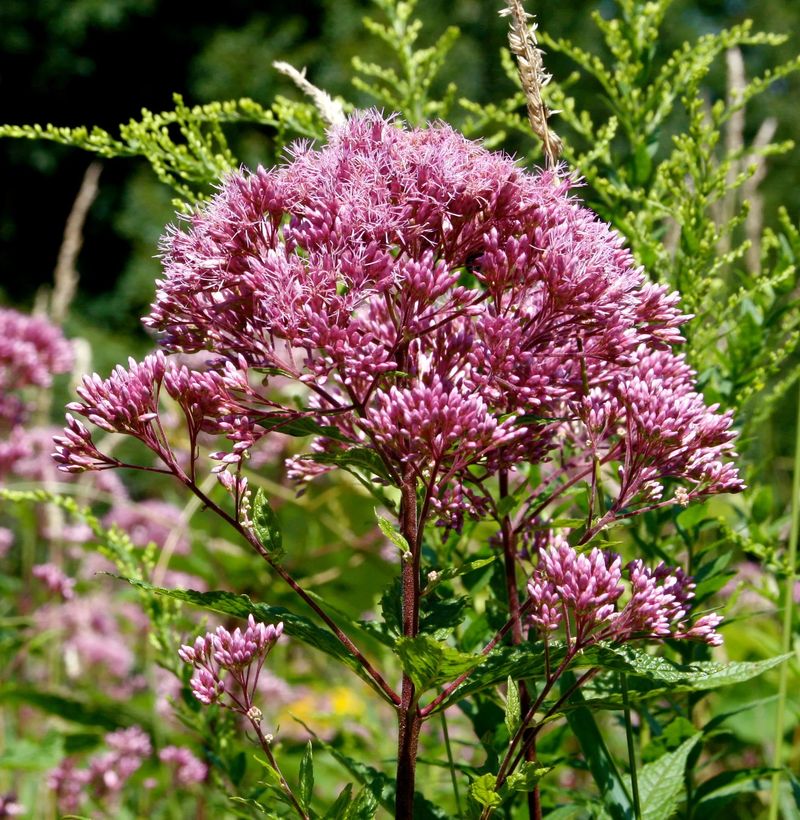
Standing anywhere from four to seven feet tall, joe-pye weed is hard to miss in a Pennsylvania garden.
Its massive, domed clusters of dusty pink-purple flowers bloom from midsummer into early fall, drawing in a crowd of pollinators that would impress even the most experienced gardener.
Butterflies, bees, wasps, and beetles all flock to it, and where those insects gather, dragonflies are never far behind.
Dragonflies are predators. They hunt on the wing, snatching smaller insects right out of the air.
A plant like joe-pye weed that consistently attracts large numbers of flying insects essentially becomes a dragonfly dining room. Tall stems also give dragonflies elevated perches from which they can survey their territory and launch hunting flights.
It is one of the reasons this native perennial is so effective at keeping dragonflies active in your yard throughout the warmer months.
Joe-pye weed is native to the eastern United States, including Pennsylvania, which means it is well adapted to the region’s climate, soil, and seasonal patterns. It grows best in moist, rich soil and thrives in full sun to partial shade.
Plant it toward the back of a garden bed where its height becomes an asset rather than a problem.
One thing many gardeners appreciate is how little effort this plant demands. Once established, joe-pye weed comes back reliably each spring with very little intervention.
It also provides winter interest, as the dried seed heads persist through the colder months and offer food for birds. For Pennsylvania yards, it is a true four-season performer with serious ecological value.
5. Swamp Milkweed (Asclepias Incarnata)
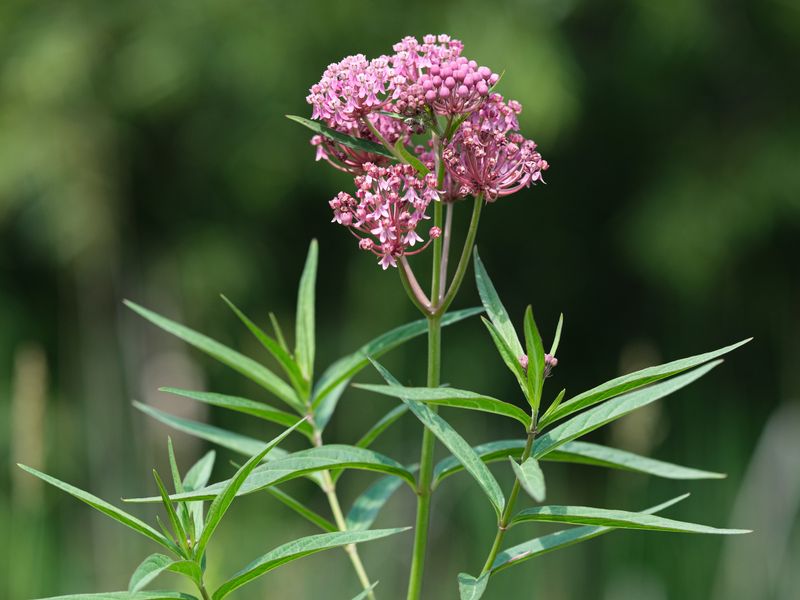
Most people know milkweed as the plant that monarch butterflies depend on, but swamp milkweed does so much more than support one species.
Growing naturally in wet meadows, stream banks, and pond margins across Pennsylvania, this native perennial creates the kind of moist, biodiverse habitat that dragonflies absolutely love.
Its clusters of rosy-pink flowers bloom from June through August, filling the air with a light, sweet fragrance that draws in all kinds of insects.
Dragonflies are not attracted to swamp milkweed because they eat the plant. They come because of what the plant brings.
All those visiting bees, butterflies, and flies become potential prey for hungry dragonflies patrolling nearby. The tall, upright stems also provide convenient landing spots for adult dragonflies resting between hunts.
Place swamp milkweed near a water feature and you have created an almost perfect dragonfly habitat in one move.
Growing swamp milkweed in Pennsylvania is very manageable. It prefers full sun and consistently moist to wet soil, though it can handle average garden soil as long as it gets regular water.
It grows three to four feet tall and spreads slowly by rhizomes, gradually forming a fuller clump over the years. It is also a host plant for monarch butterfly caterpillars, so you get double the wildlife benefit from a single plant.
Unlike common milkweed, swamp milkweed stays more compact and tidy, making it a better fit for smaller Pennsylvania yards. It is cold-hardy throughout the state and reliably returns each spring.
For gardeners who want to create a genuinely wildlife-friendly space, this plant checks almost every box imaginable.
6. Switchgrass (Panicum Virgatum)
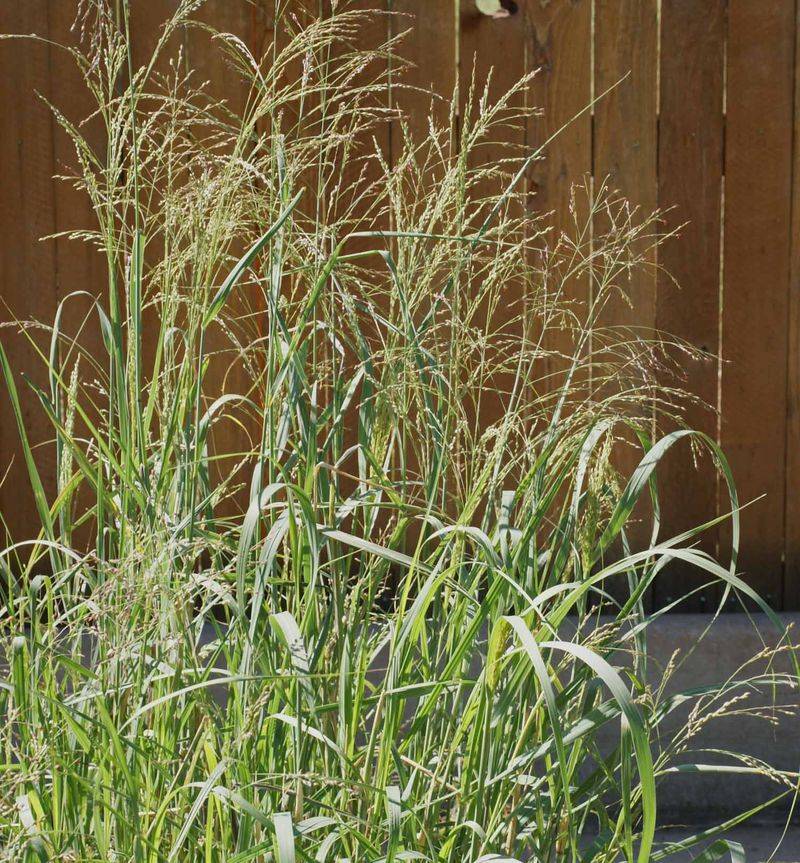
Not every dragonfly-friendly plant needs to grow in water. Switchgrass proves that beautifully.
This native ornamental grass is a staple of Pennsylvania’s natural landscapes, found in meadows, prairies, and along stream banks throughout the state.
In a garden setting, it brings structure, movement, and ecological value that few other plants can match. Watching the tall, airy seed heads sway in a summer breeze is genuinely satisfying.
For dragonflies, switchgrass serves a very practical purpose. Adult dragonflies need places to rest, warm up in the sun, and watch for prey.
The slender but sturdy stems of switchgrass are ideal perching spots. Dragonflies often land on the tips of grass stems and sit motionless for minutes at a time, scanning the area before launching into a hunting flight.
Near a pond or water feature, switchgrass essentially becomes a dragonfly watchtower. Switchgrass is also valuable because it supports a diverse insect community. Many small insects use the grass for shelter and egg-laying, which keeps the local food web active.
More insects mean more food for dragonflies, and that is what keeps them coming back to your Pennsylvania yard season after season.
From a gardening standpoint, switchgrass is nearly impossible to beat for ease of care. It tolerates a wide range of soil types, from dry to wet, and thrives in full sun.
It grows three to six feet tall depending on the variety, and its reddish fall color adds seasonal interest.
Plant it in groups near your water feature for the strongest impact on local dragonfly populations. It truly earns its place in any Pennsylvania wildlife garden.
7. Goldenrod (Solidago Spp.)
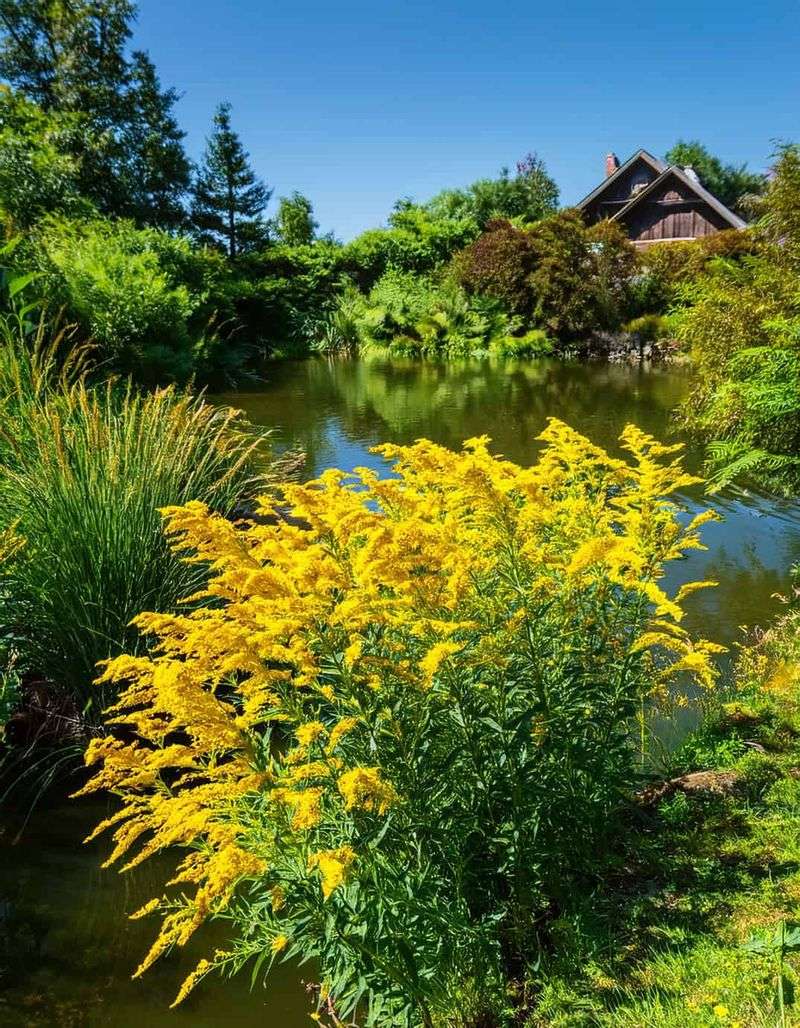
Goldenrod gets a bad reputation that it simply does not deserve. Many people blame it for hay fever, but the real culprit is ragweed, which blooms at the same time.
Goldenrod’s heavy, sticky pollen is carried by insects, not the wind, which means it actually helps rather than hurts most allergy sufferers.
Once you know the truth, it is easy to appreciate goldenrod for what it really is: one of the most ecologically important plants in Pennsylvania.
When goldenrod blooms in late summer and fall, it erupts into bright golden-yellow plumes that attract an enormous number of insects. Bees, wasps, beetles, flies, and butterflies all crowd onto the flowers.
That insect activity is exactly what draws dragonflies in. A patch of goldenrod in full bloom near a water feature can become one of the busiest dragonfly hunting grounds in your entire Pennsylvania yard.
Beyond feeding the food chain, goldenrod supports over 100 species of caterpillars, making it one of the top native plants for supporting local wildlife. The more insects a plant supports, the more dragonflies it indirectly attracts.
It is a straightforward relationship that plays out reliably every season. Goldenrod is also incredibly easy to grow in Pennsylvania. It thrives in average, well-drained soil and full sun, and once established, it needs almost no maintenance.
It spreads by both rhizomes and seed, so give it room or divide it every few years to keep it in check. Several compact varieties are available for smaller yards.
For Pennsylvania gardeners who want maximum wildlife impact with minimum effort, goldenrod is simply one of the smartest plants you can grow.