These Pennsylvania Flowers Don’t Need Sunlight To Bloom
Not every beautiful flower demands a bright, sunny spot to show off. In fact, some of the most charming blooms are perfectly happy tucked into the shadier parts of a Pennsylvania yard.
That is good news for anyone with a porch bed, a fence line, or a tree-covered corner that never seems to get enough light for the usual garden favorites. Instead of fighting those lower-light spaces, it often makes more sense to work with them.
That is where shade-loving flowers really shine. They can bring color, softness, and life to places that might otherwise feel plain or overlooked.
For Pennsylvania gardeners, that matters even more because not every yard gets the kind of steady sun many flowering plants demand. With the right choices, those dimmer areas can still feel bright, full, and inviting through the growing season.
A shaded garden does not have to settle for plain leaves and empty-looking beds. Some flowers are more than happy to bloom without much sunlight at all, and they can make those quiet corners some of the prettiest spots in the yard.
1. Astilbe
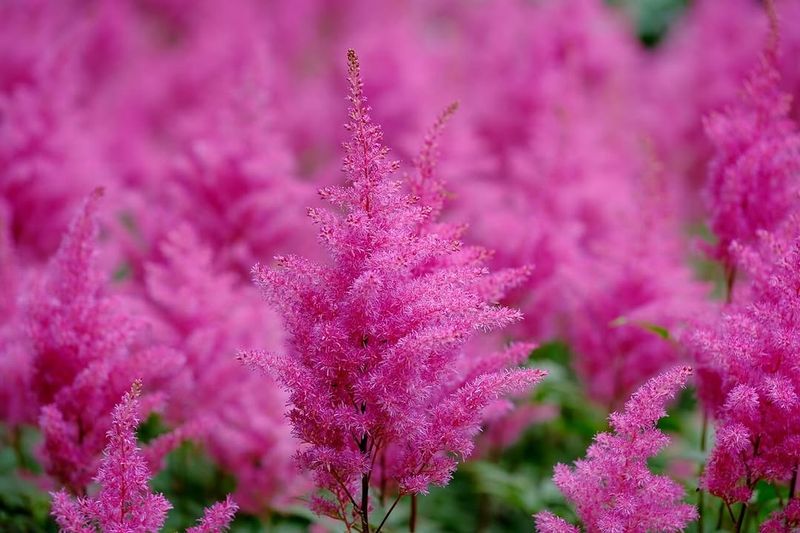
Walk through any shaded Pennsylvania garden in summer, and you might spot the soft, fluffy plumes of astilbe swaying gently in the breeze. This plant is a true standout in low-light spaces.
Its feathery flower spikes come in shades of pink, white, red, and lavender, making it one of the most colorful options for shady spots.
Astilbe loves cool, moist soil, which makes it a natural fit for Pennsylvania’s humid summers and woodland-style gardens. It grows best in partial to full shade, so spots under trees or along the north side of a house work perfectly.
The plant is also a perennial, meaning it comes back every year without needing to be replanted.
One of the best things about astilbe is how low-maintenance it is. Plant it once, keep the soil moist, and it will reward you with blooms year after year.
It pairs beautifully with hostas and ferns in shaded garden beds. The feathery plumes also look stunning when cut and brought indoors as part of a flower arrangement.
Astilbe also supports local pollinators like bees and butterflies, which is always a bonus. In Pennsylvania, it typically blooms from June through August.
If you want long-lasting color without the fuss of full-sun gardening, astilbe is a smart and beautiful choice for any shaded corner of your yard.
2. Bleeding Heart
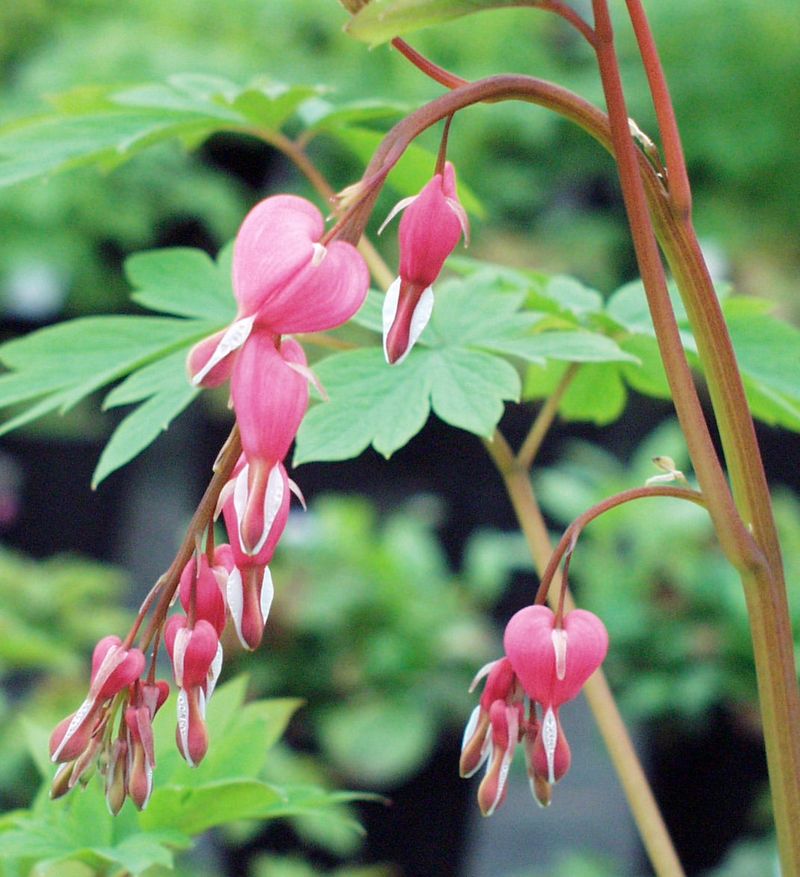
Few flowers carry as much charm and personality as the bleeding heart. Each bloom looks like a tiny pink or white heart with a small teardrop hanging below it, almost like something out of a storybook. It is one of those plants that makes people stop and take a second look.
In Pennsylvania, bleeding heart is a classic choice for woodland-style gardens and shaded borders. It blooms in early to mid-spring, often popping up before many other plants have even started to wake up.
The arching stems hold rows of heart-shaped flowers that sway with even the lightest breeze, creating a soft and dreamy look in any garden space.
Your Pennsylvania Garden Changes Every Week. Your Plan Should Too.
Gardening in Pennsylvania changes quickly throughout the season. Every Friday you’ll receive a simple weekly plan showing exactly what to plant, prune, fertilize, harvest, and protect so you never miss the right timing.
This plant prefers partial to full shade and moist, well-drained soil. Once established, it is fairly easy to care for.
However, it is worth knowing that bleeding heart goes dormant in summer, meaning its leaves fade and disappear as temperatures rise. Planting it alongside ferns or hostas helps fill in the empty space it leaves behind.
Bleeding heart is also a favorite among hummingbirds, which are drawn to its drooping tubular flowers. Spotting a hummingbird hovering near a bleeding heart plant in a Pennsylvania backyard is a genuinely magical moment.
Plant it near a shaded path or garden entrance where its unique blooms can be admired up close during its springtime show.
3. Foamflower
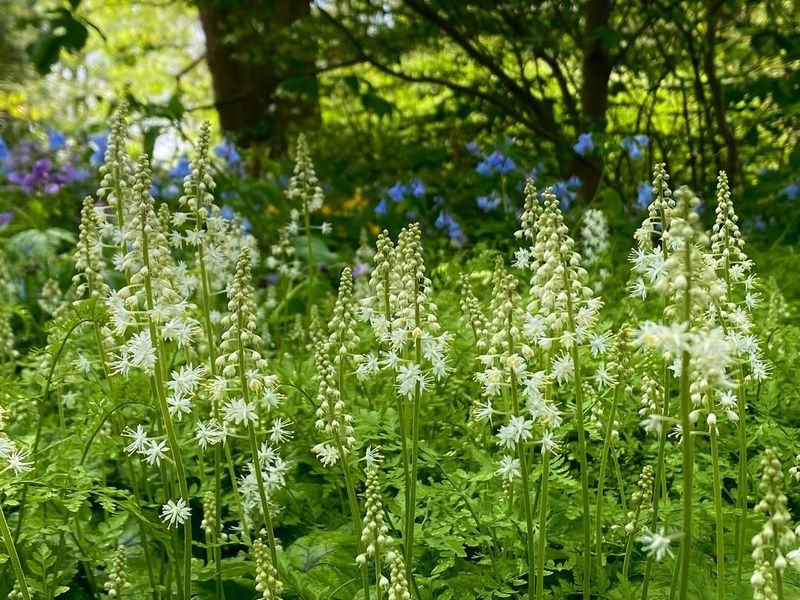
Native to Pennsylvania and much of the eastern United States, foamflower is a true gem for shaded gardens.
Its name comes from the frothy, foam-like appearance of its tiny white flower spikes, which rise above a low mat of attractive, maple-shaped leaves. It is one of those plants that looks delicate but is surprisingly tough.
Foamflower thrives in full to partial shade and prefers moist, rich soil, much like the forest floors where it naturally grows. In Pennsylvania, it blooms in spring, typically from April through June.
The white flower spikes sometimes have a soft pink tint, adding a subtle splash of color to shaded beds and woodland garden paths.
Because it spreads slowly by runners, foamflower works beautifully as a ground cover under trees or along shaded walkways. It fills in gaps naturally without becoming too aggressive.
The foliage also turns attractive shades of bronze and red in fall, giving the plant a second season of visual interest long after the flowers have faded.
Supporting native bees and other pollinators, foamflower plays an important role in Pennsylvania’s local ecosystem. Gardeners who want to create a wildlife-friendly yard will find it a wonderful addition.
It is also deer-resistant, which is a real advantage for Pennsylvania gardeners who deal with frequent deer visitors. If you have a shady, moist corner that needs some life, foamflower is an excellent native solution.
4. Lungwort
Lungwort might have an unusual name, but it is one of the most underrated shade plants you can grow in Pennsylvania.
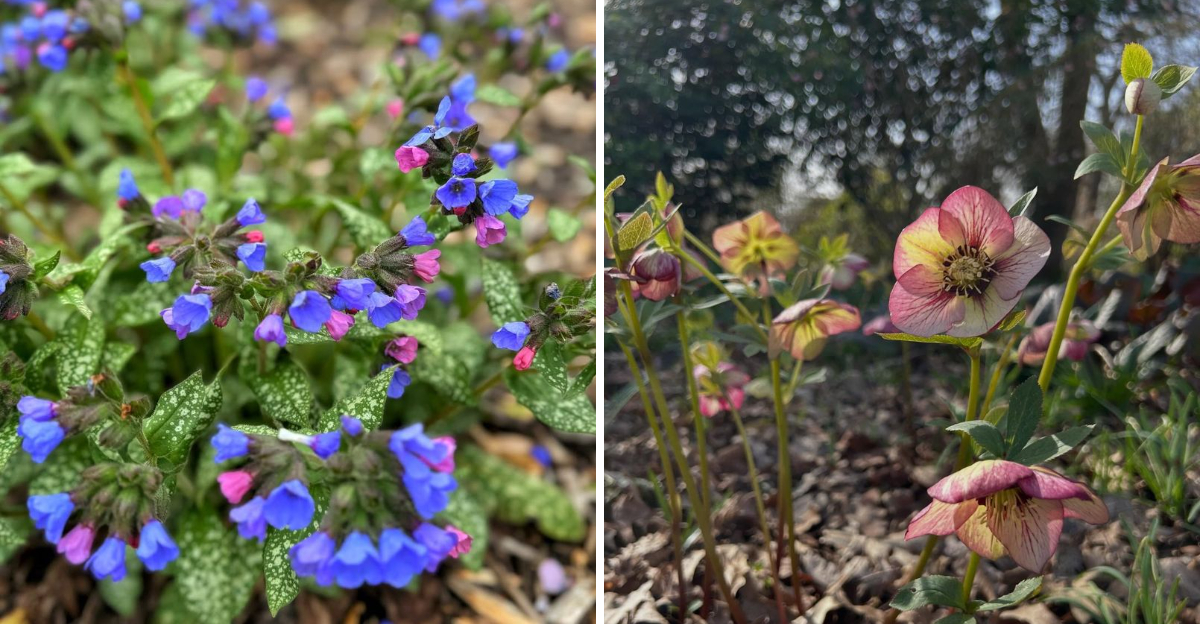
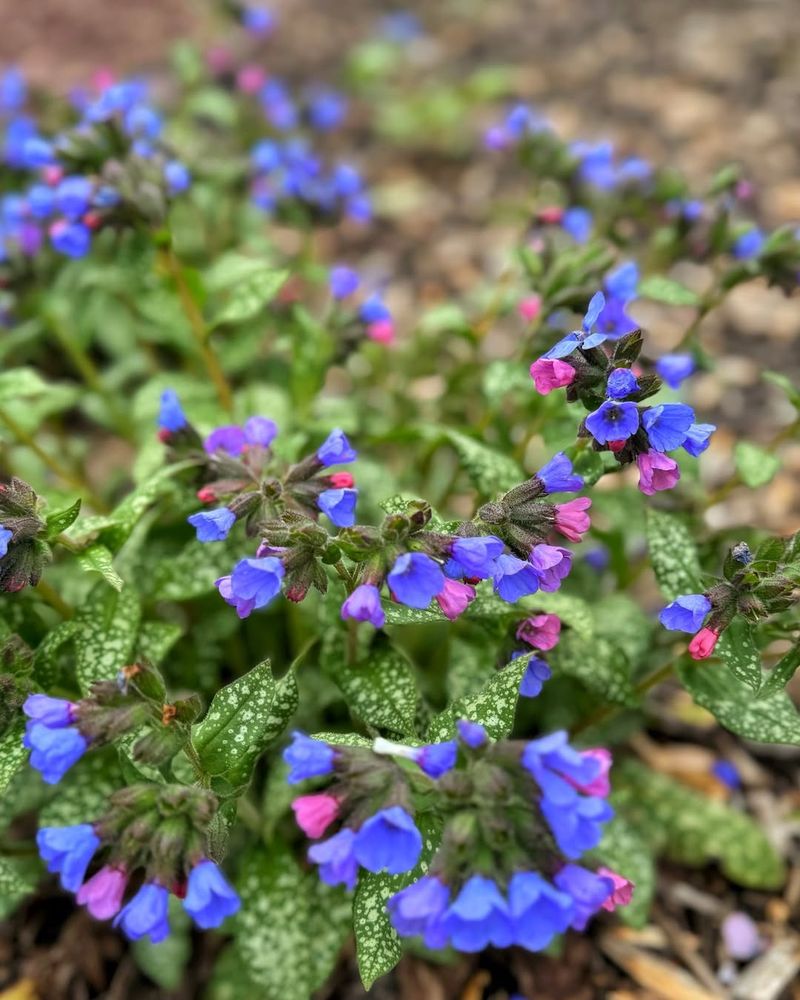
It earns attention for two reasons: its striking silver-spotted leaves and its early-season blooms that arrive when most other flowers are still sleeping. When little else is flowering in the garden, lungwort delivers a cheerful burst of color.
The flowers shift from pink to blue as they age, meaning a single plant can display two colors at once. This color-changing trick makes lungwort genuinely fascinating to watch throughout the season.
It blooms from late winter into spring, making it one of the earliest flowering plants you can add to a shaded Pennsylvania garden.
Lungwort grows best in partial to full shade with consistently moist soil. It does not do well in hot, dry conditions, so a spot with good moisture and protection from afternoon sun is ideal.
Once planted, it spreads gradually into a neat clump and requires very little attention beyond occasional watering during dry spells.
The spotted foliage remains attractive all season long, even after the flowers fade, giving the garden bed a decorative look well into fall.
Lungwort is also an early food source for pollinators like bumblebees, which is especially valuable in Pennsylvania during the cool early-spring weeks.
If you want a plant that works hard from the very beginning of the growing season, lungwort is a reliable and beautiful choice.
5. Columbine
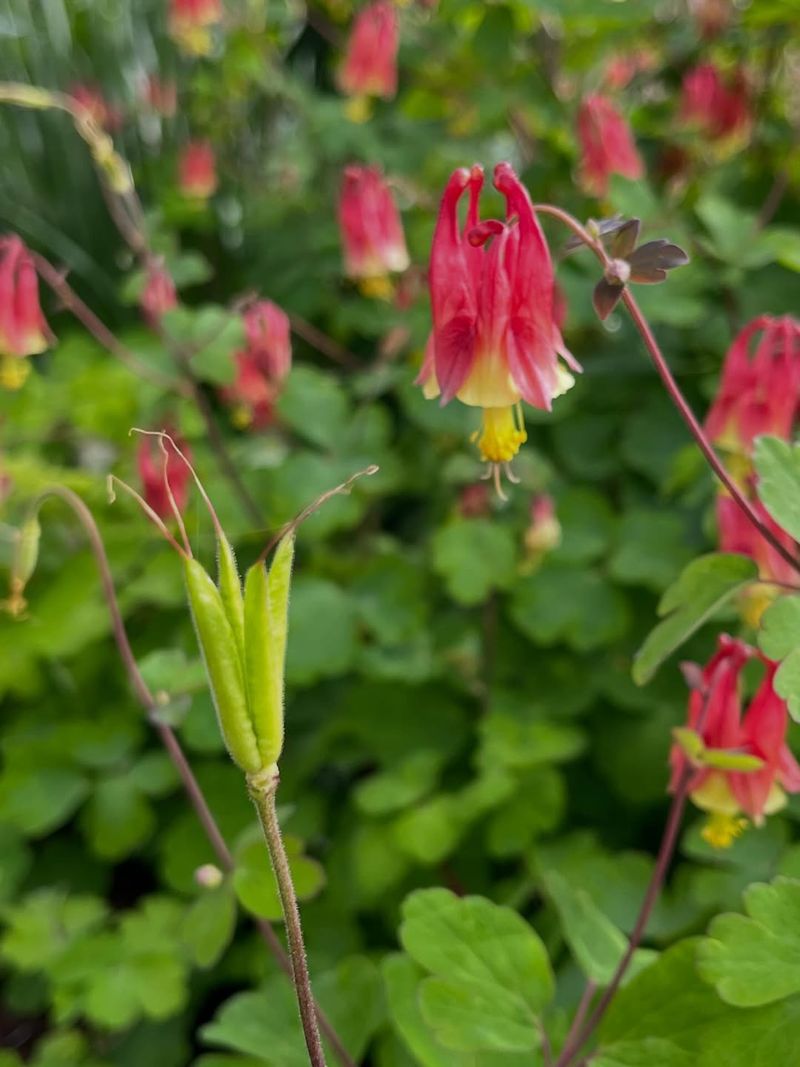
There is something wonderfully wild about columbine. The native species, Aquilegia canadensis, produces nodding red and yellow flowers with long, elegant spurs that look like something designed by nature for a reason, and they were.
Hummingbirds absolutely love them, making columbine one of the most wildlife-friendly plants you can grow in Pennsylvania.
Columbine tolerates partial shade very well, which makes it ideal for woodland garden edges, shaded borders, and spots that receive dappled light throughout the day. It blooms in spring, typically from April through June, and adds a graceful, airy quality to any garden space.
The slender stems and delicate flowers give it a light, natural look that feels right at home in a Pennsylvania landscape.
One of columbine’s best qualities is its adaptability. It can handle a range of soil types as long as drainage is decent.
It also self-seeds freely, which means new plants will pop up around the garden each year without any extra effort on your part. Over time, a single plant can create a small colony of blooms in a shaded area.
Columbine is also a host plant for certain native moth and butterfly species, adding real ecological value to your yard. In Pennsylvania, supporting native plants like this one helps protect local wildlife and keeps the garden ecosystem healthy and balanced.
Planting columbine is a simple way to make your shaded garden more beautiful and more alive at the same time.
6. Hellebore
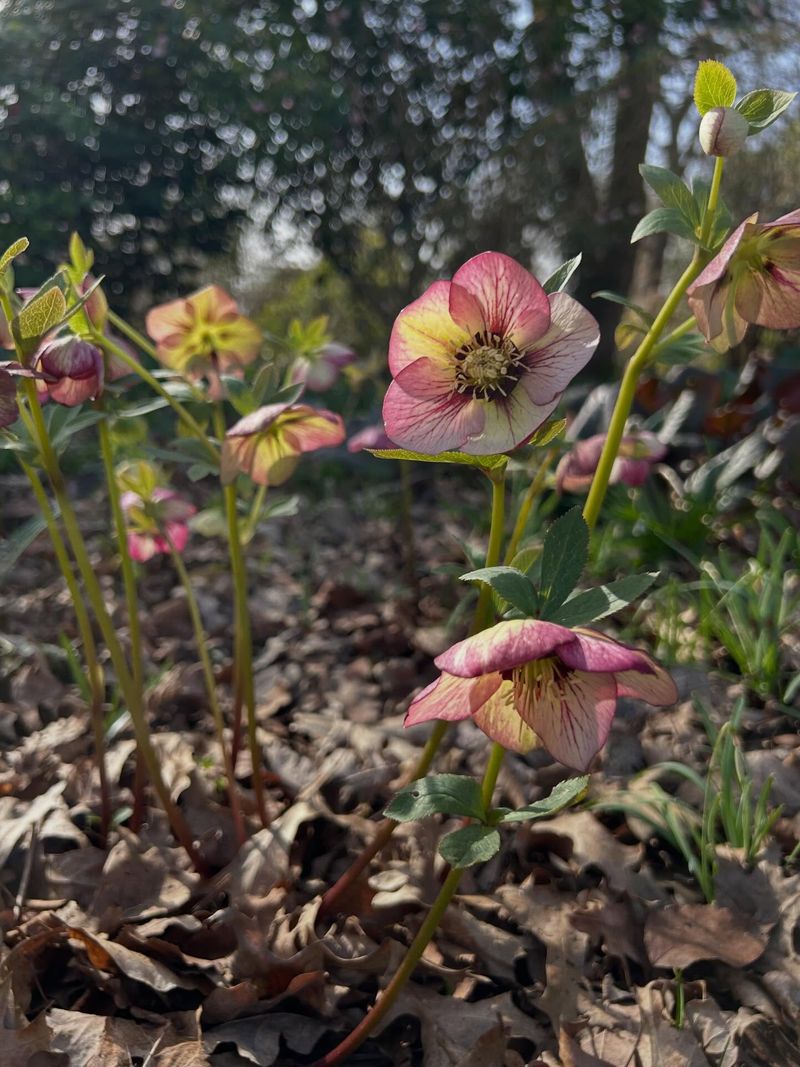
Imagine walking outside on a cold late-winter morning in Pennsylvania and spotting flowers already in bloom. That is exactly what hellebore does.
Also called the Lenten rose, hellebore is one of the earliest bloomers of the year, often pushing out its nodding, cup-shaped flowers in February or March when snow is still possible on the ground.
Hellebore thrives in partial to full shade and prefers well-drained, humus-rich soil. Once established, it is remarkably tough and long-lived.
A single plant can bloom for decades with minimal care, making it one of the best long-term investments for a shaded Pennsylvania garden. The flowers come in a beautiful range of colors, including deep purple, creamy white, soft pink, and near-black.
The blooms face downward, which gives them a shy, mysterious appearance. Tipping a flower gently upward to peek inside reveals intricate details and sometimes a gorgeous speckled pattern.
The leathery, evergreen foliage stays attractive all year long, providing structure in the garden even during the coldest Pennsylvania winters when everything else looks bare.
Hellebore is also deer-resistant and largely pest-free, which makes it especially practical for Pennsylvania yards where deer pressure is a common challenge. It pairs well with spring bulbs, ferns, and hostas in shaded beds.
If you want a plant that brings beauty to the garden during the quietest and coldest weeks of the year, hellebore delivers in a way few other plants can match.
7. Toad Lily
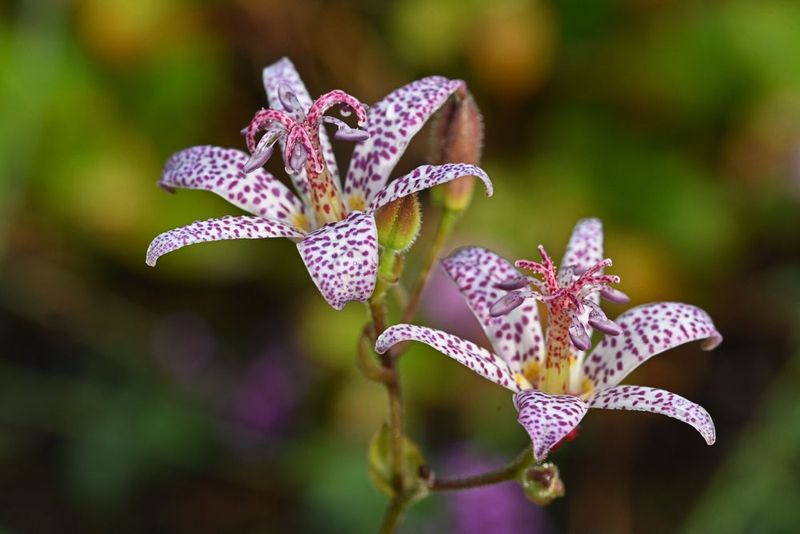
When the rest of the garden starts winding down in late summer and fall, toad lily steps in with one of the most unique floral displays of the entire growing season.
Its blooms look almost exactly like miniature orchids, covered in purple and white spots that make them look almost too exotic to be growing in a Pennsylvania backyard. But there they are, thriving in the shade.
Toad lily blooms from late August through October, filling a gap in the garden calendar when very few shade plants are still putting on a show. It grows best in partial to full shade with moist, well-drained soil.
The plant forms upright clumps with arching stems covered in attractive foliage, making it visually interesting even before the flowers open.
The name might not sound glamorous, but the appearance of toad lily is anything but ordinary. The intricate spotted pattern on each flower draws curious looks from anyone who sees it for the first time.
It is a fantastic conversation starter and a great way to add something unexpected to a shaded garden space in Pennsylvania.
Toad lily is also a magnet for bumblebees in the fall, providing a valuable late-season food source when other flowers have already faded. It pairs well with ferns, hostas, and astilbe in shaded garden beds.
If you want a plant that saves its best performance for the end of the season, toad lily is one of the most rewarding choices you can make for a shaded Pennsylvania garden.