4 Pollinator Plants To Plant On Balcony In Pennsylvania And 3 To Avoid
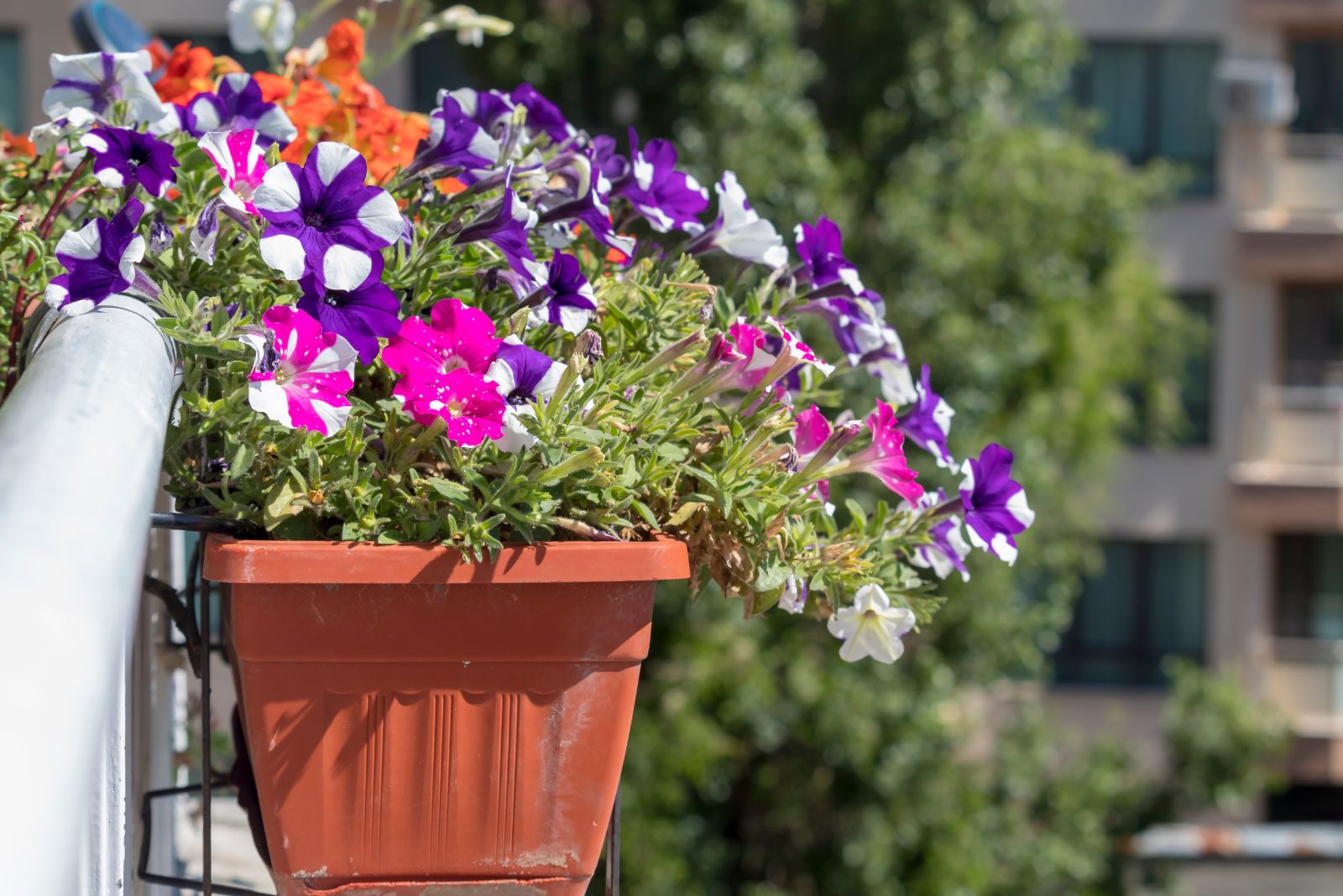
A balcony may not seem like the first place that comes to mind when people think about helping pollinators, but it can do a lot more than you might expect.
In Pennsylvania, even a small outdoor space can become a busy stop for bees, butterflies, and other helpful visitors if you fill it with the right plants.
A few containers, some smart plant choices, and a little sunlight can turn an ordinary balcony into a colorful space that feels lively all season.
Of course, not every plant earns its spot. Some look pretty but offer very little to pollinators, while others can create more hassle than they are worth in a compact setup.
That is why choosing carefully matters, especially when every pot and inch of space counts. The good news is that you do not need a huge porch or a full garden to make a difference.
With the right mix, a Pennsylvania balcony can feel bright, useful, and full of movement. Just as important, knowing which plants to skip can save space, time, and frustration from the start.
1. Lavender (Lavandula Spp.)
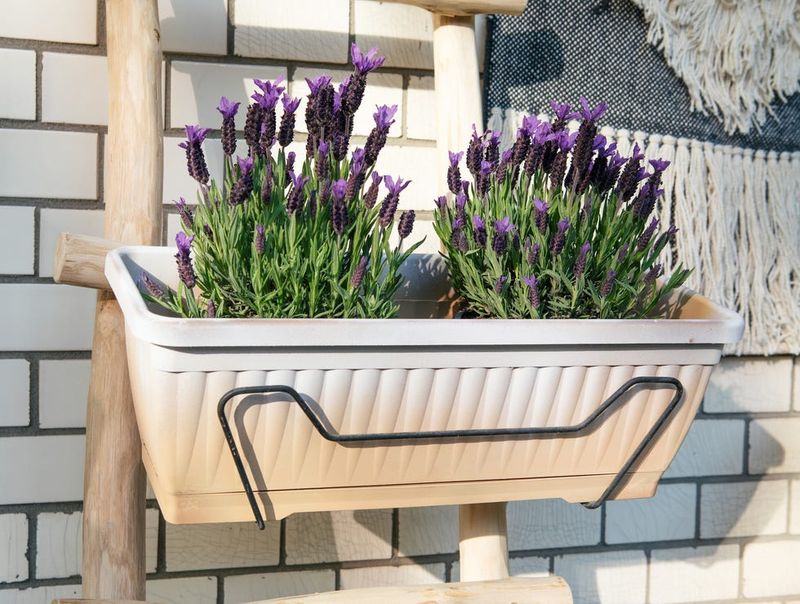
Few plants earn their spot on a balcony quite like lavender. With its silvery-green leaves and tall purple flower spikes, it brings both beauty and purpose to any outdoor container garden in Pennsylvania.
Bees and butterflies absolutely love it, and the fragrance alone makes it worth growing.
Lavender thrives in full sun, which makes it a great match for balconies that get six or more hours of sunlight each day. It handles dry conditions really well, so if you sometimes forget to water, this plant will forgive you.
Just make sure your container has good drainage because soggy roots are its biggest weakness.
When picking a variety for a small space, go with compact types like Hidcote or Munstead. These stay neat and tidy without taking over your whole balcony. Plant them in a well-draining potting mix and avoid heavy, moisture-retaining soils.
One cool thing about lavender is that it blooms from late spring through summer, giving pollinators a long feeding window.
In Pennsylvania, that timing lines up perfectly with peak bee and butterfly activity. Deadheading spent blooms encourages even more flowers to grow.
Lavender also works as a natural pest deterrent, keeping mosquitoes and flies away from your outdoor space. It is low-maintenance, long-blooming, and genuinely useful for local pollinators.
For any Pennsylvania balcony gardener looking to make a real impact, lavender is one of the smartest first choices you can make.
2. Salvia (Salvia Spp.)
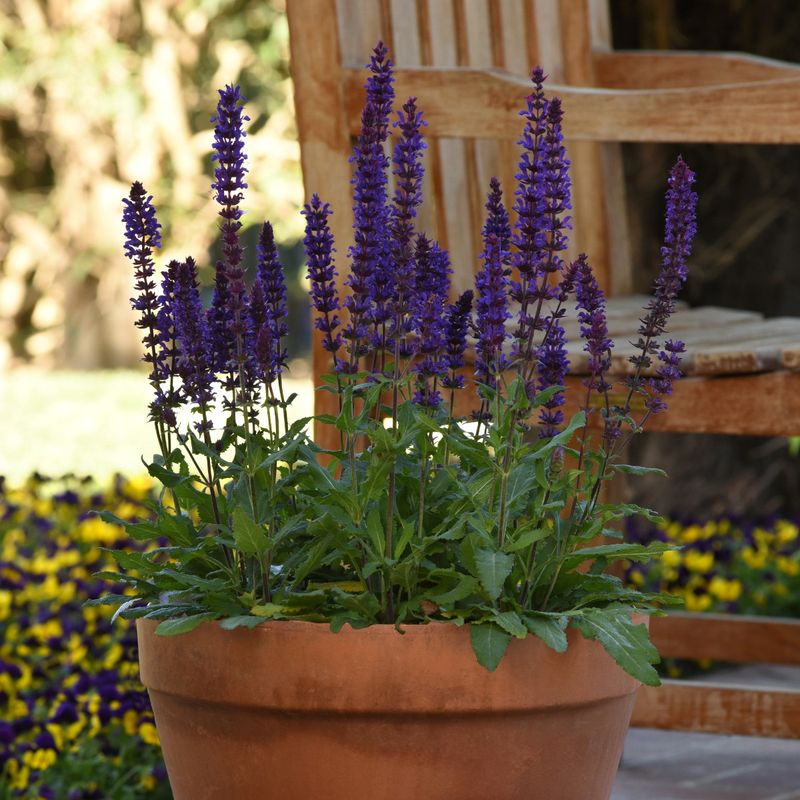
Salvia is the kind of plant that makes pollinators stop mid-flight and take notice. Its tall, colorful flower spikes are packed with nectar, making it one of the top performers for attracting bees and hummingbirds to a balcony garden in Pennsylvania.
It looks stunning and works hard at the same time. What makes salvia especially great for containers is how well it handles heat. Pennsylvania summers can get warm and sunny, and salvia actually loves those conditions.
Your Pennsylvania Garden Changes Every Week. Your Plan Should Too.
Gardening in Pennsylvania changes quickly throughout the season. Every Friday you’ll receive a simple weekly plan showing exactly what to plant, prune, fertilize, harvest, and protect so you never miss the right timing.
As long as your pot has good drainage and you water regularly during dry stretches, this plant will reward you with blooms from late spring all the way into fall.
There are many varieties to choose from, including Salvia nemorosa, which is compact and perfect for smaller pots.
Red varieties like Salvia coccinea are especially attractive to hummingbirds, while blue and purple types draw in bees and butterflies. Mixing a few varieties adds both color and pollinator diversity to your space.
Salvia is also fairly resistant to deer and rabbits, which can sometimes be a concern even on elevated balconies in Pennsylvania neighborhoods near green spaces. It does not need a lot of fertilizer, just a light feeding in spring to get it going strong for the season.
Deadhead regularly to keep the blooms coming all season long. With its easy care, long bloom time, and incredible appeal to wildlife, salvia is a must-have for any pollinator-focused balcony setup in Pennsylvania.
3. Petunias (Petunia Spp.)
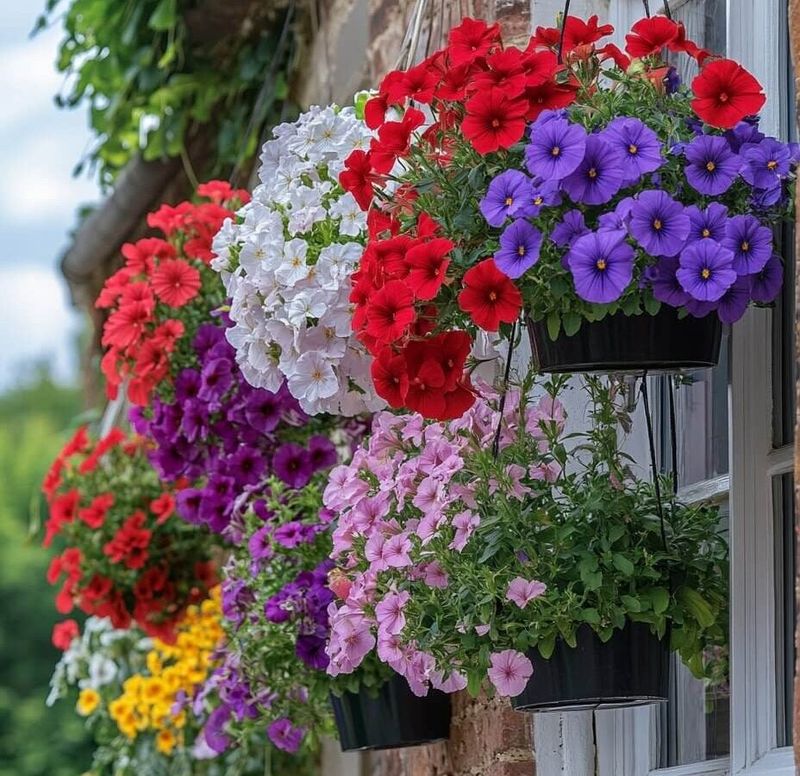
Walk into almost any garden center in Pennsylvania during spring and you will find petunias front and center. They are popular for a reason.
These cheerful, easy-to-grow flowers are excellent for containers and hanging baskets, and when you pick the right variety, they can be surprisingly helpful for pollinators visiting your balcony.
The key word here is variety. Single-flower petunias, like the classic Wave series, have open blooms that give bees and butterflies easy access to nectar.
Double-flower types, while pretty, tend to make it harder for pollinators to reach the food inside. Sticking with single blooms is the smarter choice for supporting local wildlife.
Petunias love full sun and warm temperatures, which makes them a natural fit for Pennsylvania balconies that face south or west.
They bloom heavily from late spring through the first frost, giving pollinators a reliable nectar source across a long season. That extended bloom time is a real bonus for Pennsylvania’s bee populations.
One thing to keep in mind is that petunias need regular watering, especially during hot summer weeks. They also benefit from light fertilizing every two weeks to keep the blooms coming strong.
Deadheading old flowers helps prevent the plant from putting energy into seed production instead of new blooms.
Petunias come in nearly every color imaginable, so you can mix and match to create a vibrant, welcoming balcony display. They are affordable, widely available across Pennsylvania, and genuinely effective at pulling in pollinators all season long.
4. Chives (Allium Schoenoprasum)
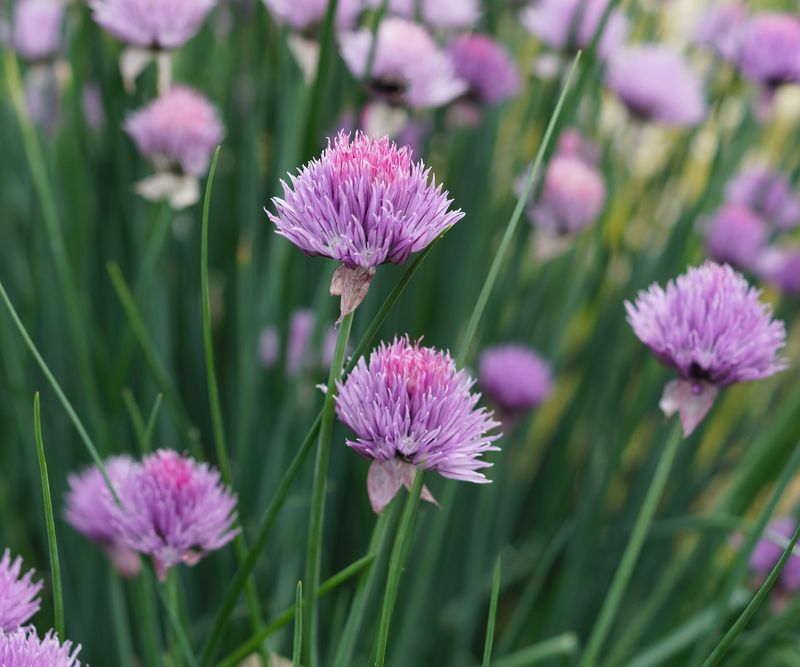
Chives might just be the most underrated plant you can grow on a Pennsylvania balcony. Most people think of them as a kitchen herb, which they absolutely are, but their pretty purple globe-shaped flowers are also a magnet for bees.
You get a two-for-one deal: fresh herbs for cooking and a pollinator-friendly bloom in your container garden.
Bees are particularly drawn to the small individual flowers that make up each chive bloom head. The flowers are open and easy to access, which is exactly what pollinators need.
In Pennsylvania, chives typically bloom in late spring, filling a gap in the pollinator food calendar before summer flowers really take off.
Growing chives in containers is simple. They prefer full sun but will tolerate partial shade, which gives them a bit more flexibility than some other balcony plants.
Use a well-draining potting mix, water moderately, and they will grow happily in even a small pot. A six-inch container is usually enough to get started.
One fun fact: chives are perennial, meaning they come back year after year. That makes them a great long-term investment for your Pennsylvania balcony garden.
Once established, they need very little attention beyond occasional watering and a light trim after blooming.
Snip the leaves regularly for use in soups, salads, and egg dishes, and let some flower heads bloom fully for the bees. It is hard to find a plant that pulls double duty this well, especially in a small balcony space.
5. Double-Flowered Impatiens (Impatiens Walleriana)
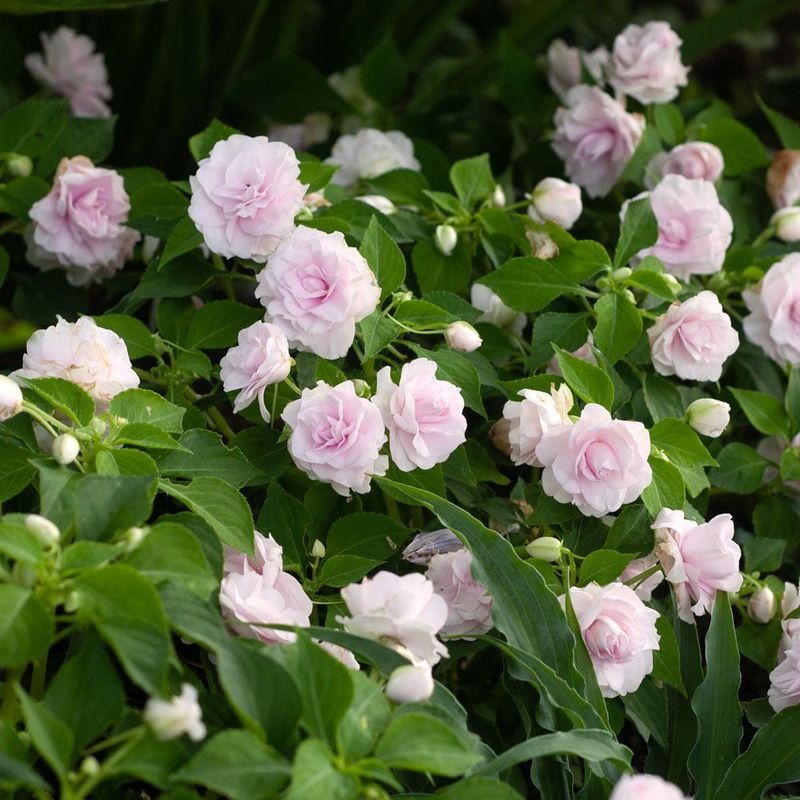
Double-flowered impatiens are genuinely beautiful. Their ruffled, rose-like blooms add a lush, full look to any shaded balcony, and they come in a rainbow of colors from soft pink to deep red.
It is easy to see why so many Pennsylvania gardeners reach for them at the garden center each spring.
Here is the problem though: those extra petals that make them look so fancy are the same reason pollinators tend to pass them by. The double blooms are so tightly packed that bees and butterflies struggle to reach any nectar inside.
From a pollinator support standpoint, these plants offer very little despite how attractive they look.
Standard single-flower impatiens are a much better choice if supporting wildlife is your goal. Single blooms have an open center that gives pollinators clear, easy access to nectar.
The trade-off in appearance is small, but the benefit to your local Pennsylvania bee and butterfly population is significant.
If you already have double-flowered impatiens on your balcony and love the way they look, there is no need to remove them entirely. Just consider pairing them with more pollinator-friendly plants nearby.
That way you get the visual appeal without sacrificing your balcony’s usefulness to local wildlife.
Pennsylvania gardeners who want shade-tolerant options with real pollinator value might consider native alternatives like wild columbine or single impatiens instead.
Making small swaps like this adds up quickly and helps create a more balanced, wildlife-friendly balcony garden throughout the growing season.
6. Hybrid Tea Roses (Rosa Spp.)
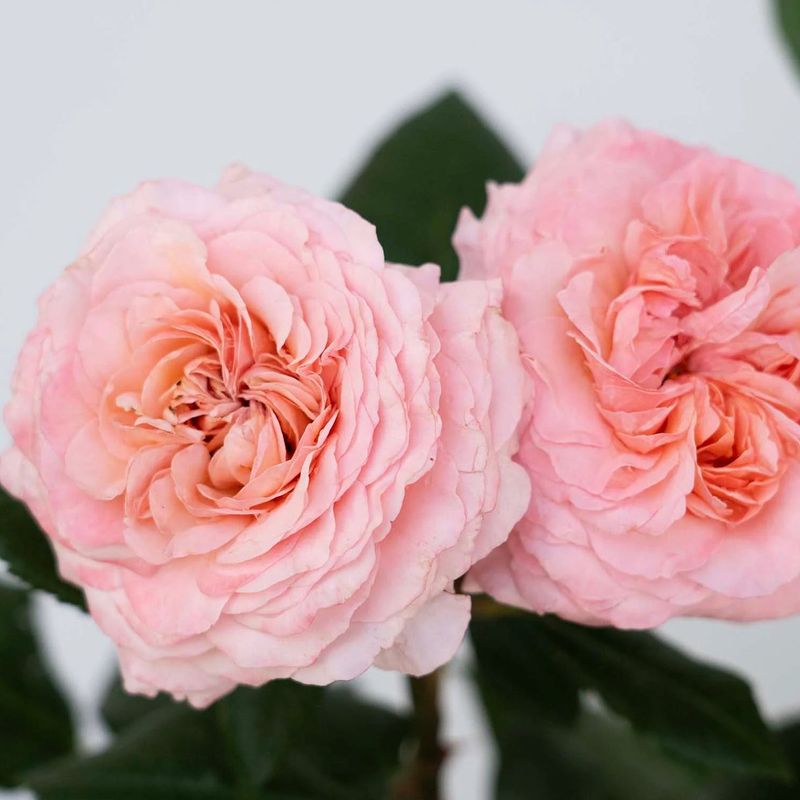
Hybrid tea roses are the classic symbol of a beautiful garden. Their large, perfectly shaped blooms look stunning in photos and on balconies across Pennsylvania.
Garden centers sell them by the truckload every spring, and it is not hard to understand the appeal. But if your goal is to support pollinators, these roses come with a real drawback.
Most modern hybrid tea varieties are bred for appearance, not for nectar production. Their petals are layered so tightly that bees and butterflies physically cannot get inside to reach the food.
Some varieties have even had their stamens, which are the pollen-producing parts, bred out entirely in the process of creating those picture-perfect blooms.
That means a bee landing on a hybrid tea rose often gets nothing out of the visit. For a pollinator-friendly balcony in Pennsylvania, that is a missed opportunity, especially when container space is limited and every plant needs to earn its spot.
Old-fashioned single or semi-double rose varieties are a much better alternative if you love roses. Species roses like Rosa carolina, which is native to Pennsylvania, offer open blooms that pollinators can easily access.
They may not look as dramatic, but they provide real nutritional value to the wildlife you are trying to support.
Hybrid tea roses are not harmful, but they are essentially decorative objects in a garden meant to feed wildlife. If pollinator support is your priority on your Pennsylvania balcony, your limited container space is better used for plants that truly deliver on that promise.
7. Geraniums
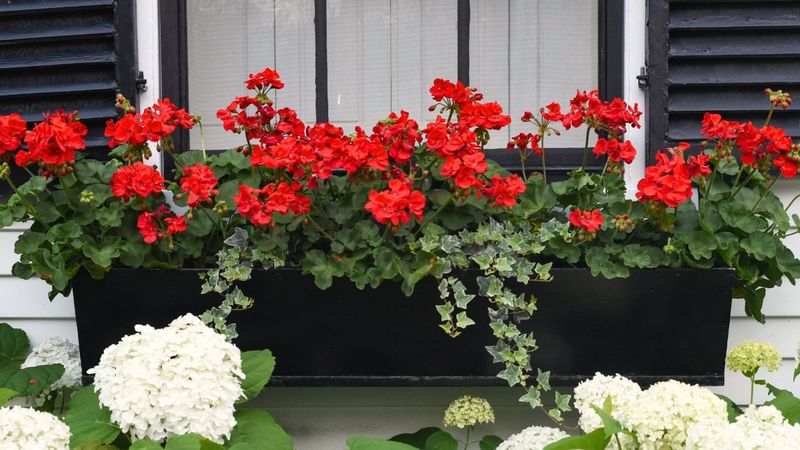
Zonal geraniums, the kind you see in window boxes and balcony containers all across Pennsylvania every summer, are practically a gardening tradition. They are tough, colorful, and bloom for months.
For a low-maintenance pop of color, they are hard to beat. The problem is that when it comes to feeding pollinators, they fall pretty flat.
Most pelargonium varieties produce very little nectar. Their flowers simply do not offer the food reward that bees, butterflies, and hummingbirds are actively seeking.
While you might occasionally see a bee land on one out of curiosity, it usually moves on quickly without finding anything useful. That makes zonal geraniums a poor investment for a pollinator-focused balcony garden in Pennsylvania.
There is also a structural issue. The flower clusters on zonal geraniums are made up of many small, tightly arranged individual blooms.
Even when some nectar is present, the layout can make access tricky for larger bee species. Smaller native bees may have slightly better luck, but overall pollinator activity on these plants stays low.
Swapping even one or two geranium containers for salvia, lavender, or chives would make a noticeable difference in how much pollinator activity you see on your Pennsylvania balcony. Those plants actively call in wildlife, while geraniums mostly just look good standing there.
Geraniums are not the worst choice for a balcony garden, but for anyone serious about creating a space that truly supports Pennsylvania’s pollinators, they are worth replacing with something more ecologically useful and just as easy to grow.