8 Flowers That Handle Georgia’s Unpredictable Spring Weather
One day it feels like summer in Georgia, and the next morning you are checking the forecast for a possible frost. Spring has a way of keeping gardeners on their toes with quick temperature swings and shifting conditions.
Warm afternoons, cool nights, and the occasional late chill can make it harder to keep flower beds looking full and vibrant.
Across Georgia, choosing the right plants can make a noticeable difference.
Some flowers handle these ups and downs better than others, helping your garden stay colorful and lively even as spring weather changes from week to week.
1. Pansies Bloom Through Cool Spring Swings
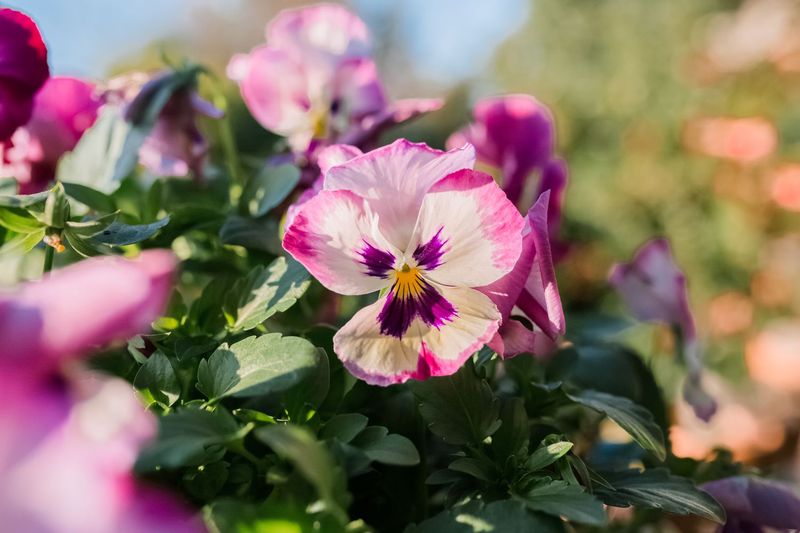
Georgia gardeners have long counted on pansies as one of spring’s most reliable performers, and for good reason. Few flowers bounce back after a frosty night quite like a pansy does.
You can plant them as early as late winter in many parts of Georgia, and they will start putting on a show well before most other flowers even wake up.
Pansies handle temperatures dipping into the mid-20s Fahrenheit, which makes them a smart choice when late cold snaps roll through Georgia in March or April. Pansies are among the best cool-season annuals for Georgia landscapes.
They thrive in temperatures between 45 and 65 degrees Fahrenheit, which lines up well with Georgia’s early spring range.
For the best results, plant pansies in a spot that gets at least six hours of sunlight each day. They appreciate well-drained soil and regular watering, especially during dry stretches.
Removing spent blooms encourages more flowers to open. As temperatures climb into the upper 70s and 80s later in spring, pansy plants tend to slow down, so enjoy their cheerful faces while Georgia’s weather stays on the cooler side.
Their wide range of colors, from deep purple to bright yellow, makes them a favorite for container gardens and flower beds alike.
2. Snapdragons Handle Chilly Nights And Warm Days
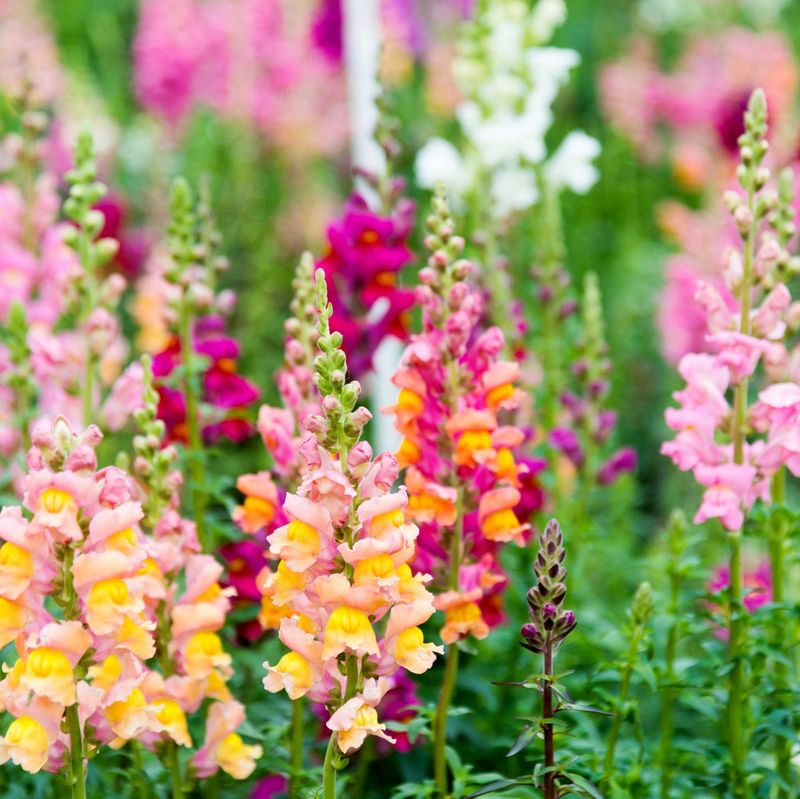
Walking through a Georgia garden in early spring and spotting a row of tall, colorful snapdragons in full bloom is one of those simple gardening rewards that never gets old.
Snapdragons are cool-season annuals that genuinely enjoy the kind of temperature swings Georgia springs are known for.
They grow best when daytime temperatures hover between 60 and 75 degrees Fahrenheit and nights stay cool.
What makes snapdragons especially useful in Georgia gardens is their ability to keep blooming through light frosts.
Established plants can tolerate temperatures down to around 25 degrees Fahrenheit, making them a dependable choice for Georgia’s unpredictable late winter and early spring period.
Plant them in full sun for the strongest stems and most vibrant blooms. They do well in containers, raised beds, and traditional garden borders.
Snapdragons come in a wide range of heights, from dwarf varieties reaching about six inches to tall types that can stretch past two feet. Taller varieties may need staking in Georgia’s occasional spring winds.
Regular deadheading keeps the flower spikes producing new blooms. As Georgia’s summer heat builds, snapdragons typically wind down, so think of them as a spring highlight rather than a summer staple.
Your Georgia Garden Changes Every Week. Your Plan Should Too.
Gardening in Georgia changes quickly throughout the season. Every Friday you’ll receive a simple weekly plan showing exactly what to plant, prune, fertilize, harvest, and protect so you never miss the right timing.
Their bold vertical shape adds great visual interest when planted alongside lower-growing flowers like pansies or dianthus.
3. Calendula Adds Color In Unpredictable Weather
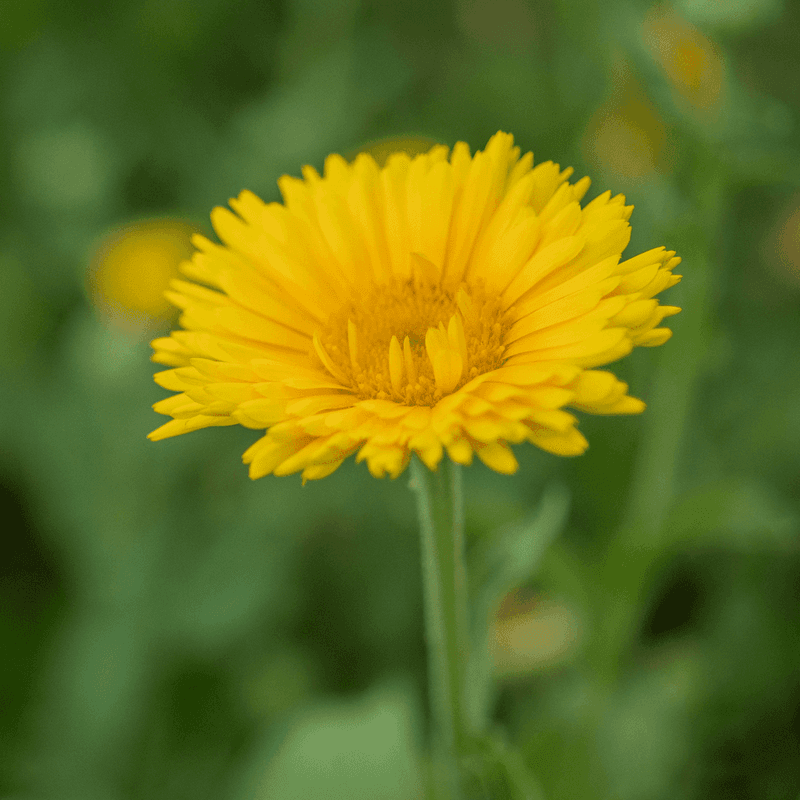
There is something cheerful and almost sunny about calendula that seems fitting for a flower that genuinely thrives in uncertain weather.
Sometimes called pot marigold, calendula is a cool-season annual that performs well in Georgia’s variable spring conditions.
Its bold orange and yellow blooms brighten up garden beds and containers from late winter all the way through late spring.
Calendula grows best in full sun but tolerates light shade, which is helpful in Georgia gardens where tree canopy can create mixed light conditions.
It handles light frosts reasonably well and keeps blooming through the kind of cool, overcast stretches that sometimes settle over Georgia in March.
Seeds can be sown directly in the garden in late winter or early spring when soil temperatures reach around 50 degrees Fahrenheit.
One practical benefit of growing calendula is that it tends to be low maintenance once established. Regular deadheading encourages continued blooming, and plants stay fairly tidy with minimal pruning.
Calendula also has a long history in herbal gardens, with its petals used in teas and skin preparations for centuries.
In Georgia, where spring weather can shift from cool and rainy to warm and bright within a single week, calendula adjusts without much fuss.
It is a solid choice for gardeners who want consistent color without spending a lot of time babysitting their flower beds.
4. Dianthus Blooms Through Early Season Changes
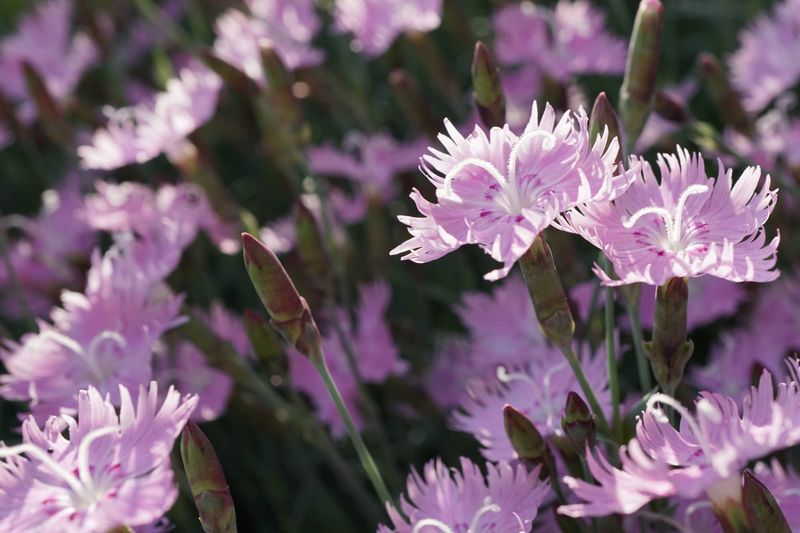
Early spring in Georgia can feel like a guessing game, with warm afternoons giving way to surprisingly cold mornings.
Dianthus, sometimes called pinks or sweet William depending on the variety, handles those swings with a quiet confidence that makes it a go-to option for Georgia gardeners who want reliable early color.
Its spicy, clove-like fragrance is an added bonus that sets it apart from many other cool-season flowers.
Dianthus thrives in full sun and well-drained soil, two conditions that are easy to achieve in many Georgia garden settings.
It tolerates light frosts and performs well when temperatures fluctuate between the 30s and 60s Fahrenheit, which is a common pattern across much of Georgia from February through April.
Dianthus is considered one of the more cold-tolerant flowering annuals available to Southern gardeners.
Plants stay compact and tidy, making them well-suited for edging beds, filling containers, or tucking into rock gardens. Regular removal of spent blooms keeps the plants looking fresh and encourages new flower production throughout the season.
Some dianthus varieties are perennial in Georgia’s warmer zones, meaning they may return the following year.
Watering at the base rather than overhead helps prevent fungal issues, which can be a concern during Georgia’s wetter spring weeks.
Overall, dianthus brings a reliable burst of color during one of the most weather-uncertain periods of the Georgia gardening year.
5. Larkspur Grows Strong In Cool Conditions
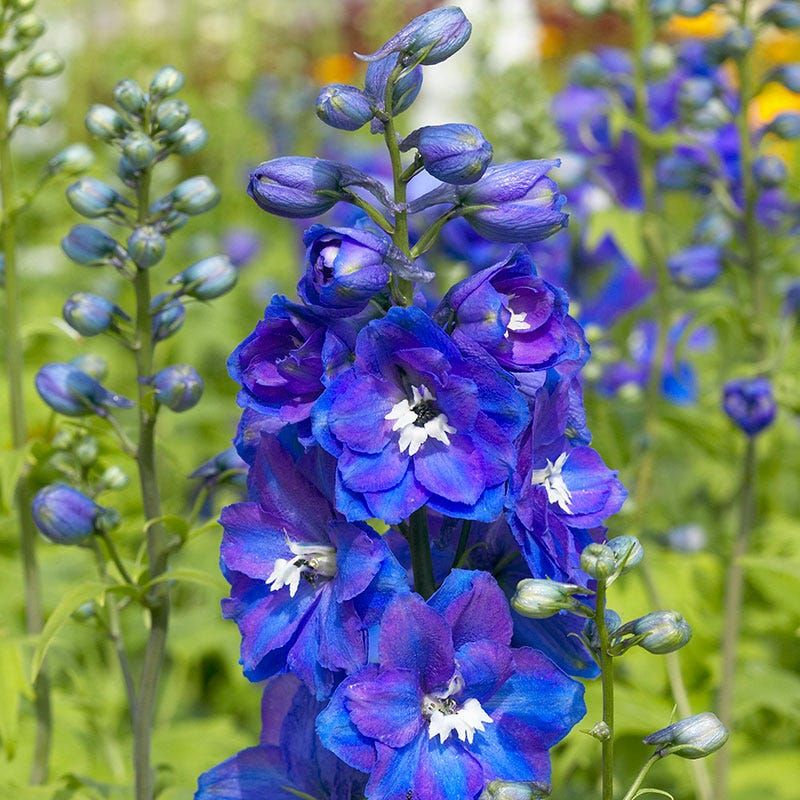
Not every spring flower gets better with a bit of cold, but larkspur actually does. This tall, elegant annual prefers cool growing conditions and is one of the few flowering plants that gardeners in Georgia can sow directly in the ground in late fall or very early spring.
The seeds need a period of cool temperatures to germinate well, which means Georgia’s fluctuating winter-to-spring transition actually works in larkspur’s favor.
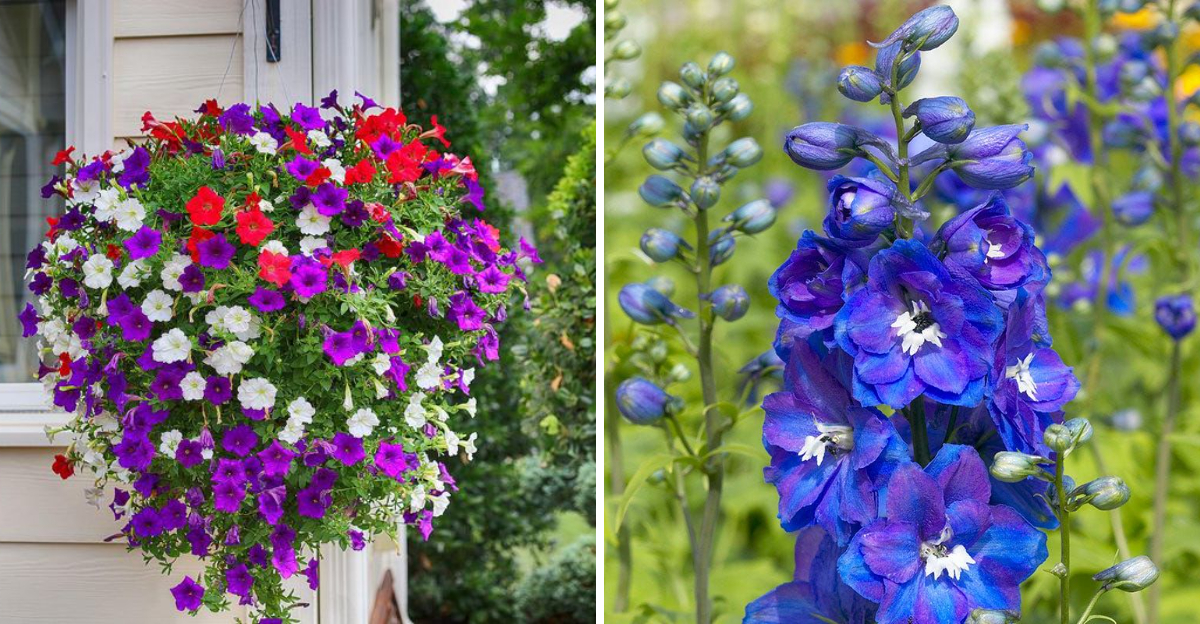
Larkspur produces tall spikes of densely packed flowers in shades of blue, purple, pink, and white.
Plants can reach two to four feet in height, giving Georgia gardens a vertical element that pairs beautifully with lower-growing cool-season flowers.
Full sun is preferred, though larkspur tolerates light afternoon shade in Georgia’s warmer spring weeks. It does best in well-drained soil with moderate moisture.
One thing to keep in mind is that larkspur does not transplant well, so direct seeding is the recommended approach. Scatter seeds in prepared garden beds and lightly rake them into the soil.
Germination typically takes two to three weeks in cool spring conditions. As Georgia’s temperatures climb toward summer, larkspur will naturally finish its bloom cycle and set seed, which can scatter and produce plants again the following spring.
It is a low-effort flower that rewards patient gardeners with stunning vertical color during Georgia’s coolest and most unpredictable spring weeks.
6. Petunias Adjust As Temperatures Rise
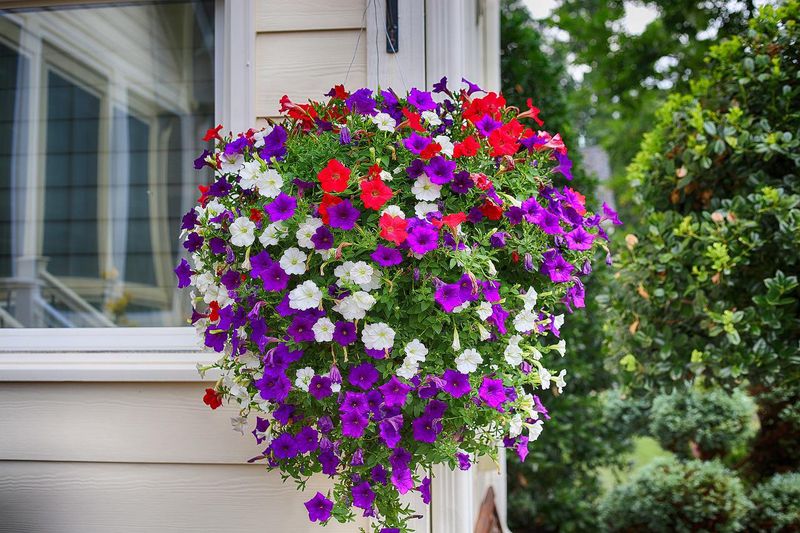
As Georgia’s spring shifts from cool mornings to warmer afternoons, petunias step in right on cue. They bridge the gap between cool-season bloomers and summer flowers, thriving as temperatures climb from the mid-50s into the 70s and beyond.
For Georgia gardeners, this makes petunias a smart choice for late spring when the weather starts warming but has not yet locked into full summer mode.
Petunias come in an impressive range of colors and growth habits, from compact mounding types to trailing varieties that spill beautifully over the edges of containers and window boxes. They prefer full sun, ideally six or more hours per day, and well-drained soil.
In Georgia, where spring afternoons can turn quite warm quickly, petunias hold up better than many other flowers that struggle once temperatures consistently reach the upper 70s.
Watering is important for petunias, especially in containers, which dry out faster during warm Georgia afternoons. A light fertilizer application every couple of weeks helps keep plants blooming vigorously.
Leggy stems can be trimmed back by about a third to encourage bushier growth and more flowers.
Petunias can handle a light, unexpected late frost if one sneaks in during Georgia’s early spring, though prolonged freezing temperatures will cause damage.
Their adaptability and wide color selection make them one of the most popular spring-to-summer transition flowers across Georgia gardens and landscapes.
7. Verbena Keeps Blooming As Spring Warms
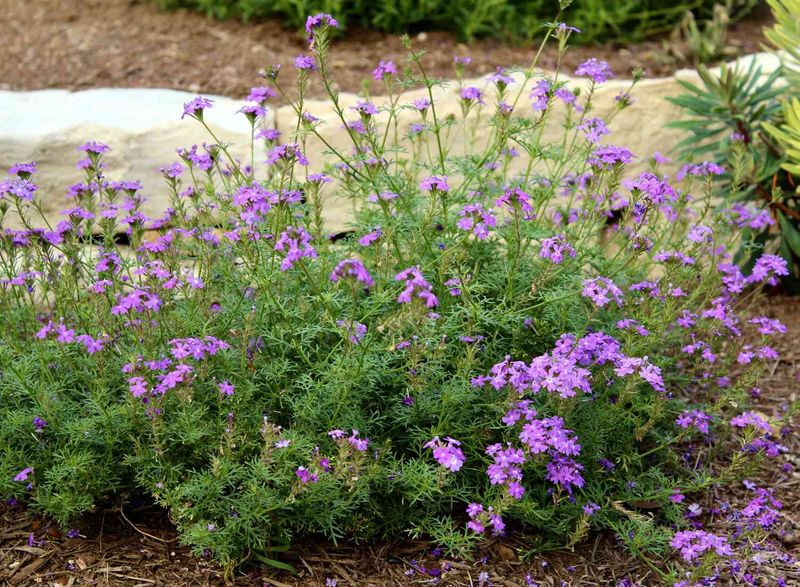
Few flowers match verbena’s ability to keep putting out blooms as Georgia’s spring weather transitions from cool and unpredictable to consistently warm.
Verbena is a heat-tolerant, sun-loving plant that actually starts gaining momentum as temperatures rise through the 60s and into the 70s.
It bridges the gap between early spring cool-season flowers and the heat-lovers that take over Georgia gardens in summer.
Verbena grows in a low, spreading habit that makes it useful as a ground cover, in hanging baskets, or trailing over the edges of raised beds.
It thrives in full sun and well-drained soil, which is important in Georgia where heavy spring rains can create soggy conditions.
Good drainage helps prevent root problems during wetter stretches of the season. Verbena is moderately drought-tolerant once established, which is a practical advantage during Georgia’s occasional dry spring spells.
Bloom colors range from deep purple and magenta to soft pink, white, and red, giving gardeners plenty of options for coordinating with other spring flowers.
While verbena is not as cold-hardy as pansies or snapdragons, it handles light cool snaps in the 40s without much trouble.
Deadheading or light trimming encourages fresh bloom cycles throughout the season. In warmer parts of Georgia, verbena may even return as a short-lived perennial, adding color to the garden for a second spring with minimal replanting effort.
8. Coreopsis Brings Color Through Changing Weather
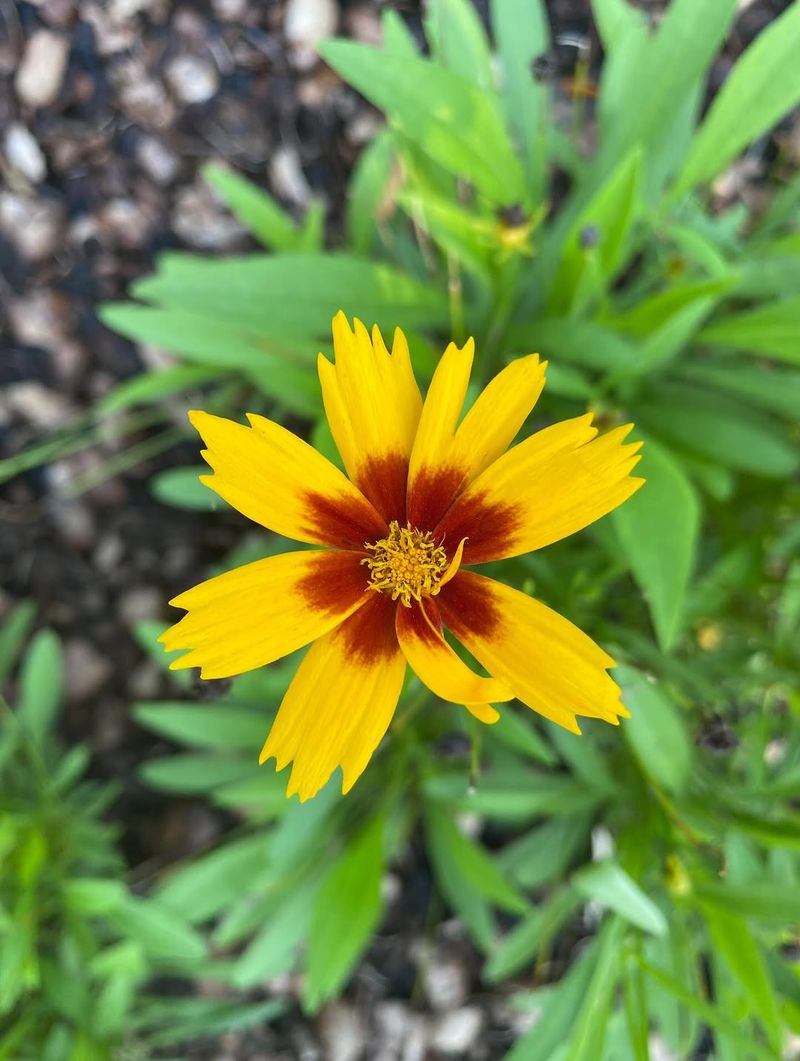
Georgia is actually home to several native coreopsis species, which gives this cheerful yellow flower a natural advantage when it comes to handling the state’s unpredictable spring weather.
Native plants have adapted over generations to local soil types, rainfall patterns, and temperature fluctuations, and coreopsis is no exception.
Its bright, daisy-like blooms bring a warm splash of color to Georgia gardens from late spring onward.
Coreopsis thrives in full sun and tolerates a wide range of soil conditions, including the sandy or clay-heavy soils common across different parts of Georgia.
It handles both dry spells and brief wet periods with relative ease, making it a low-maintenance option for gardeners who do not want to monitor weather forecasts before deciding whether to water.
Most varieties are also fairly drought-tolerant once their root systems are established.
Perennial coreopsis varieties return each spring, which is a significant advantage for Georgia gardeners looking to build a low-effort, reliable garden. Annual types provide a dense flush of blooms in their first season.
Either way, coreopsis pairs well with other spring and early summer flowers, adding a sunny contrast to purple verbena, pink dianthus, or white pansies.
Removing spent flowers encourages continued blooming well into summer.
For Georgia gardeners who want a flower that feels at home in the local landscape and keeps performing as spring temperatures climb, coreopsis is a natural fit.