Desert Plants To Get In The Ground In April Before Arizona Temps Spike
April in Arizona has a way of putting gardeners on the clock. One minute the weather feels pleasant enough to linger outside with your coffee, and the next the forecast starts throwing around the kind of numbers that make you rethink every outdoor plan.
That is why this month matters so much for planting. Desert-adapted plants need time to settle in before the real heat bears down, and waiting too long can make that job a lot harder on both you and the plant.
Getting them in the ground now gives roots a better chance to establish while conditions are still more forgiving. It is one of those timing moves that can make a big difference later.
Arizona gardeners who know this window tend to use it well, because it does not stay open for long.
Some plants are especially worth prioritizing before summer starts throwing elbows.
1. Agave Built For Heat And Drought
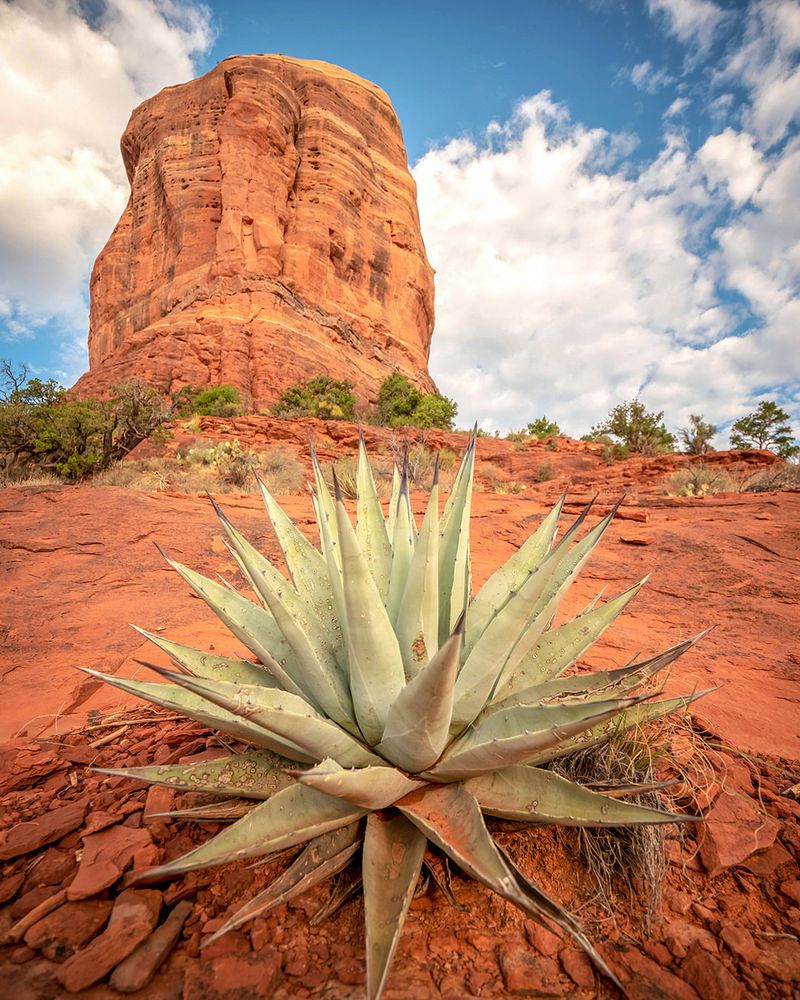
Bold, sculptural, and nearly impossible to ignore, agave is one of those plants that makes a statement without asking for much in return. Planting it in April across Arizona gives it the perfect runway to establish a strong root system before summer temperatures push into triple digits.
Once settled in, agave becomes a true desert warrior.
Agave plants store water in their thick, fleshy leaves, which is exactly why they handle Arizona’s dry spells so well. They prefer full sun and well-draining soil, so rocky or sandy ground works great.
Avoid overwatering, because soggy roots are the one thing agave simply cannot tolerate.
There are dozens of agave varieties to choose from, ranging from small tabletop sizes to massive plants that can span six feet across. Popular choices for Arizona include Agave americana, Agave parryi, and the smaller Agave desmettiana.
Each one brings a unique shape and texture to the landscape.
Beyond looking incredible, agave also attracts pollinators when it blooms, which adds even more life to your yard. The plant is deer-resistant too, which is a real bonus in areas where wildlife wanders through.
Plant it where it has room to grow, and it will reward you with years of effortless beauty in your Arizona garden.
2. Saguaro Iconic Growth For Long-Term Impact
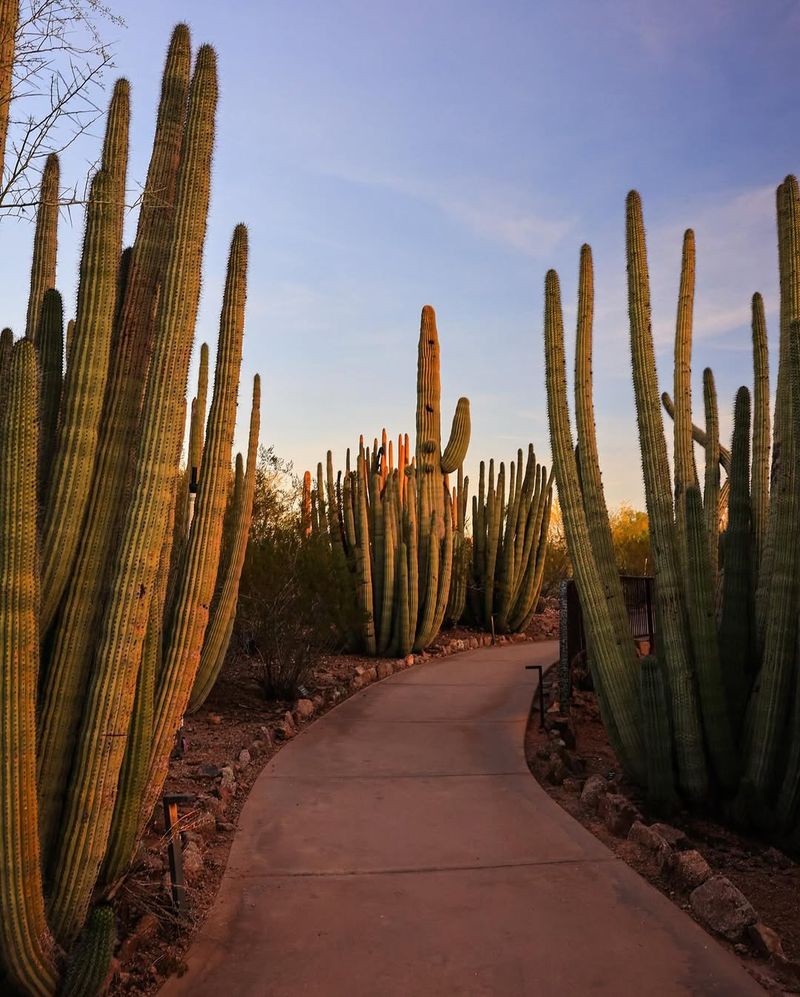
Standing tall like a symbol of the American Southwest, the saguaro cactus is as iconic as it gets in Arizona. These slow-growing giants can live for over 150 years and eventually reach heights of 40 feet or more.
Planting a young saguaro in April gives it the warm soil temperatures it needs to begin establishing those all-important roots.
Saguaros are native to the Sonoran Desert, which means Arizona is their home turf. They prefer south or southeast-facing slopes with rocky, well-draining soil and plenty of direct sunlight.
When planting, position the saguaro at the same depth it was growing in its nursery container, and handle it carefully to avoid damaging the delicate root system.
Young saguaros benefit from a bit of shade during their first summer, especially in the low desert regions of Arizona like Phoenix and Tucson. A shade cloth or a nearby nurse plant can protect them while they settle in.
Your Arizona Garden Changes Every Week. Your Plan Should Too.
Gardening in Arizona changes quickly throughout the season. Every Friday you’ll receive a simple weekly plan showing exactly what to plant, prune, fertilize, harvest, and protect so you never miss the right timing.
After the first year, they become significantly more heat-tolerant and require very little attention.
Patience is part of the saguaro experience. Growth is measured in inches per year during the early stages, but watching this magnificent plant slowly develop is genuinely rewarding.
Birds like Gila woodpeckers carve cavities into mature saguaros, creating mini ecosystems right in your yard. Planting one this April means starting a living legacy that future generations in Arizona will admire and enjoy.
3. Lantana Nonstop Color In Blazing Heat
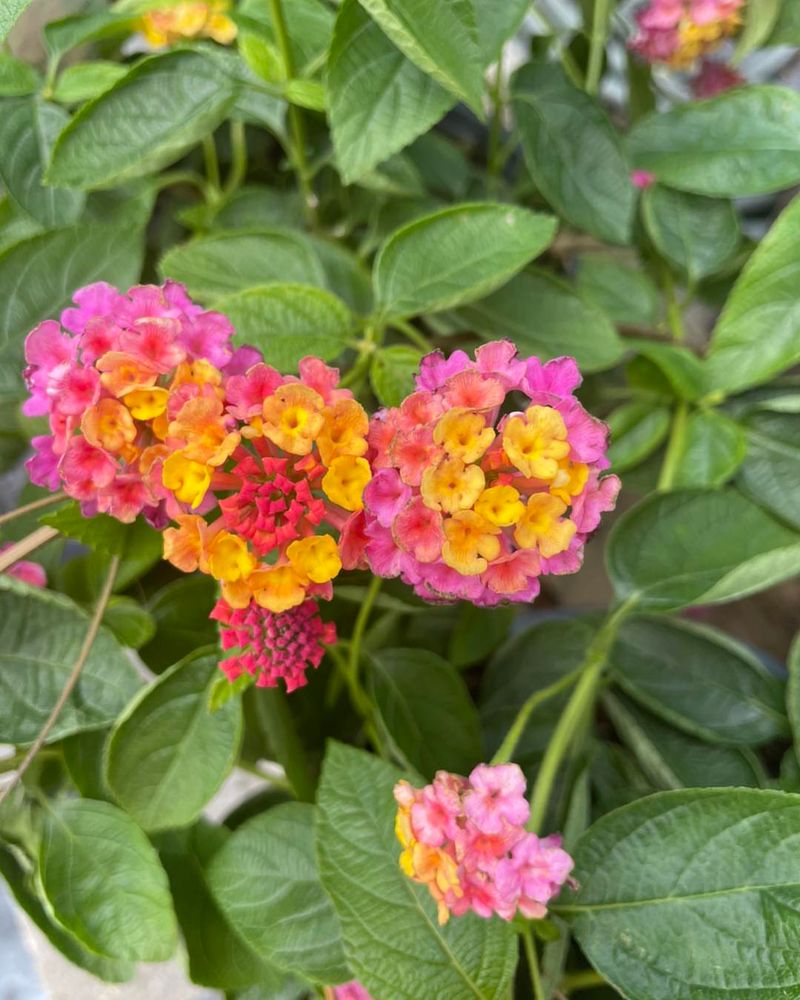
Cheerful, colorful, and absolutely loved by butterflies, lantana is one of the most rewarding plants you can put in the ground in April across Arizona. The clusters of tiny blooms come in shades of orange, yellow, red, pink, and purple, often mixing multiple colors on a single flower head.
It is the kind of plant that makes even a simple yard look professionally landscaped.
Lantana thrives in full sun and handles Arizona’s heat with impressive ease once established. April planting gives the roots time to spread through the warm soil before summer arrives in full force.
Water regularly for the first few weeks, then gradually reduce as the plant shows signs of strong new growth.
One of the best things about lantana is how little fuss it requires. It tolerates poor soil, low water, and high temperatures without complaint.
Pruning it back slightly in early spring encourages bushier growth and more blooms throughout the season, which means more color and more butterfly activity in your Arizona garden.
Lantana also works beautifully as a ground cover on slopes or as a cascading plant in raised beds and containers. Trailing varieties can spread up to four feet wide, filling gaps in the landscape quickly and efficiently.
Hummingbirds are also known to visit lantana regularly, adding even more wildlife appeal. For a bold, low-effort splash of color in your Arizona yard, lantana is an easy and enthusiastic choice this April.
4. Bougainvillea Bold Color That Loves Dry Air
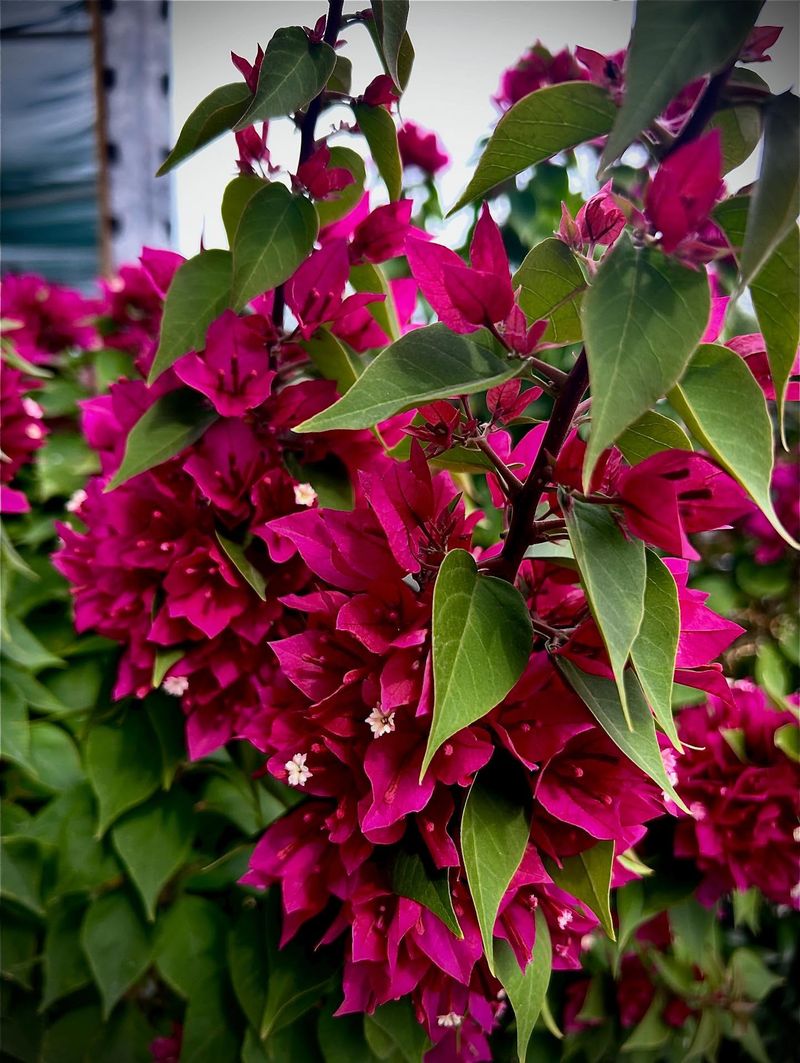
Walk through almost any neighborhood in Phoenix, Tucson, or Scottsdale in spring and you will likely spot at least one bougainvillea putting on a spectacular show. Those vivid bursts of magenta, orange, red, or purple are actually modified leaves called bracts, not petals, which is a fun little botanical detail that surprises most people.
Planting bougainvillea in April in Arizona sets it up for a season of breathtaking color.
Bougainvillea is a sun-loving, heat-tolerant plant that thrives in well-draining soil. It actually blooms more vigorously when it experiences a bit of stress, meaning slightly drier conditions can encourage an even more dramatic floral display.
Overwatering is one of the most common mistakes Arizona gardeners make with this plant, so hold back once it is established.
Training bougainvillea on a trellis, pergola, or fence is a popular approach across Arizona because it grows quickly and provides both shade and color. It can also be pruned into a rounded shrub shape for more structured landscapes.
Just be mindful of its thorns when working around it, and wear gloves during pruning sessions.
Bougainvillea is remarkably drought-tolerant once its root system matures, making it perfectly suited for Arizona’s water-conscious gardening culture. Fertilizing lightly in spring and summer helps maintain strong growth and bloom production.
Few plants deliver as much visual drama with as little maintenance, which is exactly why bougainvillea remains one of Arizona’s most beloved landscape plants year after year.
5. Cactus Thriving In Extreme Desert Conditions
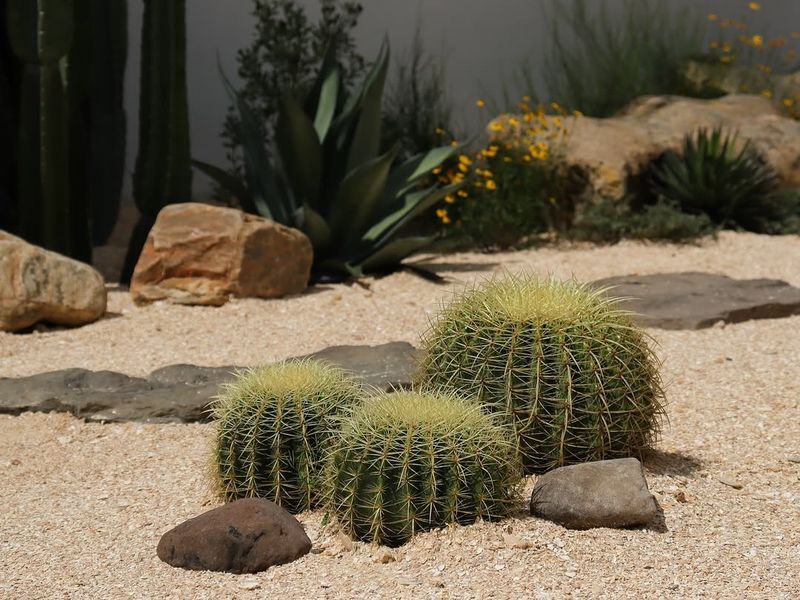
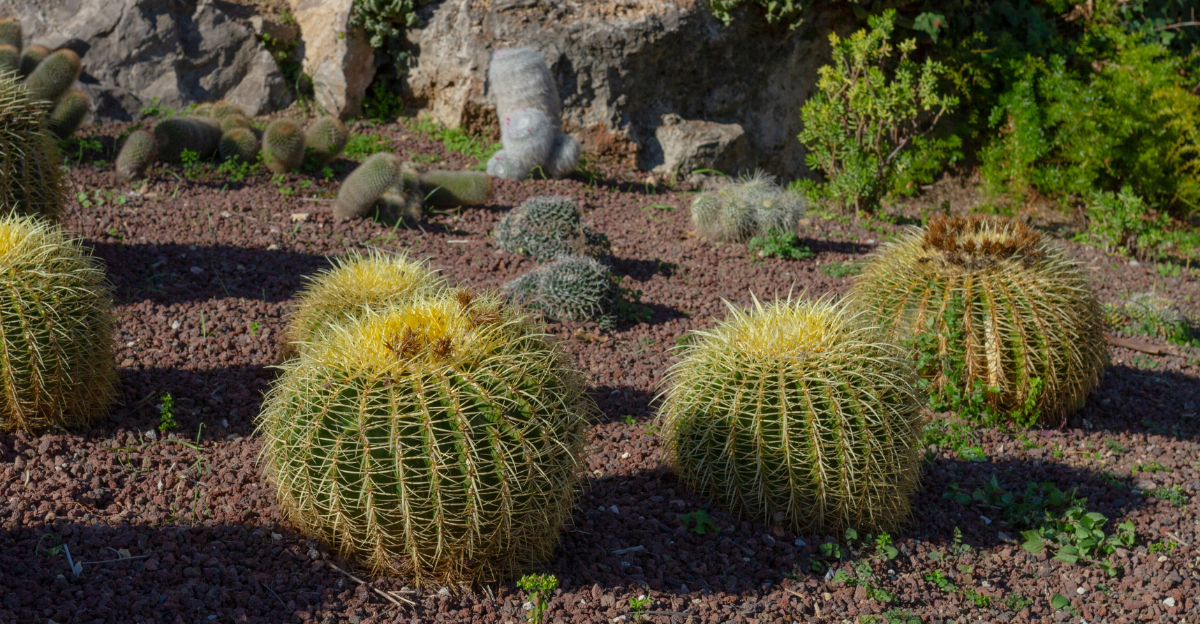
Tough, fascinating, and surprisingly varied, cacti come in hundreds of shapes and sizes that can suit almost any desert garden style. Planting them in April means they get a head start on building roots while the soil is warm but the air is not yet punishing.
Most cacti thrive in full sun and fast-draining soil, which makes Arizona’s natural landscape pretty much ideal. When planting, dig a hole about the same depth as the root ball and twice as wide.
Backfill with native soil mixed with gravel or coarse sand to keep drainage sharp and prevent root rot.
Watering newly planted cacti once a week during the first month helps them settle in without stress. After that, you can back off significantly, especially once summer monsoon rains begin rolling through Arizona in July.
Cacti are remarkably efficient at capturing and storing whatever moisture they receive.
One fun fact worth knowing: mature saguaros can absorb large amounts of water during a single rainstorm and store it for later dry periods. Barrel cacti, prickly pear, and cholla are all excellent April planting choices.
Each one adds a distinctive desert character to the yard while staying tough and reliable through the harshest Arizona summers imaginable.
6. Vinca Tough Blooms Through Summer Heat
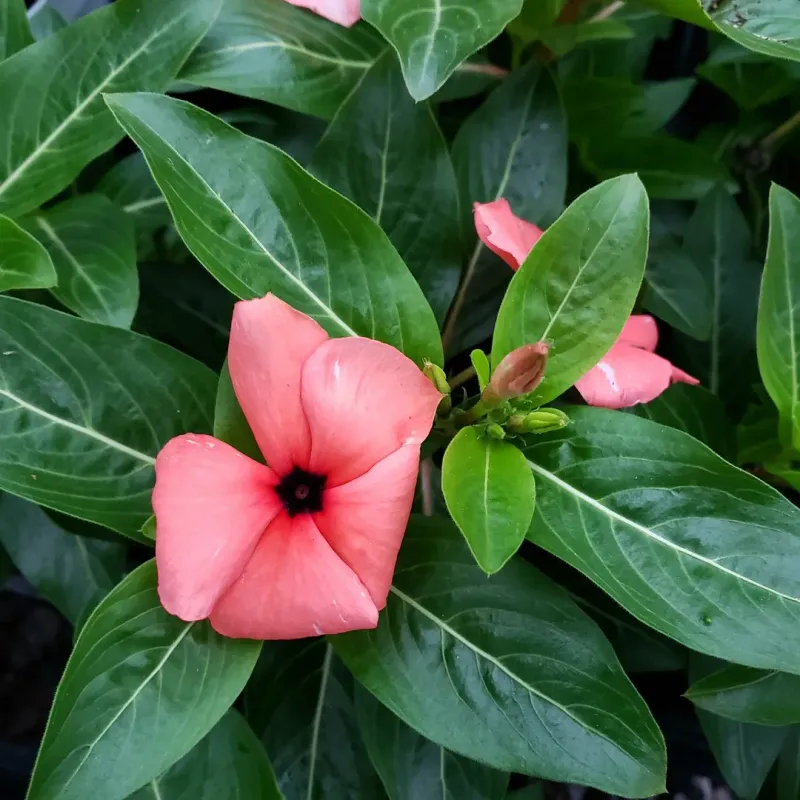
If you want reliable color that holds up through an Arizona summer without constant babying, vinca is your answer. Also called periwinkle or Catharanthus roseus, vinca produces cheerful five-petaled flowers in shades of pink, red, white, lavender, and coral.
Getting it in the ground in April gives it a solid foundation before the blazing heat of May and June rolls in across the state.
Vinca is one of the few flowering plants that genuinely enjoys the intense heat Arizona dishes out in summer. It actually tends to look better in July and August than many other annuals that start to struggle.
Plant it in full sun or partial shade, in well-draining soil, and water it consistently while it is getting established during those first few weeks.
Spacing vinca plants about 12 inches apart allows them to fill in nicely without overcrowding, which helps prevent fungal issues in more humid conditions. In Arizona, the dry air generally keeps diseases at bay, making vinca a relatively carefree choice for borders, garden beds, and container plantings alike.
Vinca also has an interesting history as a medicinal plant. Compounds derived from it have been used in cancer treatment research for decades, which makes it far more than just a pretty face.
For Arizona gardeners looking for a tough, long-blooming, and visually appealing plant to add to spring beds, vinca delivers season-long satisfaction with very little effort required from you.
7. Basil Fast Growth Before Intense Heat Hits
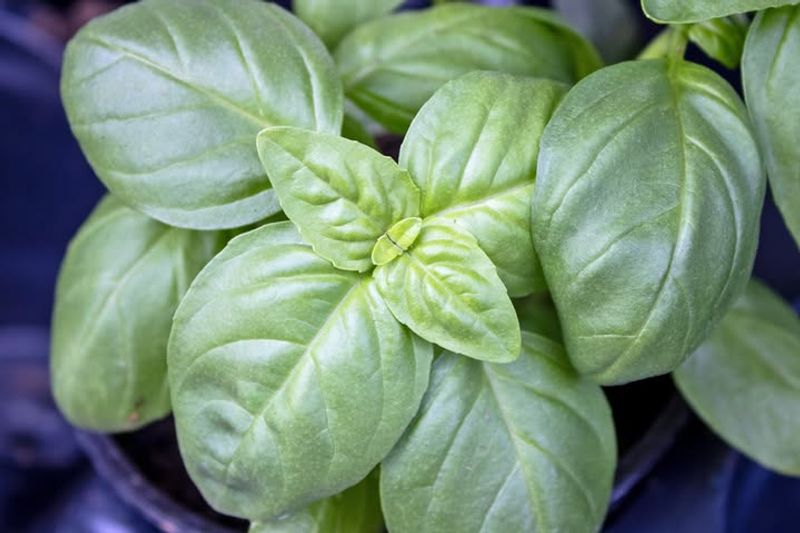
Basil might not be the first plant that comes to mind when thinking about Arizona desert gardening, but it is actually one of the best herbs to get in the ground this April. Warm soil, plenty of sunshine, and mild spring temperatures create near-perfect conditions for basil to take off quickly.
By the time summer arrives, you will have a generous supply ready for cooking.
Basil loves heat, which is great news for Arizona gardeners. It needs at least six hours of direct sunlight daily and consistently moist, well-draining soil.
Water it at the base rather than overhead to keep the leaves dry and reduce the chances of any fungal spots forming on the foliage.
Pinching off flower buds as they appear is the key to keeping basil productive all season long. Once basil bolts and goes to seed, the leaves become more bitter and production slows down.
Regular harvesting from the top down actually encourages the plant to grow bushier and produce more fresh leaves over time.
Sweet basil is the most popular variety, but Arizona gardeners also do well with Thai basil, lemon basil, and cinnamon basil, each bringing a unique flavor profile to the kitchen. Growing basil near tomatoes is a classic companion planting strategy that many Arizona gardeners swear by.
Fresh homegrown basil on a summer pizza or in a caprese salad is one of those simple pleasures that makes the effort of April planting completely worth it.
8. Lemongrass Lush Growth In Warm Conditions
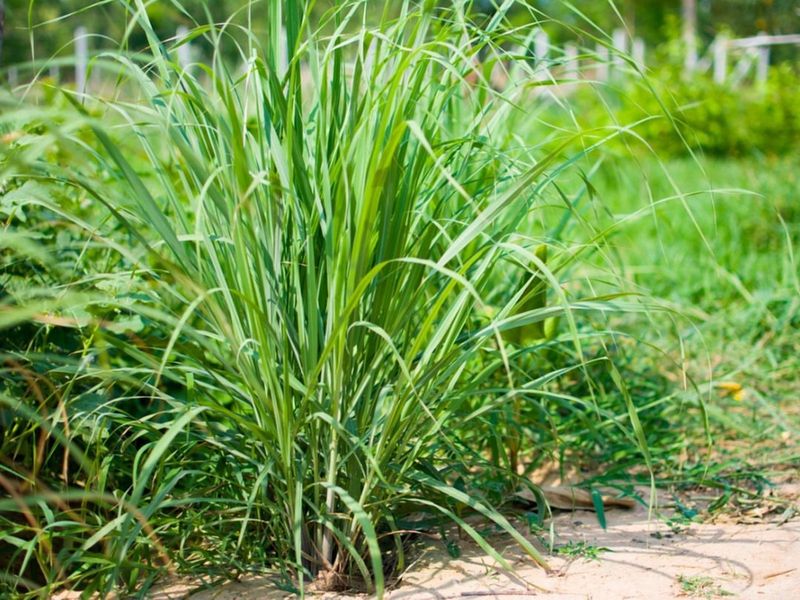
Its tall, arching blades release a bright citrus scent when brushed against, and the plant itself is incredibly useful in the kitchen for teas, soups, and marinades. April is the ideal month to get lemon grass established in Arizona, when the soil is warm and conditions are cooperative before summer heat intensifies.
Lemon grass thrives in full sun and well-draining soil, both of which Arizona provides in abundance. It grows in dense clumps that can reach three to five feet tall and wide, making it a great choice for adding vertical interest and texture to garden beds.
Water it consistently during the first few weeks after planting to help the roots anchor firmly into the soil.
Once established, lemon grass becomes quite drought-tolerant, though it appreciates regular watering during the driest stretches of the Arizona summer. Mulching around the base helps retain soil moisture and keeps the root zone cooler on especially hot days.
Fertilizing once a month with a balanced fertilizer during the growing season encourages lush, full growth.
Lemon grass also acts as a natural mosquito repellent, which is a welcome bonus during Arizona’s warm outdoor evenings. The same citronella compounds that mosquitoes dislike give the plant its characteristic lemony fragrance.
Dividing clumps every couple of years keeps the plant vigorous and gives you extra starts to share with fellow Arizona gardeners or expand your own landscape.