Here’s What To Do For Oregon Azaleas Before Peak Bloom Season
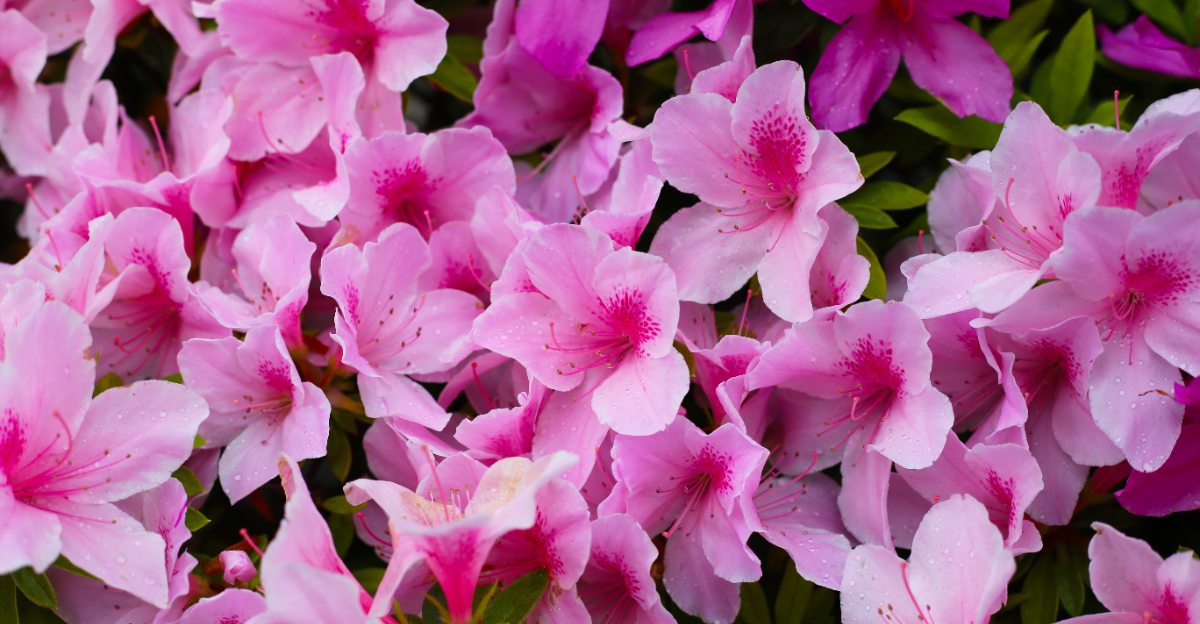
Oregon azaleas do not need a lot of fuss before bloom, but the right spring care can make a noticeable difference in how full, healthy, and colorful they look.
As buds begin to swell and the garden starts waking up, this is the window when a few simple tasks can really pay off.
Tidy up around the base, check the soil, and make sure the plant is not competing with weeds or struggling in dry conditions if spring rains ease up. It is also a good time to look for winter damage and make small adjustments before flowers steal the show.
The key is knowing what helps and what can interfere with blooming. Get it right now, and your Oregon azaleas can head into peak season looking lush, vibrant, and ready to put on their best display.
1. Check Light And Location
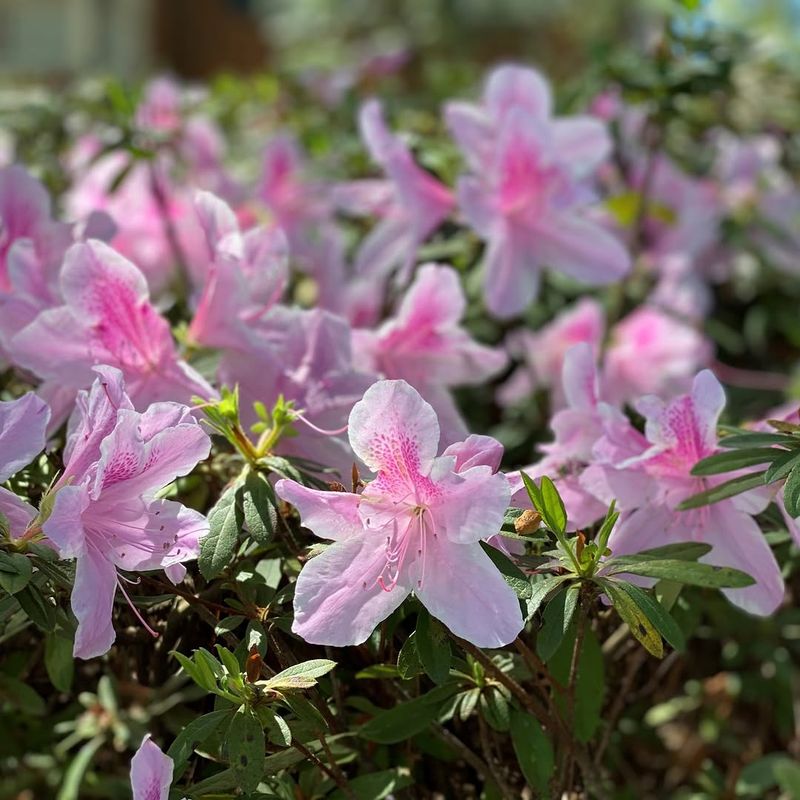
Not every spot in your yard is created equal, and azaleas are picky about where they grow. Before bloom season kicks in, take a walk around your Oregon garden and observe how much sunlight each of your azalea plants is actually getting throughout the day.
Azaleas prefer bright, dappled shade rather than full, harsh sun.
Too much direct afternoon sun can stress the plant and cause the flowers to fade quickly. On the other hand, too much shade can reduce blooming and make the plant look leggy over time.
A spot that gets morning sun and afternoon shade is usually the sweet spot for most varieties.
If your azalea has been in the same location for years and never blooms well, the light situation might be the problem. Oregon’s landscape offers plenty of natural tree cover, which can work in your favor.
Use nearby trees or structures to filter the light if needed. Checking the location now, before buds open, gives you time to make small adjustments like trimming nearby branches to improve airflow and light without disturbing the plant during its most important growing period.
2. Water Deeply, Not Constantly
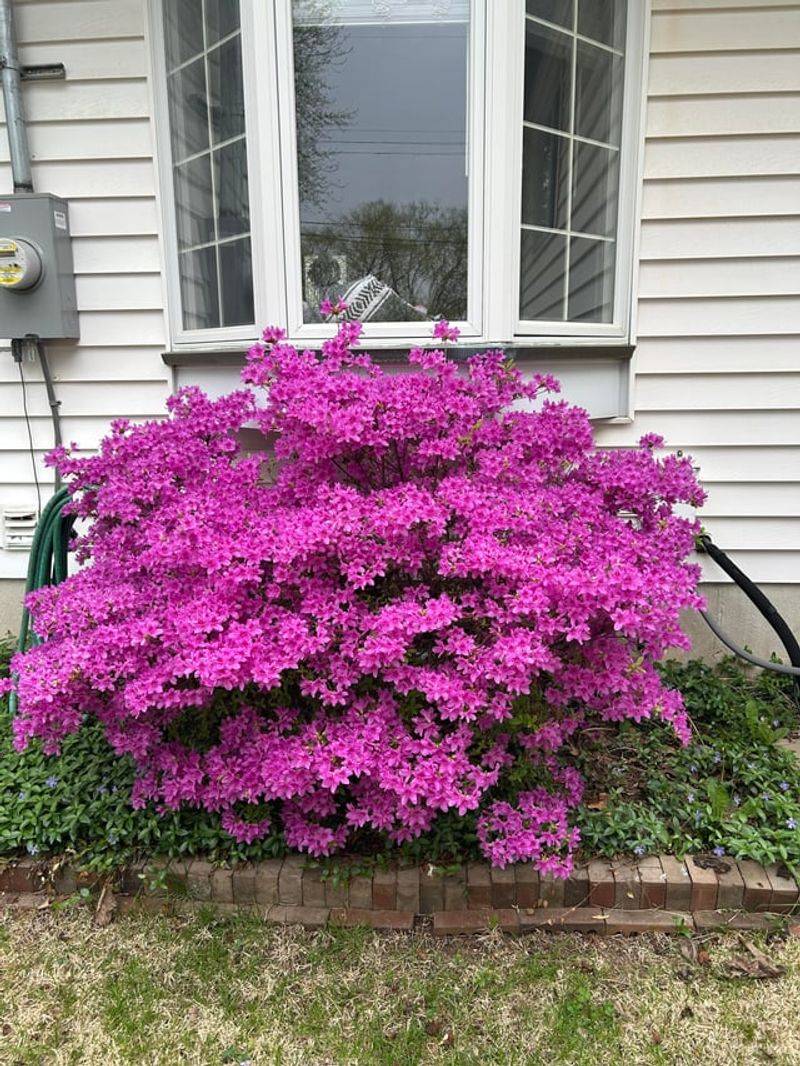
One of the most common mistakes azalea growers make is watering too often without watering deeply enough. Azaleas have shallow roots, which means they dry out faster than you might expect.
But constantly keeping the soil soggy can lead to root rot, which is a serious problem.
The goal is to water deeply once or twice a week rather than giving the plants a small drink every day. Deep watering encourages roots to grow downward, making the plant stronger and more resilient.
In Oregon, spring rains often help, but you should still monitor the soil moisture regularly.
Stick your finger about two inches into the soil near the base of the plant. If it feels dry, it’s time to water.
If it still feels damp, hold off for another day or two. When you do water, aim for the base of the plant rather than spraying the leaves, which can encourage fungal issues.
Mornings are the best time to water so the foliage can dry out during the day. Consistent, deep watering before peak bloom helps the plant push out fuller, longer-lasting flowers when the season arrives.
Your Oregon Garden Changes Every Week. Your Plan Should Too.
Gardening in Oregon changes quickly throughout the season. Every Friday you’ll receive a simple weekly plan showing exactly what to plant, prune, fertilize, harvest, and protect so you never miss the right timing.
3. Refresh Mulch Before Bloom
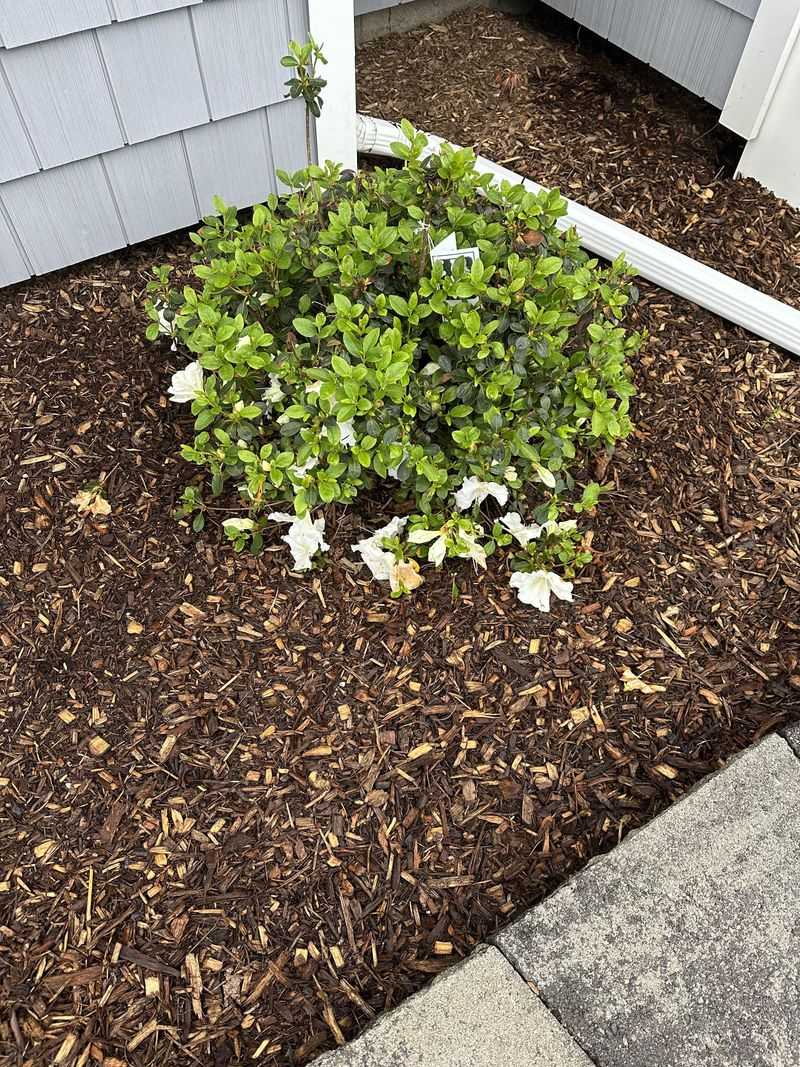
Mulch might seem like a small detail, but it plays a huge role in keeping your azaleas happy before bloom season. A fresh layer of mulch helps retain moisture in the soil, keeps roots cool, and slowly adds nutrients back into the ground as it breaks down.
In Oregon’s unpredictable spring weather, that moisture retention can make a big difference.
Pine bark, wood chips, or shredded leaves all work well for azaleas. Aim for a layer about two to three inches deep around the base of each plant.
Be careful not to pile mulch directly against the trunk or stems, as this can trap moisture and lead to rot or pest problems.
Before you add fresh mulch, rake away any old, matted-down material from the previous season. Old mulch can become compacted and actually block water from reaching the roots.
Refreshing it gives you a clean start and improves the overall look of your garden beds. In the Pacific Northwest, organic mulches also help maintain the slightly acidic soil pH that azaleas love.
Getting this step done before the flowers open means your plants will have steady support right when they need it most.
4. Feed At The Right Time

Timing your fertilizer application correctly can mean the difference between a good bloom season and a great one. Azaleas are heavy feeders during certain periods, but feeding them at the wrong time can actually cause more harm than good.
The best window to fertilize in Oregon is right after the last frost and just before the buds begin to swell.
Choose a fertilizer that is specifically formulated for acid-loving plants like azaleas and rhododendrons. These blends typically contain the right balance of nitrogen, phosphorus, and potassium, along with micronutrients that support healthy blooming.
Slow-release granular fertilizers are a great choice because they feed the plant steadily over several weeks.
Avoid over-fertilizing, which can push the plant to grow lots of leaves but fewer flowers. Follow the package directions carefully and water the fertilizer in well after applying.
If you fertilize too late in the season, you risk encouraging new growth that is too tender to handle any surprise cold snaps that are common in Oregon’s spring. Feeding at the right moment gives your azaleas the energy boost they need to produce vibrant, full blooms without putting the plant under unnecessary stress during a critical growth period.
5. Protect Shallow Roots
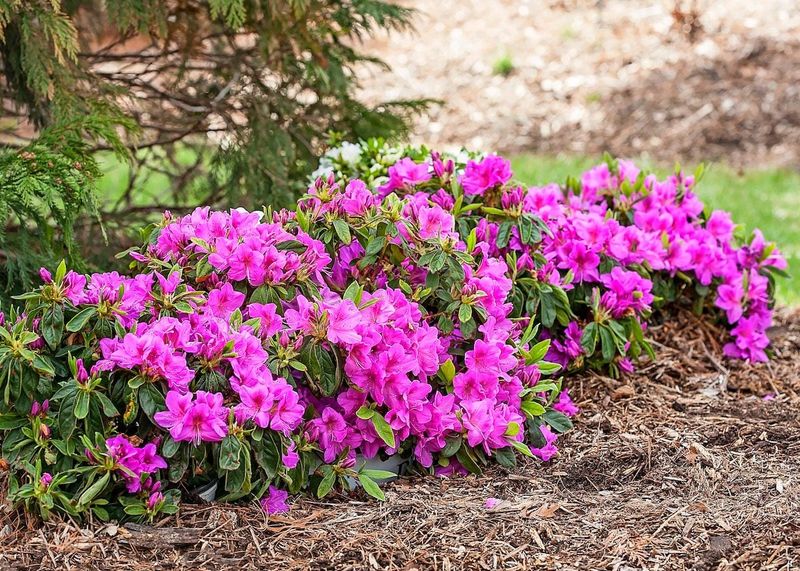
Azalea roots grow close to the surface, which makes them surprisingly easy to damage without even realizing it. Before bloom season, it is a good idea to check the area around your plants and make sure nothing is compressing or disturbing the soil where those roots live.
Foot traffic, heavy garden tools, and even enthusiastic weeding can cause damage.
In Oregon, spring soil tends to be soft and wet, which makes it even more vulnerable to compaction. Try to avoid walking directly around the base of your azaleas during this time.
If you need to work near them, use a kneeling board to distribute your weight more evenly and reduce soil compression.
Weeds that pop up near azaleas can also compete for nutrients and moisture, so remove them by hand rather than using a hoe or cultivator near the root zone. Pulling weeds carefully and gently is much safer for those delicate surface roots.
Adding that fresh layer of mulch mentioned earlier also helps protect the roots from temperature swings, which are common during Oregon’s early spring. Keeping the root zone undisturbed and well-insulated helps the plant focus all of its energy on producing the beautiful blooms you’ve been waiting for all winter long.
6. Remove Winter Damage
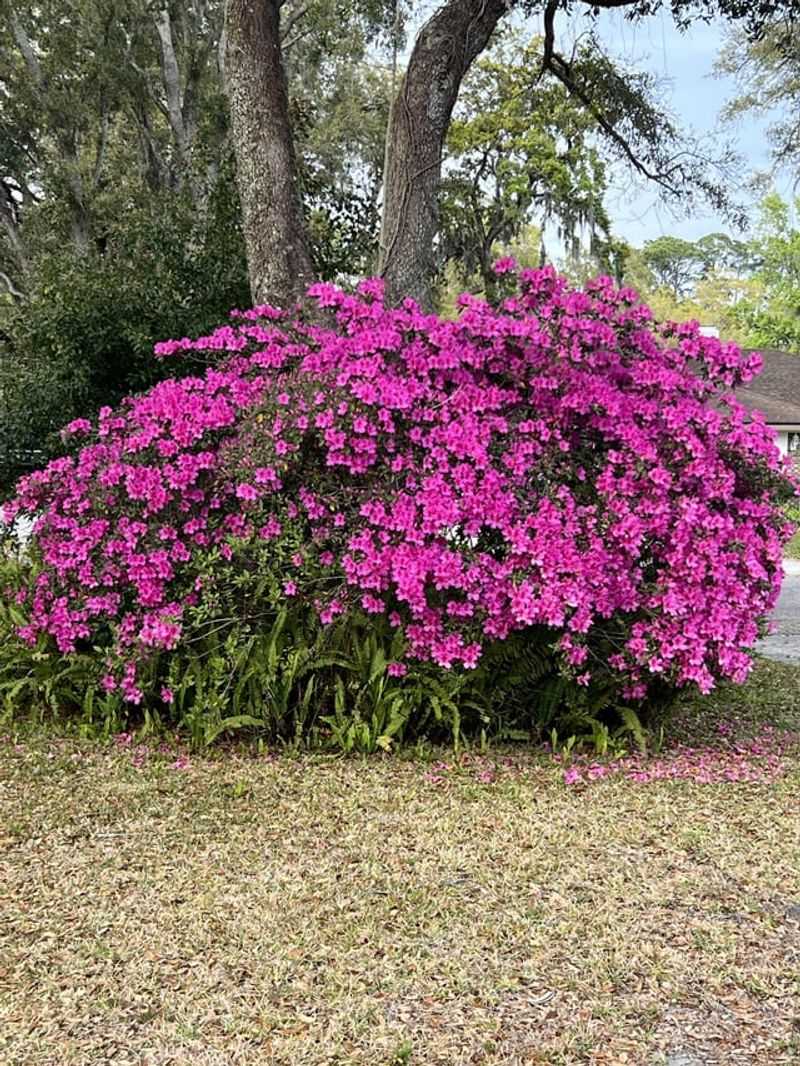
Oregon winters can be tough on azaleas, especially when temperatures drop unexpectedly or frost arrives later than usual. Before the new growing season takes off, spend some time carefully inspecting your plants for any signs of winter damage.
Look for branches that are brittle, discolored, or completely dried out.
A simple scratch test can tell you a lot. Use your fingernail to gently scratch the surface of a branch.
If the layer underneath is green, the branch is still alive. If it is brown and dry all the way through, that section has likely not survived the winter and should be removed.
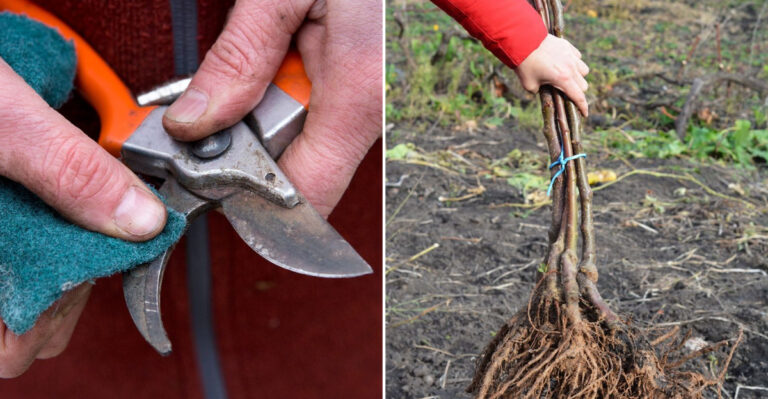
Use clean, sharp pruning shears to cut back any damaged wood to the nearest healthy growth point. Cutting with clean tools helps prevent the spread of disease from one cut to another.
Dispose of the removed material rather than leaving it on the ground near the plant. Removing dead or damaged wood before bloom season encourages the plant to direct its energy toward healthy new growth and flower production.
It also improves airflow through the plant, which reduces the risk of fungal problems during Oregon’s wet spring months. A little cleanup now goes a long way toward a healthier, more vibrant display of color later.
7. Watch For Bud Problems
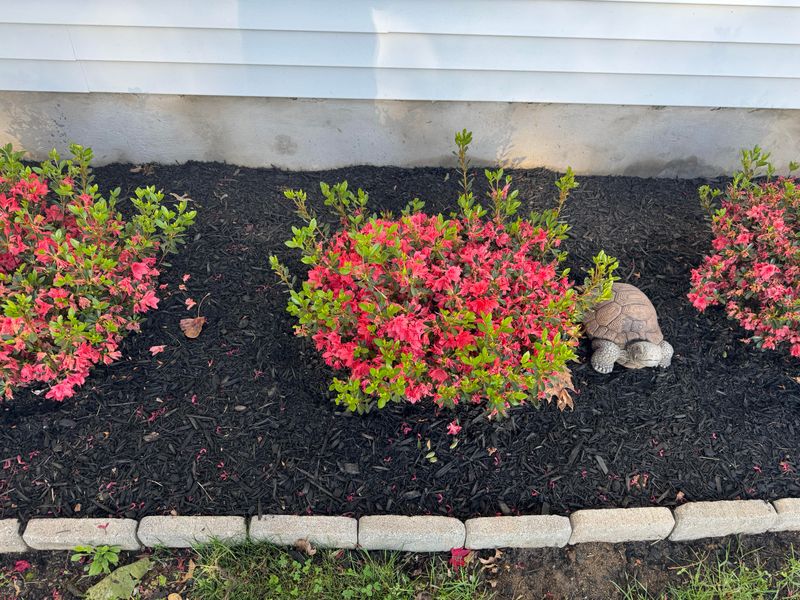
Healthy buds are a great sign that your azaleas are on track for a beautiful bloom season. But sometimes, buds can fail to open, turn brown, or fall off before they ever get the chance to flower.
Catching these problems early gives you the best shot at saving the bloom season before things get worse.
One common cause of bud problems in Oregon is a late frost that sneaks in after the buds have already started to swell. Frost-damaged buds often turn mushy or dark brown and will not recover.
If you see this happening, cover your plants with a lightweight frost cloth on nights when temperatures are expected to drop below freezing.
Another issue to watch for is azalea bud blast, a fungal condition that causes buds to turn brown and dry without ever opening. This is often spread by a tiny insect called a rhododendron leafhopper.
If you notice this problem, remove the affected buds and dispose of them away from the plant. Keeping good airflow around your azaleas and avoiding overhead watering can help prevent fungal issues from taking hold.
Staying observant during the weeks leading up to peak bloom in Oregon puts you in the best position to act quickly when something does not look quite right.
8. Avoid Pruning Too Soon
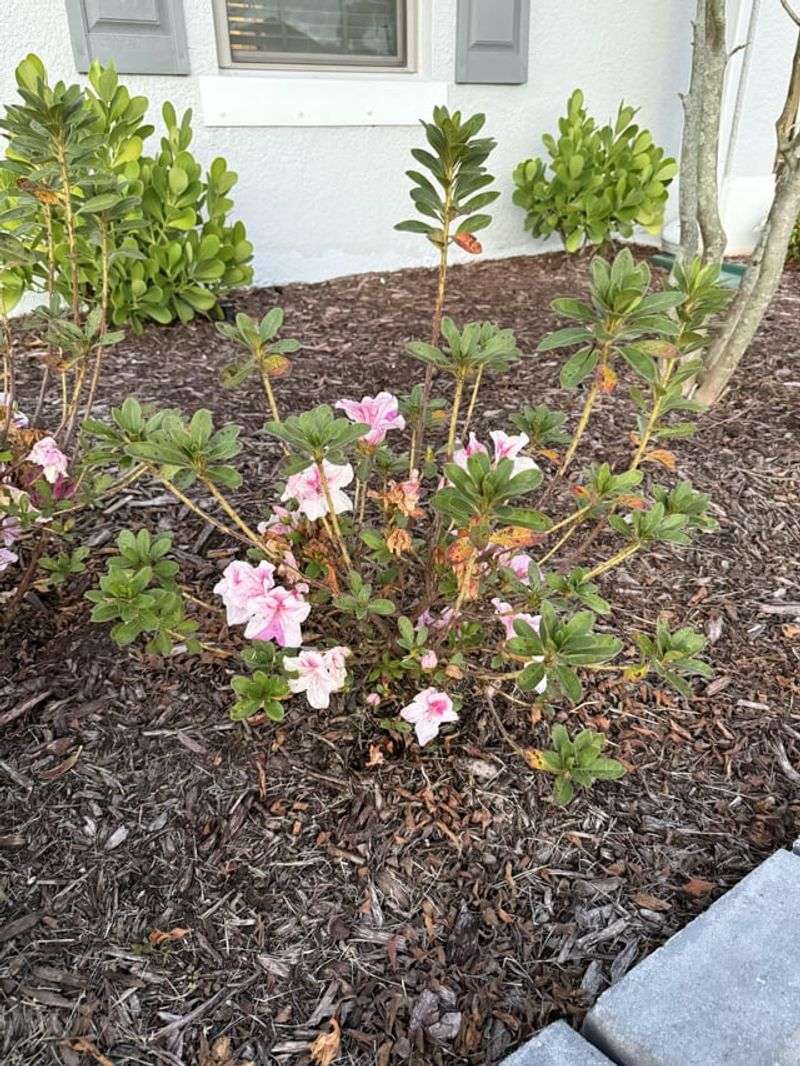
Grabbing your pruning shears before bloom season might feel productive, but for azaleas, early pruning is one of the biggest mistakes you can make.
Azaleas bloom on what gardeners call old wood, which means the flower buds for this year were actually formed during last summer.
Pruning before bloom removes those buds and you lose the flowers entirely.
The best time to prune azaleas in Oregon is right after they finish blooming, usually in late spring or early summer. That window gives the plant time to grow new shoots that will carry next year’s flower buds.
Pruning during or before bloom season cuts off the very thing you have been nurturing all year.
There is one exception to this rule. If you spotted dead or damaged branches during your winter damage inspection, those can and should be removed regardless of timing.
Removing dead wood is not the same as shaping or reducing the plant, and it will not affect this year’s bloom. For everything else, hold off and enjoy the flowers first.
Once the petals drop and the blooms fade, that is your signal to pick up the shears and start shaping. Patience pays off with azaleas, especially in a state like Oregon where the bloom season is something truly worth waiting for.