These Are The 9 Best Fast-Growing Crops For Ohio Raised Beds
Ohio raised beds can make a gardener feel like a genius real fast. The soil warms sooner, the weeds feel a little less bossy, and suddenly the whole season seems ready to move at your speed.
That is great news for anyone who wants a harvest before patience runs thin. Fast-growing crops bring that early payoff.
They sprout with purpose, fill space quickly, and turn an empty bed into something that looks alive and useful in no time. In a state where spring can drag its feet and summer can hit the gas, quick crops help you make the most of every square inch.
They also keep the momentum going, which matters when a garden is still trying to prove itself after a long Ohio winter. A few smart choices can have your raised beds pulling their weight so quickly, it almost feels like you found a shortcut.
1. Radishes Win The Race Every Time
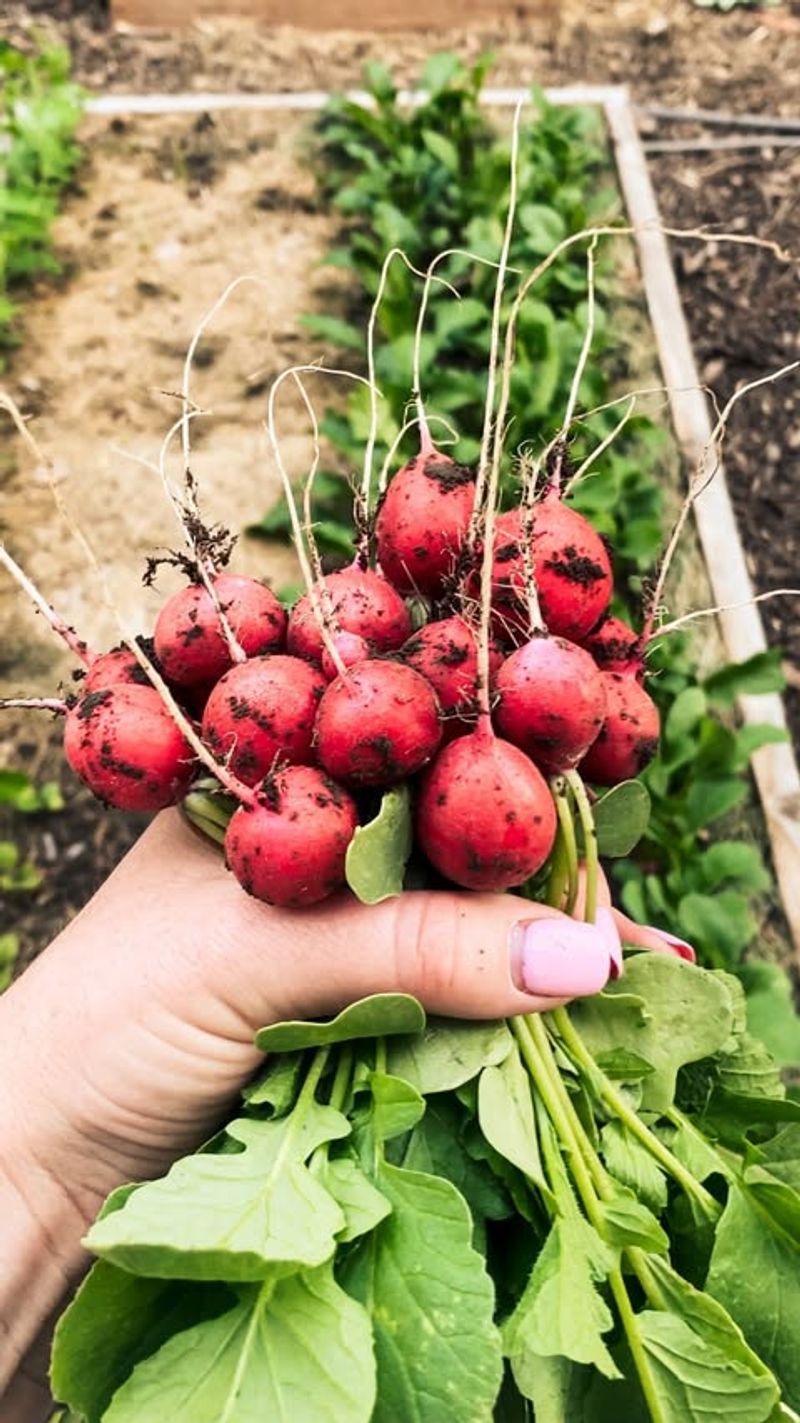
Few crops can match the sheer speed of a radish. Most spring varieties go from seed to harvest in just 20 to 30 days, making them the fastest returners in the raised-bed garden.
For Ohio gardeners who spend all winter dreaming about fresh produce, pulling that first radish in late April feels like a genuine reward.
Raised beds suit radishes especially well because the loose, well-amended soil lets roots swell without resistance. Compacted ground can cause misshapen roots, but a properly built raised bed avoids that problem almost entirely.
Sow seeds about half an inch deep and thin seedlings to roughly two inches apart once they sprout.
According to Ohio State University Extension, radishes are among the easiest cool-season crops to establish early in spring. They tolerate light frost and prefer soil temperatures between 50 and 65 degrees Fahrenheit.
Succession sowing every ten days keeps a steady supply coming rather than one overwhelming harvest. Once warm weather arrives and temperatures climb, radishes bolt quickly, so plant early and enjoy them while Ohio spring conditions last.
2. Leaf Lettuce Fills Raised Beds In A Hurry
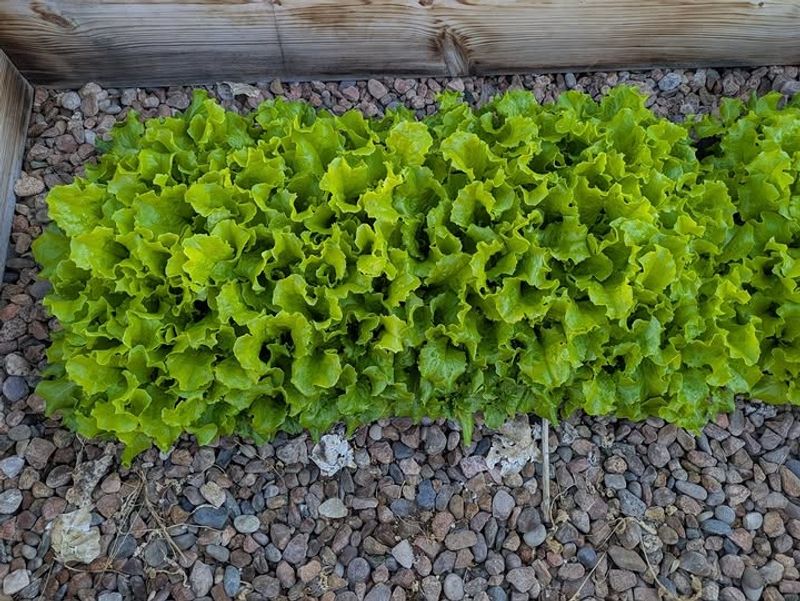
Watching a raised bed go from bare soil to a full, leafy canopy in just a few weeks is one of the most satisfying experiences in vegetable gardening.
Leaf lettuce makes that happen faster than almost any other crop, with many varieties ready for a first harvest in 30 to 45 days from seeding.
The cut-and-come-again method works beautifully with leaf lettuce. Rather than pulling the whole plant, you snip outer leaves about an inch above the crown and let the center keep growing.
A single planting can produce multiple harvests over several weeks, which stretches the value of every square foot in your raised bed considerably.
Ohio State University Extension recommends direct seeding lettuce outdoors as soon as the soil can be worked in spring, often as early as late March or early April in central Ohio. Raised beds warm faster than ground-level soil, giving lettuce a head start.
Partial shade during the hottest part of the day can slow bolting as temperatures rise. Sow a new short row every two weeks to keep fresh leaves coming through late spring and again in early fall when cooler weather returns.
Your Ohio Garden Changes Every Week. Your Plan Should Too.
Gardening in Ohio changes quickly throughout the season. Every Friday you’ll receive a simple weekly plan showing exactly what to plant, prune, fertilize, harvest, and protect so you never miss the right timing.
3. Arugula Brings Speed And Bite
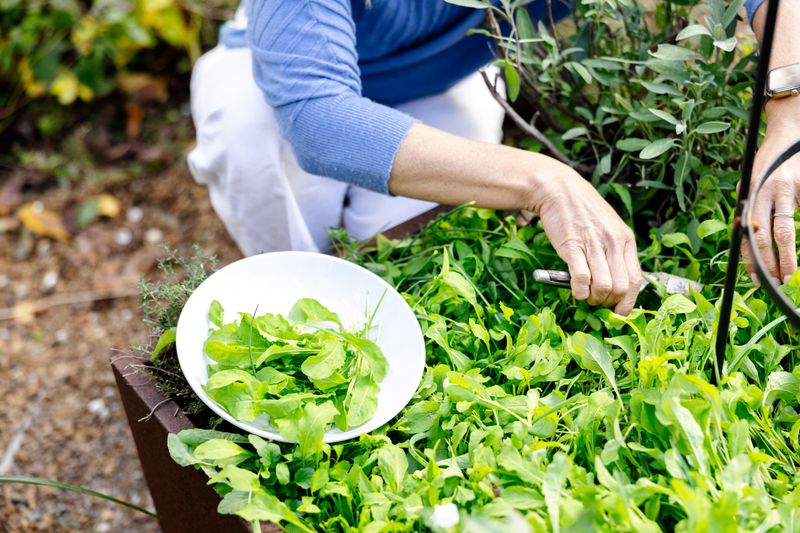
Bold, peppery, and surprisingly quick to establish, arugula is the kind of crop that earns loyal fans after just one homegrown harvest. Store-bought arugula rarely captures the sharp, nutty flavor that freshly cut leaves deliver straight from the raised bed.
Growing your own changes the experience entirely.
Arugula matures in roughly 20 to 40 days depending on variety and conditions, placing it among the fastest cool-season greens available to Ohio gardeners.
It prefers temperatures between 45 and 65 degrees Fahrenheit, which maps well onto Ohio’s early spring and early fall windows.
Sow seeds shallowly, about a quarter inch deep, and scatter them fairly generously since thin stands can leave gaps in the bed.
Raised beds offer an advantage here because soil temperatures climb faster, encouraging quick germination even during chilly April mornings.
As with lettuce, arugula responds well to the cut-and-come-again approach, letting you harvest leaves repeatedly before the plant sends up a flower stalk.
Once arugula bolts in summer heat, the flavor becomes sharper and more intense, which some cooks actually enjoy in small amounts. Plan a fall sowing in August to get a second round of tender, mild-flavored leaves before the first hard frost arrives.
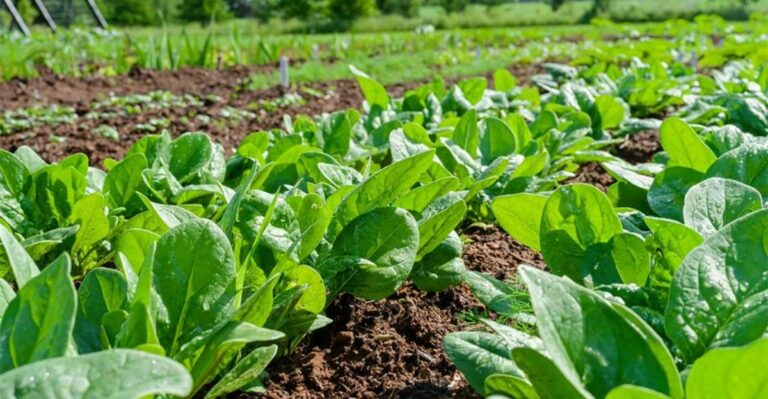
4. Spinach Takes Off In Cool Ohio Weather
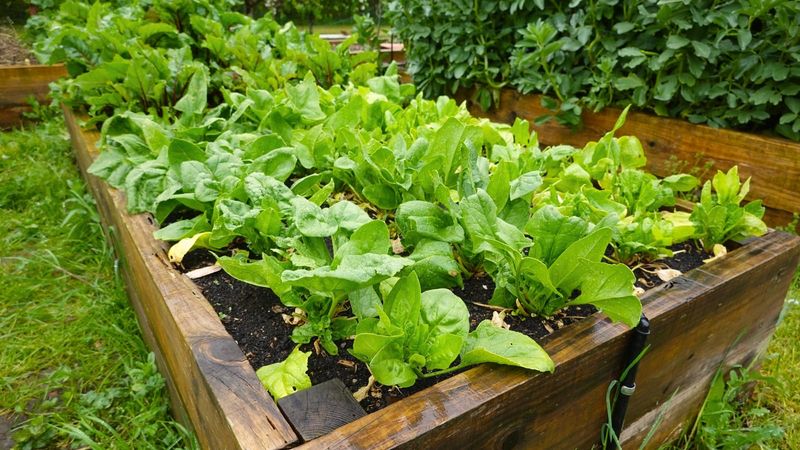
Early spring in Ohio can feel unpredictable, with warm afternoons followed by cold snaps that catch gardeners off guard. Spinach actually thrives in exactly that kind of weather.
It tolerates light frost well and grows most vigorously when daytime temperatures stay in the 50s and low 60s, making it a natural fit for Ohio’s March through May window.
Most spinach varieties reach harvest size in 35 to 50 days. Raised beds give spinach a meaningful advantage by warming the soil earlier than surrounding ground-level plots, which can push germination and early growth forward by a week or more.
That extra time matters when you are racing against the arrival of summer heat, which causes spinach to bolt and turn bitter.
Ohio State University Extension notes that spinach can be seeded outdoors as early as six weeks before the last expected frost date. For central Ohio, that often means a late February or early March start is possible in a raised bed with good sun exposure.
Sow seeds about half an inch deep and thin to three to five inches apart. Harvest outer leaves regularly to keep the plant producing.
A fall planting in late August or early September gives Ohio gardeners a second productive run before winter.
5. Green Onions Slip Into Small Spaces Fast
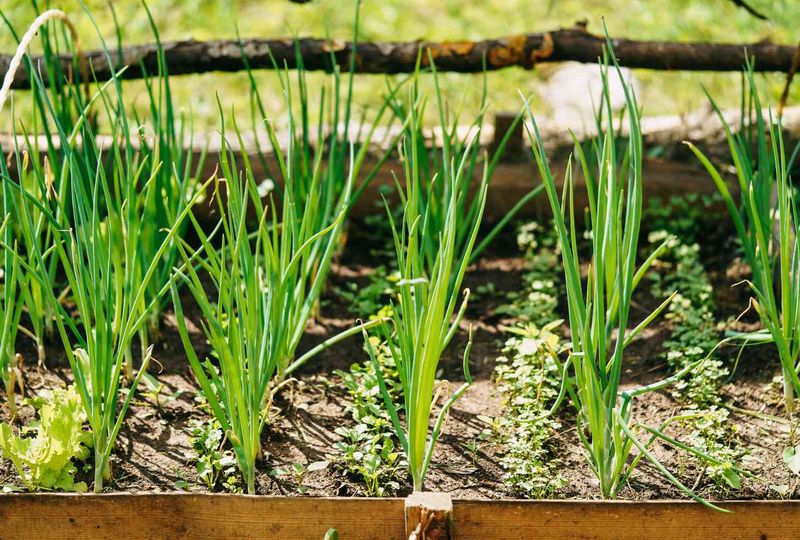
Tight raised-bed layouts leave little room for crops that sprawl or take up too much vertical space. Green onions, also called scallions, solve that problem neatly.
Their shallow roots and slim profile make them easy to tuck into gaps between other plants, and they produce a useful harvest in roughly 45 to 60 days from seed.
Unlike full bulb onions, which require a longer season and more careful timing, green onions are forgiving and flexible. You can start them from seed or from sets, and they tolerate a range of conditions reasonably well.
Spacing them about an inch apart in short rows or clusters keeps the bed tidy while maximizing yield per square foot.
From a practical standpoint, green onions are one of the most kitchen-friendly crops in the raised bed. A quick snip of a few stalks adds fresh flavor to eggs, salads, soups, and stir-fries without requiring a trip to the store.
Ohio gardeners can sow green onions as soon as the soil is workable in early spring and again in late summer for a fall harvest. Because they mature steadily rather than all at once, you can harvest a few at a time and let the rest continue growing for weeks.
6. Bush Beans Love A Warm Raised Bed Start

Soil temperature makes all the difference with bush beans. They refuse to perform well in cold ground, and planting too early often leads to poor germination and slow, sulky growth.
Raised beds solve this problem by warming up faster than in-ground soil, which means Ohio gardeners can get bush beans off to a strong start without waiting as long as they might otherwise need to.
Once conditions are right, bush beans move quickly. Most varieties mature in 50 to 60 days, producing a generous flush of pods that arrive in a fairly tight window.
No trellising is needed, which keeps the raised bed organized and easy to manage. Direct sow seeds about an inch deep after the last frost date, typically mid-May for most of Ohio, when soil has reached at least 60 degrees Fahrenheit.
OSU Extension recommends avoiding overhead watering with beans to reduce disease pressure. Raised beds with good drainage naturally support healthier root zones, which helps plants stay productive longer.
Succession planting every two to three weeks through late June can extend your harvest season well into summer. Bush beans are also nitrogen-fixers, meaning they contribute a small but useful nutrient boost to the raised-bed soil over time.
7. Baby Beets Earn Their Spot Quickly
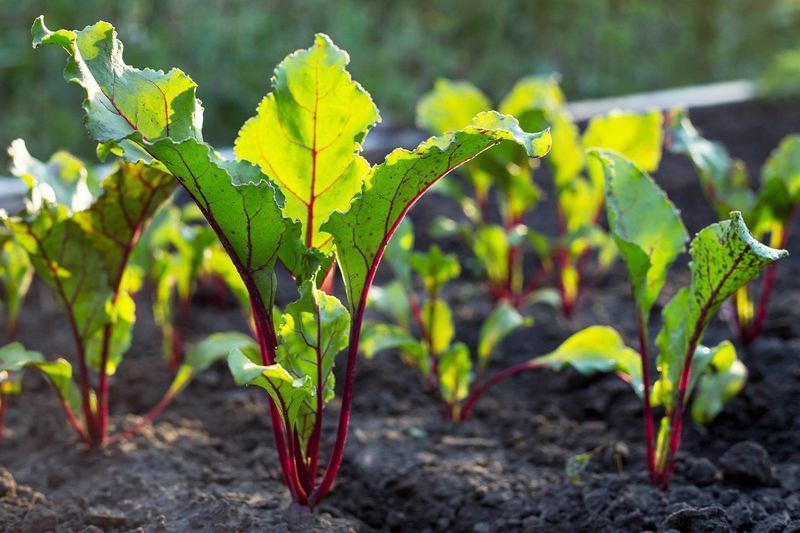
Beets tend to get overlooked in favor of flashier vegetables, but gardeners who grow them in raised beds quickly realize what they have been missing. The real advantage of harvesting baby beets is that you do not have to wait for full-sized roots.
Pulling beets at golf-ball size, usually around 45 to 55 days after seeding, gives you tender, sweet roots that roast beautifully and take far less time than waiting for mature beets.
The bonus is the greens. Beet tops are fully edible and nutritious, and you can harvest a few leaves from each plant while the roots are still developing.
That dual-purpose value makes beets one of the more efficient crops in a raised bed, where every plant needs to justify its space.
Raised beds give beets the loose, deep soil they need to form smooth, round roots without obstruction. Rocky or compacted ground causes misshapen roots, but a well-prepared raised bed mostly eliminates that issue.
Sow seeds directly about half an inch deep and thin to three to four inches apart once seedlings are established. In Ohio, beets can go in as early as late March and again in late July or August for a fall crop, making them a reliable two-season producer.
8. Swiss Chard Keeps The Bed Looking Busy
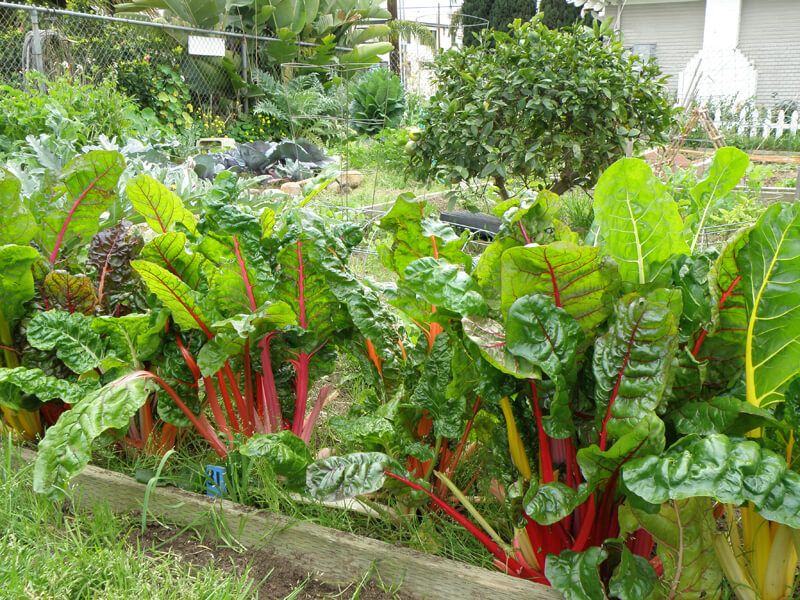
There is something almost theatrical about a raised bed full of Swiss chard in midsummer.
The stems come in red, yellow, orange, and white, and the large, glossy leaves create a visual presence that makes the garden look productive and alive even during the hottest weeks of the season.
Beyond the good looks, chard is a genuinely reliable producer that keeps delivering over a long stretch.
Unlike some crops that come and go in a few weeks, Swiss chard can be harvested repeatedly from the same plants for months. Outer leaves are cut at the base while the center continues pushing out new growth.
This makes chard an excellent choice for raised beds where you want steady returns rather than a single large harvest followed by empty space.
Chard is not quite as fast as radishes or lettuce, but baby chard leaves can be ready in around 25 to 35 days, and full-sized leaves follow by 50 to 60 days.
It handles Ohio summer heat better than spinach or arugula, making it a useful bridge crop that carries the bed through the warm months.
Sow seeds directly after the last frost date and water consistently. Raised beds with good moisture retention will keep chard looking strong through August and into September.
9. Turnips Grow Quicker Than Their Reputation
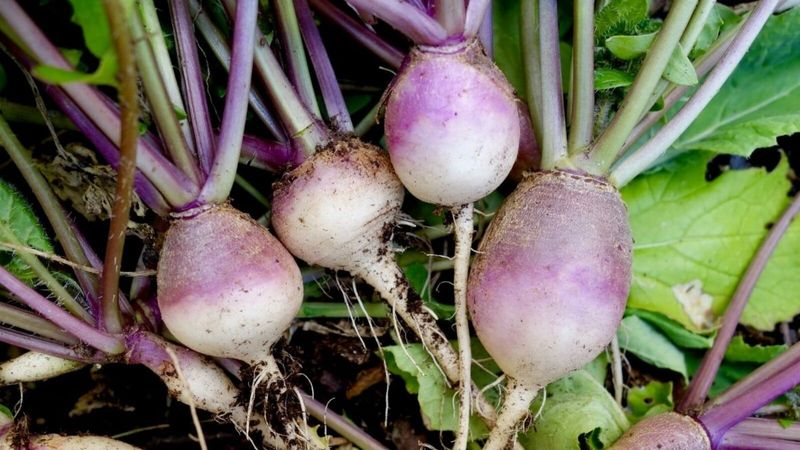
Turnips carry an unfair reputation as a vegetable from another era, something your grandparents grew out of necessity rather than enthusiasm. That reputation ignores just how practical and fast turnips actually are in a modern raised bed.
Small turnips can be ready to harvest in as few as 35 to 45 days, putting them in the same speed range as some of the quickest crops in the garden.
Like beets, turnips give you two harvests from one planting. The greens are tender and flavorful when young, and many cooks enjoy them sauteed or added to soups.
The roots, harvested small, have a mild, slightly sweet flavor that is quite different from the sharp bite of a large, overgrown turnip left in the ground too long.
Ohio State University Extension notes that turnips are a cool-season crop that performs well in both spring and fall. They can be direct seeded in early April or sown again in late July for a fall harvest.
Raised beds give turnips the loose, well-drained soil they need to develop smooth, evenly shaped roots. Thin seedlings to four to six inches apart to give roots room to develop properly.
With a little attention to timing, turnips can fill a raised-bed slot that might otherwise sit empty between other crops.