The 8 Best Native Groundcovers To Plant In Georgia Garden
Bare spots have a way of bothering Georgia gardeners more than they should. You notice one patch under a tree, another along a path, and before long the whole yard starts looking like it is missing something.
Grass does not always cooperate in shade, on slopes, or dry root-filled soil, which is why a good native groundcover can feel like such a win.
The best ones do more than cover empty ground. They help soften hard edges, support local wildlife, and fit Georgia conditions without acting fussy every other week.
That matters in a state where heat, humidity, and changing light can make plant choices look good on paper and disappointing in real life.
Native groundcovers also bring a more natural look that works beautifully in home landscapes. Some stay neat and low, some spread into a soft carpet, and a few are good at solving the spots people complain about.
1. Wild Ginger Covers Shade With Quiet Charm
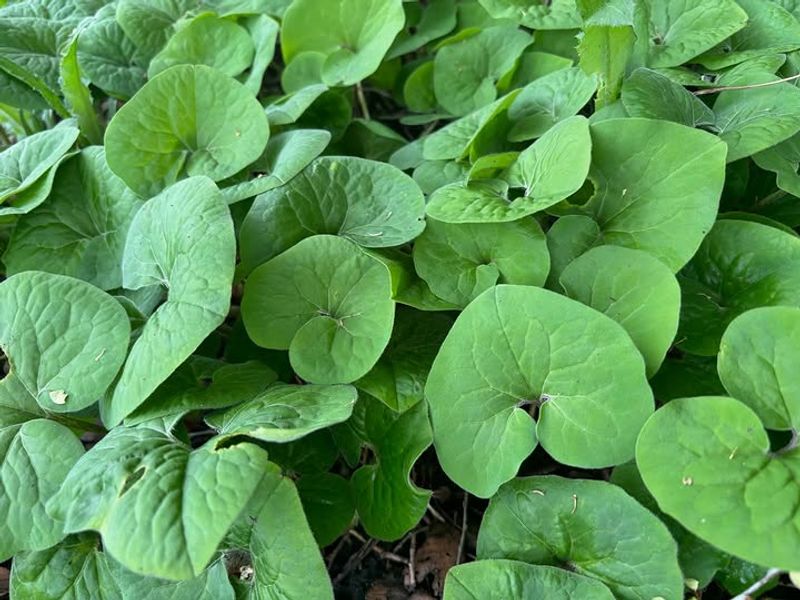
Tucked beneath towering trees in a shaded Georgia garden, Wild Ginger creates one of the most satisfying groundcover effects you will ever see. Its large, velvety, heart-shaped leaves overlap each other to form a lush, weed-suppressing carpet that feels almost tropical in its richness.
The botanical name is Asarum canadense, and it has been gracing woodland gardens across the Eastern United States for centuries.
What makes Wild Ginger especially fascinating is its hidden flowers. Small, reddish-brown blooms appear right at soil level in early spring, tucked so low beneath the foliage that most visitors never notice them.
Ants are actually the primary pollinators, attracted by tiny seed structures called elaiosomes that serve as food. It is one of those quietly brilliant plant-animal relationships happening right in your own backyard.
Georgia gardeners dealing with dry, shaded spots under mature trees will find Wild Ginger to be a reliable solution. It handles low-light conditions gracefully and adapts to a range of soil types, though it performs best in rich, moist, well-drained soil with plenty of organic matter mixed in.
Spreading gradually through underground rhizomes, it slowly colonizes shaded areas without becoming aggressive or pushing out other plants.
The aromatic roots carry a spicy ginger-like scent, which is where the common name comes from. Though not the culinary ginger used in cooking, the fragrance is genuinely pleasant when you brush against the foliage.
For Georgia shade gardens needing texture, coverage, and a touch of woodland charm, Wild Ginger is a wonderful, low-maintenance choice worth planting.
2. Moss Phlox Brings A Bright Spring Carpet
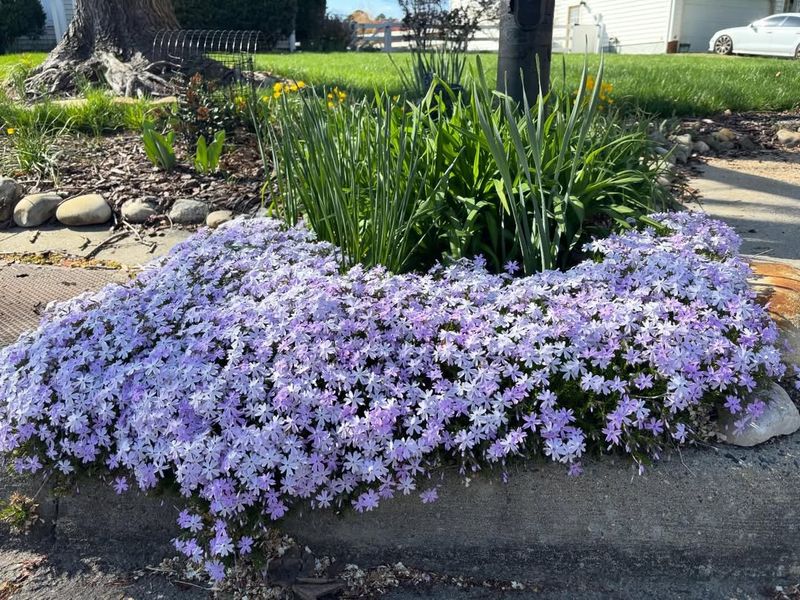
Picture a carpet so colorful it stops you in your tracks every single spring. That is exactly what Moss Phlox delivers in a Georgia garden.
Known scientifically as Phlox subulata, this cheerful groundcover forms tight, cushion-like mats of needle-shaped evergreen foliage that hug the ground beautifully all year long.
When late winter fades and early spring arrives, Moss Phlox absolutely bursts into bloom with flowers in shades of pink, purple, lavender, and white. The display is so dense that the green foliage nearly disappears beneath the blossoms.
Your Georgia Garden Changes Every Week. Your Plan Should Too.
Gardening in Georgia changes quickly throughout the season. Every Friday you’ll receive a simple weekly plan showing exactly what to plant, prune, fertilize, harvest, and protect so you never miss the right timing.
Pollinators like bees and butterflies cannot resist visiting, making your garden a lively, buzzing space during those warmer months.
One of the best things about growing Moss Phlox in Georgia is how tough it really is. Once established, it handles drought surprisingly well and thrives in full sun locations, making it perfect for slopes, rock gardens, or border edges where other plants might struggle.
It prefers well-drained soil and does not like sitting in soggy conditions, so choose your planting spot carefully.
Maintenance is refreshingly minimal. After the blooms fade, a light trim helps keep the plant looking tidy and can even encourage a second round of flowering in some seasons.
Spreading slowly but steadily, Moss Phlox fills gaps over time without becoming invasive or overwhelming neighboring plants. For Georgia gardeners wanting reliable spring color with almost zero fuss, this native groundcover belongs at the top of the planting list every single time.
3. Allegheny Spurge Fills Tough Spots Beautifully
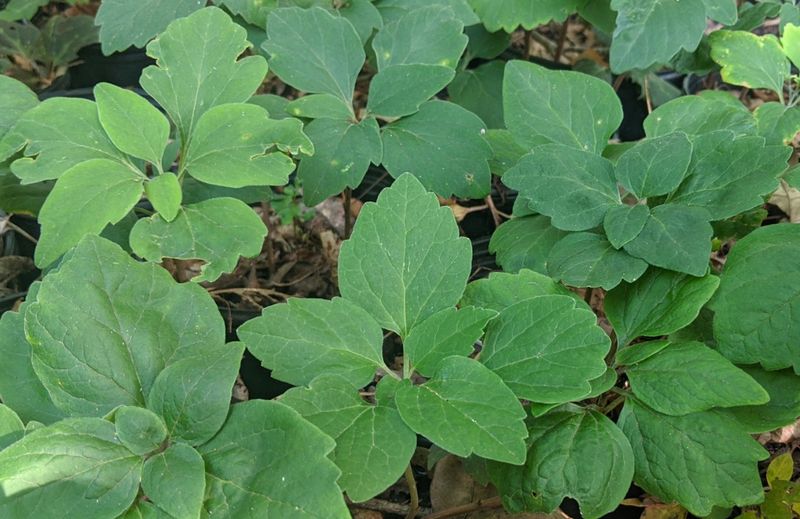
Forget the overplanted Japanese Pachysandra you see in every suburban yard. Allegheny Spurge, the native American cousin, is a far more interesting and ecologically valuable choice for Georgia gardens.
Pachysandra procumbens grows as a low, spreading evergreen mat with beautifully mottled leaves that show off shades of gray, green, and silver throughout the year.
Early spring brings a delightful surprise when fragrant white flower spikes push up close to the ground before the new leaves fully emerge. The blooms are subtle but genuinely pretty, and their sweet fragrance is a bonus that many gardeners do not expect from a groundcover plant.
Native bees and early-season pollinators appreciate the nectar source during those first warm days of the Georgia spring season.
Allegheny Spurge thrives in part to full shade, making it an excellent solution for those tricky spots under large trees or along north-facing walls where sunlight barely reaches. It prefers moist, humus-rich, well-drained soil and benefits from a layer of organic mulch around its base to retain moisture during Georgia’s hot and dry summer stretches.
Growth is moderate rather than aggressive, so you will not spend weekends pulling it back from places it should not be. Over several seasons, it forms dense colonies that crowd out weeds naturally without chemical help.
Compared to non-native alternatives, Allegheny Spurge supports local insects and wildlife far more effectively. If you want a groundcover that looks polished, behaves well, and genuinely belongs in a Georgia landscape, this native plant consistently delivers on every front.
4. Partridgeberry Creeps In With Year-Round Appeal
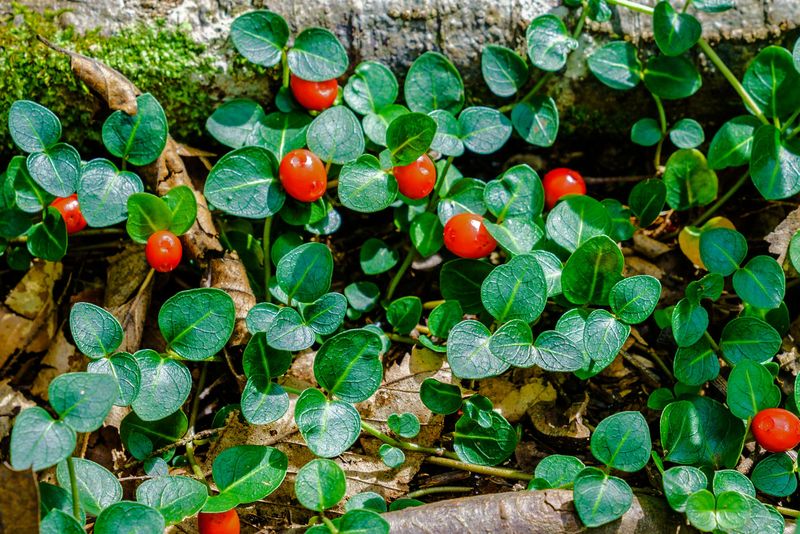
Some plants earn their place in the garden through sheer charm, and Partridgeberry is absolutely one of them. Mitchella repens is a delicate-looking native evergreen that creeps quietly along the ground, rooting at its nodes as it spreads to form a soft, slow-growing mat of small, rounded, glossy leaves.
It looks like something straight out of a fairy tale woodland floor.
Late spring brings pairs of tiny white tubular flowers that bloom side by side, fused at their base in a quirky botanical arrangement. Each pair of flowers eventually produces a single bright red berry that persists through fall and winter, adding a pop of festive color to the garden even during the coldest Georgia months.
Birds, including the partridge that inspired the plant’s name, eagerly snack on those berries.
Partridgeberry thrives in moist, acidic, well-drained soil with good organic content, and it strongly prefers shaded or partially shaded conditions. It is commonly found growing naturally in Georgia’s native pine and hardwood forests, which gives you a helpful clue about the kind of environment it enjoys most.
Planting it beneath established trees or along shaded woodland paths tends to produce the best results.
Because it spreads slowly, Partridgeberry works wonderfully as an accent groundcover rather than a large-scale solution. Pair it with ferns, Wild Ginger, or mosses for a layered, naturalistic look that feels genuinely wild and beautiful.
Gardeners in Georgia who appreciate fine details and subtle seasonal changes will find this little plant endlessly rewarding throughout the entire year.
5. Seersucker Sedge Softens The Ground With Ease
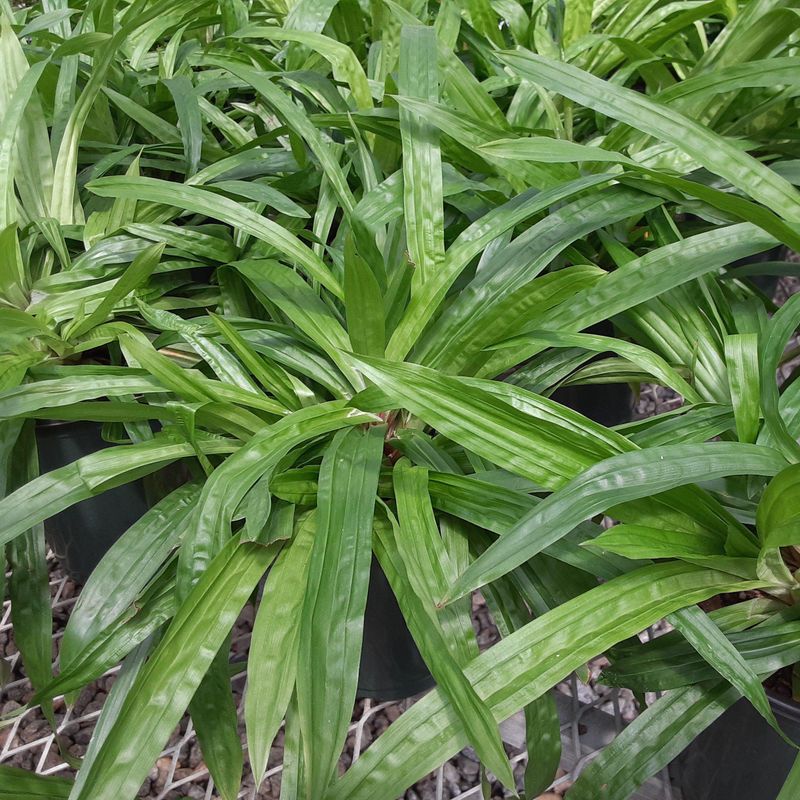
Named for its wonderfully textured foliage, Seersucker Sedge is one of those plants that makes you want to reach out and touch it every time you walk past. Carex plantaginea produces broad, strap-like leaves with a distinctive puckered or pleated surface that looks remarkably similar to the crinkled seersucker fabric used in summer clothing.
It is a conversation starter hiding right in plain sight.
Unlike many sedges that look weedy or unkempt, Seersucker Sedge has a refined, almost architectural quality that works beautifully in designed garden settings. The foliage stays semi-evergreen in Georgia’s mild winters, providing visual interest even when most other perennials have gone dormant.
Early spring brings slender, reddish-brown flower spikes that add a subtle seasonal touch without being flashy or distracting.
Shade is where this plant truly shines. It performs best in part to full shade with consistently moist, rich, well-drained soil, making it an ideal companion for other woodland natives like Wild Ginger and Partridgeberry.
Georgia gardens with mature tree canopies and challenging root competition are exactly the kind of spots where Seersucker Sedge can step in and succeed where lawn grass simply gives up.
Clumping rather than aggressively spreading, it stays politely in place while slowly expanding its footprint over time. Deer tend to leave it alone, which is a real bonus for Georgia gardeners in suburban or rural areas where deer pressure can be relentless.
Plant it in drifts for maximum visual impact and enjoy its unique texture from early spring all the way through late fall without much fuss at all.
6. Blue Wood Sedge Handles Shade Like A Pro
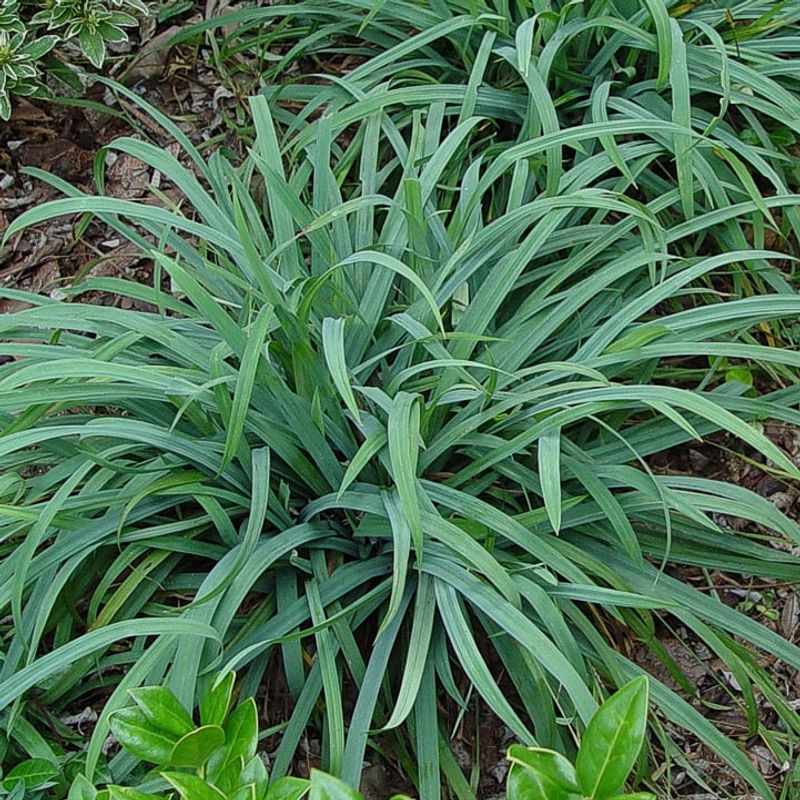
Cool blue-green foliage in a Southern garden is something genuinely special, and Blue Wood Sedge delivers that refreshing color better than almost any other native groundcover available to Georgia gardeners. Carex flaccosperma is a graceful, low-growing sedge with soft, arching leaves that catch the light in a way that makes shaded garden beds feel somehow brighter and more open.
One of the most practical qualities of Blue Wood Sedge is its ability to spread steadily and fill in large areas over time without becoming a nuisance. It spreads through both self-seeding and gradually expanding clumps, creating a natural-looking, flowing carpet beneath trees and along shaded pathways.
The effect is effortlessly beautiful, like something you might find growing along a Georgia stream bank in the wild.
This sedge handles a wide range of light conditions, from deep shade to partial sun, and it adapts to various soil types as long as drainage is reasonable. It performs especially well in Georgia’s red clay soils when amended with compost or organic matter to improve moisture retention and root development.
Once established, it shows good drought tolerance, which is always a welcome trait during Georgia’s unpredictable summer dry spells.
Spring brings slender, arching flower stems with small seed heads that add a wispy, meadow-like texture to the planting. Mixing Blue Wood Sedge with flowering natives like Green-and-Gold or Dwarf Crested Iris creates a layered groundcover combination that offers both texture and color across multiple seasons.
For Georgia gardeners wanting a low-effort, high-reward native plant, this sedge is an outstanding and reliable choice.
7. Dwarf Crested Iris Adds Color Without Taking Over
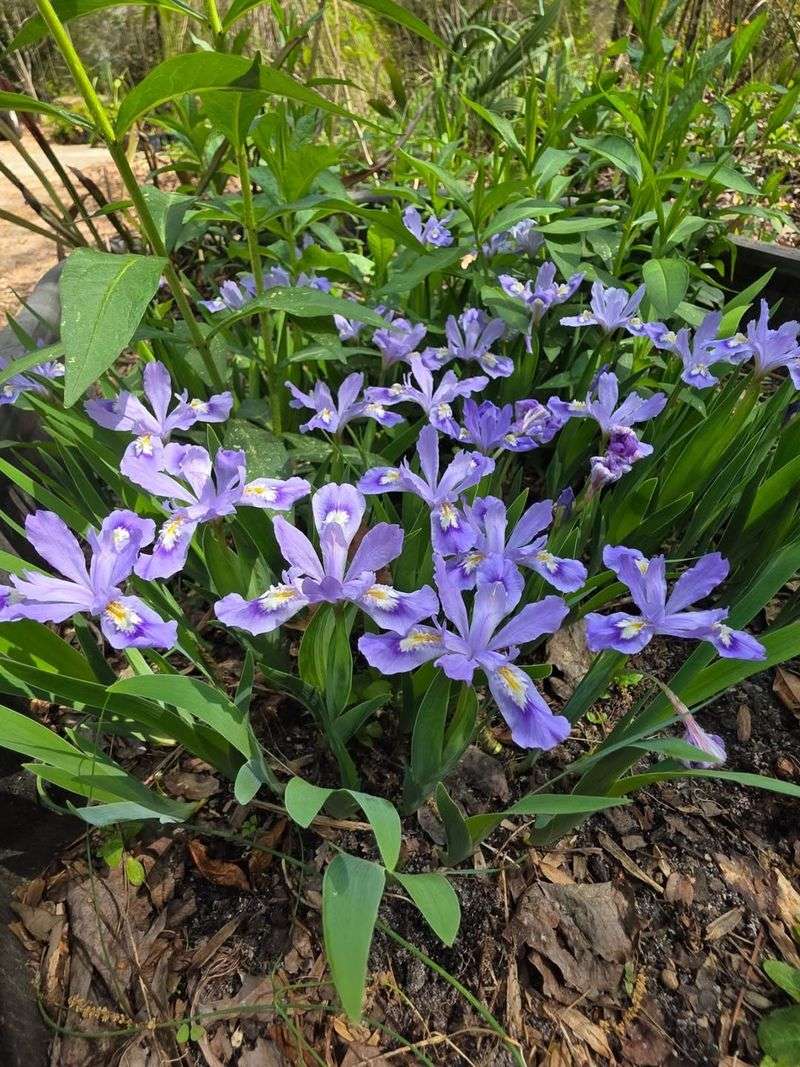
Few native groundcovers in Georgia pack as much visual drama into such a small package as Dwarf Crested Iris. Iris cristata grows only four to six inches tall, yet in mid-spring it produces some of the most breathtaking blooms of any groundcover plant in the entire Southeast.
The flowers are a stunning shade of blue-purple with delicate yellow and white crests at the center, giving them an almost jewel-like quality that seems too fancy for something growing at your feet.
Beyond the flowers, the flat, fan-shaped foliage creates a neat, attractive mat throughout the growing season. After blooming finishes, the leaves remain green and tidy well into fall, continuing to suppress weeds and cover bare ground effectively.
Georgia gardeners who plant Dwarf Crested Iris along shaded walkways or at the edges of woodland garden beds quickly discover how much beauty a small plant can bring to a space.
Moist, well-drained, slightly acidic soil in part to full shade produces the healthiest plants and the most abundant flowering. It spreads through shallow rhizomes that creep along the soil surface, gradually expanding into wider colonies over several seasons.
Division every few years keeps plants vigorous and helps you spread this gorgeous groundcover to new areas of your Georgia garden without spending extra money.
Native bees and early butterflies visit the blooms eagerly, making this plant a smart ecological choice as well as a beautiful one. Pair it with Seersucker Sedge or Wild Ginger for a layered woodland combination that looks professionally designed but requires very little ongoing effort to maintain throughout the seasons.
8. Green-And-Gold Lights Up The Ground In Spring
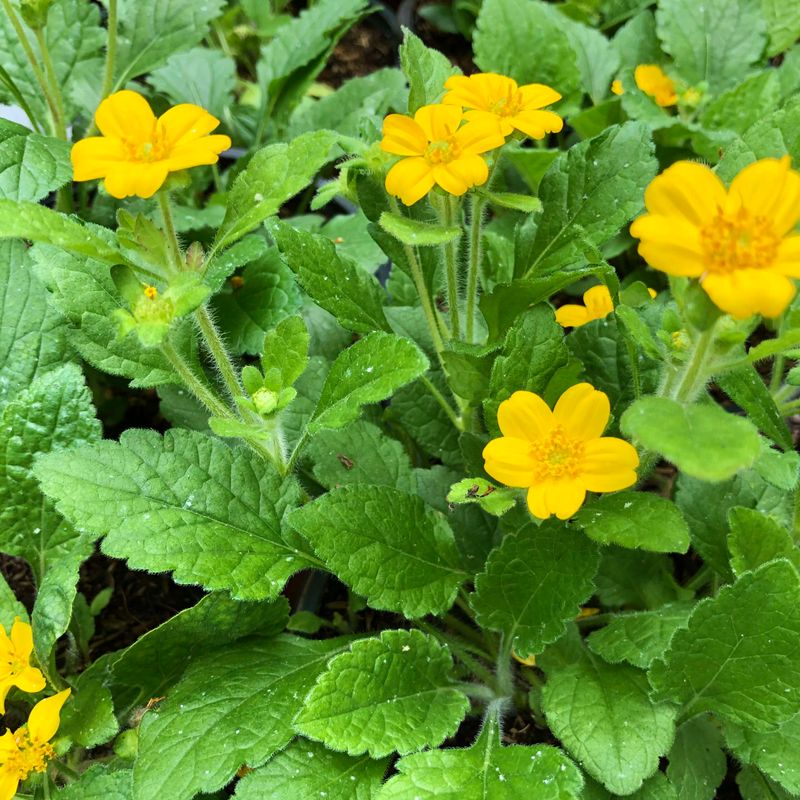
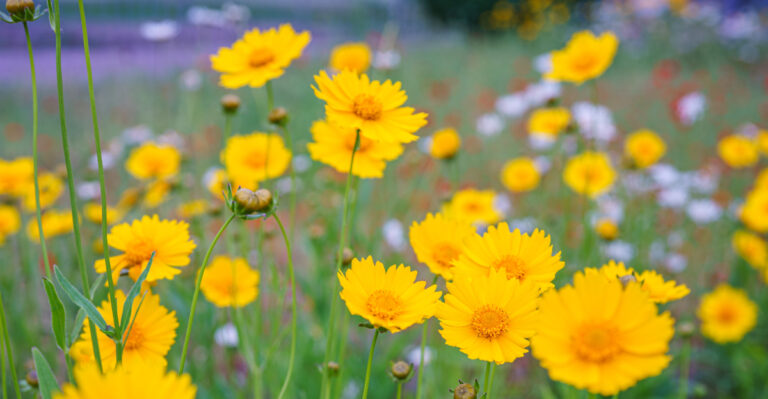
Bright yellow flowers blooming from spring all the way through fall might sound too good to be true, but Green-and-Gold makes it happen reliably in Georgia gardens season after season. Chrysogonum virginianum is a low-growing native perennial that forms dense, spreading mats of dark green, slightly fuzzy leaves topped with cheerful, star-shaped golden blooms that keep coming back for months on end.
What really sets this plant apart from other groundcovers is its exceptional flowering duration. Most groundcovers offer a brief seasonal display and then fade into the background, but Green-and-Gold keeps producing fresh flowers from early spring through late fall with only occasional breaks during the hottest Georgia summer stretches.
That extended color is a genuine game-changer for gardeners who want visual interest without constantly replanting.
Adaptability is another major strength. Green-and-Gold performs well in partial shade to full shade, tolerates a range of soil types, and handles both drought and occasional wet conditions better than many other native options.
It spreads through both surface runners and self-seeding, filling in bare areas efficiently without becoming aggressive enough to cause problems for neighboring plants.
Pollinators absolutely love the flowers, with native bees visiting regularly throughout the long blooming season. The plant also provides good ground-level cover for small beneficial insects and contributes meaningfully to Georgia’s broader garden ecosystem.
Whether you use it as a standalone groundcover or combine it with taller native plants for a layered effect, Green-and-Gold consistently earns its reputation as one of the most rewarding and versatile native groundcovers available to Georgia gardeners today.