Why Your Peonies Keep Failing In Pennsylvania (And How To Make Them Thrive)
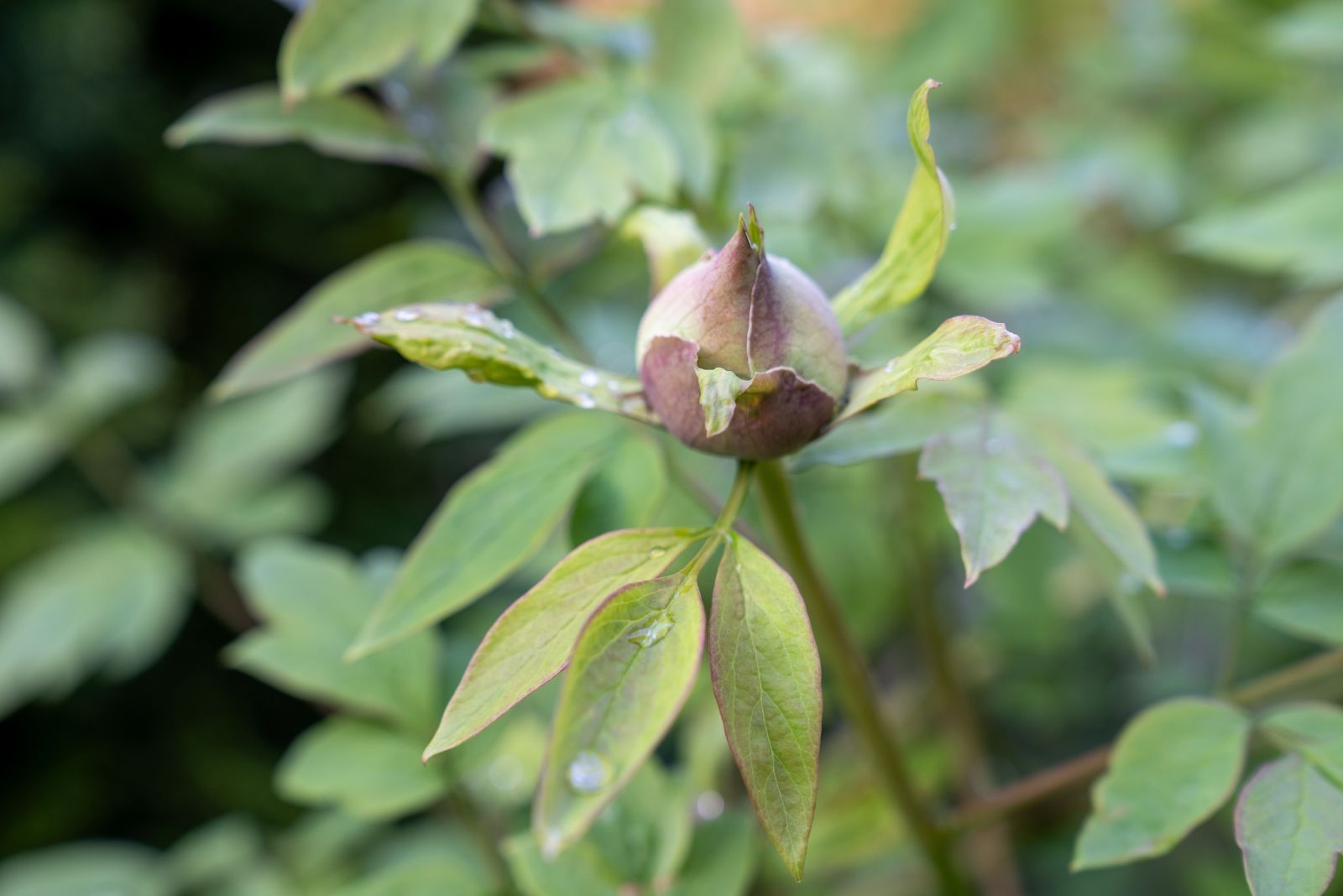
Peonies seem like they should be easy winners in a Pennsylvania garden. They are famous for those huge, romantic blooms, they can live for years, and when they are happy, they put on a show that is hard to beat.
That is exactly why it feels so frustrating when they refuse to cooperate. Maybe the flowers never open, the plant stays small, the leaves start looking rough, or you get plenty of foliage but barely any blooms at all.
At that point, peonies can start to feel a lot less like classic garden favorites and a lot more like a mystery.
The tricky part is that peonies usually fail for a reason, and it is often something gardeners do not notice right away. Planting depth, sunlight, soggy soil, crowded roots, and poorly timed care can all affect how they perform in Pennsylvania conditions.
The good news is that peonies are not usually impossible, just particular. Once you figure out what is holding them back, these plants can turn around in a big way.
A few changes can mean stronger growth, healthier plants, and the kind of blooms that make peonies worth the trouble in the first place.
1. Planting Too Deep
Believe it or not, one tiny planting mistake can stop your peonies from ever blooming. Planting peony roots too deep in the ground is the number one reason gardeners in Pennsylvania end up with beautiful green plants but zero flowers.
It sounds simple, but it trips up beginners and experienced gardeners alike every single season.
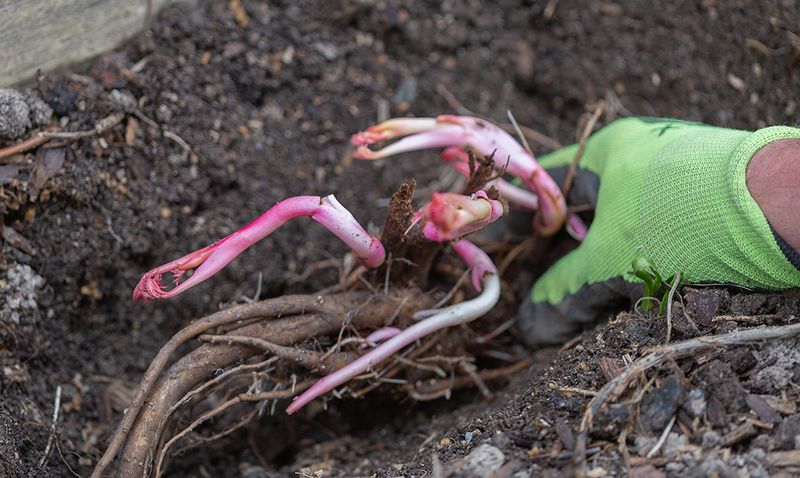
Peony roots have small red or pink buds on them called “eyes.” These eyes need to be very close to the soil surface to get enough warmth from the sun. Specifically, they should sit no more than 1 to 2 inches below the ground.
When they are buried 3, 4, or even 5 inches deep, the plant puts all its energy into growing leaves instead of flowers.
Pennsylvania soil can also shift over time due to freeze and thaw cycles during winter. This means a peony that was planted at the right depth might slowly sink deeper over the years without you even noticing.
Mulching too heavily around your plants can also add unwanted depth on top of the roots. If your peony has not bloomed in two or three years and looks otherwise healthy, too-deep planting is likely the problem. The fix is straightforward.
In the fall, carefully dig up the root, check the depth of the eyes, and replant at the correct level. Fall is the best time to do this in Pennsylvania because the weather is cooler and the plant is resting.
Give it one full growing season after replanting, and you should start seeing those gorgeous blooms return.
2. Not Enough Sunlight
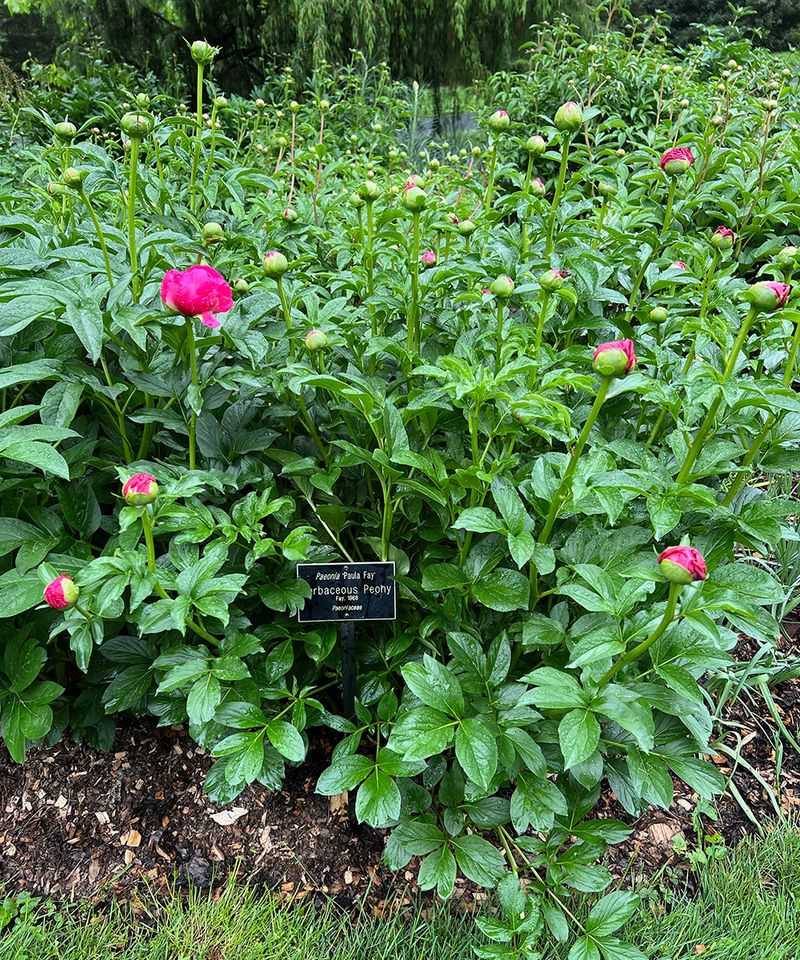
Sunlight is basically peony fuel. Without enough of it, your plants will grow but they will never reach their full, flower-filled potential.
Many Pennsylvania gardeners plant peonies in spots that look sunny in early spring but become heavily shaded once nearby trees leaf out. By the time summer arrives, those peonies are sitting in near-total shade.
Your Pennsylvania Garden Changes Every Week. Your Plan Should Too.
Gardening in Pennsylvania changes quickly throughout the season. Every Friday you’ll receive a simple weekly plan showing exactly what to plant, prune, fertilize, harvest, and protect so you never miss the right timing.
Peonies need at least 6 hours of direct sunlight every single day. Full sun is even better. When they are stuck in shady spots, the stems grow tall and weak as the plant stretches toward the light. Blooms become sparse or may not appear at all.
The plant is not thriving; it is simply surviving. Pennsylvania summers can be warm and lush, which means trees and shrubs grow quickly and spread their canopies wide. A spot that had plenty of sun five years ago might now be deeply shaded.
Walk around your yard during mid-morning and early afternoon to see exactly how much sunlight each area actually receives throughout the day.
The fix depends on how serious the shade problem is. Sometimes trimming a few lower branches from nearby trees is enough to let more light reach your peonies.
Other times, the best move is to transplant the peonies to a sunnier location. Fall is the ideal time to move them in Pennsylvania.
Choose a new spot that gets strong morning and afternoon sun, and your peonies will reward you with fuller growth and more abundant blooms the following spring. Sunlight really does make all the difference.
3. Poor Air Circulation
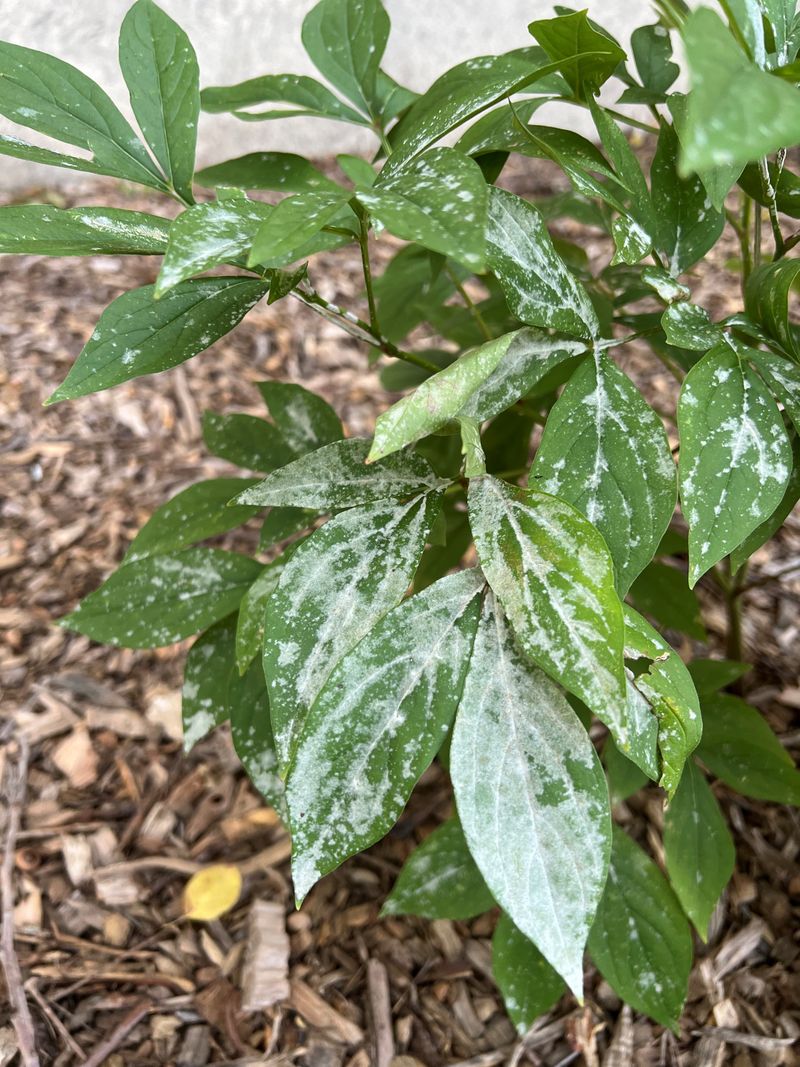
Pennsylvania summers are warm, humid, and sometimes downright sticky. That kind of weather creates the perfect conditions for fungal diseases to spread through your garden.
Peonies are especially vulnerable when they are crowded together with little space for air to move around them. If your plants look slimy, blackened, or have buds that never open, poor air circulation might be the culprit.
The most common fungal issue peonies face in Pennsylvania is botrytis blight, also called gray mold. It causes stems and buds to turn dark brown or black and can wipe out an entire season of blooms practically overnight.
Leaf spot diseases are another concern, leaving dark patches across the foliage. Both problems get much worse when plants are crowded and moisture sits on the leaves for long periods.
Spacing your peonies properly is one of the easiest ways to protect them. Each plant should have at least 3 to 4 feet of open space around it.
Good spacing allows air to flow freely, which helps leaves and stems dry out faster after rain or morning dew. This small change can dramatically reduce fungal problems over time.
Watering habits matter too. Always water peonies at the base of the plant rather than from above.
Overhead watering soaks the foliage and creates exactly the wet conditions that fungi love. If you already have a fungal problem, remove and discard any infected plant material right away.
Do not compost it. With proper spacing and smart watering, your Pennsylvania peonies can stay healthy and produce beautiful blooms even through the most humid summer stretches.
4. Overwatering Or Poor Drainage
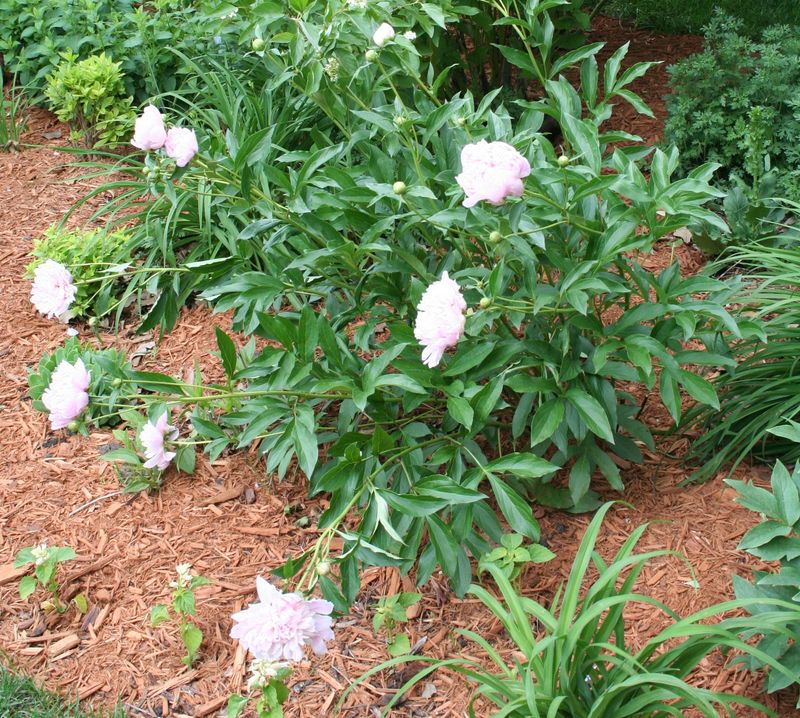
Here is something that surprises a lot of gardeners: peonies are actually pretty tough when it comes to dry spells, but they absolutely cannot handle wet feet. Soggy soil is one of the fastest ways to weaken a peony plant.
Pennsylvania gets a fair amount of rainfall throughout the growing season, which means drainage is something every peony grower in the state needs to think about carefully.
When peony roots sit in waterlogged soil for too long, they can develop root rot. Root rot breaks down the roots from the inside, leaving the plant unable to absorb nutrients or water properly.
The plant starts looking yellow and wilted even though the soil is wet. It is a confusing situation that leads many gardeners to water even more, which only makes things worse.
Heavy clay soil is very common across many parts of Pennsylvania, and clay holds onto water like a sponge. If your garden has clay-heavy soil, improving its structure before planting peonies is a smart move.
Mixing in compost, aged bark, or coarse sand helps water move through the soil more freely. Raised beds are another excellent option for areas where drainage is a real challenge.
When it comes to watering established peonies, less is usually more. Water deeply but infrequently, allowing the soil to dry out somewhat between sessions.
During rainy Pennsylvania springs, you may not need to water at all for weeks at a time. Check the soil with your finger before reaching for the hose. If the top inch feels moist, skip the watering and come back in a day or two.
5. Too Much Nitrogen Fertilizer
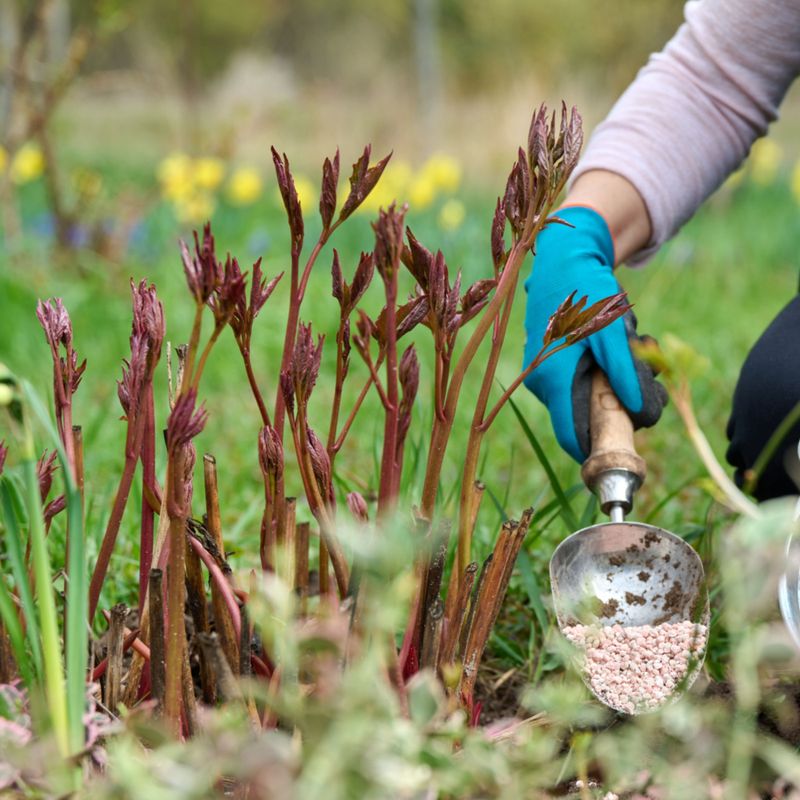
More fertilizer does not always mean better results. In fact, when it comes to peonies, too much of the wrong kind of fertilizer is a surefire way to end up with a gorgeous, leafy plant that never produces a single flower.
Nitrogen is the main culprit. It is the nutrient that makes plants grow lots of lush green leaves, and peonies respond to it enthusiastically by doing exactly that and nothing else.
Many gardeners grab a general-purpose fertilizer from the garden center without checking the label. High-nitrogen products, like lawn fertilizers, push so much leaf growth that the plant simply does not have the energy or hormonal signals needed to form flower buds.
You end up with a big, healthy-looking plant that is basically all show and no blooms. It can be really disheartening after a full season of waiting.
Peonies are naturally slow feeders. They do not need heavy feeding schedules the way vegetables or annual flowers do.
A light application of a balanced, low-nitrogen fertilizer in early spring is usually all they need. Look for fertilizer ratios where the nitrogen number is equal to or lower than the other two numbers on the label.
Bone meal and potassium-rich fertilizers can support root strength and bloom production without the leafy side effects.
Across Pennsylvania, gardeners often make the mistake of fertilizing too early and too heavily. After peonies finish blooming, a small second feeding can help the plant recover and store energy.
But keep it light. When in doubt, skip a feeding rather than risk overdoing it. Healthy soil with good organic matter often provides everything peonies need without extra help.
6. Cutting Back Too Early
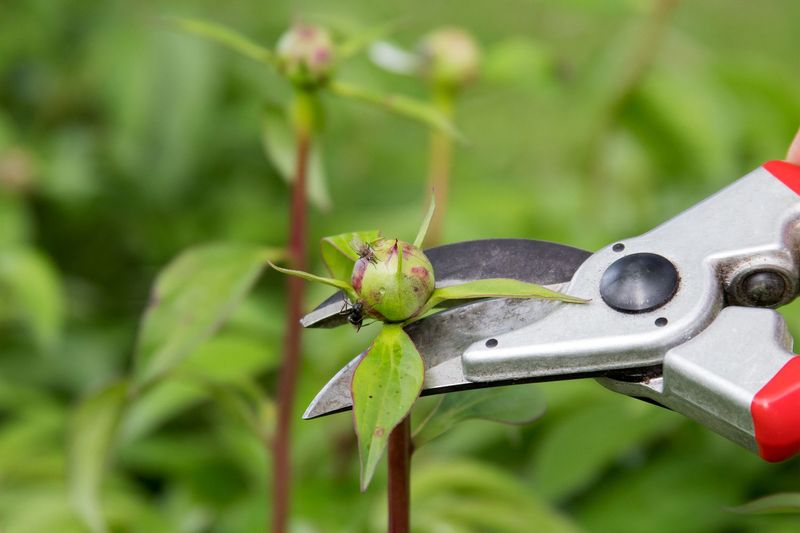
After the blooms fade and summer winds down, it is tempting to tidy up the garden by cutting back all your plants. But with peonies, this is a mistake that can cost you next year’s flowers.
The leaves on a peony plant are not just decoration. They are working hard all summer long, soaking up sunlight and converting it into energy that gets stored in the roots for next season’s growth.
Cutting the foliage back too early is like unplugging a phone charger before the battery is full. The plant does not get the chance to store enough energy, which means it heads into winter already running low.
Come spring in Pennsylvania, you might see weak growth, fewer stems, and disappointing blooms that do not match what the plant produced in previous years.
The right time to cut back peonies in Pennsylvania is after the first hard frost of fall. By that point, the leaves have naturally started to turn yellow or brown, which is a sign that the plant has finished its energy-storing work for the season.
Cut the stems down to about 2 to 3 inches above the ground and remove all the foliage from the garden bed.
Removing the old foliage is actually important for disease prevention too. Fungal spores from botrytis and leaf spot diseases can overwinter in fallen leaves and infect the plant again the following spring.
Dispose of the cut material in the trash rather than the compost pile. This simple fall routine, done at the right time, sets your Pennsylvania peonies up for a strong, bloom-filled comeback every single spring.