The Method Behind Longer Lasting Hibiscus Blooms In Georgia This April
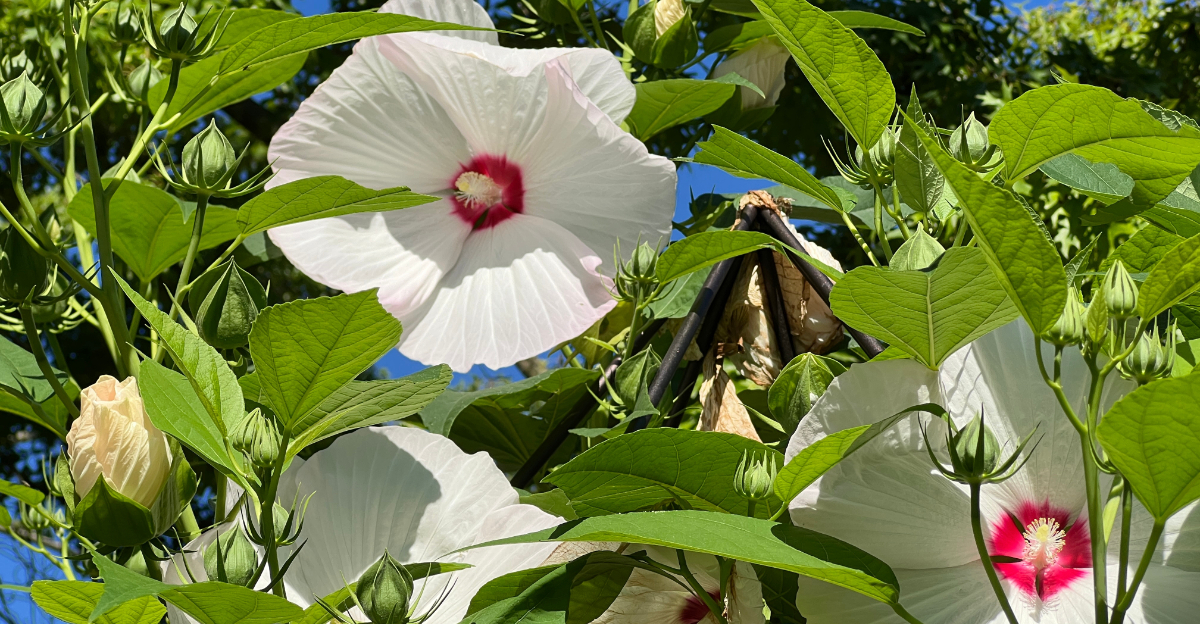
Hibiscus starts putting on a show in April, but in Georgia, those blooms do not always last as long as they should. One day the plant looks full, bright, and loaded with color, and just a short time later it feels like the display already peaked too early.
That quick drop can be frustrating, especially when the season is only getting started and everything else in the yard is beginning to take off.
There is a clear reason some hibiscus plants keep producing bloom after bloom while others slow down much sooner than expected. It is not random, and it is not just about the plant itself.
What happens during April plays a much bigger role than most people realize. Small timing details during this window can completely shift how long the plant keeps flowering and how strong each new bloom looks before the real heat arrives.
1. Consistent Deep Watering Keeps Hibiscus Blooms Lasting Longer
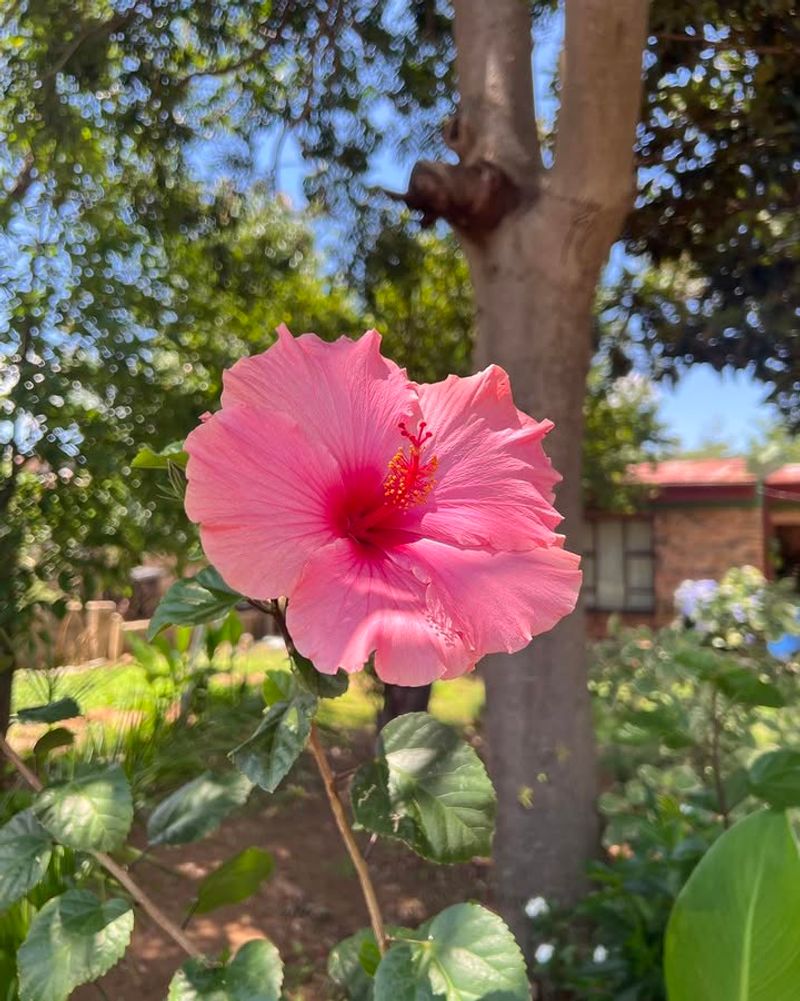
Shallow watering is one of the most common reasons hibiscus blooms fade faster than they should. When roots only get moisture near the surface, they stay stressed even when the soil looks damp from above.
In Georgia, April temperatures can climb quickly, and that surface moisture disappears fast.
Deep watering encourages roots to grow further down into the soil where moisture stays more stable. A slow, steady soak at the base of the plant — rather than a quick spray — gives roots a chance to absorb water before it evaporates.
Aim for at least an inch of water two to three times per week during warm stretches.
Roots that can reach consistent moisture tend to support stronger, longer-lasting blooms. Bud development depends heavily on steady hydration, and when that supply gets interrupted, buds can drop before fully opening.
That is frustrating to watch, especially when the plant looked healthy just days before.
A watering schedule that stays consistent matters more than watering heavily on random days. Sporadic deep watering followed by dry spells creates stress cycles that affect bloom quality.
2. Why Even Moist Soil Prevents Bud Drop And Short Blooms
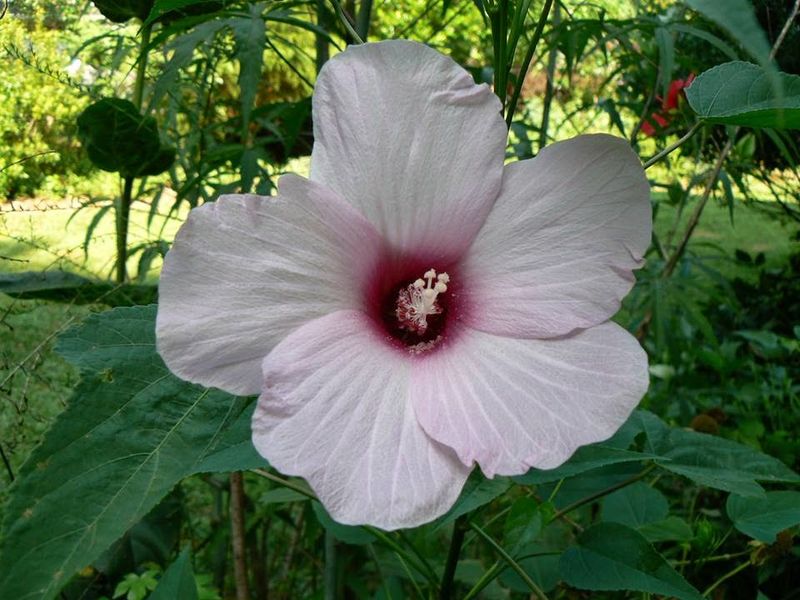
Bud drop can feel random, but soil moisture is usually behind it more often than people expect. Hibiscus buds are sensitive to sudden changes in available water, and even a short dry period during bud formation can cause them to abort before opening.
Georgia’s April weather can swing between rainy days and dry, breezy stretches that pull moisture out of soil faster than expected.
Keeping soil evenly moist — not soggy, just consistently damp — gives developing buds the steady support they need. Uneven moisture creates stress responses in the plant that redirect energy away from blooming.
Checking soil with your finger two inches down is a simple habit that takes seconds but makes a real difference.
Sandy soils common in parts of Georgia drain quickly and can dry out between waterings faster than clay-heavy soils. Knowing your soil type helps you adjust how often you water.
Adding organic compost to sandy soil improves its ability to hold moisture without becoming waterlogged.
Your Georgia Garden Changes Every Week. Your Plan Should Too.
Gardening in Georgia changes quickly throughout the season. Every Friday you’ll receive a simple weekly plan showing exactly what to plant, prune, fertilize, harvest, and protect so you never miss the right timing.
Even moisture also supports the overall health of the plant, not just bloom production. Leaves stay greener, stems stay firm, and new buds develop on a more regular schedule when roots are not bouncing between wet and dry.
3. The Role Of Morning Watering In Supporting Flower Quality
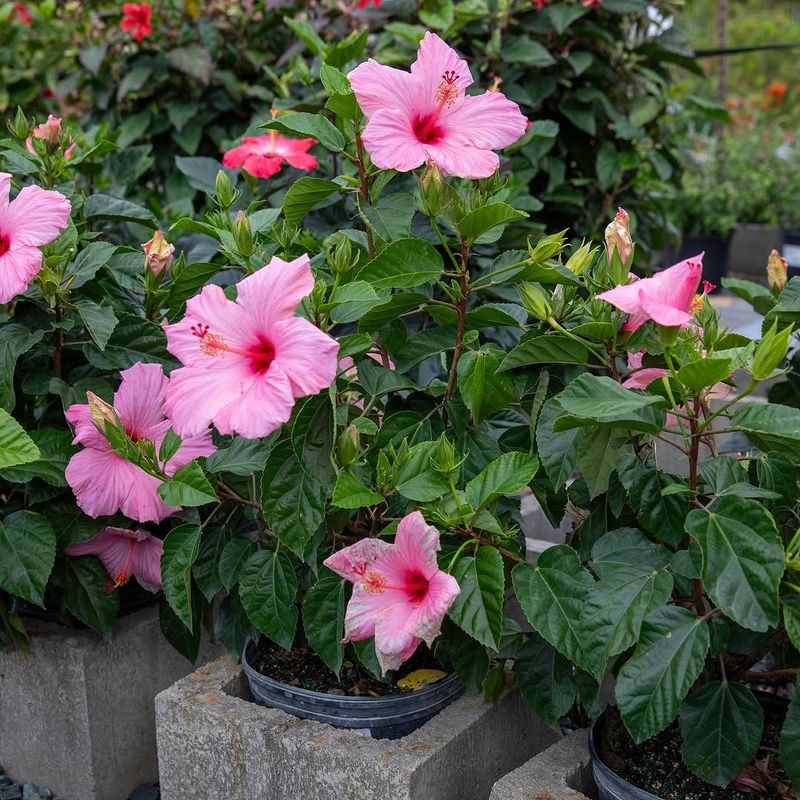
Watering time actually matters more than most people think. Morning watering gives plants a full supply of moisture right before the hottest part of the day, which is when evaporation and heat stress hit hardest.
In Georgia, April mornings can still be cool, but afternoon sun builds quickly and pulls moisture from soil and leaves faster than evening temperatures do.
Plants watered in the morning have time to absorb what they need before that heat arrives. Roots take up water more efficiently when soil temperatures are moderate, which is exactly what you get with an early morning routine.
Blooms that open under steady hydration tend to hold their shape and color longer than those struggling through midday stress.
Evening watering is a common habit but it comes with tradeoffs. Wet foliage sitting overnight in Georgia’s spring humidity can encourage fungal problems on leaves and stems.
Keeping water at the base and watering in the morning reduces that risk significantly.
Flower quality is not just about how many blooms appear — it is about how long each one lasts once it opens. A hibiscus that gets consistent morning water tends to produce fuller blooms that stay open longer through the day.
4. How Mulch Helps Maintain Steady Moisture Around Roots
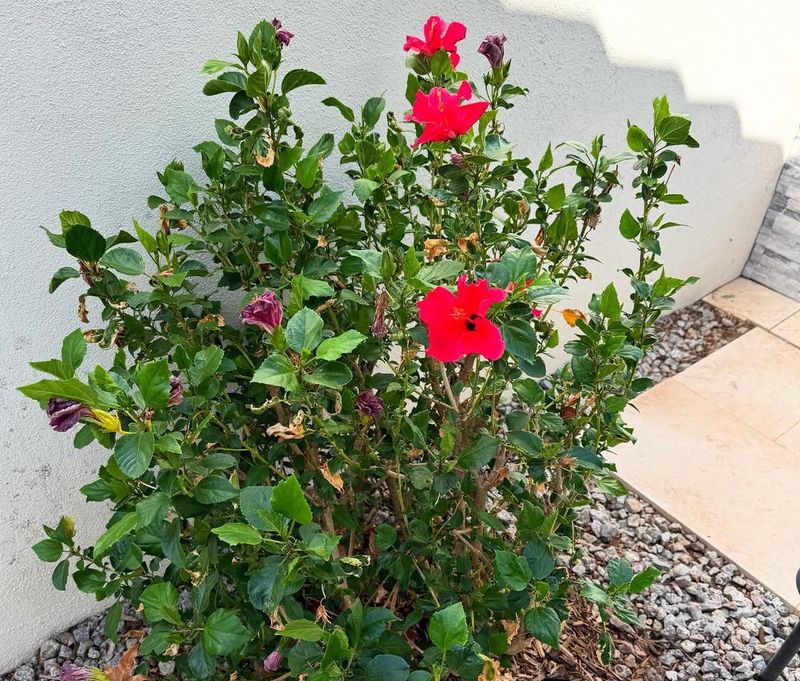
Bare soil around a hibiscus dries out surprisingly fast once April temperatures start climbing in Georgia. Mulch acts as a buffer between the soil surface and the sun, slowing evaporation and keeping moisture available to roots for longer between waterings.
A two-to-three-inch layer of organic mulch around the base of the plant can make a noticeable difference in how long soil stays workably moist.
Pine bark, wood chips, or shredded leaves all work well as mulch options. Organic materials break down gradually and add a small amount of nutrients to the soil over time, which supports overall plant health.
Avoid piling mulch directly against the main stem, since that can trap moisture against the bark and create problems over time.
Georgia gardeners dealing with clay-heavy soil benefit from mulch in a slightly different way. Clay holds moisture longer but can also compact on the surface, forming a crust that makes water absorption less efficient.
Mulch prevents that surface compaction while also moderating soil temperature swings between cool nights and warm April afternoons.
Mulching is a straightforward step that reduces how often you need to water while keeping soil conditions steadier for the plant. Hibiscus roots prefer stable conditions, and mulch helps create exactly that.
5. What Happens When Hibiscus Dries Out Too Quickly
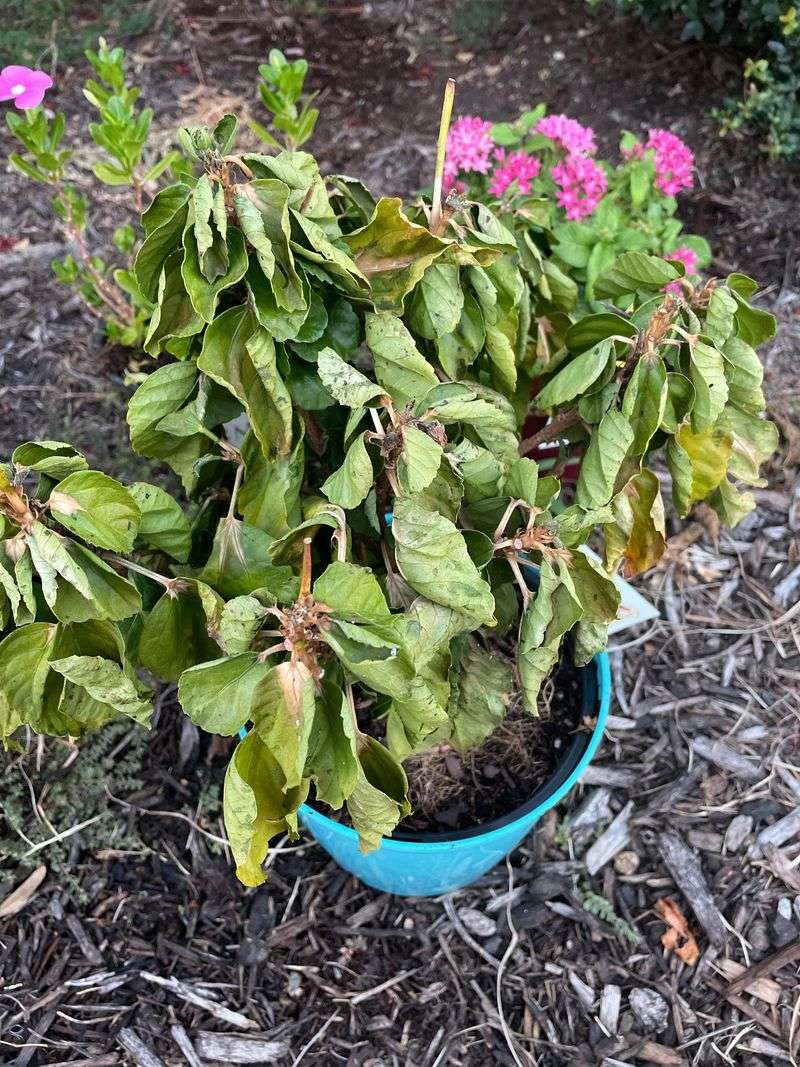
Rapid soil drying is one of the fastest ways to cut a hibiscus bloom season short. When roots lose access to moisture too quickly, the plant responds by pulling resources away from buds and flowers first.
Blooms that were days from opening can drop without warning, and flowers already open may close early or wilt before their natural cycle ends.
Georgia’s spring weather is unpredictable enough that a few dry, windy days can pull moisture from soil faster than expected — especially in raised beds or containers where volume is limited.
Checking soil moisture regularly during these stretches is more useful than following a fixed schedule that was set during wetter weather.
Leaves that curl or look slightly dull during the day are often early signs that the plant is losing moisture faster than it can absorb. Catching that early and watering deeply can help the plant recover before buds are affected.
Waiting until leaves are visibly wilted usually means buds have already been stressed.
Containers and pots are especially vulnerable to quick drying in Georgia’s April sun. Dark-colored pots absorb heat and raise soil temperature, which speeds up evaporation significantly.
Placing pots in a spot with afternoon shade or switching to lighter-colored containers can reduce how fast they dry out.
6. Why Overwatering Can Shorten Bloom Life
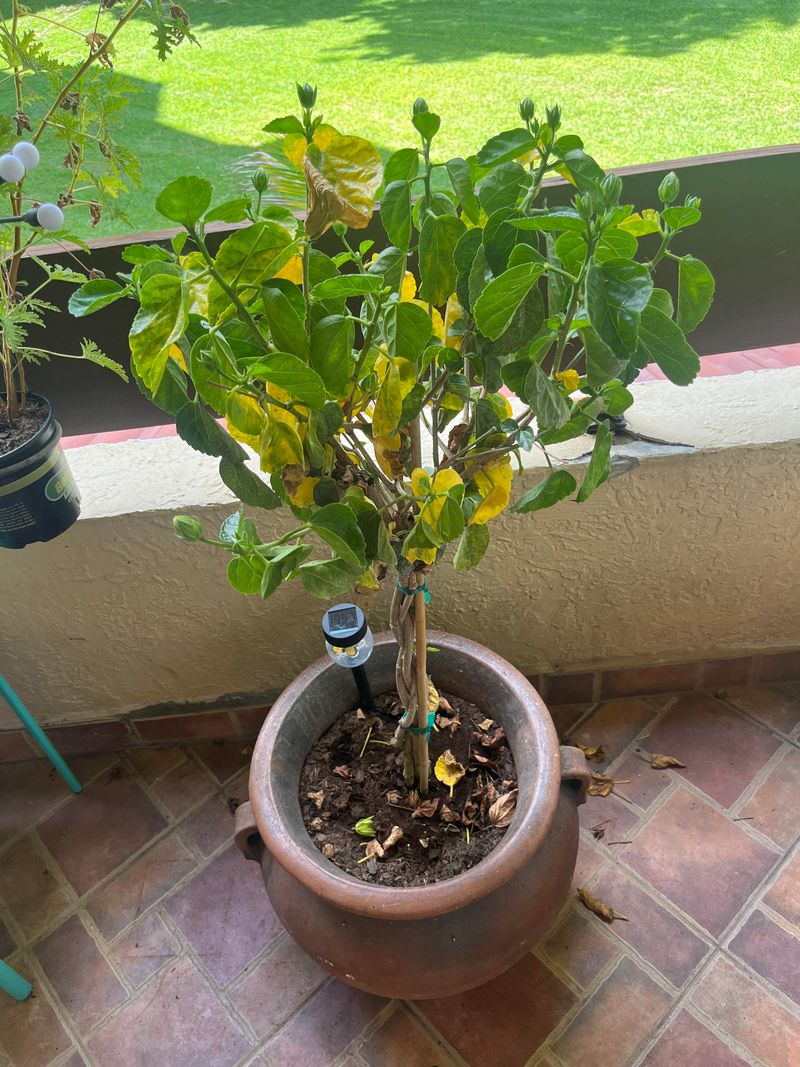
More water does not always mean better blooms — that is something worth understanding before April gets underway in Georgia.
Overwatered hibiscus roots sit in saturated soil that lacks oxygen, and roots under those conditions cannot absorb nutrients or water effectively even when both are present.
Ironically, a plant sitting in soggy soil can show signs that look a lot like drought stress.
Yellowing leaves, soft stems, and buds that drop before opening are all signs that a hibiscus may be getting too much water. Georgia’s clay soils hold moisture for a long time, so watering on a schedule without checking soil conditions first can lead to overwatering without realizing it.
Feeling the soil a couple of inches down before watering takes only a moment and prevents a lot of guesswork.
Root health drives bloom production. When roots are compromised by waterlogged conditions, the plant cannot support full bud development or hold blooms open for their natural lifespan.
Getting roots back to healthy conditions takes time, and the bloom season may suffer while recovery happens.
Drainage matters as much as watering frequency. Beds that do not drain well after rain can stay saturated for days, especially in Georgia’s heavier clay soils.
Raising bed height slightly or working coarse compost into dense soil improves drainage without creating a dry extreme on the other end.
7. Keeping Soil Conditions Stable As Temperatures Rise
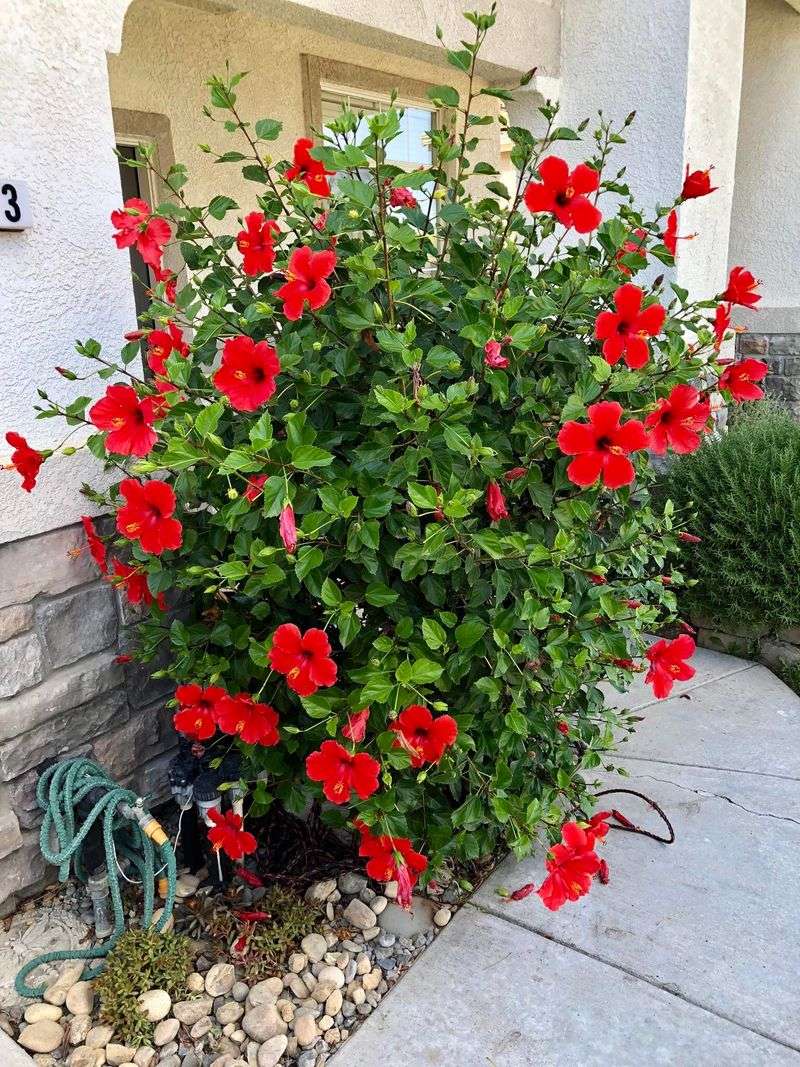
April in Georgia does not stay mild for long. Temperatures can jump ten degrees or more from early in the month to late April, and that shift puts pressure on plants that were just getting established in spring growth.
Hibiscus handles warmth well, but rapid temperature changes combined with inconsistent soil conditions can affect how long blooms last and how reliably new buds form.
Stable soil conditions act as a buffer against those temperature swings. Consistent moisture, a layer of mulch, and good drainage work together to keep root zone temperatures from spiking as dramatically as air temperatures do.
Roots that stay in a steadier environment continue supporting the plant’s bloom cycle without interruption.
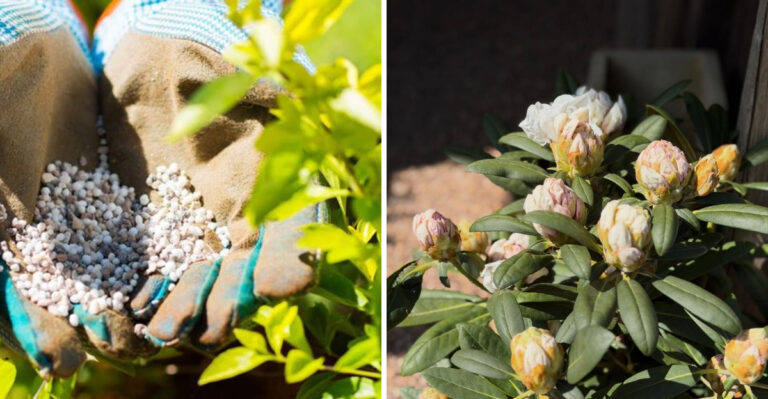
Feeding the plant also plays a role in keeping conditions right as warmth builds. A balanced fertilizer applied in early April — not a high-phosphorus formula — gives the plant nutrients to support both root function and flower production.
Avoid heavy feeding right before a heat spike, since fertilizer salts can stress roots when soil moisture is already fluctuating.
Watching how your specific planting spot behaves through the month is genuinely useful. Some areas of a Georgia yard heat up faster than others based on pavement, fencing, or sun exposure.
Adjusting your watering response to match what the soil is actually doing — rather than following a rigid schedule — keeps conditions stable through temperature changes.