What Loquat Trees In Arizona Need In April For Improved Harvests
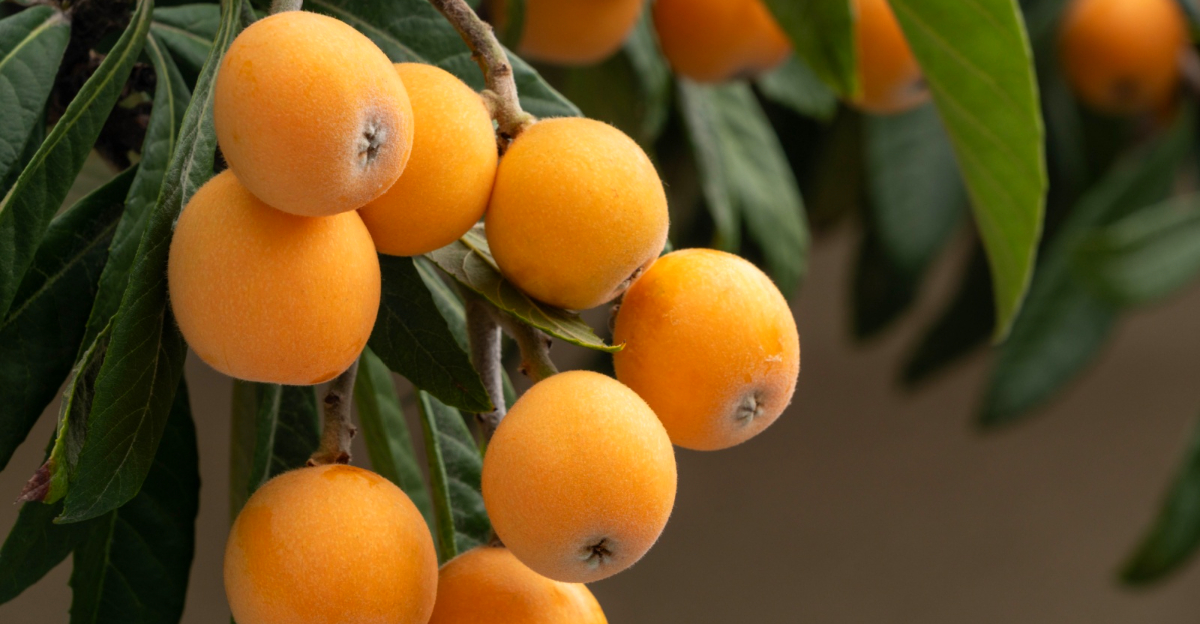
April is a key month for Arizona gardeners with loquat trees, offering a critical window to boost fruit size, sweetness, and overall harvest quality.
As days lengthen and temperatures rise, loquats are actively developing fruit that will soon be ready to pick.
Arizona’s warming soils, low spring rainfall, and intense sun make timely care essential.
Pruning for shape, fertilizing for growth, watering deeply, mulching, monitoring pests, and thinning fruit now all help set the stage for a strong, productive season.
Taking these steps before the summer heat arrives gives your loquat tree the best chance to thrive and reward you with abundant, high-quality fruit.
1. Pruning For Shape And Airflow
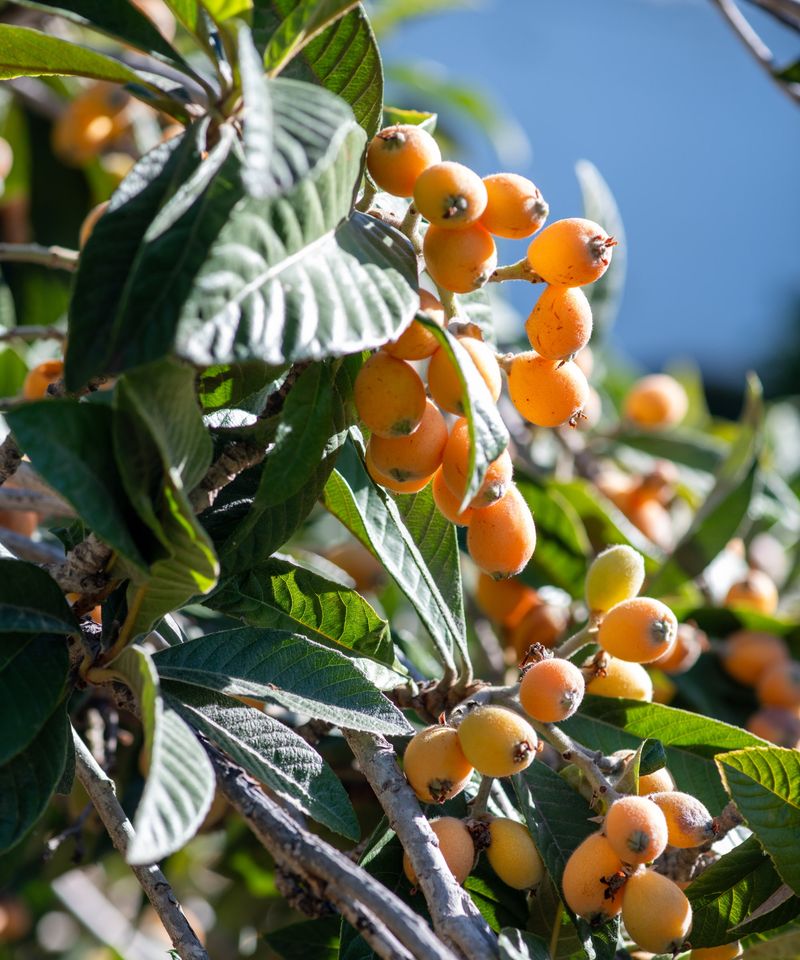
After a long winter of slow growth, loquat trees in Arizona yards often emerge into spring looking a bit crowded and tangled.
April is a reasonable time to do light corrective pruning before fruit fully matures, though many Arizona growers prefer to wait until just after harvest to do heavier shaping.
Light pruning now can open up the canopy, reduce overcrowding, and improve airflow between branches.
Good airflow matters more than many people realize. In Arizona’s warm spring climate, stagnant air inside a dense canopy creates conditions where fungal issues and insect pests are more likely to build up.
Removing crossing branches, water sprouts, and weak interior growth allows sunlight to reach developing fruit clusters more evenly.
When pruning, use clean, sharp tools and make smooth cuts just outside the branch collar. Avoid removing more than about 20 to 25 percent of the canopy at one time, as heavy pruning can stress the tree and reduce fruit yield in the current season.
In Phoenix and other low desert areas, keeping the canopy slightly fuller can also help shade developing fruit from intense afternoon sun.
Focus on creating a balanced, open structure that encourages strong new growth without leaving the tree vulnerable to sunburn or wind stress as Arizona’s temperatures rise through late spring.
2. Fertilization For Stronger Growth
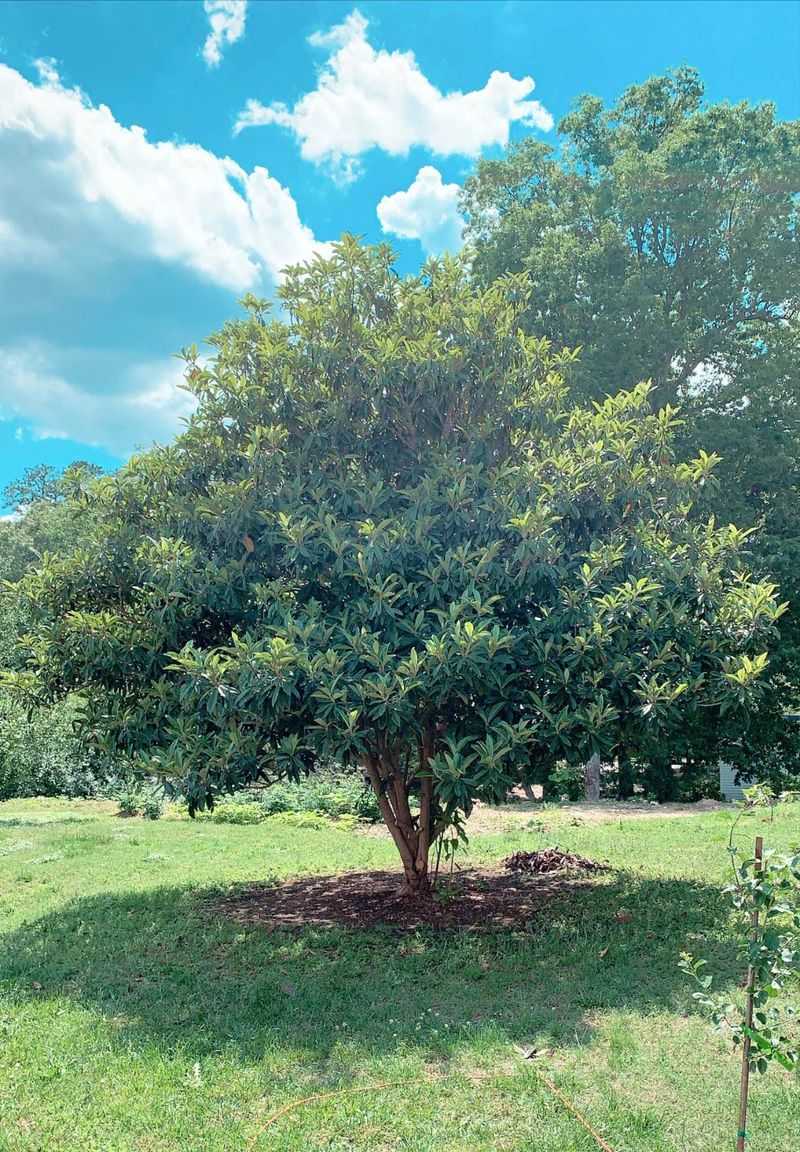
Loquat trees moving through active fruit development in April have a real appetite for nutrients, and Arizona’s sandy, low-organic desert soils can make it harder for trees to access what they need.
Early spring is a solid window to apply a balanced fertilizer that supports both fruit sizing and shoot development without pushing excessive leafy growth at the wrong time.
A balanced, slow-release granular fertilizer with roughly equal parts nitrogen, phosphorus, and potassium works well for established loquat trees in Arizona landscapes.
Most gardening guidelines recommend fertilizing in early spring and again after harvest, rather than during the peak of summer when plants absorb nutrients more slowly and roots are under greater stress.
Spreading fertilizer evenly under the canopy drip line, rather than piling it near the trunk, encourages roots to spread outward into the soil.
Incorporating a layer of compost along with the fertilizer adds organic matter that helps Arizona’s sandy soils retain moisture and nutrients longer.
Avoid over-fertilizing, especially with high-nitrogen products, as this can push soft new growth that attracts aphids and other pests.
Your Arizona Garden Changes Every Week. Your Plan Should Too.
Gardening in Arizona changes quickly throughout the season. Every Friday you’ll receive a simple weekly plan showing exactly what to plant, prune, fertilize, harvest, and protect so you never miss the right timing.
Water the fertilizer in thoroughly after application so nutrients move into the root zone rather than sitting on the dry desert soil surface.
In higher elevation areas like Prescott, soil temperatures may still be cool enough in early April to slow nutrient uptake slightly, so timing application to coincide with warmer soil conditions makes a practical difference.
3. Irrigation For Healthy Roots And Quality Fruit
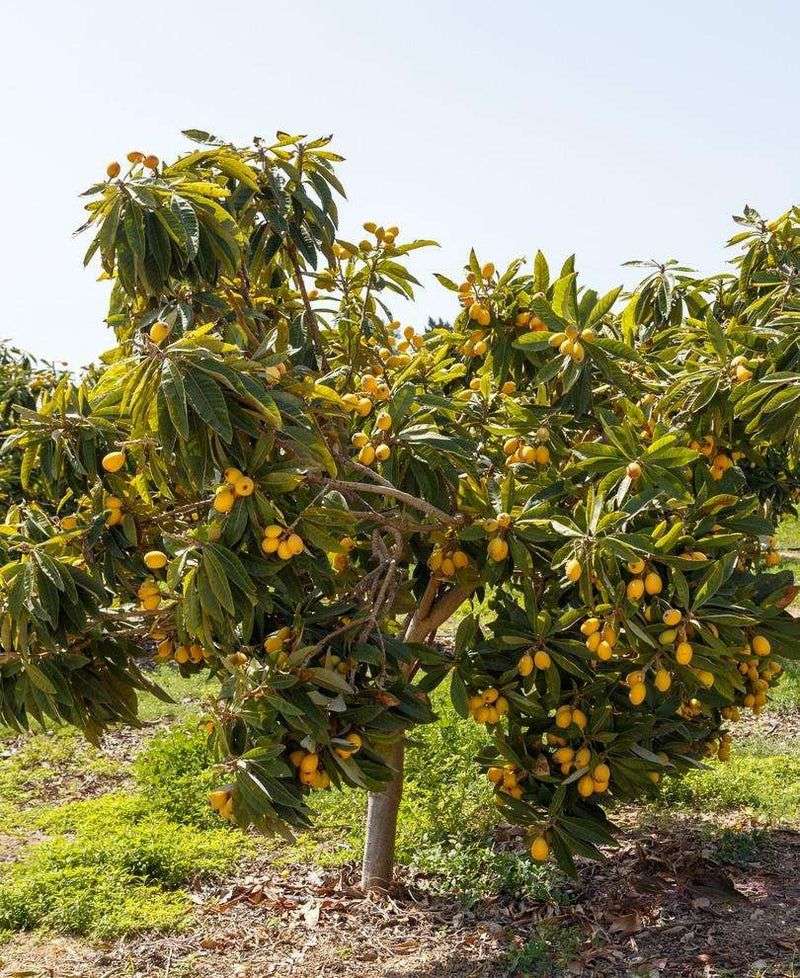
Water management in April can genuinely shape the outcome of an Arizona loquat harvest. As fruit swells and matures on the tree, consistent soil moisture encourages even fruit sizing and reduces the likelihood of cracking or dropping before harvest.
Arizona’s notoriously dry spring conditions, combined with increasing temperatures, mean that soil can dry out faster than many gardeners expect.
Deep, infrequent watering is generally a smarter approach than frequent shallow watering for loquat trees in Arizona.
Watering deeply encourages roots to grow downward into cooler, more stable soil layers, which helps trees handle the heat that builds through late spring.
Drip irrigation systems work particularly well in Arizona landscapes because they deliver water directly to the root zone without wetting foliage, which can contribute to disease issues.
A general guideline from desert horticulture resources suggests watering established loquat trees every seven to ten days in spring, adjusting based on soil type, tree size, and recent rainfall.
Sandy soils common across much of the Phoenix metro area drain quickly and may need more frequent watering than clay-heavy soils found in some higher elevation Arizona communities.
Check soil moisture a few inches below the surface before watering rather than following a fixed schedule.
Overwatering is a real concern because waterlogged soil around loquat roots can lead to root rot, which weakens the tree significantly over time.
4. Mulching To Conserve Moisture And Protect Roots
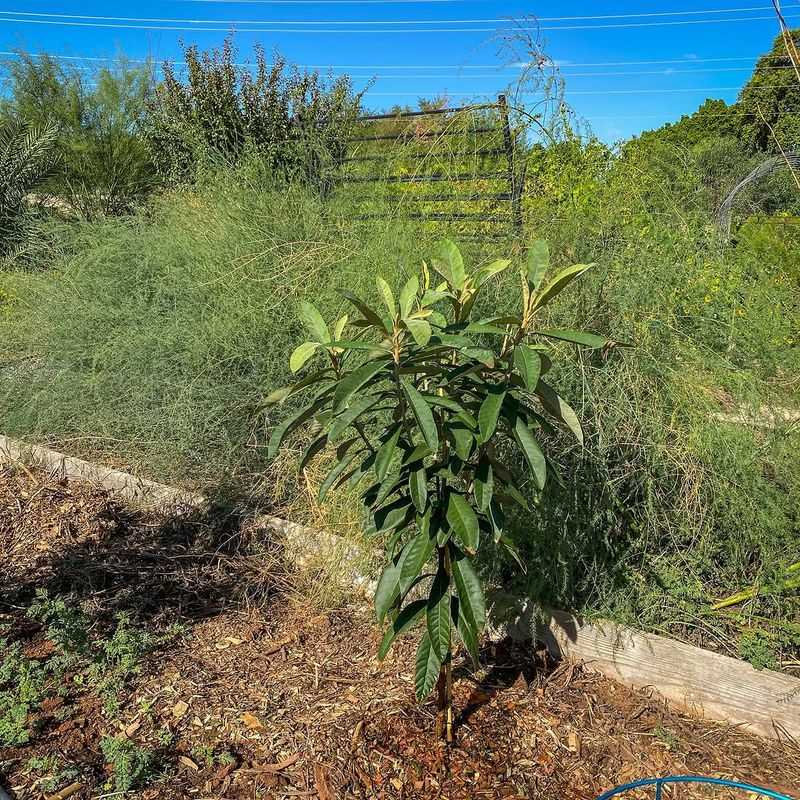
Few simple practices pay off as consistently for Arizona loquat growers as a good layer of mulch applied in spring. As April temperatures climb across the state, bare desert soil heats up quickly and loses moisture at a rate that can stress even established trees.
A proper mulch layer acts like a natural insulator, keeping soil temperatures more stable and slowing evaporation significantly between watering sessions.
Wood chips, shredded bark, or straw mulch spread two to four inches deep over the root zone creates a buffer that benefits both roots and soil biology.
Keep mulch pulled back a few inches from the trunk itself to prevent moisture from sitting against the bark for extended periods, which can encourage fungal growth at the base of the tree.
The mulch ring should extend out to the drip line of the canopy or beyond, since that is where the majority of feeder roots are actively working.
Beyond moisture retention, mulch also moderates soil temperature swings that are common in Arizona’s spring, where nights can still be surprisingly cool while afternoon temperatures push into the 90s in low desert areas like Phoenix.
Organic mulch breaks down slowly over the season, adding small amounts of organic matter back into Arizona’s typically lean desert soils.
Refreshing the mulch layer in April, before the hottest months arrive, sets the tree up for a more comfortable transition into summer while supporting the final weeks of fruit development.
5. Pest And Disease Monitoring
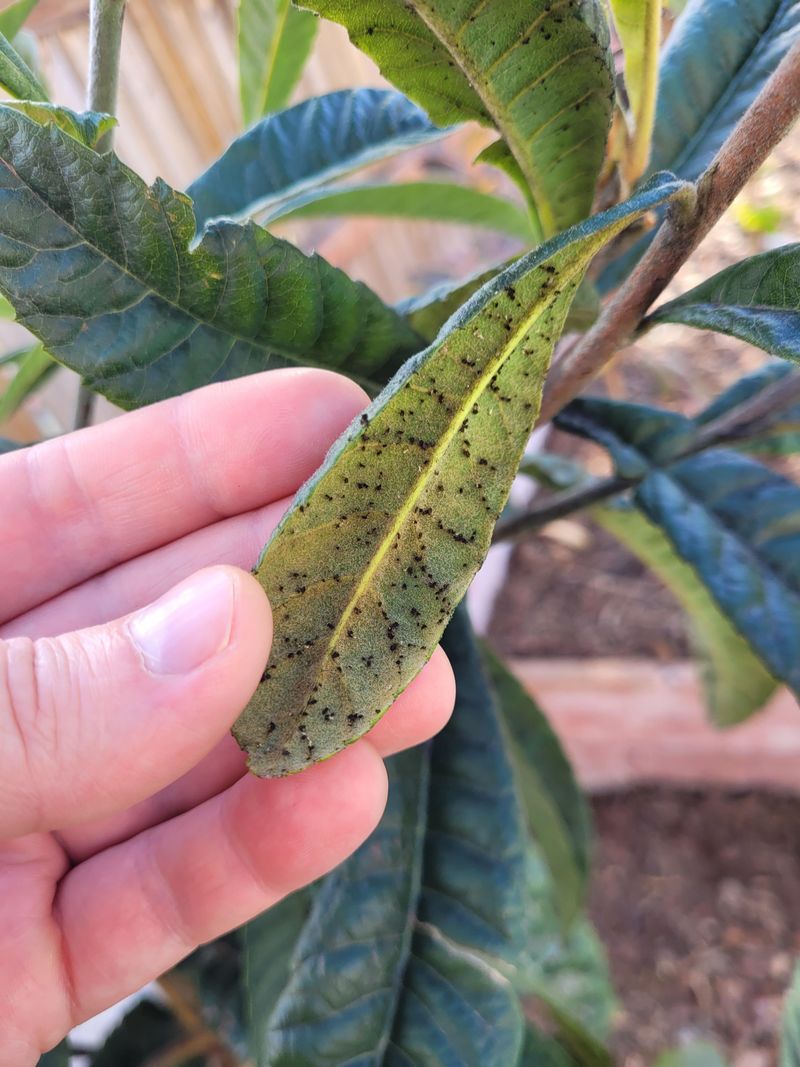
Spring in Arizona brings warmer temperatures that wake up not just loquat trees but also the insects and fungal issues that can complicate a healthy harvest.
April is a smart time to make regular walk-throughs part of your loquat care routine, checking leaves, stems, and fruit clusters for anything that looks off before small problems have a chance to spread.
Aphids are among the most common visitors to loquat trees in Arizona spring gardens, often clustering on tender new growth and the undersides of young leaves.
A strong spray of water from a garden hose can knock aphid populations back significantly without reaching for chemical controls.
Fire blight, a bacterial disease that causes branch tips to brown and curl as if scorched, is worth watching for as well, particularly in areas where spring humidity occasionally rises or overhead irrigation wets the foliage regularly.
Scale insects and mealybugs can also appear on loquat trees in Arizona landscapes during spring, typically showing up as waxy or cottony deposits along branches.
Horticultural oil sprays applied in the cooler morning hours can be effective against soft-bodied insects without harming beneficial pollinators active during the day.
Checking fruit clusters for signs of codling moth or other fruit-boring pests is also worthwhile as fruit develops through April.
Catching issues early and responding with targeted, low-impact treatments helps preserve both the tree’s health and the quality of the developing fruit.
6. Flower And Fruit Thinning
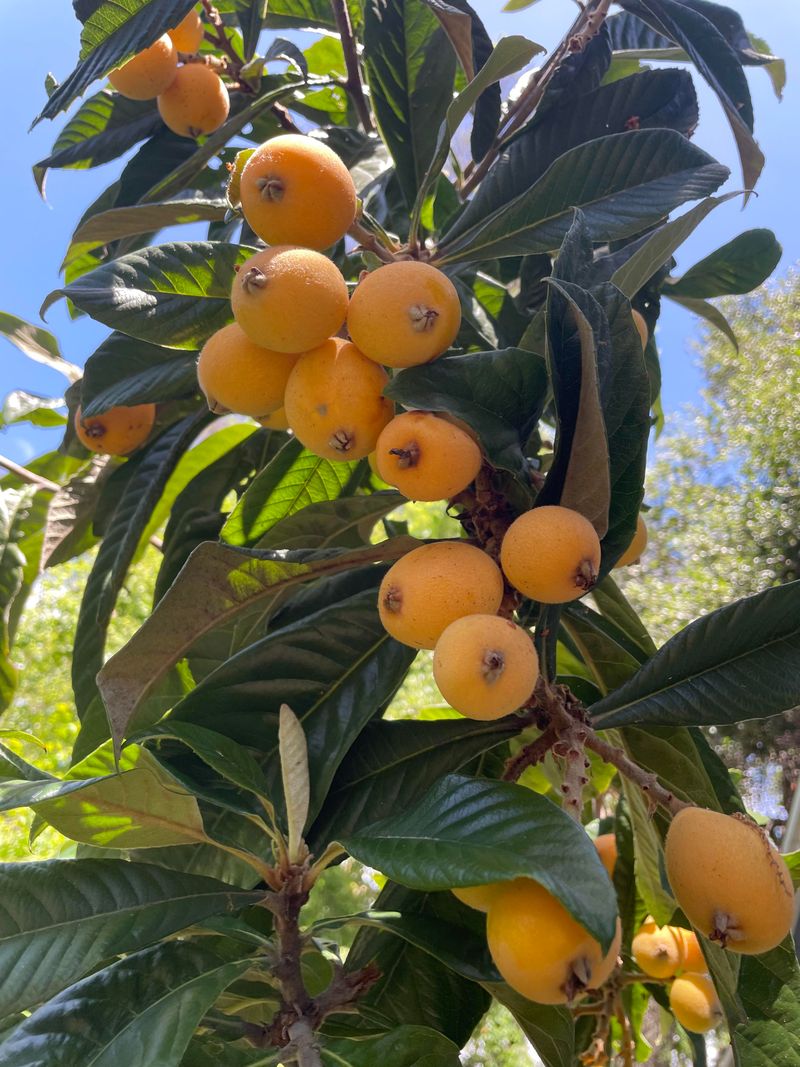
Loquat trees in Arizona can sometimes set more fruit than they can comfortably support through to full maturity, especially after a successful pollination period.
Thinning fruit clusters in April, while fruit is still small and firm, is one of the more underrated practices for improving the size and flavor of the loquats that remain on the tree through harvest.
When clusters are left fully intact, individual fruits tend to stay small because the tree is dividing its energy across too many developing fruits at once.
Removing some of the smaller or misshapen fruitlets from each cluster, leaving the largest and most well-positioned ones spaced about an inch or two apart, allows the remaining fruit to access more water, nutrients, and photosynthates from the tree.
The result is typically larger, juicier, and better-flavored fruit at harvest time.
Thinning also reduces physical stress on branches, which can become quite heavy as loquat clusters swell with moisture in the weeks before harvest.
In Arizona’s warm spring conditions, where fruit development accelerates quickly as temperatures rise, thinning earlier in April gives remaining fruit the longest possible window to size up before the tree begins to shift energy toward summer dormancy.
Use clean pruning snips or simply pinch off excess fruitlets by hand, and focus on clusters that look overcrowded or where multiple fruits are pressing tightly against each other.