These 11 Sun-Loving Plants Thrive With Neglect In Oregon
Some plants in Oregon seem to ask for a full schedule, a pep talk, and perfect timing just to stay happy. Then there are the easy ones.
The sun-loving plants that sit in a bright spot, handle a little neglect, and still manage to look like they have everything figured out. That kind of plant earns its place fast, especially when life gets busy and the garden cannot be your full-time job.
Oregon gardeners know the mix of sunny days, dry spells, and surprise weather shifts can humble even the best intentions. That is why low-fuss plants feel like such a win.
A good one keeps the color coming, holds its shape, and does not act dramatic every time the hose stays put for an extra day. A garden can still look lively and full without constant upkeep.
Sometimes the smartest choice is simply planting the things that do not need much help to shine.
1. Yarrow
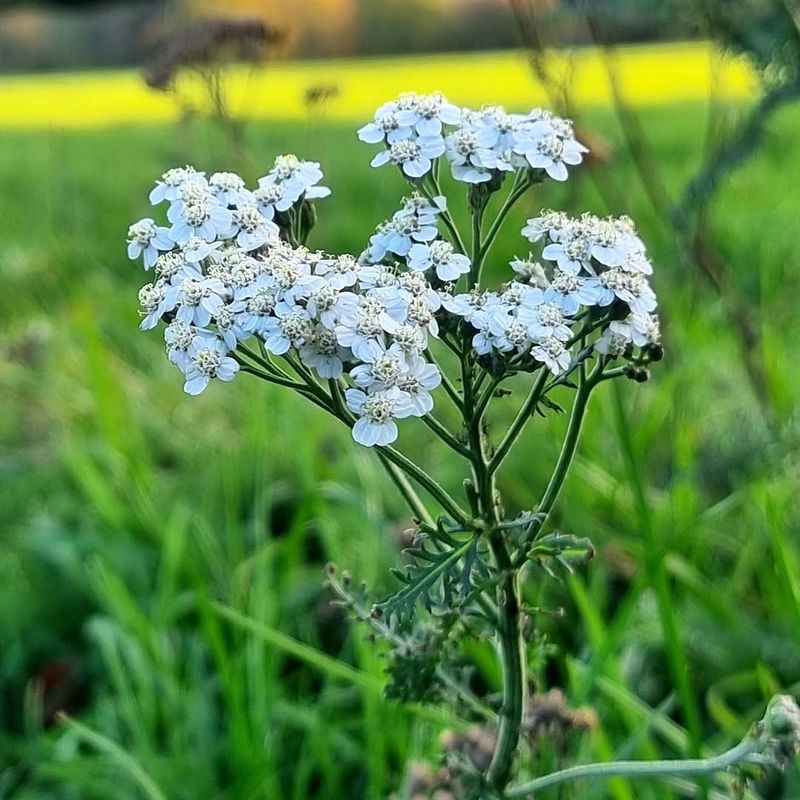
Few plants are as tough and cheerful as Yarrow. This feathery-leafed wildflower has been growing across Oregon’s hillsides and meadows for centuries, and it asks for almost nothing in return for its bold, flat-topped blooms.
You can find it in shades of yellow, white, pink, and red, making it a colorful addition to any sunny garden bed.
Yarrow loves full sun and well-drained soil. It actually performs better in poor, dry soil than in rich, heavily watered ground.
Overwatering is one of the few things that can cause problems for this plant, so less is definitely more here. Once established, it handles Oregon’s dry summers without any extra irrigation.
Beyond its looks, Yarrow is a magnet for pollinators. Butterflies and beneficial insects flock to its blooms from late spring through early fall.
It also spreads naturally over time, filling in bare spots in your garden without any effort. If it gets too wide, simply divide it in spring.
Yarrow is also deer-resistant, which is a huge bonus for Oregon gardeners dealing with wildlife visitors.
2. Penstemon
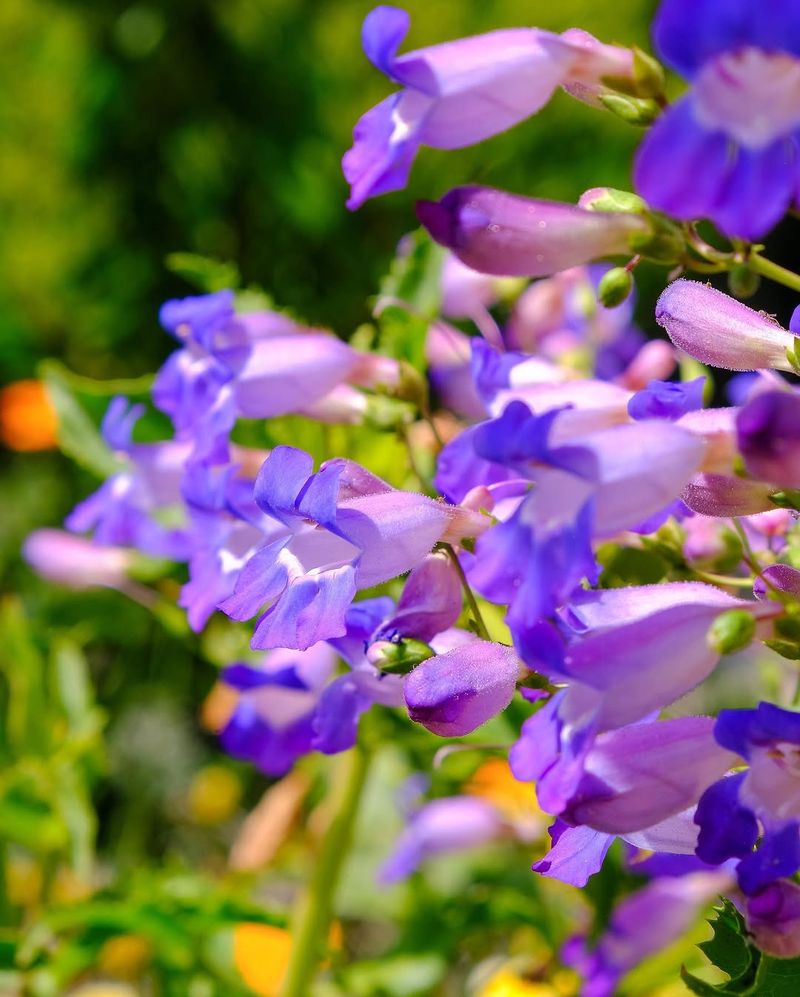
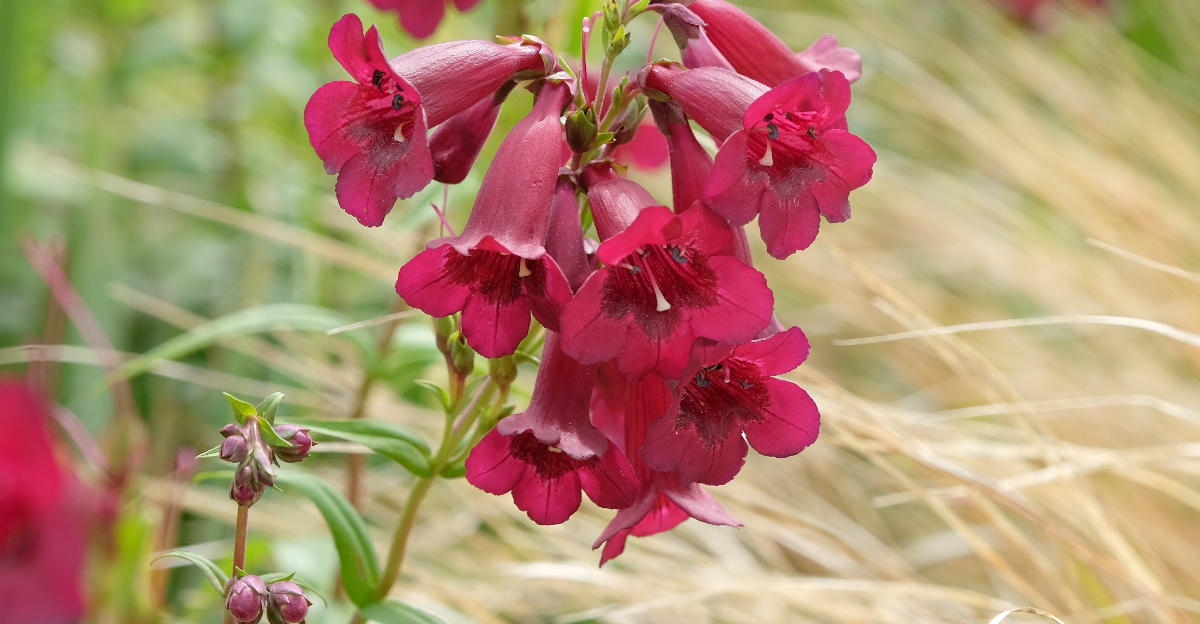
Penstemon is basically Oregon’s secret weapon for low-maintenance color. Also called beardtongue, this native wildflower produces tall spikes of tubular blooms that hummingbirds absolutely love.
You will find it growing naturally along roadsides, rocky slopes, and open meadows all across the state, which tells you everything you need to know about how tough it really is.
Plant Penstemon in full sun and well-drained soil, and it will reward you with weeks of blooms from late spring into summer. It thrives in the kind of lean, gritty soil that most plants would struggle in.
Rich or waterlogged soil can actually shorten its life, so avoid heavy clay beds or spots that stay wet after rain.
Oregon has several native Penstemon species, including Penstemon rupicola and Penstemon cardwellii, both of which are perfectly adapted to the Pacific Northwest climate. These plants are also incredibly drought-tolerant once their roots settle in, making them ideal for water-wise gardens.
Deadheading spent flowers can encourage a second round of blooms. With its striking vertical form and wildlife appeal, Penstemon brings both beauty and function to any Oregon landscape.
Your Oregon Garden Changes Every Week. Your Plan Should Too.
Gardening in Oregon changes quickly throughout the season. Every Friday you’ll receive a simple weekly plan showing exactly what to plant, prune, fertilize, harvest, and protect so you never miss the right timing.
3. Oregon Sunshine
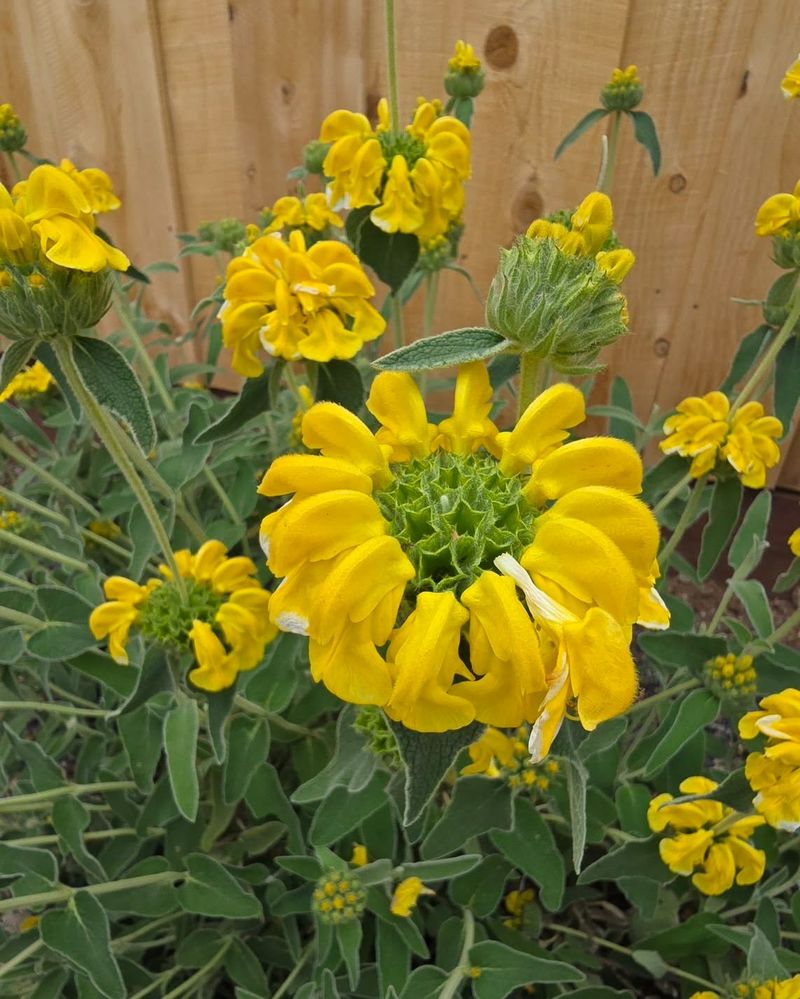
Bright, golden, and gloriously low-maintenance, Oregon Sunshine (Eriophyllum lanatum) is exactly what its name promises. This native wildflower lights up dry hillsides and rocky slopes with cheerful yellow daisy-like blooms that seem almost too vivid for how little care they need.
It is one of those plants that looks like someone put in a lot of effort, even though the plant basically does everything itself.
Oregon Sunshine thrives in full sun and poor, rocky, or sandy soil. It actually struggles in rich, moist garden beds, so skip the fertilizer and the extra watering.
This plant evolved in Oregon’s dry, sun-baked landscapes, which means it is built for summer drought and minimal rainfall. Once established, it rarely needs any supplemental water at all.
Blooming from late spring through early summer, Oregon Sunshine creates stunning drifts of color when planted in groups. It grows low and mounding, making it a great choice for rock gardens, slopes, and the edges of sunny pathways.
Pollinators like bees and butterflies are frequent visitors to its cheerful blooms. For Oregon gardeners looking to add native beauty with zero fuss, this wildflower is a standout choice that never disappoints.
4. Sedum
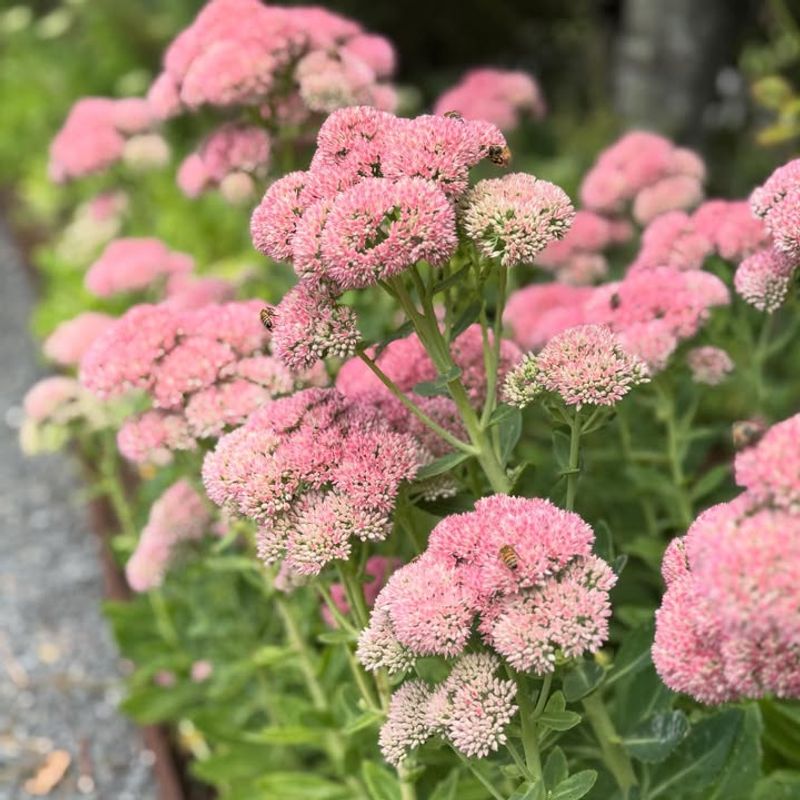
If you have ever forgotten to water a plant and felt guilty about it, Sedum is here to set you free. These fleshy, water-storing succulents were practically designed for neglect.
They store moisture in their thick leaves, which means they can handle Oregon’s dry summers and still look fantastic without a drop of extra water from you.
Sedum comes in a huge range of sizes, colors, and textures. Low-growing groundcover types are perfect for rock gardens, sunny slopes, and wall crevices.
Taller varieties like Sedum spectabile produce showy clusters of pink or burgundy flowers in late summer and fall, which is exactly when most other plants are starting to fade. That late-season color is a huge selling point for Oregon gardeners.
Full sun and well-drained soil are the two things Sedum truly needs. It handles poor soil, heat, and dry spells with total ease.
Wet, heavy clay soil is the one condition to avoid, as it can lead to root rot. Beyond that, Sedum is wonderfully forgiving.
It also attracts butterflies and bees, adding wildlife value to its already impressive list of benefits. Few plants offer this much reward for this little effort anywhere in Oregon.
5. Blanket Flower
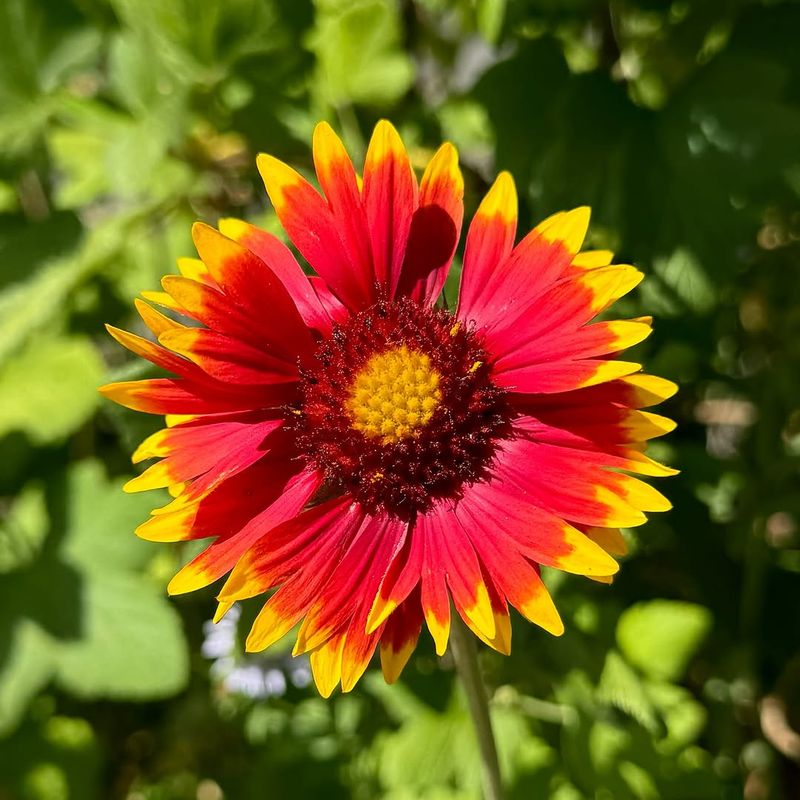
Blanket Flower, known scientifically as Gaillardia, looks like it was painted by someone who really loves bold colors. The blooms are a stunning mix of fiery red, orange, and yellow, and they keep coming all summer long without much encouragement.
Native to North America, this tough perennial has adapted beautifully to Oregon’s sunny, dry growing conditions.
Heat and drought are no problem for Blanket Flower. It actually performs best when it is not pampered.
Plant it in full sun with sandy or well-drained soil, and it will bloom from early summer all the way through fall. The more sun it gets, the more flowers it produces.
Deadheading spent blooms can encourage even more flowers, though the plant will keep going even if you skip that step.
Blanket Flower is also a fantastic choice for pollinators. Bees, butterflies, and even goldfinches are drawn to its bright blooms and seed heads.
It is also deer-resistant, which is always welcome news in Oregon where deer can be a real garden challenge. This plant self-seeds moderately, so you may find new plants popping up nearby each year.
For a long season of vivid, carefree color in your Oregon garden, Blanket Flower is hard to beat.
6. Cinquefoil
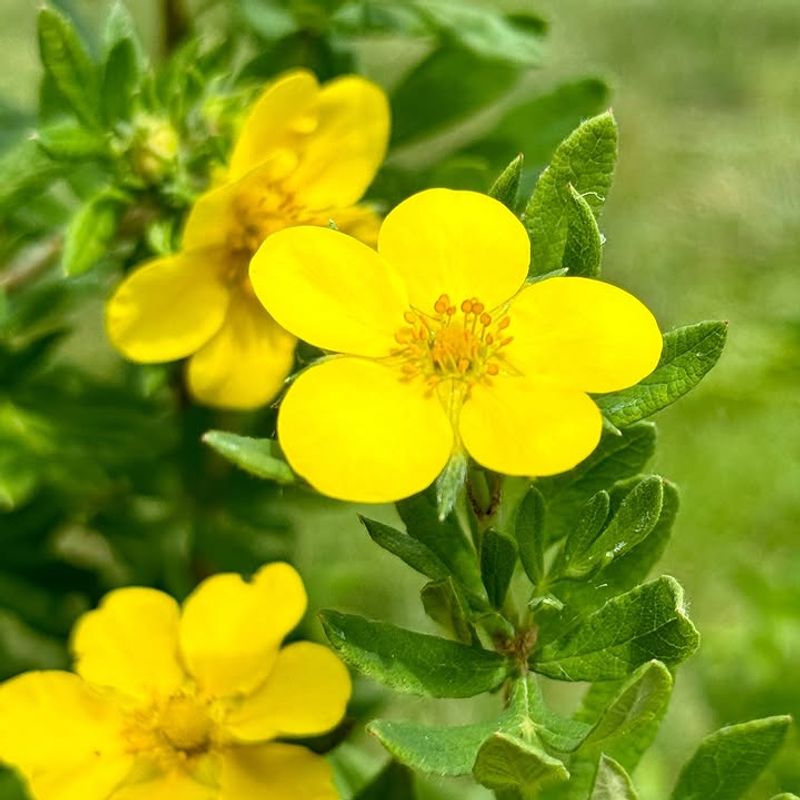
Tough, cheerful, and incredibly reliable, Cinquefoil is the kind of plant that earns its place in any Oregon garden. Also known as Potentilla, this shrubby perennial produces small but plentiful five-petaled flowers in shades of yellow, white, orange, and red.
It blooms from late spring all the way through fall, giving you months of color with almost no effort required.
Cinquefoil handles Oregon’s variable weather like a champion. It tolerates heat, cold, drought, and even light shade, though it blooms most heavily in full sun.
Well-drained soil is preferred, but it adapts to a wide range of soil types. Once established, it rarely needs watering beyond what nature provides, making it a smart choice for water-conscious gardeners across the state.
Did you know Cinquefoil is related to roses? It shares the same family but skips the thorns and the fussiness, which is a great trade-off.
The shrubby varieties stay compact and tidy without much pruning, though a light trim in early spring keeps them looking their best. Wildlife also appreciates Cinquefoil, as its blooms attract bees and other pollinators throughout the season.
For a dependable, season-long bloomer that practically takes care of itself in Oregon, Cinquefoil is a wonderful pick.
7. Red Flowering Currant
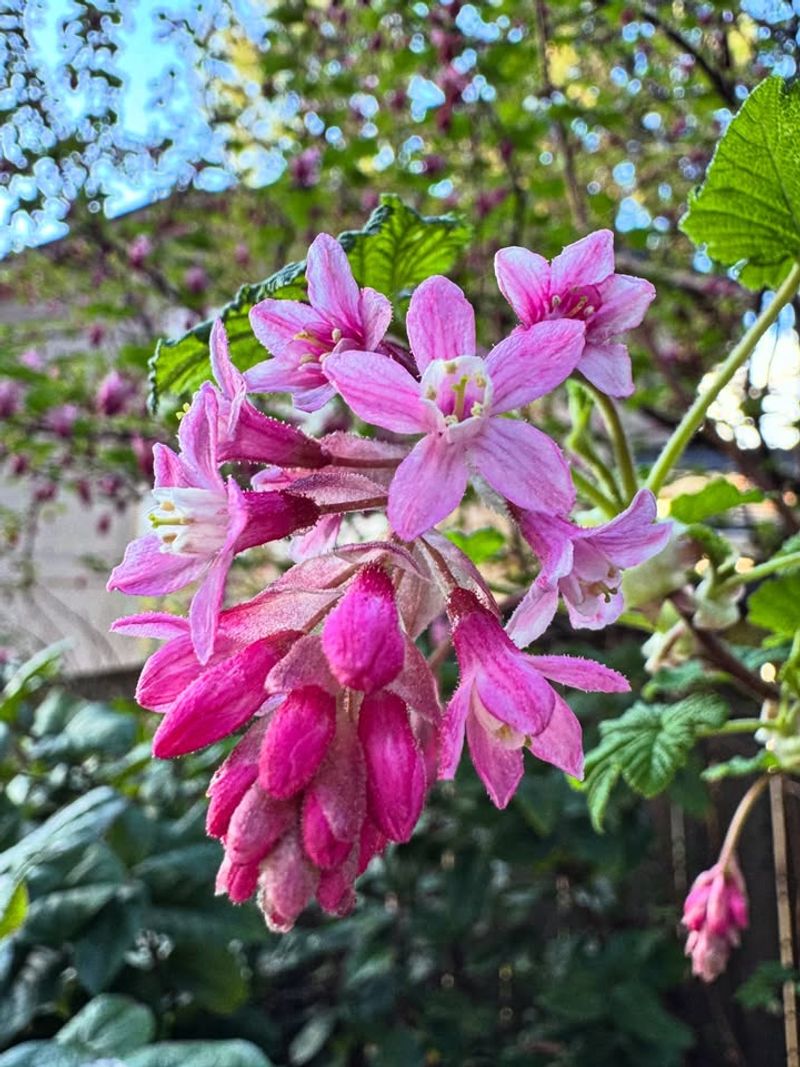
Every spring in Oregon, Red Flowering Currant puts on a show that stops people in their tracks. Before most plants have even woken up, this native shrub bursts into cascades of deep pink to red flower clusters that dangle like tiny chandeliers from its branches.
Hummingbirds show up almost immediately, drawn in by those vivid blooms like they have been waiting all winter for this exact moment.
Red Flowering Currant (Ribes sanguineum) is native to the Pacific Northwest and thrives across a wide range of Oregon conditions. It adapts to both full sun and partial shade, and it handles drought well once its roots are established.
Average, well-drained soil suits it just fine, and it does not need fertilizing or regular watering after its first season in the ground.
This shrub grows to about six to ten feet tall, making it a great choice for hedges, wildlife borders, or naturalized areas. After the flowers fade, dark blue-black berries appear, which birds love.
The leaves turn attractive shades of orange and red in fall, so you get multi-season interest from a single plant. For Oregon gardeners who want beauty, wildlife value, and near-zero maintenance, Red Flowering Currant checks every box on the list.
8. Serviceberry
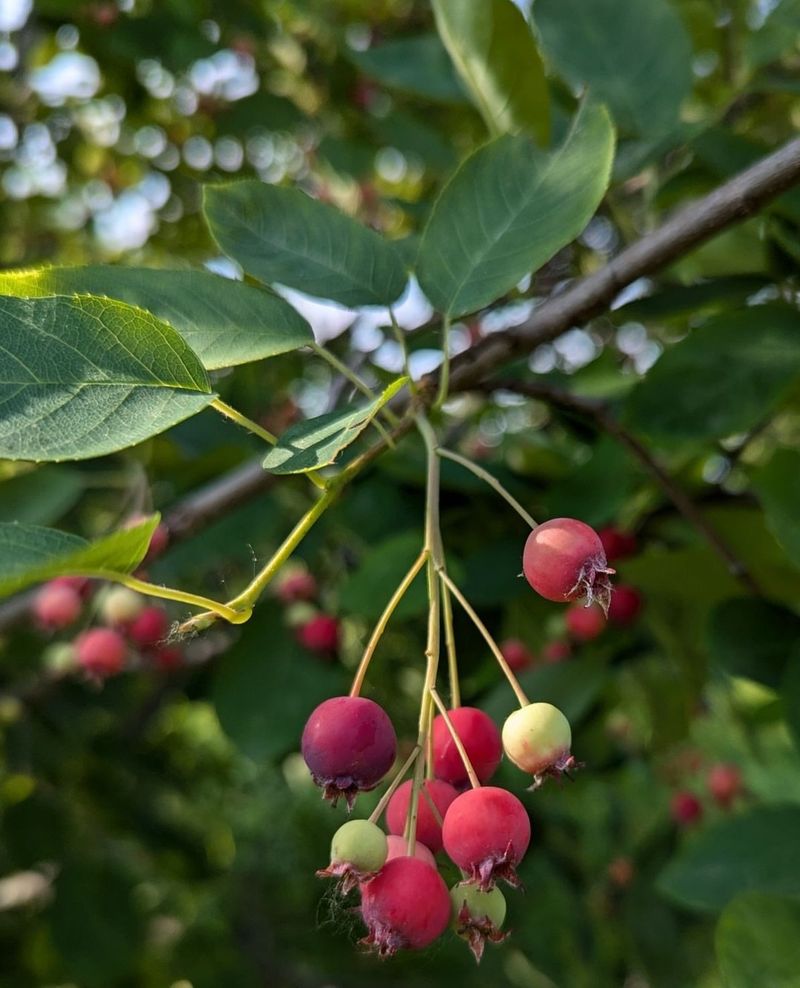
Long before modern grocery stores, Native Americans across the Pacific Northwest relied on Serviceberry for its sweet, nutritious berries. Also called Amelanchier, this graceful native tree or shrub is one of the first plants to bloom in Oregon each spring.
Its clouds of small white flowers appear just as the leaves are emerging, creating a delicate, airy display that signals the end of winter.
Serviceberry is remarkably adaptable to Oregon’s varied landscapes. It grows well in full sun to partial shade and tolerates a wide range of soil types, including dry and rocky conditions.
Once established, it needs very little water or attention. It handles Oregon’s dry summers without complaint, which makes it a smart choice for low-water landscapes across the state.
The berries that follow the spring blooms are edible and sweet, tasting something like a mix between a blueberry and an almond. Birds absolutely love them too, so you may be competing with robins and cedar waxwings for the harvest.
In fall, the leaves turn brilliant shades of orange, red, and gold, adding another season of visual interest. Serviceberry is truly a four-season plant that gives back far more than it ever asks for in an Oregon garden.
9. Oregon Grape
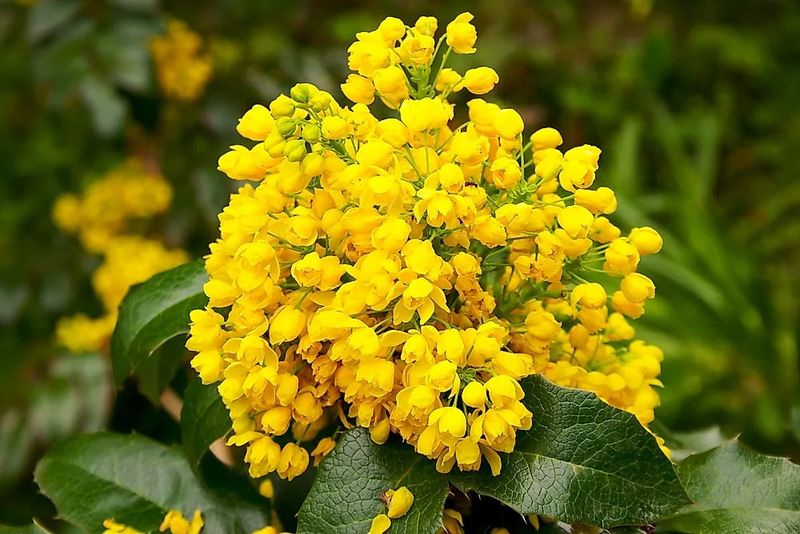
Oregon Grape holds a special place of honor in the Pacific Northwest as the official state flower of Oregon. Despite the name, it is not actually a grape at all.
It is an evergreen shrub with bold, holly-like leaves and clusters of cheerful yellow flowers in spring, followed by tart blue-purple berries that look remarkably like small grapes. Both the flowers and the berries are beloved by wildlife.
What makes Oregon Grape (Mahonia aquifolium) so remarkable is its flexibility. It tolerates shade, sun, dry soil, and even poor-quality ground without skipping a beat.
This makes it one of the most versatile native plants for Oregon gardens, whether you are working with a shady woodland corner or a sunny exposed slope. Once it gets established, it basically takes care of itself.
The glossy leaves add year-round structure to the garden and turn attractive shades of bronze and purple in winter, which is a real bonus when most plants look bare. Oregon Grape also spreads slowly over time through underground stems, gradually filling in open areas.
Its berries can be used to make jelly, juice, or wine. For a tough, beautiful, and deeply Oregon plant that asks for almost nothing, this native shrub is a perfect fit for any low-maintenance garden.
10. Blue Fescue
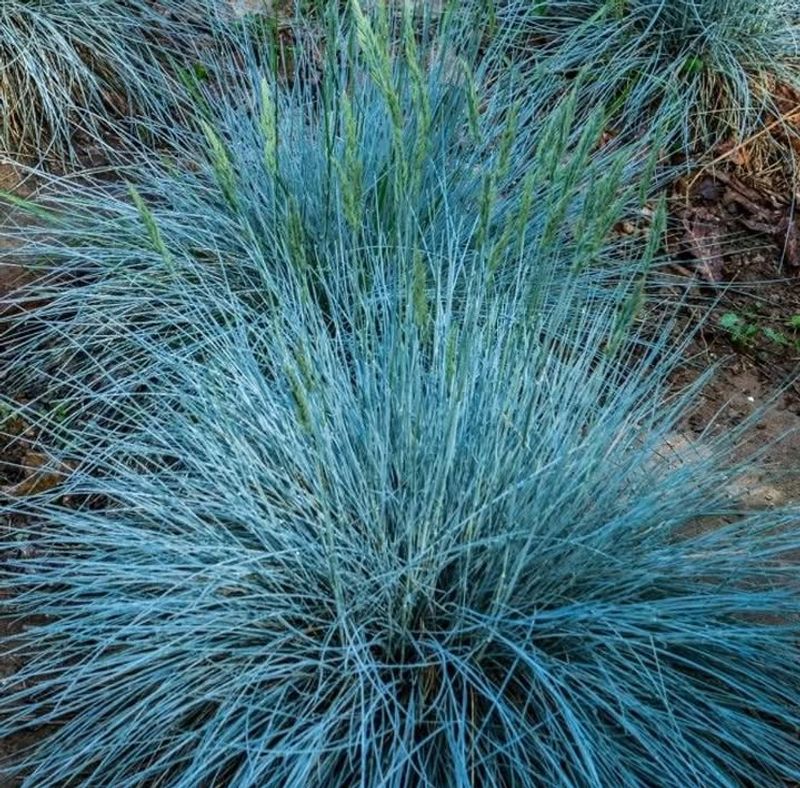
Cool, silvery, and effortlessly stylish, Blue Fescue brings a totally different kind of beauty to the sun-loving plant lineup. This compact ornamental grass forms tight, spiky mounds of blue-gray foliage that catch the light in a way that makes your garden look professionally designed.
And the best part? It is one of the most low-maintenance plants you can grow anywhere in Oregon.
Blue Fescue (Festuca glauca) thrives in full sun and well-drained soil. It actually looks its best when the soil is on the lean and dry side, which makes it perfect for Oregon’s dry summer conditions.
Overwatering or heavy, wet soil can cause the center of the clump to fade out, so good drainage is key. Divide the clumps every two to three years in spring to keep them looking fresh and tidy.
The texture contrast that Blue Fescue brings to a garden is one of its biggest strengths. It pairs beautifully with flowering plants like Yarrow, Sedum, and Blanket Flower, creating a layered, naturalistic look that requires almost no upkeep.
It also works wonderfully in rock gardens, along pathways, or as a border edging plant. For Oregon gardeners who want low-water, high-style landscaping, Blue Fescue is a must-have grass that delivers all season long.
11. Russian Sage
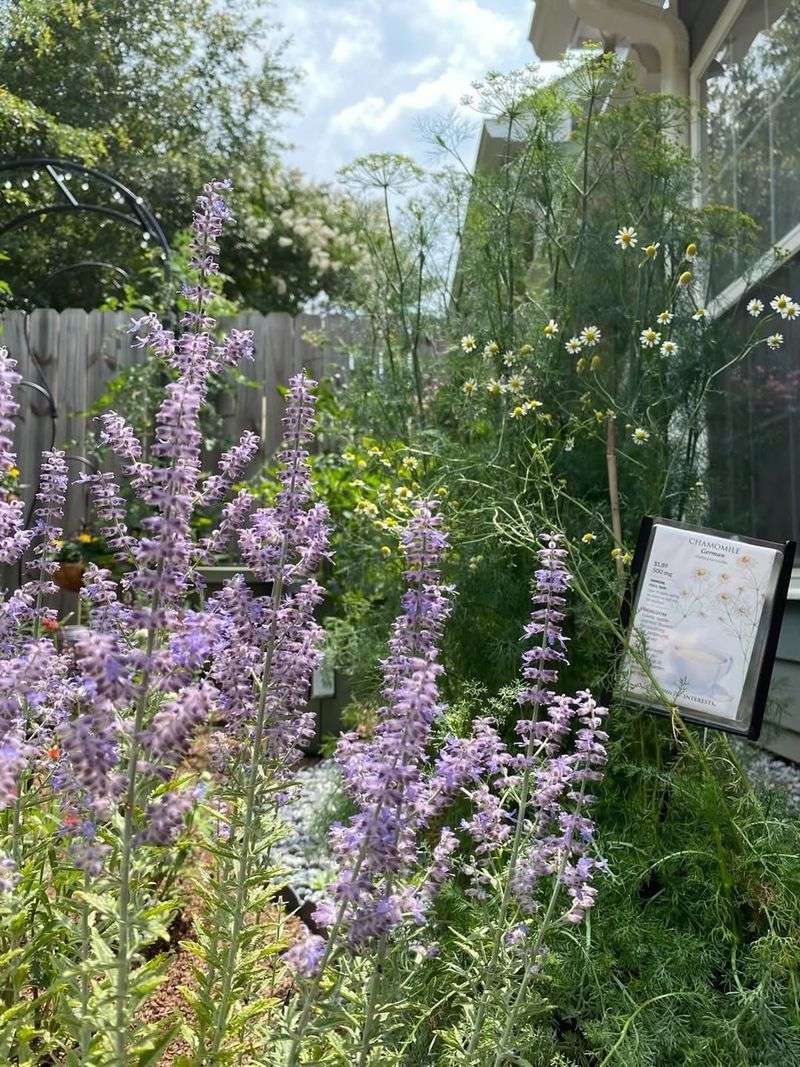
Picture tall, airy wands of lavender-blue flowers swaying in a warm summer breeze, and you have a pretty good idea of what Russian Sage brings to an Oregon garden. Despite its exotic-sounding name, this plant is remarkably well-suited to the Pacific Northwest’s dry summers and sunny growing conditions.
It blooms from midsummer through early fall, filling in the gap when many spring bloomers have already finished their show.
Russian Sage (Perovskia atriplicifolia) loves full sun and well-drained soil. It is extremely drought-tolerant once established, making it one of the best choices for Oregon gardeners who want long-season color without a lot of watering.
The silvery-gray stems and finely cut leaves add texture and light to the garden even when the plant is not in full bloom. It is also highly resistant to deer and rabbits, which is a practical benefit in many parts of Oregon.
Cutting the plant back hard in early spring encourages a full, bushy form and strong flowering later in the season. Beyond its looks, Russian Sage is a pollinator magnet.
Bees, butterflies, and hummingbirds visit the flowers regularly throughout the summer. Its combination of silvery foliage, long bloom time, and total drought tolerance makes Russian Sage one of the most rewarding sun-loving plants you can grow in Oregon.