10 Low-Maintenance Plants Perfect For Oregon Cottage Gardens
Ever wish your garden looked like a dreamy, effortless escape without the endless weekend chores?
In Oregon, we’re blessed with a Pacific Northwest sweet spot – mild winters and warm summers that are practically begging for a classic cottage garden.
The secret to that romantic, layered look isn’t spending hours with a watering can; it’s choosing the right low-maintenance stars that actually love our unique climate.
By picking plants that embrace Oregon’s seasonal shifts, you can trade the constant fussing for a glass of wine on the patio.
Ready to grow a lush, colorful sanctuary that feels like a wild meadow but behaves like a pro? Let’s build your effortless Oregon retreat.
1. Lavender Brings Fragrance And Structure With Minimal Care
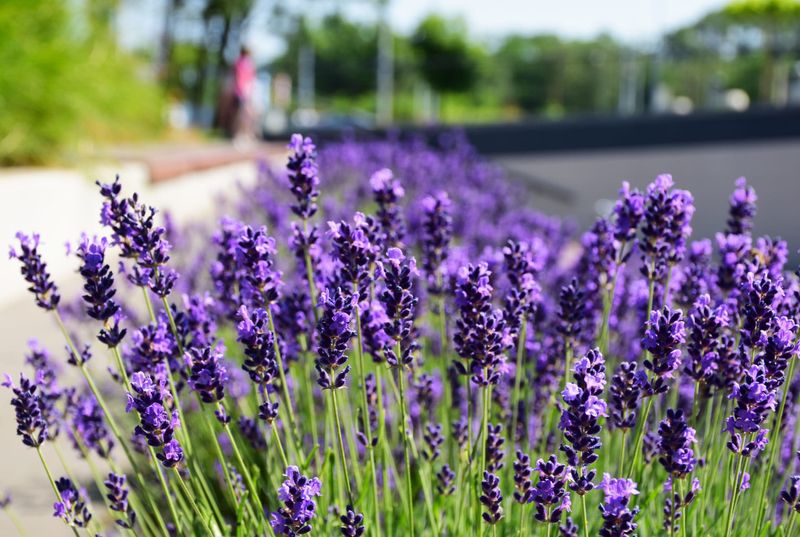
Few plants earn their keep in an Oregon cottage garden quite like lavender. Its silvery-green stems and tall purple flower spikes add structure and softness at the same time, creating that effortless layered look that cottage gardens are famous for.
Lavender has been grown in Pacific Northwest gardens for generations, and there is a good reason for that kind of loyalty.
In Oregon’s dry summer months, lavender genuinely shines. Once established, it handles drought conditions without complaint and rarely needs supplemental watering during the warm season.
Plant it in full sun with well-drained soil, and it will reward you with weeks of fragrant blooms that attract bees and butterflies from all directions.
Spacing lavender about 18 to 24 inches apart gives each plant room to breathe and helps prevent the fungal issues that can come from poor air circulation, especially during Oregon’s wetter spring months.
A light trim after flowering keeps plants tidy without requiring much effort.
English lavender varieties like Hidcote and Munstead tend to perform especially well in western Oregon’s climate, staying compact and blooming reliably year after year with minimal intervention from the gardener.
2. Catmint Adds Soft Color That Keeps Coming Back
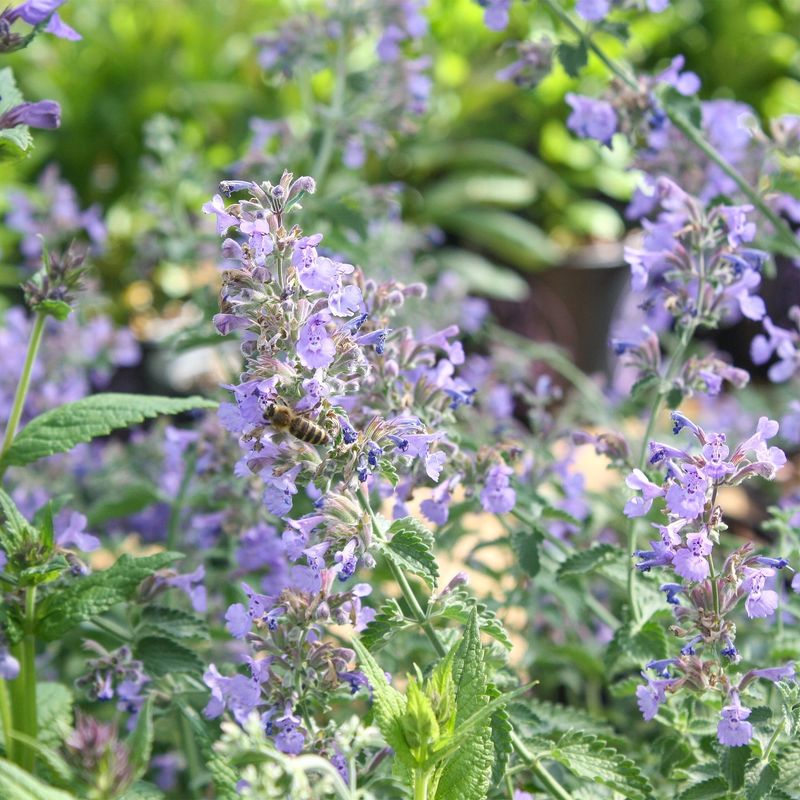
Catmint has a relaxed, sprawling habit that suits cottage garden style better than almost any other perennial.
Its soft lavender-blue flower spikes bloom generously in late spring and early summer, creating a hazy cloud of color that pairs beautifully with roses, salvias, and ornamental grasses.
Oregon gardeners have come to rely on catmint for its willingness to bloom without much encouragement.
One of catmint’s best qualities is its ability to rebloom. After the first flush of flowers fades, cutting plants back by about half encourages a fresh round of blooms later in the season.
This simple trick keeps the garden looking lively through summer and into early fall without requiring much extra effort or time.
Catmint handles Oregon’s dry summers well once established, needing only occasional watering during prolonged dry spells.
It grows well in full sun to light shade and tolerates a range of soil types, including the slightly sandy or rocky soils found in many parts of the Willamette Valley.
Spacing plants about 18 inches apart gives them room to spread into soft mounds. Walker’s Low is one of the most popular varieties and performs reliably throughout the Pacific Northwest growing season.
Your Oregon Garden Changes Every Week. Your Plan Should Too.
Gardening in Oregon changes quickly throughout the season. Every Friday you’ll receive a simple weekly plan showing exactly what to plant, prune, fertilize, harvest, and protect so you never miss the right timing.
3. Yarrow Thrives In Tough Spots With Little Effort
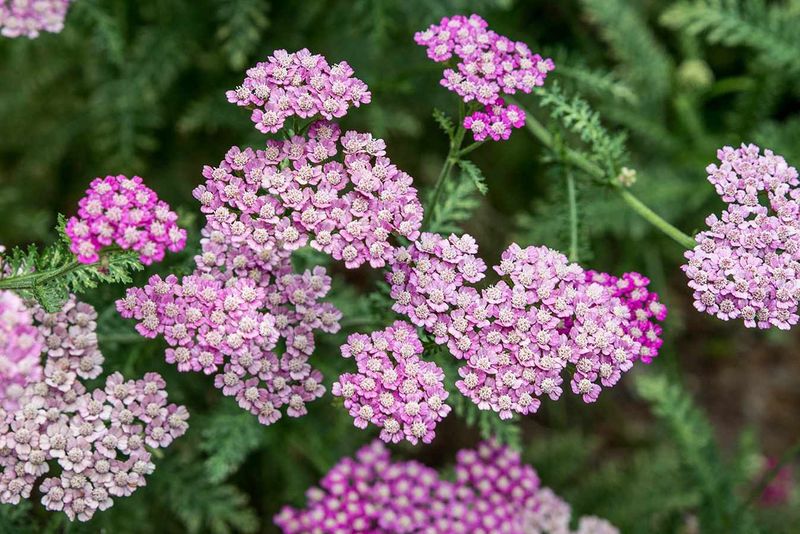
Yarrow is the kind of plant that seems to get better the less you do for it.
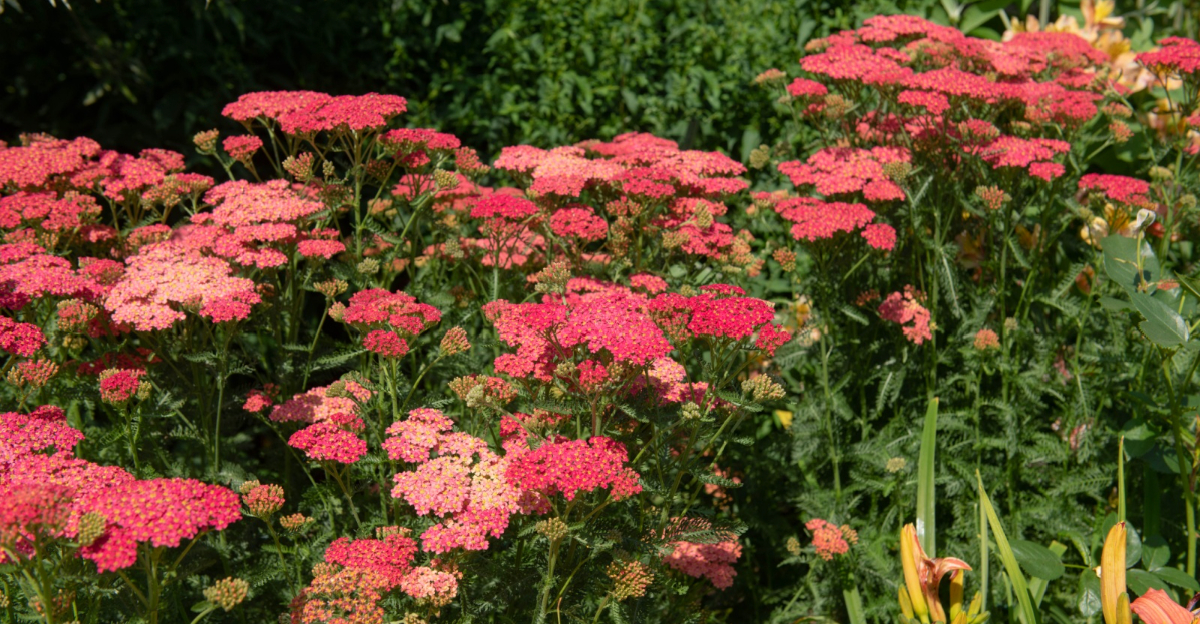
Its flat-topped flower clusters come in shades of yellow, white, pink, and red, and they bloom from early summer well into fall, providing long-lasting color in spots where other plants might struggle.
Cottage gardens with challenging soil or dry, sunny corners often benefit most from yarrow’s toughness.
In Oregon, yarrow performs well in areas with poor drainage or compacted soil that other perennials tend to avoid. It handles the dry eastern Oregon climate with ease and also does well in the Willamette Valley as long as it has good sun exposure.
Established plants rarely need watering once summer sets in, making them a genuinely hands-off choice for busy gardeners.
Yarrow spreads over time by underground runners, so dividing clumps every few years keeps plants vigorous and prevents them from overtaking neighboring plants.
The feathery foliage adds texture even when plants are not in bloom, contributing to the layered look that defines a well-planted cottage garden.
Cutting spent flower stems back to the base encourages fresh growth. Achillea millefolium varieties like Paprika and Moonshine are reliable performers across much of Oregon.
4. Shasta Daisy Keeps The Garden Bright And Simple
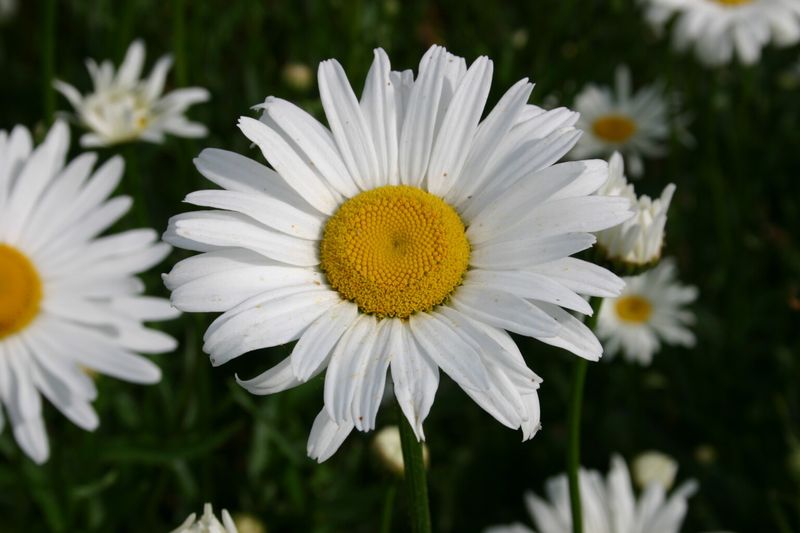
There is something genuinely cheerful about a cluster of Shasta daisies blooming in the middle of summer.
Their crisp white petals and bold yellow centers bring a clean, classic look to cottage garden borders, and they blend effortlessly with almost every other plant around them.
Oregon gardeners appreciate how reliably Shasta daisies return each season without needing much fuss.
Shasta daisies grow well in full sun and prefer well-drained soil, which makes them a natural fit for raised beds or slightly elevated garden areas where Oregon’s winter rains might otherwise cause root problems.
Once established, they handle dry summer conditions reasonably well, though a deep watering every week or two during prolonged dry spells helps maintain strong blooms through the season.
Deadheading spent flowers regularly encourages plants to keep producing new blooms rather than putting energy into seed production. Dividing clumps every two to three years keeps plants healthy and blooming vigorously.
Becky is one of the most popular Shasta daisy varieties for Pacific Northwest gardens, known for its tall, sturdy stems and long bloom time.
Planting them in groups of three or five creates a more natural, cottage-style effect than single plants scattered across the bed.
5. Foxglove Adds Height And Cottage Charm
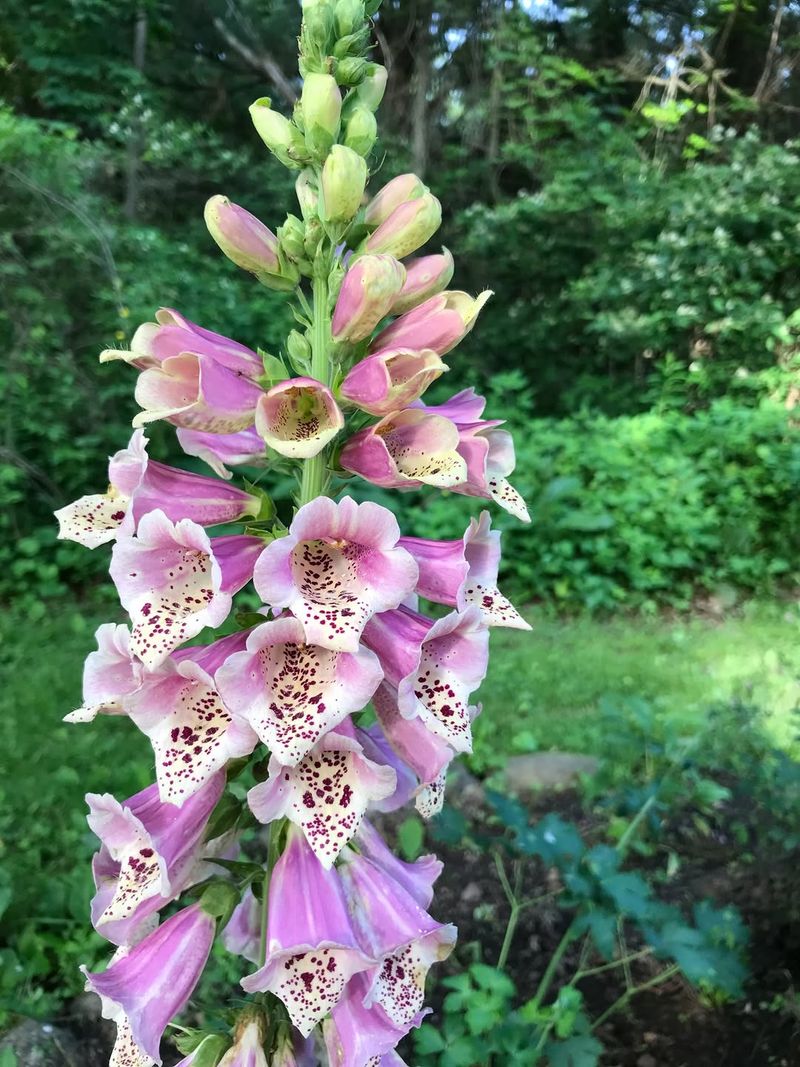
Walk past a cottage garden in June anywhere in the Pacific Northwest and you will likely spot foxgloves reaching skyward from the back of a border, their tall spikes covered in tubular flowers spotted with deep purple and cream.
Foxglove has an old-world quality that feels completely at home in Oregon’s lush, green garden settings, especially in the wetter western parts of the state.
Foxgloves are biennials, meaning they grow leafy rosettes in their first year and bloom in their second. Once you have them in your garden, however, they self-seed freely enough that you rarely need to replant.
New seedlings pop up reliably each season, creating a natural, ever-renewing supply of tall, dramatic flower spikes without any effort on your part.
They prefer partial shade to full sun and do especially well along garden edges near taller shrubs or under open tree canopies where they get morning light and afternoon shade.
In Oregon’s mild climate, foxgloves handle winter rain well and emerge strong in spring.
Spacing plants about 12 to 18 inches apart gives each rosette room to develop fully. The common foxglove, Digitalis purpurea, naturalizes beautifully across western Oregon and is a cottage garden staple worth including every season.
6. Salvia Brings Color With Very Little Upkeep
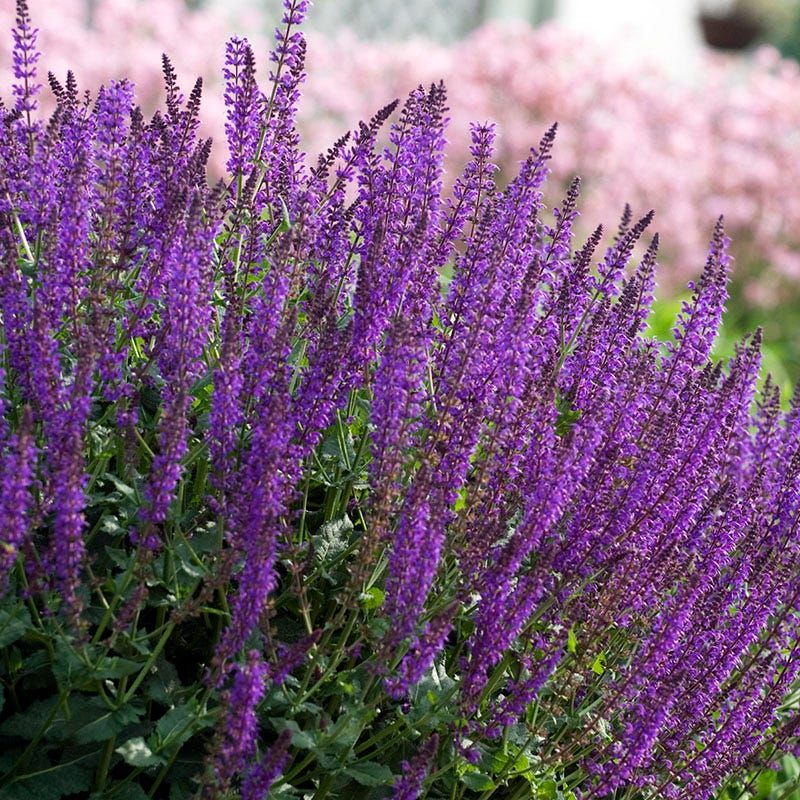
Salvia is one of those plants that earns admiration from gardeners who have tried it once and never looked back.
Its upright spikes of deep blue, violet, or red flowers stand out clearly in a mixed border, and the blooms attract hummingbirds and pollinators throughout the growing season.
Oregon’s warm, dry summers suit many salvia varieties very well, particularly in the Willamette Valley and southern Oregon regions.
Perennial salvias like Salvia nemorosa are especially well adapted to cottage garden conditions.
They bloom heavily in late spring and early summer, and cutting them back after the first flush of flowers often triggers a second round of blooming in late summer.
This reliable rebloom makes them a valuable plant for keeping color in the garden through Oregon’s long dry season without requiring constant attention.
Salvia grows best in full sun with well-drained soil and is fairly drought-tolerant once established. Avoid planting in low spots where water pools after Oregon’s heavy winter and spring rains, as soggy roots can weaken plants over time.
Varieties like Caradonna and May Night have proven particularly well suited to Pacific Northwest conditions.
Spacing plants 18 to 24 inches apart encourages good air flow and reduces the chance of mildew during the more humid parts of the growing season.
7. Coreopsis Delivers Bright Blooms For Weeks
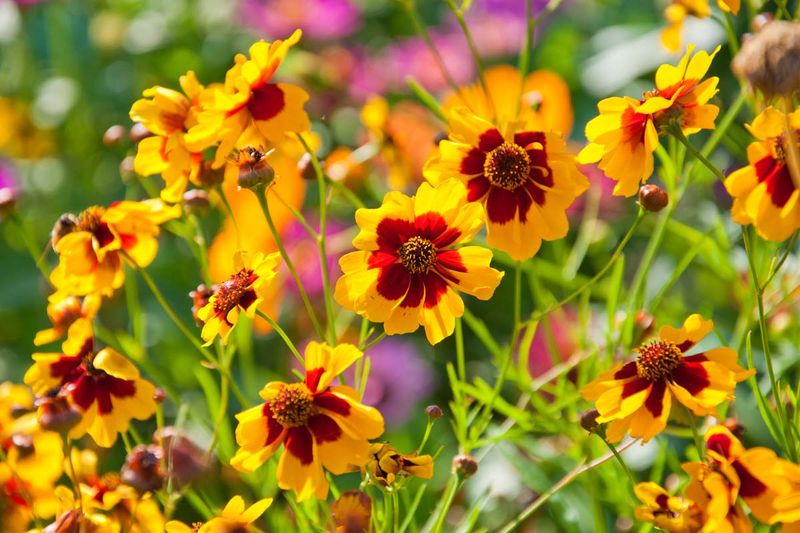
Sunny and cheerful almost beyond description, coreopsis lights up a cottage garden border with a generosity of bloom that is hard to match.
Its bright yellow, gold, or bicolor flowers appear in early summer and keep going for weeks, especially if spent flowers are removed regularly.
Oregon gardeners who want reliable, long-season color without constant watering often find coreopsis to be one of their most dependable choices.
Coreopsis thrives in full sun and well-drained soil, and it handles Oregon’s dry summers better than many other flowering perennials.
It is not a fan of heavy clay soil or spots that stay wet after rain, so planting it in slightly raised areas or amended beds helps it establish quickly and bloom freely.
Once settled in, it needs very little supplemental water during the dry season.
Thread-leaf coreopsis varieties like Zagreb and Moonbeam are especially popular in Pacific Northwest cottage gardens for their fine, delicate foliage and extended bloom period.
Deadheading regularly extends flowering well into late summer, and cutting plants back hard in early fall tidies them up for winter.
Coreopsis is also a strong pollinator plant, drawing bees and small butterflies that add movement and life to the garden throughout the warmest months of the Oregon growing season.
8. Hardy Geranium Fills Gaps And Spreads Easily
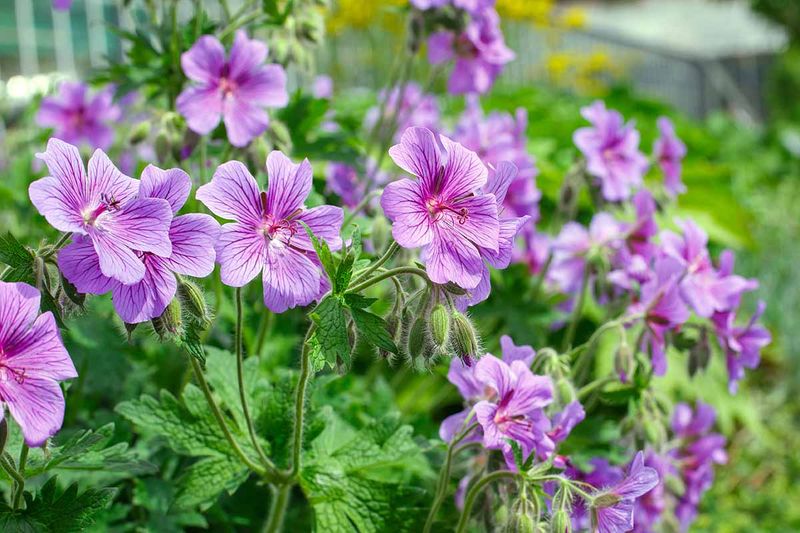
Hardy geraniums, also called cranesbills, are the quiet workhorses of the cottage garden.
They spread steadily to fill gaps between taller plants, creating a low, weed-suppressing carpet of deeply lobed leaves topped with cheerful flowers in shades of violet, pink, magenta, or white.
In Oregon, where weeds can take advantage of any bare soil during the rainy season, a spreading hardy geranium is a genuinely practical choice.
Unlike the tender annual geraniums sold in hanging baskets, hardy geraniums are true perennials that come back reliably each spring.
They bloom heavily in late spring and early summer, and some varieties, like Rozanne, continue producing flowers on and off all the way through fall.
Cutting plants back after the main bloom period often refreshes the foliage and encourages a second flush of flowers.
Hardy geraniums adapt to a wider range of conditions than many cottage garden plants. They tolerate partial shade, making them useful under the canopy of deciduous shrubs or along the shadier edges of a mixed border.
Oregon’s mild winters suit them well, and established clumps rarely need division more than every four or five years.
Spacing them about 18 inches apart gives each plant room to spread naturally without crowding neighbors too quickly.
9. Penstemon Adds Color Without Much Maintenance
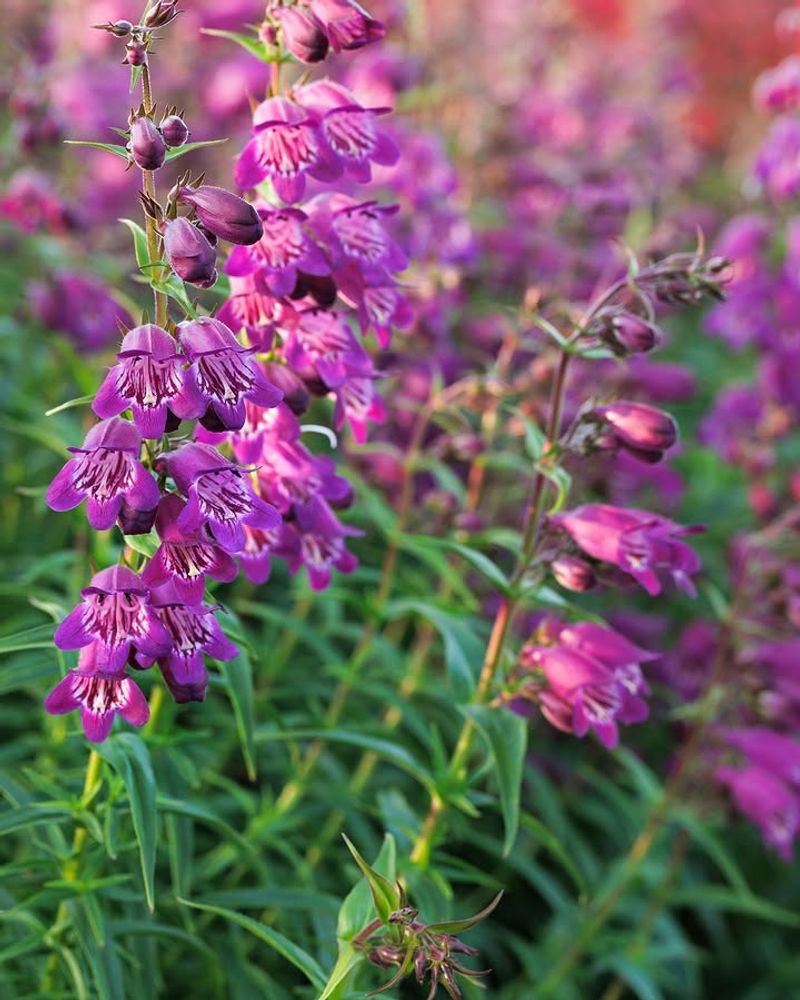
Penstemon is one of the most underused perennials in Oregon cottage gardens, which is a bit of a shame given how well it performs across nearly every part of the state.
Its tubular flowers, which come in shades of red, pink, purple, and white, are irresistible to hummingbirds and native bees, making it as valuable for wildlife as it is for visual interest.
Several penstemon species are actually native to the Pacific Northwest, giving them a natural advantage in Oregon’s varied soils and climates.
Most penstemons prefer full sun and sharp drainage, which makes them excellent candidates for dry, sunny borders or rocky garden areas where other plants struggle to establish.
They are notably drought-tolerant once their roots are settled, rarely needing supplemental watering during Oregon’s dry summer months.
Avoid planting in low areas where water collects, as consistently wet soil can weaken plants over time.
Penstemon barbatus and Penstemon digitalis are two varieties that have proven particularly reliable in western Oregon garden conditions.
Deadheading spent flower stems encourages a longer bloom period, and cutting plants back lightly after flowering keeps them tidy through the rest of the season.
Spacing penstemons 12 to 18 inches apart works well for most cottage garden settings, allowing each plant to develop its natural upright form without crowding.
10. Oregon Sunshine Brings Bold Color To Dry Areas
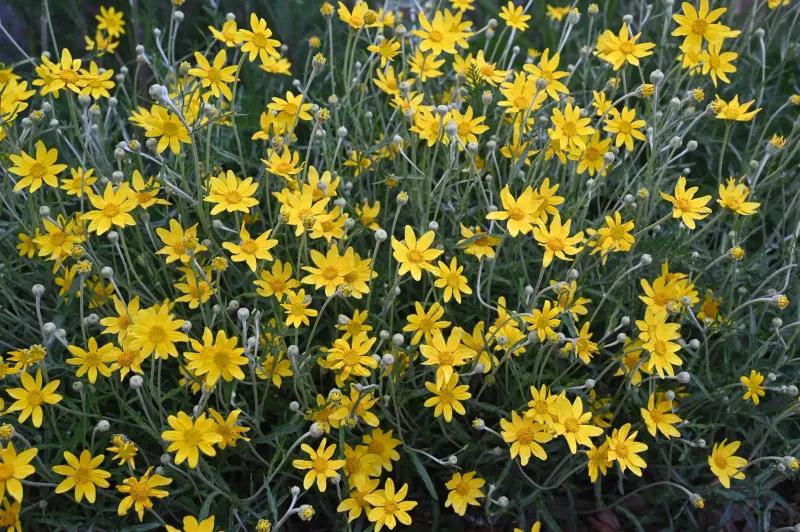
Named for the state itself, Oregon sunshine, known botanically as Eriophyllum lanatum, feels like it was made specifically for the kind of dry, sunny spots that challenge other cottage garden plants.
Its vivid yellow flowers and silvery, woolly foliage create a bright, cheerful display that peaks in late spring and early summer, often at the same time as other early cottage garden favorites like catmint and salvia.
Oregon sunshine is a native wildflower found naturally throughout the Pacific Northwest, which means it is genuinely adapted to Oregon’s seasonal rhythms.
It handles dry summers with impressive ease, rarely needing water once established beyond what falls naturally from the sky.
This makes it a particularly smart choice for gardeners in drier parts of the state, including the Rogue Valley and eastern Oregon foothills, where summer drought can be a real challenge for less-adapted plants.
Plant Oregon sunshine in full sun with very well-drained soil for best results. It does not tolerate heavy clay or consistently wet conditions, so raised beds or slopes work especially well.
Spacing plants about 12 inches apart allows them to spread into a low, attractive mat over time.
Cutting plants back lightly after the main bloom period keeps them looking tidy and may encourage a smaller second flush of flowers later in the season.