The 9 Most Beautiful Pennsylvania Native Plants Most Gardeners Still Ignore
Pennsylvania has no shortage of beautiful native plants, but plenty of them still get overlooked in everyday gardens.
A lot of homeowners stick with the same familiar flowers, shrubs, and ground covers they see at every garden center, often without realizing some of the best-looking options are native to the state.
That means many truly impressive plants get passed by, even though they are well suited to local conditions and can bring just as much color, texture, and charm as the usual favorites. That is what makes these plants so worth a closer look.
Many native Pennsylvania species offer standout blooms, striking foliage, rich seasonal interest, and the added bonus of supporting birds, butterflies, and pollinators.
They can make a yard feel more natural without looking wild or messy, and they often fit the landscape better than plants brought in from somewhere else.
For gardeners who want something beautiful but a little less expected, these overlooked natives have a lot going for them. Sometimes the plants that deserve the most attention are the ones people keep walking right past.
1. Eastern Columbine
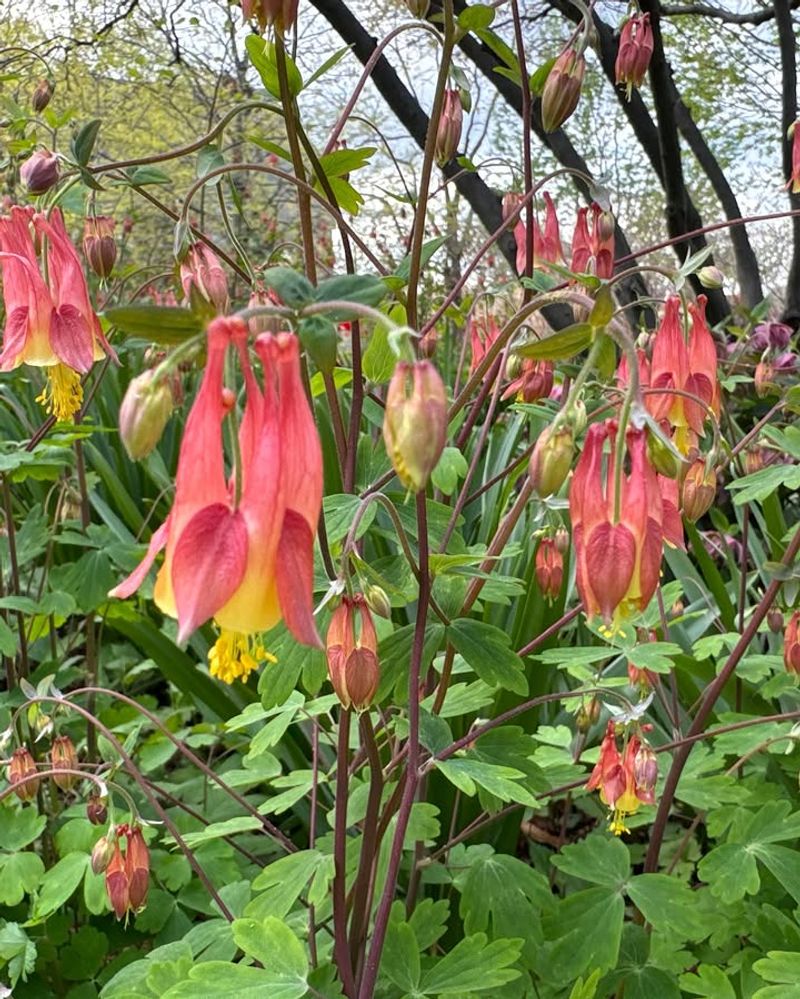
Hummingbirds spotted your garden before you even finished planting, and that is exactly what happens when you add Eastern Columbine. This native Pennsylvania wildflower produces gorgeous red and yellow blooms every spring, and hummingbirds absolutely love them.
The flowers look like little lanterns hanging from slender stems, which makes them one of the most eye-catching plants you can grow.
Eastern Columbine thrives in partial shade, which makes it perfect for spots under trees or along the shaded side of a fence. It grows well in rocky or well-drained soil, so you do not need a fancy garden bed to get started.
Once established, it largely takes care of itself and will even self-seed, meaning you will get new plants popping up each year without any extra effort.
In Pennsylvania, this plant naturally grows along woodland edges and rocky slopes. It blooms from April through June, giving your garden early color when most other plants are just waking up.
Pair it with ferns or wild ginger for a natural woodland look. Eastern Columbine is a small plant with a big personality, and it deserves a spot in every Pennsylvania garden.
2. Virginia Bluebells
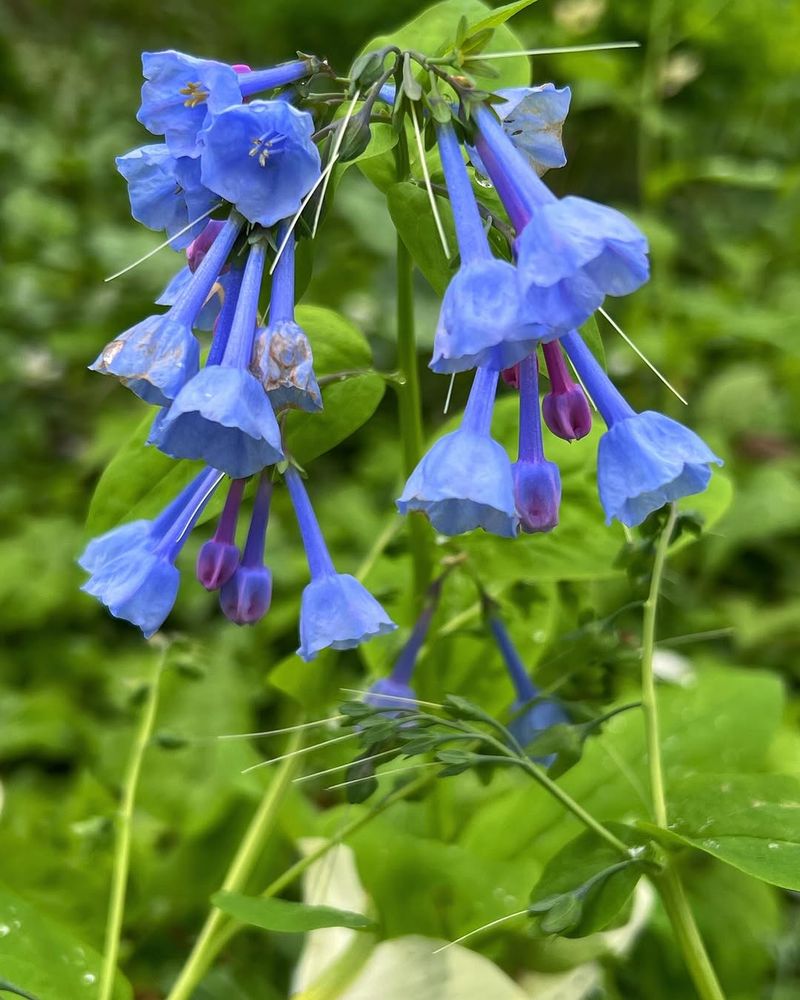
Few spring flowers in Pennsylvania can match the dreamy, soft-blue color of Virginia Bluebells.
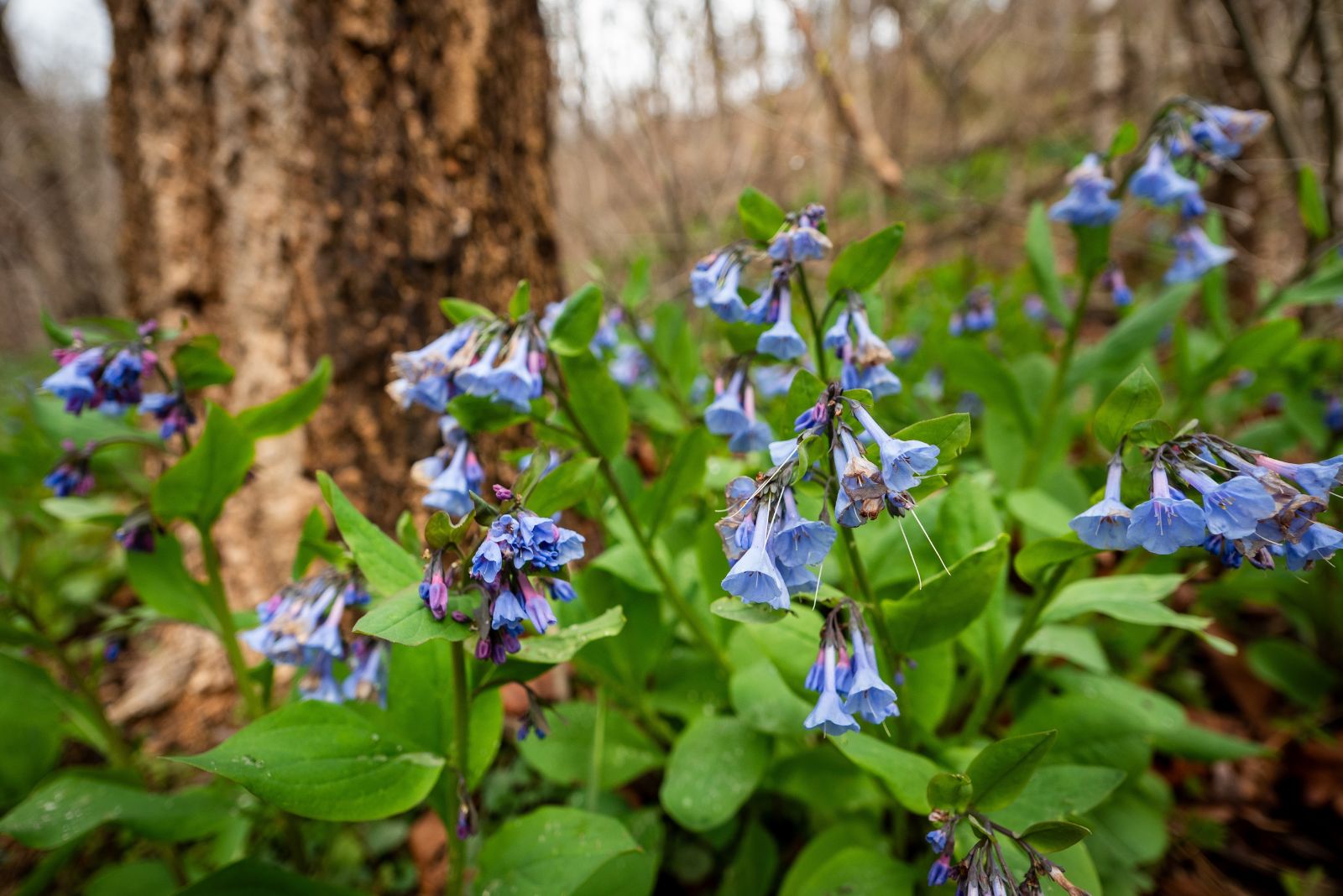
These plants create breathtaking displays in woodland gardens, filling shaded spots with clusters of small, bell-shaped flowers that shift from pink to blue as they open. Seeing them bloom in early spring feels like watching a quiet miracle unfold.
Virginia Bluebells love moist, shaded areas, making them a great choice for low spots in your yard or along a stream edge. They pair beautifully with spring bulbs like daffodils and with ferns that fill in after the bluebells fade.
Yes, the foliage does go dormant after blooming, but that just makes room for other plants to shine through summer.
One fun fact about Virginia Bluebells is that they are considered an ephemeral plant, meaning they complete their entire above-ground life cycle in just a few weeks each spring. Despite their brief appearance, the impact they leave on a garden is anything but small.
Your Pennsylvania Garden Changes Every Week. Your Plan Should Too.
Gardening in Pennsylvania changes quickly throughout the season. Every Friday you’ll receive a simple weekly plan showing exactly what to plant, prune, fertilize, harvest, and protect so you never miss the right timing.
Pollinators, especially bumblebees and early butterflies, depend on them for nectar when few other flowers are available. Planting them in Pennsylvania gardens helps support these important insects right when they need it most.
3. New Jersey Tea
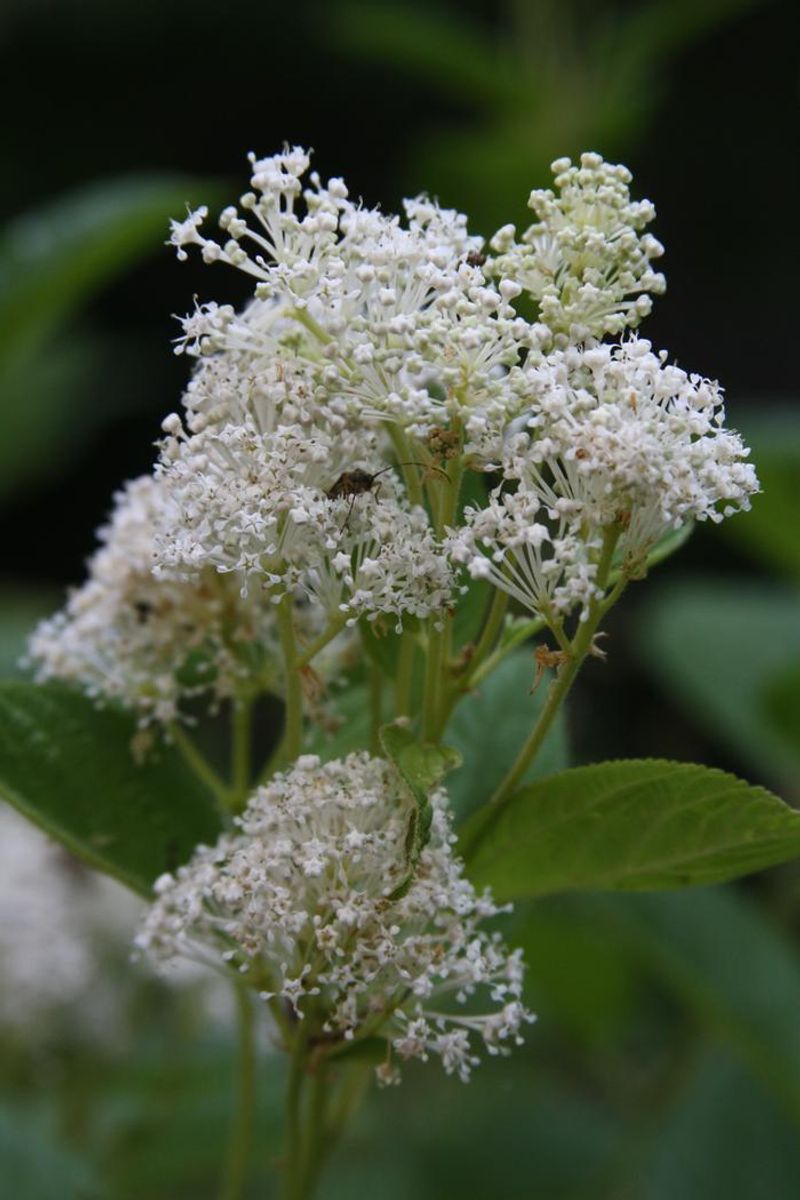
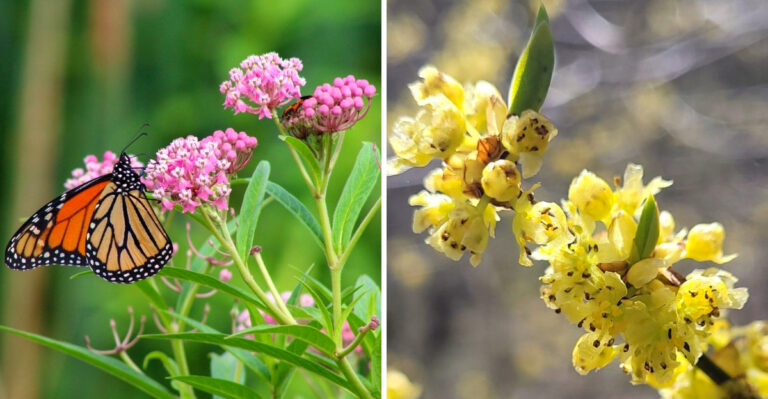
Do not let the name fool you. New Jersey Tea is just as much a Pennsylvania native as it is a New Jersey one, and it is one of the most underrated shrubs you can plant in your yard.
During the Revolutionary War, colonists actually brewed tea from its leaves as a substitute for imported tea, which gives this plant a pretty cool backstory.
New Jersey Tea grows as a compact shrub, usually reaching about three to four feet tall. It produces beautiful clusters of tiny white flowers in late spring and early summer that attract a wide variety of pollinators, including native bees and butterflies.
The blooms have a light, pleasant fragrance that makes it even more enjoyable to have nearby.
Once established, this shrub handles drought remarkably well, which is great news for Pennsylvania gardeners dealing with dry summers. It prefers well-drained soil and full sun to light shade.
Because it has deep roots, it is excellent for stabilizing slopes and preventing erosion. New Jersey Tea is also deer-resistant, which is a huge bonus if you live in an area with heavy deer pressure. It is tough, beautiful, and completely at home in Pennsylvania landscapes.
4. Butterfly Weed
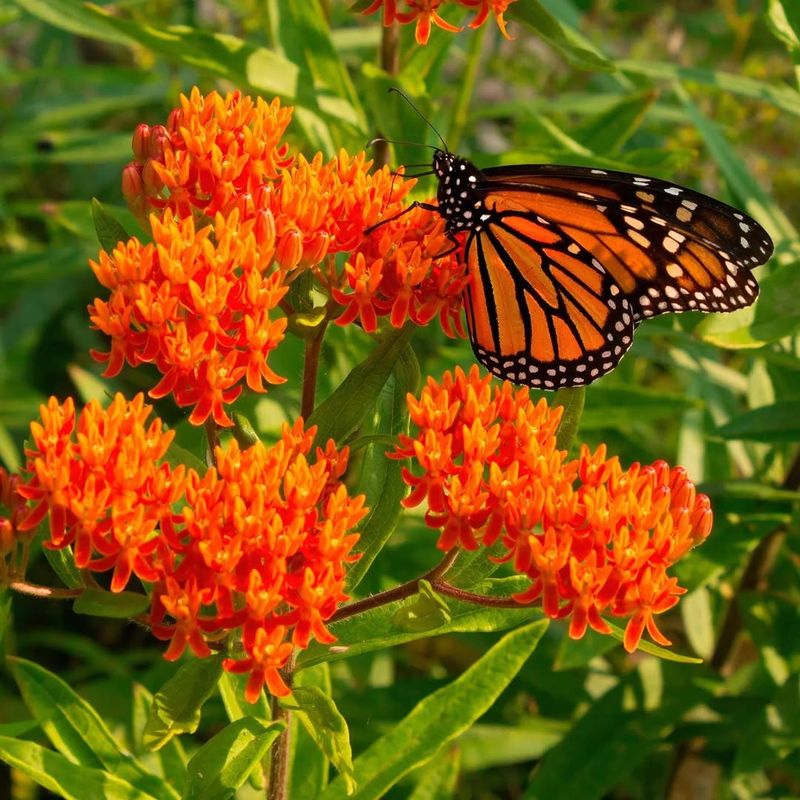
If there is one plant that practically glows in a sunny garden, it is Butterfly Weed. The blooms are a vivid, almost electric orange that stands out against green foliage like a beacon.
Monarch butterflies, in particular, are drawn to it because it is a type of milkweed, which is the only plant monarch caterpillars can eat to survive.
Butterfly Weed is a native Pennsylvania perennial that thrives in full sun and well-drained or even dry soil. Unlike some milkweed species, it does not spread aggressively, making it a well-behaved choice for garden beds.
It blooms from June through August, providing a long season of color and a reliable food source for pollinators during the hot summer months.
Planting Butterfly Weed in Pennsylvania is one of the most impactful things a gardener can do for monarch conservation. Monarch populations have declined significantly over the years, and providing milkweed is a direct way to help.
Beyond monarchs, Butterfly Weed also attracts bees, fritillary butterflies, and hummingbirds. It pairs well with black-eyed Susans and coneflowers for a wildflower-inspired look that feels natural and vibrant. Give it a sunny spot and watch the wildlife show begin.
5. Foamflower
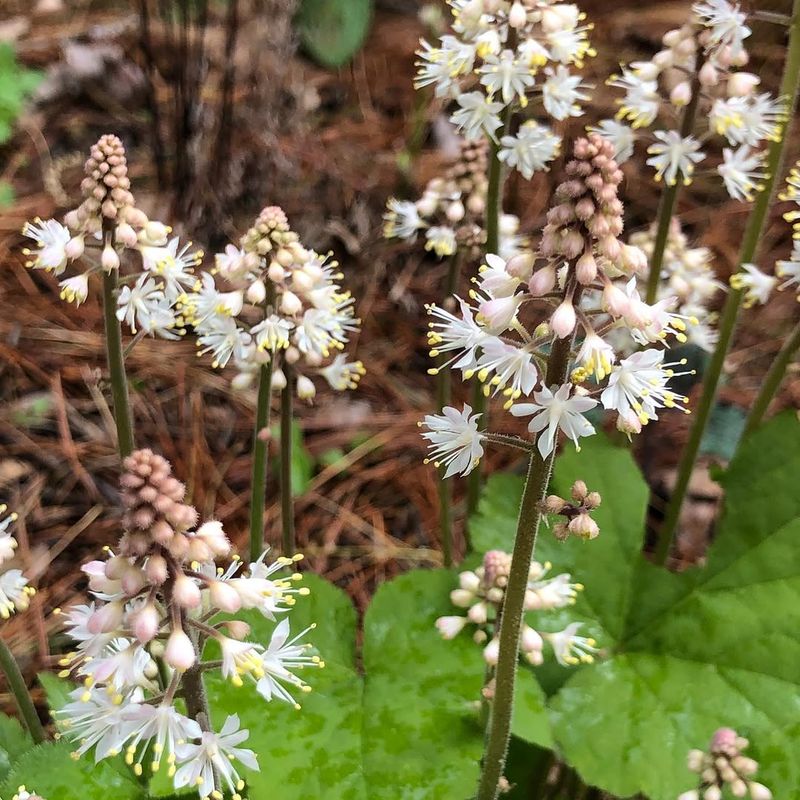
Shady corners of a garden can feel like a design challenge, but Foamflower turns those tricky spots into something truly beautiful. This low-growing Pennsylvania native produces delicate, foamy spikes of white flowers in spring that look like tiny clouds hovering just above the ground.
The heart-shaped leaves often have striking dark markings that add interest even when the plant is not in bloom.
Foamflower spreads gently by runners, creating a soft carpet of greenery that works wonderfully as a groundcover under trees or along shaded garden paths. It stays low, usually under one foot tall, and does not crowd out neighboring plants aggressively.
That makes it a great companion for ferns, hostas, and other shade-loving Pennsylvania natives.
Beyond its good looks, Foamflower is also an excellent choice for erosion control on shaded slopes. It holds soil in place while keeping the area looking neat and natural.
Early spring pollinators, including native bees, appreciate the nectar-rich blooms. Foamflower is also incredibly low-maintenance once established, needing little more than consistent moisture and shade to thrive.
For Pennsylvania gardeners who want a reliable, gorgeous groundcover that practically cares for itself, Foamflower is an easy and rewarding choice.
6. Wild Geranium
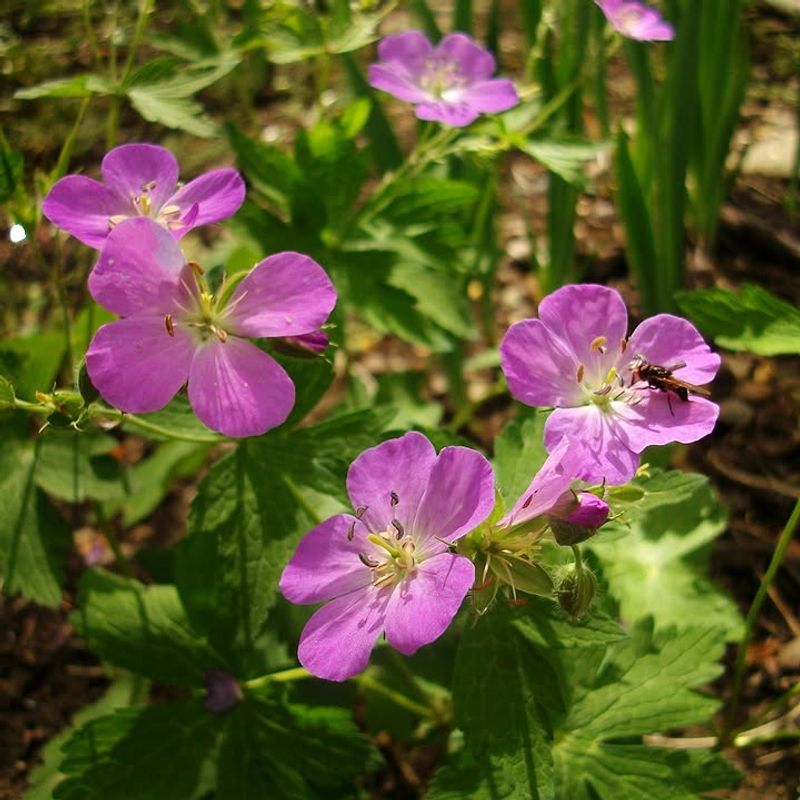
There is something quietly charming about Wild Geranium that makes it a pleasure to grow.
Unlike the bold, showy plants that demand all the attention, Wild Geranium offers soft purple-pink blooms that feel gentle and natural, like something you might stumble upon hiking through a Pennsylvania forest in May.
And honestly, that relaxed woodland vibe is exactly what makes it so appealing. Wild Geranium adapts well to a range of conditions, from full shade to partial sun. It grows in average to moist, well-drained soil and reaches about one to two feet tall.
The blooms appear in spring and early summer, attracting bumblebees and other native pollinators that are active early in the season. After flowering, the seed pods add a fun, star-shaped detail to the plant.
One underappreciated quality of Wild Geranium is how well it pairs with other native plants. It looks stunning alongside Virginia Bluebells, Eastern Columbine, and ferns in a layered woodland garden.
It also naturalizes easily, meaning it will slowly spread and fill in an area over time without becoming invasive. For Pennsylvania gardeners who want effortless, natural-looking beauty in shaded spots, Wild Geranium is a plant that consistently delivers season after season.
7. Blue Mistflower
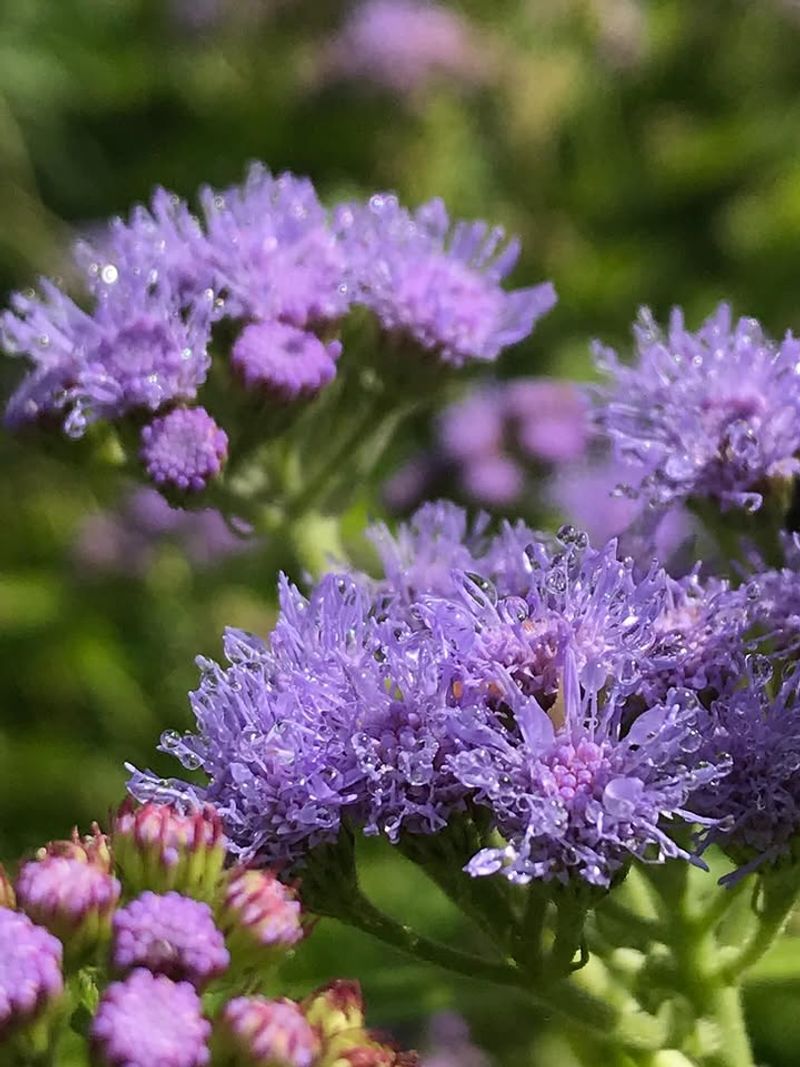
Late summer can feel like a quiet stretch in the garden, when spring bloomers have faded and fall color has not yet arrived. Blue Mistflower fills that gap beautifully.
This native Pennsylvania perennial produces fluffy, lavender-blue flowers from August through October, bringing a fresh burst of color right when the garden needs it most.
The blooms of Blue Mistflower look almost like a mist of tiny purple-blue stars floating above the foliage, which is where the name comes from.
Butterflies absolutely flock to this plant in late summer, especially skippers, swallowtails, and monarchs making their way south. It also attracts native bees, making it a powerhouse for pollinators during a critical time of year.
Blue Mistflower spreads by underground rhizomes and can form wide colonies over time, which makes it great for filling in large areas with a natural, meadow-like look. It grows best in moist to average soil and does well in full sun to partial shade.
In Pennsylvania gardens, it pairs beautifully with goldenrod and asters for a stunning late-season combination. If you have an area that needs low-maintenance color in late summer, Blue Mistflower is one of the best native plants you can choose.
8. Golden Ragwort
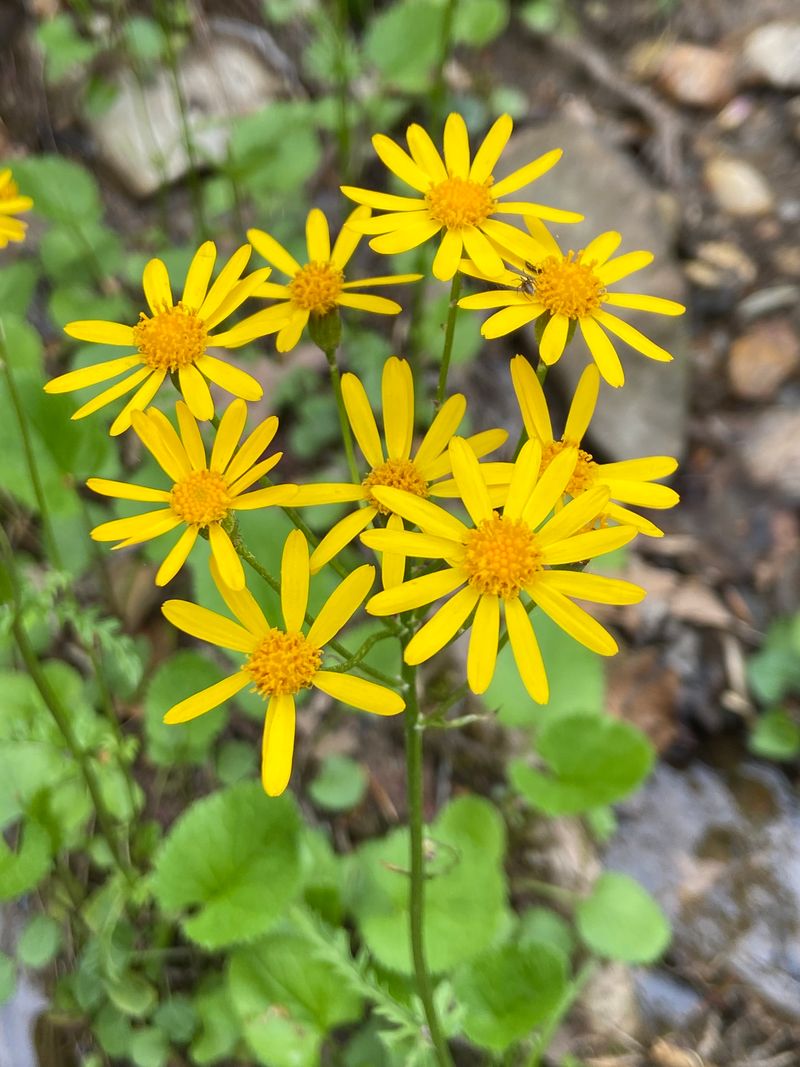
Bright yellow flowers in a shady garden sound almost too good to be true, but Golden Ragwort makes it happen every spring.
This native Pennsylvania perennial is one of the best groundcovers available for shaded areas, producing cheerful, daisy-like yellow blooms from April through June. The contrast of sunny yellow flowers against a dark, shaded backdrop is genuinely striking.
What makes Golden Ragwort even more impressive is its evergreen foliage. The dark green, heart-shaped basal leaves stay attractive through winter, providing year-round ground coverage and helping to keep weeds from taking hold.
That kind of low-maintenance beauty is hard to find in a shade plant, and it makes Golden Ragwort especially valuable in Pennsylvania landscapes where winters can be long and gray.
Golden Ragwort spreads steadily by rhizomes and self-seeding, eventually forming a dense, weed-suppressing mat. It tolerates a wide range of soil conditions, including wet or clay-heavy soils that many other plants struggle in.
Early pollinators, including mining bees and small butterflies, rely on its nectar-rich blooms in spring. For Pennsylvania gardeners dealing with challenging shaded slopes or problem areas under trees, Golden Ragwort is a tough, beautiful, and ecologically valuable solution worth trying.
9. Cardinal Flower
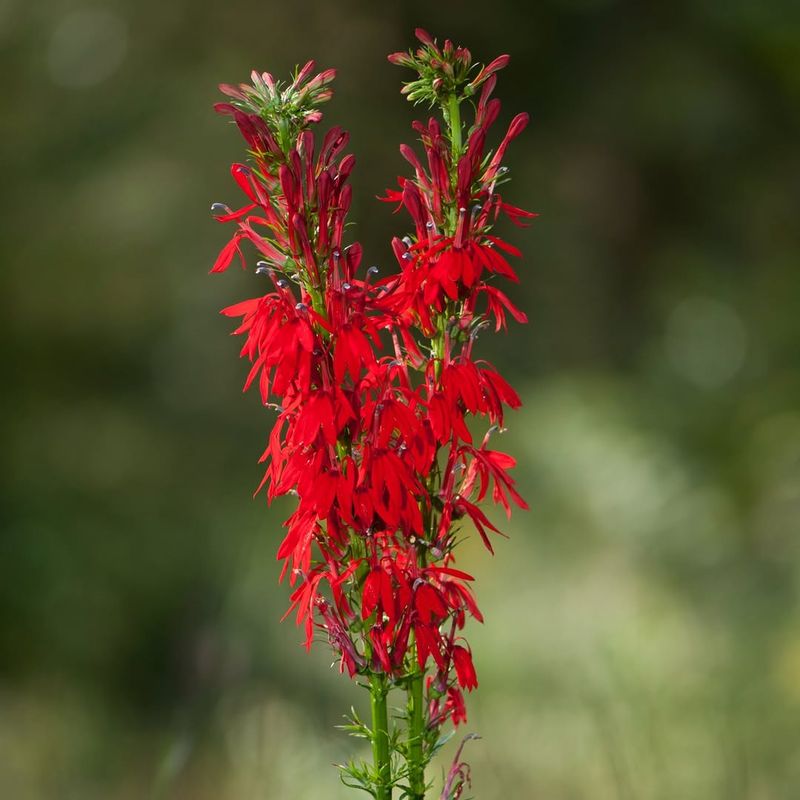
Red is the color of hummingbirds, and nothing calls them in faster than a tall spike of Cardinal Flower blooms. This Pennsylvania native is one of the most visually dramatic plants you can grow, with deep scarlet flower spikes rising two to four feet tall in mid to late summer.
Hummingbirds are so attracted to the color red that they will find your Cardinal Flowers even in a new garden.
Cardinal Flower thrives in moist to wet soil, making it an outstanding choice for rain gardens, low spots in the yard, or along a stream or pond edge. It grows in full sun to partial shade and can handle the kind of soggy conditions that many plants simply cannot tolerate.
In Pennsylvania, where summer storms can leave certain areas waterlogged, this plant turns a drainage problem into a garden feature.
Beyond hummingbirds, Cardinal Flower also attracts swallowtail butterflies and native bees. It is a short-lived perennial, but it self-seeds reliably, so new plants keep coming back year after year.
Planting it in groups of three or more creates a bolder visual impact and gives pollinators more to work with. Cardinal Flower is bold, brilliant, and perfectly suited to Pennsylvania gardens that have a moist spot to fill.