Why Arizona Homes Look Better With Globe Mallow Near The Entry
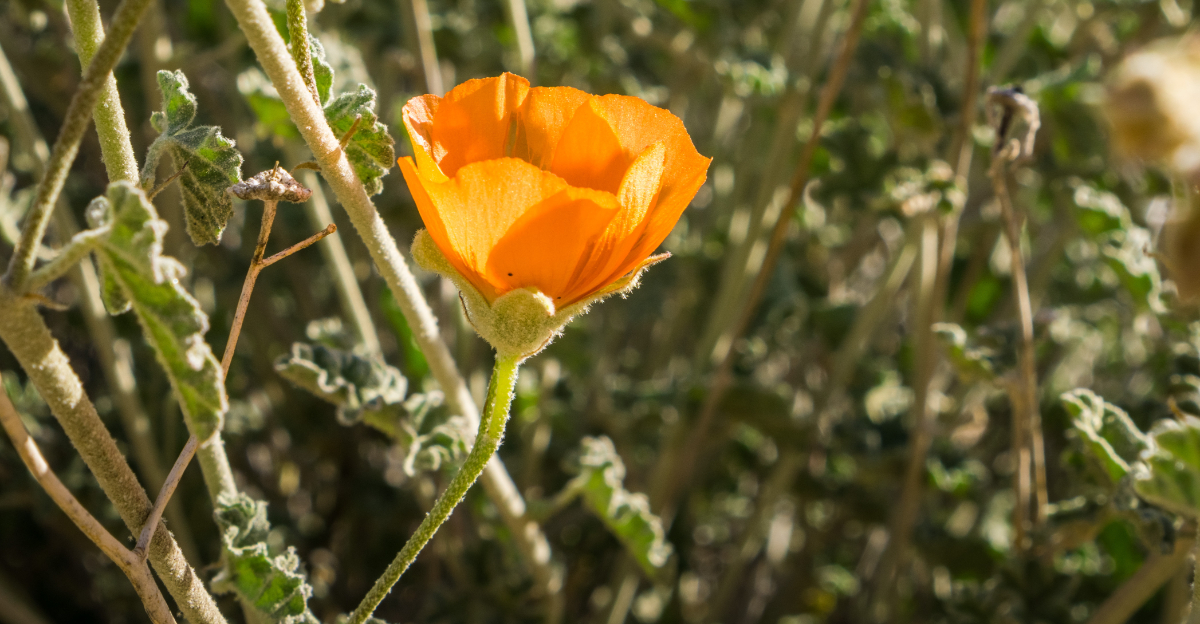
Globe mallow near an Arizona entry has a way of changing how the whole front of a home feels without making the space look overdone or out of place.
Its soft orange tones sit naturally against stone, gravel, and desert colors, which helps the entrance feel more connected to its surroundings instead of flat or unfinished.
Many entry areas rely on hard surfaces that hold structure but lack warmth, and that is where the right plant can shift the atmosphere without requiring a full redesign. Globe mallow brings movement and color in a way that feels balanced rather than distracting.
That choice can shape the first impression more than most expect, especially when everything around it stays simple and clean.
A small detail like that can make the entire front yard feel more welcoming and complete without adding extra work.
1. Bright Blooms Create A Strong First Impression Near The Entry
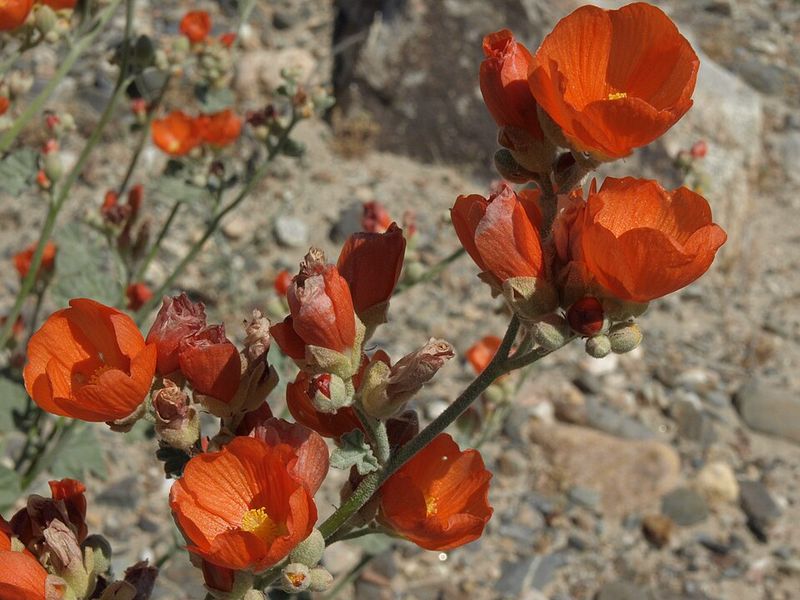
Apricot and orange blooms stop people in their tracks. Globe mallow has a way of catching the eye before you even reach the front door, and that first look sets the tone for the whole property.
In Arizona, where many front yards lean heavily on rock and gravel, a burst of warm color near the entry makes a real difference.
The flowers open in clusters along upright stems, usually starting strong in late winter through spring.
Depending on your location in Arizona — whether you’re in the Phoenix metro, Tucson, or further north in Prescott — the bloom timing can shift slightly, but the color payoff tends to be reliable when conditions are right.
Soil drainage and sun exposure both play a role in how well the plant performs each season.
What makes globe mallow especially useful near entryways is how it scales. It doesn’t overwhelm a walkway or block sightlines the way large shrubs can.
A couple of plants grouped near the front steps or along a path give the space structure without crowding it. The blooms face outward and upward, so they’re visible from the street without needing to be placed awkwardly close to the road.
2. Soft Foliage Adds Contrast Against Gravel And Stone Surfaces
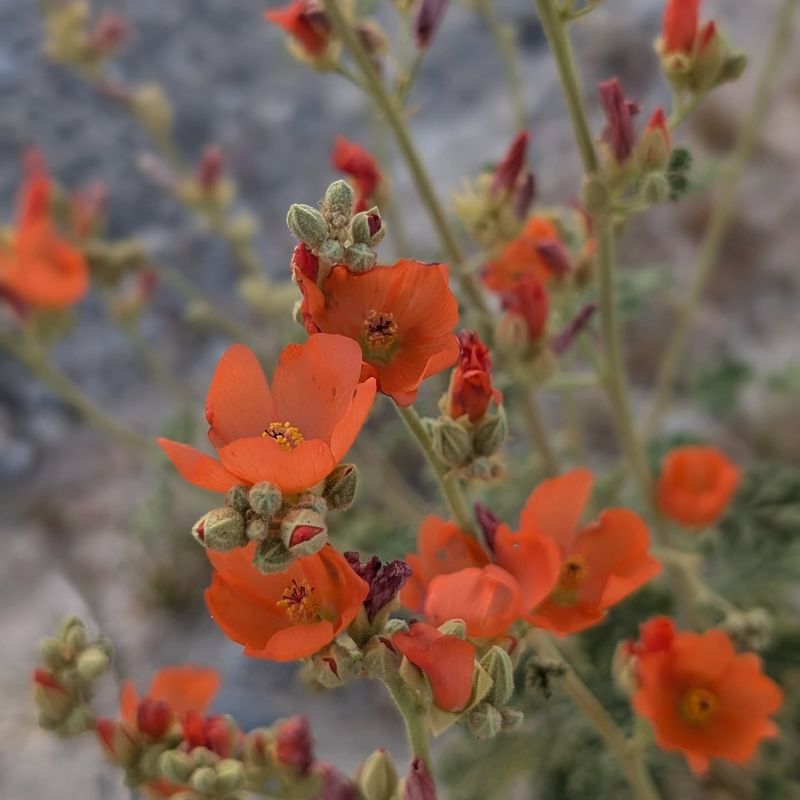
Run your hand across a globe mallow leaf and you’ll notice it right away — slightly fuzzy, soft gray-green, almost silvery in bright light. That texture stands out sharply against the hard surfaces most Arizona yards rely on.
Decomposed granite, river rock, flagstone — all of them benefit visually from the contrast that globe mallow foliage naturally provides.
Most desert-adapted plants go one of two ways: spiky or nearly invisible. Globe mallow takes a different path.
Its rounded leaves and arching stems bring a softness that doesn’t fight with the surrounding landscape — it completes it. Against a warm-toned gravel bed or a stacked stone border, the foliage creates visual depth that flat rock surfaces alone can’t achieve.
In Arizona’s intense sunlight, that silver-green leaf color actually reflects heat, which is part of why the plant handles full exposure so well. But from a design standpoint, it also keeps the plant looking cool and calm even in the middle of summer.
Your Arizona Garden Changes Every Week. Your Plan Should Too.
Gardening in Arizona changes quickly throughout the season. Every Friday you’ll receive a simple weekly plan showing exactly what to plant, prune, fertilize, harvest, and protect so you never miss the right timing.
Visitors approaching the front entry see a plant that looks refreshed rather than stressed, which matters a lot in a state where summer heat can make many plants look worn by August.
3. Natural Shape Fits Easily Along Walkways And Entry Paths
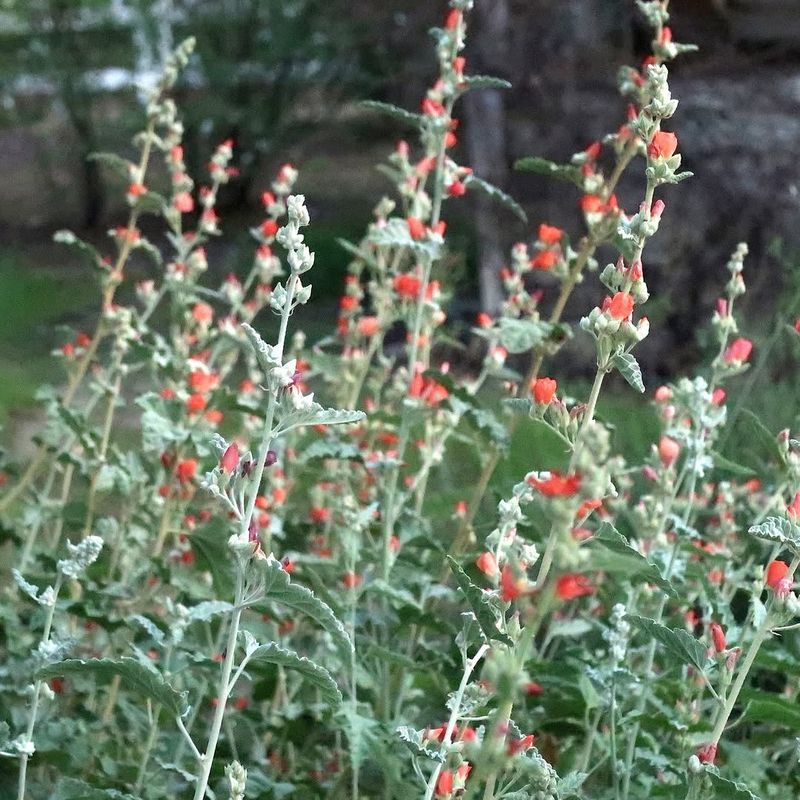
Not every plant wants to grow in a straight line, and globe mallow is honest about that. It grows in a loose, rounded mound — usually two to three feet tall and about as wide — which happens to suit Arizona entry paths really well.
Placed on one or both sides of a walkway, it creates a soft border without requiring shaping or constant pruning to stay in bounds.
Walkways in Arizona front yards often feel exposed and flat, especially when surrounded by gravel. Globe mallow breaks that monotony without overstepping.
The stems arch slightly outward, giving the plant a relaxed presence that guides the eye toward the door rather than pulling attention away from it. It’s the kind of plant that frames a space without dominating it.
Spacing matters here. Planting globe mallow about two to three feet from the edge of a path gives it room to fill out naturally without encroaching on foot traffic.
In tighter entry areas — like a narrow courtyard or a small porch landing — one well-placed plant on each side of the door works better than a row along the path. Adjust placement based on how much open space you’re working with.
In Tucson and the greater Phoenix area, where many front entries feature exposed aggregate or flagstone paths, globe mallow’s organic shape blends well with those materials. It softens hard edges without covering them up entirely.
4. Low Water Needs Make It Easy To Maintain Long Term
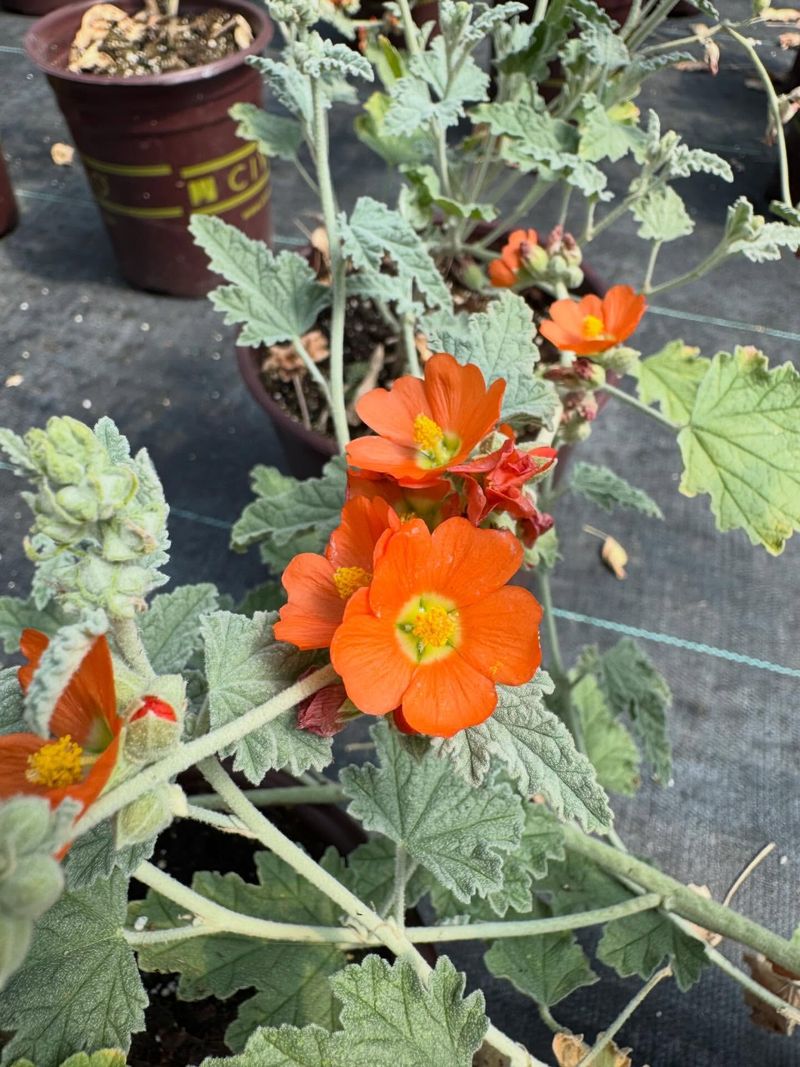
Water bills in Arizona are no joke, especially during summer months when temperatures push past 110 degrees in many parts of the state.
Choosing plants that don’t demand frequent irrigation isn’t just a preference — for a lot of homeowners, it’s a practical necessity.
Globe mallow fits that reality well, needing far less water than most flowering plants once it gets settled into the ground.
During the first growing season, some supplemental watering helps the plant establish a stronger root system. After that, rainfall combined with occasional deep watering during extended dry spells is typically enough in most Arizona locations.
Results will vary depending on your soil type, how much shade the plant receives, and your specific climate zone within the state. Plants growing in sandy, fast-draining soil may need slightly more frequent watering than those in slightly heavier ground.
Drip irrigation works well with globe mallow near an entry. A single emitter placed about six inches from the base, running once or twice a week during the hottest months, keeps the plant looking healthy without oversaturating the roots.
Overwatering is actually a more common problem than underwatering with this plant — soggy soil leads to root issues faster than dry conditions do.
From a maintenance standpoint, skipping regular watering schedules during cooler months is completely reasonable.
5. Handles Full Sun Without Losing Its Appearance
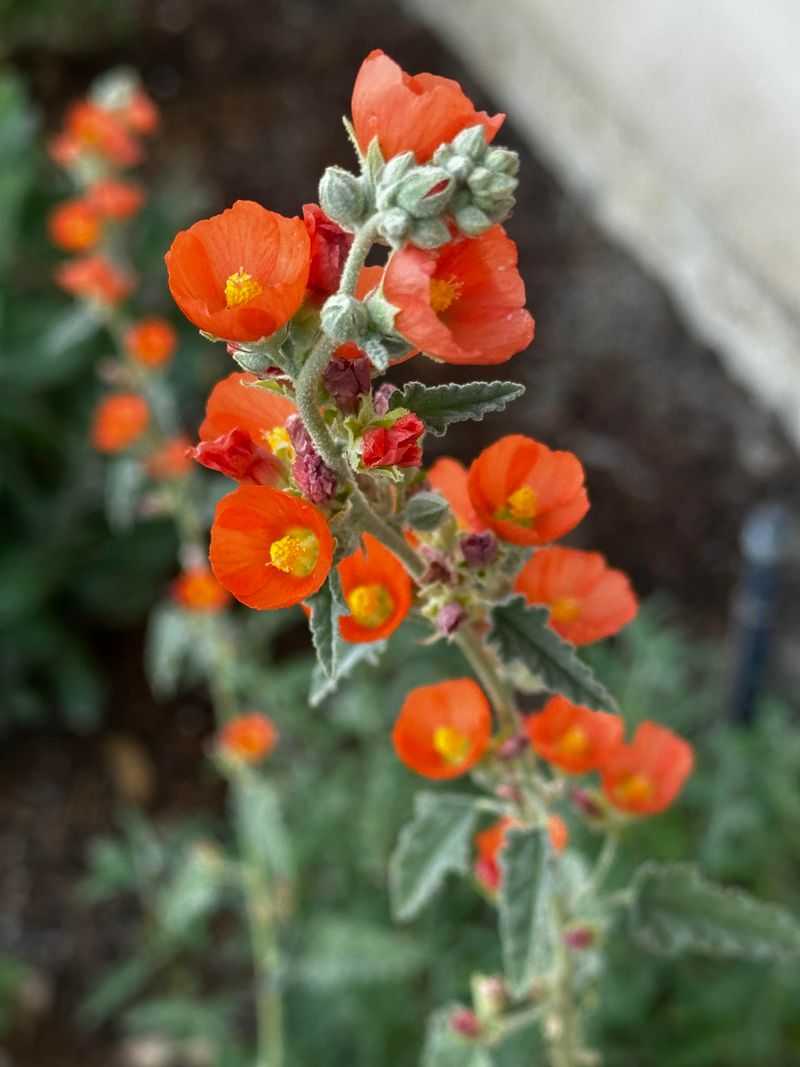
Full sun in Arizona is different from full sun anywhere else. It’s direct, relentless, and lasts most of the day for most of the year.
Plants that can’t handle prolonged exposure without wilting, fading, or dropping leaves quickly become eyesores near a front entry. Globe mallow is built for exactly this kind of exposure and holds up better than most alternatives.
The plant’s leaf structure plays a big role in this. Those small, fuzzy hairs on the surface help reduce moisture loss and reflect some of the solar intensity that would stress out softer-leaved plants.
In practice, this means globe mallow near a south- or west-facing entry — the harshest sun positions in Arizona — stays presentable through most of the season without needing shade cloth or strategic placement near a wall for protection.
That said, extreme heat combined with zero irrigation during the hottest stretch of summer can cause some leaf drop or reduced flowering. It’s not a sign the plant is struggling permanently — it’s a normal response to stress.
A deep watering during prolonged heat events helps the plant bounce back and resume blooming when temperatures moderate slightly in fall.
6. Seasonal Blooms Bring Color At The Right Time
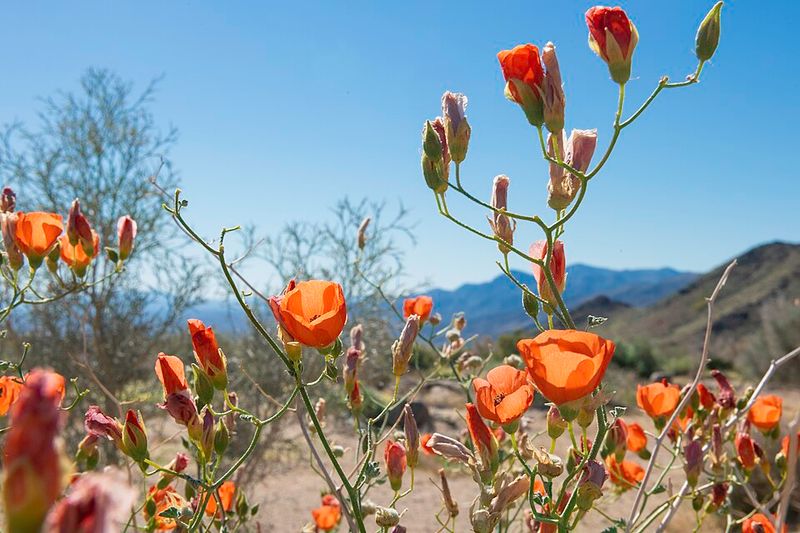
Spring in Arizona arrives earlier than most people expect — sometimes as early as February in the lower desert regions around Phoenix and Yuma.
Globe mallow tends to hit its peak bloom right around that transition, when the weather is finally comfortable and people are actually spending time outside near their front yards again.
That timing isn’t accidental; it’s just how the plant responds to warming temperatures after winter.
Peak bloom usually runs from late winter through mid-spring, with the heaviest flower production happening when nighttime temperatures stay above freezing and days are warm but not yet scorching.
In higher-elevation Arizona towns like Flagstaff or Prescott, the bloom window shifts later into spring, which is worth accounting for when planning your entry planting around specific seasonal goals.
After the main spring flush, globe mallow doesn’t go completely dormant or bare. Sporadic blooms continue through summer and into fall, especially if the plant gets occasional deep watering.
It won’t look like spring again, but there’s usually enough color to keep the entry looking alive and cared for. Cutting back spent stems after the main bloom can encourage a second round of flowering as fall approaches.
Having color near your entry during Arizona’s most pleasant outdoor months — late winter through spring, and again in fall — is genuinely useful.
7. Tolerates Poor Soil Without Extra Effort
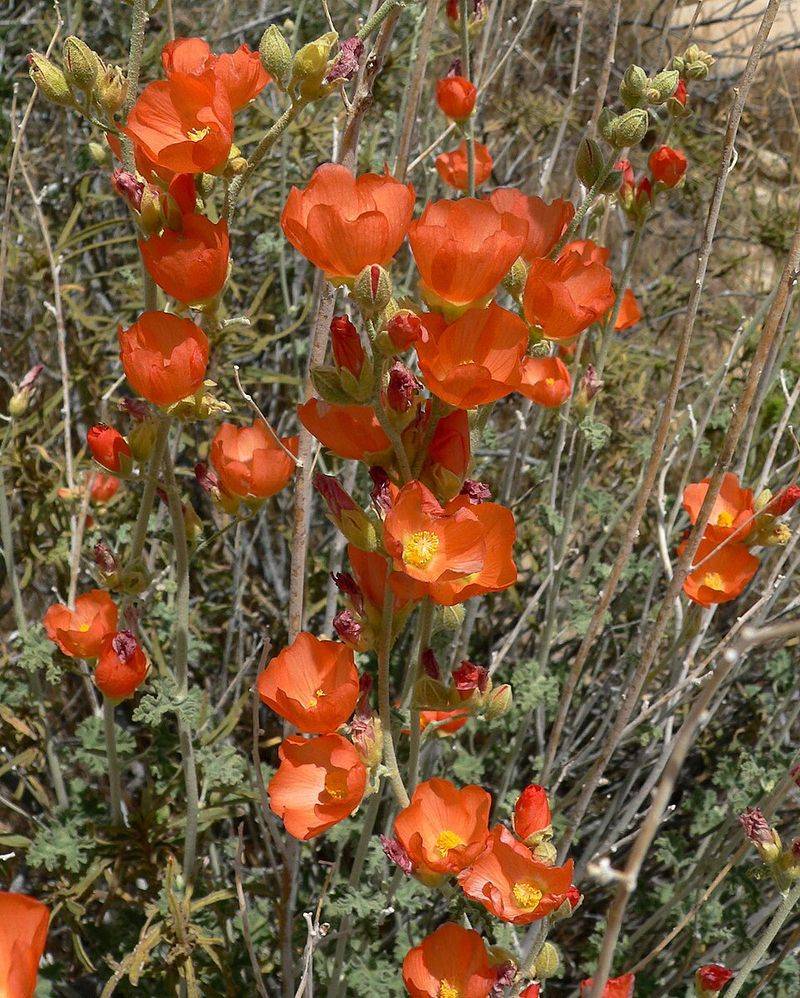
Arizona soil can be genuinely difficult to work with. Caliche layers, low organic matter, high alkalinity, and rocky substrate are standard conditions across much of the state — from the Sonoran Desert floor to the high desert scrublands north of Phoenix.
Most ornamental plants sold at garden centers struggle in these conditions without significant soil amendment. Globe mallow doesn’t need that kind of intervention.
It evolved in these exact conditions. The plant’s root system is adapted to push through compacted, rocky ground and pull nutrients from soil that would starve out less resilient species.
That doesn’t mean it thrives in every possible soil scenario without any care, but it does mean that amending the entire planting area with compost and imported topsoil isn’t a requirement.
Basic good drainage is the most important factor — standing water after rain is harder on globe mallow than poor fertility.
Planting near an entry often means dealing with soil that’s been compacted by foot traffic or construction fill. Breaking up the top six to twelve inches before planting and mixing in a small amount of coarse sand or gravel to improve drainage is usually enough preparation.
Adding heavy fertilizer isn’t necessary and can actually push the plant toward leafy growth at the expense of flowers.