8 Beginner-Friendly Vegetables That Produce Quickly In Georgia
Starting a vegetable garden in Georgia can feel like a lot at first, especially when you are not sure which plants will actually give results without dragging the process out.
Some crops take longer than expected, while others seem to move fast and make the whole experience feel easier right from the start.
Early success makes a difference, and seeing quick growth can keep things moving in the right direction instead of losing momentum halfway through the season.
That is why choosing the right vegetables matters more than most expect at the beginning.
Certain options respond faster, fill out sooner, and start producing before patience starts to wear thin. Those are the ones that make gardening feel more straightforward and far more rewarding early on.
A few smart picks can turn a slow start into something that feels steady, productive, and worth sticking with.
1. Lettuce Grows Quickly In Mild Spring Conditions
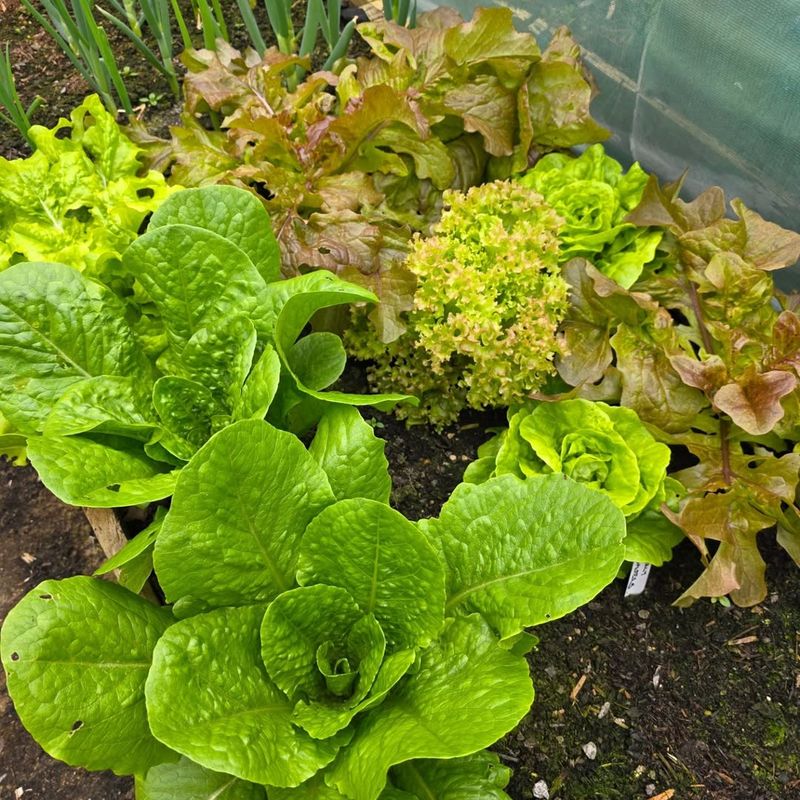
Leaf lettuce is one of those vegetables that rewards patience with almost zero effort in return.
Varieties like Black Seeded Simpson and Red Sails are well-suited to Georgia’s early spring and fall gardens, where temperatures tend to stay cool enough to keep the plants from bolting too quickly.
Most leaf lettuce varieties are ready for a first harvest in 45 to 60 days, though you can start snipping outer leaves as early as three weeks after germination.
Cutting leaves from the outside and leaving the center intact allows the plant to keep producing for several weeks, which stretches one planting into multiple meals.
Lettuce grows well in both garden beds and containers, making it flexible for small spaces. Sow seeds shallowly, just barely covered with soil, since they need some light to germinate.
Keep the soil consistently moist but not waterlogged, especially during the warmer stretches of a Georgia spring.
Once daytime temperatures climb consistently above 75 to 80 degrees, lettuce tends to bolt and turn bitter. Planting in a spot with afternoon shade can buy you a few extra weeks during warmer spells.
Starting a second round of seeds every two to three weeks keeps a steady supply coming in rather than getting one large harvest all at once.
Using a loose, rich soil mix helps the roots stay cool and supports steady, tender leaf growth throughout the season.
2. Radishes Mature Fast And Are Easy To Grow
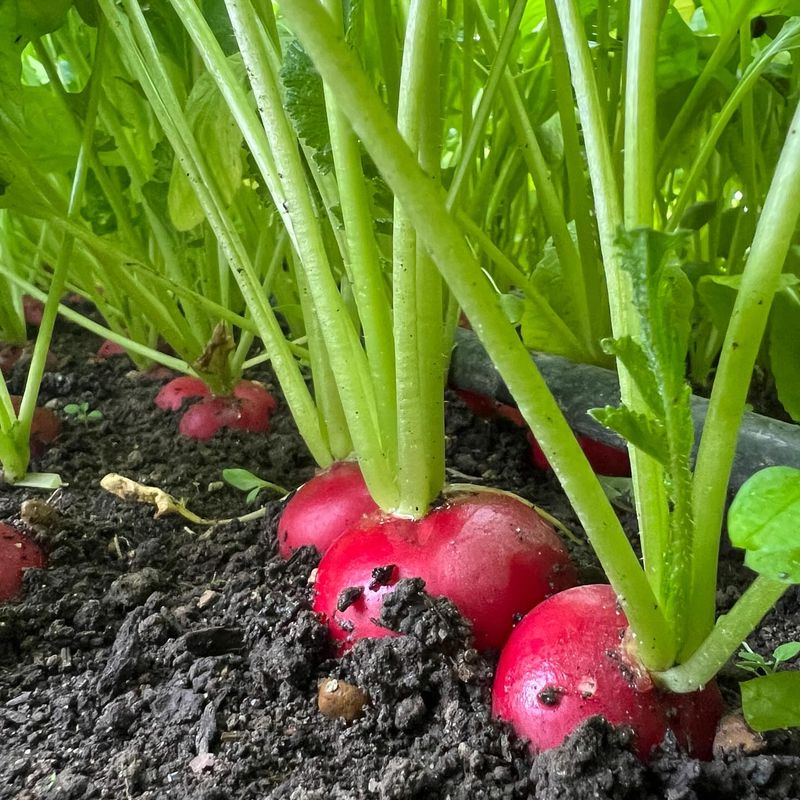
Radishes might just be the fastest payoff you can get from a garden. Under good conditions in Georgia, varieties like Cherry Belle can go from seed to harvest in about 22 to 30 days.
That is less than a month, which makes radishes a smart first crop for anyone who wants to see results quickly.
Plant them in early spring or fall when temperatures stay between 50 and 65 degrees Fahrenheit. Georgia’s mild shoulder seasons are nearly perfect for radishes, but summer heat will cause them to bolt before the roots fully develop, so timing matters.
Raised beds and loose, well-draining soil help roots grow round and smooth instead of cracked or woody.
Sow seeds about half an inch deep and one inch apart in rows. Thin seedlings to two or three inches apart once they sprout, because crowded plants produce small or misshapen roots.
Your Georgia Garden Changes Every Week. Your Plan Should Too.
Gardening in Georgia changes quickly throughout the season. Every Friday you’ll receive a simple weekly plan showing exactly what to plant, prune, fertilize, harvest, and protect so you never miss the right timing.
Water consistently but avoid soaking the soil, since uneven moisture leads to splitting.
Radishes also work well as row markers when planted alongside slower crops like carrots. They will be harvested long before the carrots need the space.
Harvest promptly when roots reach about an inch in diameter, because leaving them in the ground too long makes them pithy and sharp-tasting rather than crisp and mild.
Successive planting every week or two keeps a steady harvest coming instead of everything maturing at once.
3. Spinach Produces Early And Needs Minimal Effort
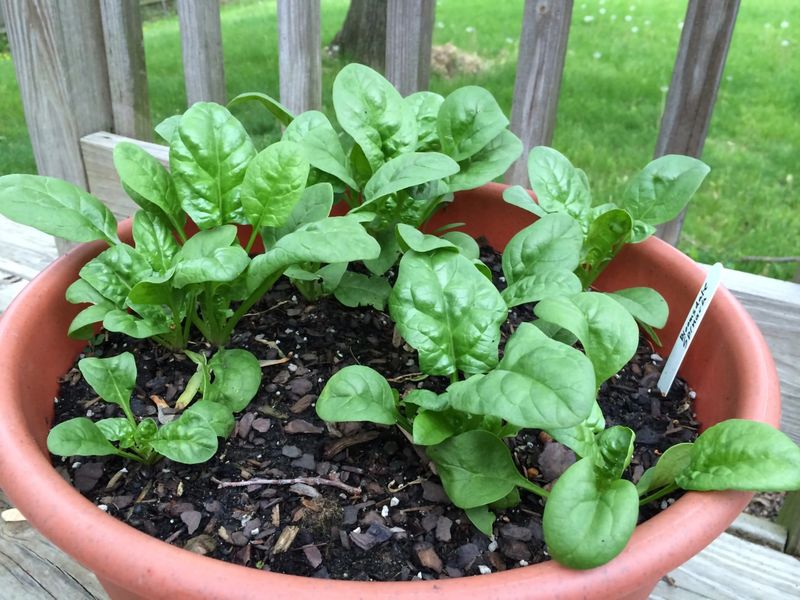
Few vegetables handle Georgia’s chilly early spring mornings as well as spinach.
Certain varieties, like Bloomsdale and Space, can be ready for harvest in as little as 30 to 45 days after planting, which puts fresh greens on the table before most other crops have even fully germinated.
Spinach prefers soil temperatures between 45 and 65 degrees Fahrenheit, which lines up well with Georgia’s late winter and early spring conditions. In the northern parts of the state, you can often get spinach in the ground as early as late February.
Further south, late January is sometimes possible with a light row cover on cold nights.
Plant seeds about half an inch deep and two to three inches apart in rows spaced about a foot apart. Spinach does not need heavy fertilizing, but a light application of balanced fertilizer at planting gives seedlings a strong start.
Keep the soil evenly moist during germination, since dry spells slow sprouting noticeably.
Harvest by snipping outer leaves regularly, which encourages the plant to keep pushing out new growth. Whole-plant harvests are also fine once plants reach a good size.
Just like lettuce, spinach bolts when heat arrives, so plan your planting window carefully. A fall planting in Georgia, typically September or October, often produces even better results than spring because the days are shortening rather than lengthening.
4. Green Onions Grow Fast From Seeds Or Sets
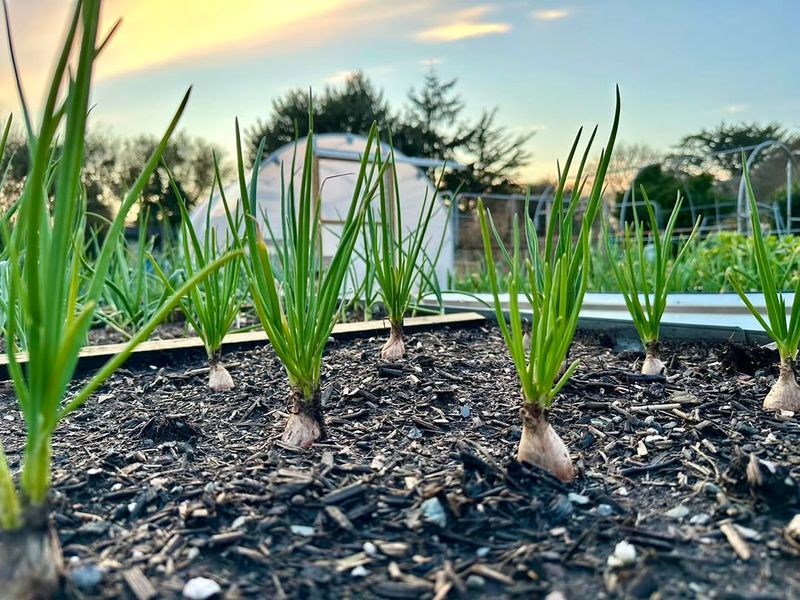
Green onions are one of the most low-fuss vegetables you can grow anywhere in Georgia, and they fit into almost any garden setup imaginable. Whether you start from seed, sets, or even kitchen scraps, they tend to get growing without much fuss from the gardener.
From sets or transplants, green onions can be ready to harvest in about 30 to 40 days. Starting from seed takes a bit longer, usually 60 to 80 days, but seeds are cheaper and give you more flexibility with variety selection.
Either way, the timeline is short enough to fit multiple rounds into Georgia’s long growing season.
Plant sets or seeds about an inch deep and one to two inches apart in well-drained soil. Green onions do not need a lot of root space, which makes them a good fit for containers or narrow garden borders.
Water regularly but avoid letting roots sit in soggy soil, since that leads to rot.
Harvest when the green tops reach about six to eight inches tall and the white base is roughly half an inch thick. You can pull entire plants or snip the tops and leave the roots, which will regrow for a second cut.
Green onions also work as companion plants near carrots and beets, where they may help deter certain pests without taking up extra space in the garden.
5. Bush Beans Produce Quickly Without Support
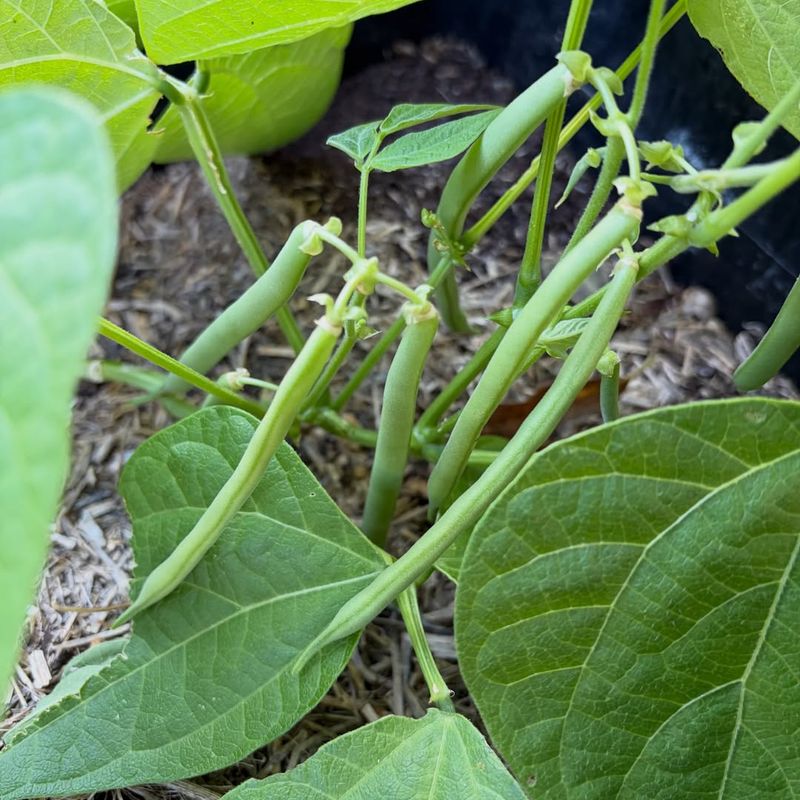
Bush beans are a backyard gardener’s straightforward win. No trellis, no staking, no climbing structure needed — they stay compact, grow fast, and start pushing out pods in about 50 to 60 days from direct seeding.
In Georgia’s warm summers, that timeline holds up reliably when soil temperatures are above 60 degrees at planting.
Direct sow seeds one to two inches deep and about three inches apart in rows. Bush beans do not transplant well, so skip the seedling tray and plant them straight into the garden.
Germination is usually quick in warm Georgia soil, sometimes as fast as five to seven days when conditions are right.
Consistent watering matters most during flowering and pod development. Irregular moisture during those stages can cause pods to be undersized or stringy.
A soaker hose or drip line works better than overhead watering, which can encourage fungal issues in humid Georgia summers.
Pick pods frequently once they reach about four inches long and before the seeds inside start to bulge. Regular harvesting signals the plant to keep producing rather than putting energy into maturing seeds.
Bush beans also benefit from a light side-dressing of balanced fertilizer about three weeks after planting, since they are moderate feeders. One bed of bush beans planted in succession every two to three weeks can keep fresh pods coming through most of Georgia’s warm season.
6. Zucchini Grows Fast And Produces Heavily
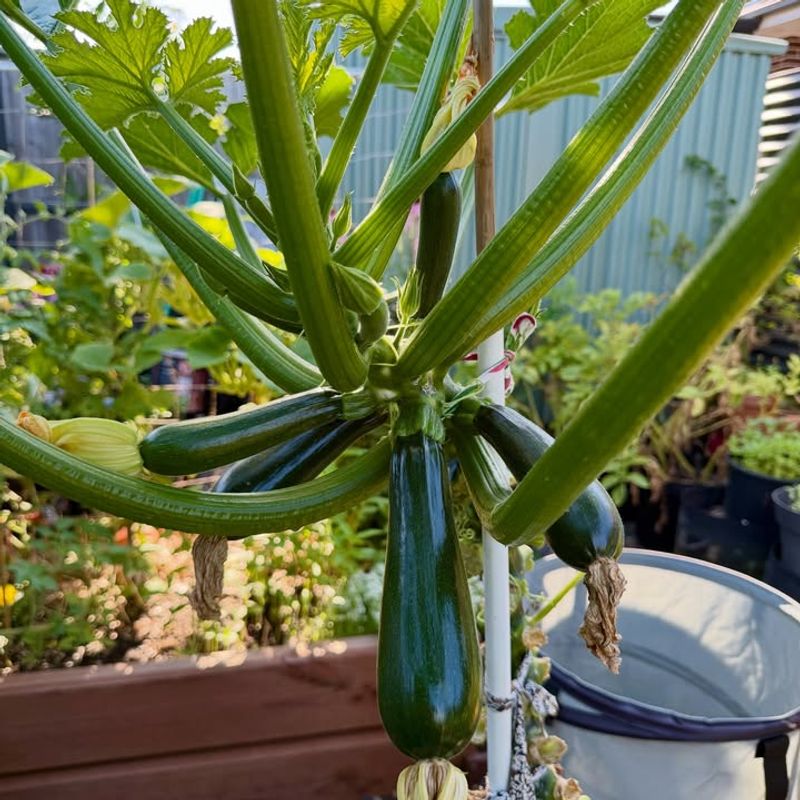
Zucchini has a reputation for producing so heavily that experienced Georgia gardeners sometimes joke about leaving bags of it on neighbors’ doorsteps. That reputation is mostly earned.
Under warm conditions with consistent water and decent soil, zucchini plants can start producing harvestable fruits in about 50 to 60 days from seed.
Plant seeds directly in the garden after Georgia’s last frost date, which varies by region but typically falls between mid-March and mid-April. Zucchini prefers soil that has warmed to at least 65 degrees Fahrenheit.
Planting in hills of two or three seeds per mound, then thinning to the strongest plant, gives each one enough space to spread out as it matures.
Space plants at least three feet apart, ideally four, since the leaves get large and airflow between plants helps reduce powdery mildew, which is a real concern in Georgia’s humid summers.
Drip irrigation or ground-level watering keeps foliage drier and reduces disease pressure significantly.
Harvest zucchini when fruits are six to eight inches long. Waiting longer does not improve flavor and actually slows new fruit production.
Check plants every day or two during peak season, because zucchini grows surprisingly fast once it gets going. Bees are essential for pollination, so planting a few flowers nearby helps attract them and keeps fruit set consistent throughout the season.
7. Cucumbers Grow Rapidly In Warm Conditions
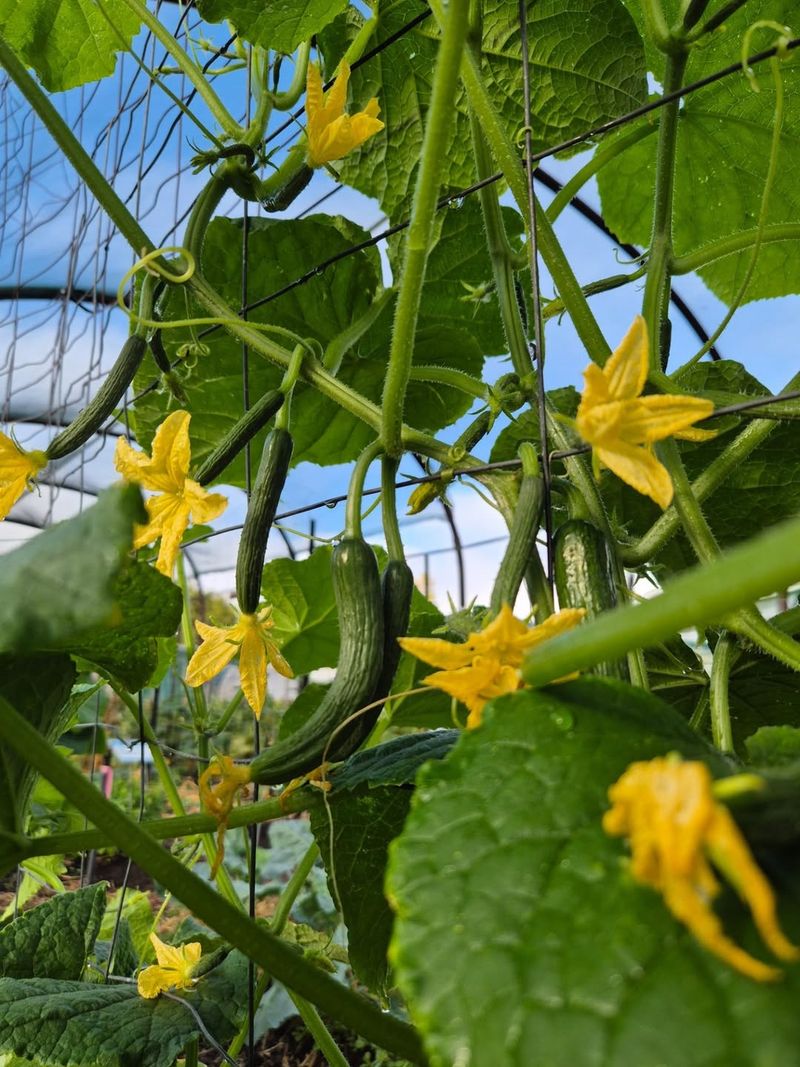
Warm soil and long sunny days are basically a cucumber’s ideal setup, which means Georgia summers suit them well.
Most slicing and pickling varieties go from seed to first harvest in around 50 to 60 days, and once they start producing, they can keep going for several weeks if you stay on top of harvesting.
Wait until soil temperatures hit at least 65 to 70 degrees before planting seeds directly in the ground. Cucumbers planted in cold soil tend to sit without germinating and can rot before they ever sprout.
In most parts of Georgia, that means planting no earlier than late April, though southern Georgia gardeners sometimes push into early April safely.
Training cucumber vines up a simple trellis, fence, or cage keeps fruit off the soil, improves airflow, and makes harvesting much easier.
Vertical growing also helps reduce issues with cucumber beetles and soil-borne diseases, both of which can show up in Georgia gardens during the summer months.
Water deeply and consistently, aiming for about an inch per week. Uneven watering is one of the main causes of bitter-tasting cucumbers, so a regular schedule matters more than the total amount.
Harvest fruit when it reaches full size but before it turns yellow, since overripe cucumbers taste bitter and signal the plant to stop flowering. Keeping up with harvests every two to three days is worth the effort during peak production.
8. Turnips Produce Both Roots And Greens Quickly
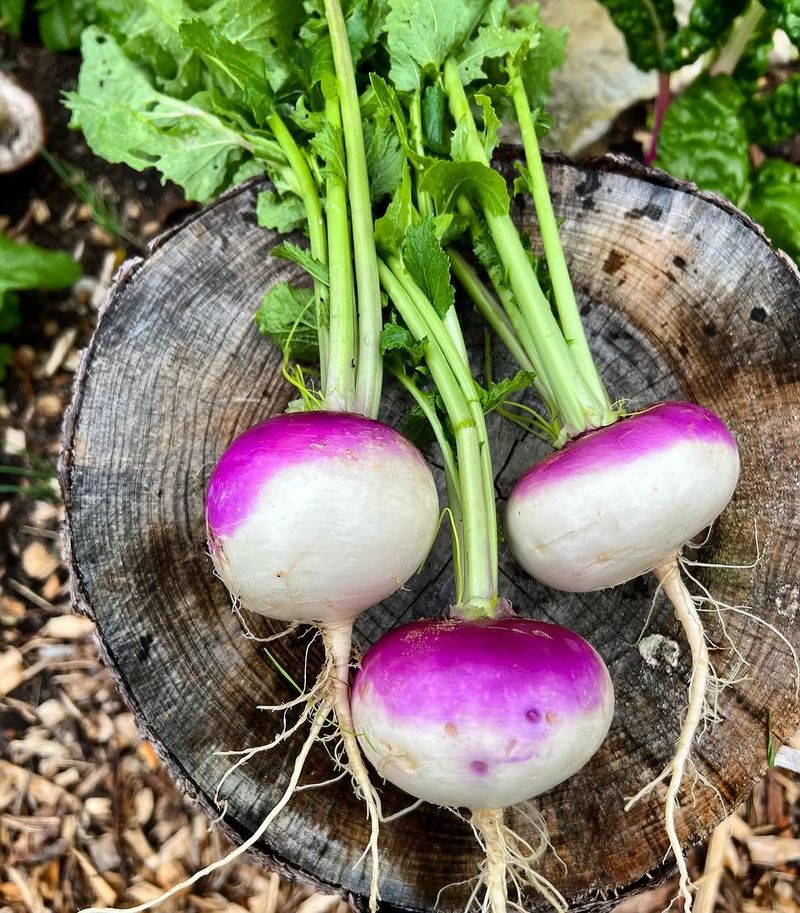
Not many vegetables give you two harvests from one planting, but turnips do exactly that.
You can start cutting the leafy tops for cooking greens as early as four to five weeks after planting, and the roots themselves are typically ready in 45 to 60 days depending on the variety.
Purple Top White Globe is one of the most reliable varieties for Georgia gardens and handles the region’s cool fall temperatures well.
Plant seeds in late August through early October for a fall harvest, or try a spring planting in February or March in the northern part of the state.
Fall plantings often produce sweeter roots because light frosts improve the flavor noticeably. Sow seeds about a quarter inch deep and one inch apart, then thin to four to six inches between plants once seedlings are a few inches tall.
Overcrowded turnips produce small, misshapen roots, so thinning is worth taking seriously even though it feels counterintuitive to pull healthy seedlings.
Turnips do not demand heavy feeding, but they respond well to a modest amount of nitrogen early in growth, which supports leaf development.
Keep soil moisture consistent, especially during root development, since irregular watering causes cracking and a tough texture.
In Georgia, fall-grown turnips often outperform spring ones because cooler temperatures slow bolting and allow roots to develop fully before harvest time arrives.