9 Michigan Perennials That Practically Multiply Themselves When You Divide And Replant
Some perennials do more than just come back each year. They steadily grow, spread, and give you the chance to create even more plants without buying anything new.
In Michigan, where seasons can be short and weather can shift quickly, these reliable growers are a great addition to any garden. Over time, many of them form larger clumps that can be divided and replanted, helping you fill empty spaces or share with friends.
It is a simple way to build a fuller garden while keeping plants healthy and strong. Dividing also encourages better growth and can lead to more blooms in the seasons ahead.
If you enjoy getting the most out of your garden, these perennials make it easy to expand your space naturally. With just a little effort, one plant can turn into many and keep your garden thriving year after year.
1. Daylily (Hemerocallis spp.)
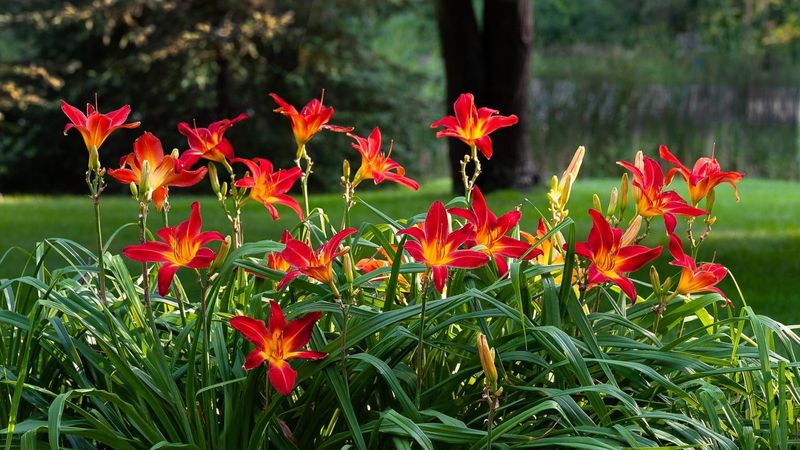
Few plants reward Michigan gardeners quite like the daylily. These tough, cheerful bloomers form wide, grassy clumps that expand a little more each year, and after three to five seasons, one plant can easily fill a wheelbarrow.
Dividing them in early spring or fall gives you dozens of new transplants ready to go straight back into the ground.
The best part about daylilies is how forgiving they are during the process. You can use a garden fork or even your hands to pull the clumps apart into smaller sections, and each piece with healthy roots will settle right in after replanting.
Water them well after dividing, and they bounce back fast without much fuss at all.
Michigan gardeners love daylilies because they handle cold winters without any extra protection. They thrive in a wide range of soil types, from heavy clay in the lower peninsula to sandier soils up north.
Plant divisions in a sunny or partly shaded spot and watch them fill in beautifully by the following summer. Colors range from soft peach to deep burgundy, so mixing varieties across your beds keeps things visually exciting season after season.
Daylilies are truly one of the most satisfying plants to multiply in any Michigan garden.
2. Hosta (Hosta spp.)
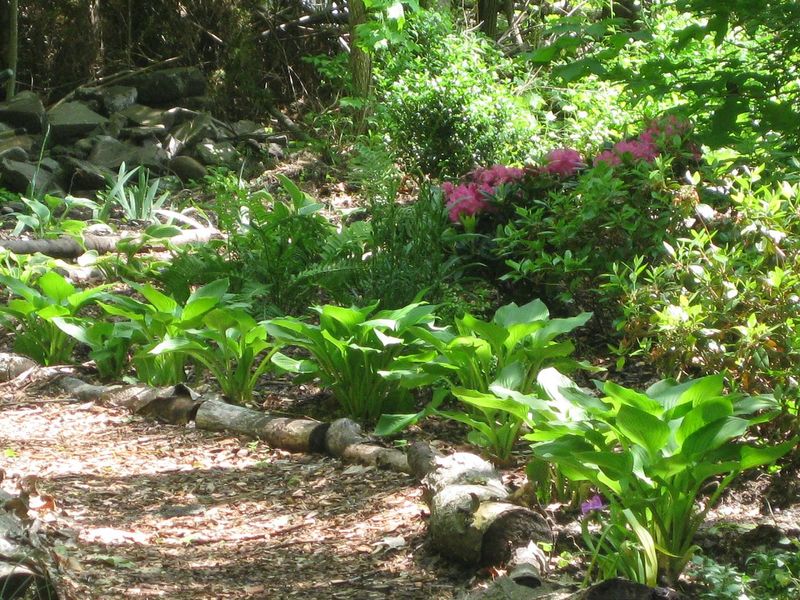
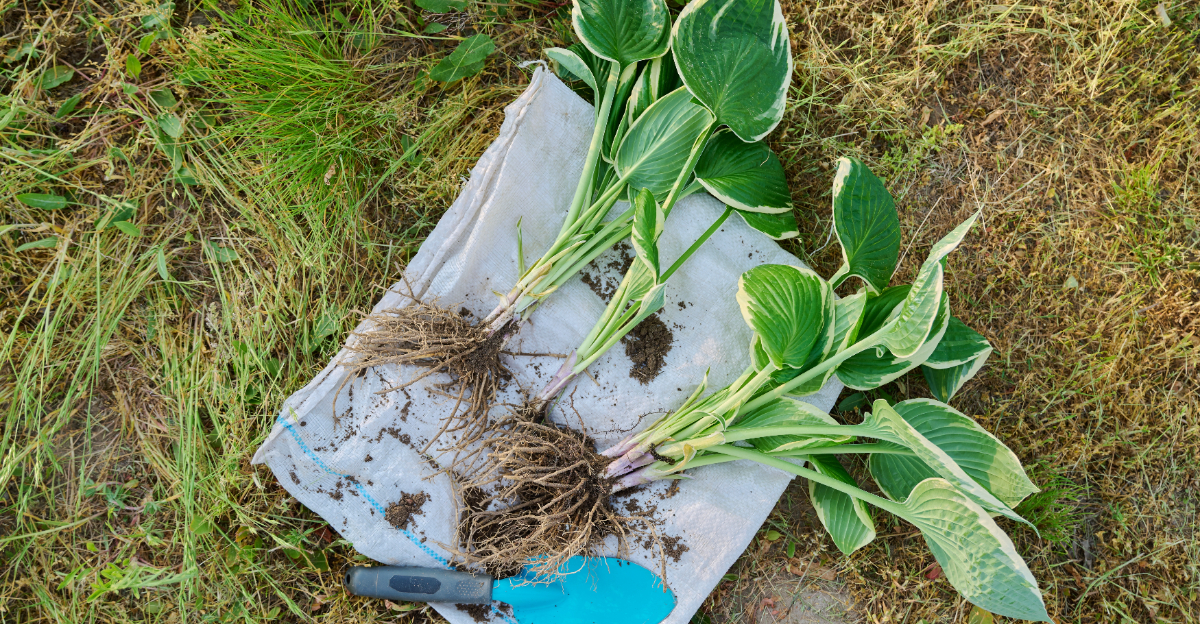
Walk into any shady Michigan garden and chances are good you will spot a hosta. These bold, leafy plants are some of the most reliable shade perennials around, and they multiply beautifully when you divide them every three to five years.
A single large clump can be split into four or more healthy sections, each one ready to fill a new corner of your yard.
Early spring is the ideal time to divide hostas in Michigan, right when the tips are just poking through the soil. At that stage, the roots are easy to see and separate cleanly.
A sharp spade works perfectly for cutting straight through the crown, and each division should have at least two or three healthy buds attached to a solid root section.
Hostas grow well across Michigan because the cooler climate suits them perfectly. They prefer morning sun and afternoon shade, making them ideal under trees or along north-facing fence lines.
Your Michigan Garden Changes Every Week. Your Plan Should Too.
Gardening in Michigan changes quickly throughout the season. Every Friday you’ll receive a simple weekly plan showing exactly what to plant, prune, fertilize, harvest, and protect so you never miss the right timing.
After replanting divisions, keep the soil consistently moist for the first few weeks while the roots establish. Varieties range from tiny miniatures to massive specimens with leaves wider than a dinner plate.
Mixing sizes and textures creates a lush, layered look that feels intentional and polished. Few plants offer this much visual impact for such little effort in a Michigan shade garden.
3. Black-Eyed Susan (Rudbeckia hirta)
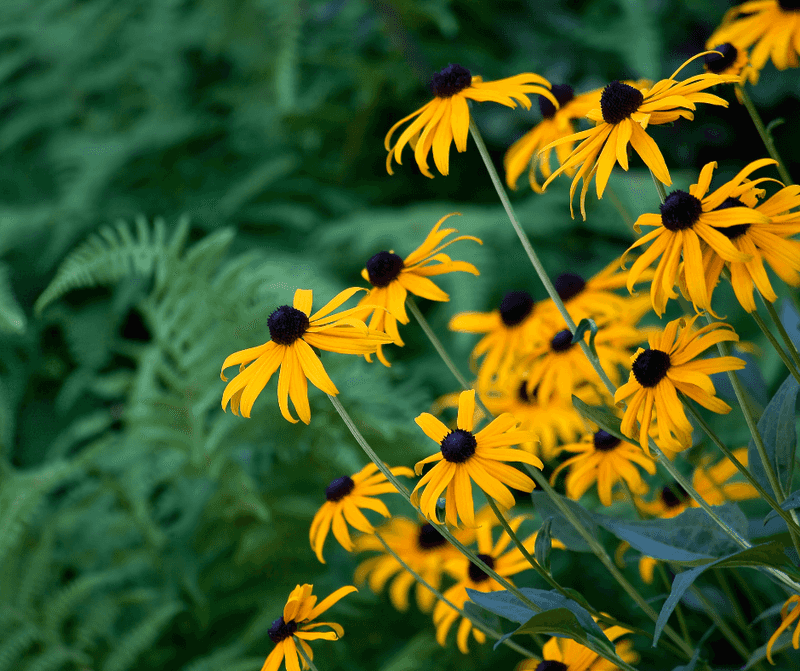
There is something undeniably cheerful about a field of black-eyed Susans catching the afternoon sun. These golden, daisy-like flowers are a staple in Michigan gardens for good reason.
They spread quickly, reseed generously, and respond beautifully to division every three to four years, making them one of the easiest perennials to multiply across your landscape.
Dividing black-eyed Susans in early spring gives you the best results. The clumps are easiest to work with before new growth gets too tall, and the divisions establish quickly in warm spring soil.
Each section needs healthy roots and a few crowns to thrive, and once replanted with good watering, they settle in fast and reward you with blooms by midsummer.
One of the reasons Michigan gardeners rely on these plants so much is their toughness. Black-eyed Susans handle heat, cold, and less-than-perfect soil without complaint.
They work beautifully in naturalized areas, cottage-style beds, or along sunny borders throughout the state. Beyond their good looks, they attract native bees, butterflies, and goldfinches, adding real ecological value to your yard.
Planting divisions in groups of three or five creates a bold, sweeping effect that looks intentional rather than scattered.
Once established, they practically take care of themselves, making them a smart, low-maintenance choice for any Michigan gardener looking to expand their beds without spending extra money.
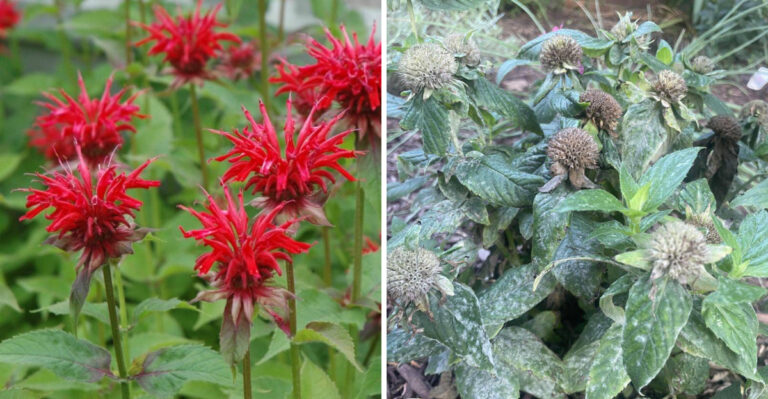
4. Bee Balm (Monarda didyma)
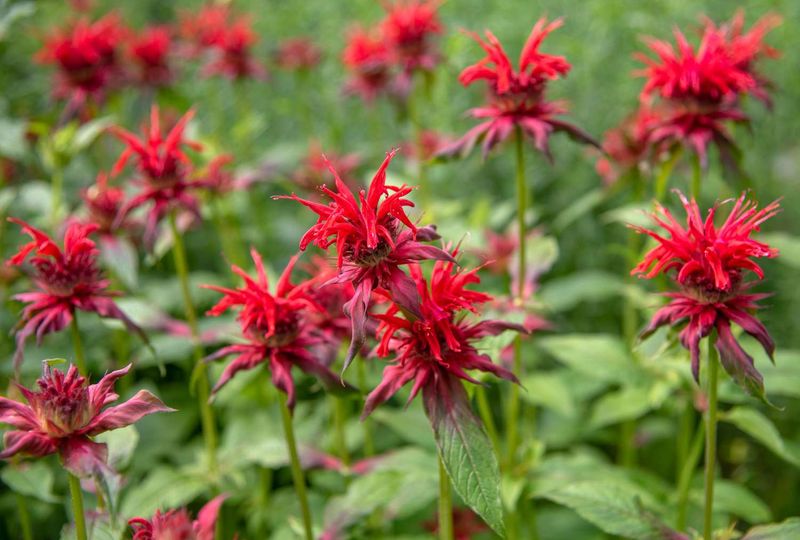
Bee balm is one of those plants that makes your whole garden feel alive. The spiky, brilliant blooms in shades of red, pink, and purple attract bees, hummingbirds, and butterflies from late June through August across Michigan.
But here is the thing most gardeners learn the hard way: bee balm spreads fast through underground stems, and without regular division, it gets crowded and prone to powdery mildew.
Dividing bee balm every two to three years keeps the plant vigorous and the air circulating freely between stems. Spring is the best time to tackle this job in Michigan, just as new growth emerges from the soil.
Dig up the outer sections of the clump, which tend to be the most energetic, and replant them in a fresh spot with room to spread. Compost the older, woody center sections since they produce fewer blooms.
Michigan summers provide exactly the warm, humid conditions bee balm loves, but that same humidity can encourage fungal problems when plants are packed too tightly together.
Spacing divisions at least eighteen inches apart and choosing mildew-resistant varieties like ‘Jacob Cline’ or ‘Raspberry Wine’ makes a noticeable difference in plant health.
Plant bee balm in full sun to light shade and keep the soil consistently moist. Once established, these plants fill borders with incredible color and bring pollinators rushing in from every direction throughout the growing season.
5. Garden Phlox (Phlox paniculata)
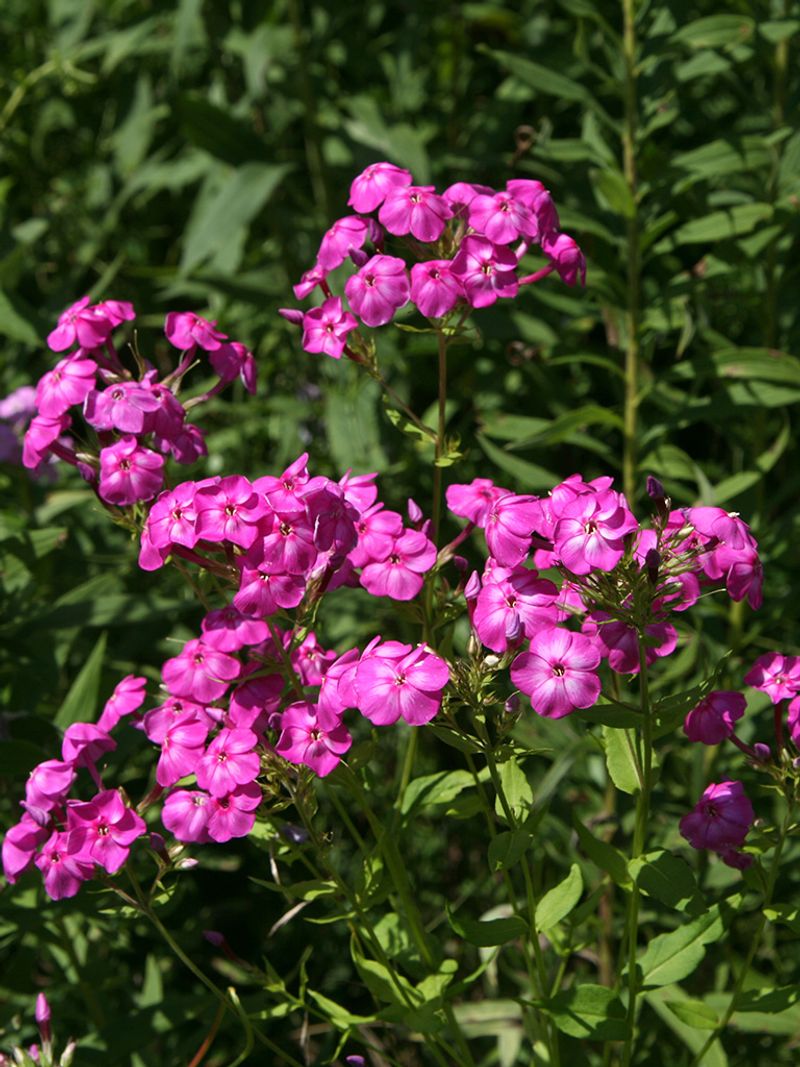
Garden phlox is one of those classic Michigan perennials that smells as good as it looks. The tall flower heads packed with pink, purple, white, or bicolor blooms fill gardens with fragrance from midsummer into early fall.
Over time, though, the clumps get crowded, blooms shrink, and the center of the plant loses its energy. That is exactly when division steps in to save the day.
Splitting garden phlox every three to four years in early spring or early fall gives each division room to breathe and access to fresh nutrients in the surrounding soil. Each section should include several healthy stems and a strong root mass.
Replant divisions at the same depth they were originally growing, water thoroughly, and add a light layer of mulch to hold in moisture while roots get established.
Michigan’s climate suits garden phlox well, especially in areas with full sun and decent airflow between plants. Good spacing after division is one of the most effective ways to prevent powdery mildew, which commonly affects this genus in humid summers.
Choosing resistant varieties like ‘David’ or ‘Laura’ adds another layer of protection. Garden phlox pairs beautifully with coneflowers, black-eyed Susans, and ornamental grasses in mixed borders throughout the state.
The more you divide and replant over the years, the more you end up with a garden that feels genuinely abundant and professionally planted without spending a single extra dollar.
6. Sedum ‘Autumn Joy’ (Hylotelephium ‘Herbstfreude’)
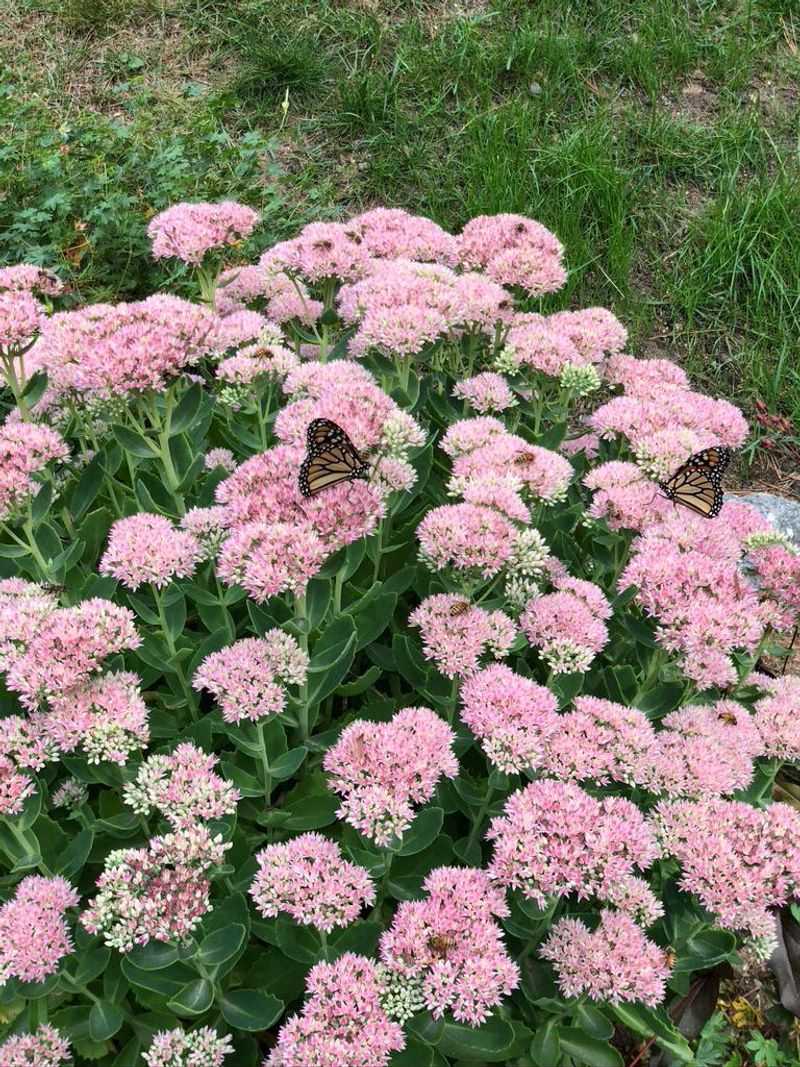
When most Michigan perennials start winding down in late summer, Sedum ‘Autumn Joy’ is just getting started. The flat-topped flower clusters open in rosy pink and deepen to copper and rust through fall, giving your garden a warm, glowing finish to the season.
This plant is incredibly self-sufficient, but after a few years the center of the clump can hollow out and the stems start flopping open. Dividing in spring fixes that fast.
Spring division is simple with this sedum because the fleshy stems and roots are easy to handle. Dig up the entire clump when new growth is just a few inches tall, cut it into sections with a sharp spade, and replant each piece in well-drained soil.
Each division should have a solid base with several healthy shoots attached. Firm the soil around the roots and water in well to help them settle.
One of the standout qualities of ‘Autumn Joy’ is its tolerance for poor, dry conditions, which makes it a smart choice for Michigan gardens where irrigation is limited. It thrives in full sun across the state and rarely needs extra fertilizer.
As a bonus, the dried flower heads hold their structure through winter, providing texture and visual interest even after frost arrives. Pollinators absolutely flock to the blooms in September and October.
Dividing and replanting this sedum every three to four years keeps clumps tidy, full, and producing their best late-season color year after year.
7. Siberian Iris (Iris sibirica)
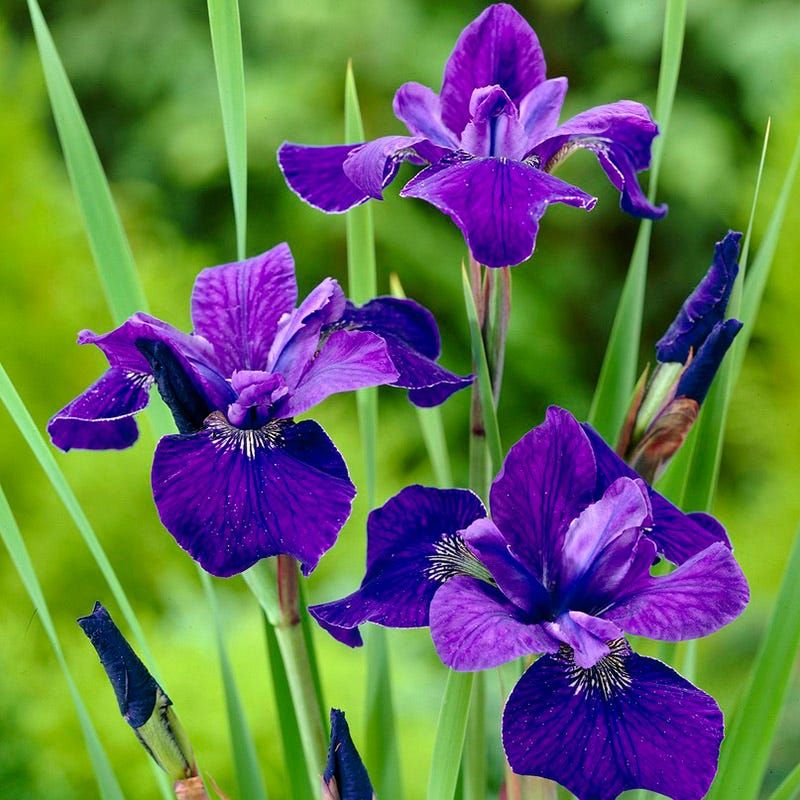
Siberian iris has a quiet elegance that makes it stand out in any Michigan garden. The slender, upright foliage stays attractive from spring through fall, and the delicate purple, blue, or white blooms in late May and June are genuinely stunning.
Unlike bearded iris, Siberian iris forms tight, fibrous clumps that grow denser each year and actually improve in performance after division.
The best time to divide Siberian iris in Michigan is either in early spring before growth gets tall or in late summer after blooming has finished. The clumps can be quite firm and dense, so a sharp spade or two garden forks pressed back-to-back works well for splitting them.
Each division should include several fans of leaves and a healthy portion of roots. Replant at the same depth and water generously right after planting.
Michigan’s cold winters and occasional wet springs are no problem at all for Siberian iris. These plants actually prefer moist, slightly acidic soil, making them an excellent choice near rain gardens, pond edges, or low spots in the yard where water collects after heavy rain.
Full sun to part shade suits them well throughout the state. Dividing every four to five years keeps clumps from becoming too congested, which can reduce flowering over time.
The graceful, grass-like foliage also adds great structure to mixed perennial borders long after the blooms have faded, making this one of the most versatile plants in a Michigan garden.
8. Yarrow (Achillea millefolium)
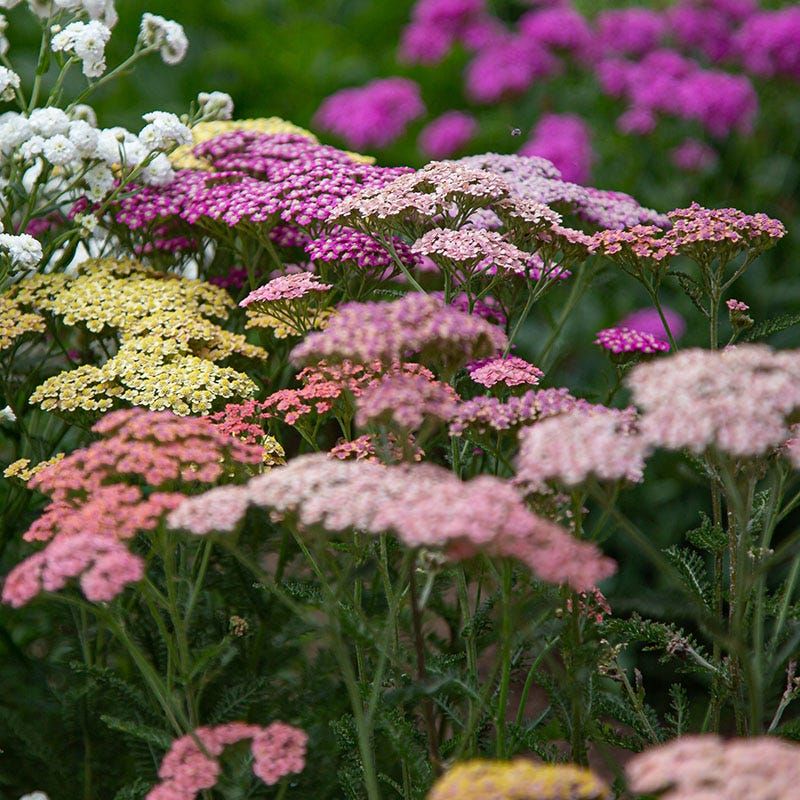
Yarrow is the kind of plant that practically begs to be shared with neighbors. It spreads through underground rhizomes at a steady pace, and within a few seasons a single plant can claim a surprisingly large patch of garden real estate.
The flat-topped flower clusters in shades of yellow, white, pink, and red bloom from early summer into fall, and the feathery, aromatic foliage looks great even when the plant is not in bloom.
Dividing yarrow every two to three years in early spring keeps it from taking over and encourages the most vigorous, upright growth.
The clumps separate easily by hand or with a garden fork, and even small divisions with just a few stems and roots will establish quickly in average garden soil.
Replant divisions in a sunny spot, space them about eighteen inches apart, and avoid heavy fertilizing since yarrow actually prefers lean conditions.
Across Michigan, yarrow earns its place in the garden by handling drought, poor soil, and cold winters without any special care. It works beautifully in pollinator gardens, cottage borders, and low-maintenance landscapes throughout the state.
Bees and butterflies visit the blooms constantly from June through August. The cut flowers also dry wonderfully, making yarrow useful both in the garden and in arrangements indoors.
Dividing regularly and replanting fresh sections ensures your yarrow stays compact, colorful, and full of life rather than sprawling and sparse through the center of the clump over time.
9. Coneflower (Echinacea purpurea)
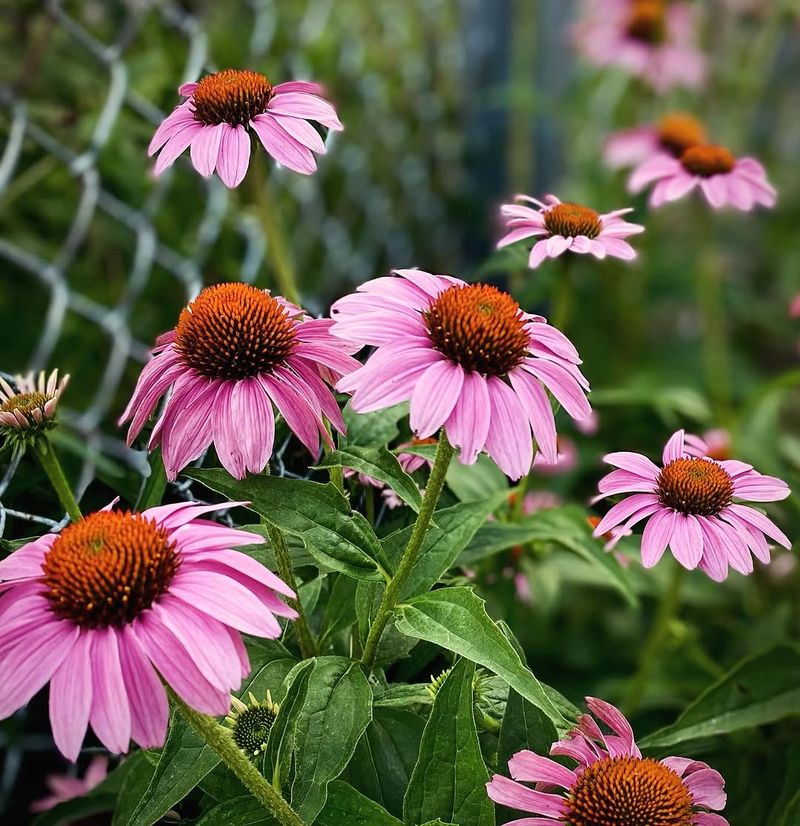
Coneflowers are practically a symbol of the Michigan summer garden. Their bold purple petals and spiky orange centers bloom from July through September, and they pull in every pollinator from bumblebees to monarch butterflies.
What makes them even better is that they multiply in two ways: through self-seeding and through division. A small planting can become a spectacular sweep of color within just a few growing seasons.
Dividing established coneflower clumps every three to four years in early spring gives each section a fresh start with more root space and better access to soil nutrients.
Use a sharp spade to cut through the crown, making sure each piece has several healthy buds and a solid root system.
Replant divisions at the same depth, water them in well, and expect blooms by mid to late summer of the same year if you divide early enough in spring.
Coneflowers are native to the eastern and central United States, and they feel completely at home in Michigan’s climate. They handle cold winters, summer heat, and dry spells without complaint, making them one of the most dependable perennials in the state.
Plant divisions in full sun and average, well-drained soil for the best results. Leaving the seed heads standing through winter feeds goldfinches and adds structure to the garden during the colder months.
Whether you are expanding an existing bed or starting a new pollinator garden somewhere on your Michigan property, coneflowers are always a brilliant choice.