The Reasons Why You Should Grow Spicebush Along Your Fence In Pennsylvania
A fence line can easily become the most forgettable part of a Pennsylvania yard. It is often treated like leftover space, with a few random plants tucked in and not much thought beyond that.
But that narrow strip has a lot of potential when you choose something that actually belongs there. The right shrub can soften a hard border, add life to a plain backdrop, and make the whole yard feel more complete without turning into a high-maintenance project.
Spicebush is one of those plants that quietly does a lot. It fills in a fence line with natural beauty, gentle texture, and a more relaxed woodland feel that works especially well in Pennsylvania landscapes.
It also brings seasonal interest, supports wildlife, and gives the edge of your yard a purpose beyond just marking property lines.
Instead of staring at a flat stretch of fencing, you get a space that feels alive and connected to the rest of the garden. For homeowners who want beauty with a practical side, spicebush makes a strong case for itself.
1. Perfect For Partial Shade Fence Lines
Most gardeners in Pennsylvania know the struggle of finding the right plant for a shaded fence line. Grass thins out, flowers refuse to bloom, and bare patches seem impossible to fix. Spicebush was practically made for exactly that kind of spot.
Lindera benzoin thrives in part shade to full shade, which makes it one of the most useful native shrubs for shaded property lines across Pennsylvania.
It grows naturally along stream banks and the edges of hardwood forests, so it is already adapted to the kind of filtered light that most fence lines get. You are not fighting against the plant’s natural preferences. You are working with them.
Along a fence, spicebush fills in beautifully over time. It grows in a loose, arching shape that softens hard fence lines without looking messy or overgrown.
Most shrubs that tolerate shade end up looking leggy or weak, but spicebush stays full and lush even without direct sun. That is a big deal when your fence runs under mature trees or along the north side of your home.
Pennsylvania has plenty of wooded neighborhoods and older properties with tall shade trees. In those settings, finding plants that actually perform well can be a real challenge.
Spicebush handles those conditions with ease. It does not need full sun to look good, and it does not need a lot of extra water once it settles in.
For shaded fence lines in Pennsylvania, it is one of the most reliable choices you can make without overthinking it.
2. Early Spring Color When Little Else Blooms
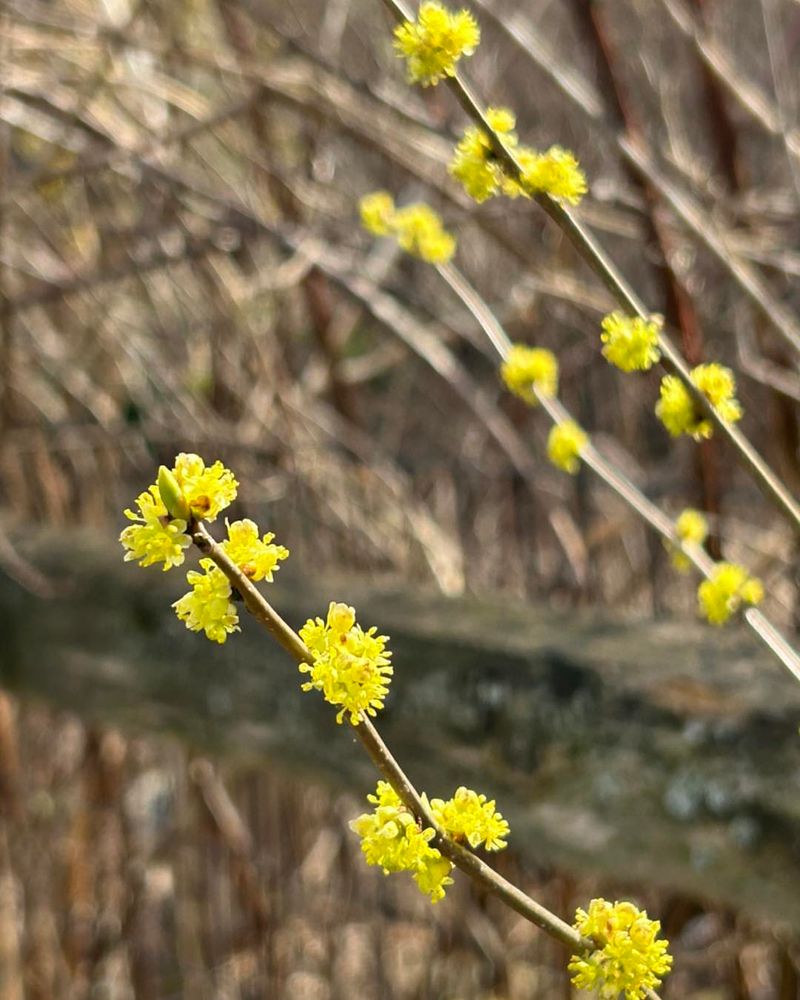
There is something almost magical about walking past your fence in late February or early March and spotting tiny yellow flowers already in bloom. Most of your yard is still brown and bare, but spicebush does not wait around for warmer weather.
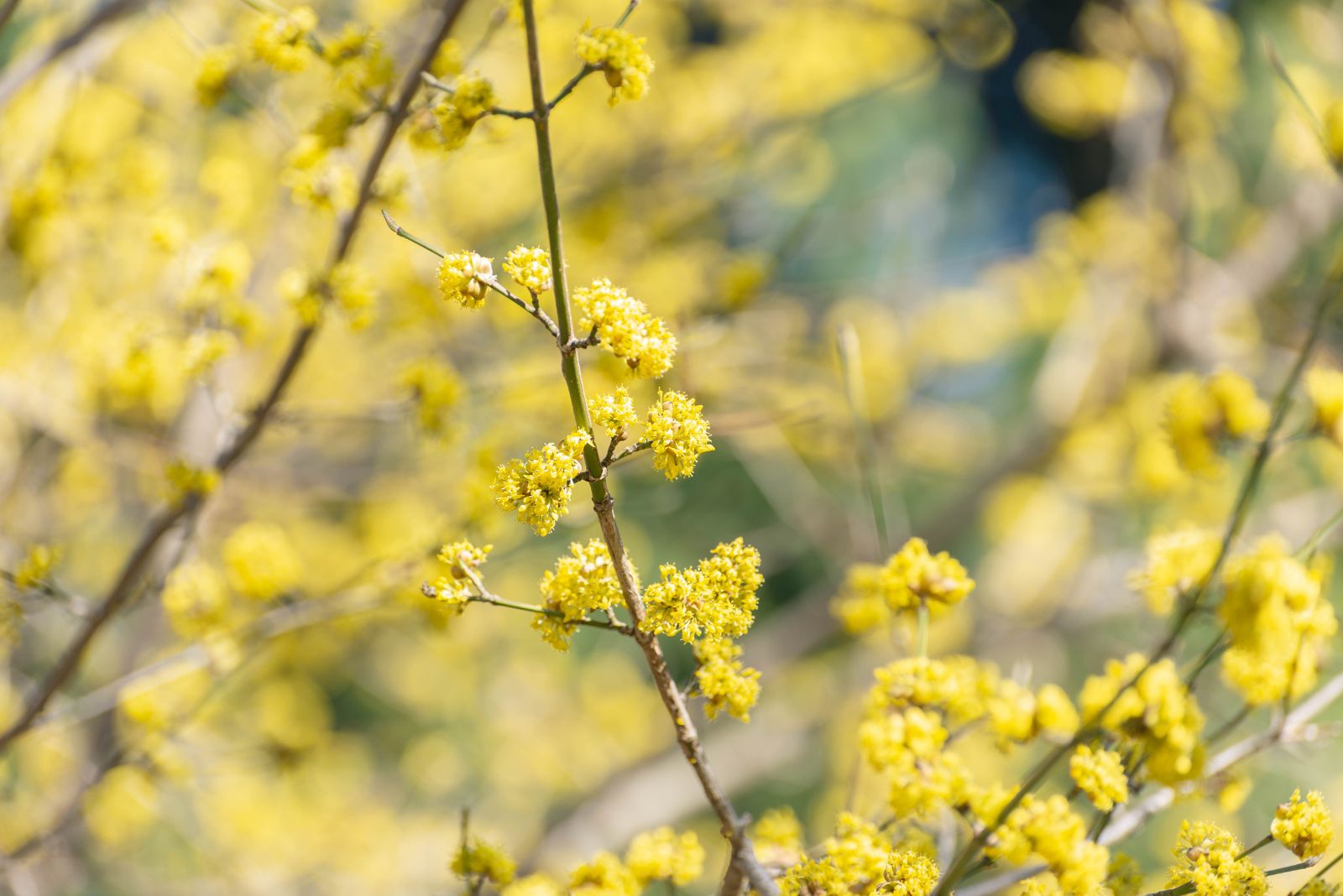
Spicebush produces clusters of small, soft yellow flowers along its bare branches in very early spring. In Pennsylvania, this usually happens before most other shrubs even begin to leaf out.
Your Pennsylvania Garden Changes Every Week. Your Plan Should Too.
Gardening in Pennsylvania changes quickly throughout the season. Every Friday you’ll receive a simple weekly plan showing exactly what to plant, prune, fertilize, harvest, and protect so you never miss the right timing.
The effect is cheerful and unexpected, especially after a long grey winter. Those little bursts of yellow are one of the earliest signs that the growing season is coming back around.
Early spring color is genuinely hard to find in native shrubs. Most plants wait until late April or May to show any interest.
Spicebush jumps the line in the best possible way. Along a fence, a row of spicebush in bloom creates a soft golden haze that stands out against the dull tones of late winter in Pennsylvania.
Beyond the visual appeal, those early flowers are also a food source for early pollinators. Bees that emerge on warm late-winter days need something to visit, and spicebush gives them exactly that.
So while you are enjoying the color from your window, native bees are out there making use of it too. The flowers are small but numerous, and they have a light, pleasant fragrance that carries a little in the cool spring air.
For a fence line that usually looks its worst in early spring, spicebush turns that around in a very satisfying way.
3. Supports Pollinators And Wildlife
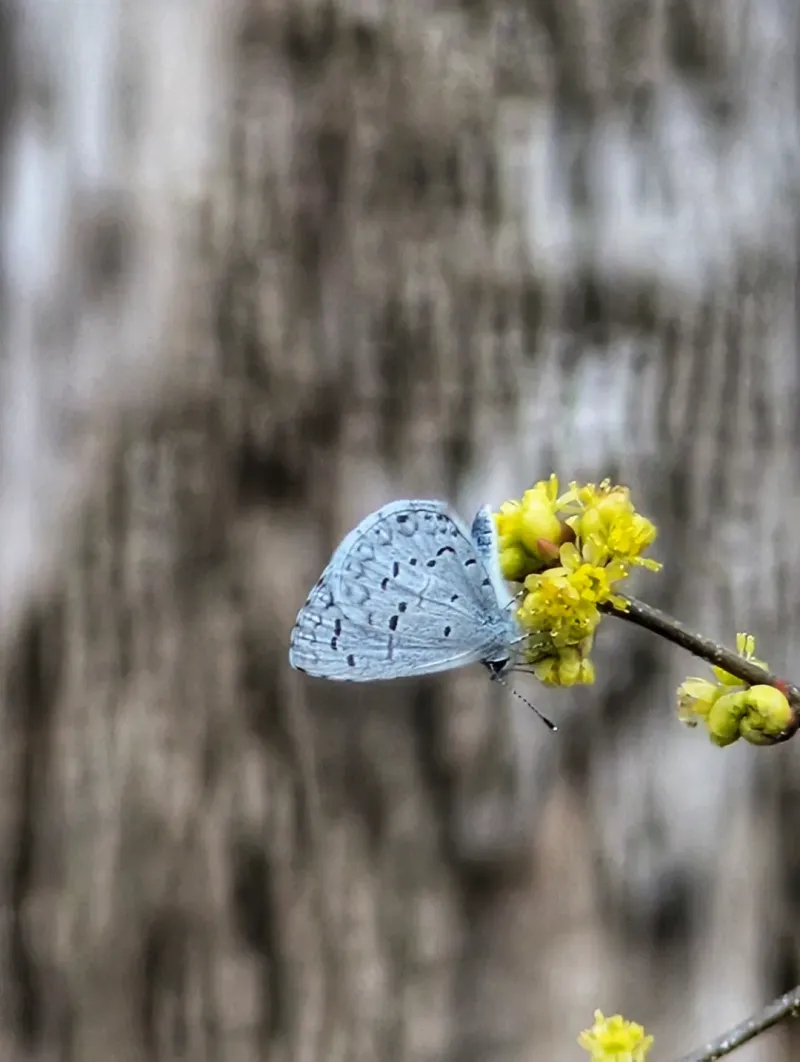
Few native shrubs punch above their weight in terms of wildlife value the way spicebush does. If you care about what lives in your Pennsylvania yard, this plant deserves a serious spot along your fence line.
Spicebush is the host plant for the spicebush swallowtail butterfly, one of the most beautiful butterflies found across Pennsylvania. The caterpillars of this species depend on spicebush leaves to survive.
Without host plants like spicebush growing in yards and natural areas, these butterflies simply cannot complete their life cycle. Planting even a few shrubs along your fence directly supports their population in your neighborhood.
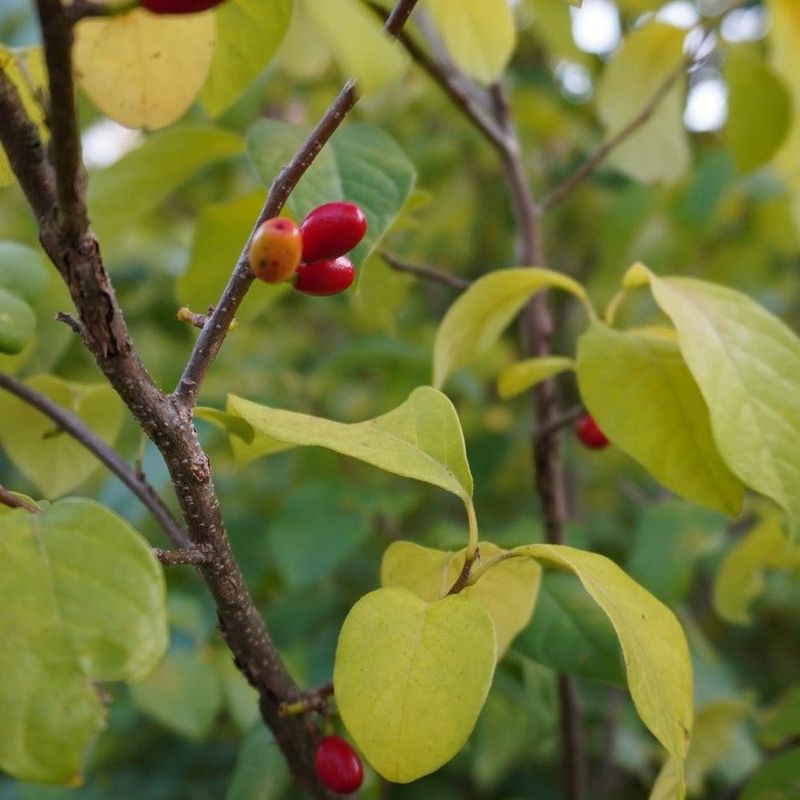
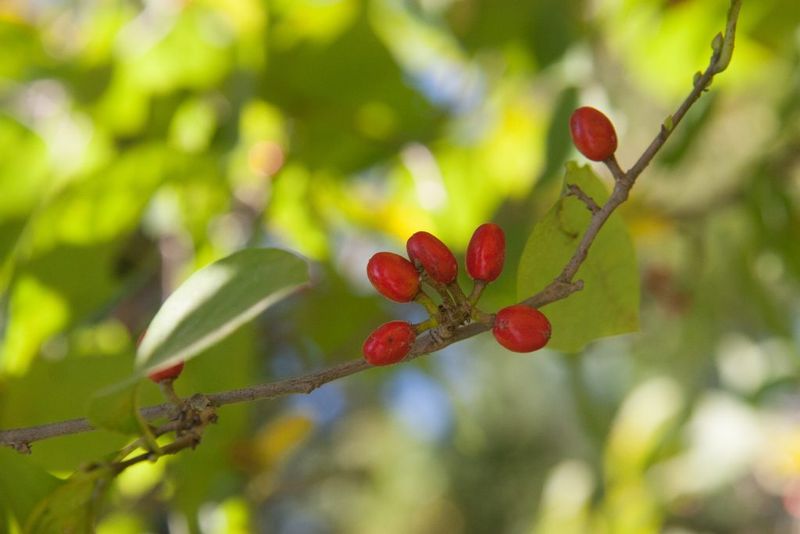
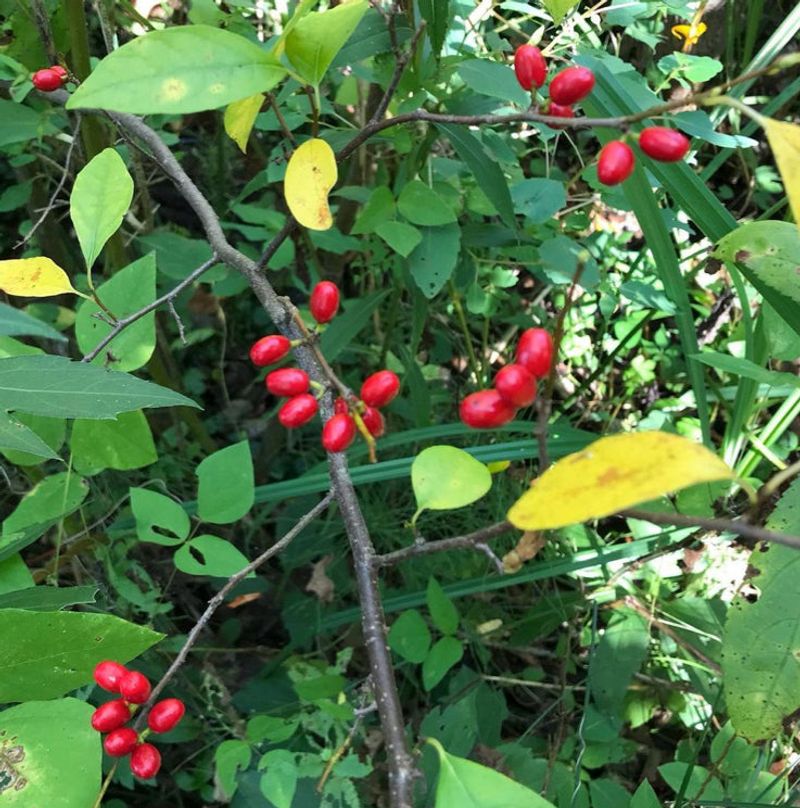
Female spicebush plants produce bright red berries in late summer and early fall. Those berries are a high-fat food source that migrating birds absolutely rely on.
Over 20 bird species have been recorded eating spicebush berries, including wood thrushes, veeries, and gray catbirds. In Pennsylvania, where bird migration is a big seasonal event, having spicebush along your fence can turn your yard into a genuine stopover point for traveling birds.
Beyond butterflies and birds, spicebush also supports native bees and other early pollinators with its spring flowers. The overall ecological value of this one shrub is hard to match with any non-native plant.
Landscaping choices in Pennsylvania really do affect local wildlife, and spicebush is one of the easiest ways to make a meaningful positive impact.
You get a beautiful, functional fence planting, and the local ecosystem gets a reliable food and habitat source. That is a trade worth making every single time.
4. Creates A Natural Privacy Screen
A fence gives you structure, but it does not always give you privacy. If your fence has gaps, sits low, or just feels too exposed, spicebush can change that without a lot of effort or expense.
Spicebush grows with multiple stems from the base, which means it naturally forms a wide, dense clump over time. A mature spicebush can reach six to twelve feet tall and spread nearly as wide.
When you plant several shrubs along a fence line, they gradually fill in and create a layered, informal hedge that provides real visual coverage. It looks natural and relaxed rather than stiff and formal, which suits most Pennsylvania yards really well.
Unlike boxwood or arborvitae, spicebush is a native plant that fits right into the regional landscape. It does not stick out as something planted and artificial.
Instead, it blends with the surrounding trees and shrubs in a way that feels completely at home in Pennsylvania’s natural setting. That relaxed, woodland-edge look is actually very appealing and easy to maintain.
Along a fence line, spicebush softens hard edges and fills vertical space with lush green foliage from spring through fall. In winter, the branching structure remains interesting even without leaves.
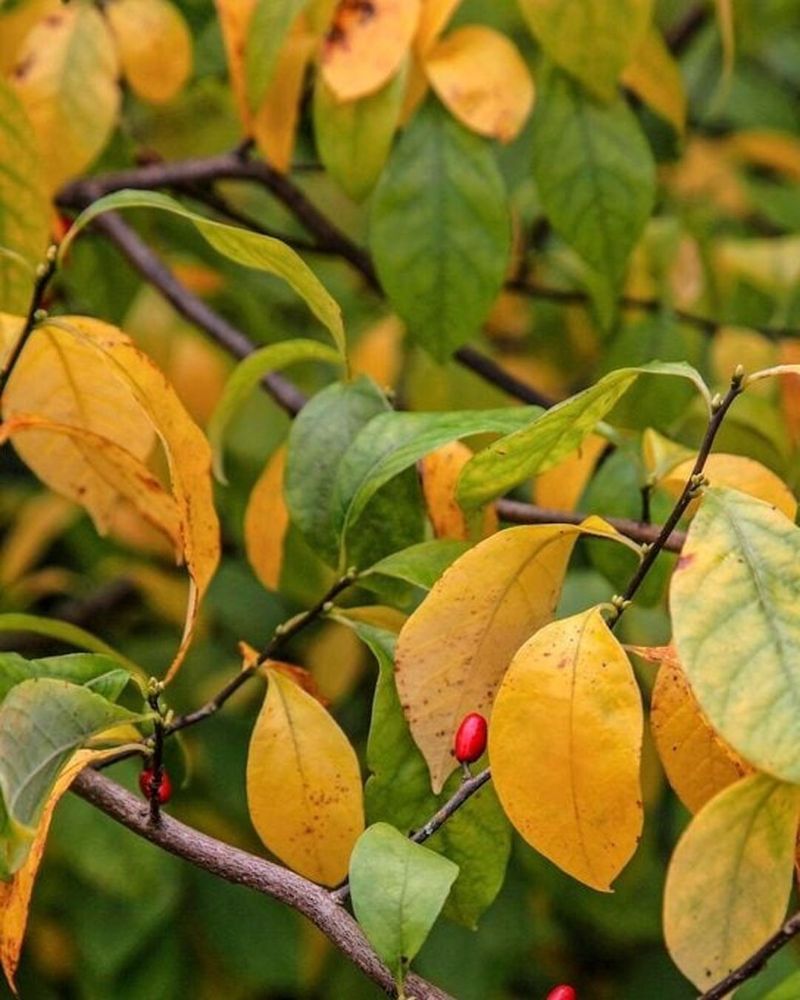
You also get seasonal variety built right in, with yellow spring flowers, green summer foliage, red fall berries, and bright yellow autumn color.
For homeowners in Pennsylvania who want more privacy and more beauty along their fence without installing a taller structure, spicebush does the job naturally and attractively year after year.
5. Low-Maintenance And Adaptable
Not everyone has hours to spend pruning, fertilizing, and babying their fence line plants. If you want something that does well in Pennsylvania without constant attention, spicebush is genuinely hard to beat.
Once established, spicebush requires very little maintenance. It does not need regular pruning to stay healthy or attractive.
It handles Pennsylvania soils well, including clay-heavy soils that many other shrubs struggle with. It also tolerates wet conditions, which is a huge plus for low spots along fence lines where water tends to collect after heavy rain.
In short, it handles the conditions that usually make gardening in Pennsylvania frustrating. Spicebush is also notably resistant to deer browsing. Deer are a serious problem in many Pennsylvania neighborhoods and rural areas.
Most homeowners have a list of plants they have tried and lost to deer pressure. Spicebush is generally left alone, likely because of its strong aromatic oils. That alone makes it worth considering over more vulnerable options.
During the first year or two, giving spicebush some water during dry spells helps it get established faster. After that, it largely takes care of itself.
You do not need to apply special fertilizers or amend the soil extensively before planting. It is a native plant that evolved in Pennsylvania conditions, so it already knows what to do with the soil and climate it finds here.
For busy homeowners who want a fence planting that looks great without demanding constant work, spicebush fits the bill better than almost any other shrub available at Pennsylvania nurseries today.
6. Adds Fragrance And Seasonal Interest
Walk past a spicebush on a warm afternoon and brush against one of its leaves. That spicy, almost citrusy scent that hits you is one of the most pleasant surprises this plant has to offer. It is the kind of fragrance that makes you stop and take another breath.
Every part of spicebush is aromatic. The leaves, stems, and berries all carry that distinctive spicy scent when crushed or bruised.
Native Americans used spicebush for cooking and medicine for centuries, and the dried berries can actually be ground and used as a substitute for allspice.
Having a plant along your Pennsylvania fence that smells wonderful and has culinary history behind it is a genuinely cool bonus.
Seasonally, spicebush delivers something interesting at every time of year. Spring brings those soft yellow flowers along bare branches.
Summer offers dense, lush green foliage that cools and fills the fence line. Fall is when the plant really shows off, with leaves turning a clean, bright yellow while the female plants carry clusters of glossy red berries at the same time.
The combination of yellow foliage and red fruit is striking in the Pennsylvania autumn landscape.
Even in winter, the branching structure of spicebush adds texture and form to the fence line. A few lingering berries might attract birds on cold days.
Across all four seasons, spicebush keeps your fence line looking alive and interesting without any extra effort on your part. For a plant that asks for so little, it gives back an impressive amount of beauty and sensory enjoyment throughout the entire year.