Watering Tips For Pennsylvania Gardens Before Summer
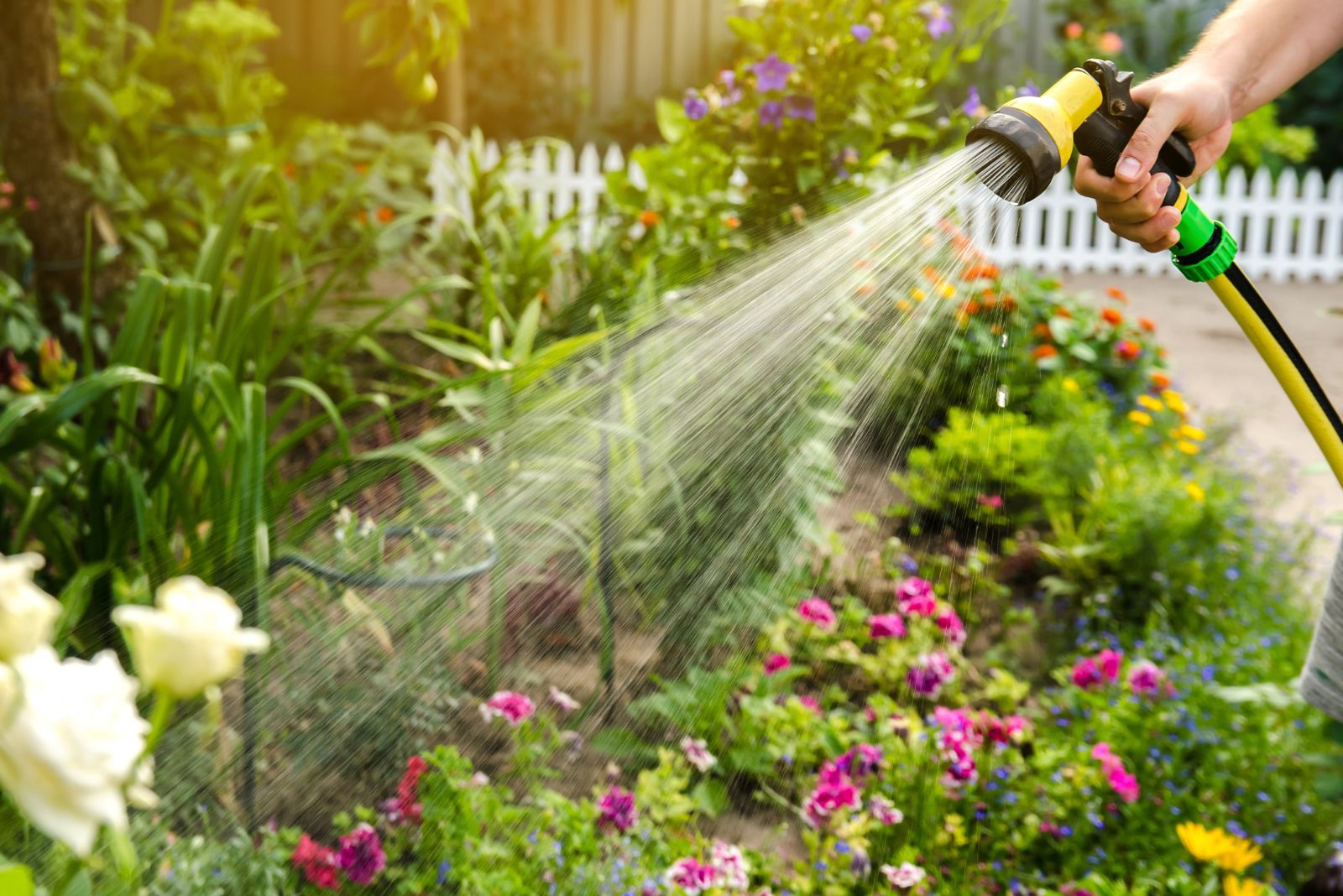
As spring starts to warm up in Pennsylvania, it is easy to feel like your garden is on autopilot. Rain shows up often enough, plants are filling in, and everything seems to be growing without much effort.
Then late spring shifts into early summer, and suddenly the rules change. Soil dries out faster, sunny days stretch longer, and plants that looked perfectly happy begin to show signs of stress.
That transition period is where watering habits really matter. A garden that gets the right amount of water at the right time can stay healthy, strong, and ready for the hotter months ahead.
On the other hand, too much or too little can set plants back before summer even begins. It is not just about how often you water, but how and when you do it.
With a few smart adjustments, you can help your garden handle the shift with less stress. Getting ahead of summer heat now makes it much easier to keep everything looking fresh once temperatures climb.
1. Water Deeply, Not Frequently
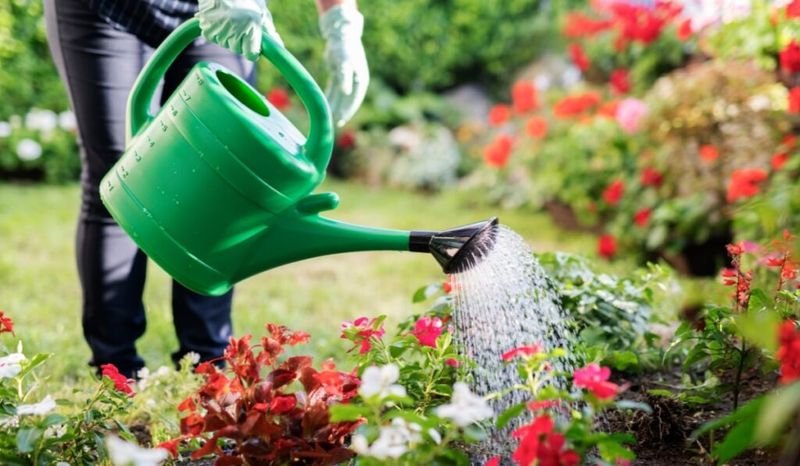
Most gardeners think watering every single day is the best way to keep plants happy. But shallow, frequent watering actually trains roots to stay near the surface, where they are most vulnerable to heat and drought.
Deep, infrequent watering is a far better approach for Pennsylvania gardens heading into the warm months.
When you water deeply, you soak the soil several inches down. This pushes roots to follow the moisture deeper into the ground.
Deeper roots can access water that stays in the soil longer, even when the top layer dries out quickly during a hot Pennsylvania afternoon.
Aim to water your garden two to three times per week instead of every day. Each time you water, let the hose or sprinkler run long enough to soak at least six inches down. You can check this by pushing a wooden skewer or your finger into the soil after watering.
Sandy soils, which are common in some parts of Pennsylvania, drain faster and may need slightly more frequent deep watering.
Clay-heavy soils hold moisture longer, so you may be able to water less often. Knowing your soil type helps you make smarter decisions.
Deep watering also helps your plants become stronger and more self-sufficient over time. Once roots reach deeper soil layers, your garden becomes much better at handling dry stretches without wilting.
Starting this habit before summer arrives gives your plants the best possible foundation for the months ahead.
2. Water Early In The Morning
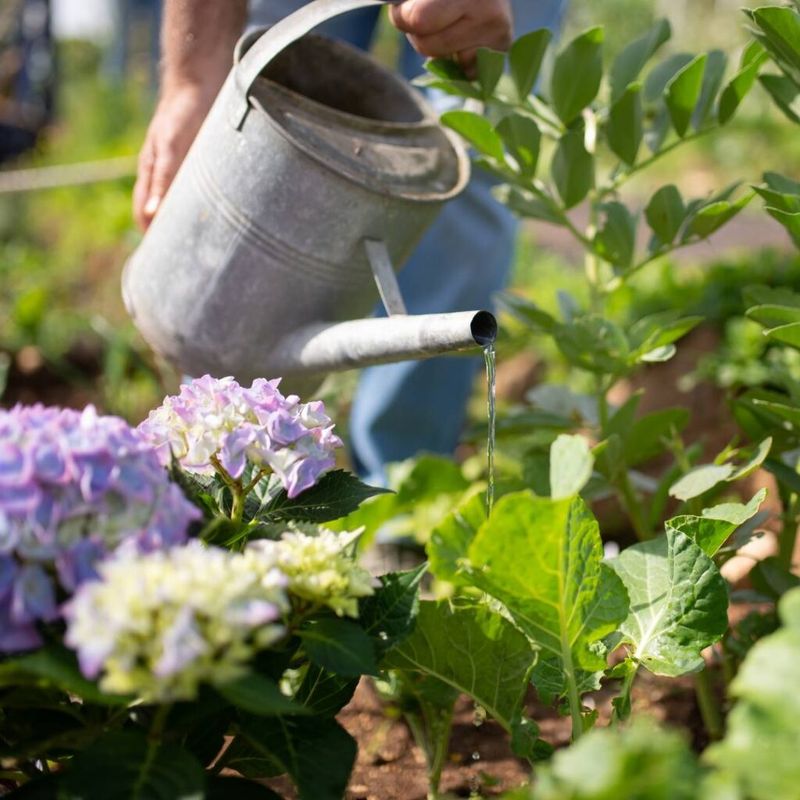
There is something almost magical about a garden in the early morning. The air is cool, the light is soft, and your plants are ready to soak up every drop of water before the day heats up.
Watering before 9 a.m. is one of the best habits any Pennsylvania gardener can build before summer rolls in.
Morning watering gives plants time to absorb moisture before the sun gets strong. During the heat of a Pennsylvania afternoon, water evaporates quickly from the soil surface.
Your Pennsylvania Garden Changes Every Week. Your Plan Should Too.
Gardening in Pennsylvania changes quickly throughout the season. Every Friday you’ll receive a simple weekly plan showing exactly what to plant, prune, fertilize, harvest, and protect so you never miss the right timing.
When you water in the morning, much more of that water actually reaches the roots where it is needed.
Evening watering might seem convenient, but it leaves moisture sitting on leaves and stems overnight. That damp environment is exactly what fungal diseases love.
Problems like powdery mildew and leaf spot spread much faster when foliage stays wet through the night. Morning watering keeps leaves dry by the time the sun goes down.
You do not need to wake up at the crack of dawn to get this right. Even watering between 6 and 9 a.m. makes a big difference.
If your schedule makes morning watering difficult, consider setting up a simple timer on your garden hose or drip system to handle it for you automatically.
Pennsylvania summers can bring stretches of intense heat, especially in July and August. Building the morning watering habit now, before those hot weeks arrive, means your plants will already be adjusted and thriving when the temperature rises.
3. Check Soil Before Watering
Watering on a fixed schedule sounds organized, but it can actually hurt your garden more than help it. Plants do not need water on a strict calendar.
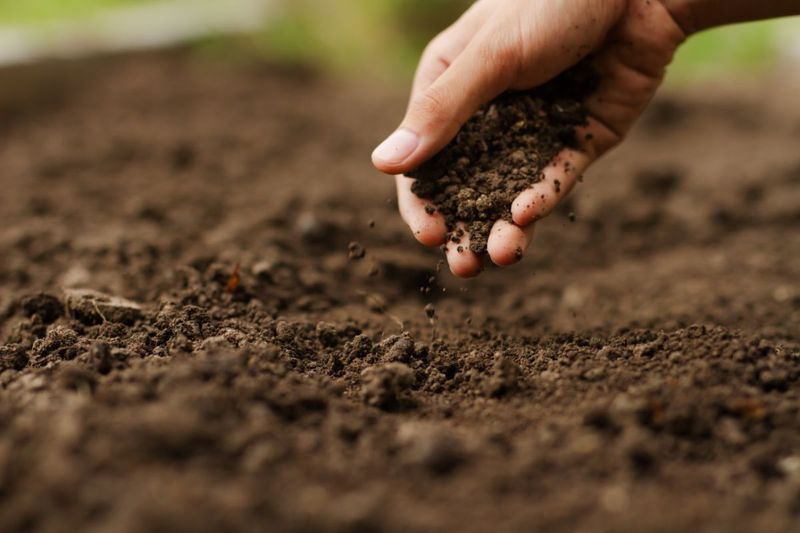
They need water when the soil is actually dry. Checking soil moisture before you water is a simple habit that saves water and keeps roots healthy.
The easiest way to check is the finger test. Push your finger about two inches into the soil near your plants.
If it feels moist and cool, your garden does not need water yet. If it feels dry and crumbly, it is time to water. This takes about five seconds and tells you exactly what your plants need.
Overwatering is one of the most common mistakes in Pennsylvania gardens. When soil stays too wet for too long, roots cannot get the oxygen they need.
Plants start to look wilted and yellowed even though they have plenty of water. Checking moisture first prevents this frustrating problem entirely.
Spring weather in Pennsylvania can be unpredictable. One week might bring several rainy days, and the next might be warm and dry.
Relying on a set watering schedule means you might be adding water when the soil is already saturated from recent rain. Checking first keeps you in tune with what your garden actually needs.
You can also use an inexpensive soil moisture meter, available at most garden centers across Pennsylvania. These small tools take the guesswork out of the process and are especially helpful for beginners still learning to read their garden.
4. Use Mulch To Retain Moisture
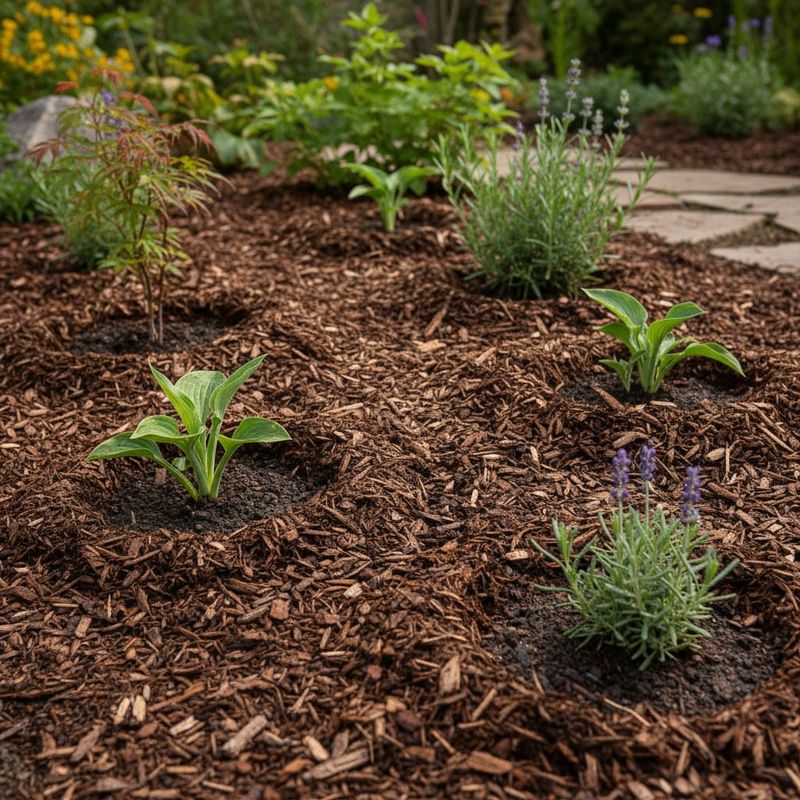
Mulch might be the most underrated tool in any Pennsylvania gardener’s supply shed. A simple layer of organic material spread around your plants can completely change how your garden handles heat and dry spells.
Before summer arrives, adding mulch is one of the smartest moves you can make. A two to three inch layer of mulch acts like a blanket over your soil. It slows down evaporation, which means the water you put into the ground stays there much longer.
On a hot Pennsylvania summer day, unprotected soil can lose a surprising amount of moisture within just a few hours. Mulch keeps that from happening.
Shredded bark, wood chips, straw, and compost all work well as mulch in Pennsylvania gardens. Each has its own benefits.
Straw works great around vegetable beds. Shredded bark looks tidy in flower gardens. Compost adds nutrients as it breaks down over the season, giving your plants an extra boost.
Mulch also helps keep soil temperatures more stable. Roots prefer consistent conditions, and mulch buffers against the dramatic temperature swings that Pennsylvania spring and early summer can bring.
Cooler, more stable soil means healthier, more productive plants throughout the season. When applying mulch, keep it a few inches away from plant stems and tree trunks. Mulch pressed right against stems can trap moisture and encourage rot.
Spread it evenly across the bed, reaching out to the drip line of each plant for the best coverage and moisture retention results.
5. Focus On New Plants First
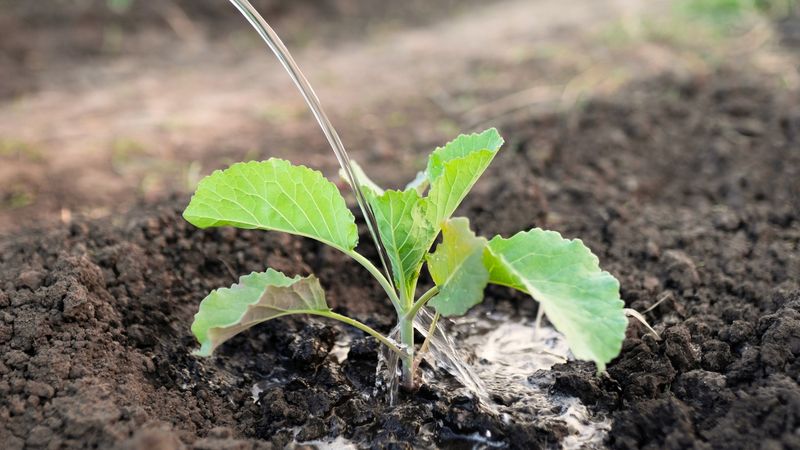
Not every plant in your Pennsylvania garden needs the same amount of attention when it comes to watering. Established plants that have been in the ground for a full season or more have deep root systems that can handle short dry spells.
New plants are a completely different story and need much more consistent care. Recently planted flowers, vegetables, and shrubs are still building their root systems. Their roots have not yet spread wide or deep enough to pull moisture from a large area of soil.
That means they depend almost entirely on what you give them. Skipping watering for even a couple of days can set back a new plant significantly.
For newly planted additions to your Pennsylvania garden, water at the base every one to two days during the first few weeks. The goal is to keep the root zone consistently moist without making it soggy.
As the plant gets established and starts showing new growth, you can gradually reduce how often you water.
Pay close attention to newly planted trees and shrubs, especially if you added them this spring. These larger plants need deep watering that reaches their entire root ball.
A slow, steady trickle from a hose left at the base for several minutes works better than a quick splash from a watering can.
Once your new plants are established, they will become much more self-sufficient. Putting in the extra effort early in the season pays off with stronger, more resilient plants that can handle whatever Pennsylvania summer brings their way.
6. Water At The Base, Not The Leaves
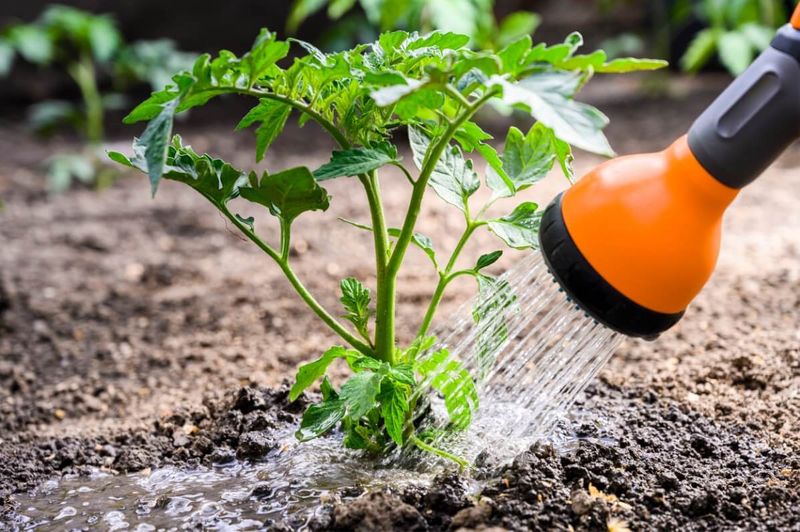
Picture this: you grab the hose after a long day and spray water all over your garden plants, leaves and all. It looks refreshing, but you might actually be setting your plants up for trouble.
Wetting the foliage, especially later in the day, is one of the most common watering mistakes in Pennsylvania gardens.
Wet leaves create the perfect conditions for fungal diseases to spread. Diseases like blight, powdery mildew, and black spot thrive when moisture sits on leaf surfaces.
Pennsylvania summers bring enough humidity on their own, so adding extra moisture to your plant foliage only makes the problem worse.
Watering at the base of your plants solves this problem completely. When water goes directly to the soil at the base of each plant, it soaks down toward the roots where it is actually needed.
The leaves stay dry, disease pressure drops, and your plants use water much more efficiently.
Soaker hoses and drip irrigation systems are excellent tools for base watering. They deliver water slowly and directly to the root zone, reducing runoff and waste.
You can find affordable soaker hose kits at most garden supply stores throughout Pennsylvania. They are easy to set up and make a noticeable difference in plant health.
Even without special equipment, you can redirect your regular hose to the base of each plant. Take a moment to aim the water low rather than spraying over the top of your plants.
This small change in technique can lead to healthier, more productive plants throughout the entire growing season.
7. Adjust For Rainfall
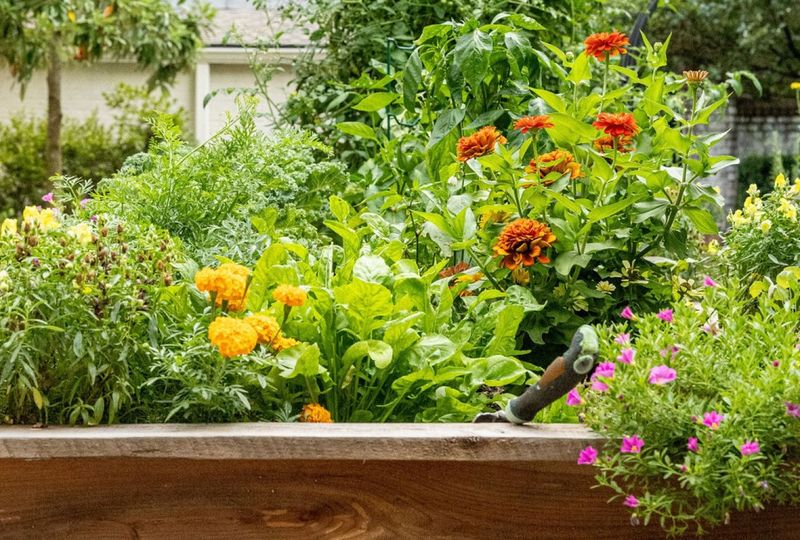
Spring in Pennsylvania is known for being unpredictable. One week you might get several inches of rain, and the next week could be warm and dry.
Adjusting your watering routine to match what nature is already providing is one of the most practical and water-smart habits a Pennsylvania gardener can develop.
Before you water, take a quick look at the weather forecast. If rain is expected within the next day or two, hold off on watering.
Your garden will get what it needs from the sky, and you will save time, water, and effort. Watering right before a rainstorm means your soil gets flooded, which can harm roots and wash away nutrients.
A simple rain gauge is a great investment for any Pennsylvania garden. These inexpensive tools measure exactly how much rain has fallen in your garden.
Most vegetables and flowers need about one inch of water per week. If your rain gauge shows that nature has already delivered that amount, you can skip watering entirely for a few days.
During dry stretches in late spring and early summer, Pennsylvania gardens may need supplemental watering two to three times per week. But during wetter periods, you might not need to water at all for several days in a row.
Staying flexible and observant keeps your garden from getting too much or too little water. Connecting a smart timer or weather-based irrigation controller to your watering system takes this adjustment to the next level.
These devices automatically skip watering cycles when rainfall has been sufficient, making water conservation effortless for busy Pennsylvania gardeners.