6 Secrets Oregon Gardeners Use To Keep Fuchsia Blooming Longer
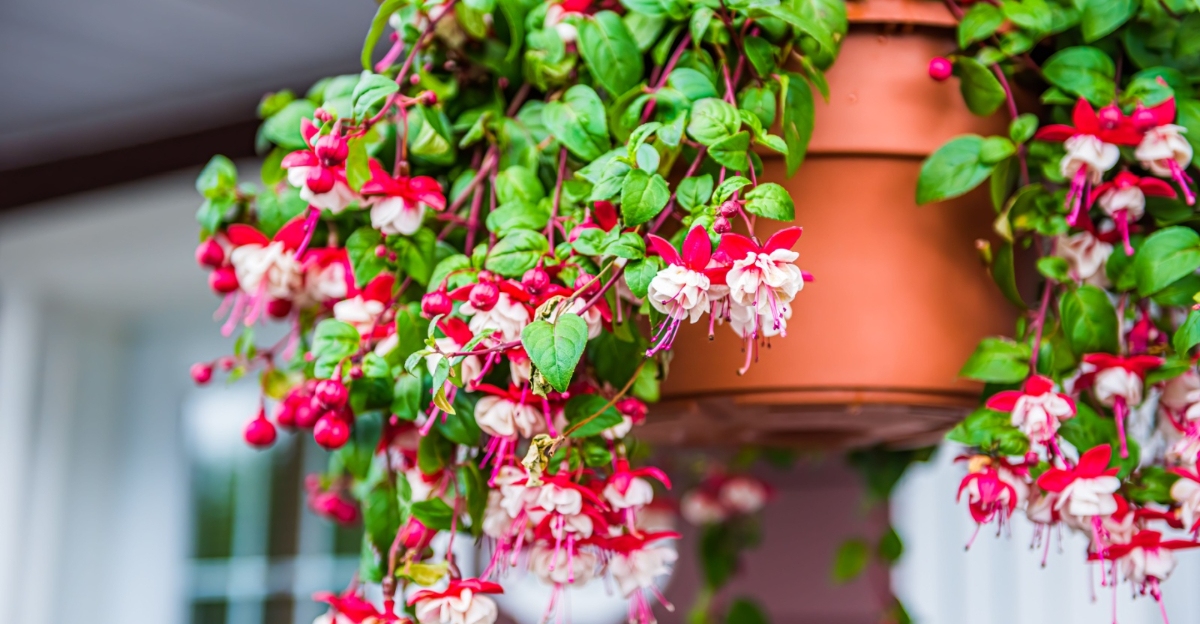
Oregon’s misty mornings and mild summers are practically a love letter to fuchsias. These jewel-toned beauties are everywhere, spilling out of hanging baskets on Portland porches and lighting up shaded patios across the coast.
But there’s a common frustration: one day they’re a waterfall of color, and the next, the blooms just… stop.
While our climate is a fuchsia’s dream, keeping that show going through autumn requires a few “insider” tweaks.
If you’ve ever wondered why your neighbor’s baskets stay vibrant while yours start to fade, the secret lies in a handful of simple, practical habits.
Here is how to keep your Oregon fuchsias dripping in color from the first spring pop well into the crisp fall months.
1. Provide Bright, Indirect Light Or Morning Sun
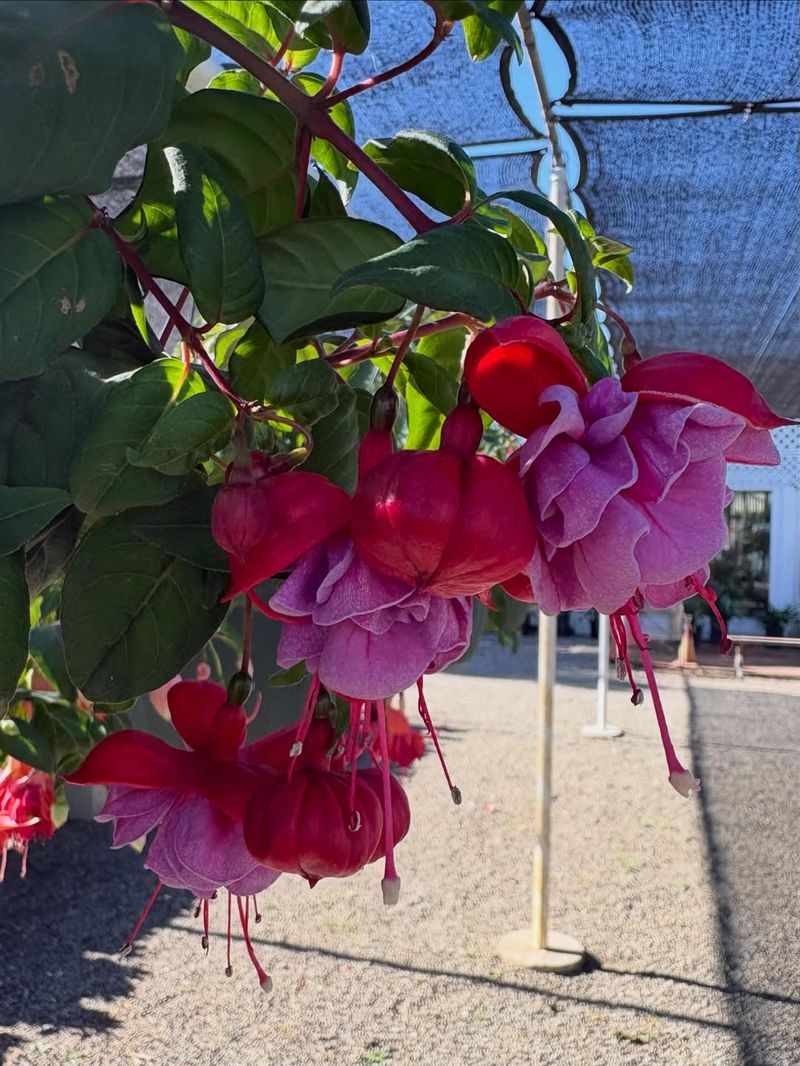
Walk through almost any Oregon neighborhood in early summer and you will notice the healthiest fuchsias are almost never sitting in direct afternoon sun.
These plants have a strong preference for bright, filtered light, and understanding that preference is one of the most impactful things you can do for your garden.
In Oregon, morning sun tends to be gentle and cool, which is exactly what fuchsias appreciate.
A spot that receives sunlight from roughly 7 a.m. to 11 a.m. and then shifts into dappled or full shade for the rest of the day gives fuchsias the energy they need without the stress that comes from intense midday heat.
East-facing walls, covered porches, and spots beneath deciduous trees are popular choices among experienced Oregon gardeners.
Too much shade, though, can slow blooming just as much as too much sun. A fuchsia tucked into a very dark corner may produce lush green leaves but surprisingly few flowers.
Aim for a location where the plant receives at least three to four hours of indirect or morning light daily.
Container-grown fuchsias have the advantage of being movable, so you can shift them around as summer progresses and Oregon’s seasonal light patterns shift.
Paying attention to how your plant responds to its current location, and adjusting when needed, is one of the most rewarding habits any Oregon gardener can develop.
2. Keep Soil Consistently Moist But Well-Drained
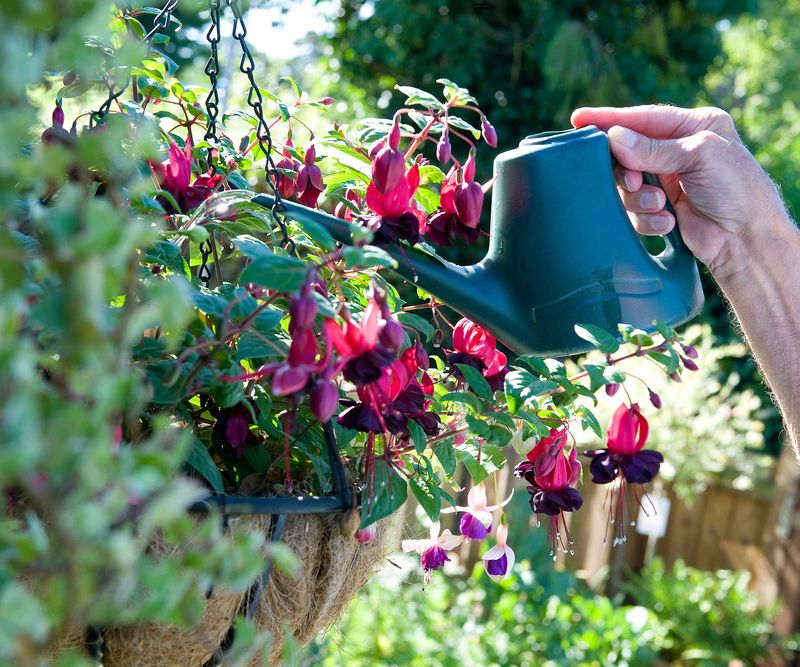
Fuchsias growing in Oregon’s hanging baskets and containers can dry out surprisingly fast, even in a climate known for its rainfall.
During the warmer stretches of summer, a basket may need watering once or even twice a day, especially if it is exposed to wind or positioned on a sunny deck.
The goal is to keep the soil consistently moist throughout the root zone without letting water sit and pool at the bottom of the container. Soggy roots lead to root rot, which weakens the plant and reduces flowering noticeably.
A well-draining potting mix combined with containers that have adequate drainage holes makes a significant difference.
When you water, do so thoroughly until water flows freely from the drainage holes, then allow the top inch of soil to guide your next watering schedule.
Your Oregon Garden Changes Every Week. Your Plan Should Too.
Gardening in Oregon changes quickly throughout the season. Every Friday you’ll receive a simple weekly plan showing exactly what to plant, prune, fertilize, harvest, and protect so you never miss the right timing.
One practical trick that many Oregon gardeners swear by is checking the weight of hanging baskets. A freshly watered basket feels noticeably heavier than one that needs attention.
For in-ground fuchsias, Oregon’s natural rainfall helps during spring and fall, but supplemental watering is often still necessary during the drier months of July and August.
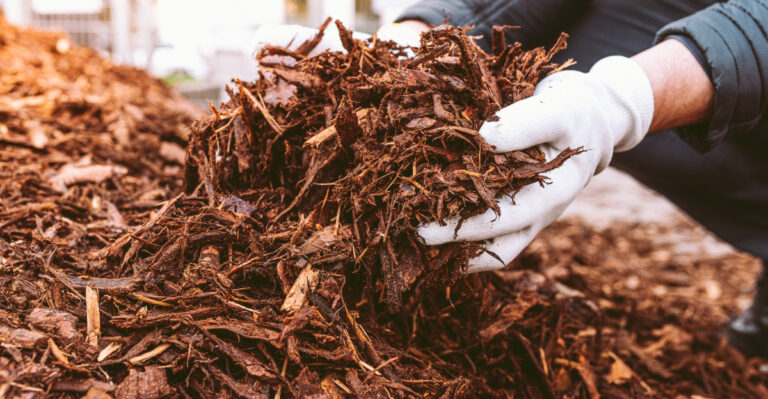
Mulching around the base of in-ground plants with a two- to three-inch layer of organic material helps retain moisture between waterings and keeps soil temperatures more stable.
Consistent moisture is one of the clearest paths to longer, more reliable bloom periods.
3. Feed Regularly During The Growing Season
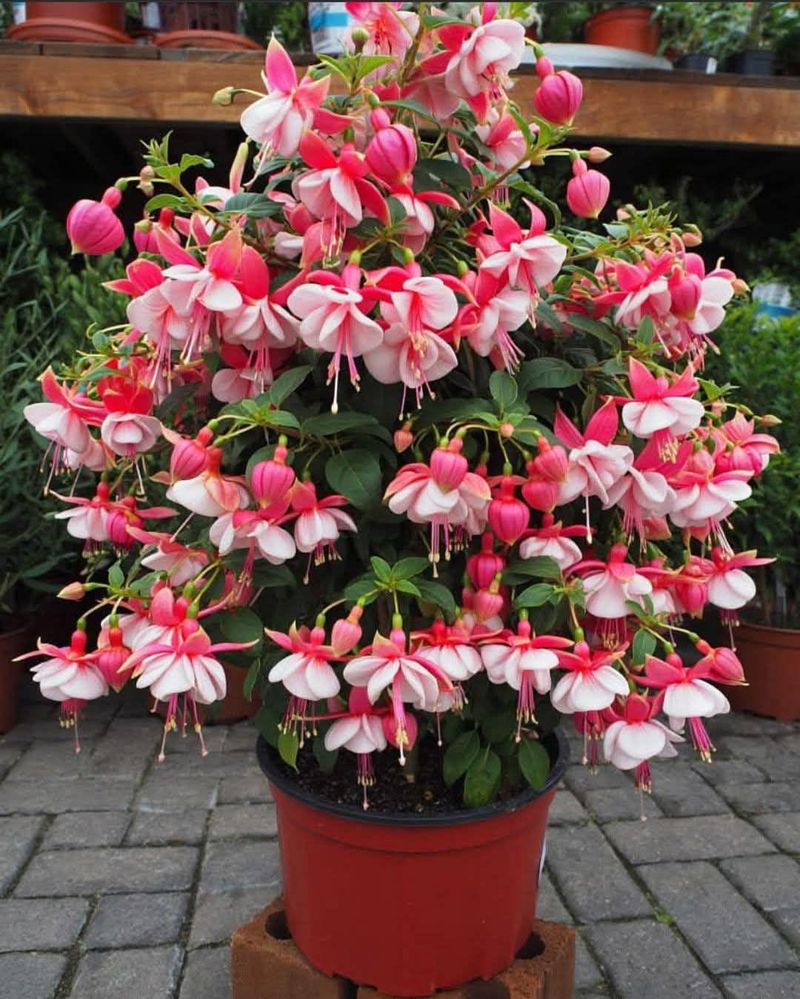
Fuchsias are genuinely hungry plants, and anyone who has watched a well-fed fuchsia versus a neglected one can see the difference almost immediately.
Container-grown plants in particular need regular fertilizing because watering gradually flushes nutrients out of the potting mix over time.
During the active growing season, which in Oregon typically runs from late spring through early fall, feeding every two to three weeks with a balanced, water-soluble fertilizer keeps plants producing new buds steadily.
Many experienced Oregon gardeners prefer fertilizers with a roughly equal ratio of nitrogen, phosphorus, and potassium for general use, though some switch to a bloom-boosting formula with higher phosphorus content mid-season to encourage heavier flowering.
Diluting fertilizer to half the recommended strength is a smart habit that reduces the risk of overfeeding, which can damage roots and actually slow blooming.
Liquid fertilizers tend to work especially well for fuchsias because they deliver nutrients directly to the root zone quickly and efficiently.
Slow-release granular fertilizers can also be incorporated into the potting mix at the beginning of the season as a helpful foundation.
One thing to keep in mind is that feeding should taper off as fall approaches and Oregon’s temperatures begin to drop. Pushing new tender growth late in the season can leave plants more vulnerable when cooler nights arrive.
A consistent, thoughtful feeding schedule is one of the most reliable ways to extend bloom time throughout the Oregon growing season.
4. Remove Spent Flowers Frequently
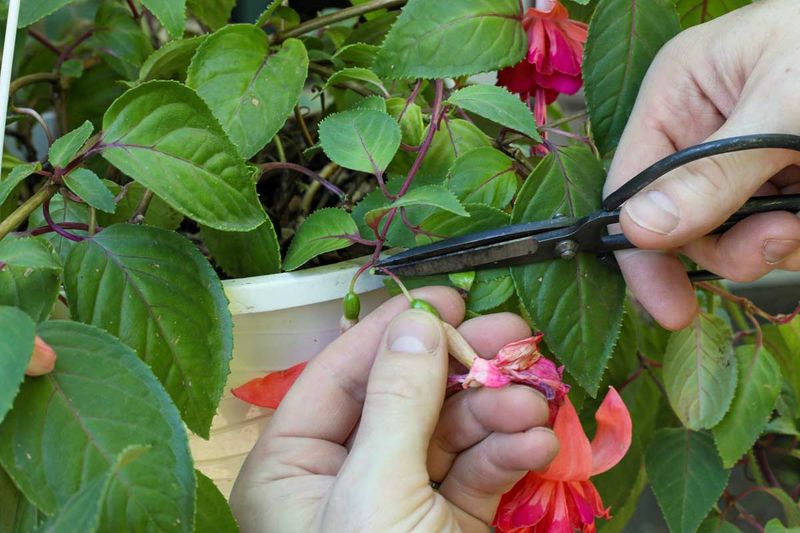
There is a small but satisfying ritual that experienced fuchsia growers in Oregon practice almost every day during peak season: scanning their plants for faded blooms and removing them before seed pods have a chance to form.
It sounds simple, and it is, but the impact on bloom production is genuinely impressive.
When a fuchsia flower fades, the plant’s natural instinct is to redirect its energy toward forming a seed pod, sometimes called a fuchsia berry.
Once that process begins, the plant slows down its flower production because, from a biological standpoint, it has accomplished its reproductive goal.
Removing spent blooms before the seed pod develops keeps the plant focused on producing more flowers instead.
This process, known as deadheading, is one of the most straightforward and effective techniques for extending bloom time.
For best results, pinch or snip spent blooms just above the next set of healthy leaves or buds. Doing this every few days rather than waiting for a large buildup keeps the plant looking tidy and encourages faster new bud development.
Oregon’s long, mild growing season gives fuchsias a generous window to keep producing flowers, but only if the plant is not constantly being pulled toward seed production.
Some gardeners make a quick pass through their baskets and containers each morning while watering, combining two essential tasks into one pleasant routine.
Over the course of a season, regular deadheading can add weeks of additional color to your Oregon garden.
5. Pinch Back Tips Early In The Season
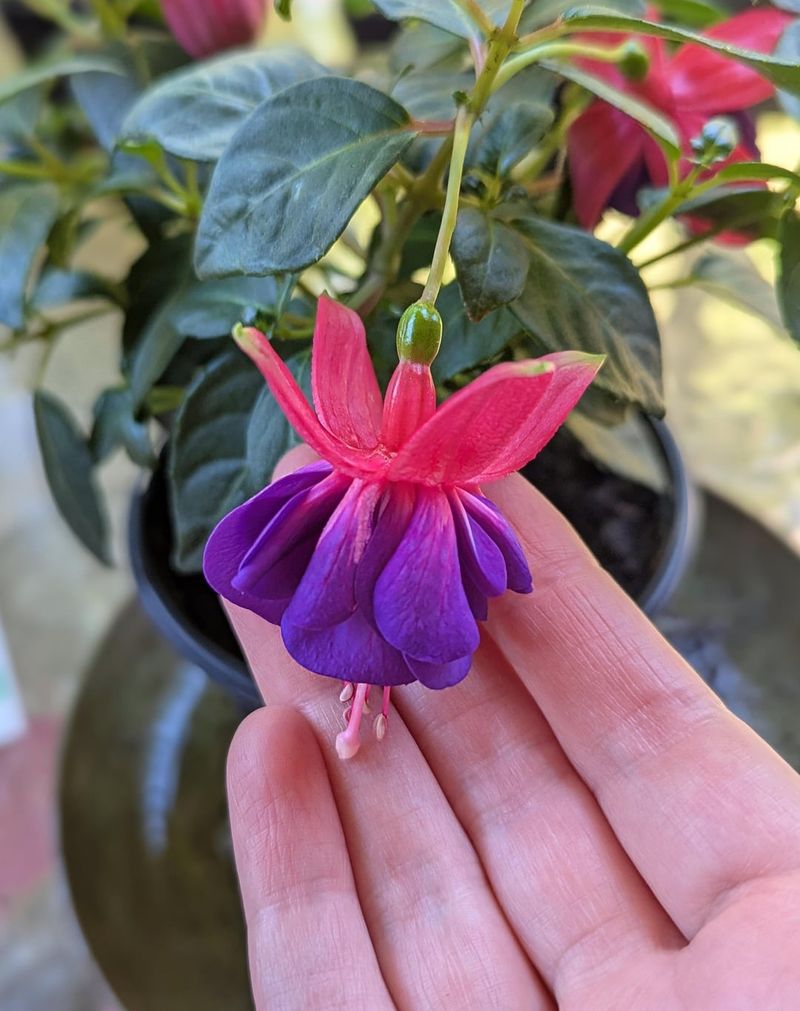
One of the most useful habits an Oregon fuchsia grower can pick up happens before the first bloom even appears.
Pinching back the growing tips of young fuchsia plants early in the season might seem counterintuitive, but it is one of the most effective ways to build a bushier, more flower-covered plant by midsummer.
When you pinch off the tip of a stem, the plant responds by sending out two new side shoots from the nodes just below the cut. Those two shoots can each be pinched again, resulting in four, then eight, and eventually a much fuller, more branching plant.
More branches mean more blooming points, which translates directly into a denser display of flowers.
In Oregon, gardeners typically begin this process in early spring when new growth is just getting started, often stopping the pinching by late May or early June to allow the plant to shift its energy toward blooming.
The timing matters because pinching too late in the season can actually delay flowering by several weeks, which shortens the overall bloom period.
Young plants purchased from nurseries in spring often benefit from one or two rounds of pinching before being moved to their final hanging basket or container location.
Established plants overwintered from the previous year may need only light pinching to encourage fresh branching. Either way, this early investment of just a few minutes pays off noticeably when your Oregon fuchsias hit their stride in summer.
6. Protect From Heat And Dry Wind
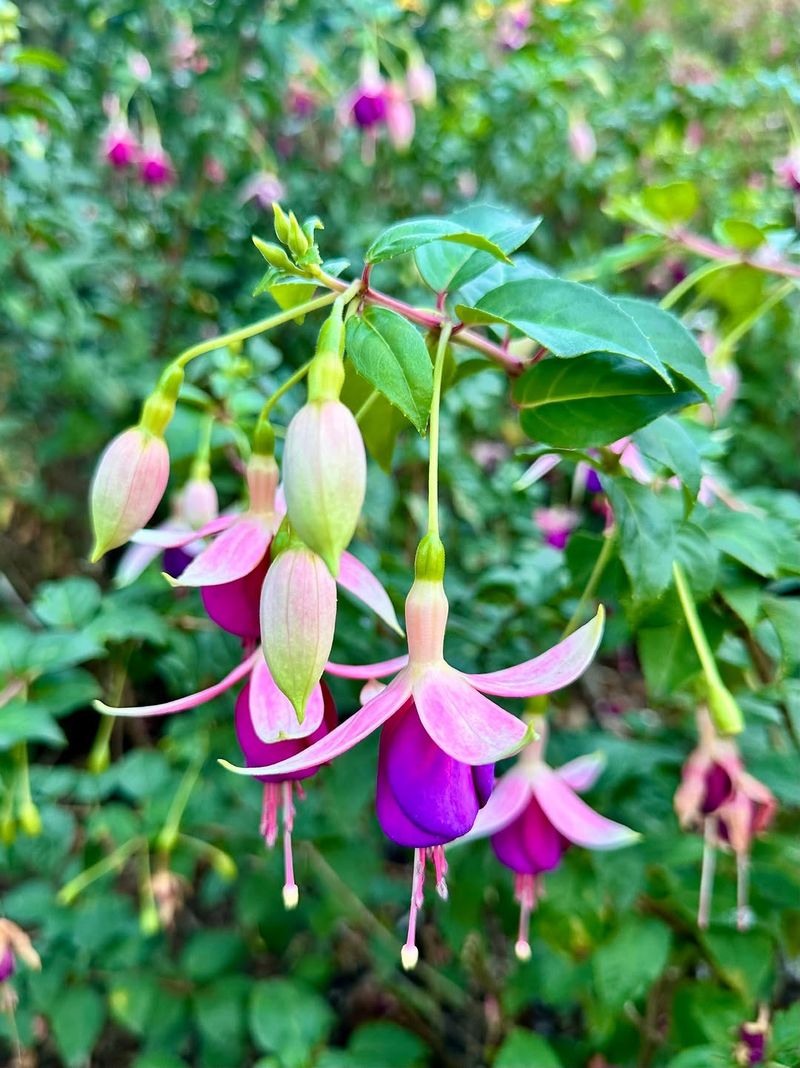
Oregon gardeners who grow fuchsias near the coast or in the Willamette Valley often have a natural advantage when it comes to temperature, but even in those mild regions, summer heat waves and dry east winds can stress fuchsias enough to cause bud drop and reduced flowering.
Fuchsias genuinely prefer cooler conditions and tend to bloom most freely when daytime temperatures stay below the mid-80s Fahrenheit.
When Oregon experiences its occasional hot spells, typically in July and August, plants can respond by dropping buds, wilting, or simply pausing their bloom cycle.
Providing afternoon shade during these periods, either by moving containers to a cooler spot or using shade cloth, can help significantly.
Keeping the soil consistently moist during heat events is equally important because heat and drought stress tend to compound each other quickly.
Dry wind is a less obvious but equally real challenge. Wind pulls moisture from leaves faster than roots can replace it, leaving plants dehydrated even when the soil seems adequately moist.
Positioning fuchsias near a fence, wall, or hedge that buffers prevailing winds can reduce this stress considerably. Misting the foliage during very hot or windy periods offers temporary relief and can help cool the plant down.
Oregon’s climate is genuinely well-suited to fuchsia growing for most of the season, but being aware of heat and wind as seasonal variables means you are far better prepared to protect your plants and keep those blooms coming strong through late summer and into fall.