9 Beautiful California Shrubs To Plant Instead Of Hydrangeas Right Now
Hydrangeas get plenty of love, but they are not the only shrubs that can make a California garden feel lush, colorful, and seriously eye-catching. In fact, this is the kind of swap that can wake up a whole yard.
A different shrub can change the mood completely, bringing brighter blooms, better structure, more seasonal interest, or simply a look that feels fresher and more suited to California’s style.
That is what makes this such a fun time to rethink the usual choices. Some shrubs bring soft romance, some turn up the drama, and some have that easy beauty that makes a garden look pulled together without trying too hard.
The best part is that a great alternative does not feel like settling for second best. It can feel like the upgrade you did not know your yard needed.
Once you see how much variety California shrubs can bring, hydrangeas stop being the automatic first thought.
1. Flowering Currant
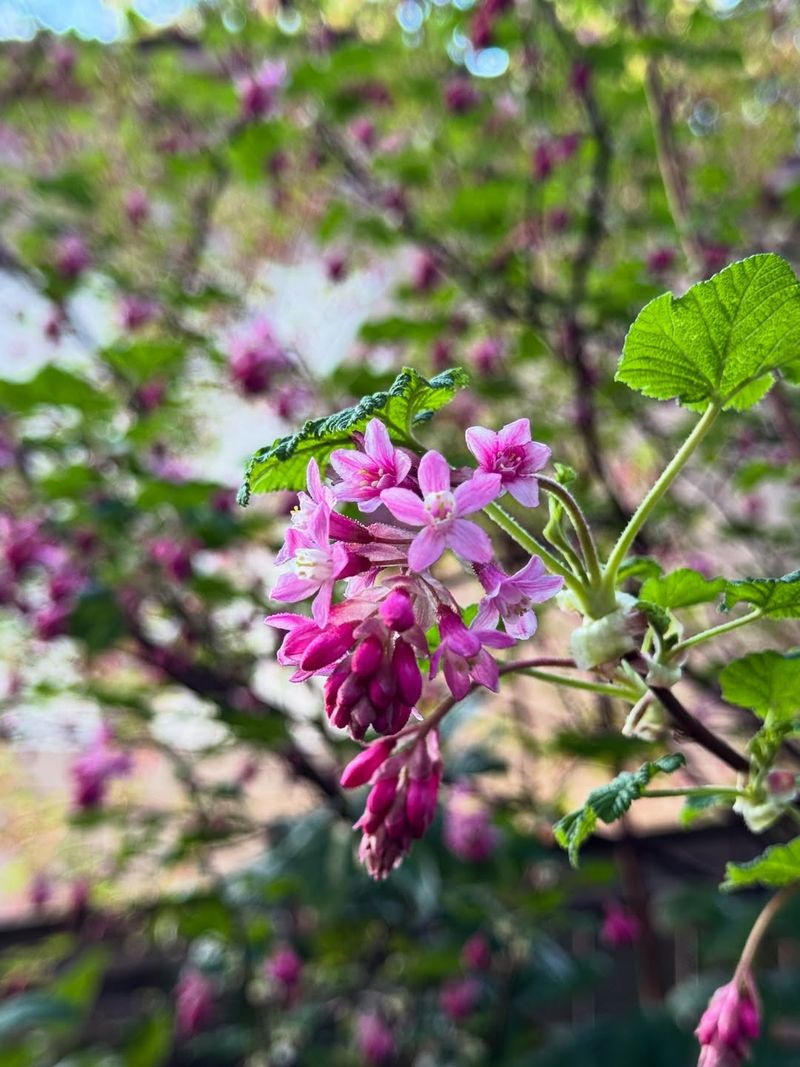
Every California garden deserves at least one plant that makes hummingbirds show up like clockwork. Flowering Currant, or Ribes sanguineum, is that plant.
It blooms in early spring with cascading clusters of deep pink to red flowers, often before most other shrubs even think about waking up for the season.
This shrub is a native of the Pacific Coast and feels completely at home in California’s climate. It grows best in partial shade but can handle full sun in cooler areas.
Once established, it is quite drought-tolerant, which makes it a practical choice for water-conscious gardeners across the state.
Beyond its value to hummingbirds and bees, Flowering Currant also produces small dark berries that native birds enjoy. The shrub typically grows six to ten feet tall and has a graceful, arching shape that adds a soft, natural feel to any garden space.
It works well planted near a patio or along a fence where you can enjoy watching pollinators visit up close. For spring color and wildlife appeal, very few shrubs can match what Flowering Currant brings to a California yard.
2. Monkeyflower
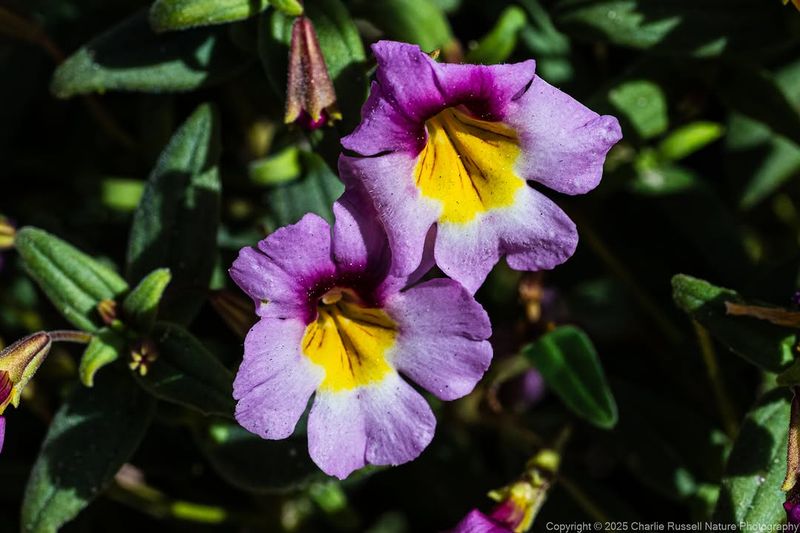
Cheerful, tough, and wildly attractive to hummingbirds, Monkeyflower is one of California’s most charming native shrubs. Its botanical name is Diplacus or Mimulus, depending on the variety, and it comes in a stunning range of colors including orange, red, yellow, and pink.
The flowers have a fun, face-like shape that gives the plant its memorable name.
Monkeyflower thrives in full sun and can handle California’s hot, dry summers once it gets established. It blooms for an impressively long stretch, often from spring all the way through fall if conditions are right.
That extended bloom time makes it one of the hardest-working flowering shrubs you can add to a California garden.
It stays relatively compact, usually reaching two to four feet tall, which makes it a great fit for borders, slopes, and containers. It also naturalizes beautifully on dry hillsides and works well in fire-wise landscaping plans.
Gardeners across California love it because it delivers big, bold color without demanding much in return. Plant it once, keep it watered during its first season, and it will reward you generously for years to come.
Your California Garden Changes Every Week. Your Plan Should Too.
Gardening in California changes quickly throughout the season. Every Friday you’ll receive a simple weekly plan showing exactly what to plant, prune, fertilize, harvest, and protect so you never miss the right timing.
3. Toyon
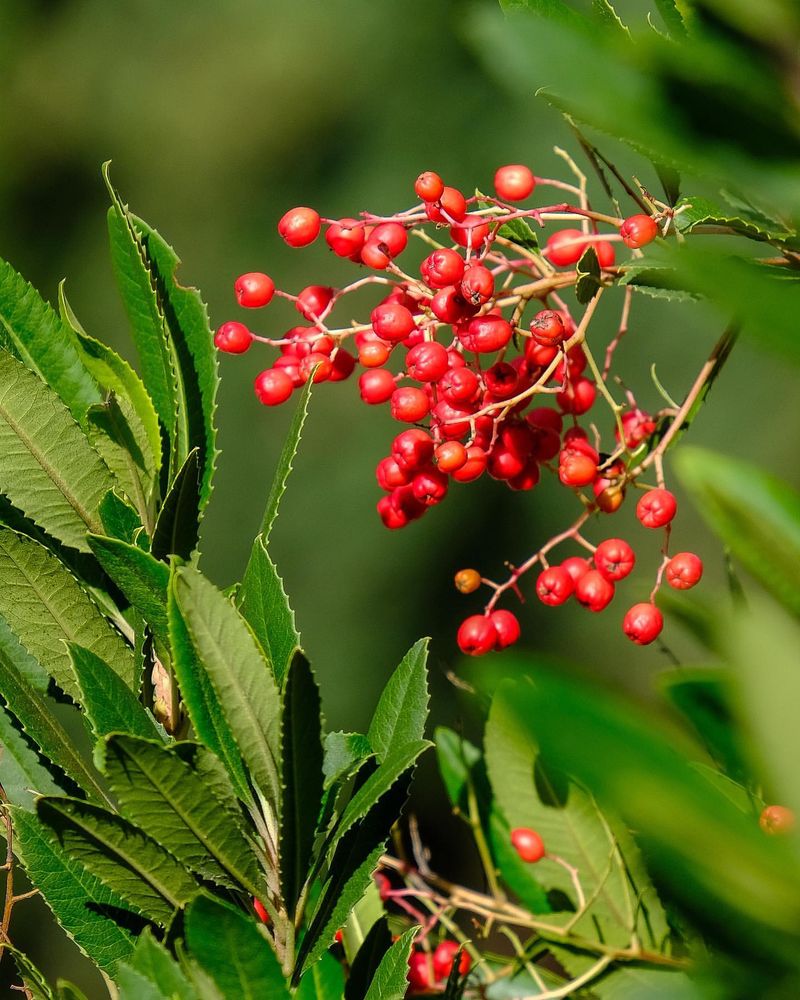
Toyon has a fun piece of history attached to it. Some historians believe this plant is the reason Hollywood got its famous name, since early settlers saw so many Toyon shrubs covered in red berries across the hills of Los Angeles.
It is sometimes called California Holly for that very reason.
As an evergreen shrub, Toyon keeps your garden looking full and lush all year. White flower clusters appear in summer, and by fall and winter, those flowers transform into bright red berries that birds absolutely cannot resist.
It grows well in full sun and handles dry, rocky soil without complaint.
Toyon is a fantastic choice for California gardeners who want a plant that earns its keep across every season. It can grow quite large, reaching up to ten feet tall, so give it plenty of room to spread.
It also works beautifully as a privacy screen or a wildlife-friendly hedge. If you want a shrub with real California roots and year-round appeal, Toyon belongs in your yard.
4. Coffeeberry
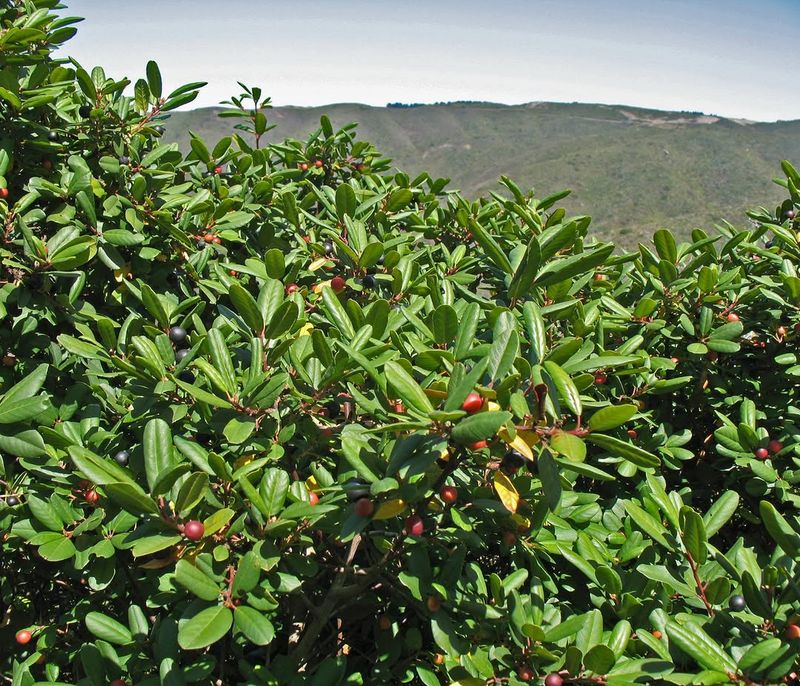
Not every great garden shrub needs to show off with flashy blooms. Coffeeberry, known scientifically as Frangula californica, earns its place in California gardens through year-round good looks and incredible toughness.
Its glossy green leaves stay attractive through every season, and the berries it produces are genuinely eye-catching.
The berries start out green, shift to red, and eventually ripen into a deep, rich purple-black. Birds love them.
The shrub grows naturally along California’s coastal ranges and foothills, which means it is perfectly adapted to the state’s climate. It handles drought, poor soil, and coastal winds without missing a beat.
Coffeeberry works well in both formal and naturalistic garden styles. It can grow anywhere from three to fifteen feet tall depending on the variety, so there is a size that suits almost any space.
Smaller cultivars like ‘Mound San Bruno’ are popular for low hedges and borders. For California gardeners looking for a low-maintenance evergreen with real wildlife value and subtle, sophisticated beauty, Coffeeberry is a smart and satisfying pick.
5. California Lilac
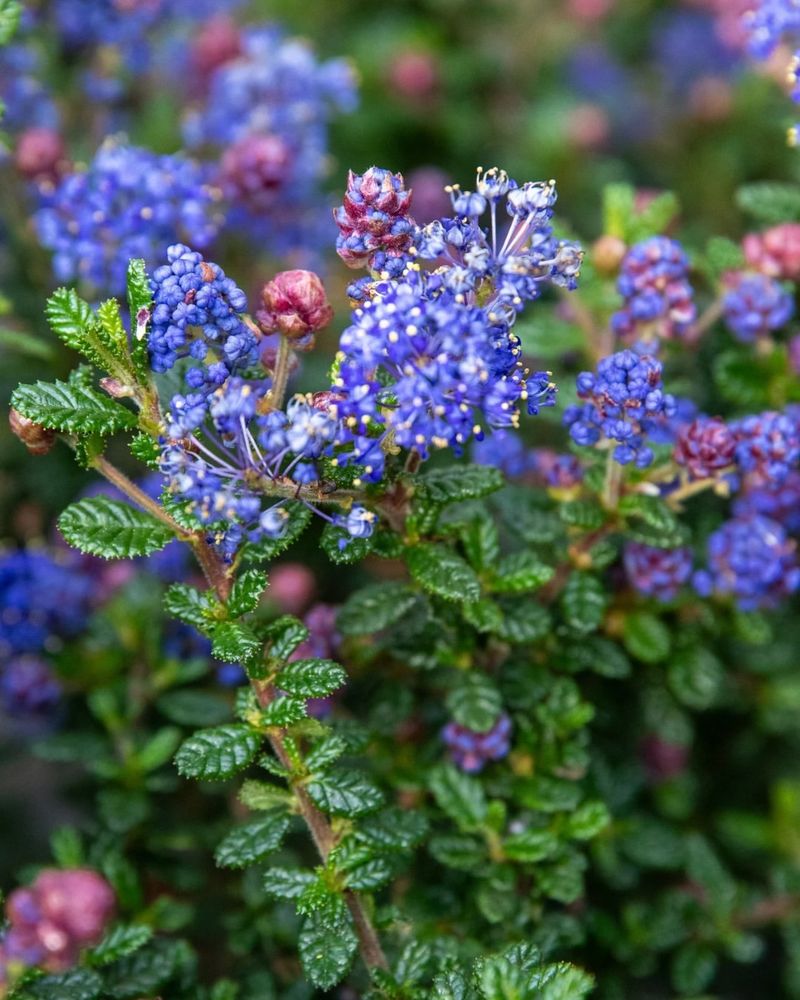
Few plants can stop a passerby in their tracks quite like a California Lilac in full bloom. Known botanically as Ceanothus, this native shrub puts on a breathtaking show of electric blue and violet flower clusters every spring.
It is one of the most beloved native plants across California, and for good reason.
Once it gets settled into your garden, California Lilac is remarkably self-sufficient. It handles dry summers with ease and actually prefers well-drained soil over rich, moist conditions.
Plant it in a sunny spot, give it some water while it gets established, and then step back and watch it thrive.
Pollinators absolutely love this shrub. Bees, butterflies, and hummingbirds flock to its blooms all spring long.
It grows quickly and can reach anywhere from three to twelve feet tall depending on the variety. For California gardeners who want bold color without the fuss of hydrangeas, this is a top-tier choice that feels right at home in the local landscape.
6. Flannel Bush
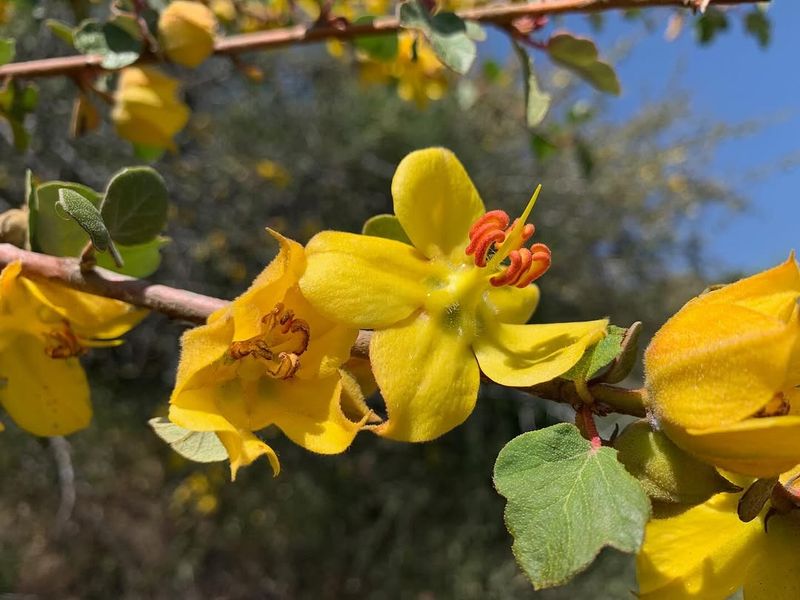
If bold and dramatic is what you are going for, Flannel Bush delivers in the most spectacular way. Fremontodendron californicum produces enormous golden-yellow flowers that can stretch up to three inches across.
When this shrub is in full bloom from spring into early summer, it is genuinely hard to look away from.
Native to California’s foothills and lower mountain slopes, Flannel Bush is built for heat and drought. It actually struggles if given too much water or rich soil, so planting it in a dry, sunny spot with excellent drainage is the key to keeping it happy.
The fuzzy texture on its leaves and stems is what inspired the common name.
This shrub can grow quite large, sometimes reaching twenty feet tall in ideal conditions, so it works best as a dramatic focal point or a background anchor in a larger garden. It pairs beautifully with other California natives like Manzanita and Ceanothus.
One important note: the plant’s fine hairs can irritate skin, so wear gloves when pruning. Despite that small caveat, Flannel Bush is one of the most visually impressive native shrubs anywhere in California.
7. Manzanita
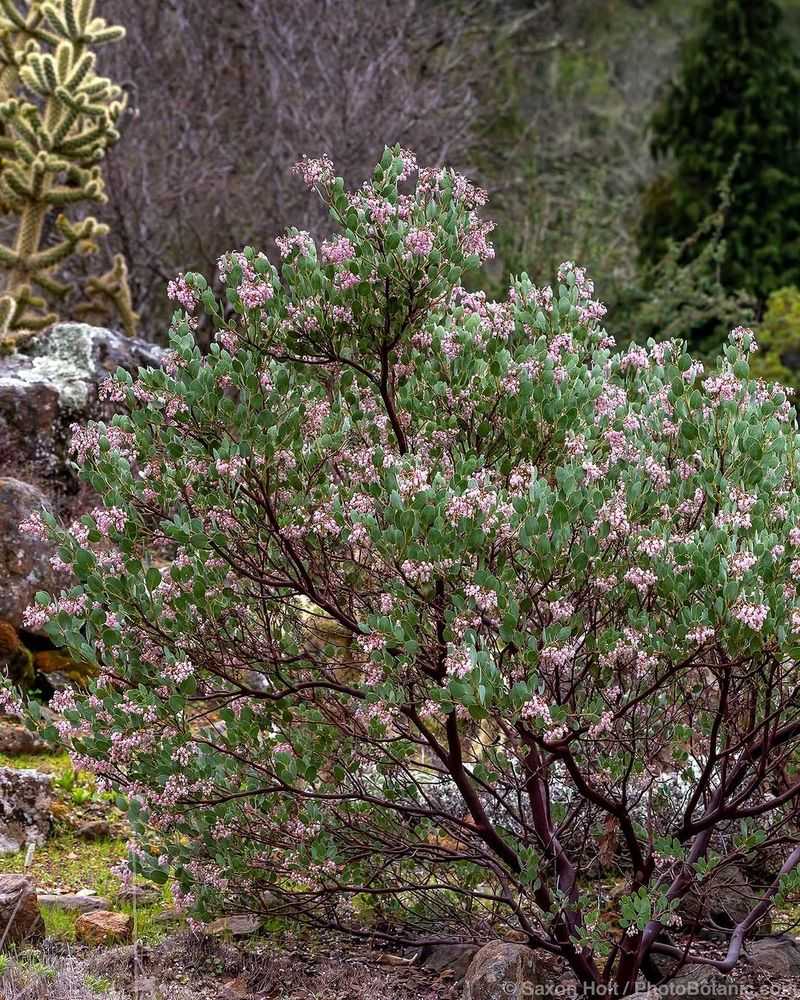
There is something almost sculptural about a well-grown Manzanita. The smooth, deep reddish-brown bark catches the light in a way that makes the plant look beautiful even when it is not in bloom.
In late winter and early spring, small clusters of urn-shaped white or pink flowers appear, drawing in hummingbirds and native bees before most other plants have stirred.
Manzanita belongs to the genus Arctostaphylos, and California is home to dozens of native species and cultivars. Some stay low and ground-hugging while others grow into large, multi-stemmed shrubs or small trees.
That variety means there is a Manzanita that fits almost any garden size or style across the state.
Once established, Manzanita is extraordinarily drought-tolerant and long-lived. It needs excellent drainage and full sun to perform its best.
Avoid overwatering, especially in summer, as wet roots are one of the few things that can cause problems for this otherwise rugged plant. For California gardeners who appreciate year-round structure, wildlife value, and a genuinely native feel, Manzanita is a standout choice that gets better and more beautiful with every passing year.
8. Bush Anemone
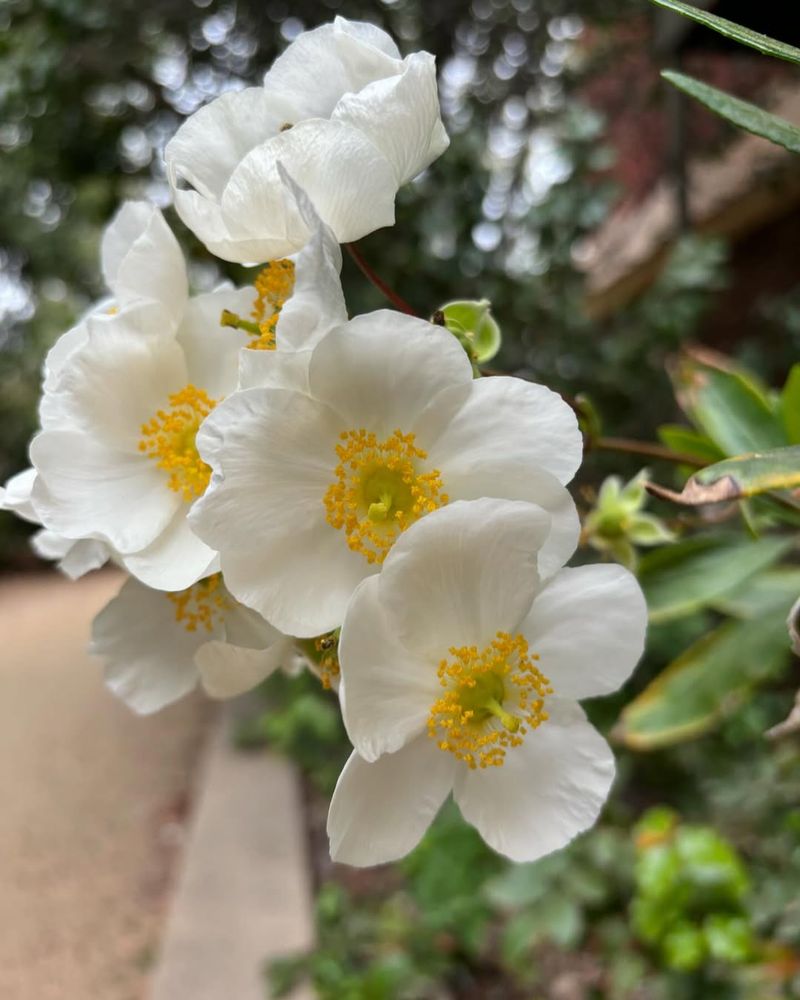
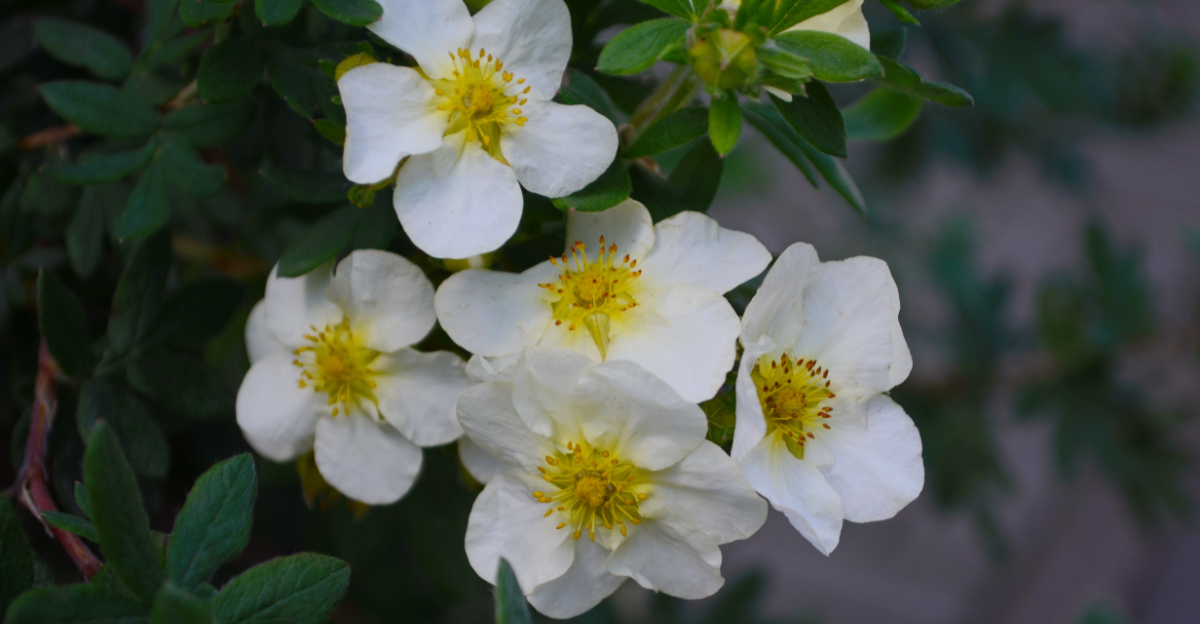
Rare in the wild but absolutely worth seeking out for your garden, Bush Anemone is one of California’s most elegant native shrubs. Carpenteria californica produces large, pure white flowers with showy yellow centers that bloom from late spring into summer.
The fragrance is sweet and noticeable, making it a joy to plant near a seating area or garden path.
Bush Anemone grows naturally only in a small region of the Sierra Nevada foothills, which makes it a special find. In garden settings across California, it adapts well to full sun or partial shade and becomes quite drought-tolerant once its roots are established.
It tends to grow four to six feet tall with an upright, tidy shape.
The glossy, dark green leaves stay on the plant year-round, giving your garden evergreen structure even when the flowers are not in bloom. It pairs well with other California natives and works beautifully as a specimen plant or informal hedge.
If you have been searching for a flowering shrub that offers the soft, romantic quality of hydrangeas but with far less maintenance, Bush Anemone is the answer your California garden has been waiting for.
9. Island Snapdragon
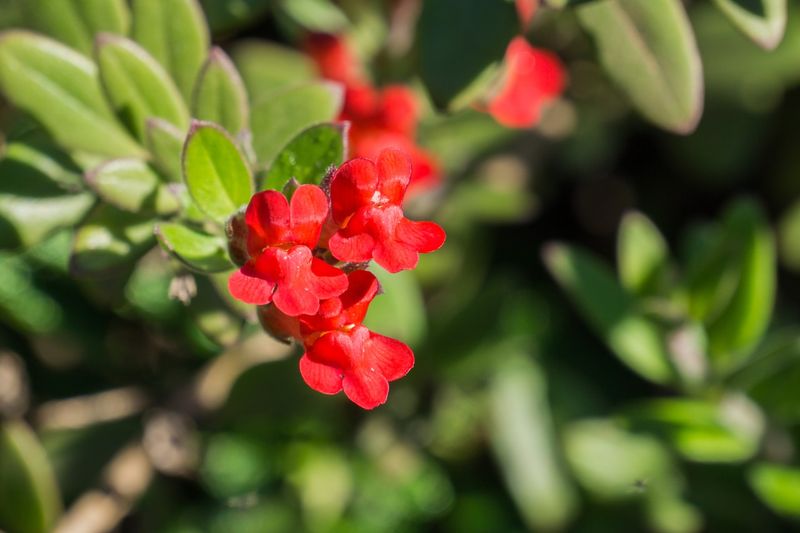
Southern California gardeners have a real gem in Island Snapdragon, also known as Gambelia speciosa or Galvezia speciosa. This sprawling, fast-growing shrub produces tubular bright red to pink flowers almost year-round in mild coastal climates.
Hummingbirds treat it like a favorite restaurant and return to it constantly throughout the season.
Native to the Channel Islands off the Southern California coast, Island Snapdragon is built for life near the ocean. It handles salt air, wind, and dry conditions with ease.
Inland, it does best with some afternoon shade in hotter areas, but along the coast it thrives in full sun. It grows three to five feet tall and spreads generously, making it a great choice for slopes, banks, and erosion-prone areas.
The nearly continuous bloom cycle is one of its biggest selling points. While hydrangeas have a defined season and then go quiet, Island Snapdragon keeps producing flowers month after month in California’s mild winters.
It looks fantastic cascading over a retaining wall or spilling out of a raised planter. For gardeners in coastal Southern California especially, this native shrub is a reliable, colorful, and wildlife-friendly addition that earns its space every single day.