Low Maintenance Perennials That Come Back Strong Every Year In Western North Carolina
Gardening in western North Carolina comes with its own mix of rewards and challenges, from changing elevations to shifting weather patterns.
That is why many homeowners look for perennials that can handle these conditions without needing constant care. The right plants can come back year after year with strong growth, even with minimal effort.
Once established, they settle into the landscape, adapting to the soil, rainfall, and seasonal changes that define the region.
These dependable perennials can fill garden beds with color, texture, and life while freeing up your time for other projects.
Some offer bright blooms, while others bring lasting greenery or interesting shapes that keep your yard looking full.
If you want a garden that stays reliable without extra work, these low maintenance choices can make all the difference. They prove that a beautiful landscape does not have to be complicated to maintain.
1. Foamflower (Tiarella Cordifolia)
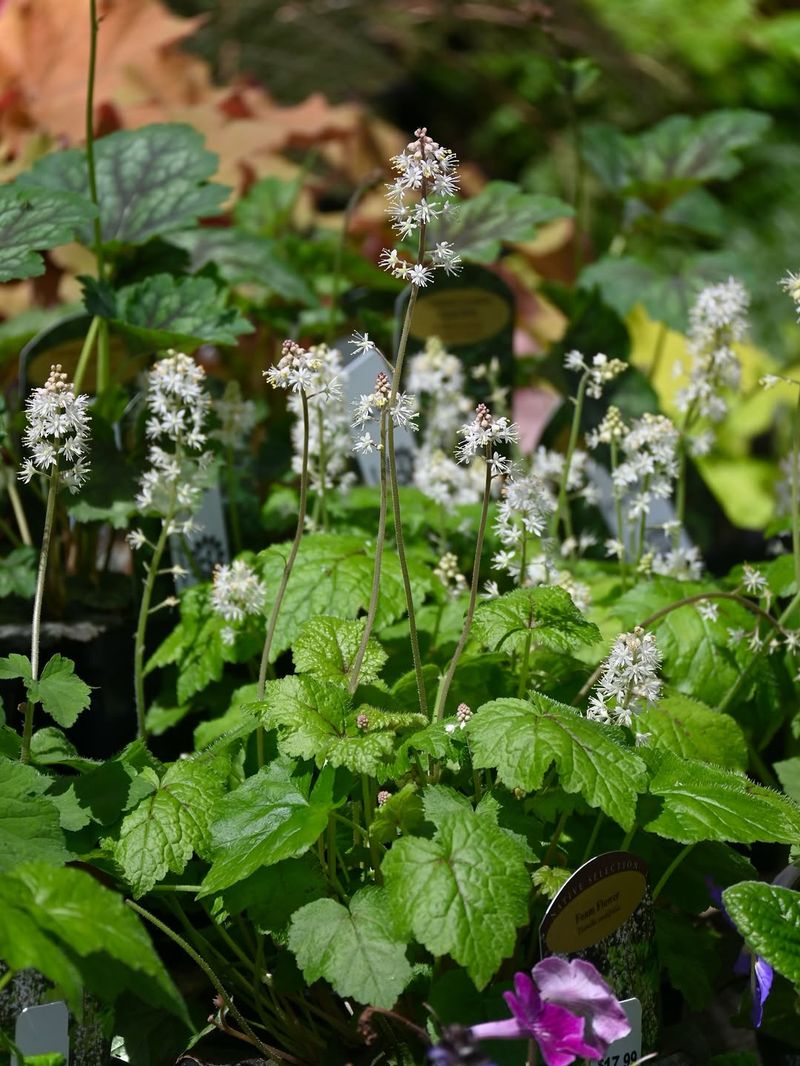
Picture a carpet of soft, heart-shaped leaves topped with feathery white flower spikes floating like tiny clouds above the forest floor.
Foamflower is one of the most charming native woodland perennials you can grow in Western North Carolina, and it asks for almost nothing in return.
Plant it once in a shady spot with moist, humus-rich soil, and it slowly spreads into a lush, satisfying colony all on its own. What makes this plant such a winner is how naturally it fits into a mountain garden setting.
The dappled light under hardwood trees is exactly what it loves, and it handles the cool, moist conditions of the Appalachian region like a champ.
Spring brings those signature fluffy blooms, and the foliage stays attractive well into the growing season, giving you long-lasting visual appeal without extra effort.
Foamflower rarely needs dividing, does not require fertilizing, and stays tidy without any pruning.
If you have a shady slope or a woodland edge that needs a ground-layer solution, this plant fills that role beautifully. It also supports native bees and early pollinators, which is a wonderful bonus.
For Western North Carolina gardeners who want reliable beauty with minimal fuss, Foamflower is an easy yes every time.
2. Crested Iris (Iris Cristata)
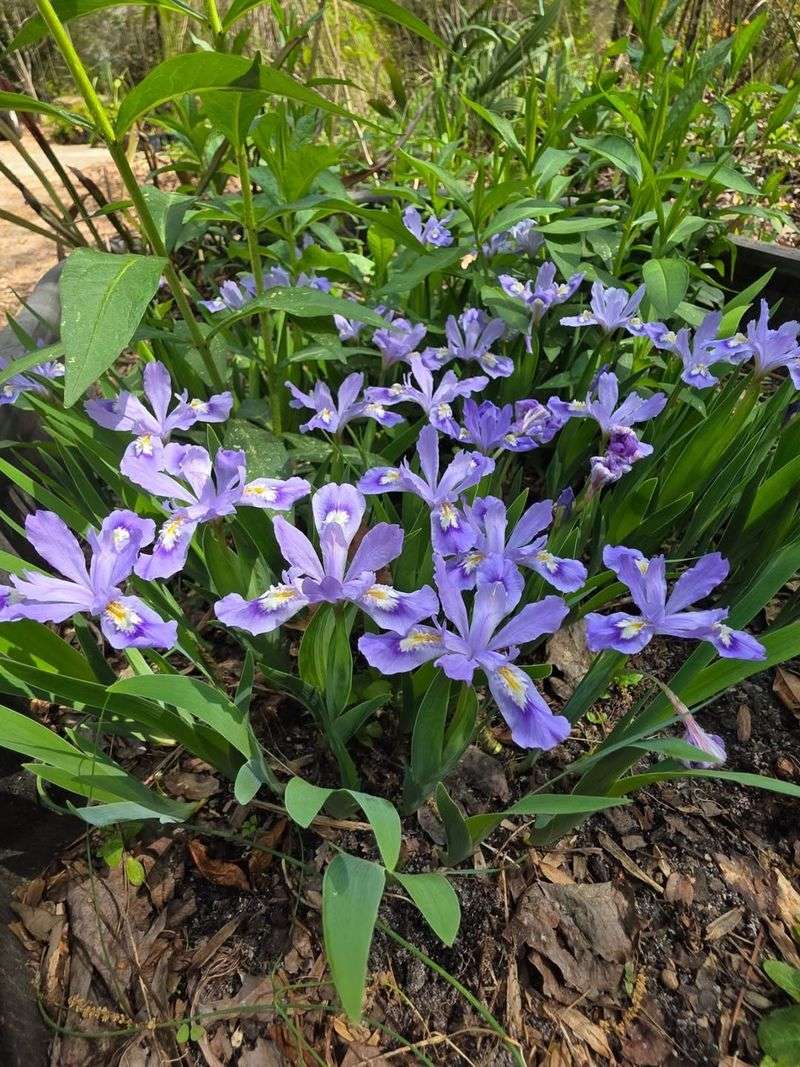
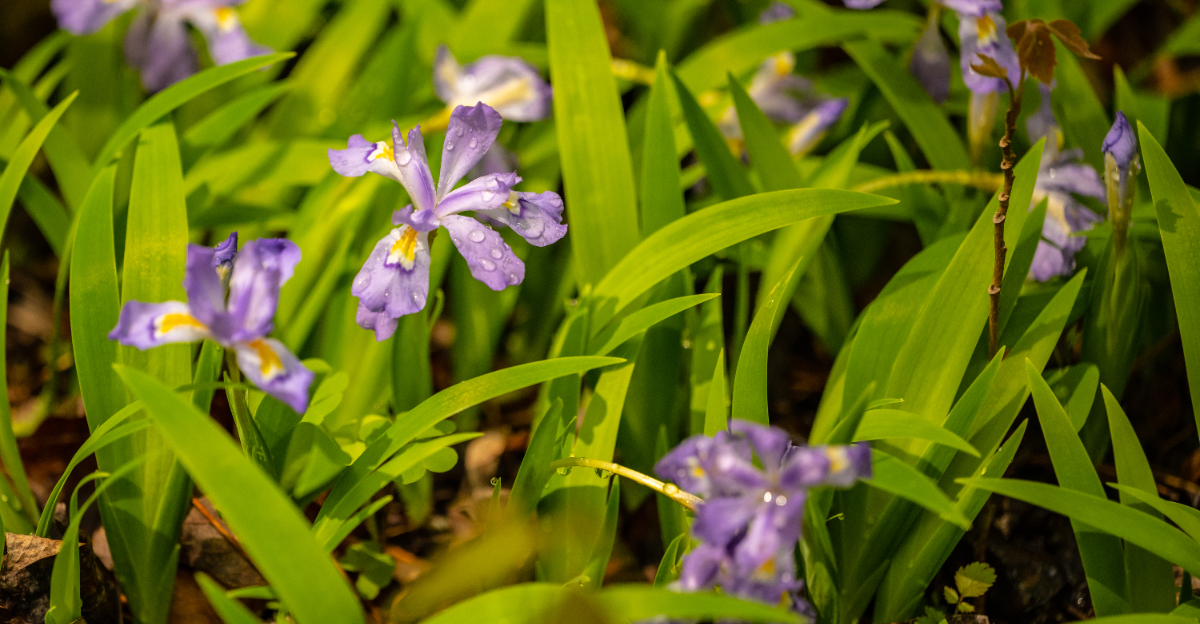
Few things signal the arrival of spring in Western North Carolina quite like the delicate blue blooms of Crested Iris peeking up from the leaf litter.
This low-growing native perennial is one of the most reliable performers in any mountain garden, and its quiet elegance makes it a real standout.
The pale lavender-blue flowers have that signature golden crest running along each petal, making them look almost too pretty to be real.
Crested Iris handles part shade beautifully, and once it settles in, it even tolerates dry shade conditions that would stress out less resilient plants.
That adaptability makes it especially valuable in Western North Carolina gardens where tree canopy can create challenging dry spots beneath the roots. It spreads slowly by rhizomes into neat, tidy patches that look intentional and polished.
Spring is when this plant truly shines, but the fan-shaped foliage stays attractive throughout the growing season, adding texture to shaded garden beds long after the blooms fade. Maintenance is almost nonexistent.
Your North Carolina Garden Changes Every Week. Your Plan Should Too.
Gardening in North Carolina changes quickly throughout the season. Every Friday you’ll receive a simple weekly plan showing exactly what to plant, prune, fertilize, harvest, and protect so you never miss the right timing.
No removal of spent blooms is needed, fertilizer is rarely necessary, and it handles the cool mountain climate without any coaxing.
For gardeners who want something genuinely native, genuinely beautiful, and genuinely easy, Crested Iris checks every single box and then some. Plant it along a path or under deciduous trees for best results.
3. Dwarf Iris (Iris Verna)
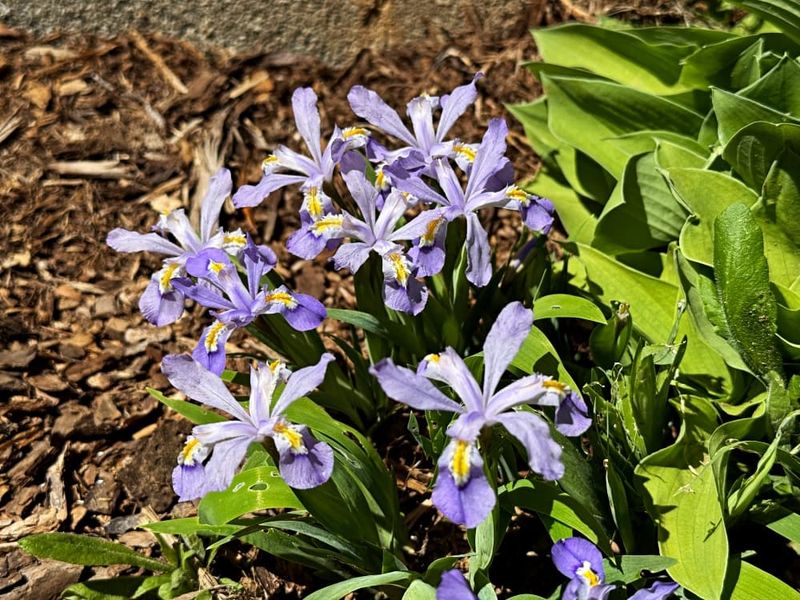
Dwarf Iris is the kind of plant that stops you in your tracks the first time you see it blooming in early spring.
Tiny violet-blue flowers rise above narrow, upright leaves with a fragrance that is surprisingly sweet for such a small plant.
This is a true North Carolina native, and it fits perfectly into the semi-shaded, well-drained edges of mountain gardens throughout the Western North Carolina region.
Unlike some iris varieties that demand rich, moist soil, Iris verna is comfortable in leaner, sandier conditions and open woodland settings.
It thrives along forest edges, on gentle slopes, and in naturalistic garden areas where the soil is not overly amended.
That makes it a genuinely practical choice for gardeners who want beauty without a lot of soil preparation or ongoing care.
Each spring, the blooms reappear reliably, and the compact clumps stay neat and attractive without any intervention. There is no aggressive spreading to worry about, and pests rarely bother it.
The plant simply goes about its business, returning year after year with those lovely little flowers that always feel like a reward for patient gardeners.
If you are building a native plant garden in Western North Carolina and want something compact, fragrant, and completely fuss-free, Dwarf Iris belongs near the front of your planting list without question.
4. Golden Ragwort (Packera Aurea)
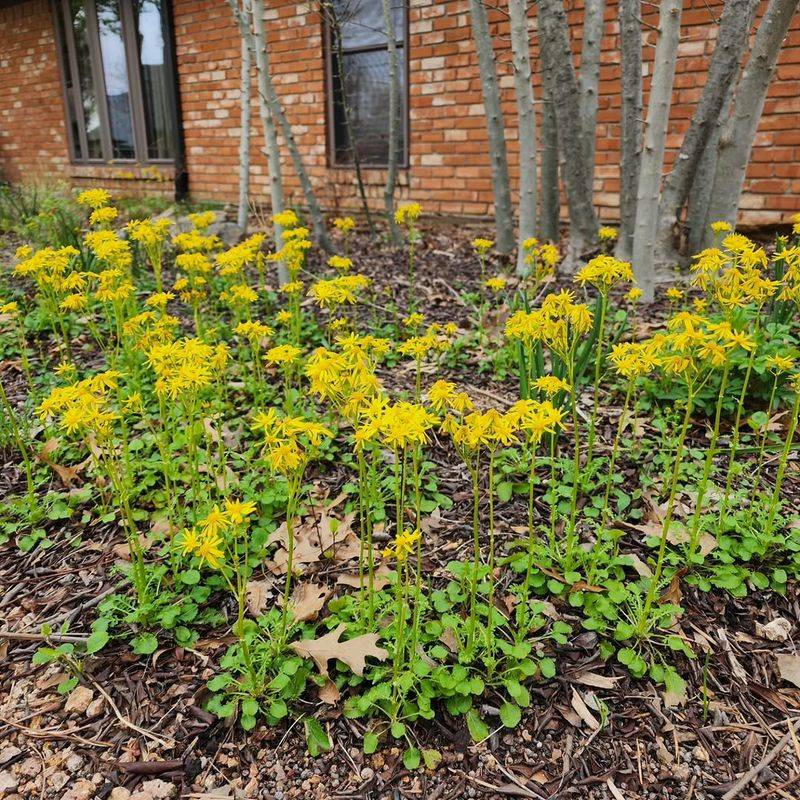
Golden Ragwort is one of those quietly hardworking natives that earns serious respect once you see what it can do.
Bright yellow daisy-like flowers bloom in spring, creating a cheerful burst of color in spots that many other plants find challenging.
In Western North Carolina, it performs especially well along stream edges, shaded slopes, and anywhere the soil stays consistently moist without becoming waterlogged.
One of the most practical things about this plant is its willingness to spread and fill space naturally.
Over time, Golden Ragwort forms a dense, weed-suppressing ground layer that practically manages itself.
That spreading habit makes it a smart choice for larger garden areas where you want good coverage without constantly replanting or weeding.
The rounded, deep green basal leaves stay attractive long after the flowers finish, keeping the garden looking lush through the warmer months.
Pollinators absolutely love the blooms, and early-season bees rely on plants like this when not much else is flowering yet in the mountains.
Maintenance needs are minimal. Cut back the old foliage in late winter before new growth emerges and you are basically done for the year.
For Western North Carolina gardeners who want a native ground-layer plant that handles part shade, tolerates average to moist soil, and comes back reliably every spring, Golden Ragwort is a dependable and rewarding choice year after year.
5. Little Bluestem (Schizachyrium Scoparium)
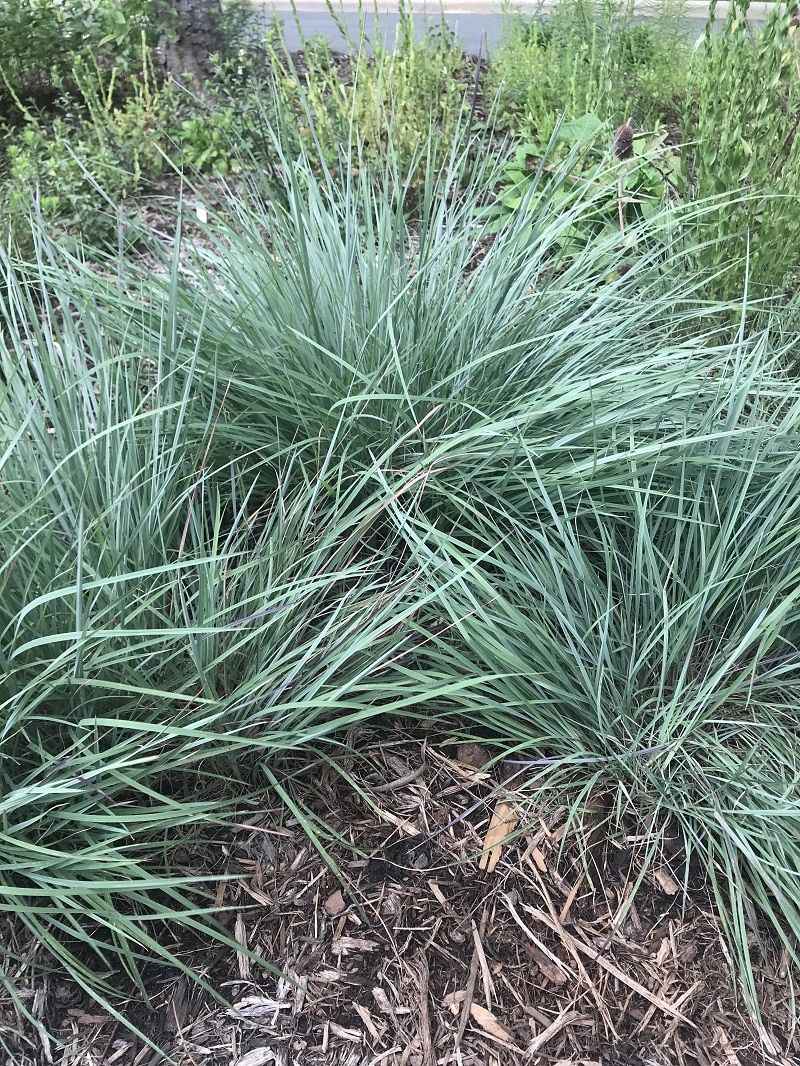
Few native plants bring as much seasonal interest to a Western North Carolina garden as Little Bluestem. In summer, the upright blue-green blades catch the mountain light beautifully.
By fall, the foliage transforms into warm shades of copper, bronze, and russet that glow like embers when the afternoon sun hits them.
This grass holds its structure well into winter, giving the garden texture and life even after most other plants have gone quiet. Little Bluestem thrives in full sun and tolerates poor, rocky, or dry soils remarkably well.
Once established, it is highly drought tolerant, which makes it a great fit for exposed hillside gardens and sunny borders throughout the Western North Carolina mountains.
It does not need rich soil or regular fertilizing, and in fact, too much fertility can make it flop rather than stand tall and proud.
The only maintenance task this grass really needs is a single cutback in late winter or very early spring before new growth begins. Beyond that, it handles itself with confidence.
Birds love the seeds in the colder months, and the plant supports skipper butterflies as a host plant during the growing season.
For gardeners who want bold seasonal color, strong structure, and near-zero upkeep from a native perennial grass, Little Bluestem is one of the finest choices available in Western North Carolina without any doubt.
6. Switchgrass (Panicum Virgatum)
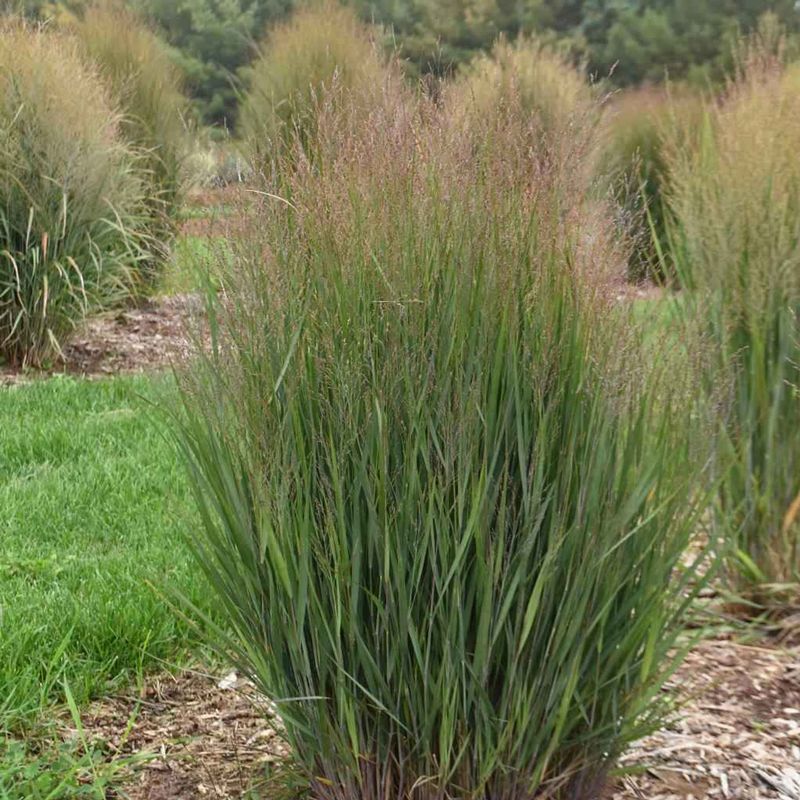
There is something undeniably graceful about a stand of Switchgrass swaying in a gentle mountain breeze.
This tall native perennial grass brings movement, height, and airy texture to garden spaces in Western North Carolina that few other plants can match. In summer, the fine-textured blades are upright and green.
By late summer, delicate seed heads emerge and catch the light in a way that feels almost magical in the late afternoon sun. Switchgrass is remarkably adaptable.
It handles wet spots, dry slopes, clay soil, and sandy ground with equal confidence, which is a rare quality in any garden plant.
That flexibility makes it especially useful in Western North Carolina landscapes where soil types and moisture levels can vary quite a bit from one area of a garden to another.
It also stands up well to heat, humidity, and the occasional summer drought that hits the region. From a maintenance standpoint, Switchgrass is about as easy as it gets.
One hard cutback in late winter keeps it tidy and ready for a fresh season of growth. It does not spread aggressively, so it stays where you put it without becoming a problem. Wildlife benefits too, with birds feeding on the seeds through the colder months.
For gardeners looking to add bold vertical interest and native authenticity to their Western North Carolina landscape, Switchgrass delivers beautifully every single year.
7. Bluestem Goldenrod (Solidago Caesia)
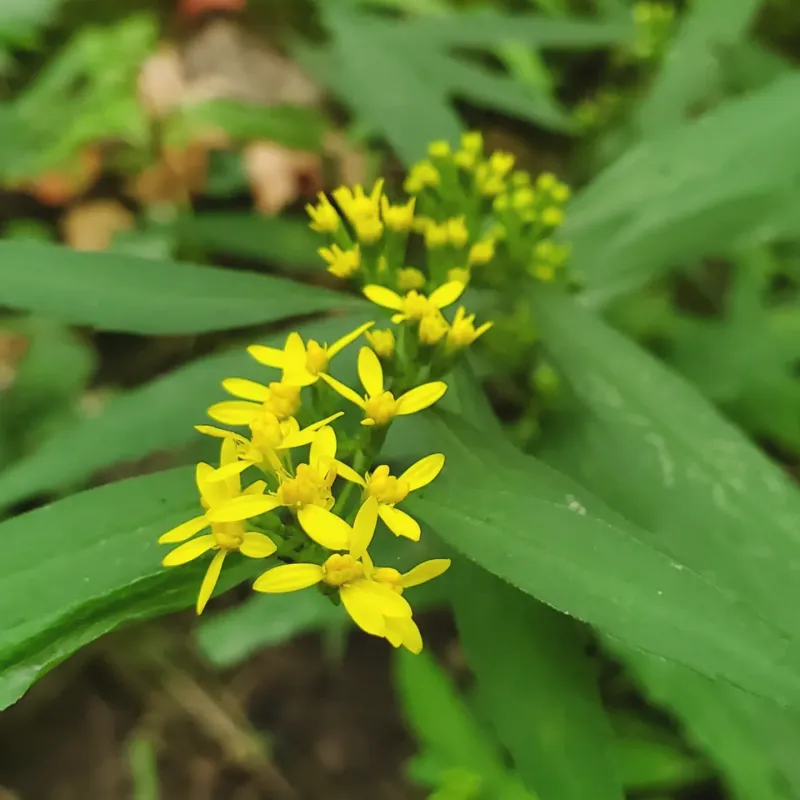
Goldenrods have a bit of an unfair reputation in some gardening circles, but Bluestem Goldenrod is here to change that story completely.
Unlike its more aggressive cousins, this species stays in a well-behaved clump and does not try to take over the entire garden.
The arching, bluish-green stems lined with small golden flowers in late summer and fall are genuinely beautiful, and the whole plant has a relaxed, elegant quality that works well in naturalistic garden designs.
In Western North Carolina, Bluestem Goldenrod is an especially smart choice because it thrives in part shade to full shade, making it one of the few late-season bloomers that performs well under tree canopy.
Most goldenrods need full sun, so this species fills a real gap in the native plant palette for shaded mountain gardens.
It handles the region’s cool fall temperatures without any issues and comes back reliably each year without any encouragement.
Pollinators go absolutely wild for the blooms in fall, when many other flowers have already finished for the season.
Bees, butterflies, and beneficial insects all benefit from this late-season food source. Maintenance is simple: cut the stems back in late winter and let the plant do the rest on its own.
For Western North Carolina gardeners who want reliable fall color in shaded spots without the usual spreading headache, Bluestem Goldenrod is a genuinely smart and satisfying pick.
8. Sweet Goldenrod (Solidago Odora)
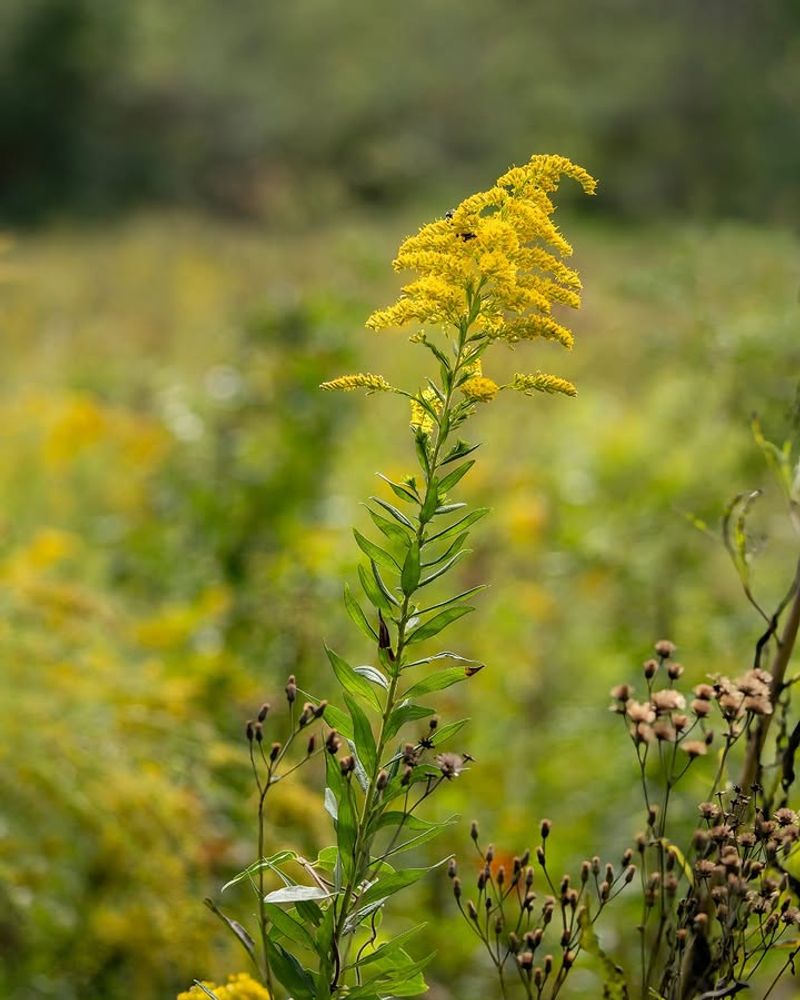
Crush a leaf of Sweet Goldenrod and you get a pleasant anise-like fragrance that is surprisingly delightful.
That aromatic quality sets this species apart from other goldenrods and makes it genuinely interesting beyond just its good looks.
The graceful, arching stems carry bright golden flowers from late summer well into fall, giving Western North Carolina gardens a warm, sunny glow right when the season starts winding down.
Sweet Goldenrod tends to stay more clump-forming than many of its relatives, which means it does not spread into neighboring plants or become a garden bully.
That tidy, well-mannered growth habit makes it much easier to work with in home garden settings where space is limited.
It performs best in full sun with well-drained to average soil, and it handles the dry, rocky conditions found on many Western North Carolina hillsides and open slopes without complaint.
Once established, this plant is essentially self-sufficient. Drought tolerance is solid, pest pressure is low, and the only real task is cutting it back in late winter to make room for fresh spring growth.
Pollinators swarm the blooms in fall, and the dried seed heads provide food for birds through the colder months.
Historically, the leaves were used to brew a pleasant herbal tea, giving this plant a fun cultural footnote.
For a reliable, fragrant, and pollinator-friendly native perennial in Western North Carolina, Sweet Goldenrod earns its spot every season.
9. Smooth Aster (Symphyotrichum Laeve)
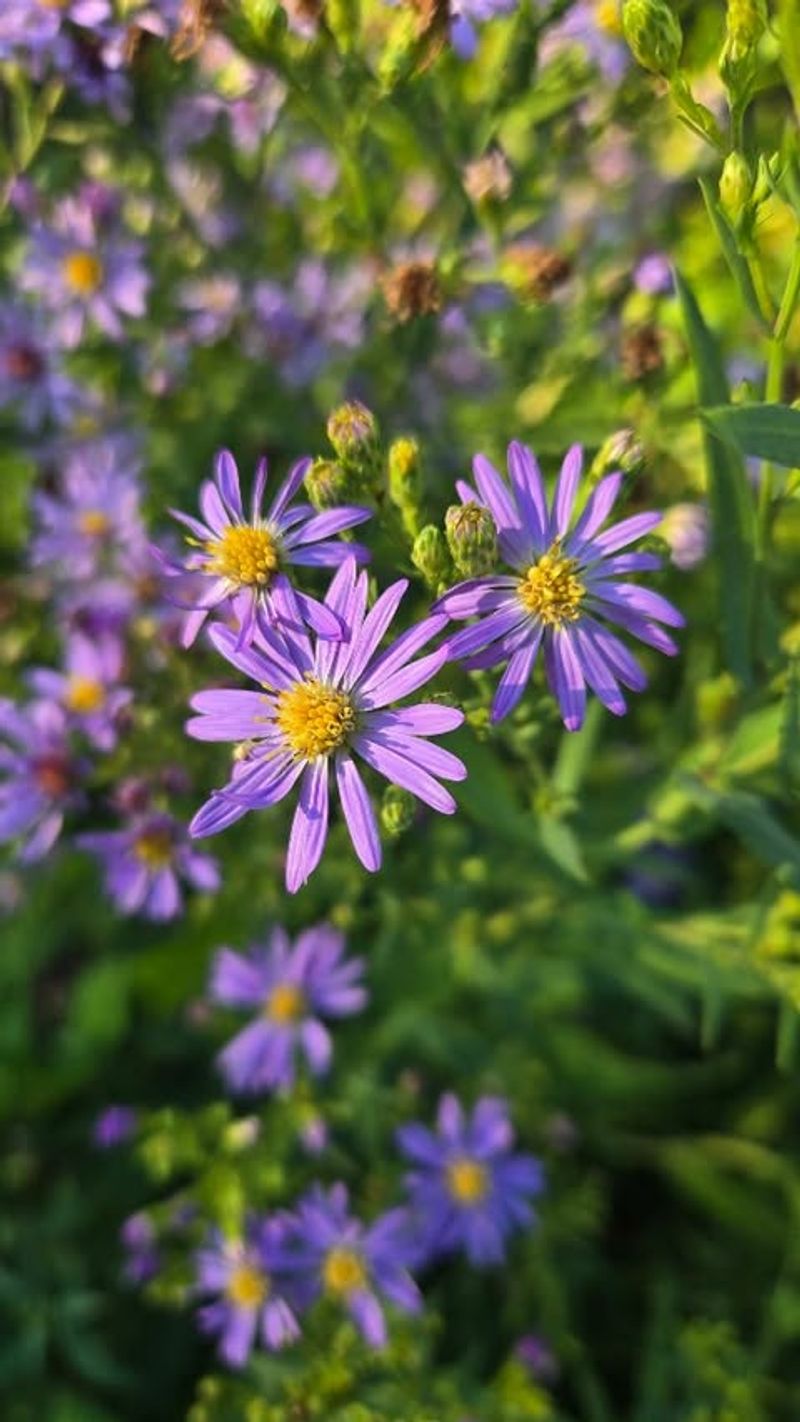
When most of the garden is winding down for the year, Smooth Aster is just hitting its stride.
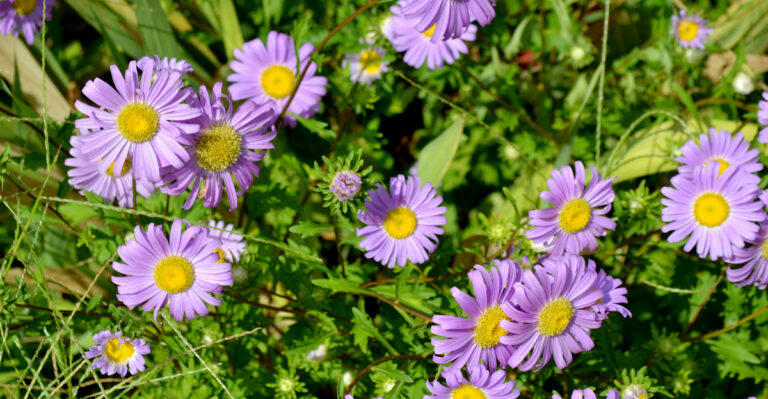
Masses of soft purplish-blue daisy-like flowers cover the upright stems in fall, creating a stunning show that feels like a final celebration before the season ends.
In Western North Carolina, where fall color is already spectacular in the surrounding mountains, this native aster adds a beautiful layer of purple and blue to the garden palette that complements the warm tones of autumn foliage perfectly.
Smooth Aster is well-named because its foliage has a smooth, almost waxy texture that resists the powdery mildew problems that plague some other aster species.
That disease resistance makes it significantly easier to grow and keeps the plant looking attractive right up until bloom time.
It thrives in full sun with average to dry, well-drained soil, and it handles the variable conditions found across Western North Carolina gardens with real resilience.
Monarch butterflies and native bees depend heavily on late-blooming natives like this one, so planting Smooth Aster contributes directly to supporting local wildlife through a critical migration and feeding period.
Maintenance is refreshingly minimal. Cut the stems back in late winter, and the plant returns each spring ready to build toward another strong fall performance.
For gardeners in Western North Carolina who want a tough, beautiful, and ecologically valuable native perennial, Smooth Aster is an outstanding choice that never disappoints.