These 9 Herbs Will Not Grow Well Unless You Trim Them In North Carolina
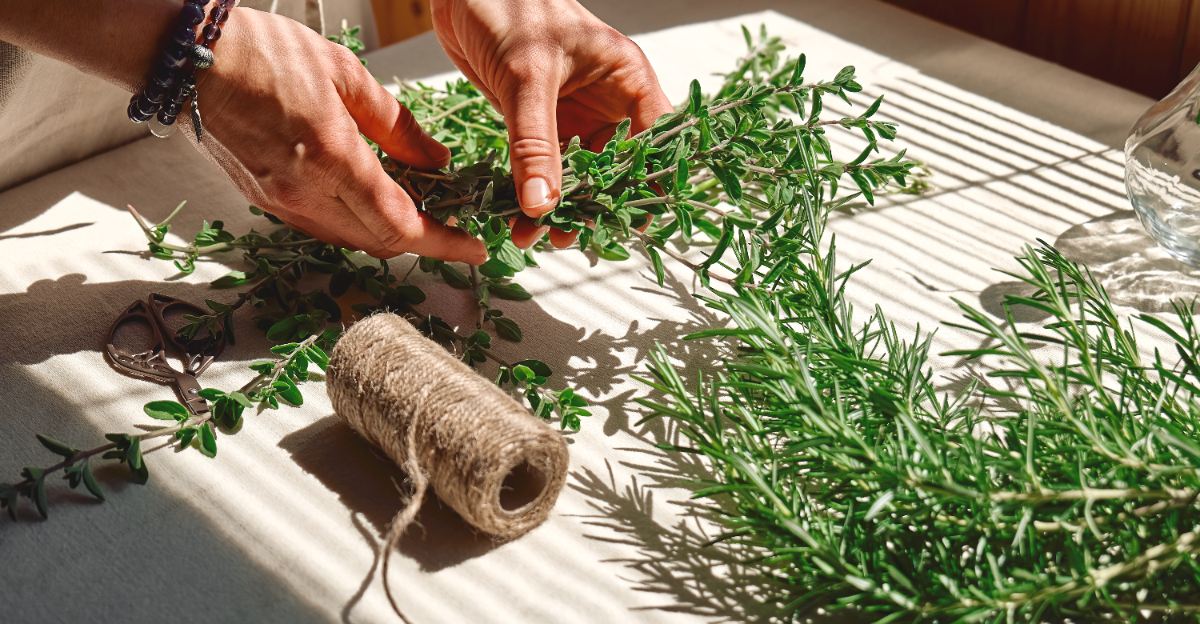
Some herbs seem easy to grow, but without regular trimming, they can quickly become leggy, weak, or less productive. In North Carolina’s warm climate, many herbs grow fast, which means they need a little guidance to stay full and healthy.
Trimming is not just about keeping plants neat. It actually encourages new growth, helps plants stay compact, and can even improve flavor.
Without it, some herbs may slow down or stop producing the tender leaves you want to harvest. This is especially true during the active growing season when plants are putting out fresh growth quickly.
Knowing which herbs need regular trimming can make a big difference in how your garden performs. With the right care, these herbs can stay lush, productive, and ready to use all season long.
1. Basil (Ocimum basilicum)
Basil is one of those herbs that practically begs you to pinch it. When you grow it in North Carolina, the warm and humid summers push it to grow fast, sometimes a little too fast.
Without regular trimming, basil shoots straight up, flowers quickly, and the leaves start tasting bitter and tough instead of sweet and fragrant.
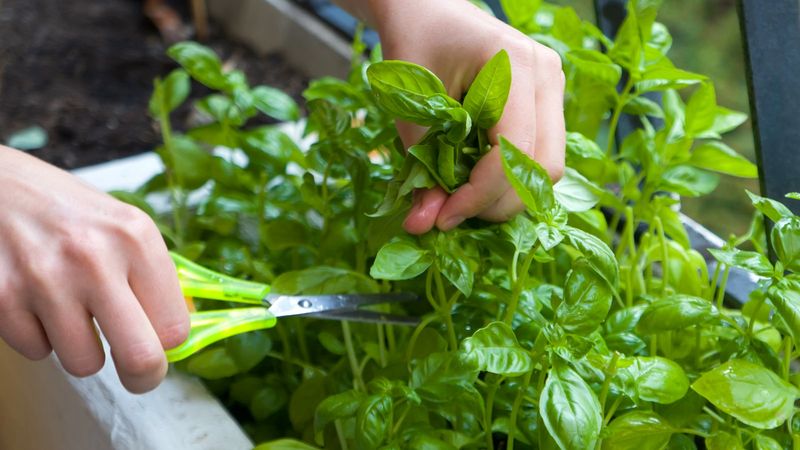
Pinching back the top two sets of leaves every week or so makes a huge difference. Each time you snip, the plant responds by branching outward and producing more stems.
That means more leaves for your kitchen, more flavor in every handful, and a plant that stays full and attractive all season long.
The key is to remove flower buds the moment you spot them. Once basil flowers in North Carolina’s heat, the plant shifts all its energy toward making seeds instead of producing fresh leaves.
Catching those buds early keeps the plant in its most productive stage for weeks longer than an untrimmed plant would last.
Growing basil in raised beds or containers works especially well in North Carolina because the soil warms up fast in spring. Start trimming when the plant reaches about six inches tall, and never remove more than one third of the plant at one time.
Stay consistent with your pinching routine and basil will reward you generously.
2. Mint (Mentha spp.)
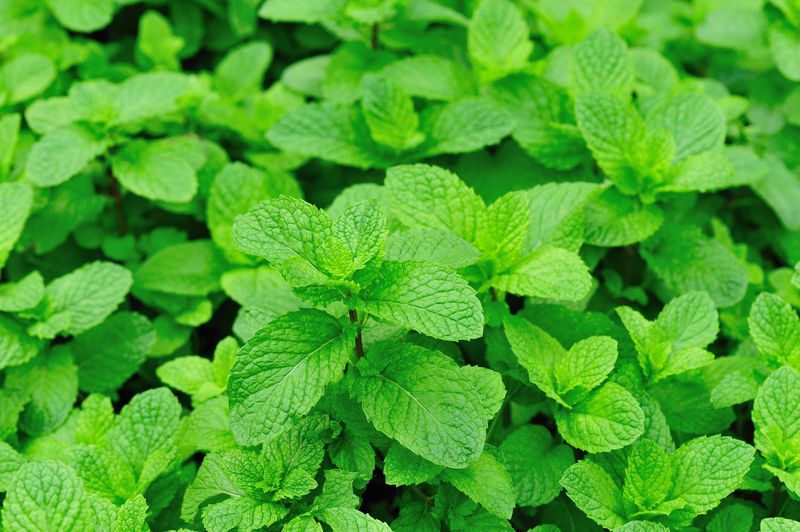
Mint is the overachiever of the herb garden. In North Carolina, it takes full advantage of the warm growing season and spreads aggressively if you let it go unchecked.
The good news is that trimming mint is one of the easiest and most satisfying garden tasks you will ever do, and the results show up almost immediately.
When you cut mint stems back by about half, the plant responds with a flush of tender new growth that smells and tastes far better than the older, tougher stems. Left alone, mint gets leggy and develops thick woody sections near the base that produce very little flavor.
Regular cutting keeps everything fresh, green, and ready to use. North Carolina gardeners often grow mint in containers to control its spreading habit, and that actually makes trimming even more important.
A potted mint plant can become root-bound and exhausted quickly, so cutting it back every few weeks gives it room to breathe and push out new growth from the base.
Your North Carolina Garden Changes Every Week. Your Plan Should Too.
Gardening in North Carolina changes quickly throughout the season. Every Friday you’ll receive a simple weekly plan showing exactly what to plant, prune, fertilize, harvest, and protect so you never miss the right timing.
One smart trick is to trim your mint right before the hottest part of summer hits. Cutting it back hard in late spring lets it recover and come back stronger just in time for the warmest months.
Consistent trimming throughout the season means you always have a steady supply of fresh, aromatic mint leaves ready to harvest whenever you need them.
3. Oregano (Origanum vulgare)
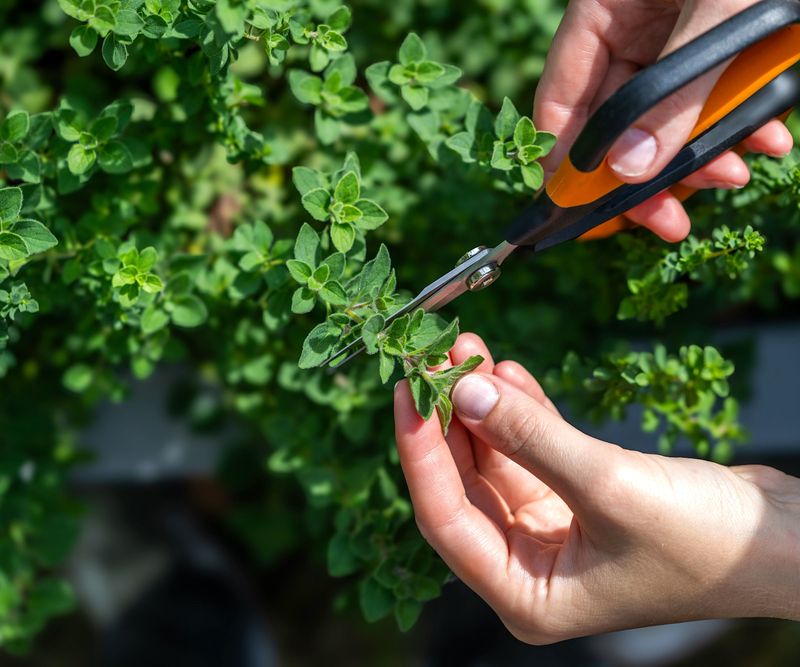
Oregano has a reputation for being tough, and in North Carolina it absolutely lives up to that reputation. It handles heat, survives dry spells, and keeps coming back year after year as a reliable perennial.
But even this hardy herb needs regular trimming to stay at its productive best throughout the growing season.
Without pruning, oregano becomes a sprawling, woody mess. The stems stretch out, the center of the plant becomes bare and woody, and the overall flavor of the leaves weakens noticeably.
A plant that gets clipped back regularly stays compact, produces tender young leaves packed with essential oils, and looks much better in the garden bed too.
The best time to start trimming oregano in North Carolina is in early spring, just as new growth begins pushing up from the base. Cut the stems back by about one third, and repeat the process every few weeks through the summer.
After flowering, cut the plant back more aggressively to encourage a strong second flush of fresh leafy growth before fall arrives.
Fresh oregano from a well-trimmed plant has a noticeably stronger, more peppery flavor compared to leaves taken from a neglected one. If you cook Italian food, make sauces, or season grilled vegetables, you will immediately taste the difference.
Keeping oregano trimmed in your North Carolina garden is truly one of the simplest ways to upgrade your cooking all season long.
4. Thyme (Thymus vulgaris)
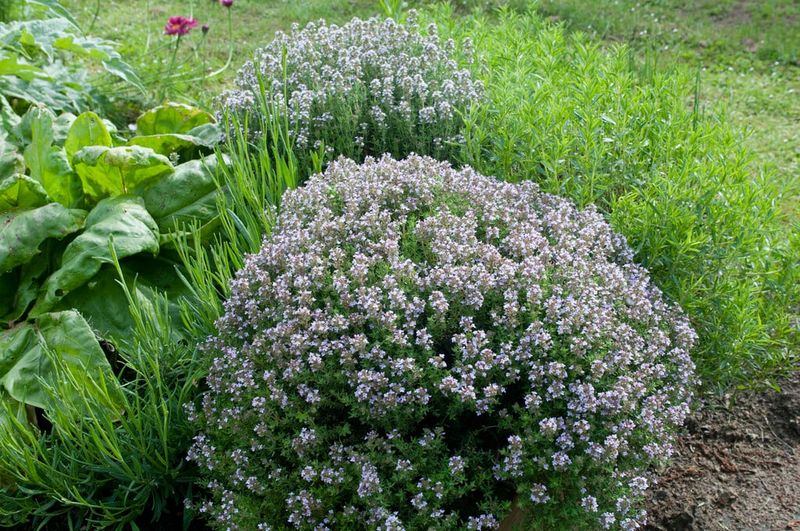
Thyme is a small herb with an enormous personality. It smells incredible, tastes complex, and looks beautiful in a garden bed.
In North Carolina, thyme grows well in the warm, sunny conditions, but it has one weakness that trimming can easily fix: the tendency to get leggy and woody if left on its own for too long.
When thyme stems grow long without being cut, they become stiff and woody at the base while the tips stay soft and green. That woody base produces very little new growth, and the plant ends up looking sparse and uneven.
A light trim after every harvest or every few weeks keeps the entire plant producing fresh, aromatic stems consistently.
Timing matters with thyme in North Carolina. A good trim in early spring encourages a strong flush of new growth before summer heat sets in.
Avoid cutting too deep into the woody base, though, because thyme does not regenerate well from old wood. Always leave some green growth on each stem when you cut, and the plant will bounce back quickly and beautifully.
Thyme also benefits from trimming right after it flowers in late spring or early summer. Removing spent flower heads redirects the plant’s energy back into producing fresh leaves rather than setting seed.
Gardeners across North Carolina who trim thyme regularly find that their plants stay productive for many more seasons than those that are simply left to grow without any guidance or attention.
5. Sage (Salvia officinalis)
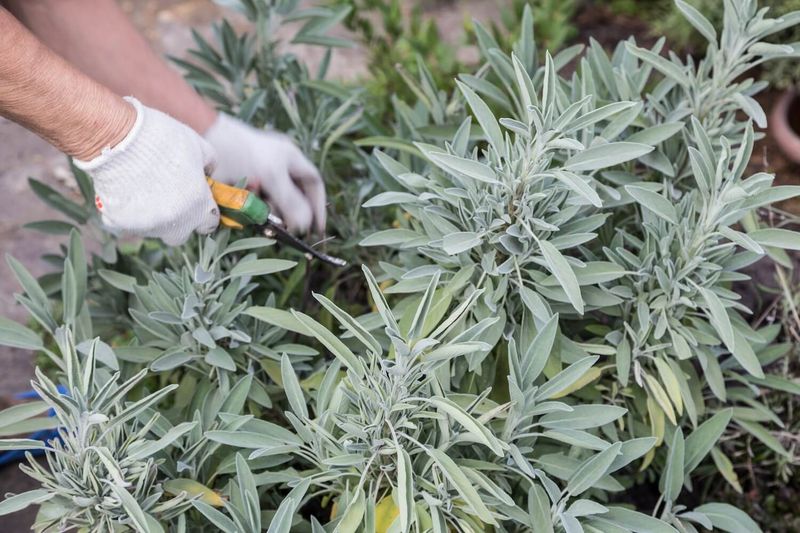
Sage is one of the most visually striking herbs you can grow in North Carolina, with its soft, silvery-green leaves and upright, shrubby form.
It handles the summer heat surprisingly well, but it has a stubborn habit of turning into a woody, sparse plant if you never cut it back. Regular pruning is what keeps sage looking full, healthy, and worth harvesting year after year.
In the spring, trim sage back by about one third to remove any winter-damaged stems and encourage fresh growth from the base. This early-season cut is the most important one you will make all year.
It signals the plant to push out new leafy shoots rather than wasting energy on old, unproductive stems that are already past their prime.
Throughout summer in North Carolina, light trims after harvesting keep the plant tidy and prevent it from becoming too leggy. Sage can tolerate North Carolina’s heat, but it appreciates a little afternoon shade during the hottest weeks of July and August.
Keeping it trimmed during this period actually helps reduce stress on the plant by lowering the total leaf surface exposed to intense sun and heat.
One thing worth knowing is that sage does not respond well to being cut back into bare, old wood. Always leave green growth on the stems you prune.
Gardeners who follow this simple rule find that their sage plants in North Carolina stay productive, flavorful, and beautiful for five or more growing seasons without needing to be replaced.
6. Rosemary (Salvia rosmarinus)
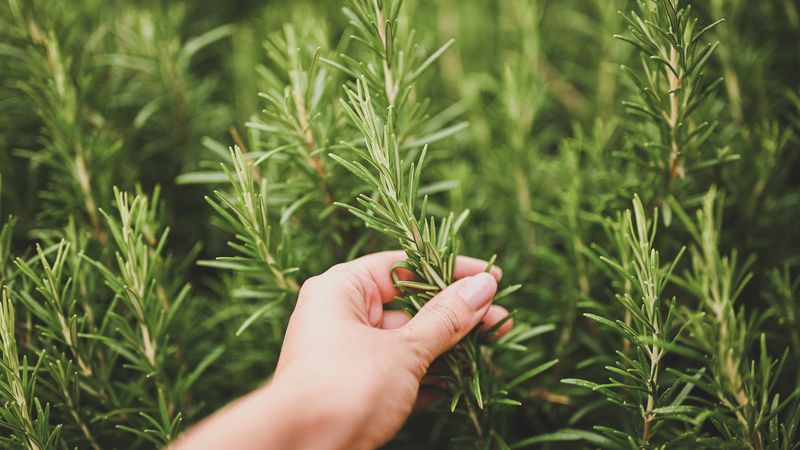
Rosemary might just be the most dramatic herb in the garden when it is well cared for. In North Carolina, it can grow into a full, fragrant shrub that fills the air with its incredible pine-like scent on warm afternoons.
But without regular trimming, rosemary becomes rangy, open, and woody far faster than most gardeners expect.
The plant naturally grows upward and outward, and the interior branches quickly become bare and woody if not shaped regularly. Trimming the tips of each stem by a few inches every few weeks encourages side branching, which keeps the plant dense and full.
A bushy rosemary plant is not only more attractive but also far more productive for kitchen harvesting throughout the season.
North Carolina’s climate is generally kind to rosemary, especially in the Piedmont and coastal regions where winters are mild. However, in the mountain areas of western North Carolina, harder winters can damage untrimmed rosemary more severely.
Keeping the plant compact through regular pruning actually helps it survive cold snaps better because there is less overgrown, vulnerable growth exposed to frost.
After flowering in spring, give rosemary a more thorough trim to shape it and encourage strong new growth heading into summer. Use sharp, clean shears and cut just above a set of leaves for the best results.
Gardeners across North Carolina who stay consistent with rosemary trimming enjoy plants that look spectacular and produce abundantly for many years without losing their vigor or their wonderful fragrance.
7. Chives (Allium schoenoprasum)
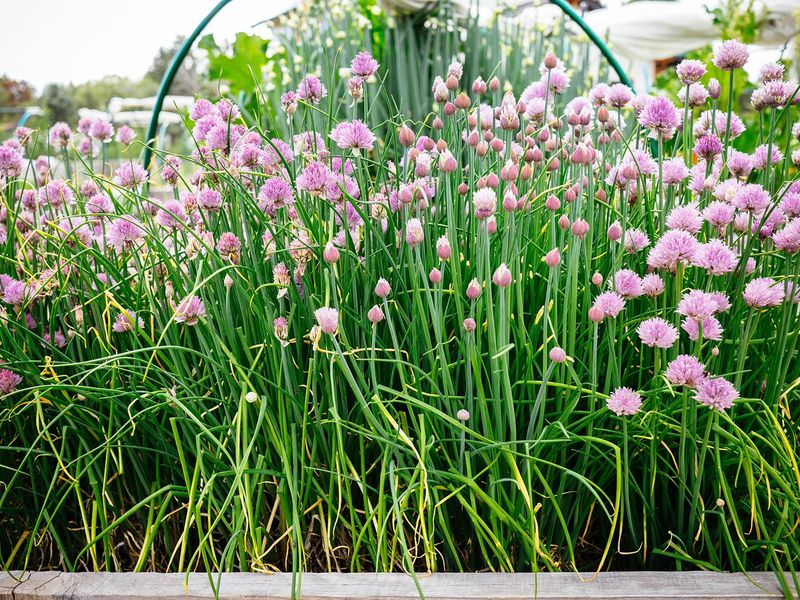
Chives are one of the most cheerful herbs in any North Carolina garden. Their bright green, hollow blades add a mild onion flavor to everything from scrambled eggs to baked potatoes, and they come back reliably every spring without much fuss.
The catch is that regular snipping is what keeps them producing steadily rather than slowing down and going to seed too early.
When you harvest chives, cut the blades down to about two inches above the soil. The plant responds almost immediately by pushing up fresh new growth from the base.
Leaving chives untrimmed for too long causes the blades to become tough and hollow, and the flavor weakens considerably compared to freshly cut young growth.
One of the most important trimming tasks with chives in North Carolina is removing the flower stalks once the blooms fade. The purple flowers are actually beautiful and edible, so enjoy them while they last.
But once they start going to seed, cutting the stalks off at the base redirects the plant’s energy back into producing fresh, flavorful leaf growth instead of spreading seeds across the garden bed.
North Carolina’s long growing season gives chives a generous window of productivity from early spring all the way through late fall. Consistent snipping every two to three weeks keeps the clump tidy, productive, and bursting with flavor.
Many North Carolina gardeners find that well-maintained chive clumps grow larger and more impressive every single year, especially when given a dose of balanced fertilizer in early spring.
8. Parsley (Petroselinum crispum)
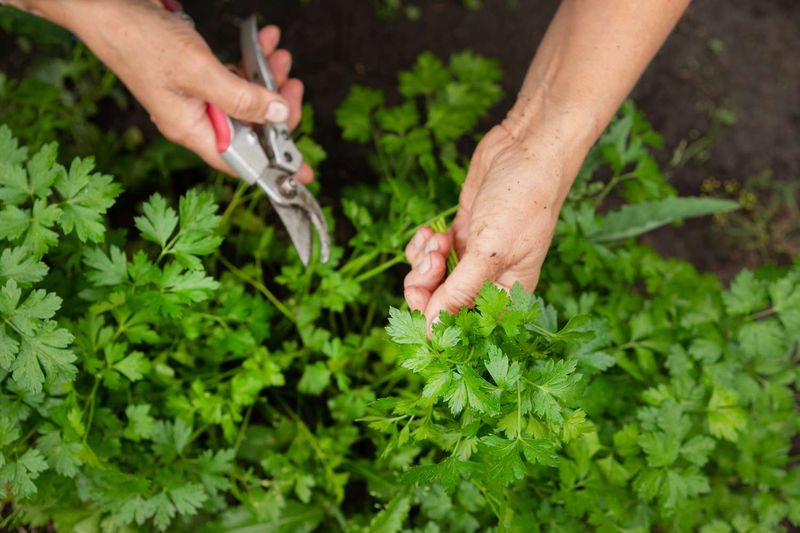
Parsley is one of those herbs that most people grow but not everyone knows how to harvest correctly. In North Carolina, parsley thrives during the cooler months of spring and fall, and it can even survive mild winters with a little protection.
The secret to keeping it productive is understanding that the way you trim it makes all the difference between a full, generous plant and a sparse, struggling one.
Always harvest parsley from the outside of the plant first, cutting the oldest outer stems down to the base. This encourages the center of the plant to push out fresh new growth, keeping the whole plant active and productive.
Cutting from the center or randomly snipping tips actually slows down new growth and can leave the plant looking uneven and weak over time.
Parsley is a biennial, which means it completes its life cycle over two years. In its second year, it will bolt and send up tall flower stalks, especially as temperatures rise in North Carolina’s spring.
Trimming those flower stalks back quickly can extend the harvest window by several weeks, giving you more time to enjoy fresh leaves before the plant finishes its cycle.
Flat-leaf Italian parsley tends to be more flavorful than the curly variety, and both respond beautifully to regular harvesting in North Carolina. Consistent trimming keeps the plant bushy and full from early spring through the first cold snaps of autumn.
Starting the trimming habit early in the season sets the plant up for its best possible performance throughout the year.
9. Marjoram (Origanum majorana)
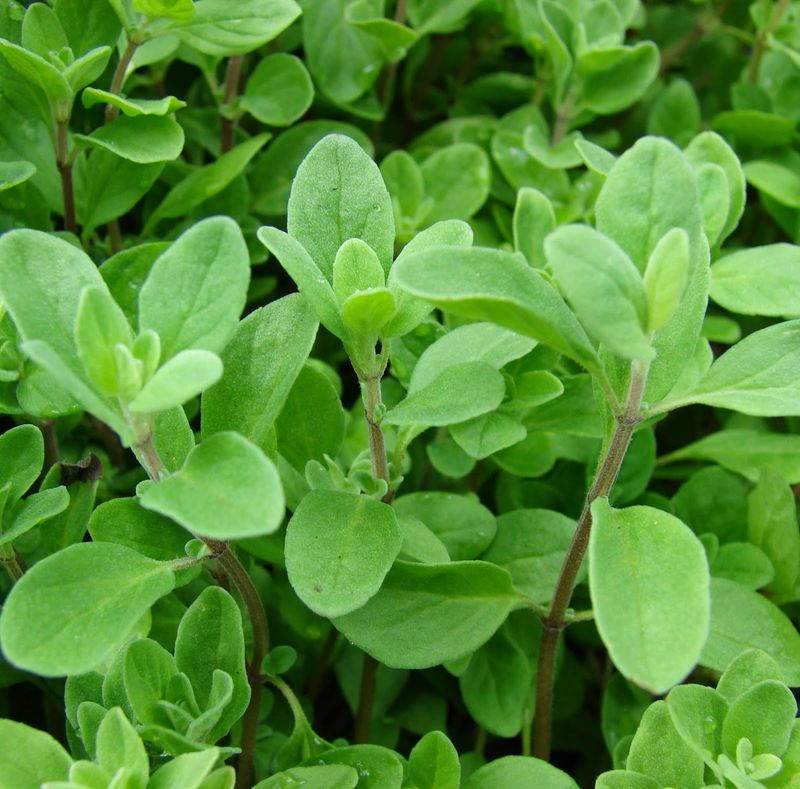
Marjoram is the quieter, sweeter cousin of oregano, and it deserves a lot more attention in North Carolina herb gardens. Its soft, rounded leaves carry a warm, slightly floral flavor that works beautifully in soups, roasted vegetables, and meat dishes.
Growing it well, however, depends almost entirely on how consistently you trim and pinch it throughout the season.
Without regular pinching, marjoram stretches upward into thin, weak stems that flop over and produce very few usable leaves. The plant looks untidy, and the flavor of the leaves becomes noticeably milder and less interesting.
Pinching back the growing tips every week or two keeps the plant compact, encourages branching, and concentrates the essential oils that give marjoram its wonderful taste and aroma.
In North Carolina, marjoram is typically grown as an annual because it is more cold-sensitive than oregano.
Starting it from transplants in late spring gives it a strong foundation, and regular trimming from the beginning of the season helps it develop a full, rounded shape rather than growing tall and spindly.
The more you trim it early on, the better the overall plant structure becomes. When marjoram begins to flower in summer, pinch off the flower buds promptly to keep the leaves at their most flavorful.
North Carolina’s warm summers push marjoram to bolt quickly if left untrimmed, so staying on top of those buds is genuinely important.
Gardeners who trim marjoram consistently find it produces an impressive amount of fragrant, flavorful leaves all the way through early fall in North Carolina.