These Seedlings Hate Potting Up Late In Oregon
In Oregon, spring gardening often feels like a high-stakes guessing game where the rules change every hour. One minute you’re soaking up sunshine, and the next, you’re dodging a classic downpour while the soil stays stubbornly cool.
It’s incredibly tempting to start seeds early, but many gardeners end up with lanky seedlings that outgrow their pots before the ground is actually ready.
The real catch? Some of our favorite plants absolutely hate being moved once they’ve started.
In our unpredictable climate, mistiming your transplanting can stall your garden’s progress for weeks.
If you’re tired of the “pot-up” struggle, mastering Oregon’s unique spring timing is the secret to a thriving, stress-free harvest.
1. Carrots Struggle When Roots Are Disturbed Early
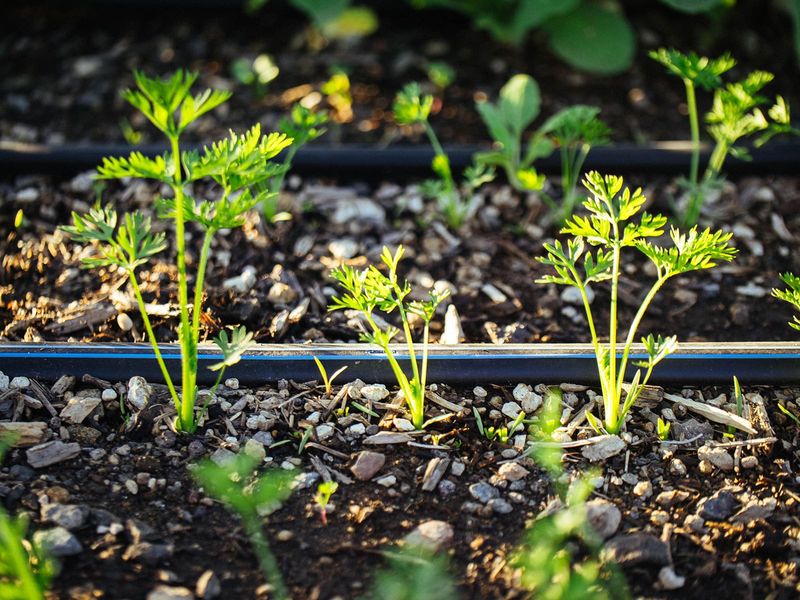
Walk through any Oregon community garden in early spring and you will notice carrot seedlings sitting in little pots, waiting for their turn in the ground – and that waiting is exactly where things go wrong.
Carrots grow a single, straight taproot from the moment they germinate, and that root does not tolerate being bent, broken, or squeezed into a new container.
Even a small amount of handling can cause the taproot to fork, twist, or stunt entirely.
Potting up carrot seedlings late means the taproot has already grown long enough to hit the bottom of the starter container.
At that point, moving it into a bigger pot causes the root to curl or kink, which leads to misshapen carrots that are difficult to harvest and less flavorful.
Oregon’s cool spring soil actually works in your favor here, because carrots can be direct sown outdoors earlier than many gardeners realize.
Raised beds and loose, well-amended soil are popular in Oregon for a good reason – they give carrot roots the straight, unobstructed path they need.
Sowing seeds directly into the garden bed, rather than starting them indoors, saves time and produces far better results.
Skipping the indoor seed-starting step is the most reliable way to grow straight, healthy carrots in Oregon.
2. Beets Prefer To Stay Where They Start
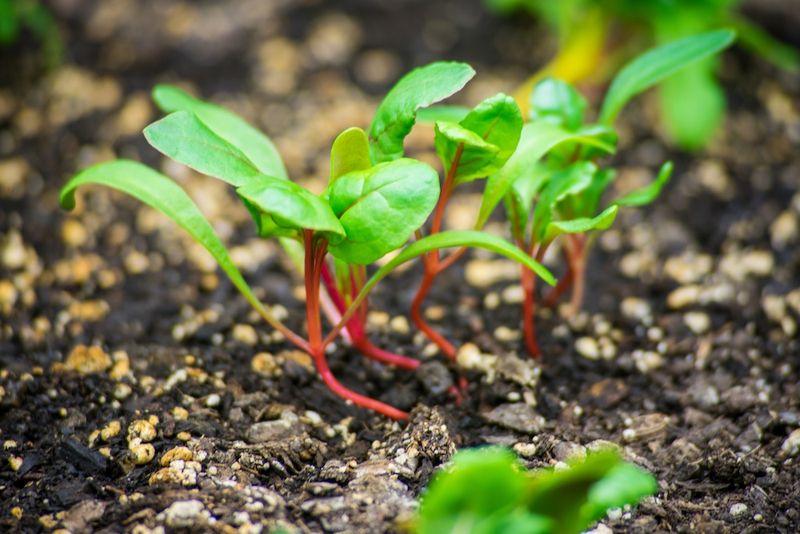
There is something stubborn about beets, and experienced Oregon gardeners will tell you that stubbornness shows up most when you try to move them.
Beet seeds are actually clusters of multiple seeds fused together, which means several seedlings often sprout from one spot.
Thinning them is necessary, but transplanting them into new containers or moving established seedlings into the garden late in the season rarely ends well.
When beets are potted up after their roots have begun to swell, the root structure gets disturbed enough to cause irregular growth. You might end up with beets that are lumpy, forked, or simply stunted.
Oregon’s mild but wet spring weather creates conditions where beet roots prefer consistent moisture and undisturbed soil – exactly what a transplant cannot provide during the adjustment period after being moved.
Direct sowing beet seeds into garden beds as soon as the soil temperature reaches around 50 degrees Fahrenheit is the approach that works best in Oregon.
Your Oregon Garden Changes Every Week. Your Plan Should Too.
Gardening in Oregon changes quickly throughout the season. Every Friday you’ll receive a simple weekly plan showing exactly what to plant, prune, fertilize, harvest, and protect so you never miss the right timing.
The Willamette Valley’s long growing season gives beets plenty of time to develop without needing a head start indoors.
Thinning seedlings to about three inches apart after germination keeps competition low and lets each plant develop a full, round root without interference from neighbors.
3. Radishes Grow Best Without Transplanting
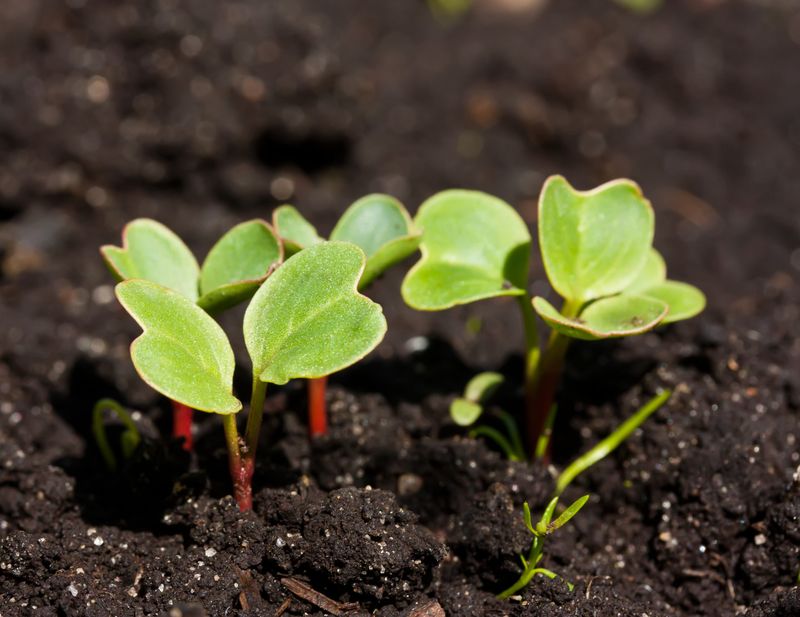
Radishes might be the fastest-growing vegetables in an Oregon garden, and that speed is exactly why transplanting them makes so little sense. From seed to harvest, some varieties finish in as little as three weeks.
By the time you have started them indoors, waited for germination, and potted them up into a larger container, you could have already harvested a full crop of radishes that were direct sown straight into the garden bed.
The taproot on a radish is the part you eat, and it begins forming almost immediately after the seedling emerges. Disturbing it during potting up – even gently – can cause the root to split, become pithy, or develop an odd shape.
Oregon’s cool spring temperatures are well suited to radishes, which actually prefer soil that has not fully warmed yet. That means you can get seeds in the ground earlier than most other crops.
Sowing radish seeds thinly in rows, about half an inch deep, works reliably across most of Oregon’s growing regions. Succession planting every ten days keeps a steady supply coming through late spring before summer heat causes them to bolt.
Radishes also make useful row markers for slower-germinating crops like carrots, making them a practical and efficient choice for early Oregon gardens.
4. Turnips Handle Direct Sowing Much Better
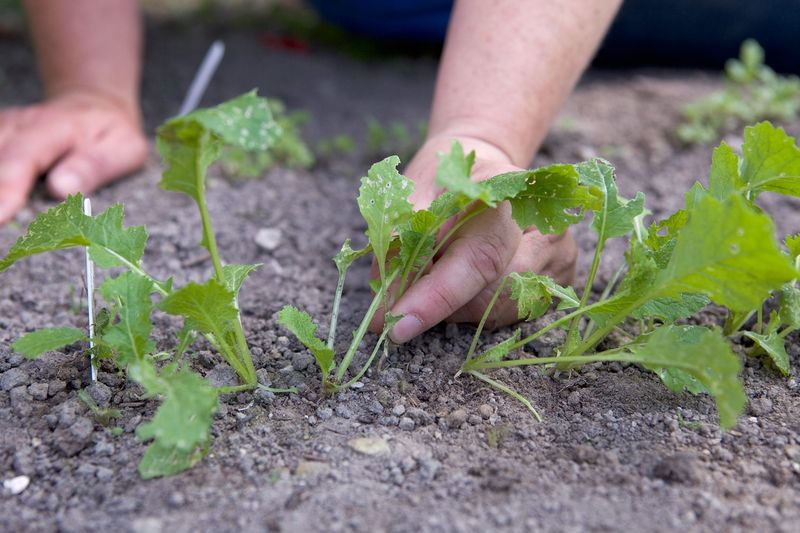
Turnips have a reputation for being tough, and in many ways they are – but that toughness does not extend to having their roots handled carelessly during transplanting.
Oregon gardeners who try to start turnips indoors and pot them up before moving them outside often find the results disappointing.
The roots either become forked from container stress or the plants bolt quickly after transplanting, skipping straight to seed production instead of forming a usable root.
The good news is that turnips germinate quickly and reliably in cool Oregon soil, often sprouting within five to seven days when soil temperature is between 50 and 65 degrees Fahrenheit.
That speed means there is little practical reason to start them indoors at all.
Direct sowing gives the taproot a clean, uninterrupted path downward from the very beginning, which leads to the smooth, round roots that make turnips worth growing.
In Oregon’s western valleys, turnips can be sown as early as late February or early March in a cold frame, or directly into open beds by mid-March in many areas.
Fall is also an excellent time for turnips in Oregon, since they actually improve in flavor after a light frost.
Keeping the seed bed evenly moist after sowing encourages fast, even germination without the complications that come with transplanting later.
5. Parsnips Need Space To Develop Strong Roots
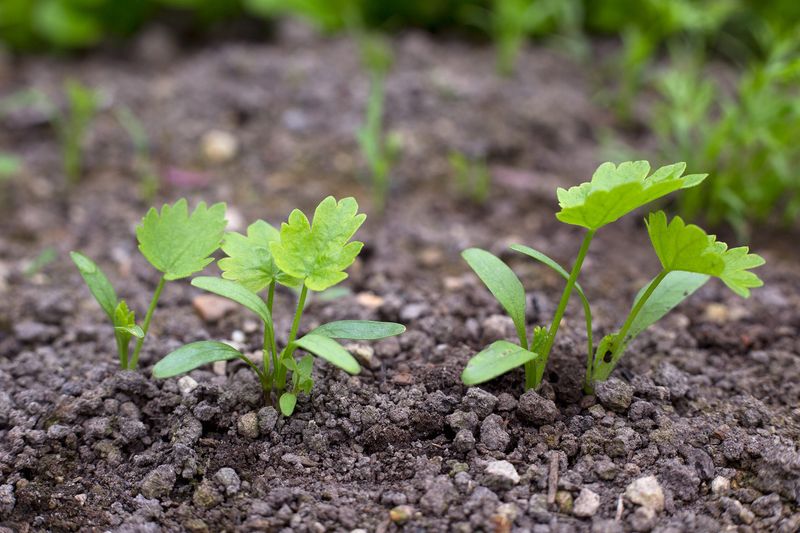
Few vegetables test an Oregon gardener’s patience quite like parsnips. They are slow to germinate – sometimes taking three weeks or more – and they grow a deep, thick taproot that needs completely undisturbed soil from start to finish.
Potting up parsnip seedlings even once is enough to cause the root to fork or grow at an awkward angle, which makes harvesting difficult and reduces the overall quality of the vegetable.
Oregon’s cool, moist spring climate is actually well suited to parsnips, since the seeds need consistent moisture and temperatures between 50 and 65 degrees Fahrenheit to sprout reliably.
Starting them in small containers indoors might seem like a good way to get ahead of the season, but by the time they are ready to pot up or transplant, the taproot has already committed to a direction.
Moving it at that stage almost always causes problems.
The most reliable method in Oregon is sowing parsnip seeds directly into deep, loose garden soil in late winter or early spring. Raised beds filled with well-loosened, stone-free soil give roots the best environment to grow long and straight.
Marking the row carefully after sowing helps, since the slow germination can make it easy to forget where seeds were planted while waiting for the first tiny shoots to appear.
6. Peas Do Better When Planted Directly Outdoors
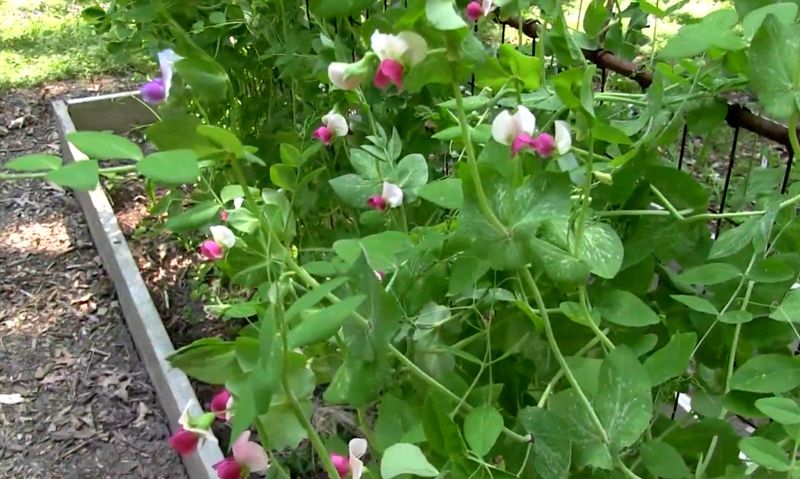
Oregon springs were practically designed for peas.
Cool temperatures, regular rainfall, and gradually lengthening days create conditions that peas genuinely thrive in – and that makes it all the more puzzling when gardeners try to start them indoors and pot them up before moving them outside.
Peas have delicate root systems that dislike disturbance, and by the time seedlings are large enough to pot up, the roots are often already tangled and sensitive.
Transplanting peas that have outgrown their starter pots can cause a noticeable setback. The plants may wilt, stall in their growth, or produce fewer pods than they would have if they had been sown directly into the garden.
In Oregon’s Willamette Valley, gardeners can often direct sow peas as early as late February or early March, since pea seeds germinate well in soil temperatures as low as 40 degrees Fahrenheit.
Soaking pea seeds overnight before planting speeds up germination and gives them a slight head start without the risks that come with indoor starting.
A simple trellis or mesh support installed at planting time prevents the need to disturb roots later when the plants begin climbing.
Choosing a spot with good drainage and morning sun helps peas establish quickly and produce a generous harvest before Oregon’s summer heat arrives.
7. Beans Establish Faster Without Potting Up
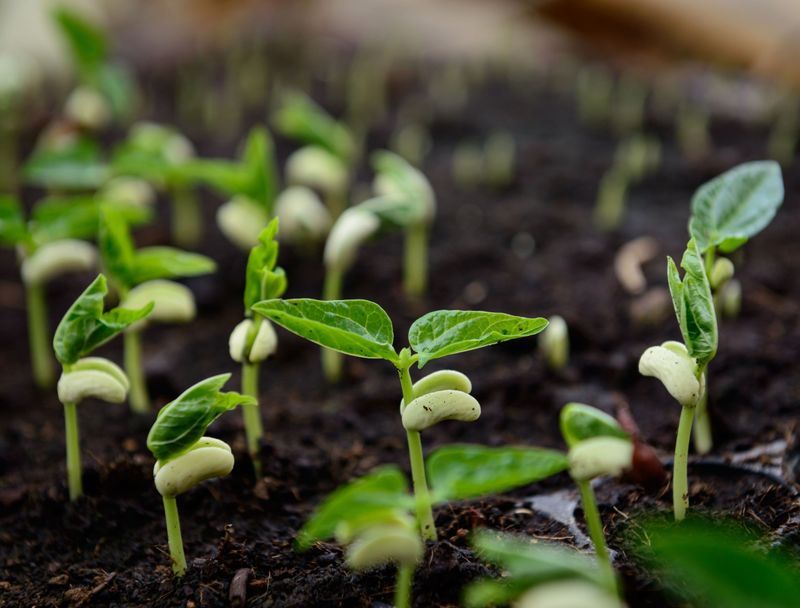
There is a temptation in Oregon to get a jump on the season by starting beans indoors, especially after a long, wet winter that makes gardeners eager to see something growing.
But beans are one of those crops that simply do not benefit from early indoor starting or from being potted up into larger containers before transplanting.
Their roots grow quickly and spread wide, and any disruption during that early stage slows them down noticeably.
Unlike many vegetables, beans prefer warm soil – at least 60 degrees Fahrenheit – before they are planted. In most of western Oregon, that means waiting until late May or early June for outdoor planting.
Starting them indoors weeks earlier and then potting them up while the soil outside is still too cold does not save time; it just creates extra work and stresses the plants unnecessarily.
Direct sowing bean seeds once the soil has warmed is genuinely the most efficient approach. Seeds germinate within a week under the right conditions and grow rapidly without the setback that comes from transplanting.
Bush beans and pole beans both respond well to this method across Oregon’s diverse growing regions.
Adding a layer of compost to the planting area before sowing gives seedlings the nutrient boost they need to establish quickly and produce a full, healthy crop.
8. Corn Needs Early Root Stability To Grow Well
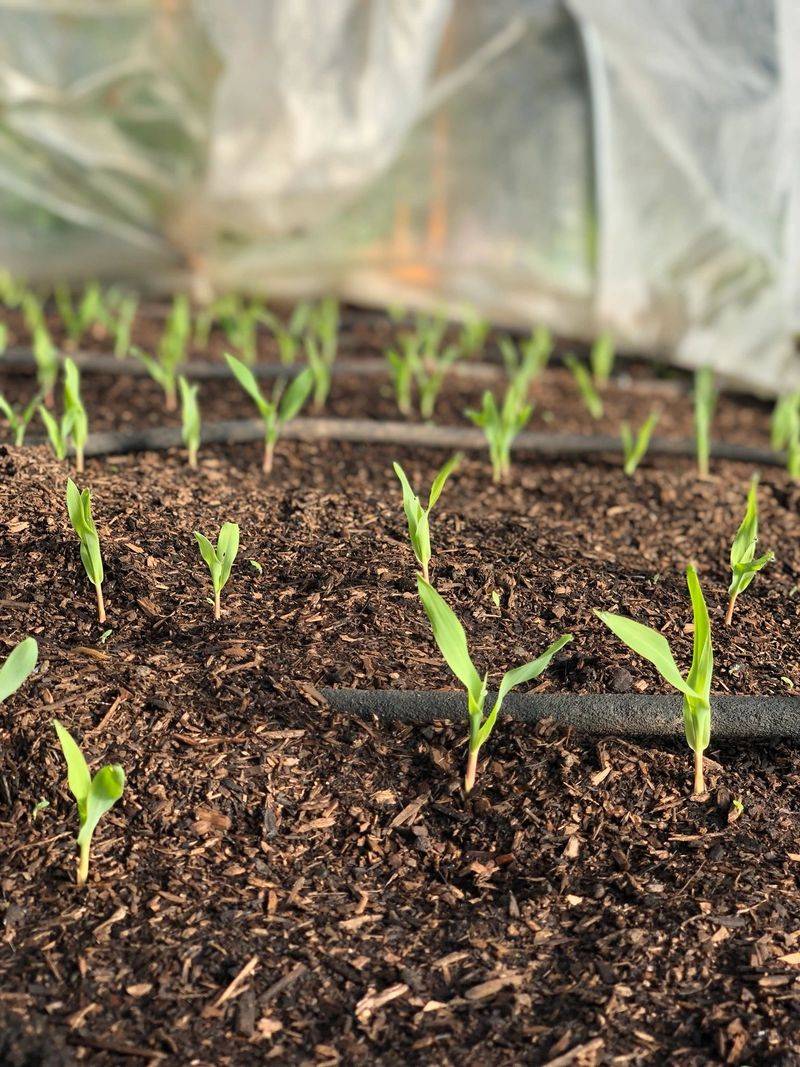
Corn is a crop that commits early. From the moment a corn seedling pushes through the soil, it begins developing a complex root system designed to anchor a tall, heavy stalk and pull nutrients from a wide area.
Potting up corn seedlings disrupts that root development at a critical stage, and the plants often struggle to re-establish the same stability they would have had if they had been sown directly into the garden.
Oregon gardeners sometimes start corn indoors to extend the season, but the window for safe transplanting is very narrow. If seedlings are potted up even once, the roots get disturbed enough to cause a visible slowdown in growth.
Corn that is direct sown into warm garden soil often catches up to – or surpasses – transplanted seedlings within a few weeks, making the indoor starting process largely unnecessary.
Waiting for soil temperatures to reach at least 60 degrees Fahrenheit before sowing corn is important in Oregon, where cool spring soil can linger well into May in many areas.
Planting in blocks rather than long rows improves pollination and leads to better kernel development.
If a head start is genuinely needed, biodegradable peat pots allow the entire pot to be planted without disturbing roots, which reduces transplant stress significantly compared to standard containers.
9. Cucumbers React Quickly To Root Disturbance
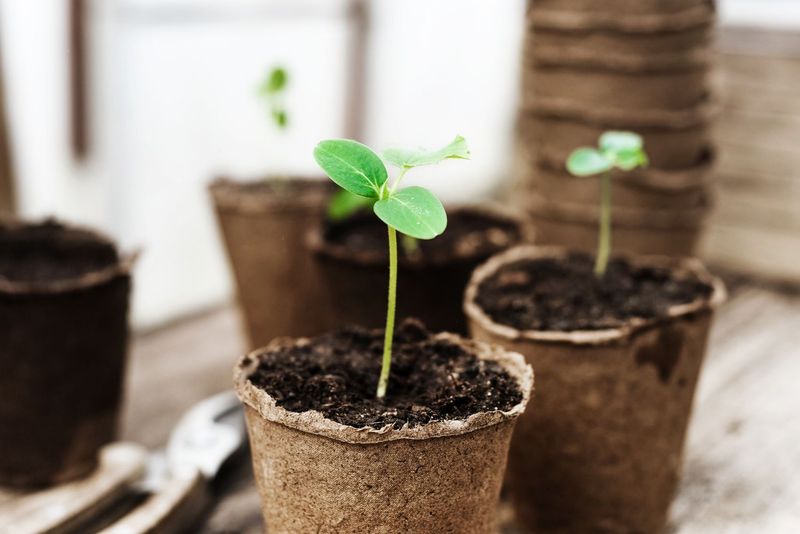
Cucumbers have a reputation among experienced Oregon gardeners for being fussy about their roots, and that reputation is well earned.
They grow quickly once conditions are right, but they respond to root disturbance with a swiftness that catches many gardeners off guard.
A cucumber seedling that has been potted up late – when its roots have already filled the container and begun circling the bottom – can stall for a week or more after transplanting, losing valuable growing time.
Oregon’s short warm season in many regions makes that lost time genuinely costly. Cucumbers need consistently warm temperatures to produce well, and they do not recover quickly from transplant shock the way some other crops do.
Gardeners who pot up cucumber seedlings too late often notice yellowing leaves, slow vine development, and reduced fruit set compared to plants that were handled more carefully.
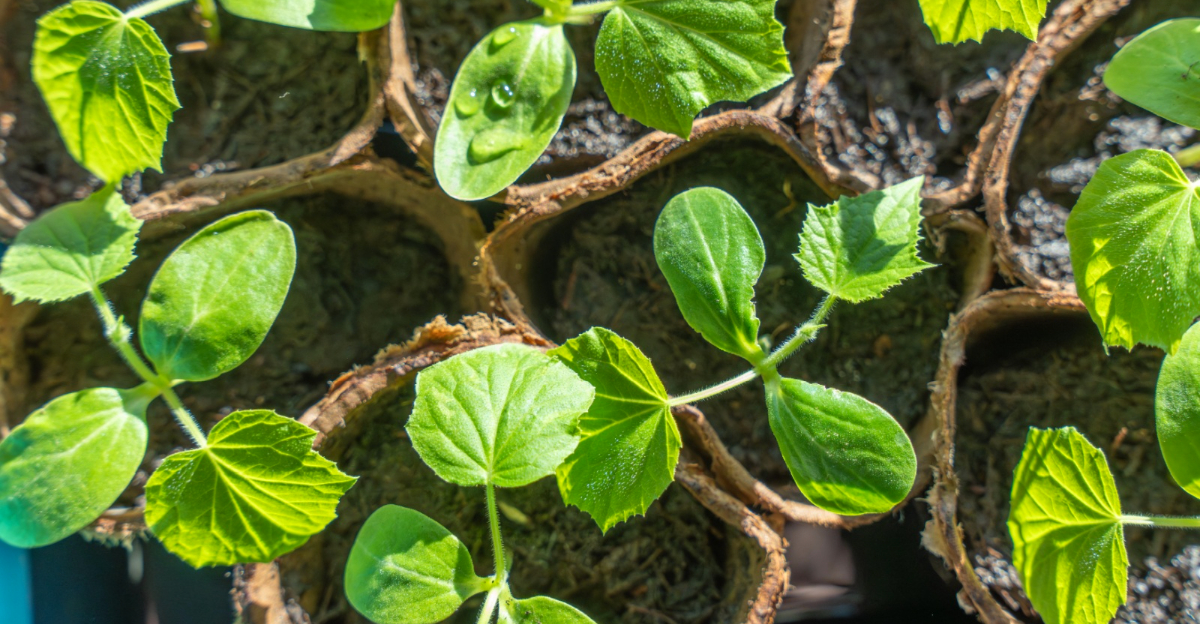
Starting cucumbers in biodegradable pots that can go directly into the ground without disturbing the roots is a practical solution for Oregon gardeners who want a head start.
Transplanting should happen before the roots have outgrown the pot, ideally when seedlings are about two to three weeks old with just one or two true leaves.
Waiting for soil temperatures to reach 65 degrees Fahrenheit before transplanting helps cucumbers settle in without the stress of cold soil slowing their recovery.
10. Squash Prefers Minimal Root Handling From The Start
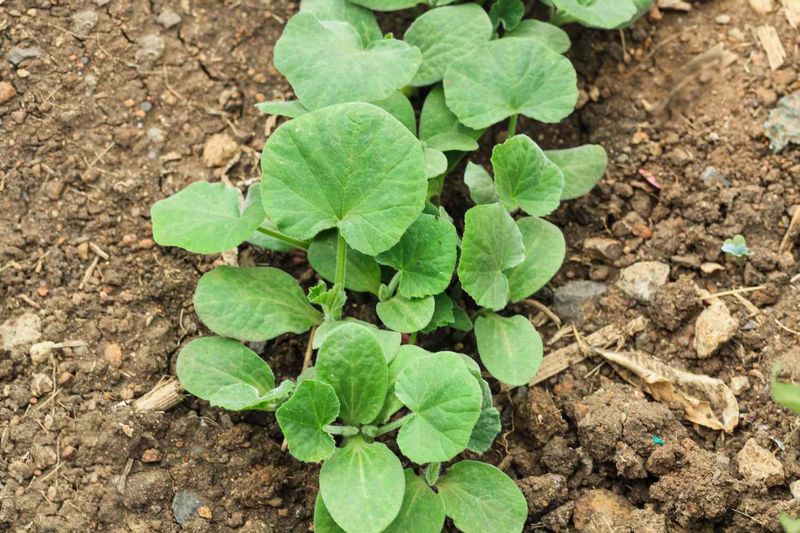
Squash plants grow with an enthusiasm that can surprise first-time Oregon gardeners. A single seed can go from germination to a sprawling vine in just a few weeks, and that rapid growth comes with a root system that expands just as aggressively.
Handling those roots carelessly during potting up can set the plant back in ways that are hard to recover from, especially when Oregon’s warm growing season is already compressed.
Late potting up is a common mistake with squash because gardeners often start seeds too early indoors, then find themselves with plants that have outgrown their containers before the outdoor soil is warm enough.
At that point, the choice is between potting up into a larger container – which risks root disturbance – or transplanting too early into cold soil, which brings its own set of problems.
Starting squash seeds no more than two to three weeks before the planned outdoor planting date avoids this situation entirely.
Biodegradable pots work especially well for squash in Oregon, since they allow transplanting without any root contact at all.
Setting transplants out after soil temperatures have reached at least 65 degrees Fahrenheit gives squash the warm start it needs.
Mulching around the base of transplants helps retain soil warmth during Oregon’s unpredictable late spring evenings and keeps moisture consistent while roots settle into their new environment.