8 Climbing Plants Pennsylvania Gardeners Can Start In April For Fences And Trellises
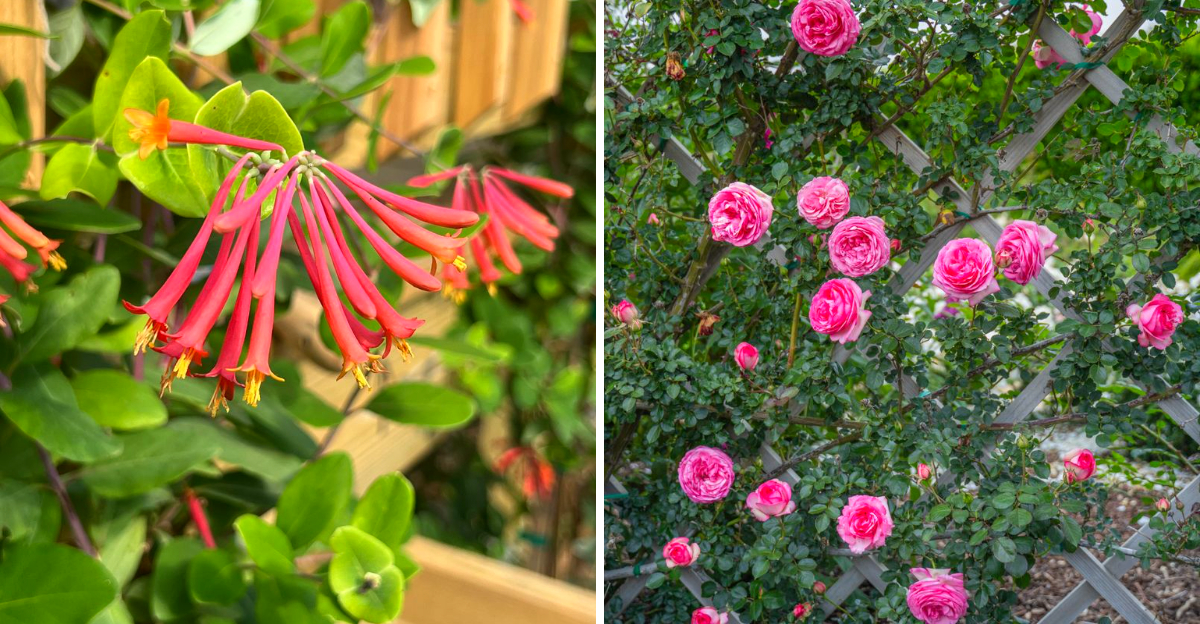
If you’ve been waiting for the perfect moment to reclaim your garden’s vertical space, Pennsylvania’s April weather is your official green light.
This is that magical window where the soil finally softens and the spring rains provide just enough moisture to help young climbers find their footing.
Whether you’re in a Lancaster backyard, the Lehigh Valley, or a cozy Pittsburgh porch, planting now is a total game-changer.
By getting these vertical growers established early, you’ll enjoy thicker coverage, more vibrant blooms, and buzzing wildlife by the time summer arrives.
If you’re ready to trade that plain fence for a wall of living color, these eight climbing plants are the perfect picks to plant this month.
1. Sugar Snap Peas Climb Fast In Cool Spring Conditions
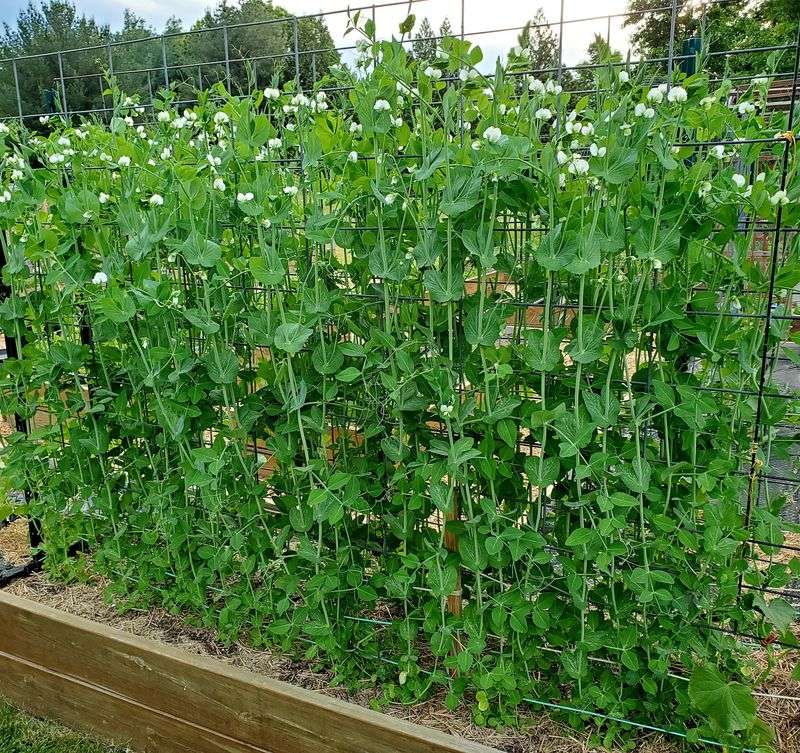
Few vegetables feel as rewarding as pulling a crisp sugar snap pea straight from the vine on a cool April morning.
In Pennsylvania, the window for growing peas is best used early, since these plants strongly prefer temperatures between 45 and 70 degrees Fahrenheit.
Planting in April takes full advantage of that cool-season window before summer heat arrives.
Sugar snap peas are direct sown, meaning you push the seeds about an inch deep directly into prepared garden soil. They do not need to be started indoors.
Space seeds about two to three inches apart along the base of a trellis, fence, or any vertical structure at least four to five feet tall. The vines use small tendrils to grab onto support and climb on their own with very little help.
Choose a spot that gets full sun or at least six hours of direct light each day. Water regularly but avoid soaking the soil, since overly wet roots can cause problems.
In most Pennsylvania growing zones, sugar snap peas sown in early April can be ready to harvest by late May or early June. Succession planting every two weeks through mid-April can extend your harvest window.
These compact, productive climbers are a practical and satisfying choice for any Pennsylvania fence or trellis setup this spring.
2. Sweet Peas Bring Fragrance To Early Trellises
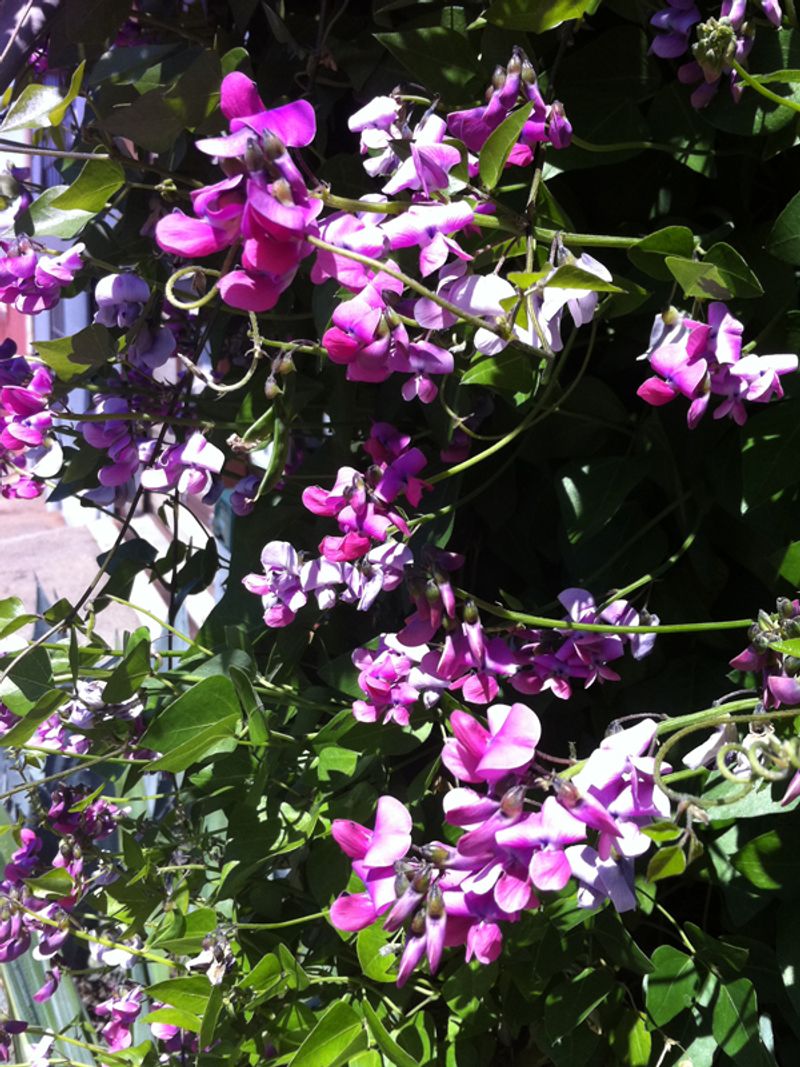
Walking past a trellis covered in sweet peas on a cool April morning is one of those small garden pleasures that stays with you.
The fragrance alone makes these ornamental climbers worth growing, and Pennsylvania springs offer the cool conditions they genuinely love.
Sweet peas are not the same as edible snap peas and should not be eaten, but as flowering climbers, they are outstanding.
Sow sweet pea seeds directly into the ground in early April, about an inch deep and three to four inches apart. Some gardeners soak the seeds overnight before planting to encourage faster sprouting.
A trellis, wire fence, or netting works well since sweet peas climb using delicate tendrils that need something thin to wrap around.
Full sun is ideal, though a spot with light afternoon shade in warmer Pennsylvania regions can help extend the blooming season. Keep the soil consistently moist but not waterlogged.
Your Pennsylvania Garden Changes Every Week. Your Plan Should Too.
Gardening in Pennsylvania changes quickly throughout the season. Every Friday you’ll receive a simple weekly plan showing exactly what to plant, prune, fertilize, harvest, and protect so you never miss the right timing.
Sweet peas bloom in shades of pink, purple, red, white, and bicolor, and cutting the flowers regularly actually encourages more blooms rather than fewer.
In Pennsylvania, they tend to perform best from late spring into early summer before heat slows them down.
Starting in April gives them the longest possible cool-season growing window for impressive, fragrant coverage on fences and trellises.
3. Clematis Adds Long-Term Color To Garden Structures
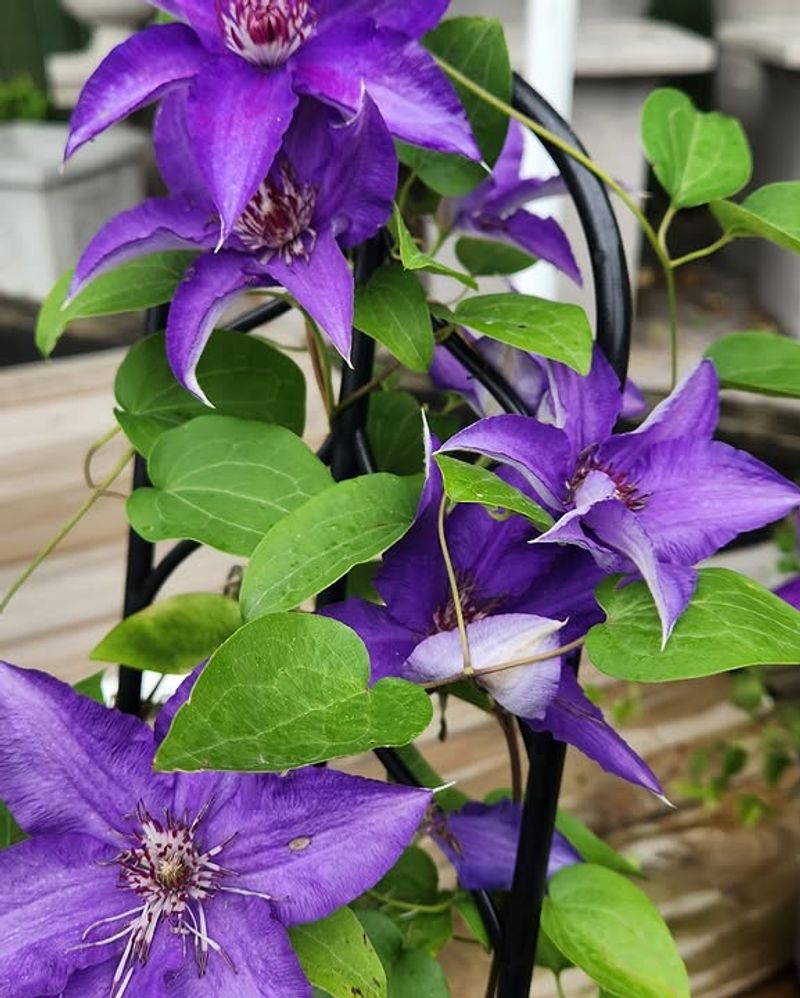
Referred to by many gardeners as the queen of climbing vines, clematis earns that reputation through its stunning range of flower colors, long bloom periods, and reliable return year after year.
For Pennsylvania gardeners, April is a sensible time to plant container-grown clematis, giving roots time to establish before summer temperatures push growth into high gear.
Clematis thrives when its roots are kept cool and shaded while its upper growth reaches for the sun. A simple trick is to plant low-growing perennials or place a flat stone at the base to shade the root zone.
Plant clematis about two to three inches deeper than it sat in its nursery container, which helps protect the crown and encourages strong regrowth.
Provide a sturdy trellis, fence, or arbor since mature vines can become quite heavy over time. Most clematis varieties prefer at least six hours of sun daily and well-drained soil amended with compost.
Water deeply after planting and keep moisture consistent through the first growing season. Pennsylvania gardeners can choose from early, mid, or late-blooming varieties to enjoy flowers from May through September.
With the right variety selection and a bit of patience during the first year, clematis can become one of the most visually rewarding long-term climbers on any Pennsylvania garden structure.
4. Honeysuckle Supports Wildlife And Climbs Easily
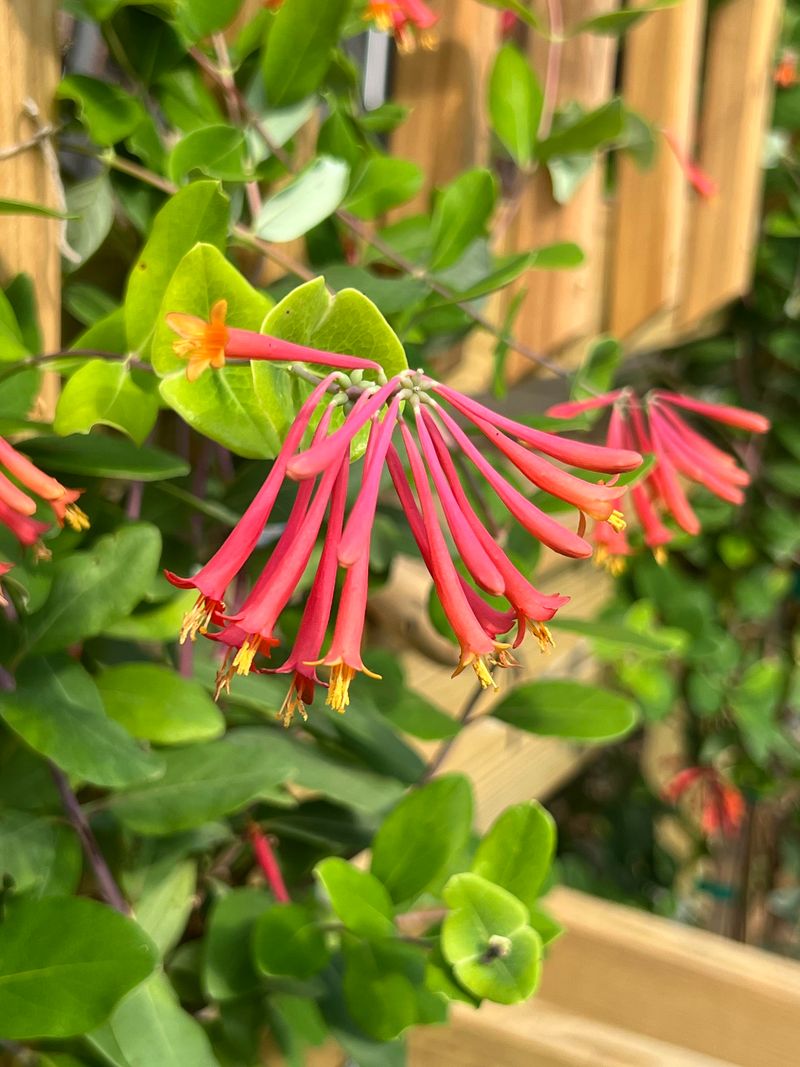
Gardeners who want to attract hummingbirds and native pollinators while also covering a fence quickly often turn to honeysuckle as a reliable solution.
Native honeysuckle species, particularly coral honeysuckle, are well-suited to Pennsylvania growing conditions and far less aggressive than some of the non-native varieties that can spread beyond the garden.
April is a fine time to plant honeysuckle from potted nursery stock. Choose a location that receives full sun to partial shade, as honeysuckle is fairly adaptable.
It climbs by twining its stems around a support, so a sturdy fence, trellis, or post works well. Space plants about three feet apart if planting more than one, and water thoroughly after planting to help roots settle in.
Coral honeysuckle produces tubular red to orange flowers from spring through summer, making it a season-long food source for hummingbirds and long-tongued bees.
It is also relatively drought-tolerant once established, which makes it easier to maintain during dry Pennsylvania summers.
Avoid over-fertilizing since too much nitrogen tends to push leafy growth at the expense of flowers. A light layer of mulch around the base helps retain soil moisture and regulate root temperature.
With minimal care, honeysuckle can provide several seasons of vigorous climbing growth and consistent wildlife activity along Pennsylvania fences and trellises.
5. Virginia Creeper Covers Fences With Vigorous Growth
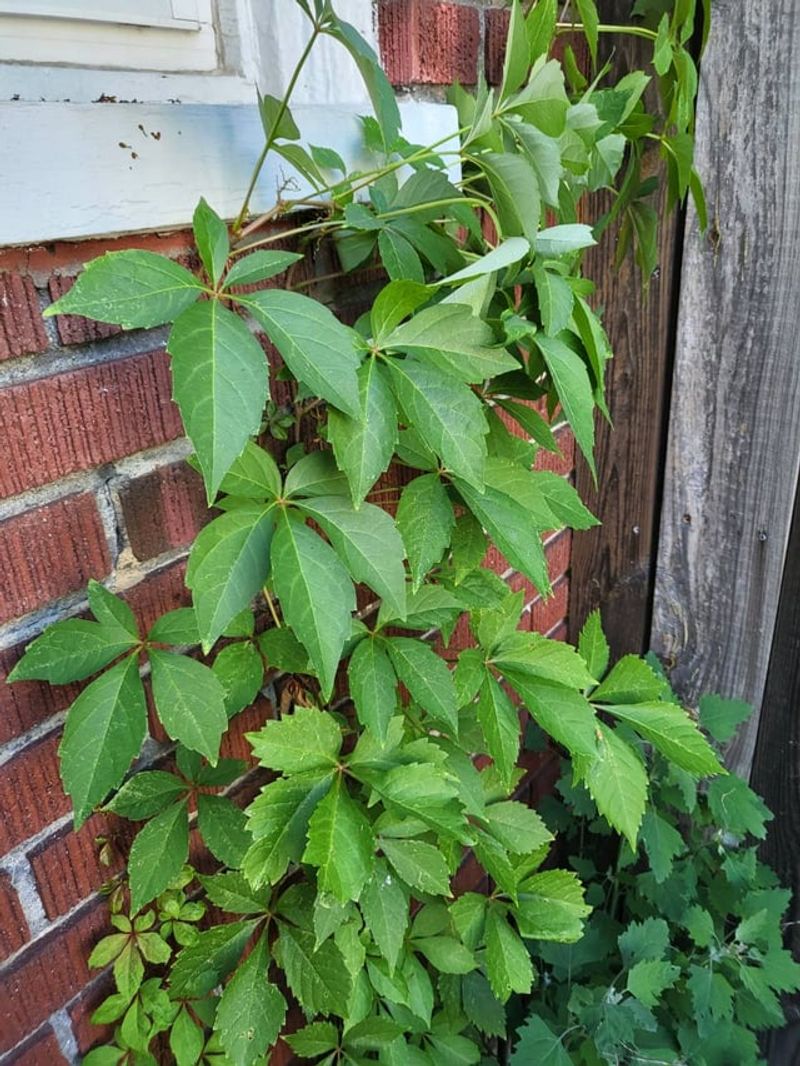
If covering a large fence or wall quickly is the goal, few native vines match the speed and adaptability of Virginia creeper.
Native to eastern North America and well-adapted to Pennsylvania conditions, this vigorous climber can cover significant vertical space within a single growing season when given a good start in April.
Virginia creeper attaches itself to surfaces using small adhesive pads at the tips of its tendrils, which means it can climb wooden fences, stone walls, and chain-link structures without needing to be tied or woven through supports.
Plant nursery-grown transplants in April in almost any light condition, from full sun to heavy shade, since this vine is genuinely flexible about its environment.
Water regularly during the first season to encourage strong root development. Once established, Virginia creeper is quite drought-tolerant and low-maintenance.
The five-leaflet green foliage turns a brilliant crimson red in fall, making it one of the most visually dramatic climbers in Pennsylvania autumn gardens. It also produces small dark berries that attract birds.
Keep in mind that vigorous growth means occasional trimming may be needed to keep it within its intended boundaries.
For Pennsylvania gardeners looking to cover large fence sections with minimal fuss, Virginia creeper is a practical, native-friendly option that rewards with impressive seasonal color changes throughout the year.
6. Climbing Roses Add Structure And Seasonal Blooms
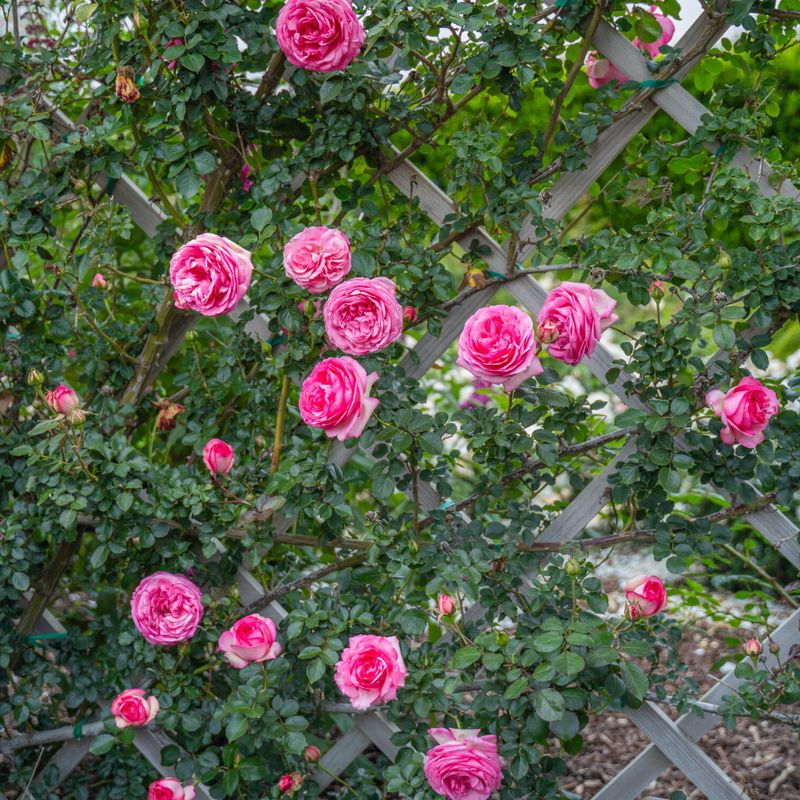
There is something undeniably classic about a climbing rose arching over a garden fence or weaving through the rungs of a trellis in full bloom.
Unlike bush roses, climbing varieties produce long, flexible canes that can be trained horizontally or at an angle to encourage more blooming along their length.
April in Pennsylvania is a suitable time to plant bare-root or container-grown climbing roses while temperatures remain moderate.
Choose a spot with at least six to eight hours of direct sun daily since roses generally perform best with strong light exposure. Amend the planting hole with compost to improve drainage and fertility.
After planting, tie the canes loosely to your fence or trellis using soft garden ties, guiding them in the direction you want them to grow. Avoid tying too tightly, as canes need some room to expand as they grow.
Water deeply once or twice per week during the first growing season, focusing moisture at the base rather than overhead to reduce the chance of foliar issues.
Many climbing rose varieties available in Pennsylvania nurseries are bred for improved disease resistance, making maintenance more manageable.
Expect the first significant bloom flush in late May to June, with repeat-blooming varieties continuing into fall.
With consistent care and thoughtful training, climbing roses can become a long-lasting, structurally impressive feature along Pennsylvania garden fences for many seasons.
7. Hardy Kiwi Creates Dense Coverage Over Time
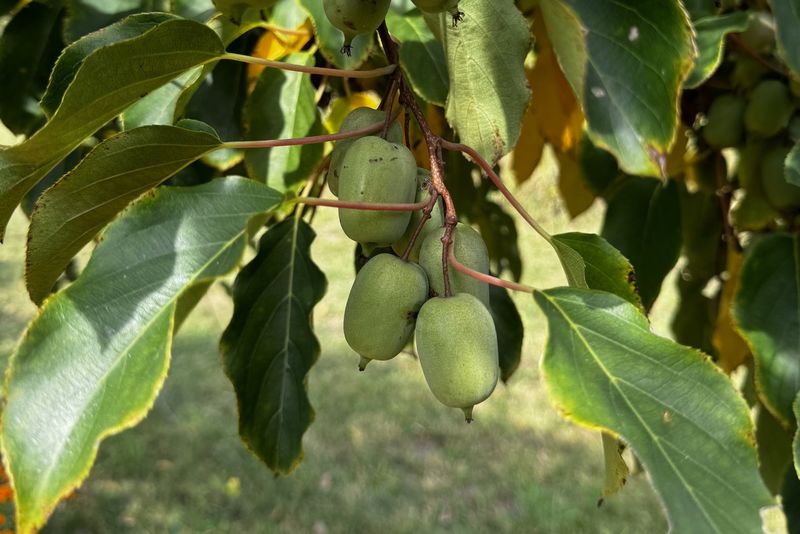
Most people associate kiwi fruit with tropical growing conditions, but hardy kiwi is a surprisingly cold-tolerant vine that grows well across much of Pennsylvania.
Unlike the fuzzy kiwi found in grocery stores, hardy kiwi produces small, smooth-skinned fruits about the size of a large grape that are sweet, edible, and eaten skin and all.
April is a good time to plant hardy kiwi from nursery containers. Select a location with full sun to partial shade and provide a very sturdy support structure, since mature vines can become quite heavy and produce substantial growth over time.
A strong wooden trellis, pergola, or heavy-gauge wire fence works best. Space plants about ten feet apart if planting more than one vine.
You will typically need both a male and a female plant for fruit production, though some nurseries offer self-fertile varieties. Water consistently during the first season and apply a balanced fertilizer in early spring each year.
Hardy kiwi vines grow slowly during the first year or two while establishing roots, but growth accelerates noticeably from the third season onward.
Once established, they are relatively low-maintenance and long-lived.
Pennsylvania gardeners who are patient with the establishment period are often rewarded with dense ornamental coverage and an interesting, productive edible harvest that surprises neighbors and visitors alike during late summer and early fall.
8. Scarlet Runner Beans Add Color And Height Quickly
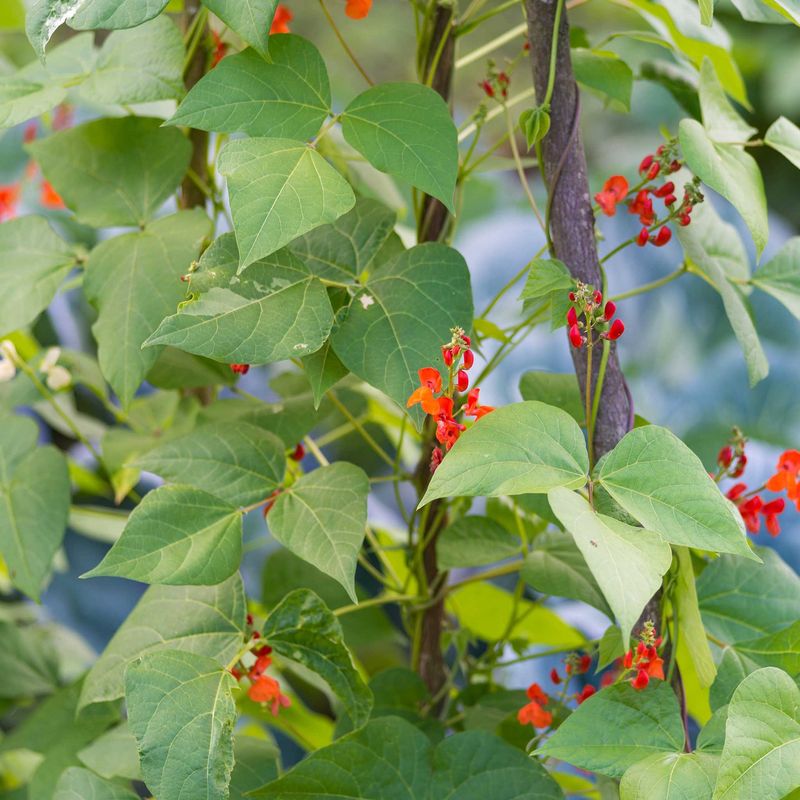
Bright red flowers, rapid vertical growth, and edible beans all on the same plant – scarlet runner beans bring a lot to a Pennsylvania garden trellis for very little effort.
These fast-climbing annuals are among the quickest ways to cover a fence or vertical structure with color, and they do it while also producing large, flat green beans that are edible when harvested young.
Direct sow scarlet runner bean seeds in late April once the risk of frost has passed in your part of Pennsylvania, typically after mid-April in most regions.
Push seeds about an inch deep and six inches apart at the base of a trellis, fence, or pole structure at least six feet tall.
The vines twine upward quickly and can reach impressive heights within just a few weeks of germinating.
Full sun is preferred, along with regular watering during dry spells. Scarlet runner beans are not heavy feeders, so a light application of compost at planting is usually sufficient.
The vivid red flowers attract hummingbirds and bumblebees throughout the summer, adding wildlife value alongside visual appeal.
As temperatures cool in late summer, allow some pods to mature fully on the vine if you want to save seeds for next April.
For Pennsylvania gardeners who want fast, colorful, and functional vertical coverage, scarlet runner beans are one of the most satisfying options available.