The California Native Plants That Look Better Once Spring Growth Kicks In
California has a way of surprising gardeners every single spring. Many native plants that looked a bit sparse, scraggly, or even a little dull through the chilly winter months suddenly pull off a dramatic transformation once the temperatures rise.
Because of California’s Mediterranean climate, our natives often spend the winter in survival mode, quietly conserving energy until conditions are just right.
When the spring sun finally hits, those same plants burst into life with fresh foliage, vibrant colors, and a renewed energy that makes the entire landscape feel alive again.
It is a rewarding reminder that a little patience in a California garden goes a long way.
1. California Lilac Fills Out With Fresh Spring Growth
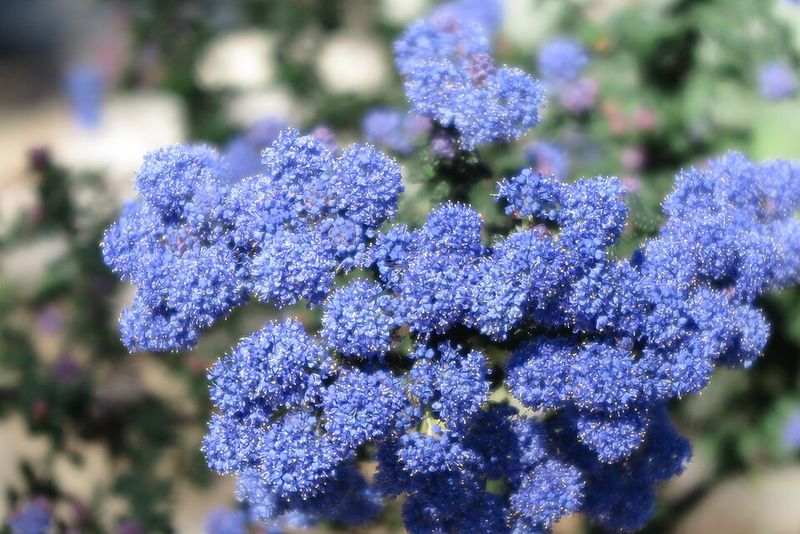
Few sights in a California garden are as rewarding as watching a California Lilac go from bare and twiggy in winter to absolutely loaded with blooms by spring.
Ceanothus, as it is botanically known, is one of the most beloved native shrubs in California, and for good reason.
Once spring warmth arrives, the plant responds quickly with a flush of fresh green leaves and dense clusters of blue, lavender, or white flowers.
The transformation can feel almost overnight. Gardeners who planted Ceanothus in fall and spent winter wondering if it was even alive often find themselves pleasantly surprised when spring growth kicks in.
Coastal California gardens tend to see earlier blooms, while inland areas may experience the full flower show a few weeks later as temperatures catch up.
California Lilac grows best in full sun with well-drained soil and very little supplemental water once established. It does not appreciate heavy clay or overwatering, which can stress the roots.
Giving it space to spread and letting it follow its natural growth cycle produces the best results. Spring is when this shrub truly earns its place in the landscape, offering stunning color alongside excellent habitat value for native bees and butterflies.
2. Manzanita Looks Fuller As New Leaves Appear
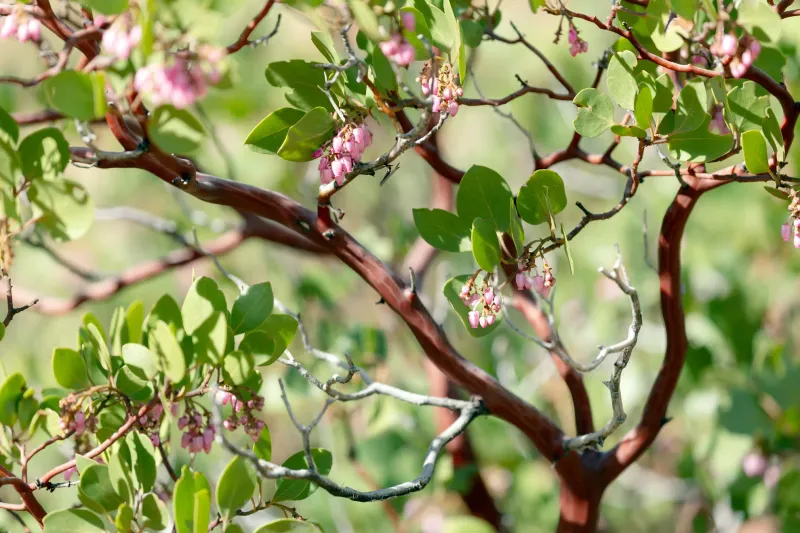
Walk past a Manzanita in January and you might notice the striking red bark but not much else. By spring, the story changes considerably.
Fresh, small leaves begin emerging along the stems, giving the plant a noticeably fuller silhouette that makes it look far more polished in a garden setting.
Manzanita is a genus with dozens of species native to California, ranging from low-growing ground covers to large multi-stemmed shrubs.
Each species responds to spring conditions slightly differently depending on elevation and region, but most show visible new growth as days get longer and temperatures climb.
Coastal varieties often stay green year-round, while drier inland types show more dramatic spring flushes.
What makes Manzanita so valuable in a California garden is its deep-rooted toughness. It thrives in rocky, well-drained soils and handles summer drought with ease once established.
Spring is also when the small urn-shaped flowers, which often appear in late winter, give way to berry-like fruit that wildlife love. Planting Manzanita where it gets full sun and good air circulation helps it grow at its best.
Your California Garden Changes Every Week. Your Plan Should Too.
Gardening in California changes quickly throughout the season. Every Friday you’ll receive a simple weekly plan showing exactly what to plant, prune, fertilize, harvest, and protect so you never miss the right timing.
Watching it fill in during spring is one of the quieter rewards of gardening with California natives.
3. Toyon Brightens Up With Spring Growth And Blooms
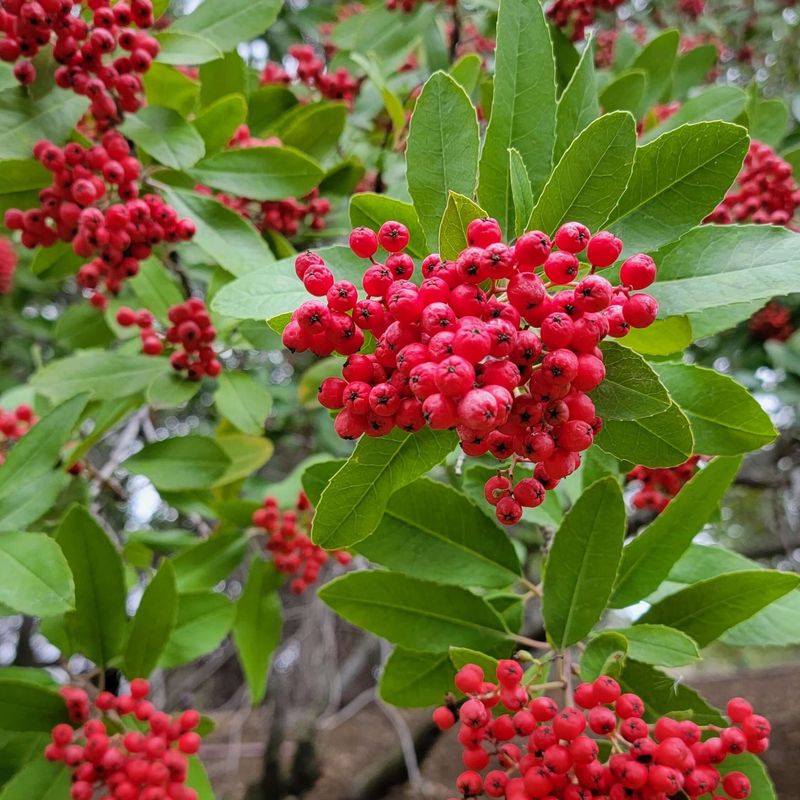
Sometimes called California Holly or Christmas Berry, Toyon is one of those plants that earns admiration in multiple seasons. While it is most famous for its clusters of bright red berries in winter, spring brings a whole new kind of charm.
Fresh growth fills in the canopy, and by late spring, clusters of small white flowers begin to appear, drawing in native bees and beneficial insects.
Toyon can look a bit weathered by the end of winter, with older leaves showing some wear and the overall shape feeling slightly open. Spring changes that quickly.
New stems push out with glossy, dark green leaves that give the shrub a clean, refreshed appearance. For gardeners in California’s coastal hills, foothills, and inland valleys, this seasonal shift can be quite dramatic.
Growing Toyon well means giving it full sun to partial shade and keeping irrigation minimal once it is established. It handles poor, rocky soils without complaint and can grow into a large shrub or small tree over time.
Birds are especially drawn to Toyon for both its fruit and its dense branching structure, which provides good nesting habitat. Spring is when this native really begins to show its layered seasonal personality.
4. California Fuchsia Sends Out Fresh Green Growth
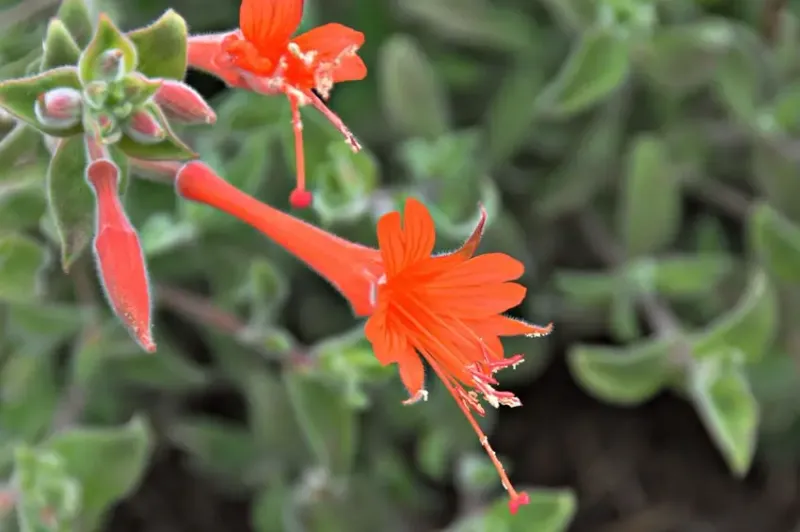
By late winter, California Fuchsia can look pretty rough. The stems are often woody and dry, and the plant can appear almost lifeless after months of cold and minimal moisture.
Spring is when things get interesting. Fresh green shoots begin pushing up from the base and along stems, quickly covering the plant in soft, silvery-green foliage that looks completely different from its winter state.
Epilobium canum, as it is formally known, is a vigorous grower once conditions are right. California gardeners who cut back the old stems in late winter or early spring often see the fastest and most attractive regrowth.
The new growth is noticeably brighter and more compact than older wood, giving the plant a tidier, more appealing look through spring and early summer before its signature scarlet flowers appear later in the season.
California Fuchsia handles a range of garden conditions well, from coastal gardens with mild summers to hot inland spots where few other plants would manage without heavy watering. It prefers full sun and well-drained soil.
One of its strongest qualities is drought tolerance once roots are established.
Spring growth is the foundation of its late-season floral display, which makes nurturing that early flush of new foliage well worth the effort.
5. Cleveland Sage Fills In With Soft New Foliage
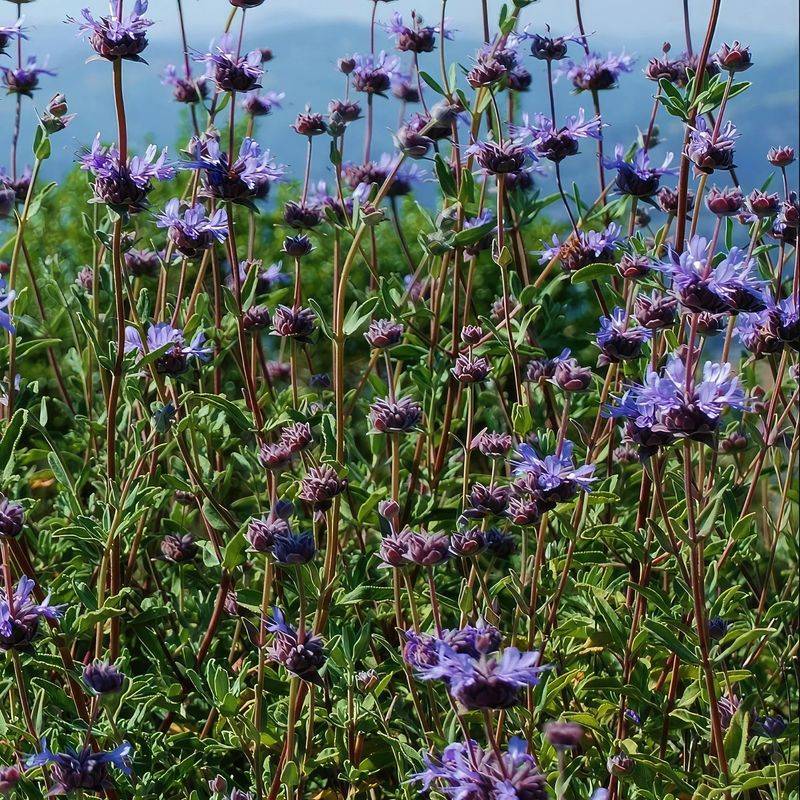
Open the garden gate on a warm spring morning near a Cleveland Sage and the first thing you notice is the scent. This aromatic native shrub has a distinctly clean, herbal fragrance that becomes more pronounced as fresh spring foliage emerges.
The new growth is noticeably softer and greener than older leaves, giving the plant a fuller, more inviting appearance after its quieter winter period.
Salvia clevelandii is native to Southern California and Baja California, and it is well suited to the dry, sunny conditions that define much of the region.
Through winter, the plant often looks a bit open and sparse, with older woody stems and muted gray-green foliage.
Spring changes the picture significantly. New stems fill in the gaps, and by late spring, the distinctive whorled purple-blue flower spikes begin rising above the foliage.
Gardeners in California’s inland valleys and coastal sage scrub areas find Cleveland Sage to be one of the most reliable natives for spring interest. It grows best in full sun with excellent drainage and very little supplemental water.
Pruning lightly after flowering encourages fresh growth the following season. Pollinators, particularly native bees and hummingbirds, are strongly attracted to the flowers, making spring and early summer a lively time around this plant.
6. California Sagebrush Looks Greener In Spring
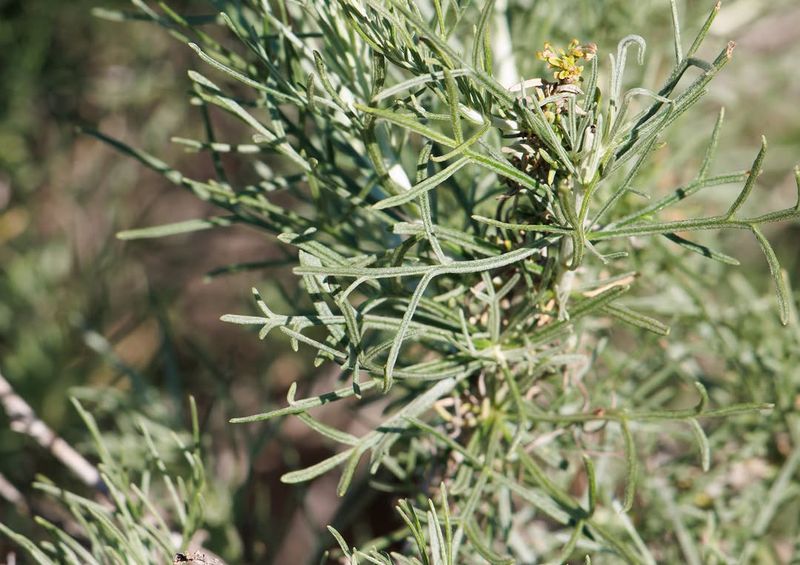
There is something quietly beautiful about California Sagebrush in spring.
After a winter of looking silvery-gray and somewhat thin, the plant takes on a noticeably greener, softer appearance as new growth emerges in response to warming temperatures and seasonal rainfall.
The feathery, aromatic foliage becomes denser, and the overall plant looks more lush and full than it does during any other time of year.
Artemisia californica is a cornerstone of California’s coastal sage scrub habitat. It is one of those plants that blends seamlessly into the landscape, but up close, the texture and fragrance of the foliage are genuinely impressive.
Spring is when that fragrance is at its most noticeable, especially on warm afternoons when the oils in the leaves are activated by sunlight and heat.
California Sagebrush grows well in a range of conditions, from coastal bluffs to dry inland hillsides. It prefers full sun and fast-draining soil, and it handles summer drought without needing supplemental irrigation once established.
Gardeners who want a low-maintenance native with strong wildlife value will appreciate how many birds use its branches for nesting and cover.
Cutting back older, woody growth in late winter encourages the fresh spring flush that makes this plant look its most appealing.
7. Coyote Brush Thickens With New Seasonal Growth
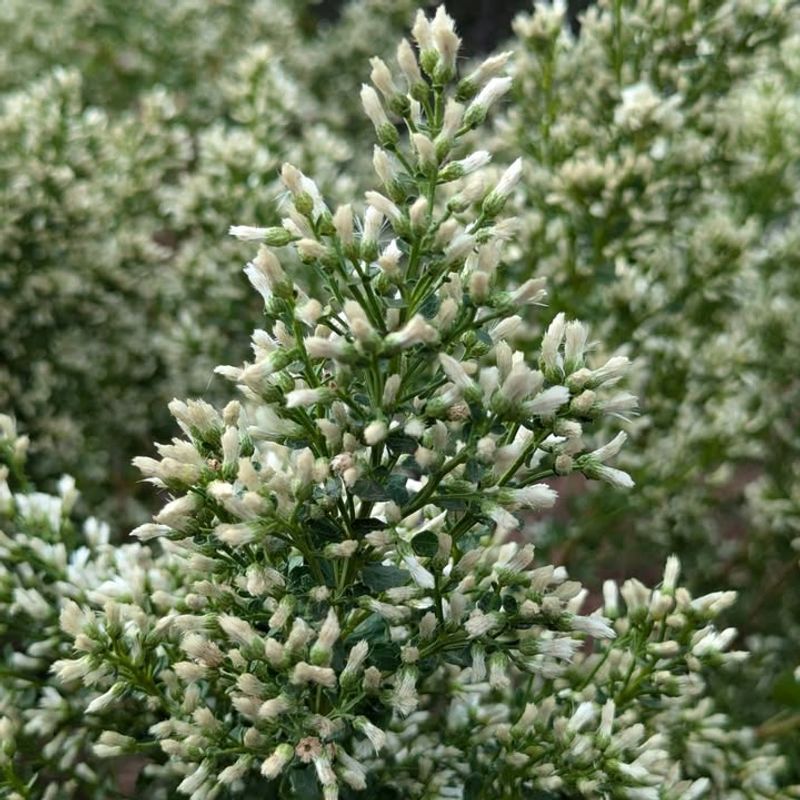
Coyote Brush is one of the hardest-working native shrubs in California, and spring is when it really starts showing off. After a relatively quiet winter, this fast-growing plant pushes out a wave of fresh new stems and leaves that quickly thicken its canopy.
The result is a noticeably denser, greener shrub that looks far more substantial than it did just a few months earlier.
Baccharis pilularis is found naturally along California’s coast, in chaparral, and in foothill zones. It tolerates a wide range of soil types and handles both coastal winds and inland heat without much fuss.
Spring growth is particularly vigorous in areas that received good winter rainfall, which gives the plant the moisture it needs to push out new stems efficiently.
One thing California gardeners appreciate about Coyote Brush is how little it demands in return for how much it gives.
It rarely needs supplemental watering once established and can go years without pruning, though light shaping in late winter helps direct spring growth into a more attractive form.
It is also a significant wildlife plant, supporting dozens of native insect species and providing cover for small birds. Watching it fill in during spring is a reminder of how resilient California’s native plants can be.
8. California Buckwheat Gains Density In Spring
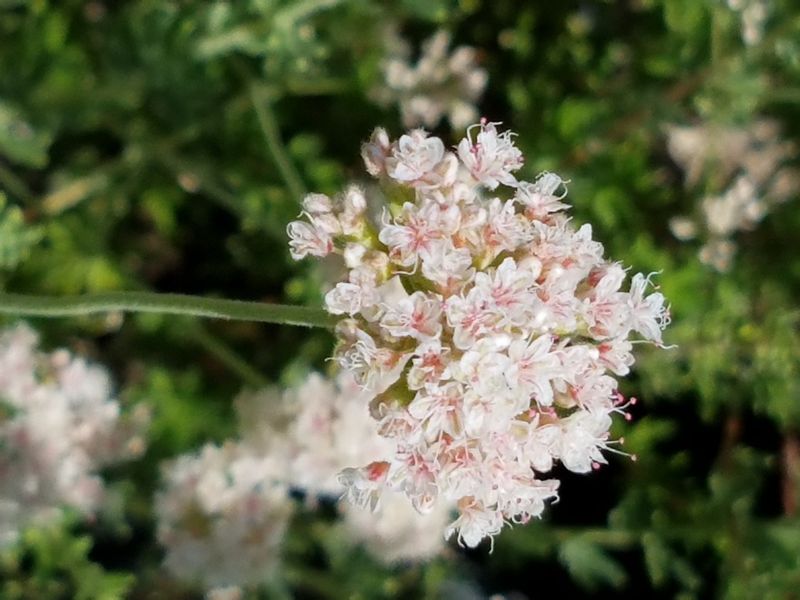
Few California natives are as generous with their seasonal changes as Buckwheat.
Eriogonum fasciculatum can look fairly sparse and woody through the winter months, with older stems taking up much of the visual space.
Then spring arrives, and the plant begins filling in with fresh green leaves and new stems that add real density and structure to the overall shape.
California Buckwheat is native to a broad stretch of Southern California and is one of the most ecologically important plants in the chaparral and coastal sage scrub communities.
It is a critical food source for native bees, butterflies, and other pollinators, particularly during its blooming period, which typically begins in late spring and extends into summer.
The small white to pinkish flower clusters that appear are modest individually but collectively cover the plant in a way that feels generous and full.
In the garden, Buckwheat grows best in full sun with lean, well-drained soil. It strongly dislikes heavy clay or overwatering and tends to look its best when left to grow naturally with minimal intervention.
Spring is when the fresh growth makes the plant look most inviting, and California gardeners who give it room to spread are usually rewarded with an increasingly attractive shrub season after season.
9. Sticky Monkey Flower Starts Fresh Growth And Blooms
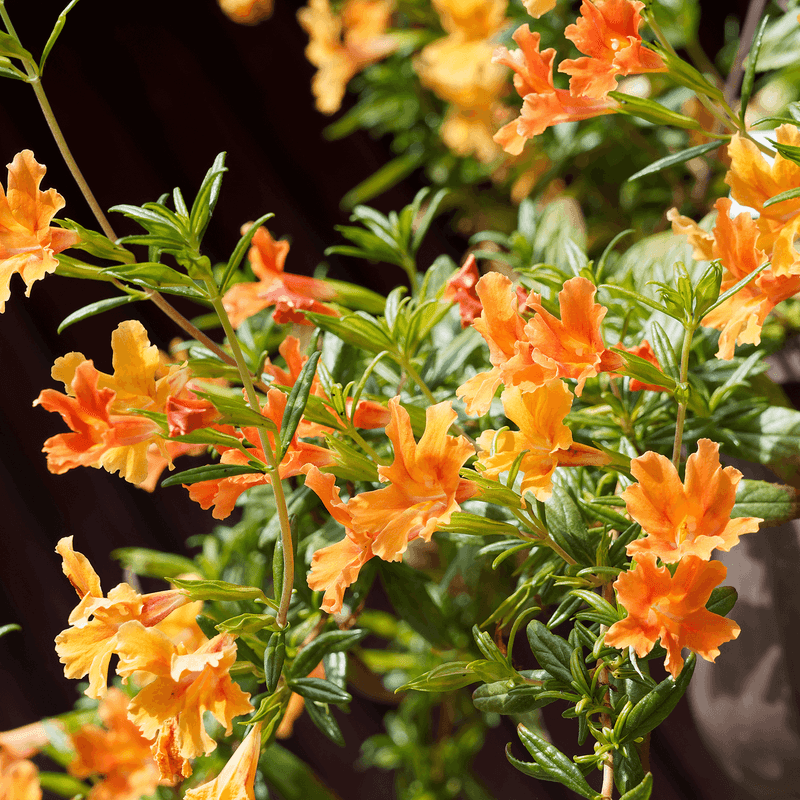
There is a certain cheerfulness to Sticky Monkey Flower in spring that is hard to ignore.
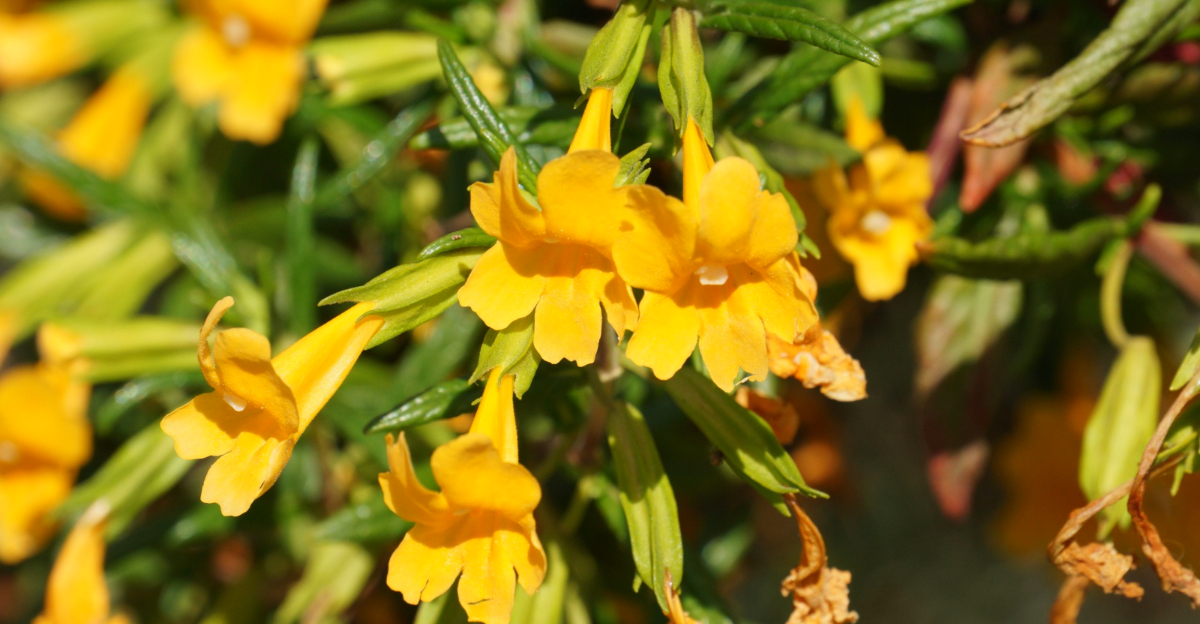
After spending winter looking thin and a bit rough around the edges, this California native comes alive with fresh green growth and bright orange tubular flowers that seem almost too vivid for such a compact plant.
The contrast between the dark, sticky leaves and the warm-toned blooms is genuinely striking.
Diplacus aurantiacus, formerly classified as Mimulus, grows naturally in a wide range of California habitats, from coastal scrub to dry inland slopes.
It is one of the earlier California natives to begin flowering in spring, which makes it especially valuable for hummingbirds emerging from their winter range.
Watching a hummingbird work through a patch of Sticky Monkey Flower in early spring is one of those small garden moments that stays with you.
Growing this plant well means providing full sun to light shade and keeping soil on the drier, well-drained side. Overwatering is one of the most common mistakes gardeners make with this species.
Cutting back old stems in late winter encourages the fresh spring flush that produces the best flowering. Along California’s coast, plants may bloom for an extended period, while inland plants tend to flower more intensely over a shorter window.
10. Yarrow Pushes Out New Feathery Growth
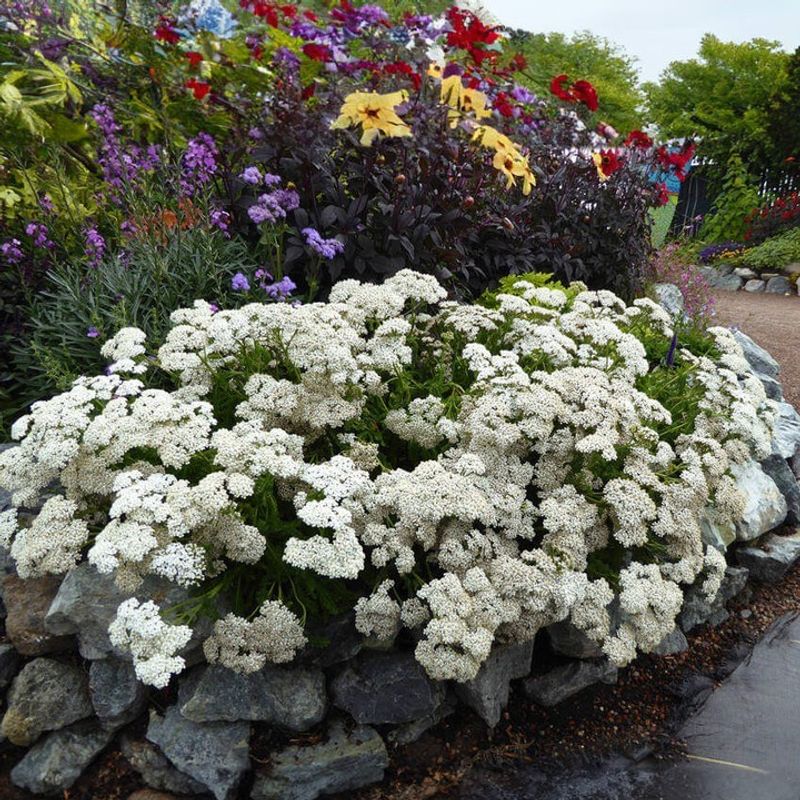
Something quietly satisfying happens in a California garden when Yarrow begins pushing out its new spring growth.
The feathery, finely divided leaves emerge in a fresh shade of green that looks soft and almost delicate, a noticeable contrast to the flattened, dry appearance the plant tends to carry through winter.
The new foliage fills in quickly, giving Yarrow a full, lush look well before its flowers appear.
Achillea millefolium, in its California native form, is a tough and adaptable perennial that grows across a broad range of habitats, from coastal meadows to inland valleys. It handles poor soils, moderate drought, and full sun without complaint.
Spring is when the plant resets and begins its most active growth phase, producing fresh leaves from the base and gradually building toward its flat-topped flower clusters, which typically appear from late spring into early summer.
California gardeners often use Yarrow as a low-care filler between larger shrubs or as a meadow-style ground cover.
Cutting back old stems to the base in late winter or early spring encourages the cleanest, most vigorous new growth.
Pollinators are strongly attracted to the flowers, making Yarrow a useful addition to any California native garden focused on supporting local wildlife. Spring growth is genuinely the best version of this plant.