8 Georgia Entry Path Plants That Look Expensive But Need Little Water
Some entry paths in Georgia look polished and high-end, while others feel a bit flat no matter how much effort goes into them. The difference often comes down to plant choice, not budget.
Certain plants naturally create that clean, put-together look people associate with more expensive landscapes, and they do it without needing constant watering or attention.
When the right ones are placed along a path, the whole entrance starts to feel more intentional and inviting without trying too hard.
Low water needs matter more than many people expect, especially once heat and dry stretches start to show up. Plants that hold their shape, keep their color, and stay reliable through changing conditions make a noticeable difference over time.
A well-chosen path can stay sharp and appealing without turning into extra work, and that is exactly what makes these plant choices stand out in Georgia landscapes.
1. Loropetalum Adds Rich Color With Low Water Once Established
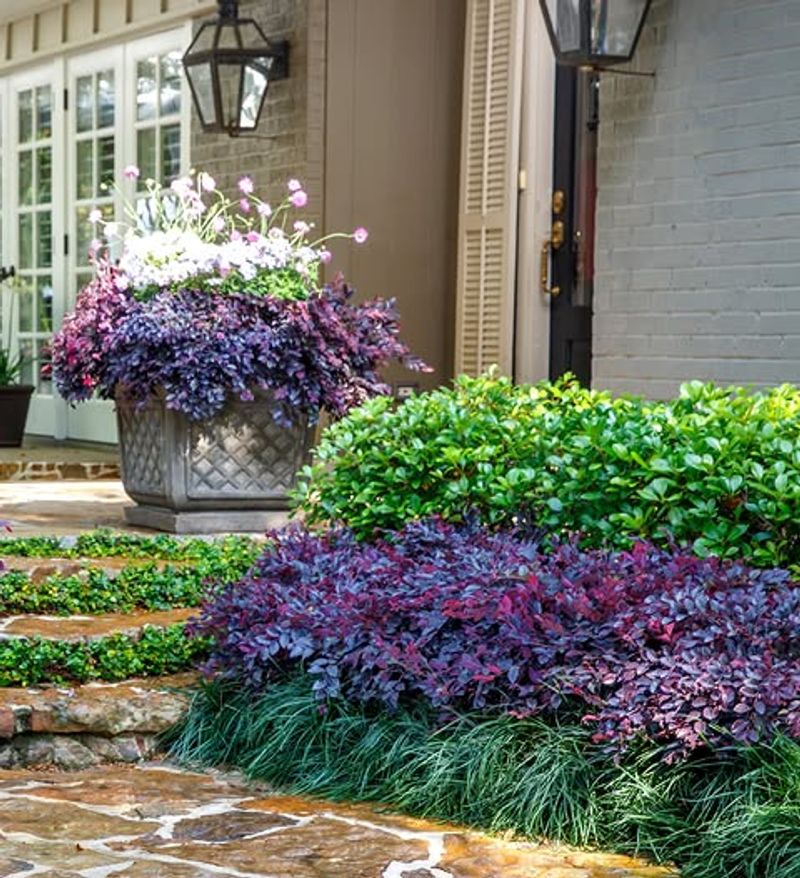
Burgundy foliage and hot pink blooms on the same plant — Loropetalum does not apologize for being bold. Along a Georgia entry path, it creates the kind of color contrast that looks like someone hired a professional designer.
The dark leaves hold their color through most of the year, which is rare in the shrub world.
Georgia’s heat suits Loropetalum well. It blooms most heavily in spring, then often repeats lightly through summer and fall.
The plant prefers slightly acidic soil, which is common across much of Georgia, so major soil amendments are usually not necessary. Full sun to partial shade both work, though deeper color tends to develop in sunnier spots.
Watering needs drop significantly after the first growing season. During dry stretches in summer, a deep watering every week or two keeps it looking good without overdoing it.
Varieties like ‘Purple Pixie’ stay compact and low, ideal for tight entry paths, while ‘Crimson Fire’ grows taller if you want more presence. Pruning right after the spring bloom keeps the shape clean without cutting off next year’s flower buds.
Loropetalum is genuinely one of the more rewarding shrubs you can plant along a Georgia walkway.
It holds its color even when other plants start to fade, which keeps the entry path from looking washed out in the heat.
Once it settles in, Loropetalum brings steady color and structure without needing constant attention year-round reliably.
2. Boxwood Creates A Clean And Structured Entry Look
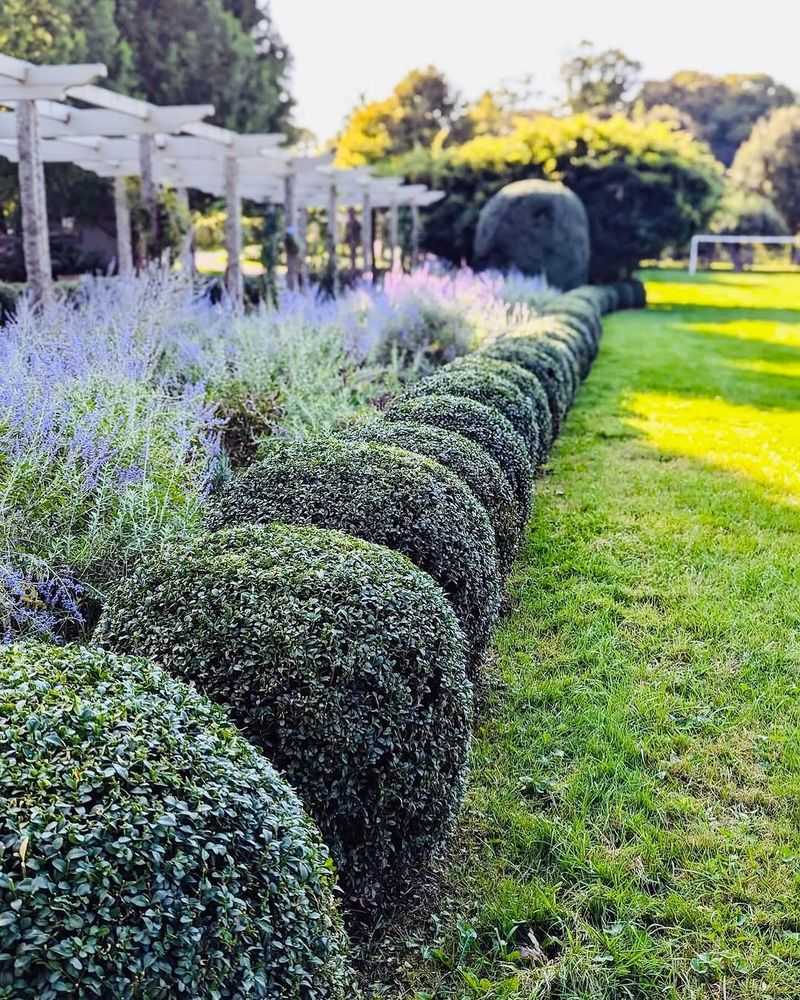
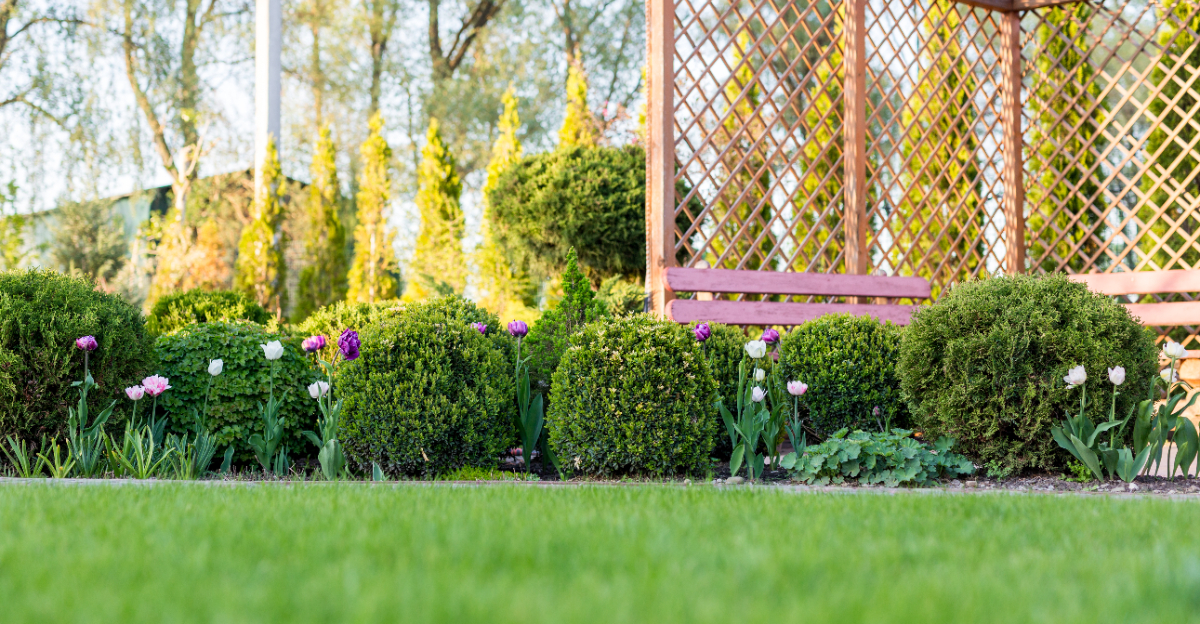
Few plants pull off that crisp, tailored look quite like boxwood. Lined up along a Georgia entry path, a row of well-trimmed boxwood shrubs can make a modest front yard feel intentional and put-together.
Visitors notice the structure before they notice anything else.
Boxwood handles Georgia’s clay-heavy soils reasonably well, especially if you improve drainage at planting time. During the first season, you will need to water regularly while roots get settled.
After that, established plants can go longer between waterings than most people expect, though prolonged drought in July and August can stress them without occasional deep watering.
Your Georgia Garden Changes Every Week. Your Plan Should Too.
Gardening in Georgia changes quickly throughout the season. Every Friday you’ll receive a simple weekly plan showing exactly what to plant, prune, fertilize, harvest, and protect so you never miss the right timing.
Compact varieties like ‘Winter Gem’ or ‘Green Mountain’ stay tidy with just one or two trims per year. Skip the fertilizer overload — boxwood fed too heavily tends to push soft growth that invites pests.
A light slow-release application in early spring is usually enough in Georgia’s climate. Keep mulch a few inches away from the base to prevent stem rot in humid summers.
Plant them in partial to full sun for the best density and color. Boxwood rewards patience with years of reliable, structured beauty that looks far more expensive than it actually is.
Once established, they hold their shape through the seasons with minimal effort, which is part of what makes them such a reliable choice for entry paths.
With the right placement and light care, boxwood keeps that clean, polished look without turning into a high-maintenance project.
3. Dwarf Yaupon Holly Offers A Neat And Drought-Tolerant Shape
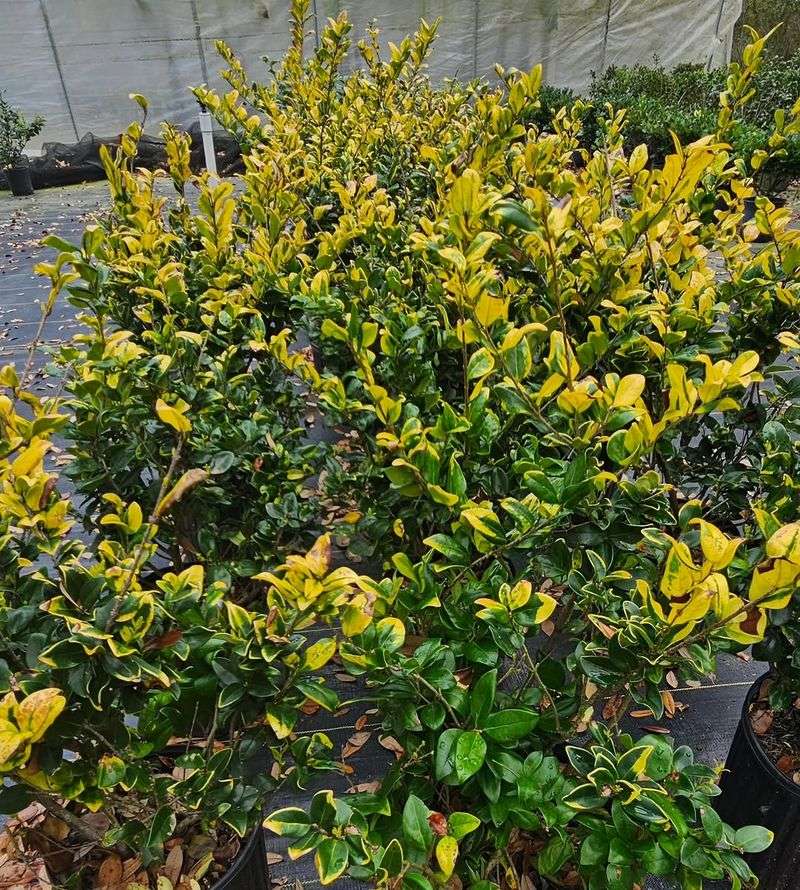
Yaupon Holly is quietly one of the toughest shrubs growing in Georgia right now. The dwarf form keeps things compact and rounded without much effort, which makes it a natural fit for entry paths where you want structure without constant pruning.
It stays green year-round, which matters a lot during Georgia’s unpredictable winters.
Drought resistance is where Yaupon Holly genuinely stands out. Once roots have had a full season to spread, this shrub can handle dry stretches that would stress most ornamental plants.
It tolerates poor soil, heat, humidity, and even brief flooding — a combination that is hard to find in one plant. Sandy soils in south Georgia and clay soils in the Piedmont region both work reasonably well.
Female plants produce small red or yellow berries in fall and winter, adding seasonal interest that elevates the entry path look without any extra effort. Varieties like ‘Schillings Dwarf’ or ‘Nana’ stay under three feet tall and wide, fitting neatly along narrow walkways.
Full sun produces the densest growth, but partial shade is fine. Minimal fertilizing and occasional shaping are about all it asks for.
For Georgia gardeners who want dependable greenery with almost no fuss, Yaupon Holly delivers consistently.
It keeps its shape naturally, so it rarely turns into a pruning project the way other shrubs can. With that kind of durability, it fills in an entry path with steady structure without demanding much in return.
4. Liriope Works As A Tidy Border With Minimal Water Needs
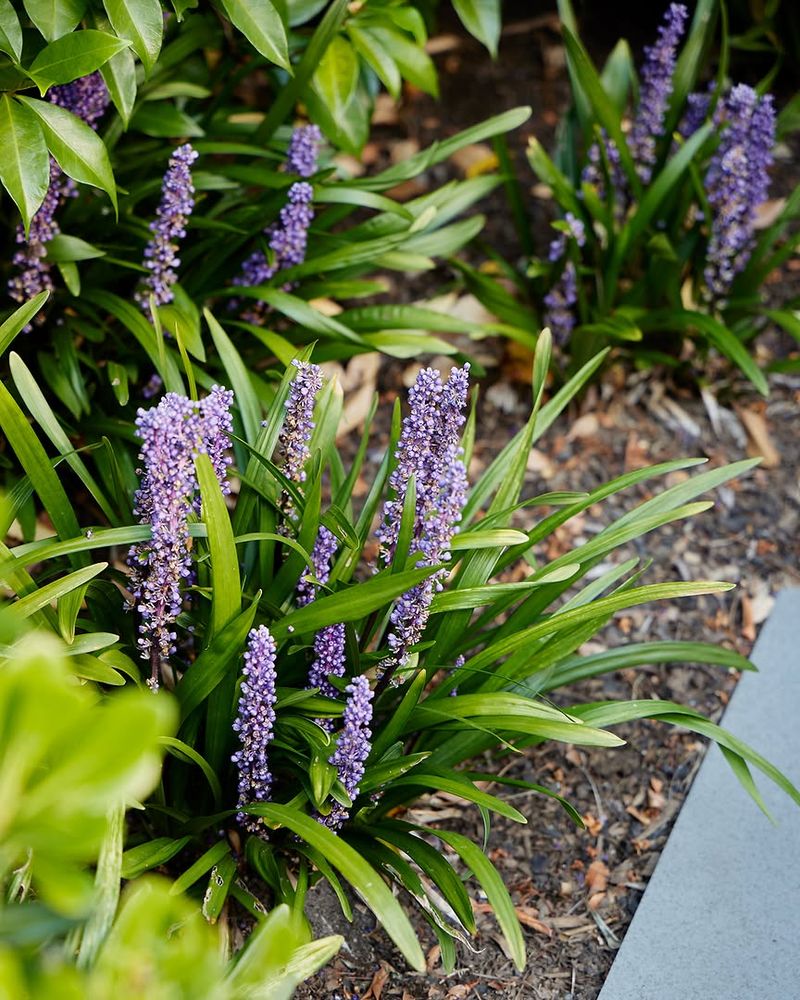
Walk up to almost any well-maintained Georgia property and there is a good chance Liriope is doing quiet, reliable work along the edges. It forms neat clumps of arching, grass-like foliage that stays attractive through most seasons.
Purple flower spikes appear in late summer, adding an unexpected detail that catches the eye.
Liriope handles dry conditions better than its lush appearance suggests. Established clumps rarely need supplemental watering except during extended dry spells in peak summer.
It spreads slowly over time, gradually filling gaps along an entry path without becoming invasive the way some ground covers do. Both full sun and deep shade produce acceptable results, though partial shade tends to bring out the richest foliage color in Georgia’s climate.
Cut the old foliage back to a few inches in late winter before new growth emerges — this keeps the planting looking fresh rather than ragged. Varieties like ‘Big Blue’ offer bold texture, while ‘Silver Dragon’ adds variegated foliage for a more refined look.
Liriope pairs well with other plants on this list, especially Boxwood and Loropetalum, as a low edging layer. Fertilizing once in spring with a balanced granular product is usually sufficient.
Few plants offer this level of reliability with this little attention in Georgia gardens.
That steady, low profile is exactly what helps everything around it stand out without competing for attention.
5. Muhly Grass Adds Soft Movement With Excellent Drought Tolerance
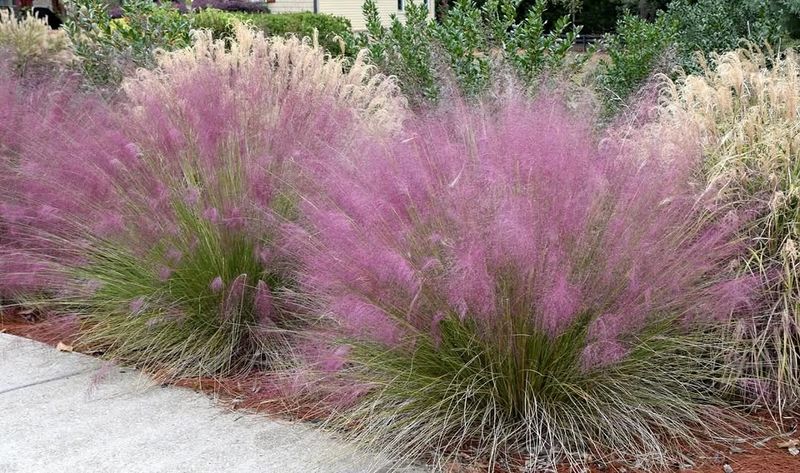
Come September in Georgia, Muhly Grass does something almost magical — it erupts into clouds of pink and rose-colored plumes that move with every breeze. Nothing else in a typical Georgia landscape creates that kind of soft, airy drama at the end of summer.
And it does it without asking for much water at all.
Muhly Grass thrives in full sun and well-drained soil, both of which are easy to provide along most entry paths. It forms tight clumps about two to three feet tall and wide, making it easy to space along a walkway without overcrowding.
The fine-textured foliage stays green through summer and turns a warm copper color after the plumes fade in late fall.
Watering during the first summer helps roots establish, but after that, Muhly Grass handles dry periods without visible stress in most Georgia conditions. Avoid heavy clay soil without amendment, as poor drainage is one of the few things that can cause problems over time.
Cut it back to about six inches in late winter before new growth starts. No aggressive fertilizing needed — too much nitrogen pushes leafy growth at the expense of those spectacular fall plumes.
Plant it where afternoon light can backlight the plumes for the most striking effect.
6. Yucca Adds A Bold Architectural Look With Very Low Water Needs
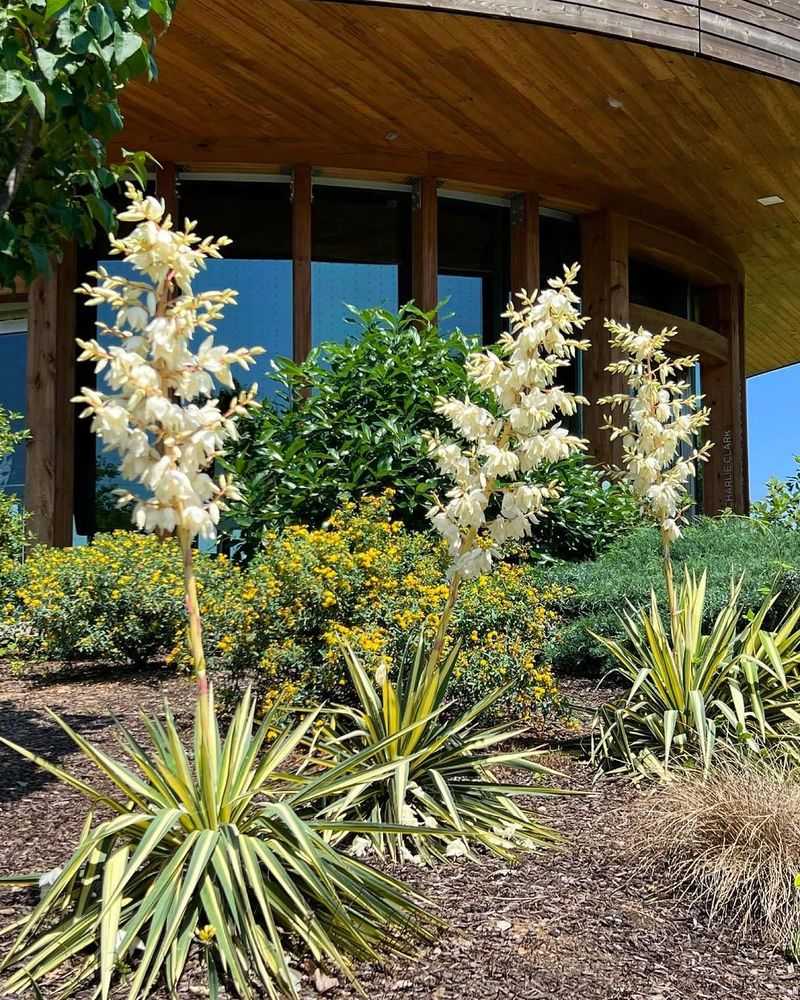
Yucca is not trying to blend in, and that is exactly the point. Planted at the corner of an entry path or used as a focal point near the front door, it creates a sculptural presence that most shrubs simply cannot match.
The stiff, sword-shaped leaves and tall flower spikes look almost architectural — like something out of a high-end resort landscape.
In Georgia, Yucca handles heat and drought with little complaint. Sandy soils in the coastal plain region suit it especially well, though it adapts to most well-drained soils across the state.
Standing water and heavy clay without amendment are the main conditions to avoid. Full sun is ideal, but light shade is tolerated, though flowering may be reduced.
Tall creamy-white flower spikes appear in late spring to early summer, rising dramatically above the foliage. After the bloom fades, the spike can be cut back cleanly.
Spent outer leaves can be removed periodically to keep the plant looking tidy rather than overgrown. Varieties like ‘Color Guard’ add yellow-striped foliage for extra visual interest without sacrificing toughness.
Watering needs are minimal after the first season — rain alone handles it through most Georgia winters and springs. Yucca rewards neglect better than almost anything else on this list.
7. Coreopsis Delivers Bright Color With Low Water Needs
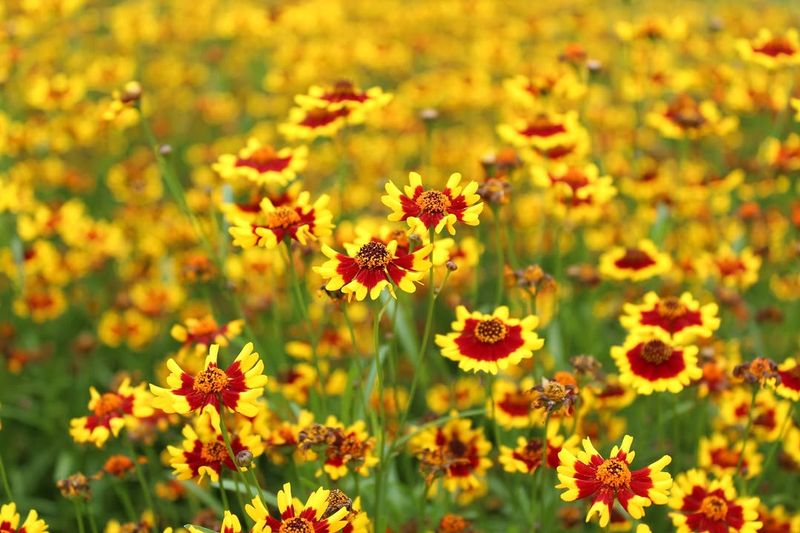
Bright yellow flowers from late spring straight through summer — Coreopsis earns its spot on any Georgia entry path by delivering consistent color during the hottest months when other plants slow down or fade.
The blooms are cheerful without being overwhelming, and they hold up surprisingly well even during stretches of dry, hot weather.
Coreopsis prefers full sun and lean, well-drained soil. Interestingly, overly rich or heavily amended soil can actually work against it, causing floppy growth and fewer flowers.
Georgia’s sandy or loamy soils in their natural state tend to suit Coreopsis better than heavily fertilized garden beds. Deadheading spent flowers encourages continued blooming, though some newer varieties rebloom reliably without it.
Watering needs are genuinely low after plants settle in through the first season. During Georgia’s dry summer periods, a deep watering every ten days or so keeps plants producing flowers without overwatering, which can cause root problems.
Varieties like ‘Moonbeam’ offer soft yellow tones, while ‘Zagreb’ produces brighter gold. Both stay compact, usually under eighteen inches, fitting neatly along walkway edges.
Coreopsis also attracts small pollinators throughout the bloom season, adding quiet life to an entry path. Cut plants back by about a third in midsummer to encourage a strong flush of late-season flowers.
8. Russian Sage Adds Airy Color And Thrives In Dry Conditions
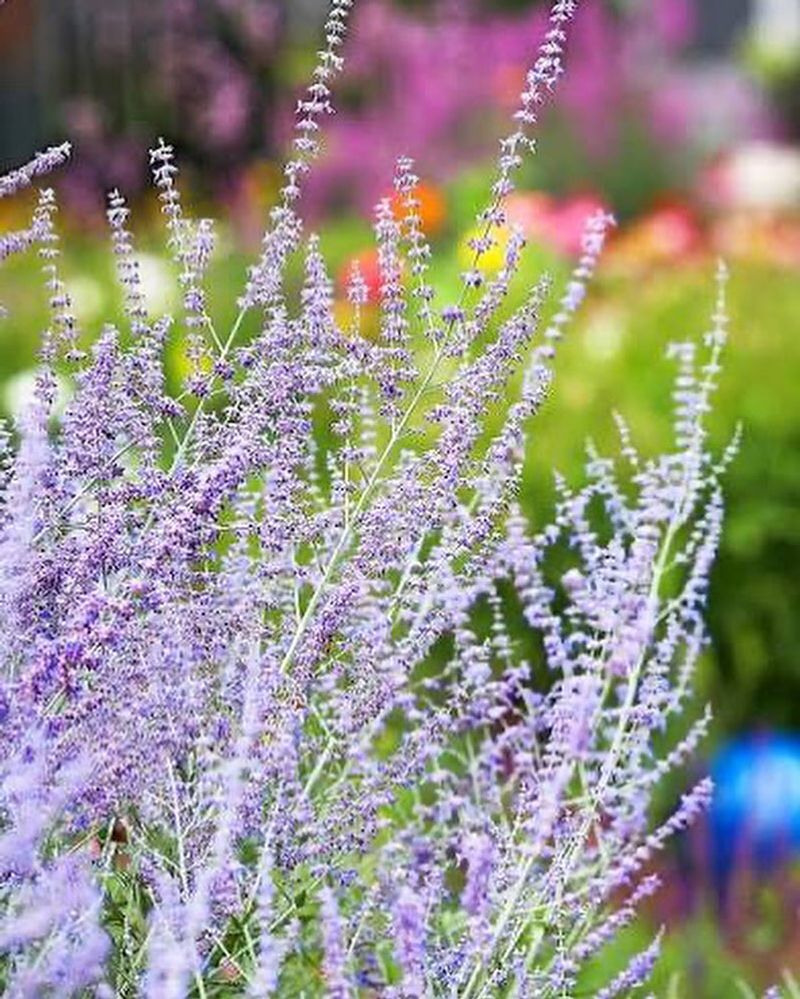
Silvery stems, lavender-blue flower spikes, and a light, hazy texture that softens any landscape — Russian Sage brings a look that is genuinely hard to achieve with other plants.
Along a Georgia entry path, it creates an almost dreamy quality in summer that contrasts beautifully with darker, denser shrubs like Loropetalum or Yaupon Holly.
Russian Sage handles dry conditions well and actually performs better in lean soil than in rich, heavily amended beds. Georgia’s summer heat does not bother it much, especially in areas with good air circulation.
Full sun is non-negotiable — shade causes floppy, weak growth and significantly reduces flowering. Well-drained soil matters too, since wet feet in Georgia’s humid summers can cause stem problems over time.
Blooming typically runs from early summer through fall, giving it one of the longest display windows of any plant on this list. The silvery foliage carries visual interest even before and after the bloom period.
Cut plants back hard in late winter or very early spring — down to about six to eight inches — to keep them from getting woody and open at the base. New growth comes back vigorously.
Pairing Russian Sage with Muhly Grass or Coreopsis along an entry path creates a soft, layered color combination that looks professionally planned without requiring much ongoing effort in Georgia’s climate.