North Carolina Hydrangeas That Bloom Even In Dry April Conditions
Think North Carolina spring is all rain and rainbows? Think again.
April in the Tar Heel State can be surprisingly fickle, with warming temperatures and tricky clay or sandy soils that leave gardens parched just as the blooming season begins.
If you’ve ever watched your favorite hydrangeas wilt the moment the clouds disappear for a few days, you aren’t alone.
But here’s the secret: not all hydrangeas are “drama queens” when it comes to water. Some varieties actually handle those short dry spells with grace.
For North Carolina gardeners wanting show-stopping blooms without the constant watering stress, picking the right drought-tolerant variety is a total game-changer.
1. Panicle Hydrangea Handles Sun Across North Carolina
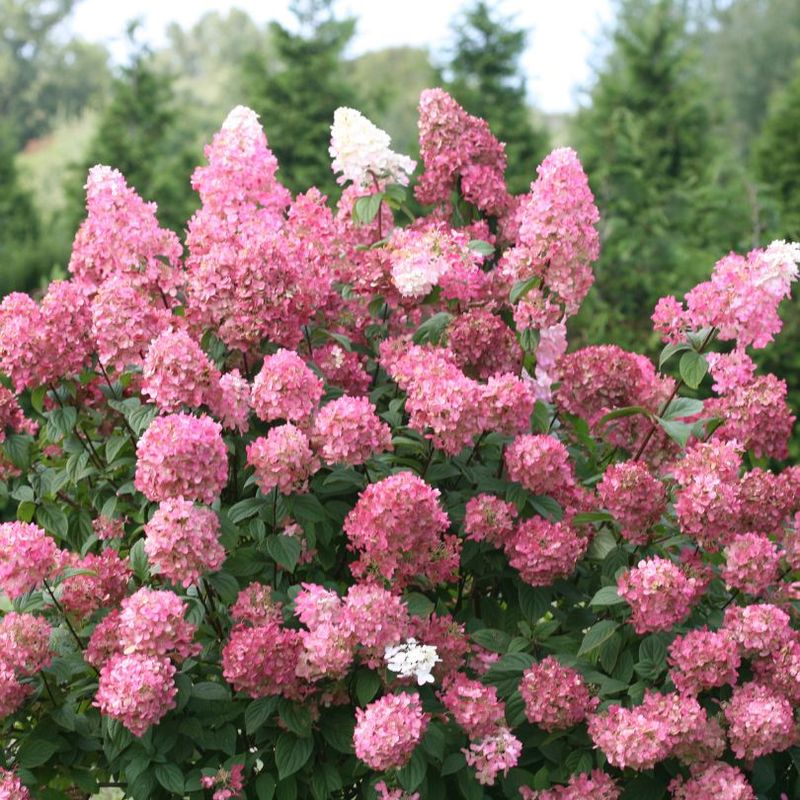
Out of all the hydrangeas that can handle North Carolina’s unpredictable April weather, the panicle hydrangea stands out for its toughness in full sun and lower moisture situations.
Unlike many flowering shrubs that wilt quickly when rain skips a week, established panicle hydrangeas keep pushing out growth even when the soil feels dry on top.
Panicle hydrangeas bloom on new wood, which means pruning in late winter or early spring sets them up for a fresh round of blooms each season. That growth habit also means dry spells in April rarely threaten the flower buds, since they haven’t formed yet.
Gardeners across the Piedmont and Coastal Plain regions of North Carolina have found this variety to be one of the most reliable performers when spring rainfall comes up short.
Cultivars like ‘Limelight’ and ‘Little Quick Fire’ tend to do especially well in North Carolina’s warmer, sunnier spots.
Applying a 2- to 3-inch layer of mulch around the base helps lock in soil moisture and keeps roots cooler during warm April afternoons.
Deep watering once or twice a week during dry stretches gives the plant what it needs without overwatering.
With the right placement and a little preparation, panicle hydrangeas reward North Carolina gardeners with impressive cone-shaped blooms that shift from white to pink as summer arrives.
2. Oakleaf Hydrangea Thrives In Piedmont And Mountain Soils
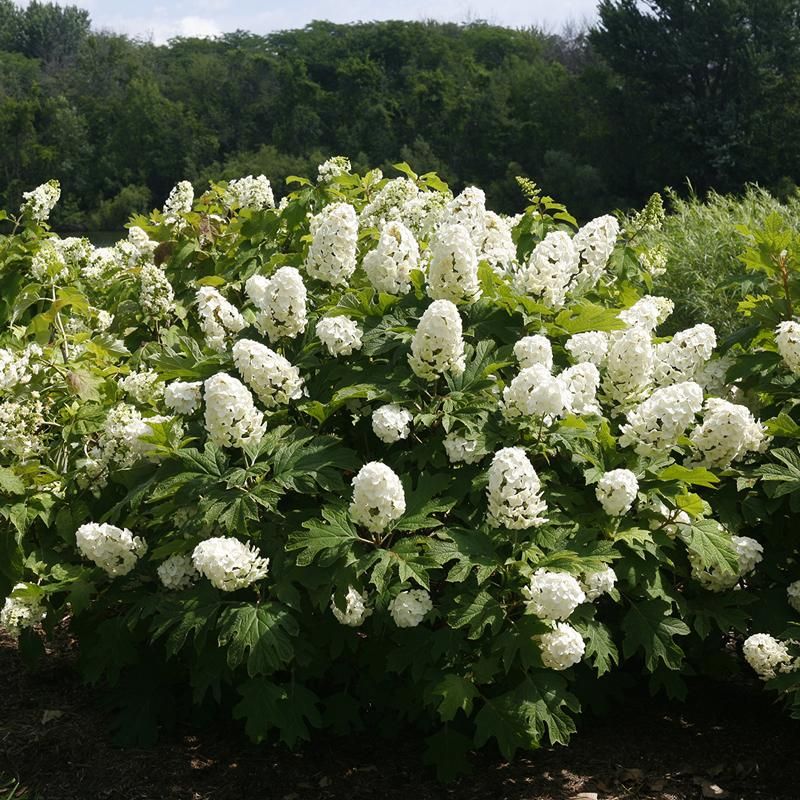
Few plants feel as naturally at home in North Carolina as the oakleaf hydrangea.
Native to the southeastern United States, this species developed thick, waxy leaves over time that help reduce water loss during dry stretches, giving it a noticeable edge over other hydrangea types when April brings less rain than expected.
Across the Piedmont and into the mountain foothills of North Carolina, oakleaf hydrangeas tend to settle in comfortably once established.
They prefer well-drained soils with some organic matter mixed in, and they can handle the clay-heavy ground that shows up in many Piedmont yards better than most gardeners expect.
Partial shade suits them well, though they can manage a few hours of morning sun without showing stress.
The blooms appear as large, elongated white clusters that gradually turn pinkish-tan as the season progresses. Even in a dry April, established plants often push out strong flower heads because their root systems have learned to reach deeper for moisture.
Your North Carolina Garden Changes Every Week. Your Plan Should Too.
Gardening in North Carolina changes quickly throughout the season. Every Friday you’ll receive a simple weekly plan showing exactly what to plant, prune, fertilize, harvest, and protect so you never miss the right timing.
Mulching generously around the base goes a long way toward helping younger plants get through their first dry season.
The oakleaf hydrangea also offers beautiful fall color and interesting peeling bark, making it a multi-season standout in North Carolina landscapes.
For gardeners looking for a native option that handles spring dry spells without much fuss, this one earns a close look.
3. Smooth Hydrangea Adapts Well Across North Carolina
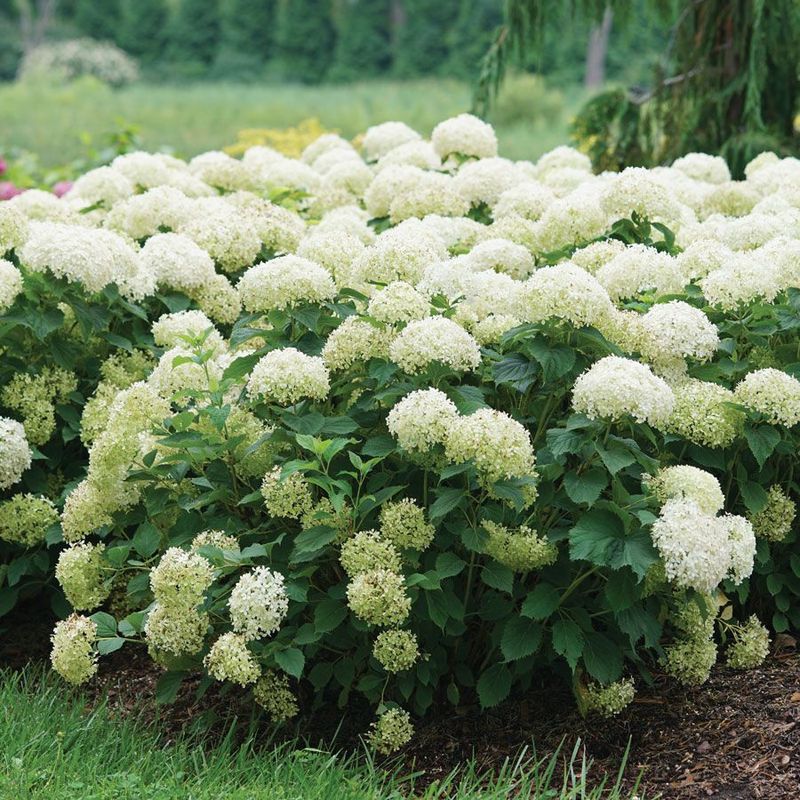
North Carolina gardeners who have watched their smooth hydrangeas bounce back after a dry April stretch know just how adaptable this species can be.
Native to the eastern and central United States, smooth hydrangeas have developed a root system that reaches out broadly, helping them pull moisture from a wider area of soil when rainfall runs low.
Varieties like ‘Annabelle’ and ‘Incrediball’ are popular across North Carolina for good reason.
They bloom on new wood, so even if a late frost or dry spell affects early spring growth, fresh stems push up quickly and still produce large, round flower clusters by early summer.
That resilience makes them a smart pick for gardeners across the Coastal Plain, Piedmont, and even into the foothills.
Smooth hydrangeas do best in partial shade, especially in the warmer parts of North Carolina where afternoon sun can dry out the soil faster. Morning sun with afternoon shade helps the plant manage heat and moisture loss more efficiently.
Adding organic compost to the planting area improves water retention in both sandy coastal soils and heavy Piedmont clay.
During dry April weeks, a deep watering session every five to seven days keeps the root zone from drying out too much.
With minimal fuss, smooth hydrangeas produce some of the most striking blooms in the North Carolina garden through late spring and into summer.
4. Mountain Hydrangea Fits Cooler Mountain And Piedmont Gardens
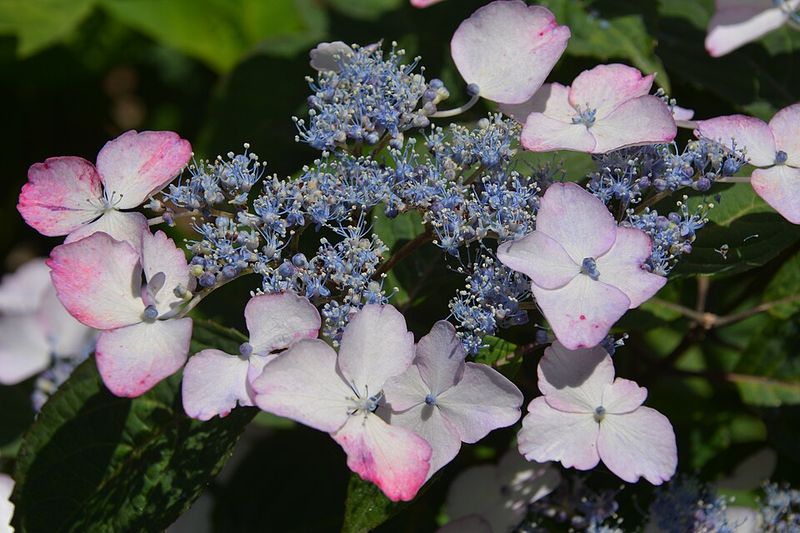
Cooler temperatures and slightly higher rainfall in North Carolina’s mountain regions create conditions that mountain hydrangeas genuinely appreciate.
But even in those elevations, April can sometimes turn drier than expected, and knowing how this species holds up during those stretches helps gardeners plan more confidently.
Mountain hydrangeas, sometimes called serrata hydrangeas, are closely related to bigleaf hydrangeas but tend to be a bit more compact and slightly more tolerant of temperature swings.
Their lacecap-style blooms give gardens a delicate, airy look that feels right at home in the wooded landscapes of western North Carolina.
They prefer partial shade and consistently moist, well-drained soil, but established plants can manage short dry spells without losing their bloom potential.
In the Piedmont, mountain hydrangeas can still perform well when planted in a spot with afternoon shade and amended soil. Adding compost before planting helps the soil hold moisture longer, which matters when April rains are sparse.
Mulching with shredded leaves or wood chips around the base reduces evaporation and keeps the root zone cooler.
Bloom color often shifts between blue and pink depending on soil pH, adding an extra layer of interest for North Carolina gardeners who enjoy experimenting.
Watering deeply every week during dry periods, rather than lightly and frequently, encourages roots to grow deeper and become more resilient over time. That deeper root development pays off during the next dry April stretch.
5. Climbing Hydrangea Suits Shady Mountain Yards
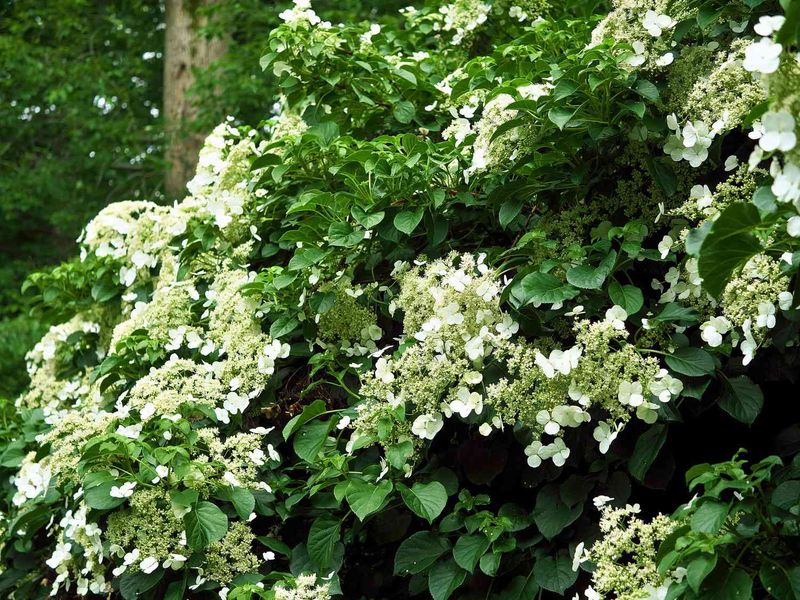
Shady mountain yards in North Carolina sometimes get overlooked when people talk about hydrangeas, but climbing hydrangeas were practically built for those spots.
Clinging to stone walls, wooden fences, or large tree trunks, this vine-like species creates a dramatic floral display that few other plants can match in low-light conditions.
Climbing hydrangeas are slow to establish, often spending their first two or three years focusing on root development rather than flowering. That patience pays off in the long run.
Once the root system is established, the plant becomes noticeably more capable of handling dry April stretches without showing significant stress.
Gardeners in the higher elevations of North Carolina, where spring temperatures fluctuate and rainfall can be unpredictable, often find that mature climbing hydrangeas hold up better than expected during dry spells.
The flat, lacecap-style blooms appear in late spring and carry a quiet elegance that suits the shaded corners of mountain properties.
Since climbing hydrangeas prefer consistent moisture, mulching heavily around the base is especially helpful during dry periods.
Keeping the root zone cool and covered reduces how quickly the soil dries out between rain events.
In North Carolina’s mountain region, where morning mist and cooler nights provide some natural relief, these plants tend to manage dryness better than they would in the warmer Piedmont.
Choosing a north- or east-facing wall gives them the shaded, cooler microclimate they prefer throughout the spring season.
6. Bigleaf Hydrangea Works Best In Coastal And Piedmont Areas
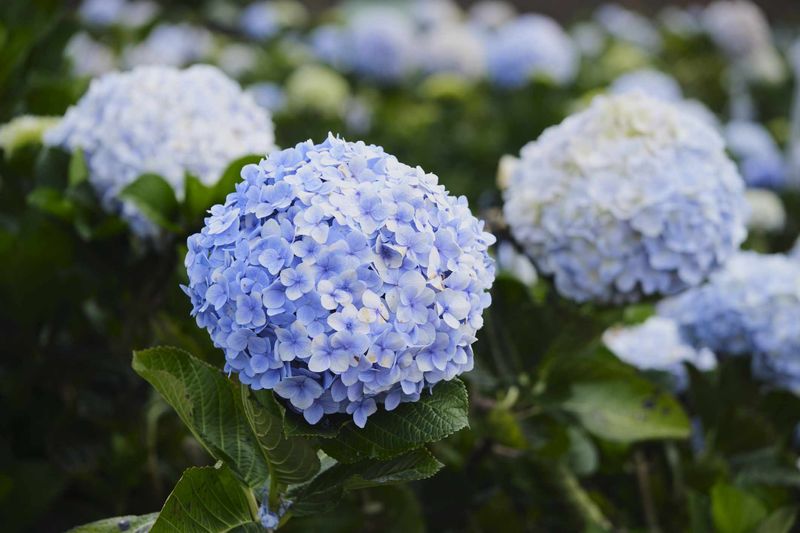
Walk through almost any established neighborhood in coastal North Carolina during late spring, and chances are good you will spot a bigleaf hydrangea showing off its bold mophead or lacecap blooms.
This species is one of the most recognized hydrangeas in the South, and for good reason – it produces some of the most colorful flowers of any hydrangea type.
Bigleaf hydrangeas bloom on old wood, which means the flower buds form the previous season and overwinter on the stems. That growth habit makes them a bit more vulnerable to late frosts and dry April conditions than some other varieties.
When spring soil moisture drops, the buds can struggle to develop fully before opening.
Gardeners along the North Carolina coast and in the Piedmont can help by mulching generously and watering deeply during dry stretches to protect those developing buds.
Coastal areas of North Carolina often benefit from higher humidity and milder temperatures, which gives bigleaf hydrangeas a slightly more forgiving environment than the drier inland regions.
In the Piedmont, afternoon shade and amended soil make a noticeable difference in how well the plant manages lower moisture.
Bloom color – ranging from blue to pink – shifts based on soil pH, with more acidic soils producing bluer flowers.
Remontant cultivars like ‘Endless Summer’ offer some bloom on new wood as well, giving North Carolina gardeners a better chance at flowers even after a difficult dry April period.