8 Simple Ways To Upcycle Old Baskets In Your Georgia Garden
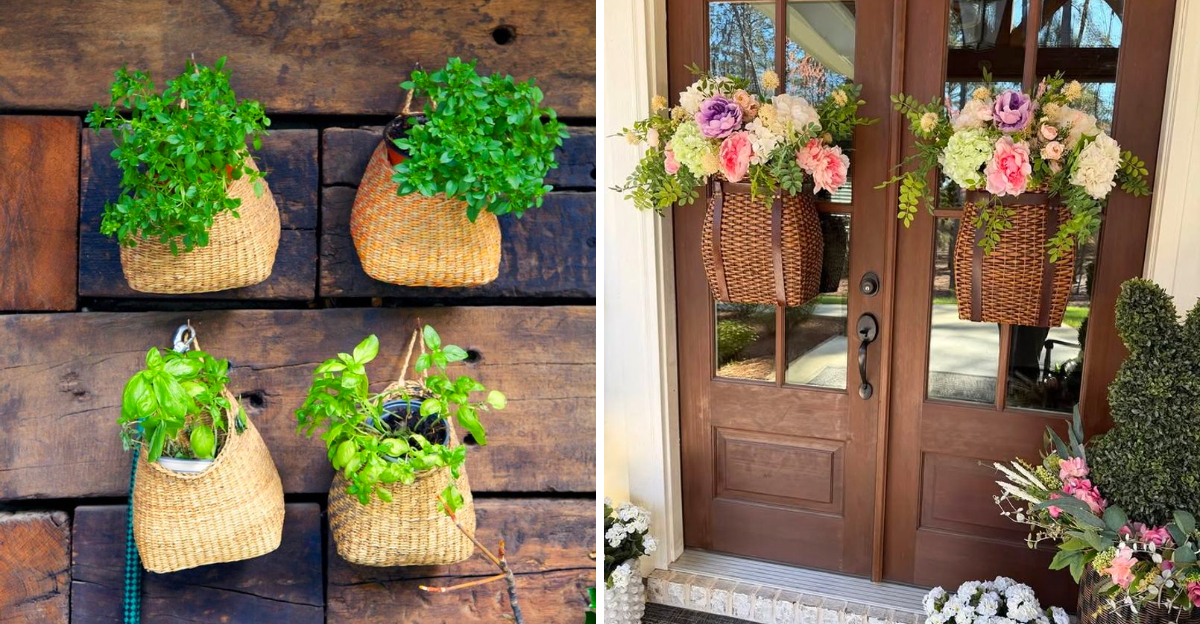
Before you toss those old baskets aside, take a second look. They might be just what your Georgia garden needs.
With long growing seasons and so much time spent outdoors on porches and patios, there is plenty of room for a little creativity.
Even worn or unused baskets can turn into something useful and eye-catching with a simple update.
Whether you have a sunny patio in Atlanta or a breezy backyard in Savannah, repurposing adds character that store-bought planters often lack.
It is an easy way to refresh your space while making use of what you already have.
1. Strawberry Basket Planter Grows Fresh Fruit In Small Spaces
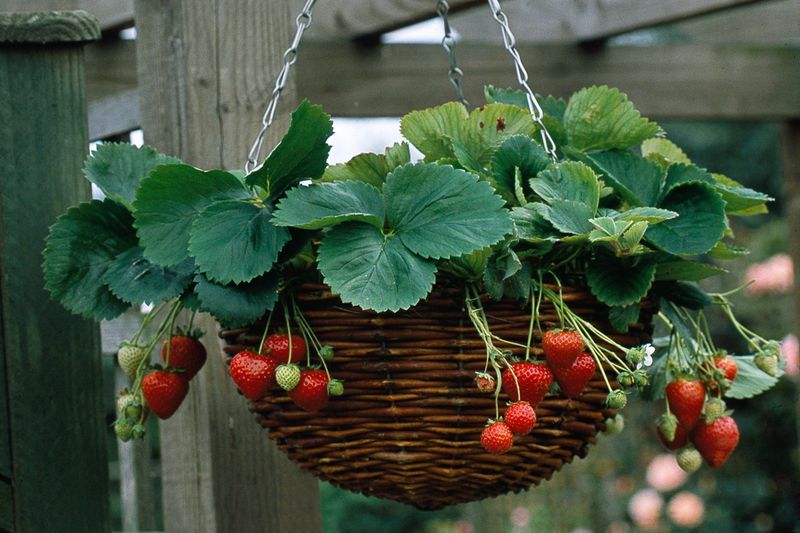
Growing your own strawberries in Georgia does not require a big yard or fancy equipment. An old wicker or wire basket can become a productive little planter that fits on a porch railing, patio table, or garden step.
The open weave design of most baskets actually helps with airflow around the roots, which strawberries appreciate during Georgia’s warm spring months.
To set it up, line the inside of the basket with a perforated plastic bag or a coconut fiber liner. Fill it with a mix of compost and potting soil, then plant two or three strawberry starts near the center.
As the plants grow, the runners and berries will spill naturally over the edges, creating a lush and productive display that looks as good as it tastes.
Place the basket where it gets at least six hours of sunlight daily. Georgia’s spring sun is strong enough to ripen berries quickly, so check soil moisture every couple of days.
Water when the top inch of soil feels dry. Everbearing varieties like Albion or Seascape tend to perform well in Georgia’s climate and can produce fruit from spring through early fall with the right care.
2. Succulent Basket Display Adds Texture To Sunny Spots
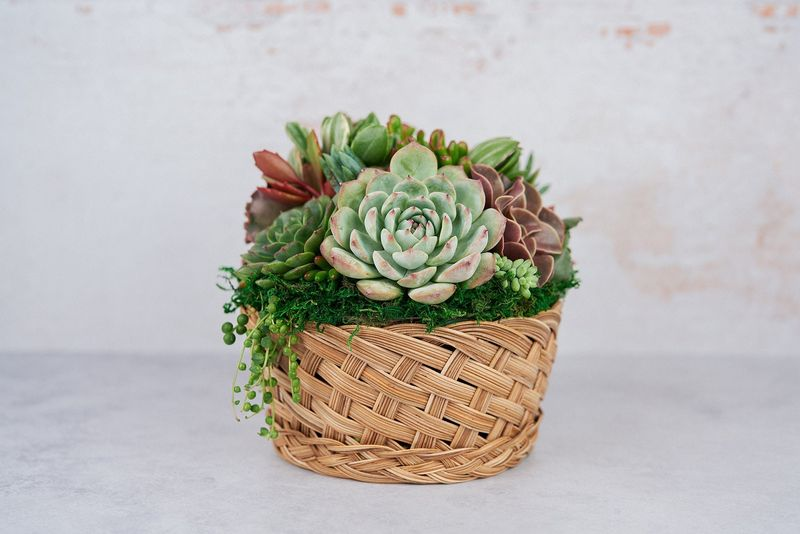
Succulents have become one of the most popular low-maintenance plants for Georgia gardeners, and an old flat basket makes a surprisingly stylish home for them.
The natural texture of wicker or woven materials pairs beautifully with the sculptural shapes of succulents, creating a display that looks like something out of a garden magazine without costing much at all.
Choose a shallow basket with a somewhat sturdy base. Line it with a thin layer of burlap or landscape fabric to hold the soil while still allowing drainage.
Use a well-draining cactus or succulent mix rather than regular potting soil, since succulents tend to struggle in soil that stays wet too long. Georgia summers bring plenty of humidity, so good drainage is especially important here.
Arrange a mix of hen-and-chicks, echeveria, and sedum for a range of colors and textures.
Place the display in a spot that gets direct morning sun and some afternoon shade, since intense Georgia afternoon heat can scorch even heat-tolerant plants.
Bring the basket indoors or under cover during heavy rain to extend its lifespan. Rotate it occasionally so all sides get even light exposure and the plants grow evenly.
Your Georgia Garden Changes Every Week. Your Plan Should Too.
Gardening in Georgia changes quickly throughout the season. Every Friday you’ll receive a simple weekly plan showing exactly what to plant, prune, fertilize, harvest, and protect so you never miss the right timing.
3. Hanging Herb Basket Keeps Fresh Herbs Close
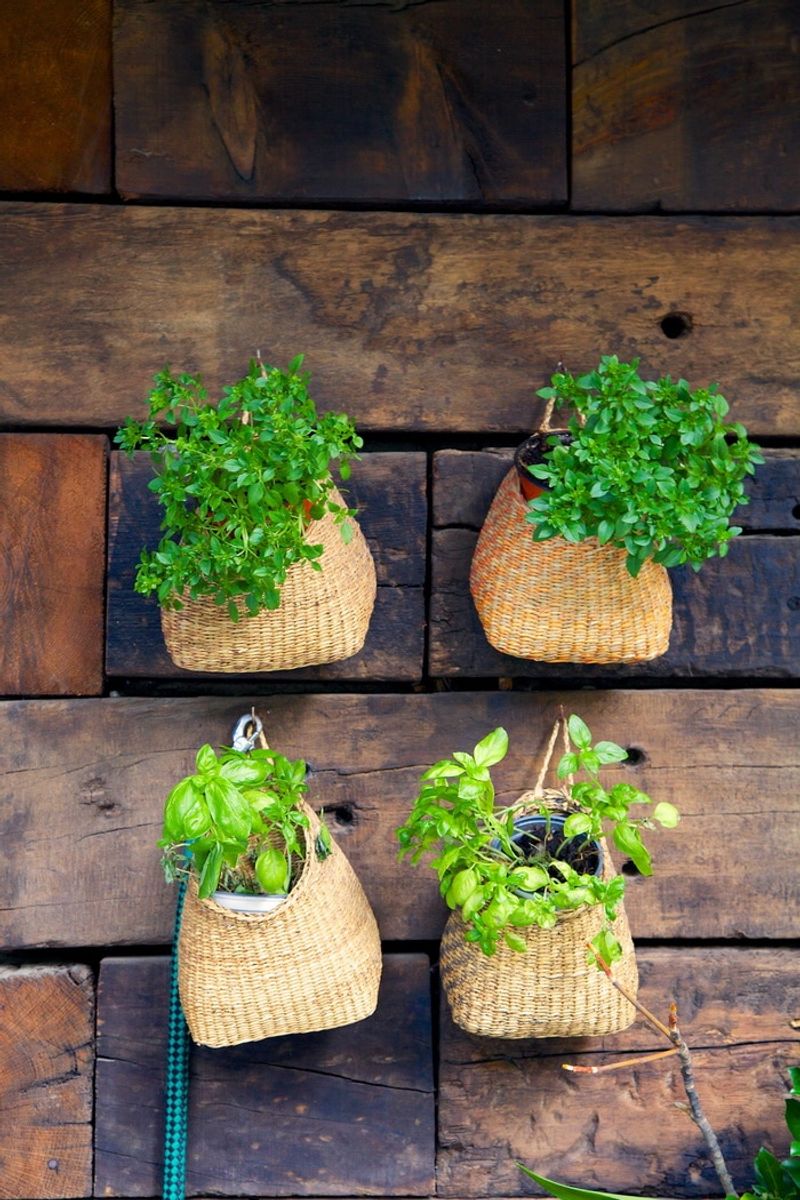
Nothing beats stepping outside to snip fresh herbs while cooking, and a hanging basket makes that convenience possible even in a small Georgia outdoor space. Old wire or wicker baskets with handles or chains are ideal for this purpose.
Hung from a porch beam or pergola post, a herb basket brings both fragrance and function right to your back door.
Line the basket with a coconut coir liner or a plastic bag with small drainage holes poked in the bottom. Fill it with quality potting mix and plant a combination of herbs that enjoy similar light levels.
Basil, thyme, oregano, and chives all grow well together and thrive in Georgia’s warm, sunny conditions from spring through fall. Mint grows vigorously, so consider planting it in a small pot inside the basket to keep it from crowding out other herbs.
Water hanging baskets more frequently than ground-level containers since they dry out faster, especially during Georgia’s hot summer months.
Check the soil every day during heat waves and water when the top layer feels dry to the touch.
A light liquid fertilizer applied every two to three weeks will keep the herbs producing fresh growth. Trim regularly to encourage bushy, full plants rather than tall, leggy ones.
4. Front Door Flower Basket Brightens Your Entryway
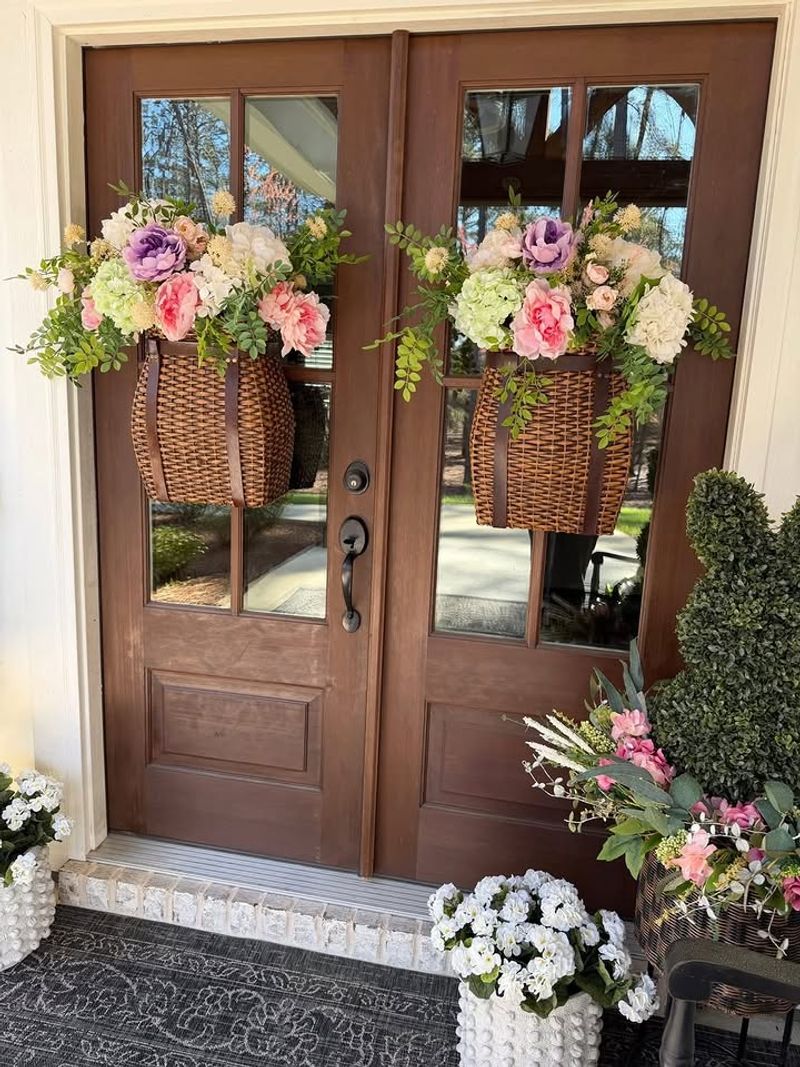
First impressions matter, and a flower-filled basket near your front door can make your Georgia home feel instantly welcoming.
Many people spend money on expensive planters when an old basket from a thrift store or the back of a closet can do the same job with far more character.
The natural look of wicker or rattan pairs especially well with the classic Southern architecture common across Georgia.
Choose a basket that is large enough to hold a meaningful planting but not so heavy that it becomes difficult to move. Line it with a thick plastic liner and add drainage holes at the bottom before filling with a quality potting mix.
For spring and fall displays, petunias, snapdragons, and pansies add rich color.
During Georgia’s hot summer months, swap to heat-tolerant options like lantana, vinca, or marigolds, which handle the humidity and warmth without fading quickly.
Position the basket where it gets morning sun and some shade in the afternoon, especially during July and August when Georgia temperatures regularly climb into the 90s. Deadhead spent blooms every few days to encourage continuous flowering.
Water consistently, and if the basket dries out too quickly, try placing a saucer underneath to hold a small reservoir of moisture between waterings for better results.
5. Wall Basket Storage Keeps Tools Organized
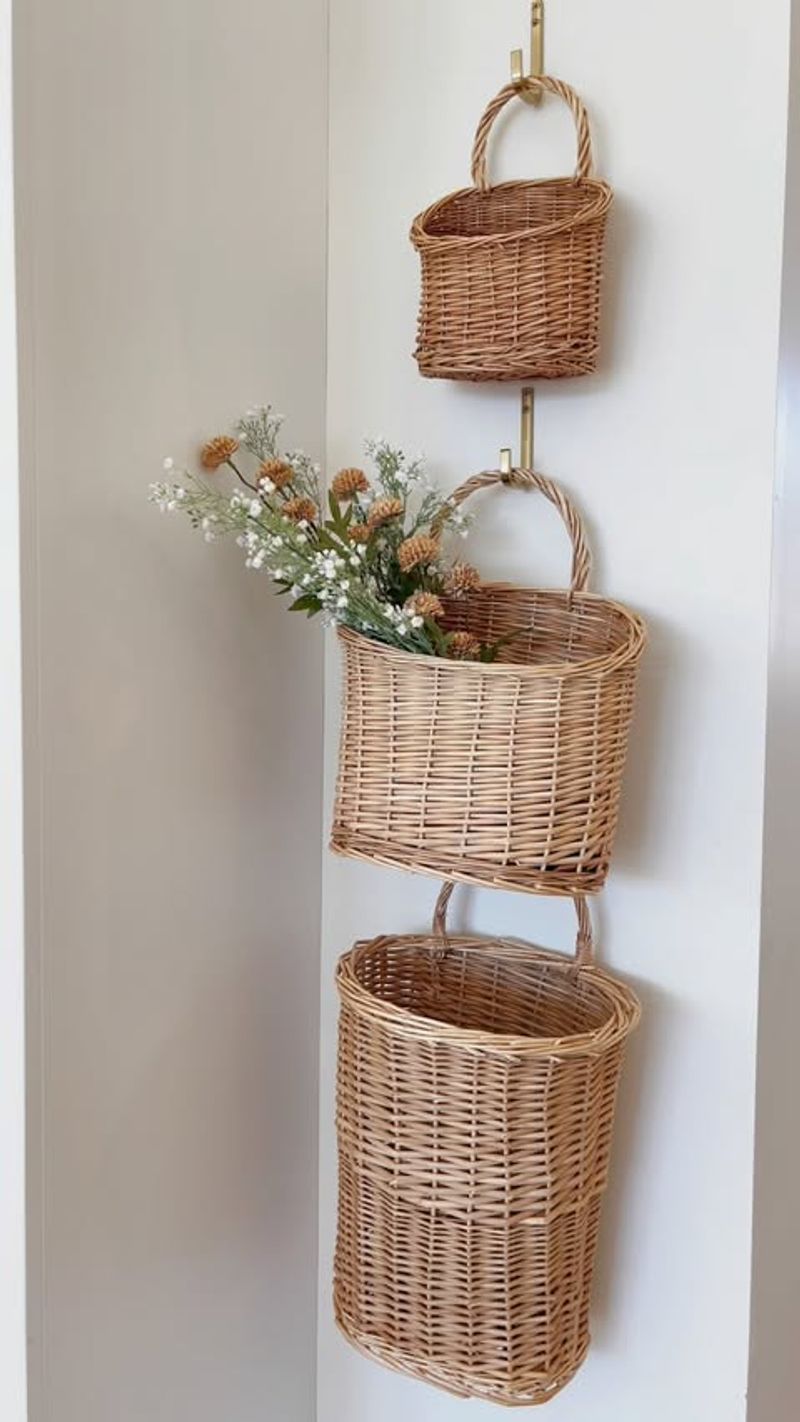
Garden sheds and outdoor workspaces tend to collect clutter fast, especially after a busy Georgia planting season.
Hanging old baskets on a shed or garage wall is one of the easiest ways to bring order to that chaos without spending anything on expensive organizers.
A few sturdy hooks and a handful of baskets can transform a messy wall into a tidy and functional storage display.
Use baskets of different sizes to sort your tools by category. A large deep basket can hold long-handled tools like trowels and cultivators, while smaller flat baskets work well for seed packets, plant labels, or gardening gloves.
Wire baskets with handles are especially practical since they can be lifted off the hook and carried directly to the garden bed, saving extra trips back and forth.
Mount baskets at a comfortable height so you can grab what you need without straining. If your shed wall is made of wood, simple cup hooks work well.
For concrete or brick walls, use masonry anchors rated for the weight you plan to hang. In Georgia’s humid climate, check wooden baskets periodically for signs of mold or rot, and let them dry out fully after rainy spells.
A light coat of outdoor sealant can help extend the life of natural fiber baskets used in this way.
6. Mini Vegetable Basket Garden Fits Small Areas
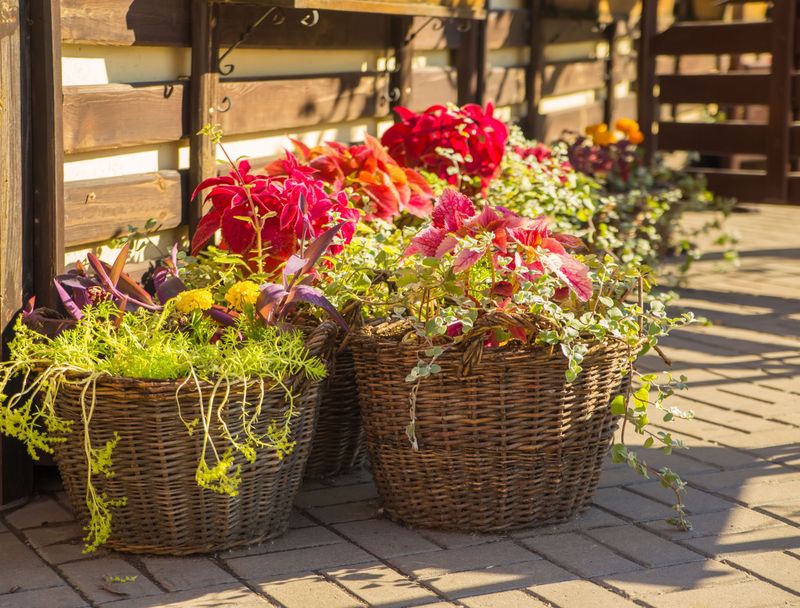
Renting in Georgia or working with a tiny yard does not mean giving up on growing your own vegetables. Old baskets can become productive mini gardens that fit on a balcony, patio, or even a set of steps.
The key is choosing compact vegetable varieties that are well-suited to container growing and can handle Georgia’s climate without needing deep ground space.
Radishes, lettuce, spinach, and green onions are excellent choices for shallow baskets since their roots do not need a lot of depth. Cherry tomatoes and bush beans can work in deeper, sturdier baskets.
Line each basket carefully to prevent soil from washing out, and make sure there is enough drainage to avoid waterlogged roots during Georgia’s rainy spring season. A layer of gravel at the bottom of the liner can help improve drainage noticeably.
Arrange the baskets in a sunny spot that gets at least six hours of direct light each day.
Georgia’s growing season is generously long, so you can start cool-season crops like lettuce in early spring, switch to warm-season vegetables in summer, and return to cool-season greens again in early fall.
Fertilize container vegetables every two weeks with a balanced liquid fertilizer to replace nutrients that wash out during regular watering. Keep an eye out for aphids and spider mites, which are common in Georgia’s warm months.
7. Hanging Fern Basket Adds Greenery To Shaded Spots
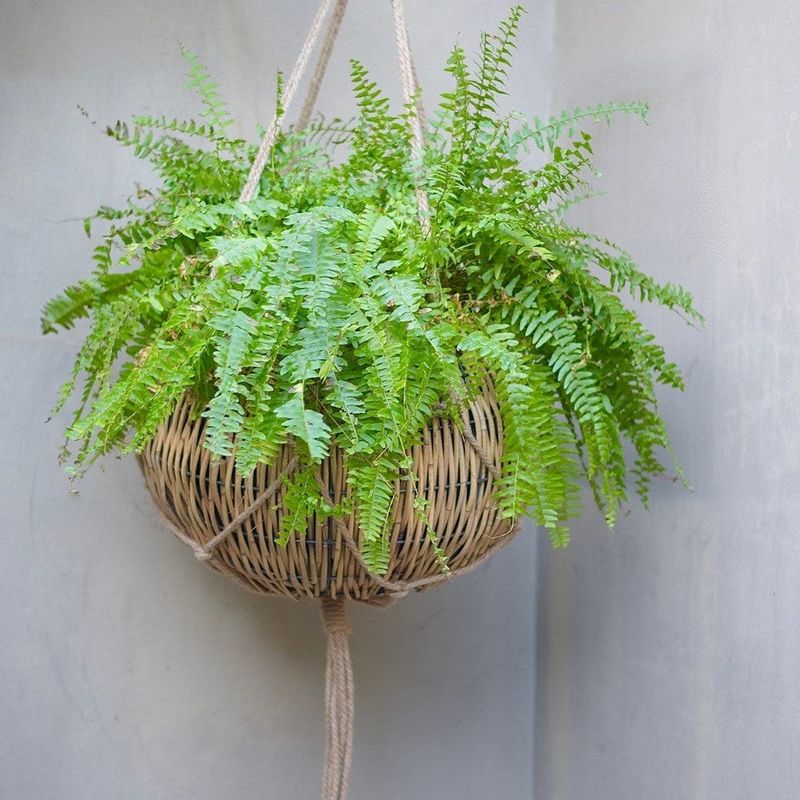
Shaded porches are one of Georgia’s great outdoor pleasures, offering a cool retreat from the summer heat. A hanging fern basket fits this setting so naturally that it almost seems like the two were made for each other.
Ferns have been a Southern porch staple for generations, and repurposing an old basket to hold one adds a layer of charm that a plain plastic pot simply cannot match.
Boston ferns are among the most popular choices for Georgia porch hanging baskets because they thrive in humidity and indirect light. Line the basket with sphagnum moss or a coconut coir liner before adding a moisture-retaining potting mix.
Ferns prefer soil that stays consistently moist but not soggy, so check them every other day during the hotter months and water deeply when the top inch of soil starts to feel dry.
Hang the basket where it gets bright but indirect light throughout the day. Direct afternoon sun in Georgia will scorch fern fronds quickly, turning them yellow and brown at the tips.
Misting the fronds every few days helps maintain the humidity ferns love, especially on dry summer days. Remove any yellowing or damaged fronds with clean scissors to keep the plant looking full and healthy.
Feed with a diluted liquid fertilizer once a month during the growing season for best results.
8. Pollinator Flower Basket Attracts Bees And Butterflies
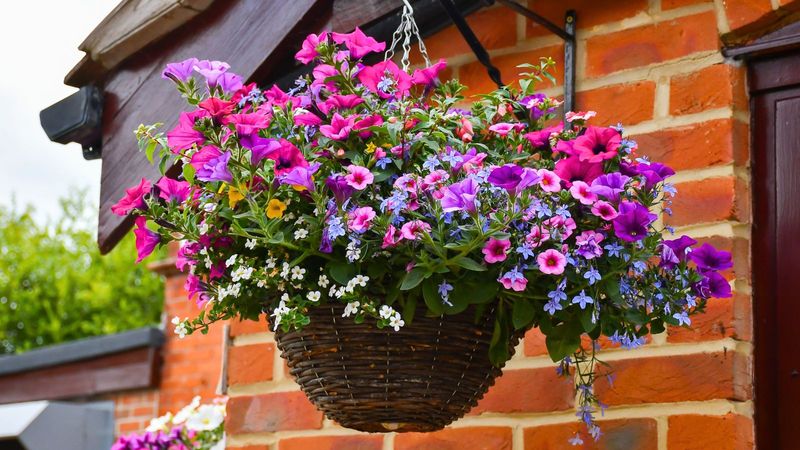
Georgia’s gardens come alive in summer with bees, butterflies, and hummingbirds moving from flower to flower, and a well-planted basket can become a favorite stop on their daily routes.
Dedicating even one old basket to pollinator-friendly blooms makes a real difference for local wildlife while also adding a burst of color to your outdoor space.
It is a small effort with a surprisingly large payoff.
Fill a lined basket with rich potting mix and plant a combination of nectar-rich flowers. Zinnias, coneflowers, black-eyed Susans, and lavender are all excellent choices that thrive in Georgia’s sunny conditions and attract a wide range of pollinators.
Mix flower heights and bloom times so the basket stays interesting and productive from late spring through early fall. Avoid using pesticides on or near pollinator baskets, since even products labeled as mild can be harmful to bees and butterflies.
Place the basket in a location that gets full sun for most of the day, ideally near other flowering plants or a water source to create a mini pollinator habitat.
Deadhead spent blooms regularly to encourage the plants to keep producing new flowers throughout the season.
In Georgia’s warm climate, these baskets can remain colorful and active well into October, giving pollinators a late-season food source as they prepare for cooler weather ahead.