10 Fast-Growing Vegetables Ohio Gardeners Can Grow In Pots
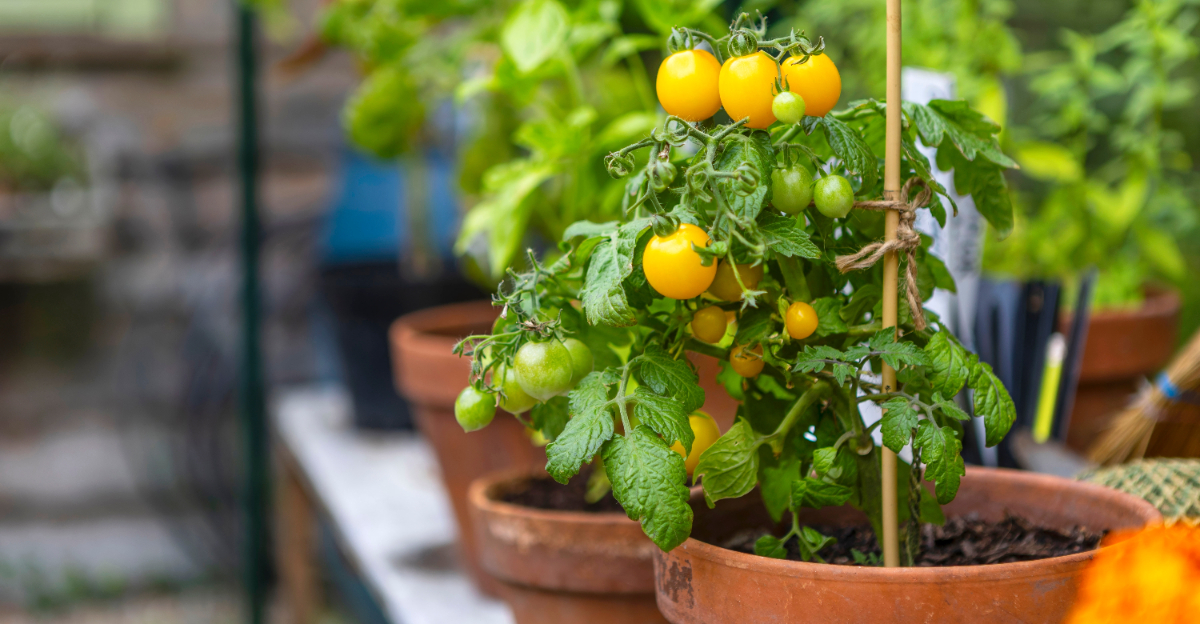
Ohio gardeners do not need a big backyard to pull in a solid harvest. A few pots on a patio, porch, or balcony can turn into a surprisingly productive little garden, especially when fast-growing vegetables are in the mix.
These are the crops that move quickly, bounce back easily, and make the most of Ohio’s warm spring and summer window.
Container growing also changes the game. You control the soil, the moisture, and even the placement, which can make a huge difference in a state where weather likes to switch moods without warning.
One week it is cool and damp, the next it is hot and dry, and plants feel every bit of it.
That is where speed matters. Fast-growing vegetables help you skip the long wait and get results while the season is still in full swing, turning even small spaces into something worth harvesting.
1. Cherry Tomatoes Take Off Fast In Warm Containers
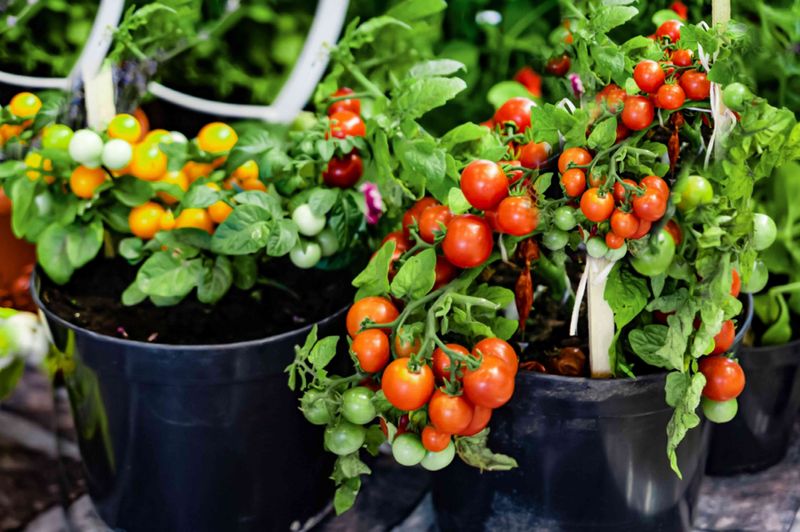
There is something genuinely satisfying about plucking a warm, ripe cherry tomato straight from a pot on your porch.
Fast-maturing varieties like Tumbling Tom, Patio, and Sun Gold can go from transplant to first harvest in as little as 55 to 65 days, making them a top pick for Ohio gardeners who want quick results.
For container growing, choose a pot that holds at least 5 gallons, though 10 gallons gives roots more room and improves production.
A larger container also holds moisture longer during Ohio’s hot July and August stretches, which matters because tomatoes need consistent watering to avoid blossom end rot.
Full sun is non-negotiable. Aim for at least 8 hours of direct sunlight daily.
Place containers on a south-facing patio or balcony where heat can build up naturally around the pot walls. Warm soil encourages faster root development and quicker fruit set.
Use a high-quality potting mix blended with a slow-release fertilizer at planting, then feed with a balanced liquid fertilizer every two weeks once flowers appear. Stake or cage your plant early, even compact varieties benefit from light support as fruit clusters fill in.
2. Leaf Lettuce Keeps Producing With Quick Cut And Come Again Harvests
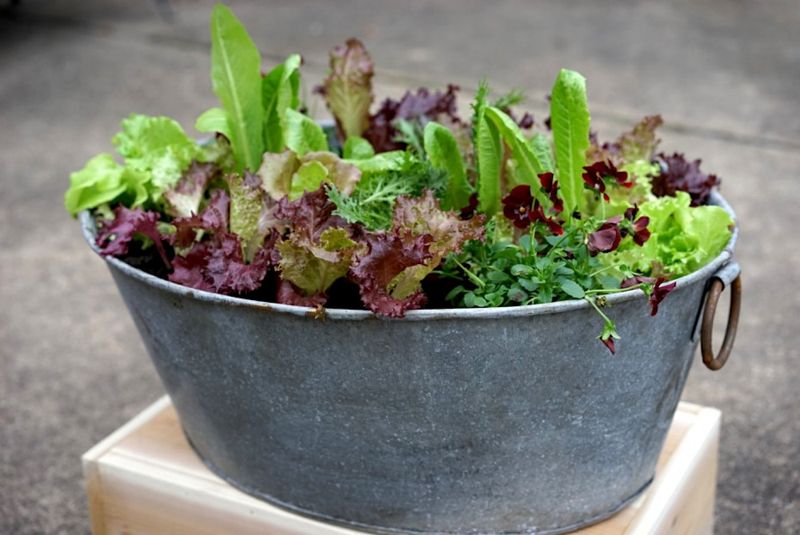
Leaf lettuce might be the most beginner-friendly vegetable you can grow in a pot, and it earns that reputation every single season.
Unlike head lettuce that you harvest all at once, leaf varieties like Black Seeded Simpson, Red Sails, and Oak Leaf keep producing fresh growth every time you snip the outer leaves.
That cut-and-come-again habit means one planting feeds you for weeks.
Ohio’s cool spring weather, typically from late March through May, is exactly what lettuce loves. Soil temperatures between 45 and 65 degrees Fahrenheit produce the best germination and the most tender leaves.
You can start seeds in containers as early as 4 to 6 weeks before the last frost date, which falls around mid-April in central Ohio.
Shallow containers work perfectly because lettuce roots stay close to the surface. A pot just 6 to 8 inches deep holds enough soil to support a full planting.
Wide window boxes or rectangular planters let you grow multiple rows in a small footprint.
Your Ohio Garden Changes Every Week. Your Plan Should Too.
Gardening in Ohio changes quickly throughout the season. Every Friday you’ll receive a simple weekly plan showing exactly what to plant, prune, fertilize, harvest, and protect so you never miss the right timing.
Keep the soil consistently moist but never soggy. Lettuce wilts quickly in dry conditions but bounces back fast with a good drink.
Once temperatures climb above 80 degrees regularly, lettuce tends to bolt, so plan a second planting for fall when Ohio cools down again.
3. Radishes Are Ready Before You Even Expect It
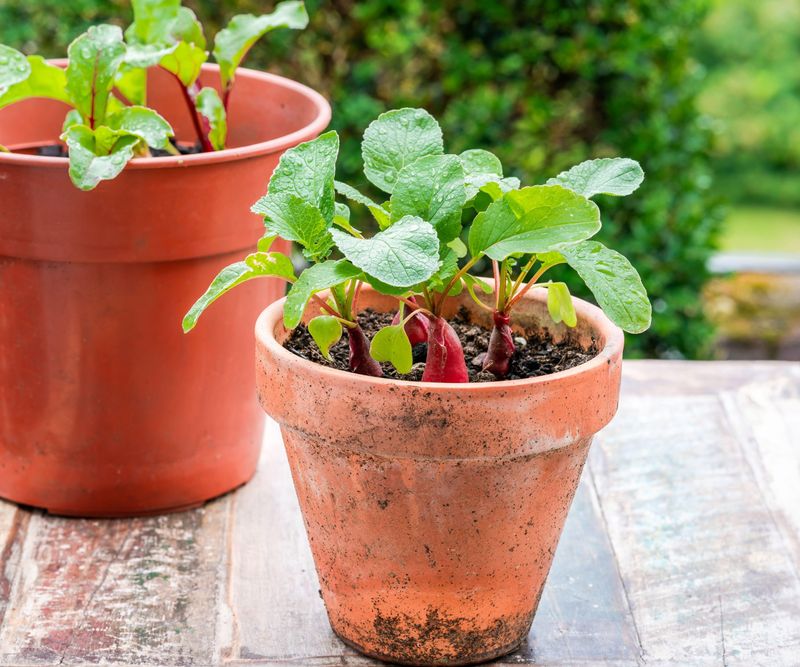
Few vegetables move as fast as radishes. Varieties like Cherry Belle and French Breakfast are ready to pull in as little as 20 to 25 days from seeding, which makes them one of the quickest payoffs in container gardening.
For Ohio gardeners who plant in early April, that means fresh radishes before May even arrives.
The secret to good radishes in containers is loose, well-draining soil with no compaction. When roots hit resistance, they fork or stay small instead of forming that satisfying round shape.
Use a light potting mix and avoid pressing the soil down too firmly after seeding. A pot at least 8 to 10 inches deep gives roots enough room to swell properly.
Spacing matters more than people realize. Sow seeds about an inch apart and thin seedlings to 2 inches once they sprout.
Crowded radishes produce more leaf than root, which is the opposite of what you want. Thinning feels wasteful, but it makes a real difference in root size and flavor.
Radishes prefer cool weather and will turn pithy and bitter if temperatures spike too high. Plant them in early spring and again in late August or September for a fall harvest.
Water evenly to keep soil moisture consistent, as irregular watering causes cracking and tough texture in the roots.
4. Green Onions Grow Quickly From Seed Or Kitchen Scraps
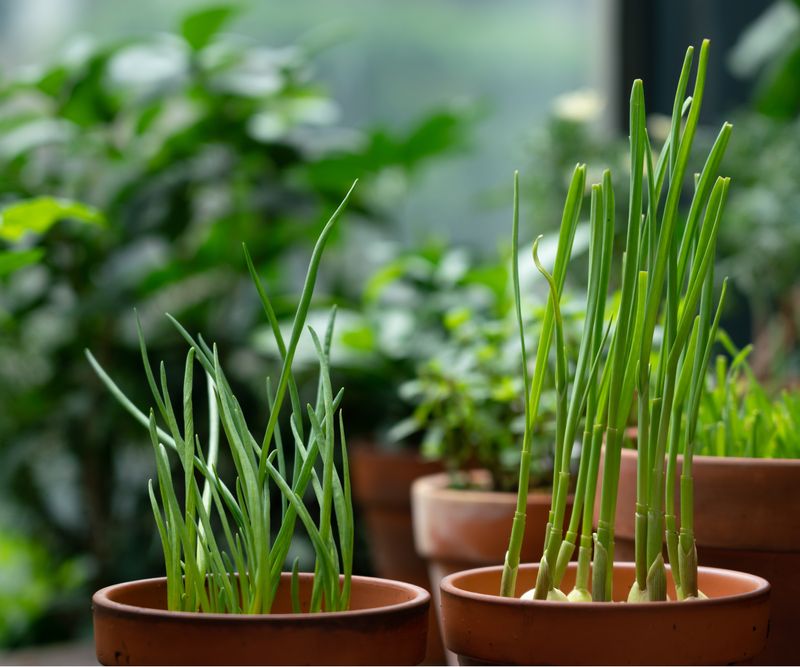
Green onions might be the most versatile fast-grower you can keep in a container. You can start them from seed, from sets, or by dropping the root ends of store-bought green onions into a glass of water and then transferring them to a pot once roots develop.
That kitchen scrap method is surprisingly effective and gets you a harvest in about two weeks.
Starting from seed takes a bit longer, usually 60 to 70 days, but you get a fuller, more robust plant. Varieties like Evergreen White Bunching and Deep Purple are well-suited for Ohio container growing.
They handle cool spring temperatures well and can even tolerate a light frost, making them one of the earliest vegetables you can get started outdoors.
Shallow containers work beautifully for green onions. A pot just 6 inches deep is enough, and you can pack them in fairly closely, spacing plants about an inch apart.
A window box or a simple 6-inch round pot on a sunny ledge produces a continuous supply all spring and fall.
Harvest by snipping the green tops above the soil line and the plant will regrow, giving you multiple cuts from a single planting. Keep the soil lightly moist and fertilize every few weeks with a nitrogen-rich liquid fertilizer to encourage steady, leafy growth throughout the season.
5. Bush Beans Fill Pots Fast And Start Producing Early
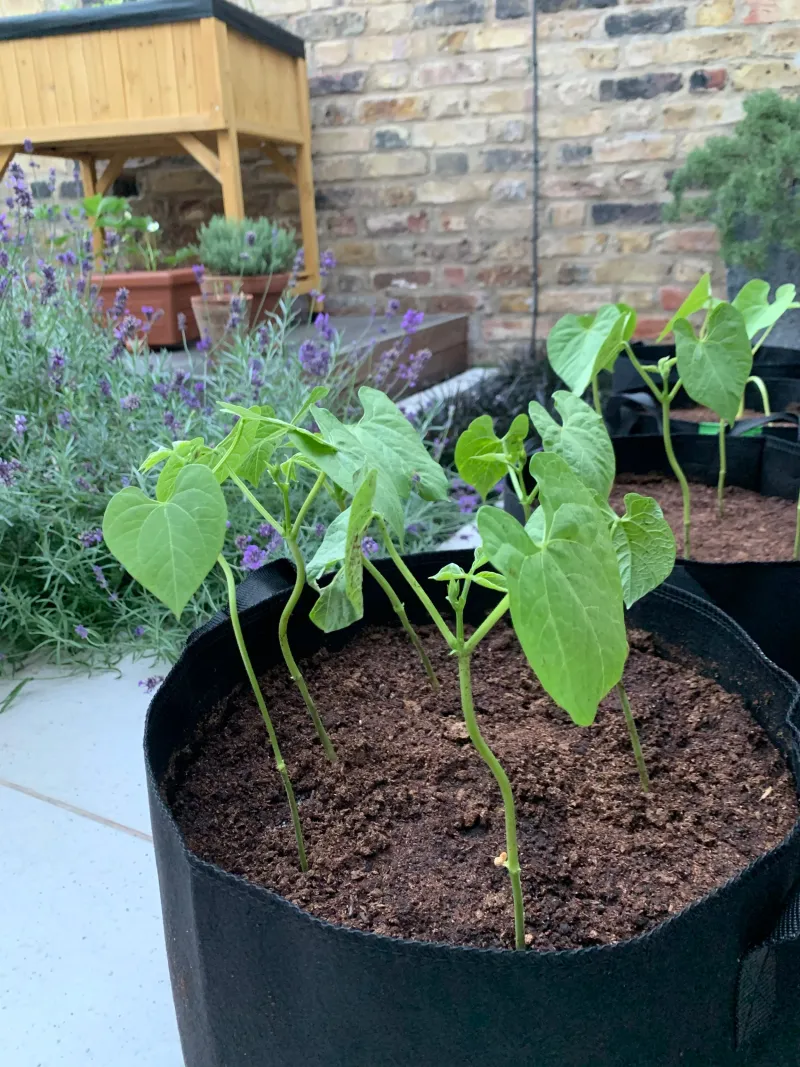
Bush beans are one of those vegetables that reward patience with almost no waiting at all. Compact varieties like Contender, Provider, and Topcrop go from seed to harvest in around 50 to 55 days, and they do it without needing a trellis or a climbing structure.
That self-contained growth habit makes them a natural fit for container gardening.
Choose a container at least 12 inches deep and wide enough to hold 3 to 5 plants comfortably. A 5-gallon pot works for a small cluster, but a 10-gallon container gives you a more productive harvest.
Bush beans have a moderate root system that needs room to spread without competing too aggressively for water and nutrients.
Timing is important in Ohio. Bush beans are warm-season crops that do not tolerate frost.
Wait until soil temperatures reach at least 60 degrees Fahrenheit before planting, which typically means mid-May in most parts of Ohio. Planting too early in cold, wet soil leads to poor germination and sluggish growth.
Full sun is essential, at least 6 to 8 hours daily. Water consistently at the base of the plants rather than overhead, since wet foliage can invite fungal issues.
Once pods begin forming, check the containers daily because beans mature quickly and taste best when picked young and tender before seeds inside fully develop.
6. Spinach Handles Cool Weather And Grows At Speed
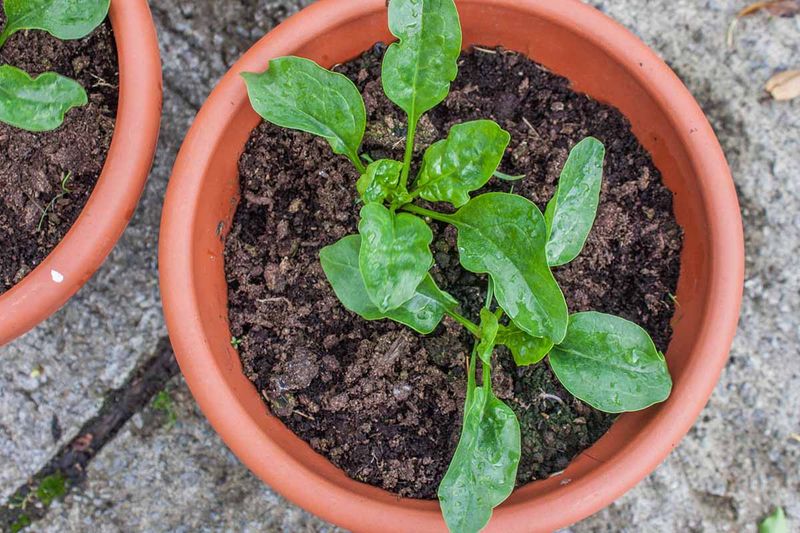
Ohio’s cool spring and fall seasons are practically made for spinach. This leafy green thrives in temperatures between 35 and 65 degrees Fahrenheit, which aligns perfectly with Ohio’s April and September weather windows.
Varieties like Space, Tyee, and Bloomsdale Long Standing can reach harvest size in just 30 to 45 days, making them one of the fastest leafy greens you can grow.
Container growing suits spinach very well because you can position the pot to catch morning sun while shading it from the harsh afternoon heat that triggers bolting. Once spinach bolts, the leaves turn bitter and the plant stops producing usable foliage.
A moveable container gives you control that in-ground planting simply cannot offer.
Use a wide, shallow container at least 6 inches deep. Spinach roots do not go deep, so the focus is on surface area rather than depth.
Sow seeds about half an inch deep and thin seedlings to 3 inches apart once they reach an inch tall. Crowding slows growth and invites moisture-related problems.
Keep the soil evenly moist throughout the growing period. Spinach is a thirsty plant in containers because pots dry out faster than ground soil.
Mulching the top of the container with a thin layer of straw or shredded leaves helps retain moisture and keeps roots cool during warmer spring afternoons in Ohio.
7. Arugula Brings Peppery Leaves In Just Weeks
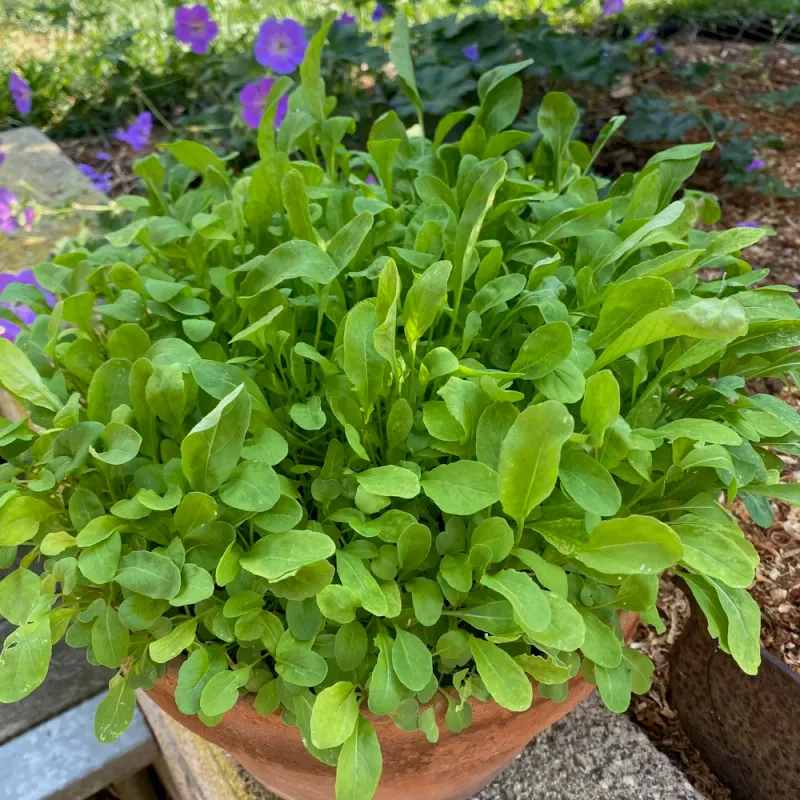
Arugula is the kind of vegetable that surprises you with how fast it shows up. Seeds germinate in as little as 3 to 5 days under good conditions, and you can be snipping your first harvest of peppery, nutty leaves just 20 to 30 days after planting.
That speed makes it one of the most rewarding quick crops for Ohio container gardeners who want fast results.
The flavor is bold and distinctive, somewhere between pepper and mustard with a slightly bitter edge that mellows when mixed into salads or layered onto sandwiches. Baby arugula leaves harvested young tend to be more tender and less sharp than mature leaves.
Harvesting early and often keeps the plant producing at its best.
Like lettuce and spinach, arugula prefers cool temperatures and performs best in Ohio’s spring and fall seasons. It tolerates light frost and can be planted outdoors in early April or even late March if containers are moved inside on freezing nights.
In summer heat, arugula bolts quickly, so treat it as a cool-season crop and plan accordingly.
A container 6 to 8 inches deep works well. Scatter seeds lightly across the surface, press them gently into the soil, and keep the mix moist until germination.
Thin to about 4 inches apart for best leaf size. Fertilize lightly with a balanced liquid feed every couple of weeks to maintain steady, healthy growth throughout the harvest window.
8. Baby Carrots Stay Compact And Mature Faster In Loose Soil
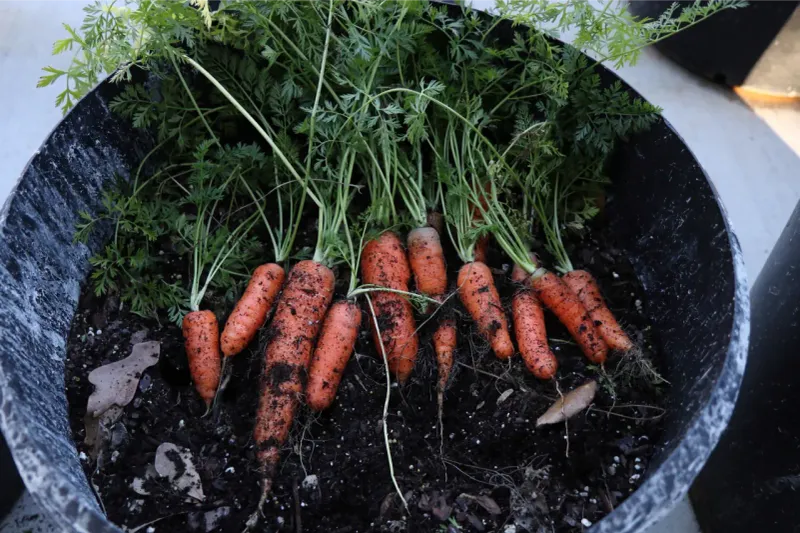
Standard carrots can be tricky in containers because of their long taproots, but baby carrot varieties flip that challenge completely.
Short-rooted types like Thumbelina, Little Finger, and Chantenay Red Core mature in just 55 to 70 days and stay compact enough to thrive in a pot as shallow as 12 inches.
That makes them a genuinely practical choice for Ohio container gardeners.
Soil texture is the single most important factor for carrot success. Carrots need loose, light, stone-free growing medium to develop straight, smooth roots.
Standard garden soil is too dense and causes forked or stunted roots. A blend of potting mix and coarse sand or perlite creates the airy texture carrots need to push downward without resistance.
Sow seeds directly into the container rather than transplanting, since carrots do not like having their roots disturbed.
Scatter seeds thinly across the surface, cover with a light dusting of fine potting mix, and keep the soil consistently moist until germination occurs, usually within 10 to 14 days.
Thin seedlings to 2 to 3 inches apart once they reach about an inch tall.
In Ohio, direct sow baby carrots from mid-April through early June for a summer harvest, or plant in late July for a fall crop. Fall-harvested carrots often develop sweeter flavor after exposure to cooler temperatures.
Water deeply but allow the top inch of soil to dry slightly between waterings to prevent root rot in the container environment.
9. Kale Grows Quickly And Keeps Producing Through Cool Weather
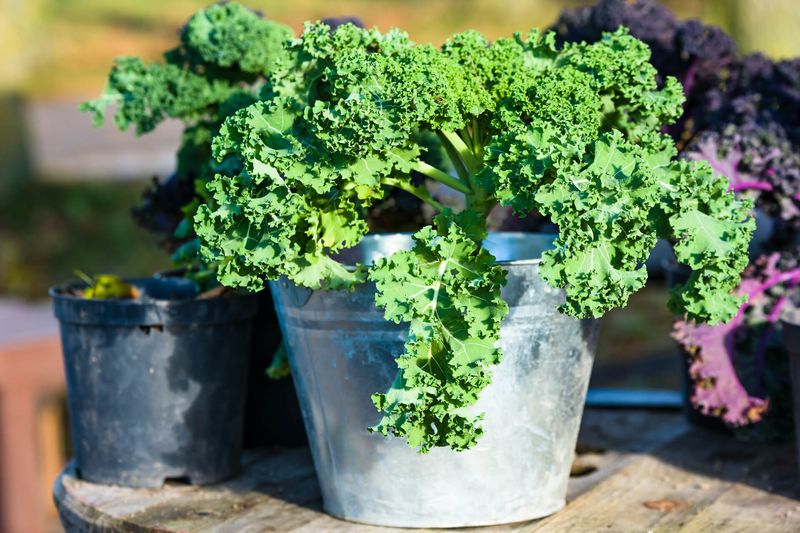
Kale has earned its reputation as a powerhouse garden vegetable, and container growing only makes it more accessible.
Varieties like Dwarf Blue Curled, Red Russian, and Lacinato, also called dinosaur kale, are well-suited to pot life and reach harvest size in around 30 to 40 days for baby leaves, or 55 to 65 days for full-sized leaves.
That range gives you flexibility depending on how you plan to use it.
One of kale’s best qualities for Ohio gardeners is its cold tolerance. It handles frost without complaint and actually develops sweeter, more complex flavor after cold snaps.
This means a container of kale planted in late August can keep producing well into October and sometimes November in central and southern Ohio. That extended season is a real bonus for gardeners who want fresh greens beyond summer.
Choose a container at least 12 inches deep and wide. Kale develops a substantial root system compared to lighter greens like lettuce, so giving roots room to spread improves plant health and leaf production.
A 5-gallon pot supports one large plant comfortably, while a 10-gallon container can hold two or three plants.
Harvest outer leaves regularly by snapping or cutting them close to the stem. Leaving the central growing tip intact allows the plant to keep producing new leaves from the center outward.
Water consistently and fertilize every two to three weeks with a nitrogen-rich fertilizer to keep leaf production steady throughout Ohio’s long cool-weather growing windows.
10. Cucumbers Climb And Produce Fast With The Right Support
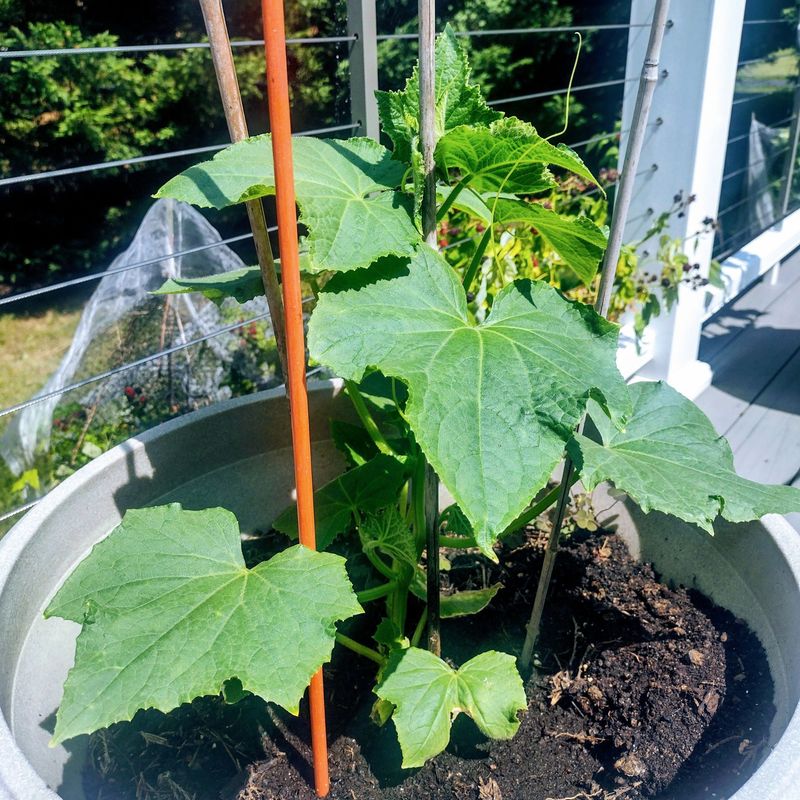
Cucumbers have a reputation for needing lots of space, but compact and bush varieties have changed that story completely. Bush Pickle, Spacemaster, and Patio Snacker are all varieties bred specifically for container and small-space growing.
They stay manageable in size while still producing an impressive number of cucumbers, often starting harvest just 50 to 60 days after transplanting.
Container size matters significantly with cucumbers. Choose a pot that holds at least 5 gallons, though 10 gallons produces noticeably better results.
Cucumbers are heavy feeders and drinkers, and a larger container gives roots the room they need while holding more moisture between waterings. During Ohio’s peak summer heat in July and August, containers may need watering once or even twice daily.
Even compact varieties benefit from a small trellis or a few bamboo stakes tied together. Supporting the vines keeps fruit off the container edge, improves air circulation around the leaves, and makes harvesting much easier.
A simple 3-foot trellis tucked into the back of the pot is all you need for most bush-type cucumbers.
Full sun is essential, at least 6 to 8 hours daily. Ohio’s warm summers provide plenty of heat for cucumbers to thrive from late May through August.
Fertilize every two weeks with a balanced fertilizer once vines begin growing actively. Harvest cucumbers young and regularly to encourage the plant to keep setting new fruit throughout the growing season.