What Oregon Azaleas Need Right After Spring Blooming Ends
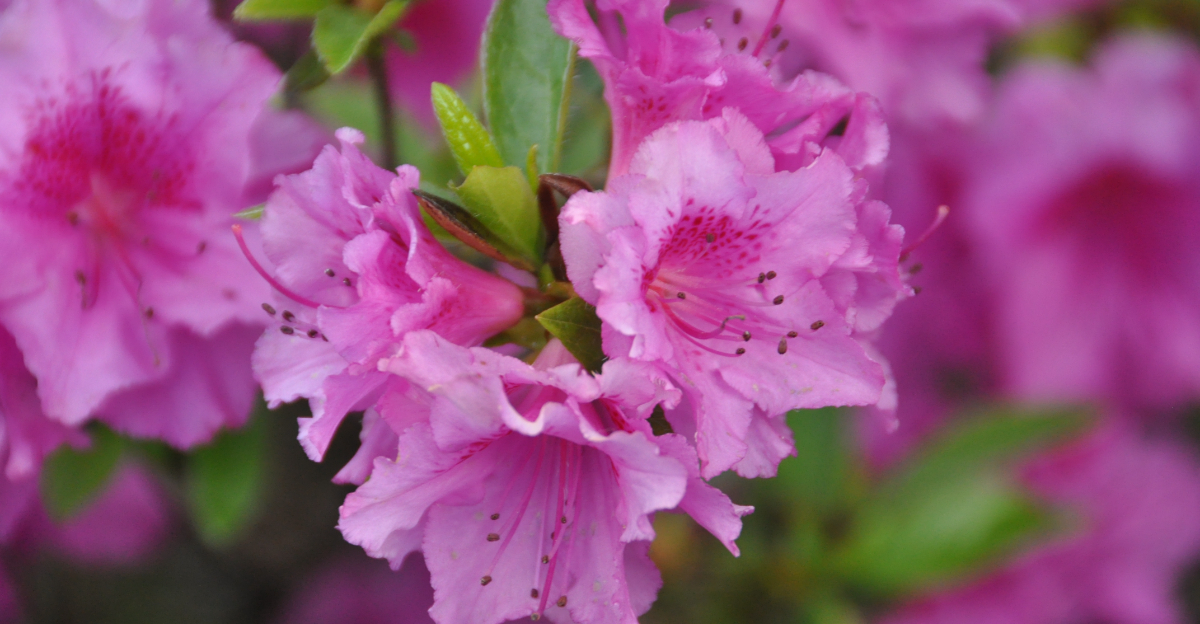
Oregon azaleas can look so good in bloom that it is tempting to just admire them and move on.
Then the flowers fade, the shrub starts blending back into the background, and that short window right after blooming gets overlooked completely. That is often where next year’s performance starts getting shaped.
What happens now matters more than many gardeners realize. This is when azaleas begin shifting energy into fresh growth and future flower buds, and a few smart moves can help them stay fuller, healthier, and far more impressive next spring.
Ignore them too long, and small problems can quietly build up while the plant still looks perfectly fine.
The good news is that post-bloom care is not complicated. A little attention at the right time can make a real difference in how these shrubs grow through the rest of the season.
For Oregon gardeners, this is one of those easy-to-miss moments that can pay off in a big way later.
1. Prune At The Right Time
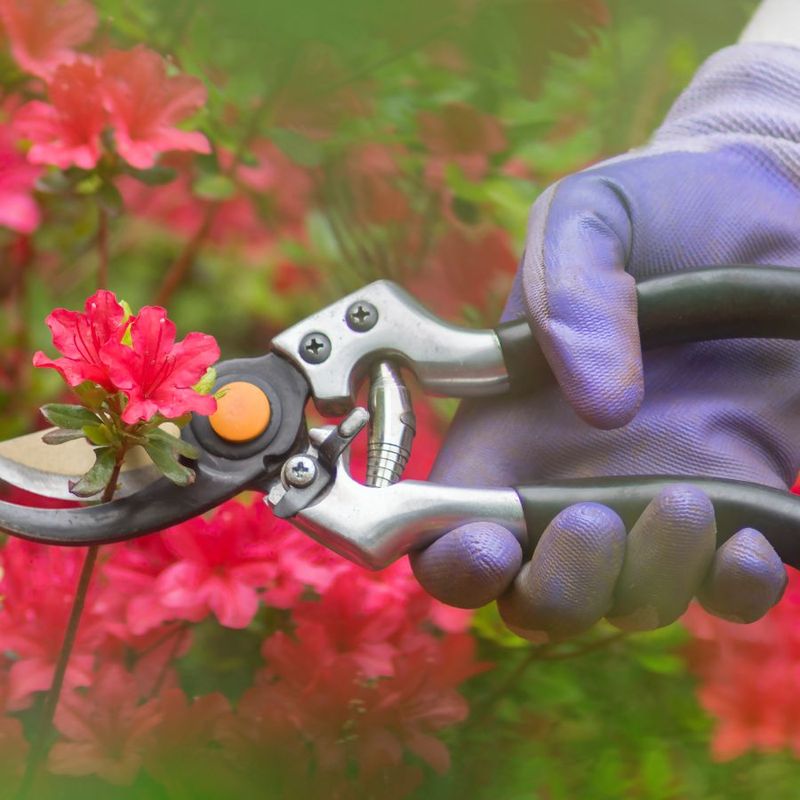
Timing is everything when it comes to pruning azaleas in Oregon. The best window to prune is right after the flowers drop, usually in late spring or early summer.
If you wait too long, you risk cutting off the new buds that are already forming for next year.
Azaleas set their buds for the following season very quickly after blooming. Most experts suggest finishing all pruning before mid-July.
After that point, the plant has already started building next year’s flower buds, and cutting them off means fewer blooms down the road.
Use clean, sharp pruning shears so you make smooth cuts without tearing the stems. Ragged cuts can invite disease and slow healing.
Wipe your blades with rubbing alcohol between plants to avoid spreading any problems from one shrub to another.
In Oregon’s mild climate, azaleas respond well to a light trim right after bloom. You don’t need to cut them back hard unless you’re trying to reshape the plant.
A light touch goes a long way. Focus on removing any branches that cross each other or crowd the center, which helps air move through the plant more freely.
2. Cut Back Weak Growth
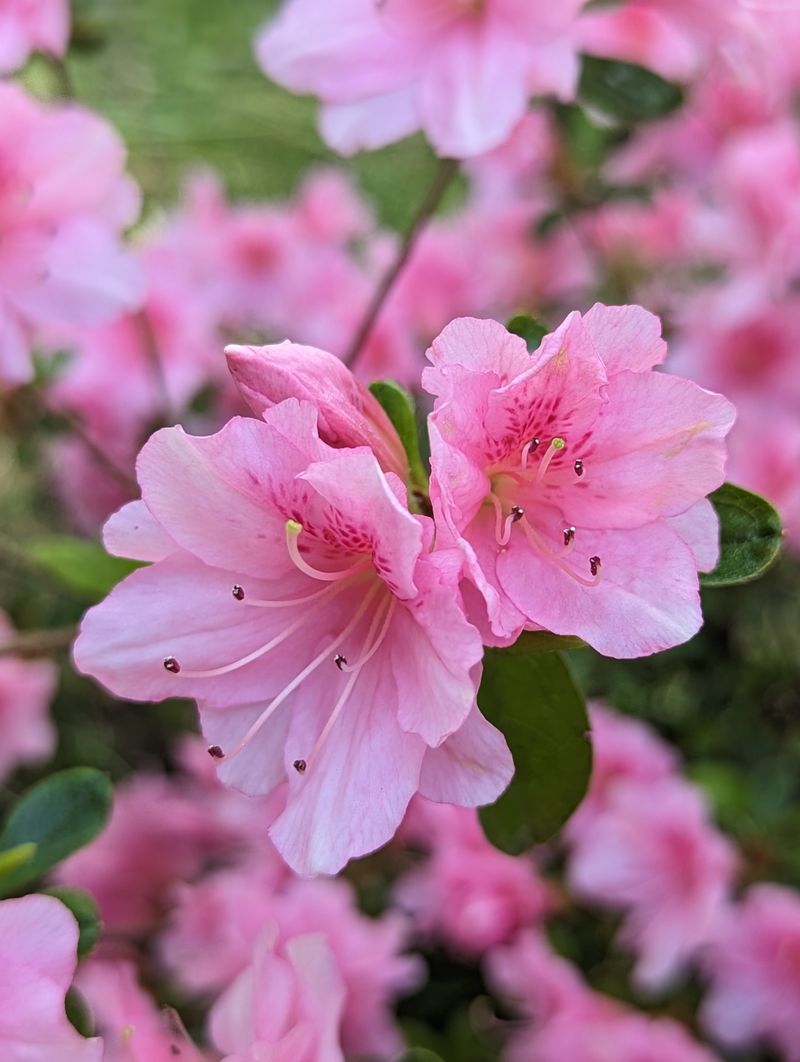
Not all growth on an azalea is worth keeping. After blooming ends, take a close look at your plant and spot any thin, spindly, or weak-looking branches.
These are often called “water sprouts” or simply weak shoots, and they rarely produce good flowers.
Removing weak growth does two helpful things at once. First, it stops the plant from wasting energy on branches that won’t perform well.
Second, it encourages stronger, healthier stems to grow in their place. Think of it like clearing clutter so the best parts of the plant can shine.
In Oregon, where spring rains can encourage a lot of fast, soft growth, this step is especially important. Rapid growth caused by wet weather can produce stems that are long but not very sturdy.
These weak stems are more likely to bend, break, or struggle during summer heat.
Your Oregon Garden Changes Every Week. Your Plan Should Too.
Gardening in Oregon changes quickly throughout the season. Every Friday you’ll receive a simple weekly plan showing exactly what to plant, prune, fertilize, harvest, and protect so you never miss the right timing.
When cutting back weak growth, make your cut just above a healthy leaf node or branch junction. This helps the plant direct its energy toward creating new, strong growth from that point.
You don’t need to remove a lot, just enough to tidy things up and give your azalea a clear path forward into summer.
3. Keep Soil Moist
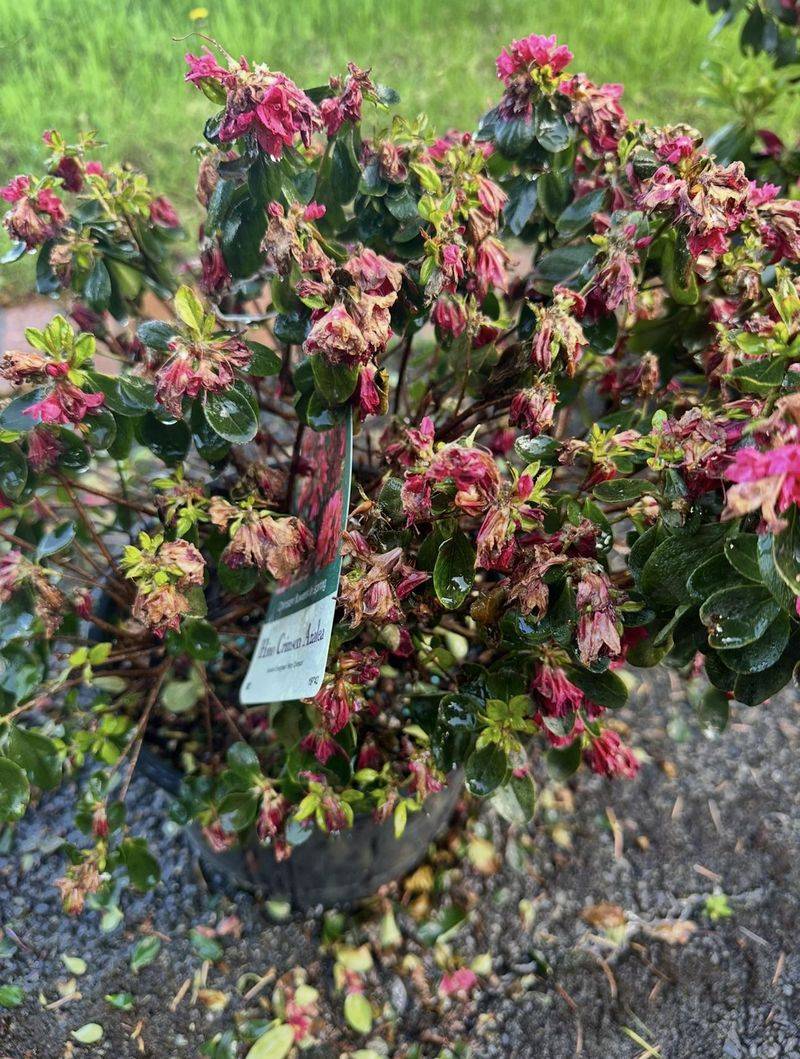
Right after blooming, azaleas in Oregon shift all their energy toward building new leaves and setting up next year’s flower buds. This process takes a lot of water.
Keeping the soil consistently moist during this time is one of the most helpful things you can do.
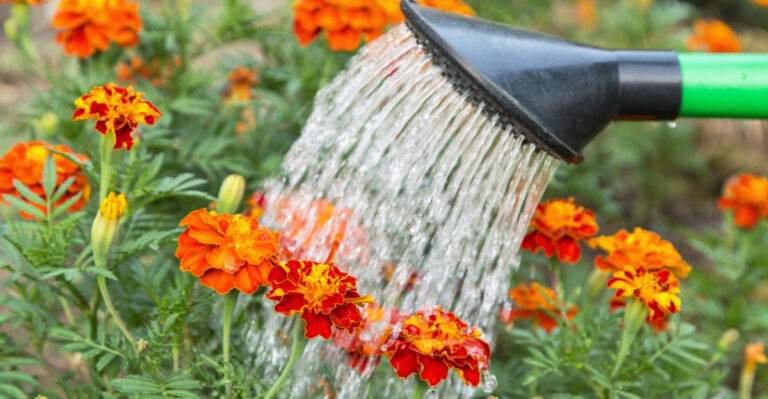
Water deeply and slowly at the base of the plant rather than sprinkling from above. Deep watering encourages roots to grow downward, which makes the plant more stable and better at finding moisture on its own during dry spells.
Shallow watering tends to keep roots close to the surface, where they dry out faster.
Oregon summers can bring surprisingly dry stretches, especially in the Willamette Valley and southern parts of the state. Don’t assume the spring rains will carry your azaleas through the whole season.
Check the soil around your plants regularly by pressing a finger about an inch into the ground. If it feels dry, it’s time to water.
Avoid overhead watering whenever possible. Wet foliage can lead to fungal issues, which are already a concern in Oregon’s damp climate.
Soaker hoses or drip irrigation systems work great for keeping the soil moist without wetting the leaves.
4. Refresh The Mulch

Mulch is like a cozy blanket for your azalea’s roots, and refreshing it right after blooming can make a big difference. A good layer of organic mulch helps hold moisture in the soil, keeps the roots cool during warm Oregon summers, and slowly breaks down to add nutrients over time.
Pine bark, wood chips, and shredded leaves all work well for azaleas. Aim for a layer about two to three inches thick around the base of the plant.
Spread it out to the drip line, which is the outer edge of the branches, for the best coverage.
One thing to watch out for is piling mulch directly against the trunk or main stems. This can trap moisture and encourage rot or pest problems.
Always leave a few inches of space between the mulch and the base of the plant.
In Oregon, where rainfall can be unpredictable from season to season, mulch plays a key role in keeping soil conditions stable. It reduces how often you need to water and protects roots from temperature swings.
If your mulch from last year has broken down or thinned out, now is a great time to top it off with a fresh layer before summer heat sets in.
5. Go Easy On Feeding
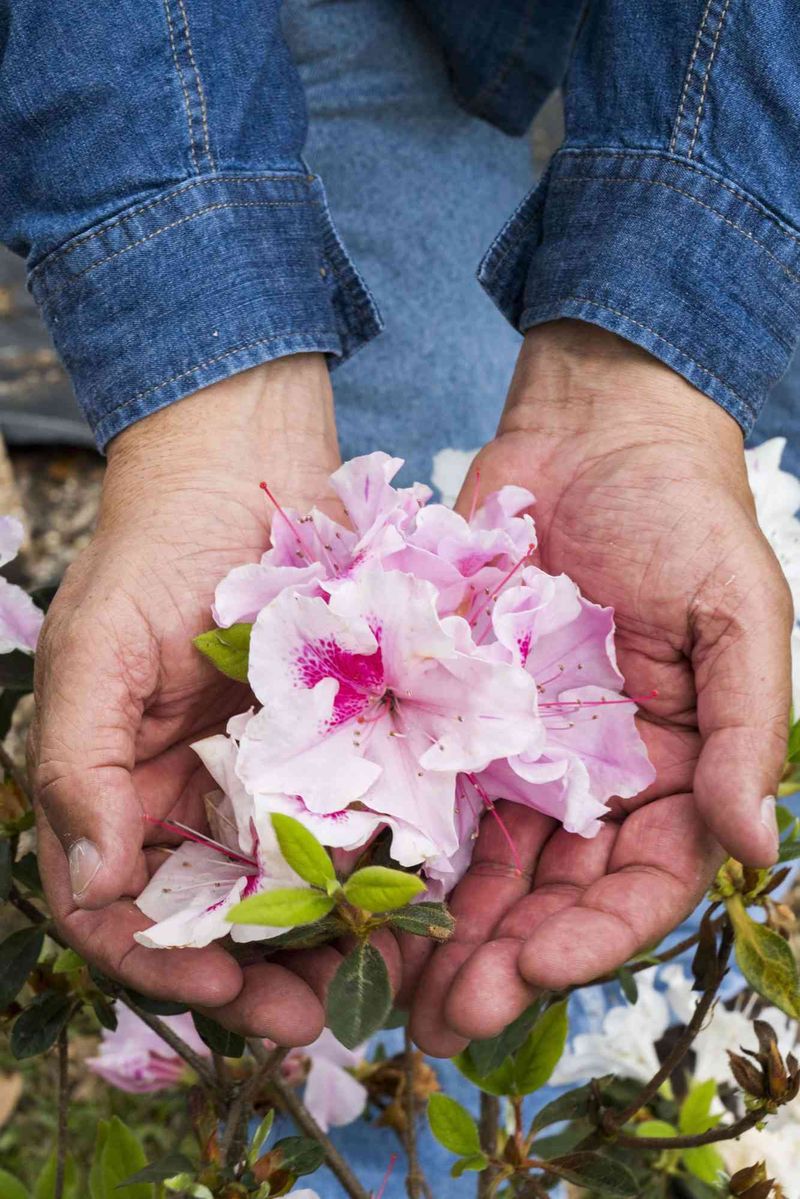
Fertilizing azaleas after blooming can give them a helpful boost, but too much of a good thing can actually cause problems. Oregon gardeners should apply fertilizer lightly and choose a product made for acid-loving plants like azaleas and rhododendrons.
A slow-release granular fertilizer works best because it feeds the plant gradually over several weeks. This is gentler than a liquid fertilizer that delivers a sudden rush of nutrients.
Sprinkle the fertilizer around the drip line of the plant and water it in gently. Avoid getting fertilizer directly on the stems or leaves.
Timing matters just as much as the type of fertilizer you use. Apply it shortly after the blooms drop, but stop fertilizing by mid-July.
Feeding too late in the season pushes the plant to produce soft, new growth that may not toughen up before cooler Oregon fall weather arrives.
If your azalea looks healthy and is growing well, you may not need to fertilize at all. Healthy soil with good organic matter can provide most of what the plant needs.
When in doubt, less is more. Over-fertilizing can actually reduce blooming and stress the plant more than skipping it entirely would.
6. Check The Soil pH

Azaleas are picky about soil chemistry, and getting the pH right is one of the most overlooked parts of azalea care. These plants thrive in acidic soil with a pH between 4.5 and 6.0.
If the pH is too high, azaleas struggle to absorb nutrients even when those nutrients are present in the soil.
Oregon’s soils vary quite a bit depending on where you live. In parts of western Oregon, soils tend to be naturally acidic, which is great for azaleas.
But in other areas, especially near construction sites or where lime has been added, the pH can creep up higher than azaleas like.
Testing your soil is easy and inexpensive. You can buy a simple test kit at most garden centers or send a sample to Oregon State University Extension for a more detailed analysis.
Testing once a year, right after blooming ends, gives you a clear picture of what your soil needs.
If your soil pH is too high, you can lower it by adding sulfur or using an acidifying fertilizer. Work any amendments in gently around the root zone.
Be patient, because it takes time for pH changes to take effect. Consistent testing each season helps you stay ahead of any issues before they affect your blooms.
7. Protect Next Year’s Blooms
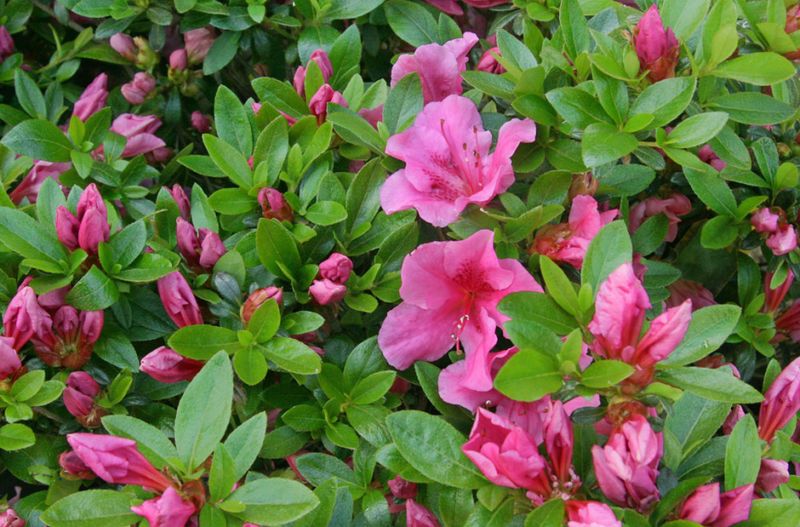
Everything you do for your azaleas in the weeks after blooming is really about one goal: protecting next year’s flowers. Azaleas start forming their buds for the following spring very soon after the current blooms fade.
That means the choices you make right now have a direct impact on how beautiful your garden looks next May.
Avoid anything that stresses the plant during this bud-setting period. That includes pruning too late, over-fertilizing, letting the soil dry out completely, or disturbing the roots unnecessarily.
Stressed plants put their energy into survival rather than flower bud production.
In Oregon, where azaleas are a beloved part of the spring landscape, gardeners take pride in keeping their plants in top shape year after year. Simple habits like regular watering, timely mulching, and careful pruning add up to a healthier plant that blooms more reliably each season.
Watch for signs of trouble like yellowing leaves, spots, or unusual drooping. Catching problems early gives you more options for fixing them before they affect bud development.
Healthy foliage through summer and fall is one of the best signs that your azalea is on track for a stunning display when Oregon spring arrives again.