8 Oregon Perennials That Bloom More Than Once A Year
A garden feels different when color comes back for an encore. That is part of the fun with certain Oregon perennials.
They do not just bloom, fade, and call it a season. They put on a show, take a short pause, and then surprise you with another round when the garden needs it most.
That kind of plant earns its keep fast. It helps borders stay lively longer, makes flower beds feel less patchy in midsummer, and gives gardeners something to look forward to after the first wave of blooms starts slowing down.
In a state where the growing season can be long and rewarding, repeat bloomers know how to make the most of it.
And honestly, there is something satisfying about a plant that does not quit after one big moment. The right perennials keep the garden feeling fresh, colorful, and full of momentum, which is exactly what makes them so appealing in Oregon yards.
1. Salvia
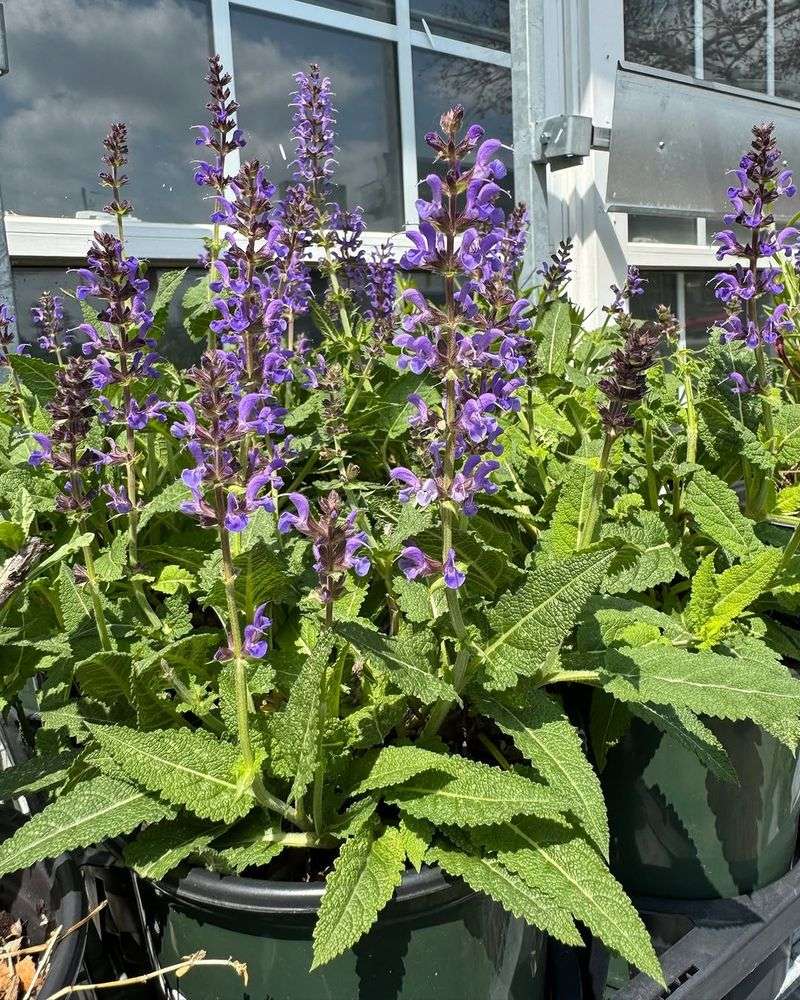
Few plants work as hard as Salvia does in an Oregon garden. With its tall spikes of red, purple, or blue flowers, it grabs attention from across the yard.
Hummingbirds and bees absolutely love it, which means your garden becomes a lively hub of activity every time it blooms.
Salvia typically puts on its first big show in early summer. After that display fades, a simple light pruning is all it takes to get a second flush of blooms in early fall.
Oregon’s mild climate gives Salvia plenty of time to recharge between those two big performances.
Plant Salvia in a sunny spot with well-drained soil. It handles dry spells well once it gets established, making it a smart choice for low-maintenance Oregon landscapes.
Spacing plants about 18 inches apart gives them good airflow and keeps them healthy. Deadheading spent flower spikes regularly during the blooming season also encourages more flowers to form.
With just a little attention, Salvia rewards you with color, wildlife, and beauty across multiple seasons without a lot of fuss.
2. Catmint (Nepeta)
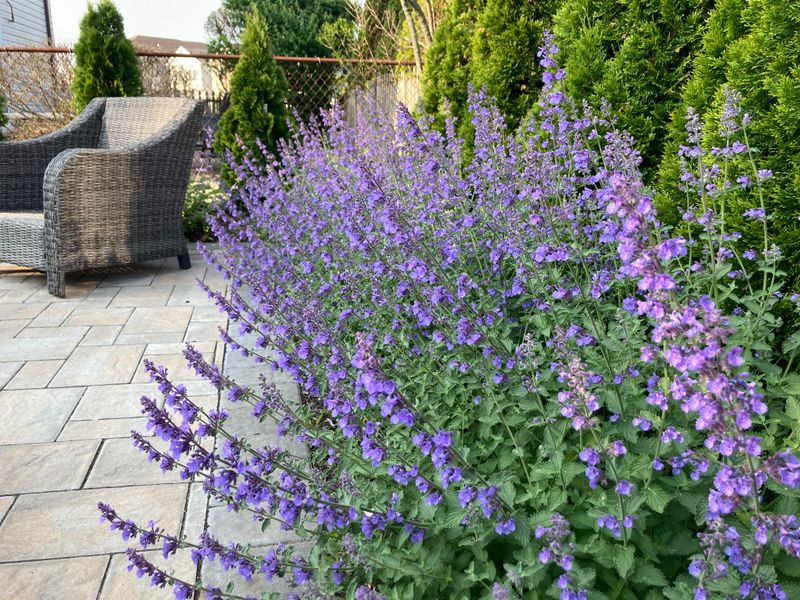
Catmint is the kind of plant that makes gardeners look like pros without putting in a ton of effort. Its soft lavender-blue flowers spill over garden edges like a gentle wave, creating a relaxed, cottage-garden feel that works beautifully in Oregon yards.
It is also seriously tough, handling both dry spells and cool, rainy Oregon weather without much complaint.
After its first flush of blooms in late spring or early summer, cutting Catmint back by about one-third is the trick to getting a second round of flowers. That second bloom usually arrives in late summer or early fall, keeping your garden colorful long after many other plants have called it quits for the season.
Catmint grows best in full sun to light shade and thrives in well-drained soil. It spreads nicely over time, making it a great choice for filling in gaps along walkways or garden borders.
Cats are famously attracted to it, which can be either entertaining or a little frustrating depending on your feelings about neighborhood cats visiting your garden.
Your Oregon Garden Changes Every Week. Your Plan Should Too.
Gardening in Oregon changes quickly throughout the season. Every Friday you’ll receive a simple weekly plan showing exactly what to plant, prune, fertilize, harvest, and protect so you never miss the right timing.
Either way, this plant is a proven winner for Oregon gardeners who want reliable, repeat color season after season.
3. Coreopsis
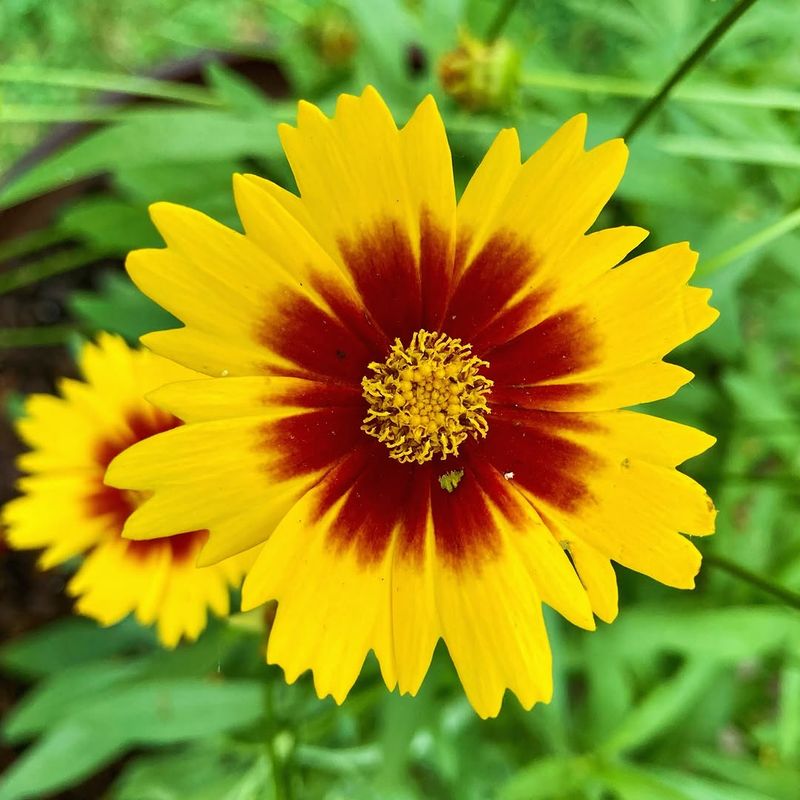
Sunshine in plant form is probably the best way to describe Coreopsis. Its cheerful yellow, gold, or pink daisy-like flowers light up garden beds from early summer all the way into fall.
Oregon gardeners love it because it blooms for such a long stretch of time, often producing wave after wave of flowers with very little prompting.
Regular deadheading is the secret to keeping Coreopsis blooming its best. Snipping off faded flowers before they go to seed tells the plant to keep producing more blooms instead of putting energy into making seeds.
In Oregon’s long growing season, this simple habit can extend the flowering period dramatically.
Coreopsis prefers full sun and well-drained soil, and it is surprisingly drought-tolerant once established. It does not like soggy roots, so avoid planting it in low spots where water collects after Oregon’s frequent rains.
Most varieties grow between one and three feet tall, making them versatile for front or middle garden placements. Some newer dwarf varieties are also excellent in containers on patios.
Pollinators like butterflies and bees visit the flowers regularly, adding extra life and movement to your outdoor space throughout the growing season.
4. Yarrow
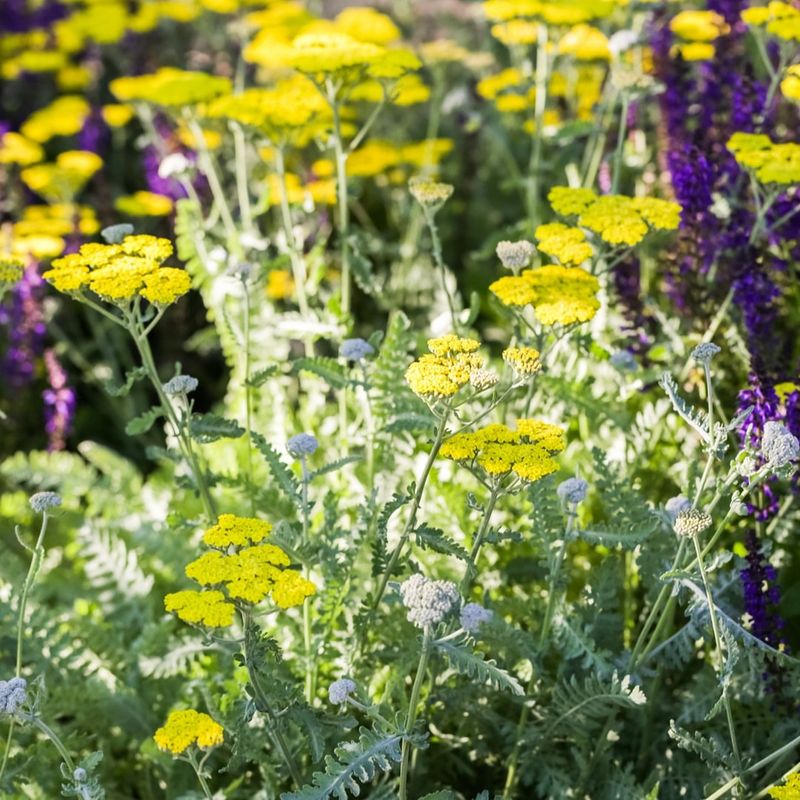
Yarrow has been growing in gardens for hundreds of years, and there is a very good reason it has stuck around that long. This tough, flat-topped perennial produces wide clusters of flowers in shades of yellow, white, pink, and red.
It blooms reliably in early summer, and cutting it back after the first flush of flowers triggers a second round of blooms later in the season.
Oregon’s varied climate suits Yarrow very well. It handles both the dry eastern Oregon summers and the wetter western Oregon conditions with equal ease.
Once established, Yarrow is remarkably self-sufficient, needing very little watering or fertilizing to perform well year after year.
Plant Yarrow in full sun for the best flowering results. It grows well in average to poor soil and actually tends to flop over in soil that is too rich or too moist.
Dividing clumps every three to four years keeps plants vigorous and prevents them from spreading too aggressively. The flowers also dry beautifully, making Yarrow a popular choice for dried flower arrangements.
Pollinators, especially butterflies, are drawn to the flat flower heads, making it a wildlife-friendly addition to any Oregon garden space.
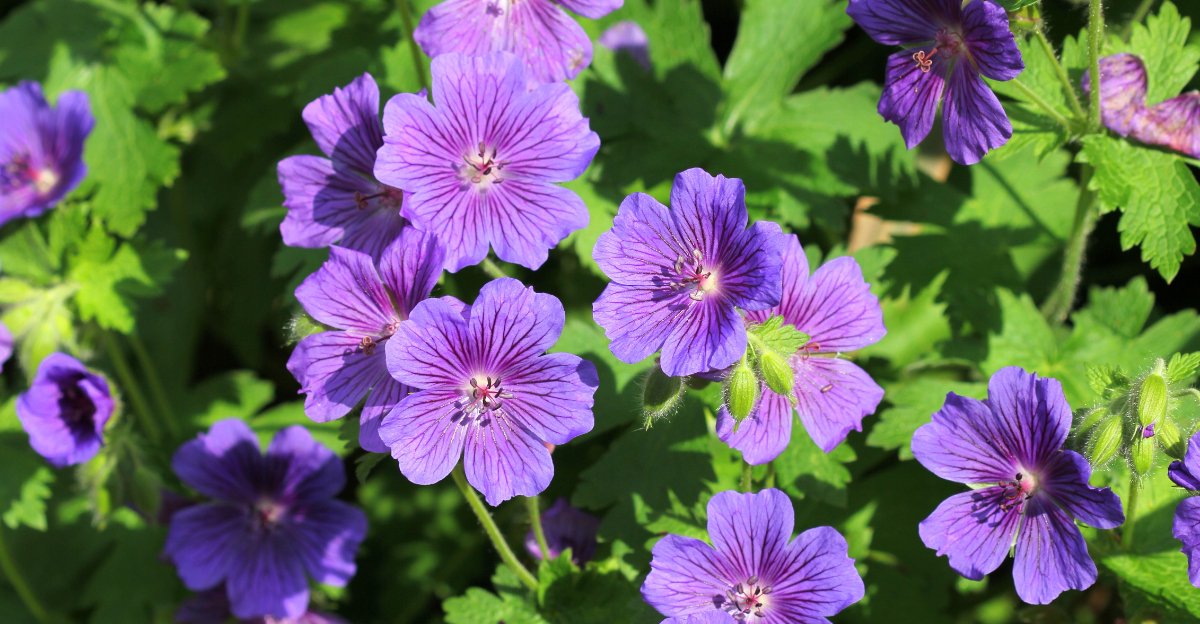
5. Cranesbill Geranium
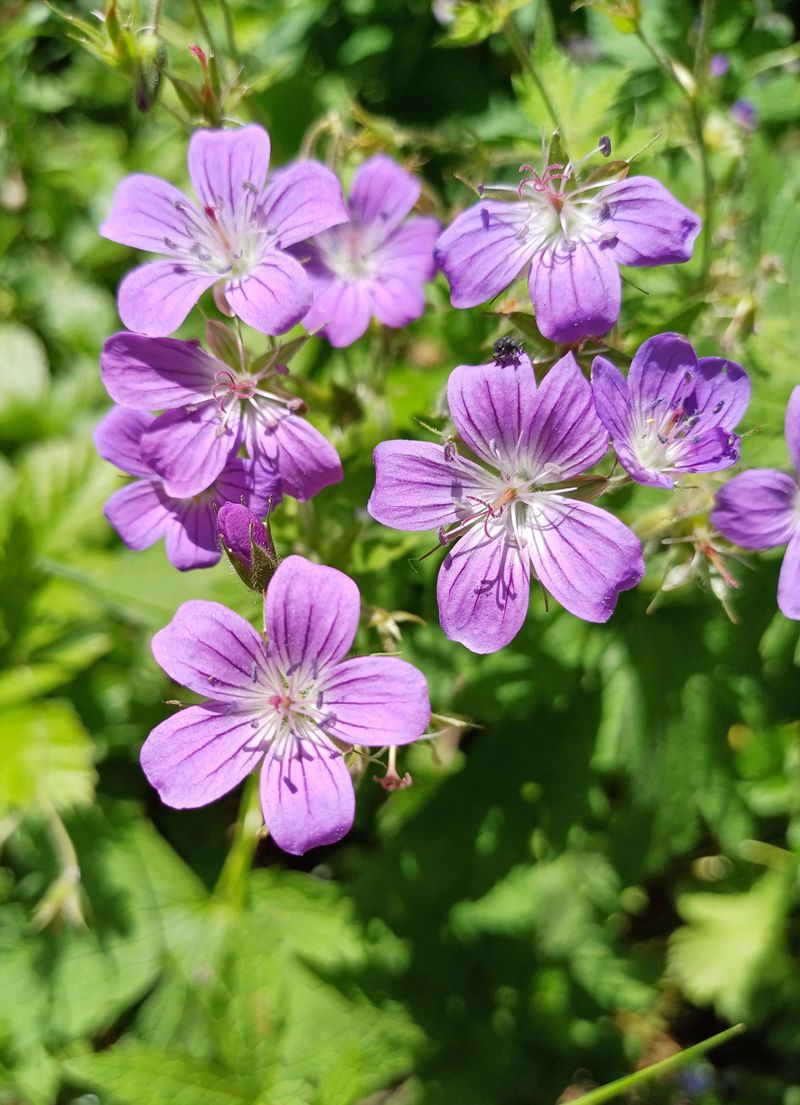
Do not confuse Cranesbill Geranium with the potted annual geraniums you see at garden centers every spring.
These are true hardy perennials that come back year after year in Oregon gardens, often spreading into beautiful, weed-suppressing ground covers over time.
Their delicate flowers come in shades of pink, purple, blue, and white, and they have a quiet elegance that pairs well with almost any garden style.
Cranesbill Geraniums typically bloom in late spring or early summer. Cutting plants back hard after that first bloom encourages fresh new foliage and often a second, lighter round of flowers later in the summer.
The foliage itself is attractive even when the plant is not flowering, with deeply lobed leaves that turn lovely shades of red and orange in fall.
One of the best things about Cranesbill Geranium in Oregon is its flexibility. It handles partial shade well, making it perfect for spots under trees or along the north sides of buildings where many sun-loving plants struggle.
It grows in a wide range of soil types as long as drainage is reasonable. Slugs can be an issue in Oregon’s wetter regions, so keep an eye out and use organic controls if needed to protect young plants.
6. Veronica
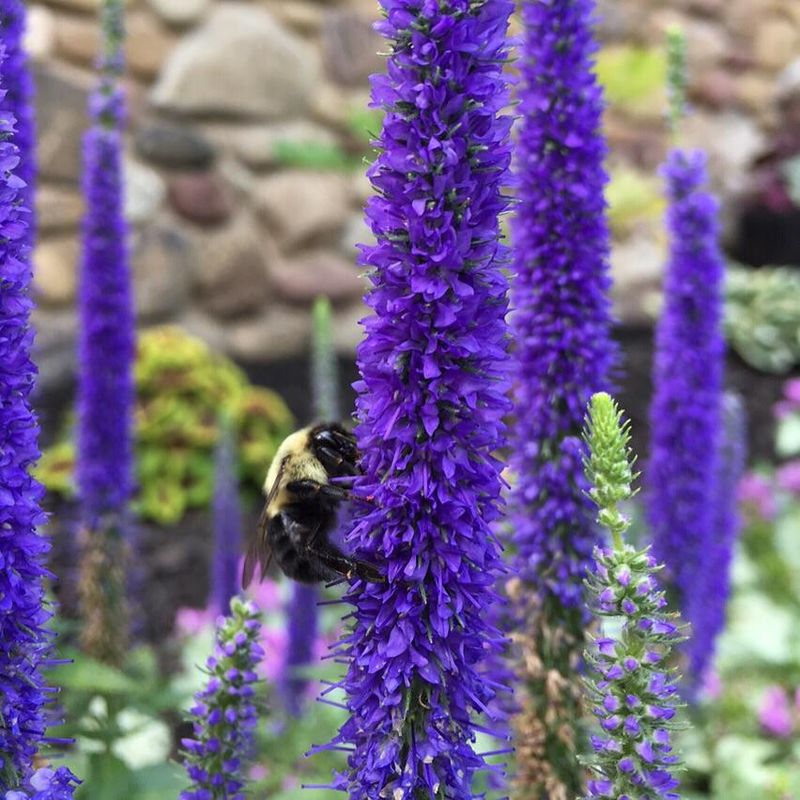
Veronica, also called Speedwell, is a plant that punches well above its weight in the beauty department. Its slender, upright spikes of tiny blue, purple, or white flowers stand tall above neat mounds of green foliage.
The effect is elegant and eye-catching, and Oregon gardeners who try it once almost always come back for more varieties.
Blooming from late spring through midsummer, Veronica makes a strong first impression. After the initial flower spikes fade, cutting them back to the base of the plant often encourages a second flush of blooms before the end of the growing season.
Oregon’s moderate temperatures in late summer create ideal conditions for that second round of flowering.
Veronica grows best in full sun and well-drained soil. It does not appreciate sitting in water, especially during Oregon’s wet winter months, so raised beds or slopes with good drainage are ideal planting spots.
Most garden varieties grow between one and two feet tall, making them a great mid-border choice. Bees and butterflies visit the flowers regularly, which is always a welcome bonus.
Dividing clumps every few years keeps plants blooming at their best and gives you extra plants to share with fellow Oregon gardeners in your neighborhood.
7. Delphinium
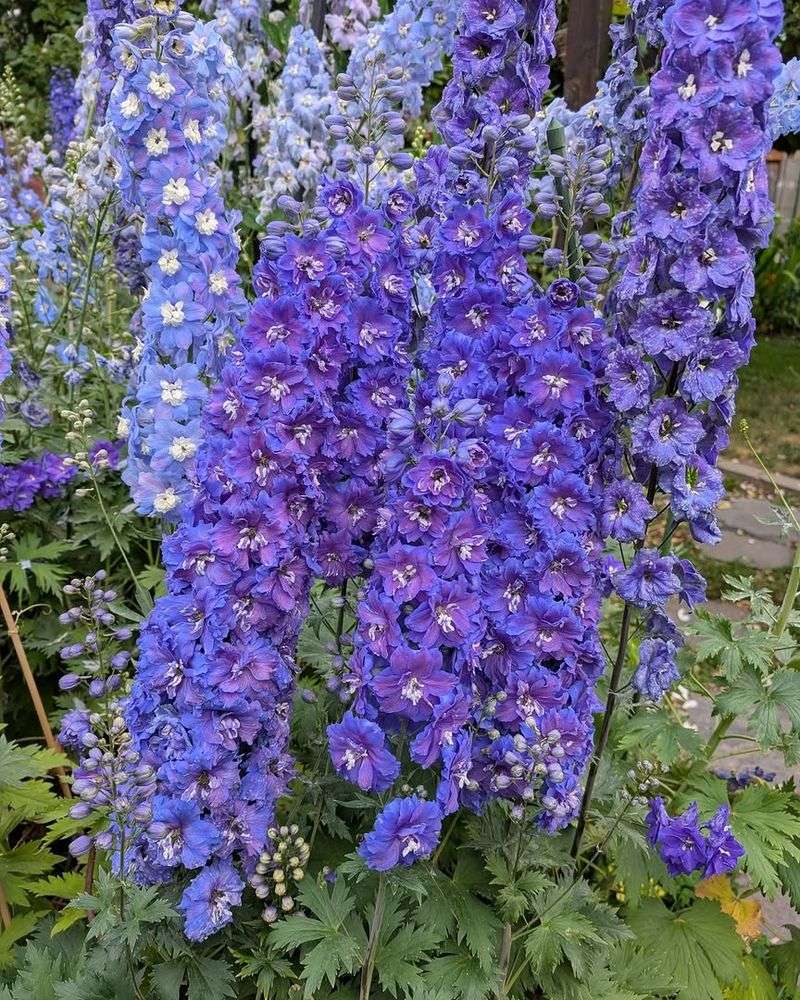
There is nothing quite like the dramatic vertical presence of Delphinium in a garden. Those towering spikes of deep blue, purple, lavender, or white flowers are genuinely show-stopping, and they are one of the most requested plants among Oregon cottage-garden enthusiasts.
Growing Delphinium well takes a little more attention than some other perennials, but the payoff is absolutely worth the extra effort.
Delphinium blooms in early to midsummer, putting on a spectacular display that can last several weeks.
After flowering finishes, cutting the spent stalks down to the ground and giving plants a light fertilizer encourages new growth and a second, often smaller but still beautiful, flush of blooms in early fall.
Oregon’s cooler fall temperatures actually suit Delphinium very well.
Tall varieties need staking to prevent the heavy flower spikes from toppling over in Oregon’s occasional summer windstorms. Plant Delphinium in a sheltered spot with full sun and rich, moist but well-drained soil for the best results.
Slugs are a real challenge in wetter parts of Oregon, so start slug control measures early in the season. With proper care, Delphinium can live for many years and become one of the most admired plants in your entire Oregon garden.
8. Daylilies
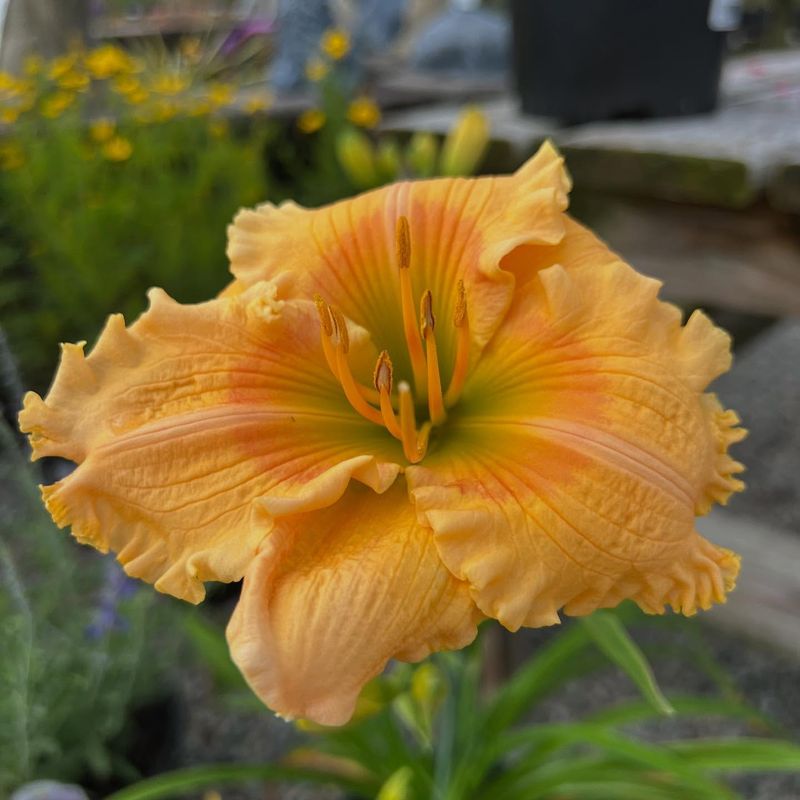
If there were a prize for the most easygoing perennial in the Pacific Northwest, Daylilies would be strong contenders every single year.
These tough, adaptable plants produce trumpet-shaped flowers in an almost endless range of colors, from soft pastels to vivid oranges and deep reds.
Each individual flower lasts just one day, but the plants produce so many buds that the show goes on for weeks.
Certain reblooming varieties, like the famous Stella d’Oro, take things even further by producing multiple waves of flowers from spring all the way through fall.
Oregon’s long growing season gives reblooming Daylilies plenty of time to cycle through several rounds of flowering, making them one of the best investments a gardener can make for long-season color.
Daylilies thrive in full sun to partial shade and are not picky about soil type, though they prefer it to be well-drained. They are drought-tolerant once established, which is handy during Oregon’s drier summer months in eastern parts of the state.
Dividing overcrowded clumps every four to five years keeps plants blooming vigorously. Removing spent flower stalks after each bloom cycle also encourages the plant to redirect energy into producing the next round of beautiful, colorful blooms.