Why Gophers Are More Active In California Gardens In April
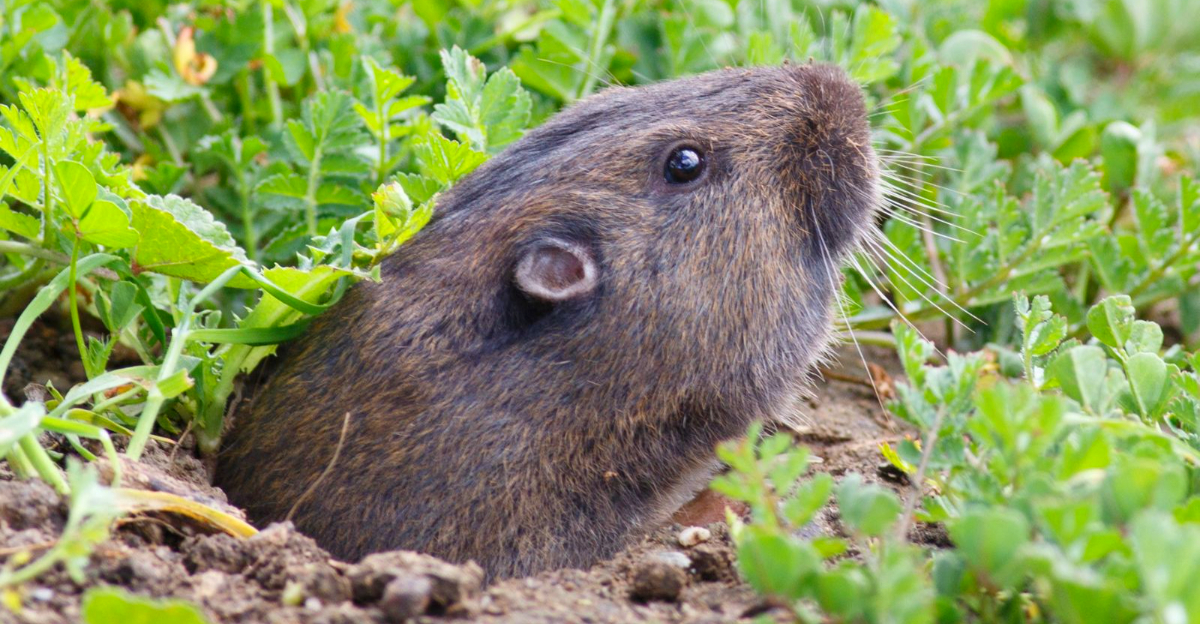
If you garden anywhere in California, April often feels like a sudden wake-up call from right beneath your feet.
Almost overnight, fresh mounds of dirt appear across the lawn, prized plant roots go missing, and those telltale tunnel systems become impossible to ignore.
California’s spring season creates the perfect combination of conditions that nudge gophers out of their quiet winter routines and into high gear.
Understanding exactly what drives this seasonal surge is the secret to staying one step ahead.
By learning their spring habits now, you can effectively protect your garden beds and ensure the plants you’ve worked so hard to grow actually stay in the ground.
1. Warmer Soil Temperatures Increase Activity
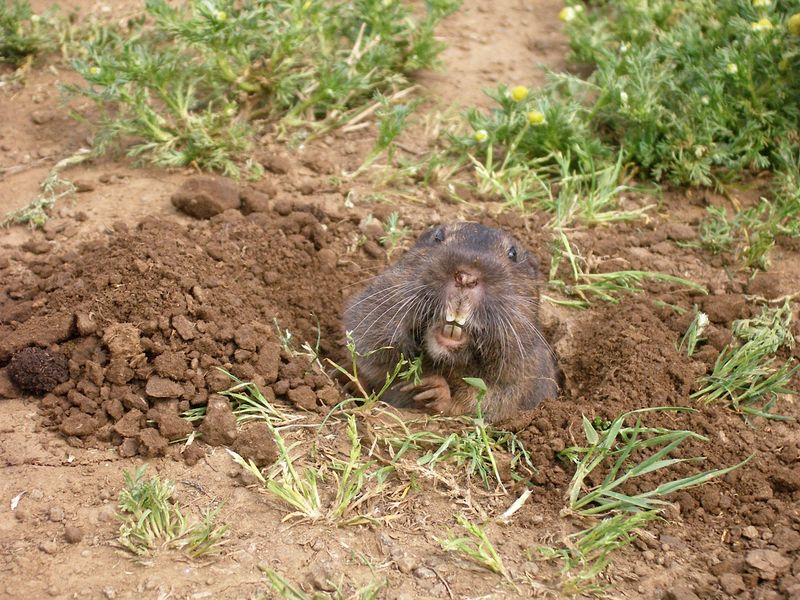
Many California gardeners first notice the signs in April not above ground, but by the way the soil itself seems to shift and resettle overnight.
As soil temperatures rise through late March and into April, gophers become noticeably more energetic in their tunneling and foraging patterns.
The colder months tend to slow their metabolism just enough to reduce visible activity, but warming soil reverses that trend quickly.
Botta’s pocket gophers, the species most common across California gardens, are sensitive to soil temperature changes. When ground temperatures climb into the comfortable mid-range, their bodies respond by increasing movement, feeding, and digging.
Coastal California gardens may experience this shift a bit later than inland gardens, where soil warms faster due to less marine layer influence.
Gardeners in the Central Valley often report April as their busiest month for gopher damage precisely because inland soil heats up quickly after winter rains taper off.
Even a few degrees of warming can significantly increase how far and how fast a gopher extends its tunnel network.
Understanding this temperature connection helps explain why gopher activity seems to spike so suddenly each spring, even when the garden looks the same as it did just a few weeks earlier.
2. Spring Is A Peak Breeding Season
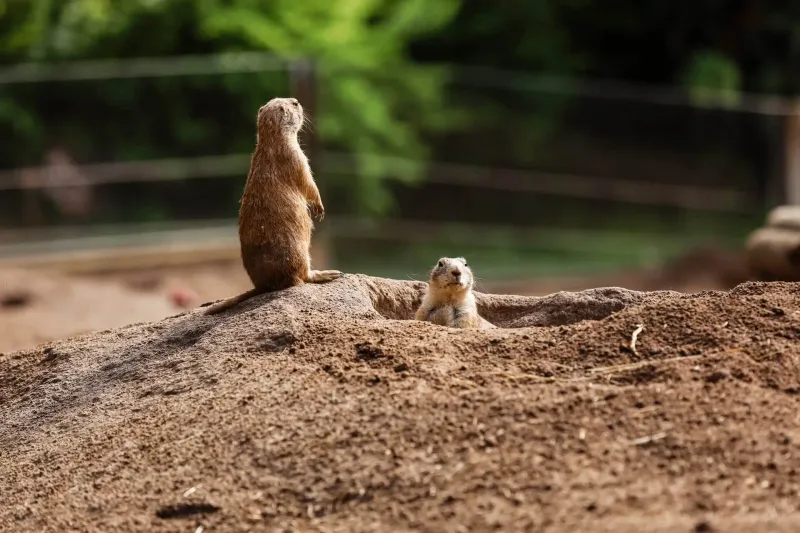
Few things drive an animal to move, dig, and forage more urgently than the need to raise a family. For California’s Botta’s pocket gophers, spring marks the beginning of their most active reproductive period, and April sits right at the heart of it.
A single female can produce multiple litters during the season, with each litter containing several pups, meaning the population in your garden can expand faster than most gardeners expect.
As young gophers grow and become independent, they begin pushing outward from the family burrow to find their own space. This dispersal creates a ripple effect of new tunnels and fresh mounds across previously undisturbed areas of the garden.
What started as one gopher’s territory in March can become home to several individuals by the end of April.
The breeding surge also means that adult gophers need significantly more food to support nursing and growth. Foraging activity increases, and the range of each gopher’s underground network expands to meet that demand.
California gardeners who notice mounds appearing in new corners of the yard during April are often witnessing the direct result of a spring population boom already underway beneath their feet.
Your California Garden Changes Every Week. Your Plan Should Too.
Gardening in California changes quickly throughout the season. Every Friday you’ll receive a simple weekly plan showing exactly what to plant, prune, fertilize, harvest, and protect so you never miss the right timing.
Recognizing this pattern early gives homeowners a real advantage in managing the situation before damage spreads further.
3. Soft Soil Makes Tunneling Easier
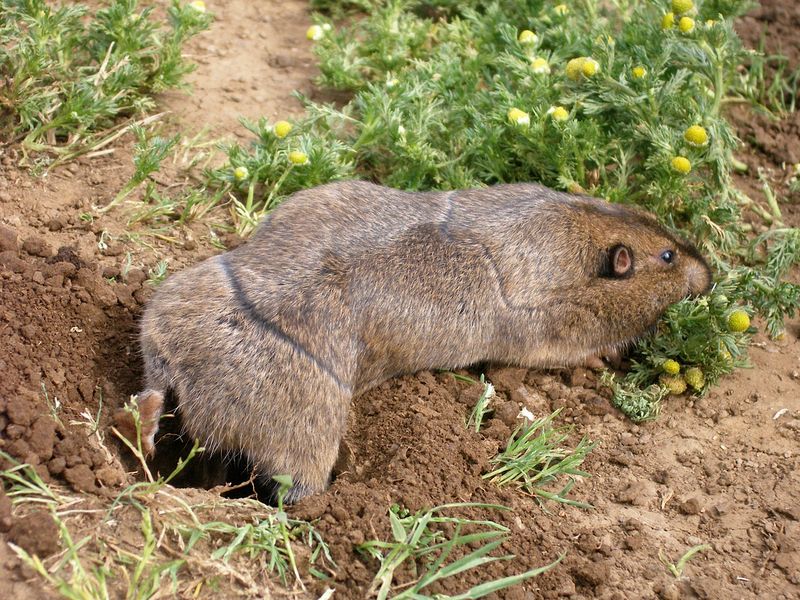
Anyone who has tried to dig in hard, dry California soil during summer knows just how compacted and resistant it can get. April brings a different story.
Winter rains have saturated the ground, and the soil across much of California remains soft, loose, and workable well into the spring months. For gophers, this is close to an open invitation to dig with minimal effort.
Soft soil requires far less energy to move than dry, compacted earth. Gophers can extend their tunnels more quickly, push up mounds with less resistance, and cover more ground in a shorter amount of time.
This efficiency encourages them to expand their territories and explore new areas of the garden that might have been harder to access during drier months.
Coastal California gardens tend to retain moisture longer due to cooler temperatures and morning fog, which means soft soil conditions can persist well into spring in those regions.
Inland areas may dry out faster, but April typically still offers a window of workable ground before summer heat sets in.
Even raised beds, which drain more efficiently, can become targets during this period if the surrounding native soil remains moist.
Gardeners who notice their beds being approached from the sides may be dealing with gophers taking advantage of the easier digging conditions all around them.
4. Fresh Plant Growth Provides More Food
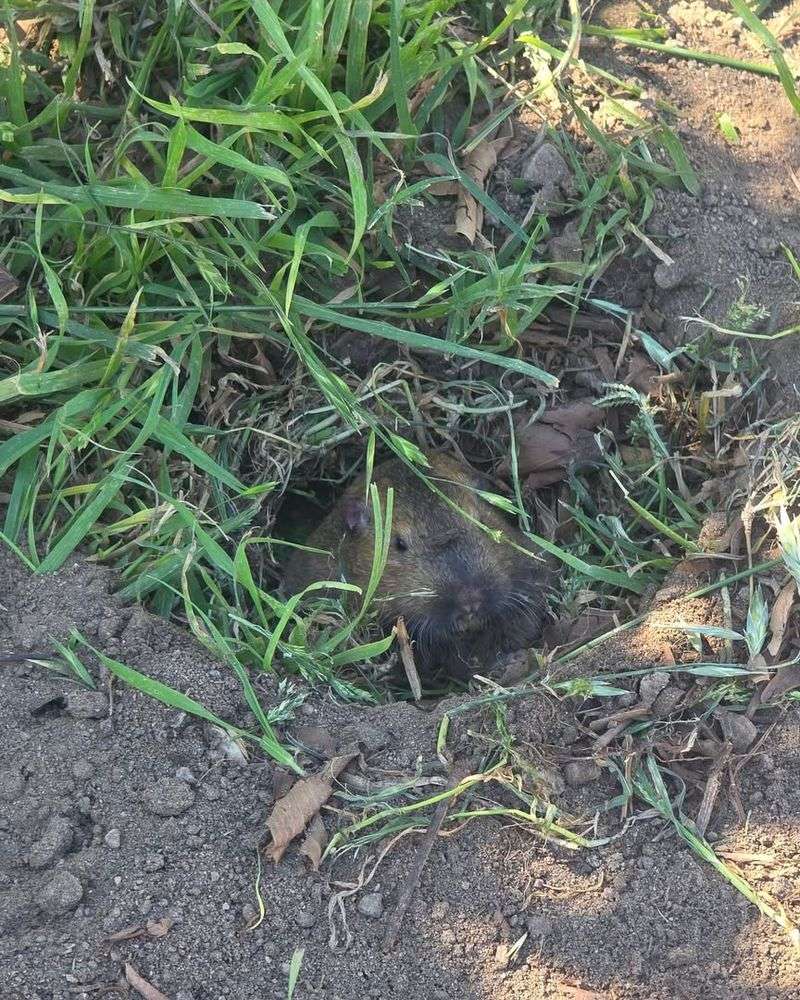
Walk through a California garden in April and the change from February is almost startling. Vegetables are sprouting, ornamental plants are pushing out new leaves, and the whole garden seems to be waking up at once.
For gophers, this seasonal flush of fresh plant growth is essentially a buffet opening for business after a long, lean winter.
Gophers are herbivores that rely heavily on plant material, especially roots, bulbs, and tender stems. In winter, pickings are slim and the variety of available food is limited.
But by April, California gardens are producing exactly the kinds of soft, nutrient-rich plant material that gophers find most appealing.
Young vegetable transplants, newly seeded lawns, and freshly planted flower beds are particularly vulnerable during this window.
Root vegetables like carrots, beets, and sweet potatoes are especially attractive targets because gophers can access them entirely from underground without ever surfacing.
Even ornamental plants with fleshy root systems, such as dahlias and tulips, tend to disappear mysteriously in April as gophers pull them down from below.
Gardeners who have invested time and money into spring planting often find this the most frustrating part of the season.
Knowing that fresh growth acts as a powerful draw can help you prioritize which plants to protect first and where to focus your prevention efforts before the damage accumulates.
5. Increased Root Development Attracts Feeding
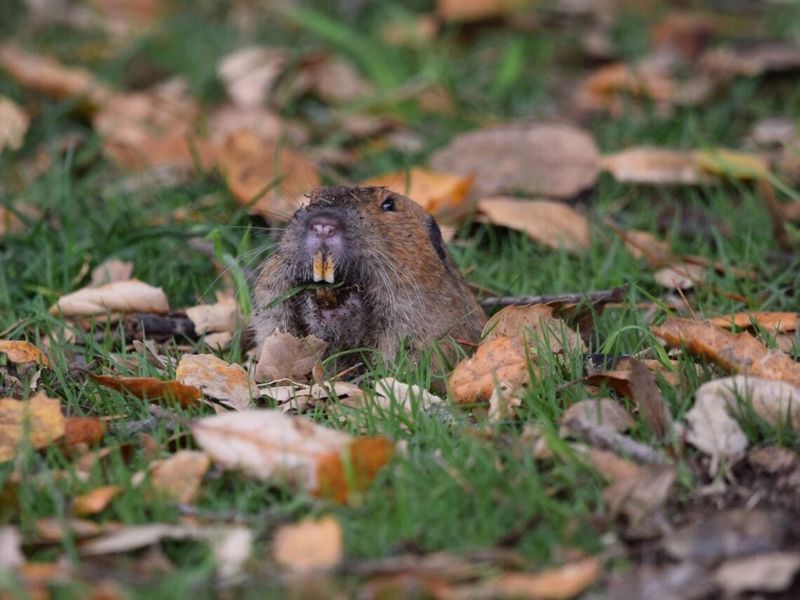
Something interesting happens underground in California gardens every April that most people never think about: plant roots are growing at one of their fastest rates of the year.
Spring warmth and soil moisture trigger rapid root development across nearly every plant in the garden, from vegetable crops to ornamental shrubs to lawn grasses.
This underground growth creates a rich, constantly refreshed food source that gophers are well-equipped to find and exploit.
Gophers locate roots primarily through touch and scent as they move through their tunnel systems. When root density increases in April, gophers encounter food more frequently and spend more time feeding in specific zones of the garden.
Areas where you have recently planted or where established plants are pushing out new feeder roots tend to attract the most attention.
Lawns are a classic example of this dynamic in California.
Grass roots develop actively in spring, and gophers will often tunnel just below the surface of a lawn during April, feeding on roots while leaving the surface looking relatively undisturbed until a mound suddenly appears.
Fruit trees and berry bushes also develop significant root activity during this period, making the soil beneath them particularly appealing.
Gardeners who water regularly in spring inadvertently accelerate root growth, which can indirectly attract more gopher feeding pressure right when plants are at their most vulnerable stage of seasonal development.
6. Reduced Winter Slowdown Leads To More Movement
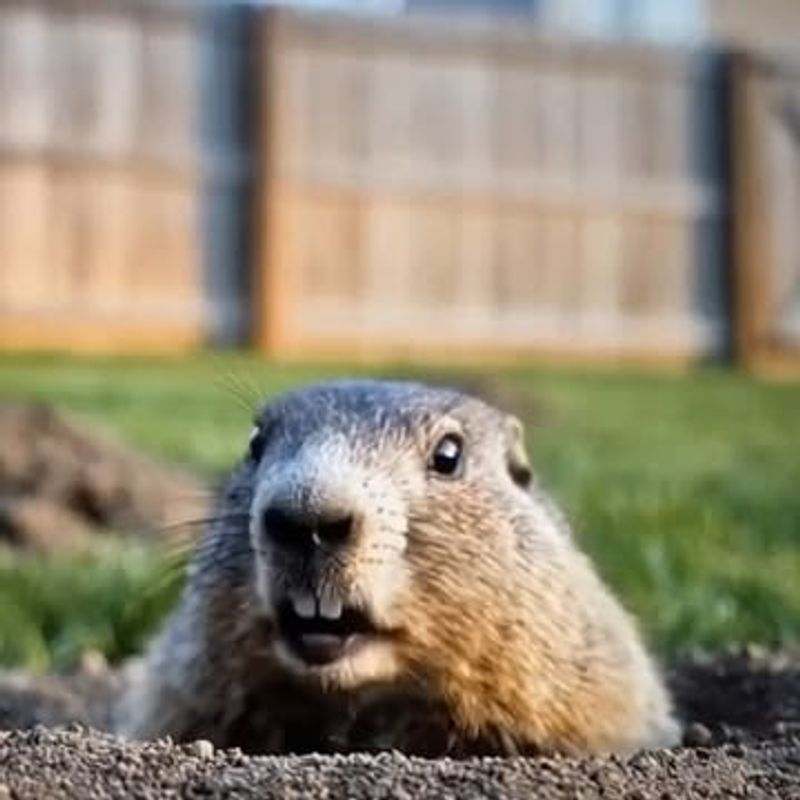
Gophers in California do not hibernate the way some animals do in colder climates, but they do slow down noticeably during the winter months.
Lower temperatures, reduced food availability, and shorter days all contribute to a quieter period underground.
When April arrives and conditions shift, that winter slowdown ends quickly, and the contrast in visible activity can catch gardeners off guard.
During the cooler months, a gopher might maintain its existing tunnel network without expanding much. Feeding becomes more conservative, and mound-pushing activity decreases.
Many California gardeners assume the gopher problem has resolved itself over winter, only to discover in April that the animal was simply waiting for better conditions to resume full activity.
The transition from winter slowdown to spring movement is particularly noticeable in California’s inland valleys and foothill communities, where temperature swings between seasons are more dramatic.
A week of warm April weather can trigger a visible jump in mound frequency seemingly overnight.
Gardeners who have not seen signs of gopher activity since fall may be surprised to find multiple fresh mounds appearing across the yard in the span of just a few days. The gopher was likely present the whole time, just operating at a reduced pace.
Spring essentially resets the animal’s energy levels and triggers a return to peak foraging and tunneling behavior that continues well through the summer months ahead.
7. Territory Expansion And Juvenile Dispersal Begins
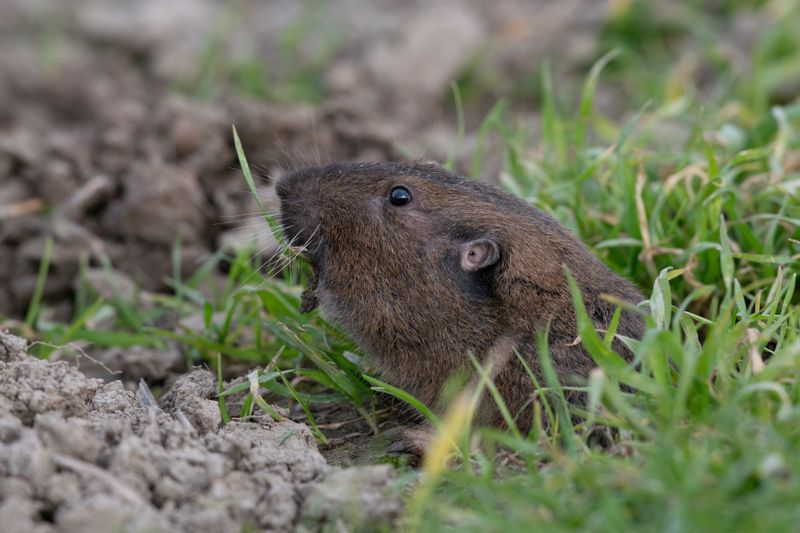
There is a particular moment in spring when California gardeners start noticing mounds in spots that have never had them before.
New activity appears near the fence line, under the fruit tree on the far side of the yard, or along the edge of a raised bed that has always been left alone.
This pattern is often a sign that juvenile gophers are dispersing and staking out their own territories for the first time.
Young gophers born earlier in the season reach independence relatively quickly and must leave the family burrow to establish their own space.
This dispersal behavior tends to peak in April and May across California, as the combination of population growth and increased food availability pushes juveniles outward into new areas.
Each juvenile that finds a suitable location will begin constructing its own tunnel system, which means the total area of gopher activity in a garden can expand significantly within just a few weeks.
Adult gophers also expand their territories in spring, motivated by competition for food and space as the local population grows. A garden that was home to one or two gophers in winter might be supporting four or five individuals by late April.
Understanding that territorial expansion is a natural part of the spring cycle helps explain why simple removal of one gopher does not always solve the problem.
New individuals, both juveniles and relocated adults, are often ready to move into any available territory that opens up during this active period.
8. Irrigation And Spring Watering Encourage Activity
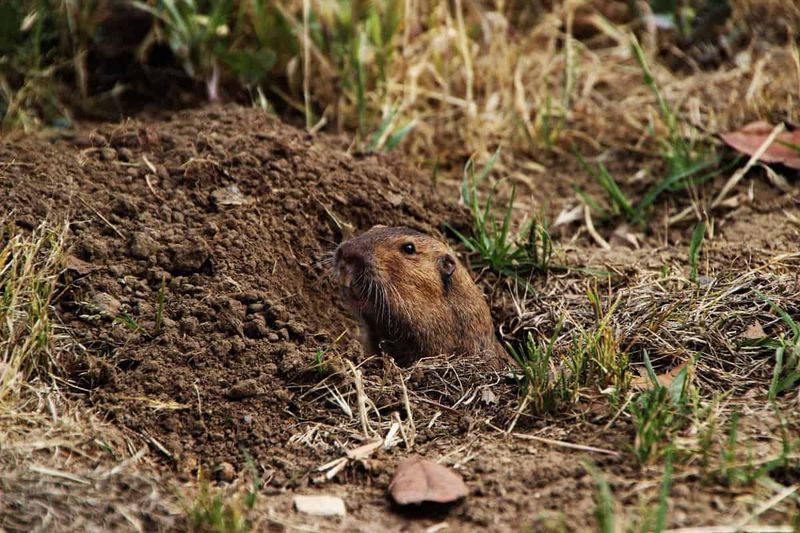
April is the month when many California gardeners shift from relying on winter rain to actively irrigating their spring gardens.
Vegetable beds get watered regularly, lawns receive their first consistent irrigation of the season, and newly planted ornamentals need frequent moisture to establish roots.
This increase in watering activity has a side effect that most gardeners do not anticipate: it makes the garden significantly more attractive to gophers.
Moist soil is easier to dig through, stays cool longer during warm days, and supports the kind of dense root growth that gophers find most appealing.
When irrigation keeps the soil consistently damp in April, gophers can tunnel more efficiently and access food more easily than they could in dry conditions.
Gardens with drip irrigation systems are sometimes particularly affected because the water is delivered directly to the root zone, creating concentrated pockets of moist, root-rich soil that gophers can locate and exploit.
Overwatering is a common mistake among California gardeners in spring, especially during the adjustment period between rainy season and dry season.
Beyond plant health concerns, consistently saturated soil can draw gophers toward garden beds that might otherwise be less appealing.
Adjusting irrigation schedules to water deeply but less frequently helps maintain healthier soil structure while reducing some of the moisture conditions that make tunneling so easy.
Paying attention to how and when you water is one of the more practical tools available for managing gopher pressure during California’s active spring season.