What Happens When You Prune Too Late In Spring In Arizona Landscapes
In Arizona, pruning isn’t just a weekend chore, It’s a high-stakes race against the sun. With spring temperatures climbing faster than a desert lizard, the safe window for trimming your trees and shrubs is surprisingly narrow.
Wait too long, and our intense sunlight can scorch freshly exposed wood; go too early in places like Flagstaff or Prescott, and a rogue frost might finish what you started.
Understanding why timing is so critical in our unique climate helps you protect everything from bloom quality to long-term plant health.
Whether you’re in the low desert or the mountains, getting your timing right ensures your landscape stays vibrant and resilient before the real heat hits.
1. Reduced Flower And Fruit Production For The Season
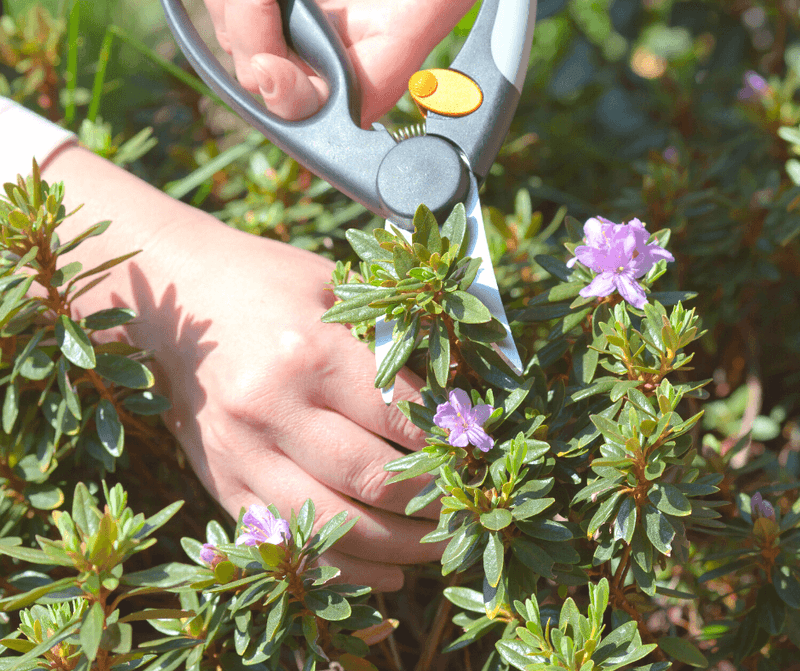
Walking through a Phoenix garden in late spring and noticing fewer blooms than expected is a frustrating experience that many Arizona gardeners know firsthand.
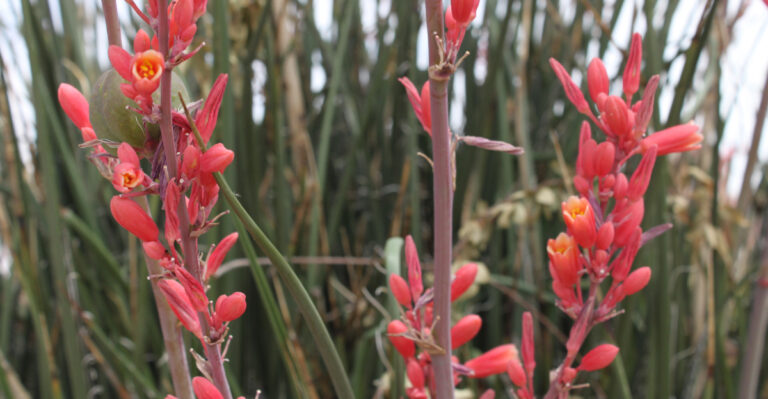
Many spring-blooming plants, including desert willow and Texas mountain laurel, set their flower buds on the previous season’s wood.
When pruning happens after those buds have already formed, the cuts remove the very growth responsible for this season’s flowers.
Spring-blooming shrubs should be pruned immediately after flowering ends to preserve the next round of bud development. Waiting too long disrupts that cycle and results in noticeably fewer blooms the following season.
In some cases, a plant may skip flowering almost entirely for that year.
Fruit-producing plants face a similar challenge. Citrus and pomegranate trees in the low desert can lose developing fruit clusters when late pruning removes flowering stems before fruit has set.
The plant redirects its energy toward wound recovery rather than fruit development, reducing the season’s yield.
Gardeners in Arizona’s warmer zones should aim to complete any major pruning before new spring growth emerges to avoid cutting away productive wood.
Checking local bloom calendars from Arizona Master Gardener resources can help determine the right timing window for specific plants in your area.
2. Increased Stress On Plants During Summer Heat
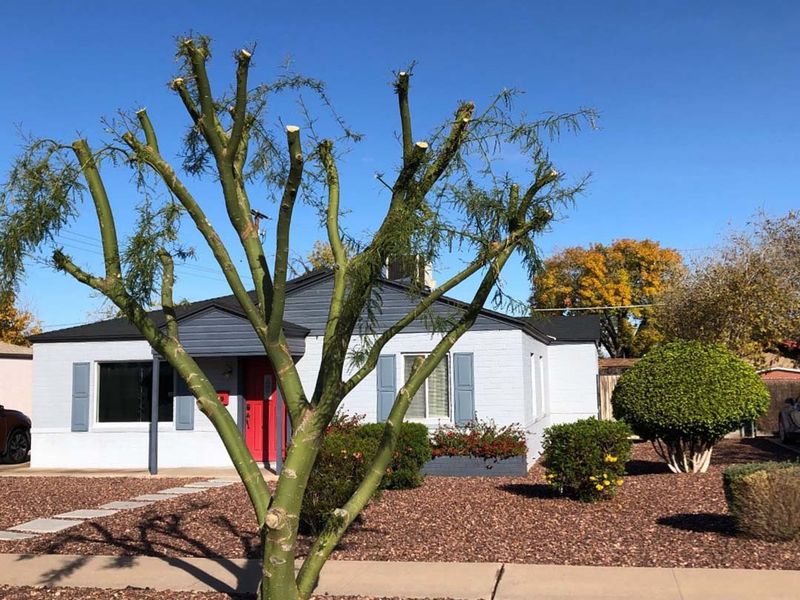
Arizona summers are not forgiving, and plants that have been pruned too late in spring often head into that brutal heat already weakened. Pruning creates wounds that require energy to seal and heal.
When those wounds are fresh just as triple-digit temperatures arrive, the plant is managing two serious demands at once: wound recovery and heat survival.
Desert plants like mesquite and palo verde are well-adapted to heat, but even they have limits when their energy reserves are compromised.
Late pruning in May or early June in the Phoenix area means new growth emerges right as daytime temperatures push toward 105 to 110 degrees Fahrenheit.
That tender new growth has not had enough time to harden off, making it far more vulnerable to heat stress than established foliage.
Heavy pruning during periods of active heat can cause significant moisture loss through freshly cut surfaces. In Arizona’s low desert, where irrigation schedules are already carefully managed, additional moisture stress compounds the problem.
At higher elevations like Prescott, the heat arrives later, giving plants slightly more recovery time, but the risk remains real.
Your Arizona Garden Changes Every Week. Your Plan Should Too.
Gardening in Arizona changes quickly throughout the season. Every Friday you’ll receive a simple weekly plan showing exactly what to plant, prune, fertilize, harvest, and protect so you never miss the right timing.
Gardeners should plan pruning sessions so that plants have at least several weeks of mild weather ahead of them before summer heat settles in across Arizona landscapes.
3. Higher Risk Of Sunburn On Newly Exposed Branches
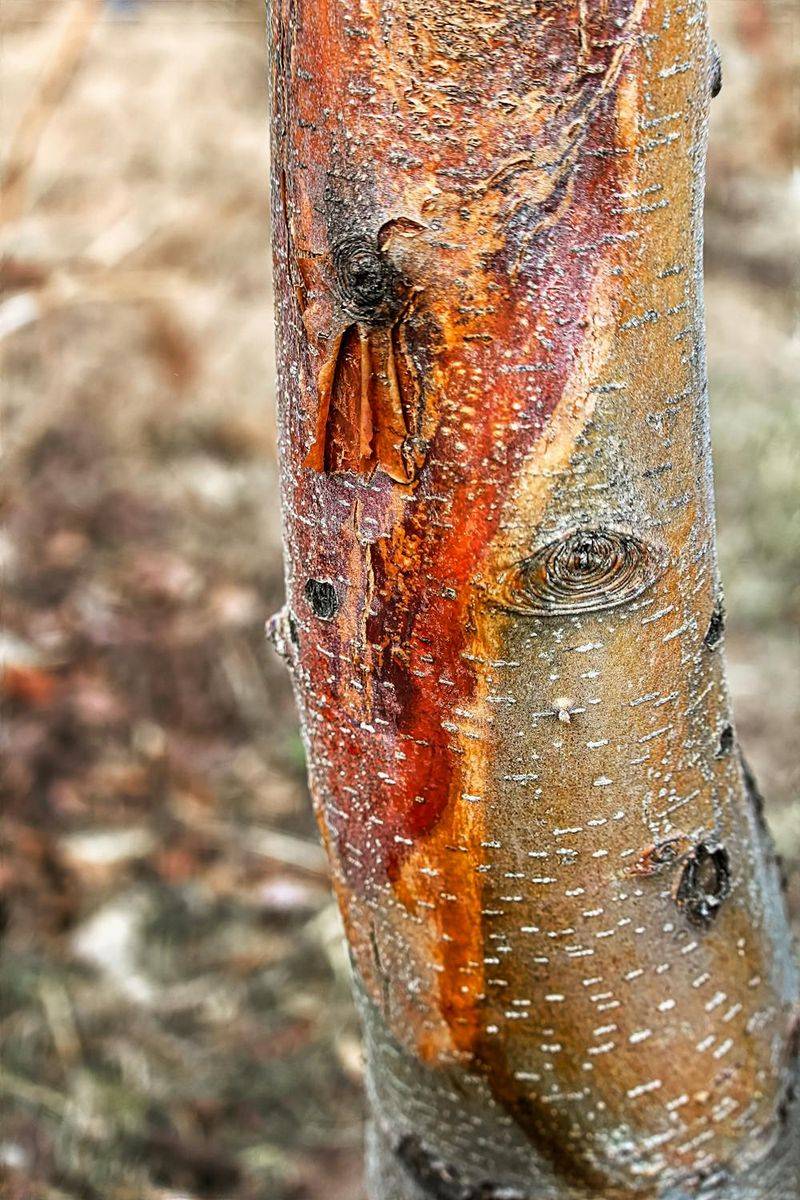
Few things surprise new Arizona gardeners more than discovering that trees can get sunburned, but it happens more often than most people expect.
When branches that have been shaded by dense foliage are suddenly exposed through late-season pruning, the bark has not had time to develop any natural protection against Arizona’s intense ultraviolet radiation.
Sun scald, as it is commonly called, appears as bleached, cracked, or sunken areas on the bark of newly exposed branches.
In the low desert around Phoenix and Tucson, the sun angle and intensity in late spring and early summer are severe enough to cause visible damage within just a few days of pruning.
Citrus trees are particularly vulnerable because their bark is thin and their canopy structure changes dramatically when large limbs are removed.
Arborists working in Arizona often recommend wrapping newly exposed trunks and major limbs with tree wrap or applying diluted white latex paint to reflect sunlight and reduce bark temperature.
These steps become even more critical when pruning happens close to the onset of summer.
Proper pruning timing allows new foliage to fill in and provide natural shading before peak sun exposure arrives.
Missing that window in Arizona can leave plants vulnerable to bark damage, adding extra stress during an already challenging part of the growing season.
4. Delayed Leaf And Stem Growth
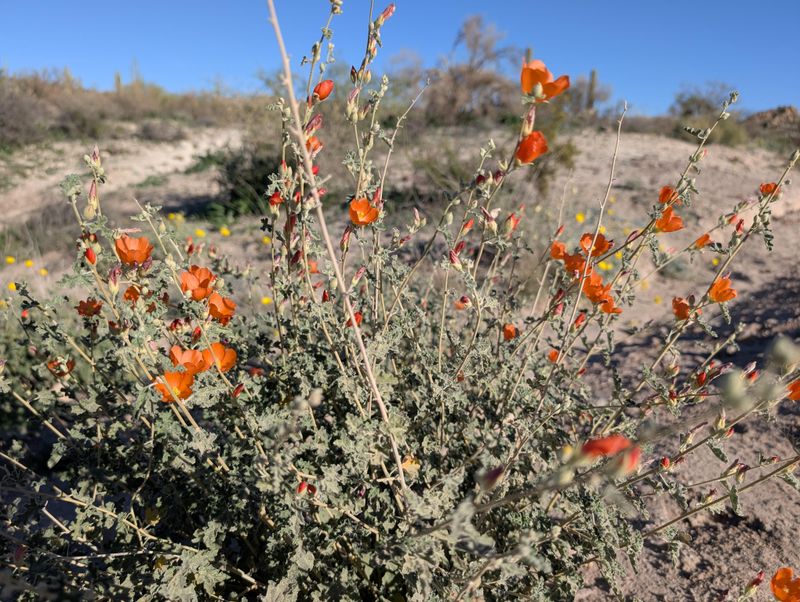
Spring is the season when most Arizona landscape plants are actively pushing out new leaves and stems, fueled by warming soils and increasing daylight hours.
Pruning during this flush of growth forces the plant to pause that momentum and redirect its stored energy toward healing the pruning wounds instead of continuing to grow.
The result is a noticeable lag in leaf and stem development that can last several weeks. In a climate like Arizona’s, where the growing window between late spring and the onset of intense summer heat is relatively short, that delay matters.
Plants that fall behind on foliage development heading into summer may not have enough leaf coverage to protect themselves through the hottest months.
Native and adapted plants like desert spoon, brittlebush, and globe mallow follow predictable growth rhythms tied to soil temperature and moisture availability in Arizona.
Disrupting those rhythms with late pruning can push new stem growth into a period when water stress is already high and temperatures are rising fast.
At higher elevations such as Flagstaff, the growing season is shorter to begin with, making any delay in stem and leaf development more impactful.
Practical advice from Arizona Master Gardener resources suggests completing structural pruning before the main spring growth flush begins, so plants can channel their energy fully into healthy new growth rather than wound response.
5. Greater Susceptibility To Pests And Diseases
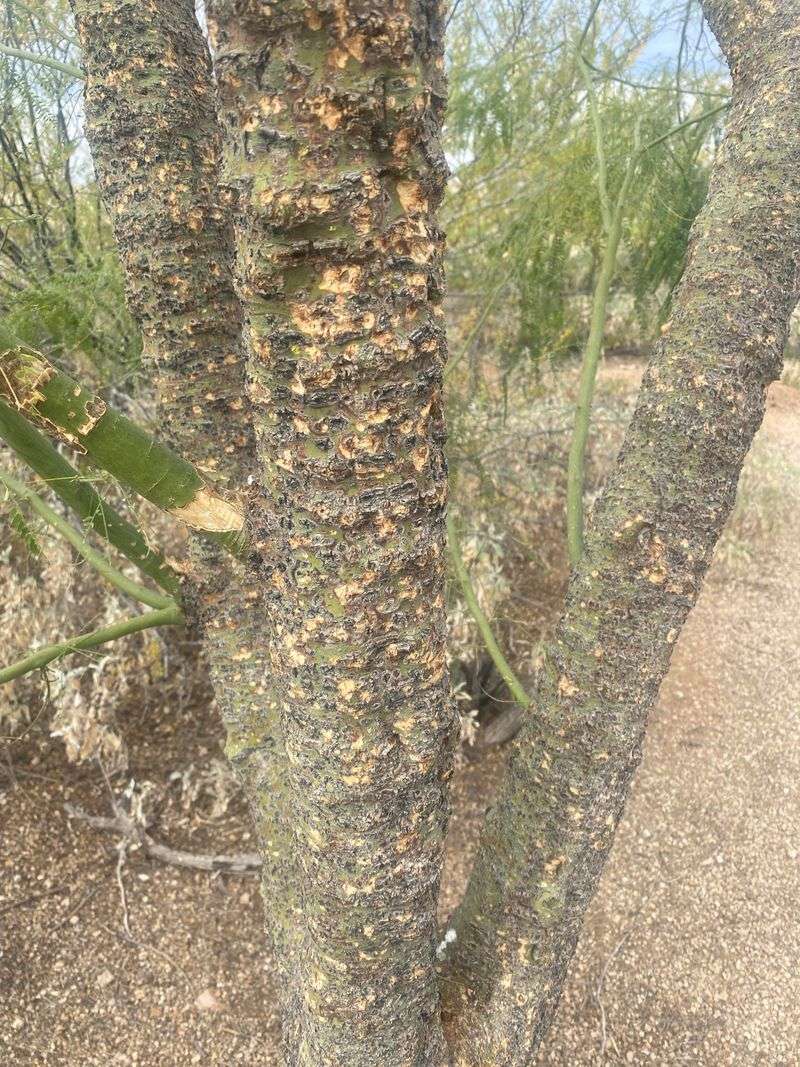
Fresh pruning cuts are essentially open doors for opportunistic insects and pathogens, and in Arizona’s spring landscape, there are plenty of both looking for a way in.
Bark beetles, borers, and certain fungal spores become more active as spring temperatures rise, and they are drawn to the volatile compounds that freshly cut wood releases into the air.
Late pruning in Arizona creates wounds just as pest populations are peaking for the season. The Sonoran Desert has its own cast of wood-boring insects, including the palo verde borer and various longhorn beetles, that time their activity to coincide with warm spring soils.
A freshly pruned tree or shrub gives these insects a convenient entry point before the wound has had any chance to begin callusing over.
Fungal diseases are a secondary but real concern, particularly in Arizona’s mid-elevation landscapes where spring humidity can be higher than in the low desert.
Powdery mildew and certain canker diseases can establish in pruning wounds on susceptible plants like roses and fruit trees.
Using clean, sharp pruning tools and timing cuts to allow enough healing time before pest activity increases can make a significant difference.
Avoiding late pruning helps reduce the window of exposure, giving plants a better chance to stay healthy and recover quickly.
6. Weakened Structural Integrity Of Trees And Shrubs
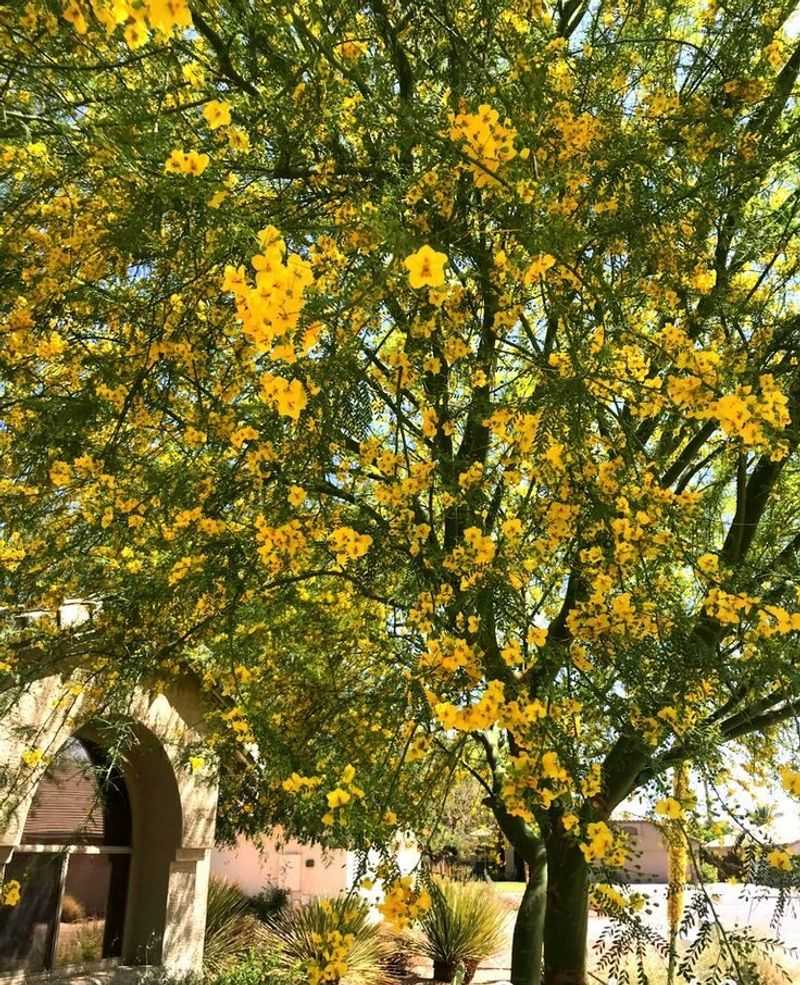
Healthy pruning is all about timing, and when the timing slips too late into spring, the structural benefits gardeners expect from pruning can turn into structural liabilities.
Trees and shrubs pruned during or after their main spring growth flush tend to produce rapid, soft new growth called water sprouts or suckers.
This growth looks vigorous but is actually weakly attached and prone to breaking under stress.
In Arizona, monsoon season follows closely on the heels of late spring and early summer. Strong winds, heavy rain bursts, and dust storms during the monsoon can snap or tear the poorly attached water sprouts that developed after a late pruning.
What started as an attempt to shape a tree can end up creating multiple weak points that compromise the plant’s framework over several seasons.
Certified arborists in Arizona recommend completing any structural pruning during the dormant season or very early spring before bud break, so that the plant’s natural wound response has time to work before growth accelerates.
Tree care guidance emphasizes that cuts made at the right time heal more cleanly and help develop stronger branch attachments.
Pruning too late can trigger a flush of soft new growth heading into monsoon season, increasing the risk of damage and repeated cutting, which over time can weaken the structure and shape of trees and shrubs in Arizona landscapes.
7. Lower Overall Plant Health And Vigor
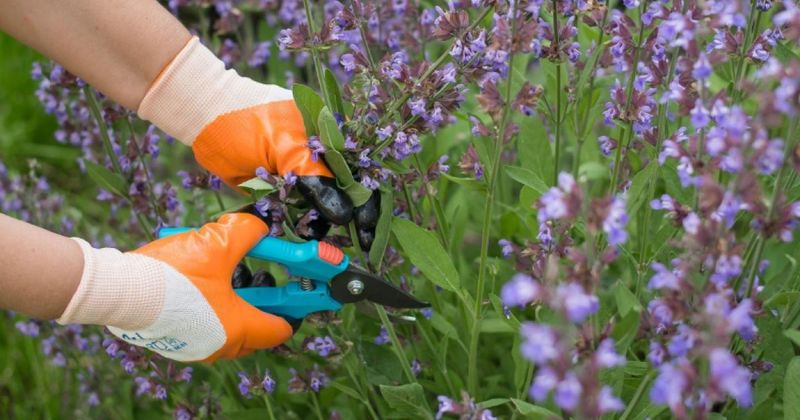
Over time, repeated late pruning takes a cumulative toll on plants that shows up as reduced vigor, thinner canopies, and a general lack of the robust growth that healthy Arizona landscape plants should display.
Each late pruning event draws down the plant’s stored energy reserves at a moment when those reserves are needed most for summer survival.
Plants store carbohydrates in their roots and woody tissue throughout the growing season. When pruning happens late in spring, the plant has already invested significant energy into producing new growth, only to have that growth removed.
Rebuilding from that loss while simultaneously managing heat, drought stress, and intense sun is a considerable challenge, even for tough desert-adapted species.
Gardeners in Arizona who notice their trees or shrubs looking tired, producing fewer leaves than expected, or recovering slowly from summer stress should consider whether pruning timing could be a contributing factor.
Consistent late pruning over several years can reduce a plant’s overall resilience and make it more dependent on supplemental irrigation and fertilization to maintain a presentable appearance.
Arizona Master Gardener resources suggest keeping a simple pruning log to track when each plant was last pruned and how it responded, making it easier to adjust timing in future seasons.
Small adjustments to the pruning calendar can make a meaningful difference in the long-term health and visual quality of an Arizona landscape.