Pennsylvania Citrus Tree Care Checklist For April Before Summer Heat
Spring is hitting its stride in Pennsylvania, which means your backyard lemon or lime trees are likely itching for a breath of fresh air.
While Pennsylvania isn’t exactly the Sunshine State, growing these vibrant beauties in the North is a rewarding challenge that requires a bit of tactical maneuvering before June’s humidity arrives.
April serves as the critical transition window where you help your potted citrus shake off the winter doldrums and prepare for a growth spurt.
This month is all about timing the move outdoors and waking up the root systems without shocking the plant. You want to maximize those increasing daylight hours while keeping a sharp eye on those sneaky overnight frosts that often haunt the Lehigh Valley or the Poconos.
By tackling a few specific maintenance tasks right now, you ensure your trees remain resilient against the upcoming heatwaves. Grab your gardening gloves and prepare for a successful growing season.
1. Start The Outdoor Transition (Hardening Off)

Moving a citrus tree from indoors to outside is not as simple as just setting it by the door. After spending months inside, your tree has gotten used to low light and stable temperatures.
Suddenly exposing it to full sun and outdoor conditions can shock the plant and cause serious leaf drop.
The process is called hardening off, and it works best when done slowly over 7 to 10 days. Start by placing your citrus tree outside for just 2 to 3 hours in gentle morning sunlight.
Each day, add a little more time and gradually move it into brighter spots. Pennsylvania weather in April can still throw surprises at you. Cold snaps and strong winds can stress your tree quickly.
Always bring your tree back inside if nighttime temperatures drop below 50 degrees Fahrenheit.
Watch the leaves closely during this transition period. Some mild leaf drop is completely normal and nothing to worry about.
As long as new growth starts appearing, your tree is adjusting well to its outdoor life in Pennsylvania.
2. Inspect For Winter Damage And Pests
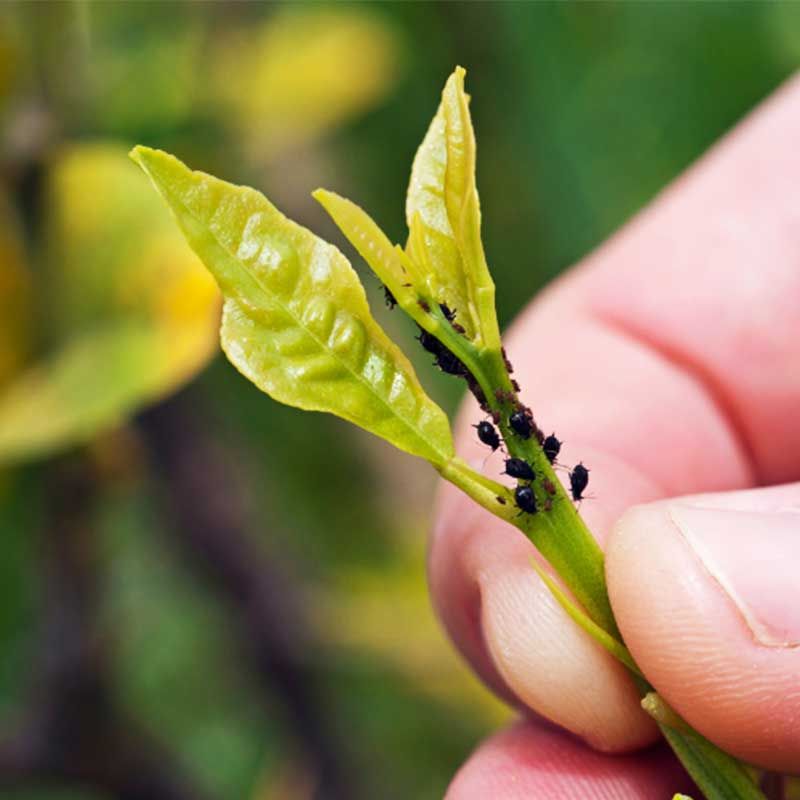
After a long Pennsylvania winter indoors, citrus trees can pick up some unwanted hitchhikers.
Pests like spider mites, scale insects, and aphids absolutely love the warm, dry air found inside most homes. By April, a small pest problem can quickly turn into a bigger one if you do not catch it early.
Start your inspection by looking closely at the undersides of leaves. Spider mites leave tiny webbing, scale insects look like small brown bumps on stems, and aphids cluster near new growth.
Yellowing leaves or weak, stunted growth can also be a sign that pests have been feeding on your tree all winter long.
A simple fix for mild infestations is rinsing the foliage with a strong stream of water. For tougher cases, neem oil spray works really well and is safe for use on citrus trees. Apply it in the early morning or evening to avoid burning the leaves.
Also check for any branches that look brown, shriveled, or hollow inside. Winter can cause hidden damage that is not always obvious at first glance.
Your Pennsylvania Garden Changes Every Week. Your Plan Should Too.
Gardening in Pennsylvania changes quickly throughout the season. Every Friday you’ll receive a simple weekly plan showing exactly what to plant, prune, fertilize, harvest, and protect so you never miss the right timing.
Catching these issues now, before summer arrives in Pennsylvania, gives your tree plenty of time to recover and grow strong.
3. Prune Lightly To Encourage Spring Growth
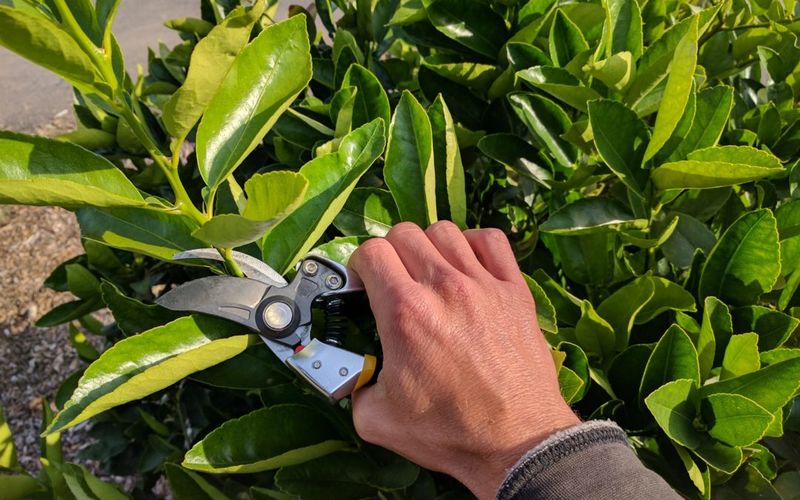
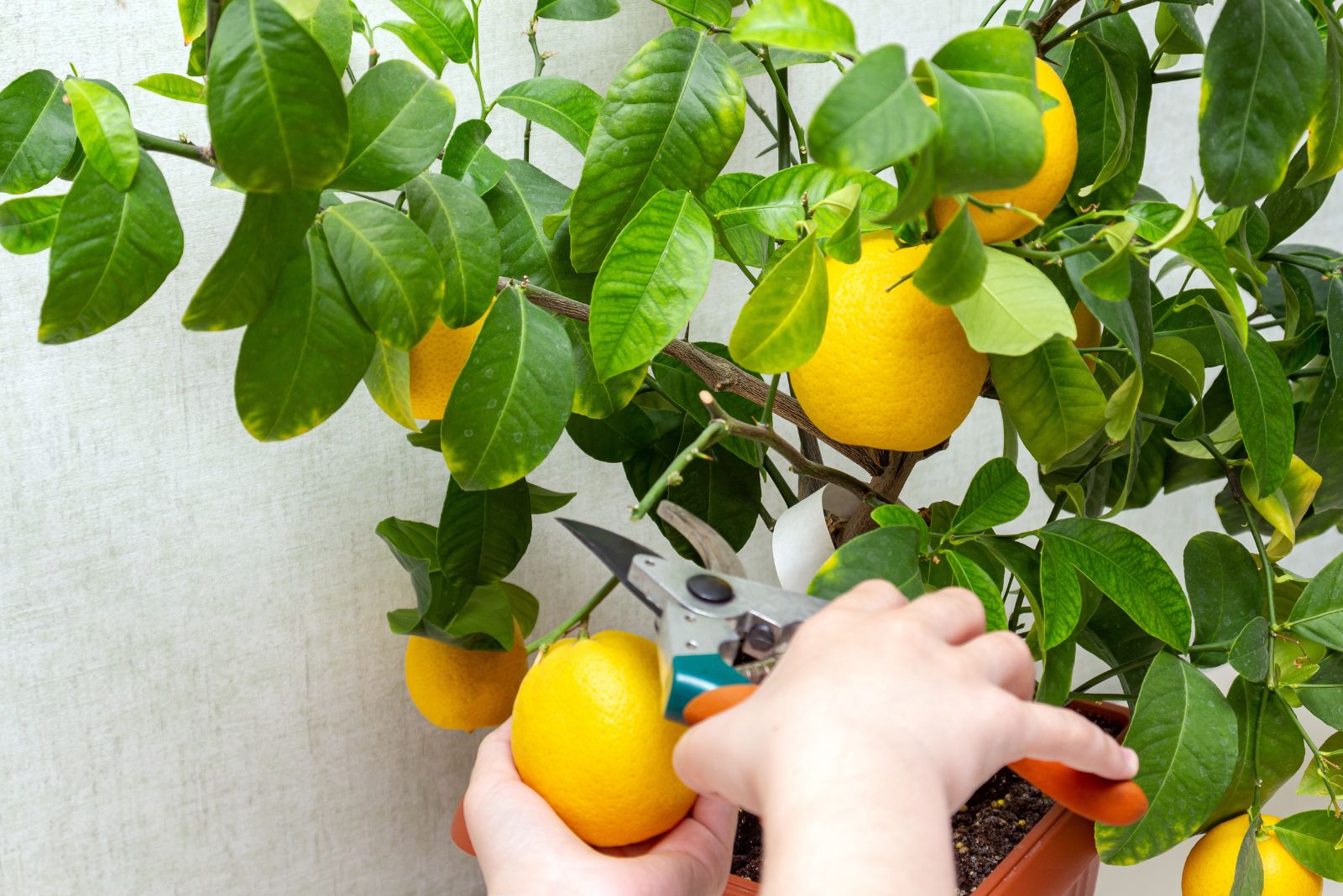
Grab your pruning shears because April in Pennsylvania is the ideal time for a light citrus trim. You do not need to go overboard here.
A little shaping goes a long way in helping your tree grow fuller and healthier heading into summer.
Focus on removing branches that are clearly dry, damaged, or crossing over each other. Dry wood is easy to spot because it snaps instead of bending and may look dry or hollow.
Crossing branches rub against each other, creating wounds where disease can easily enter the tree.
Good airflow through the canopy is one of the biggest benefits of light pruning. When leaves are too crowded together, moisture gets trapped and fungal issues can develop.
Opening up the center of the tree lets sunlight reach more leaves, which helps with overall growth and fruit production.
One important rule to remember is to avoid heavy pruning in spring. Cutting too much at once stresses the tree right when it needs all its energy for new growth.
Think of it as a light cleanup rather than a major overhaul. Sharp, clean tools are a must to prevent tearing bark or spreading disease from one branch to another across your Pennsylvania garden.
4. Refresh Soil And Repot If Needed
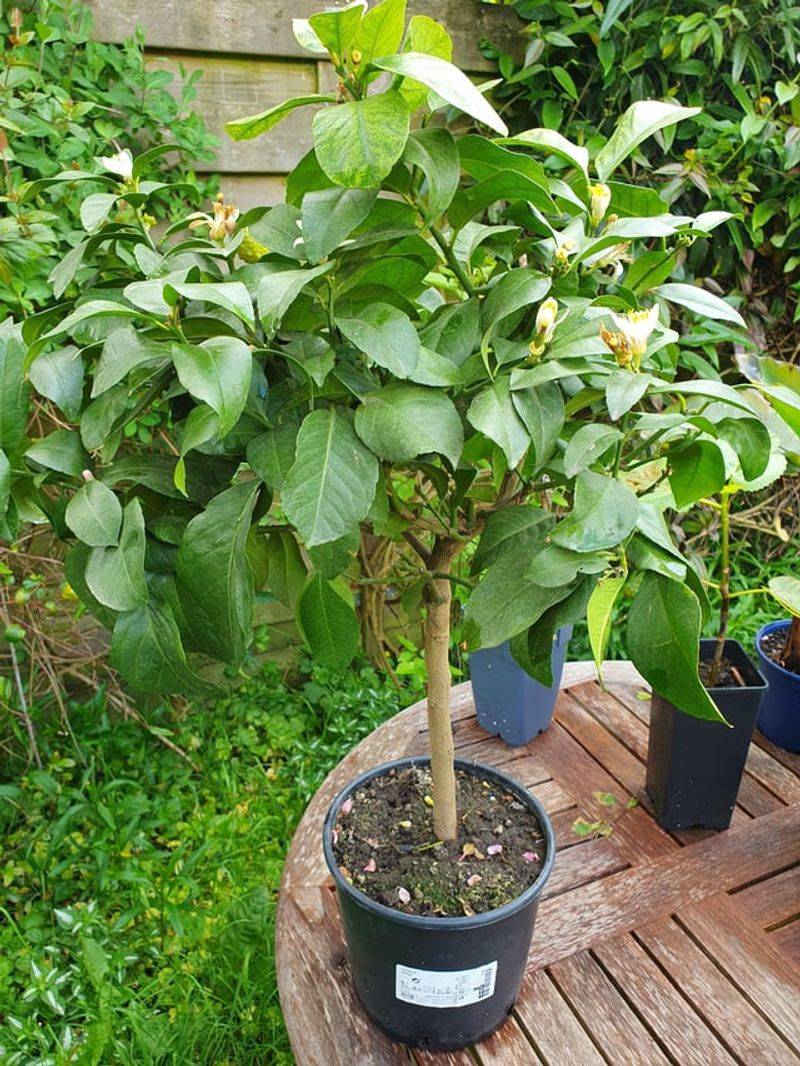
Soil gets tired over time. After a full year of watering and feeding, the potting mix in your citrus container can become compacted, depleted of nutrients, and poor at draining water properly.
April is a great time to check whether your tree needs a fresh start before the growing season really kicks off in Pennsylvania.
Carefully tip the pot on its side and slide the root ball out. If you see roots circling tightly around the bottom or poking out of the drainage holes, your tree is pot-bound and ready for a larger home.
Choose a new container that is just 2 to 4 inches wider than the current one. Going too big with a pot is a common mistake. An oversized container holds too much moisture around the roots, which can lead to root rot over time.
Always use a well-draining citrus mix or a high-quality potting mix blended with perlite for extra drainage.
If the tree does not seem pot-bound, you can simply refresh the top layer of soil instead of doing a full repot. Remove the top 2 to 3 inches and replace it with fresh mix.
This small step gives your Pennsylvania citrus tree a noticeable nutrient boost heading into the warmer months ahead.
5. Begin A Consistent Feeding Schedule
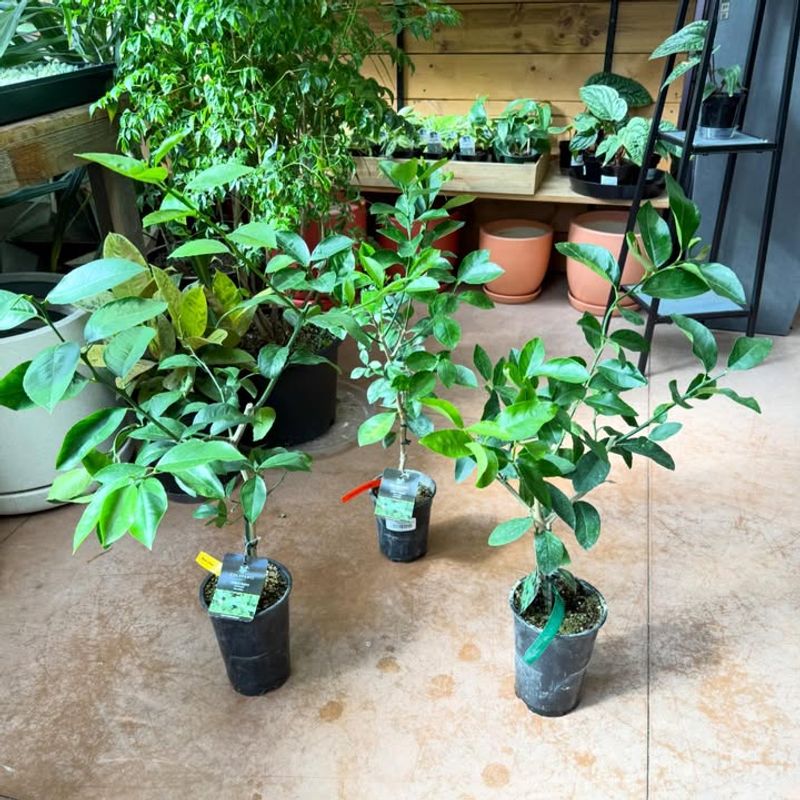
Citrus trees are hungry plants. During the growing season, they burn through nutrients quickly and need regular feeding to stay healthy and productive.
April marks the start of active growth for citrus trees in Pennsylvania, which means your fertilizing schedule should begin right now.
Look for a balanced fertilizer or one specifically formulated for citrus trees. These products contain the right ratio of nitrogen, phosphorus, and potassium, plus trace minerals like iron and magnesium that citrus trees crave.
Yellowing leaves between the veins, a condition called chlorosis, is often a sign that your tree is missing these important micronutrients.
How often you feed depends on the product you choose. Slow-release granular fertilizers typically need to be applied every 6 to 8 weeks.
Liquid fertilizers work faster and are usually applied every 2 to 4 weeks during the active growing period. Always follow the label instructions to avoid overfeeding.
Overfeeding can actually cause more harm than underfeeding, so more is not always better. Too much fertilizer can burn roots and cause leaf tip browning.
Starting your feeding routine in April and staying consistent through summer will set your Pennsylvania citrus tree up for strong growth and a much better chance at producing a healthy fruit crop this year.
6. Adjust Watering For Warmer Conditions
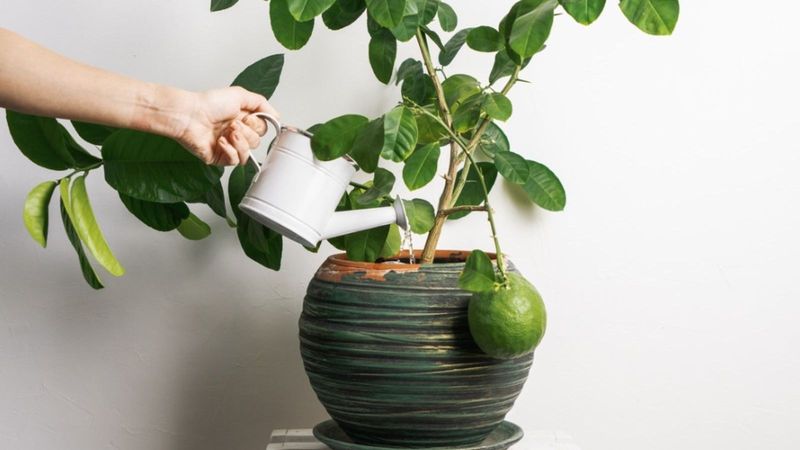
Watering a citrus tree sounds simple, but getting it right takes a little practice. As April temperatures climb in Pennsylvania, your tree will start using water much faster than it did during the winter months indoors.
Adjusting your watering habits now is one of the easiest ways to keep your tree thriving. The best rule to follow is the finger test. Press your finger about one inch into the soil.
If it feels dry at that depth, it is time to water. If it still feels moist, wait another day or two before checking again. Citrus trees do not like sitting in soggy soil for long periods.
When you do water, do it thoroughly. Water slowly and deeply until it flows freely out of the drainage holes at the bottom.
This encourages roots to grow deeper into the soil, making the tree more resilient during dry summer spells.
Drainage is just as important as the amount of water you give. Make sure your container has holes at the bottom and that water is not pooling in a saucer underneath.
Root rot is one of the most common problems for container citrus trees in Pennsylvania, and it almost always starts with poor drainage combined with overwatering. Staying consistent now will pay off big when summer heat peaks.