8 Native Arizona Plants That Replace Gravel And Look Better Over Time
Gravel yards can feel easy at first, but over time they start to look flat, harsh, and lifeless under Arizona sun. Color fades, heat builds up, and the whole space can lose that fresh look faster than expected.
Many homeowners start to notice something feels off, even when everything still looks “clean” on the surface. Plants start changing that feeling in a way gravel never can.
Texture, movement, and natural color begin to soften the space without making it harder to manage. Some choices handle heat, dry soil, and reflected sun better than expected, while still bringing in a more finished look that holds up through the season.
More yards across Arizona are quietly shifting in this direction, not for trend reasons, but because results speak for themselves.
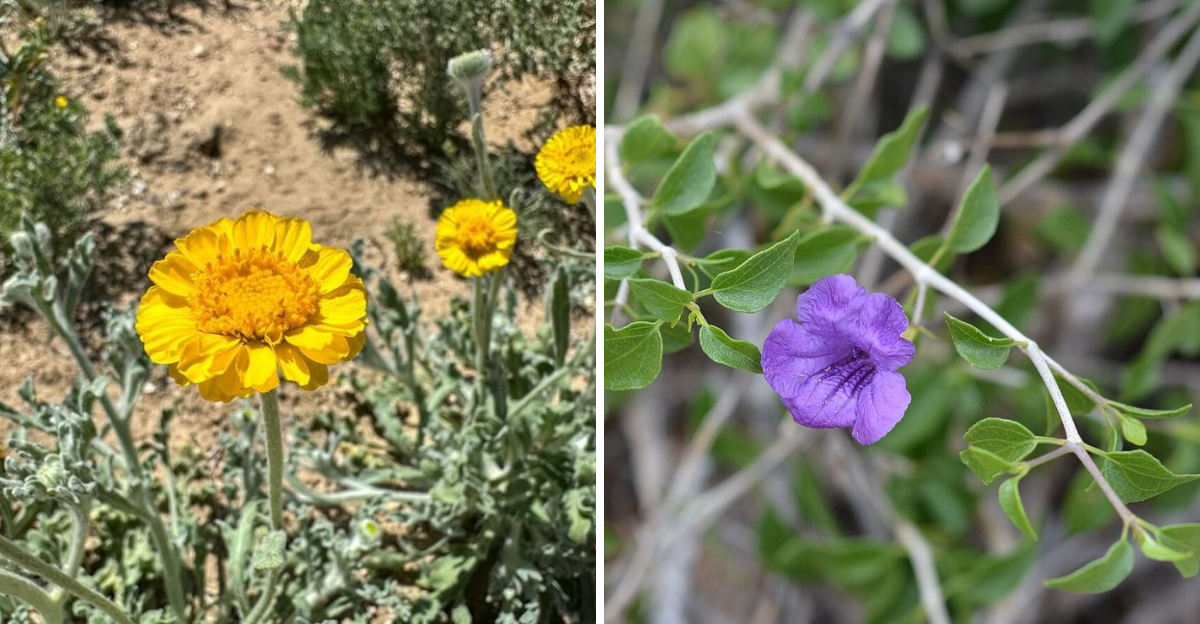
Once the right plants settle in, the difference becomes clear without needing constant upkeep or second guessing.
1. Trailing Indigo Bush Spreads Fast And Softens Gravel
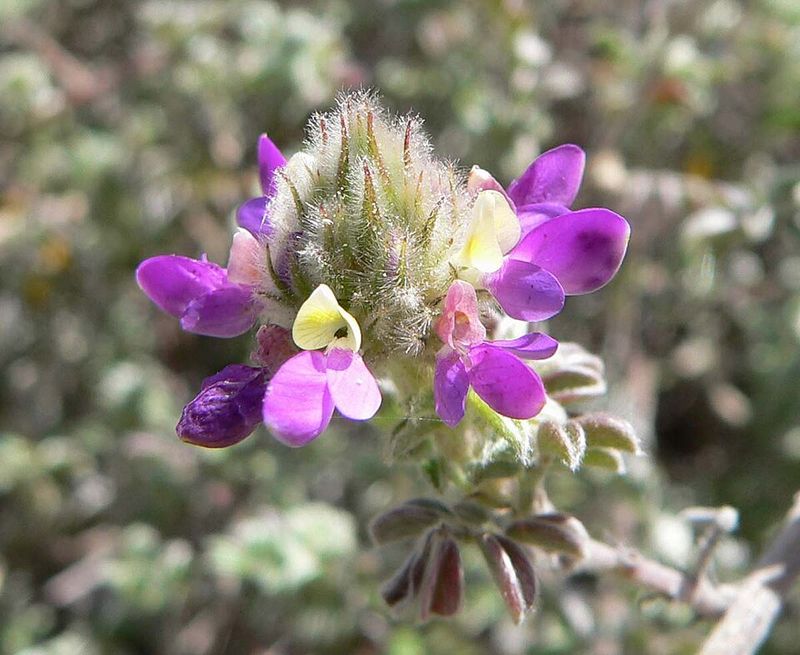
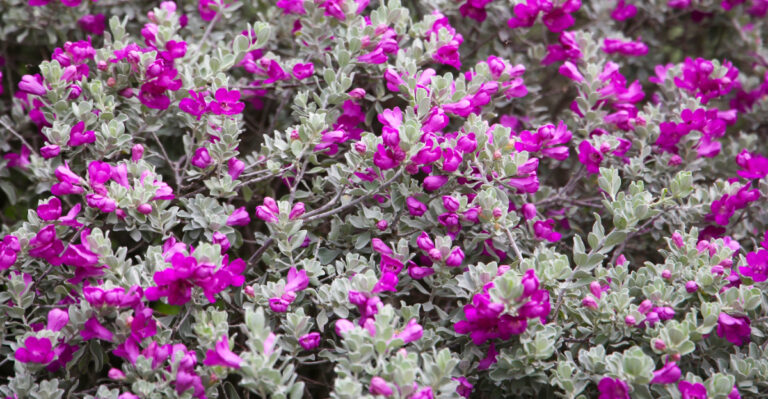
Dalea greggii does something gravel simply cannot do: it softens the ground and makes a yard feel alive again. Known as Trailing Indigo Bush, this plant creeps outward in a wide, low mat of silver-green leaves that catches morning light in a way that feels almost silvery.
It stays under a foot tall but can spread four to six feet across over a couple of seasons, which means one plant covers serious ground.
In late spring, small clusters of purple flowers open up across the mat, and native bees show up fast. The blooms do not last all season, but the foliage alone makes it worth growing.
Between rocks, along borders, or spilling over a low wall, it fits naturally into the kind of landscape you find all over Arizona.
Planting it in full sun with decent drainage gives it the best start. Rocky or sandy soil is not a problem at all.
Watering every week or two during the first summer helps it settle in, but after that it handles dry stretches pretty well on its own. Do not expect overnight coverage, but within a year the spread becomes noticeable.
By year two or three, a single plant can fill a surprisingly large patch that used to be nothing but gravel and weeds.
2. Desert Marigold Reseeds Quickly And Fills Empty Spots
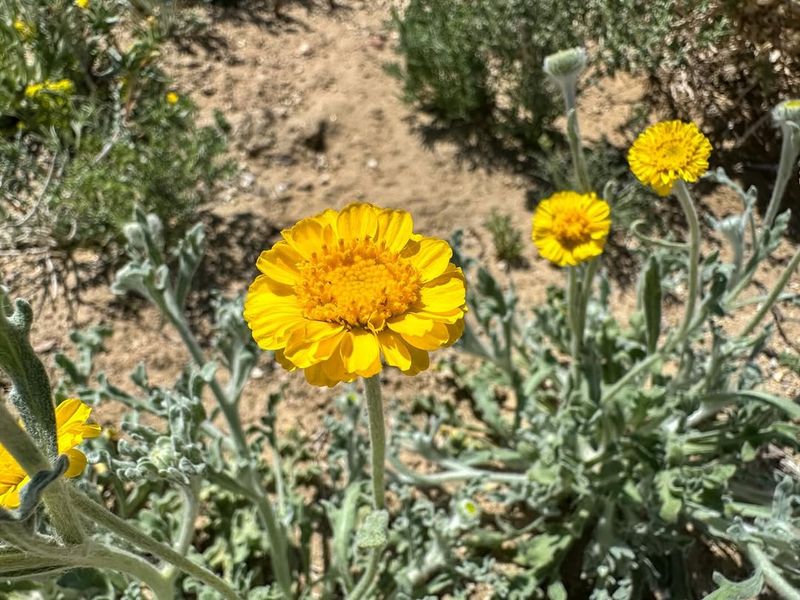
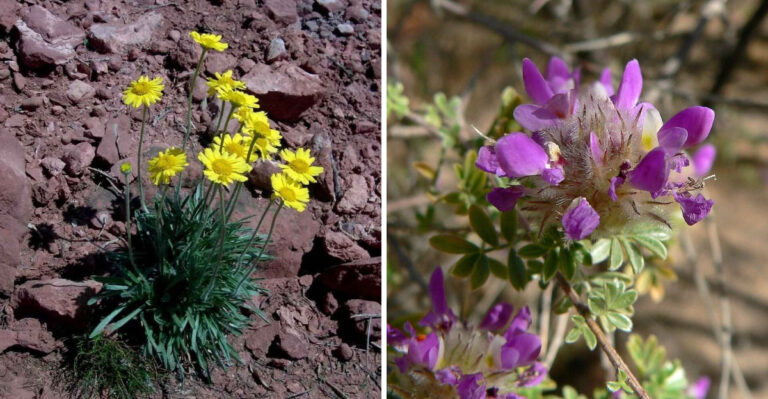
Golden yellow flowers from early spring through fall, and the plant handles it all without much help from you. Desert Marigold, or Baileya multiradiata, is one of those plants that earns its place in an Arizona yard by just doing its job consistently.
It grows roughly 12 to 18 inches tall and blooms in waves throughout the warmer months, which covers most of the year in the desert Southwest.
What sets it apart from other flowering natives is how freely it reseeds. Spent flowers drop seeds nearby, and by the following spring, new plants pop up in gaps and bare patches you did not even plan for.
Over two or three seasons, a few starter plants can turn into a full, naturalistic sweep of gold across areas that used to be plain gravel.
Your Arizona Garden Changes Every Week. Your Plan Should Too.
Gardening in Arizona changes quickly throughout the season. Every Friday you’ll receive a simple weekly plan showing exactly what to plant, prune, fertilize, harvest, and protect so you never miss the right timing.
Full sun is a must, and it actually handles reflected heat from walls and pavement better than most plants. Well-drained soil keeps the roots healthy.
Overwatering is a more common problem than underwatering with this one, so let the soil dry out between waterings. A light trim after a heavy bloom cycle can encourage fresh growth, though it is not strictly necessary.
If you want a plant that fills empty spots on its own schedule without much prodding, Desert Marigold is a solid choice for Arizona gardens of all sizes.
3. Angelita Daisy Covers Bare Soil Without Taking Over
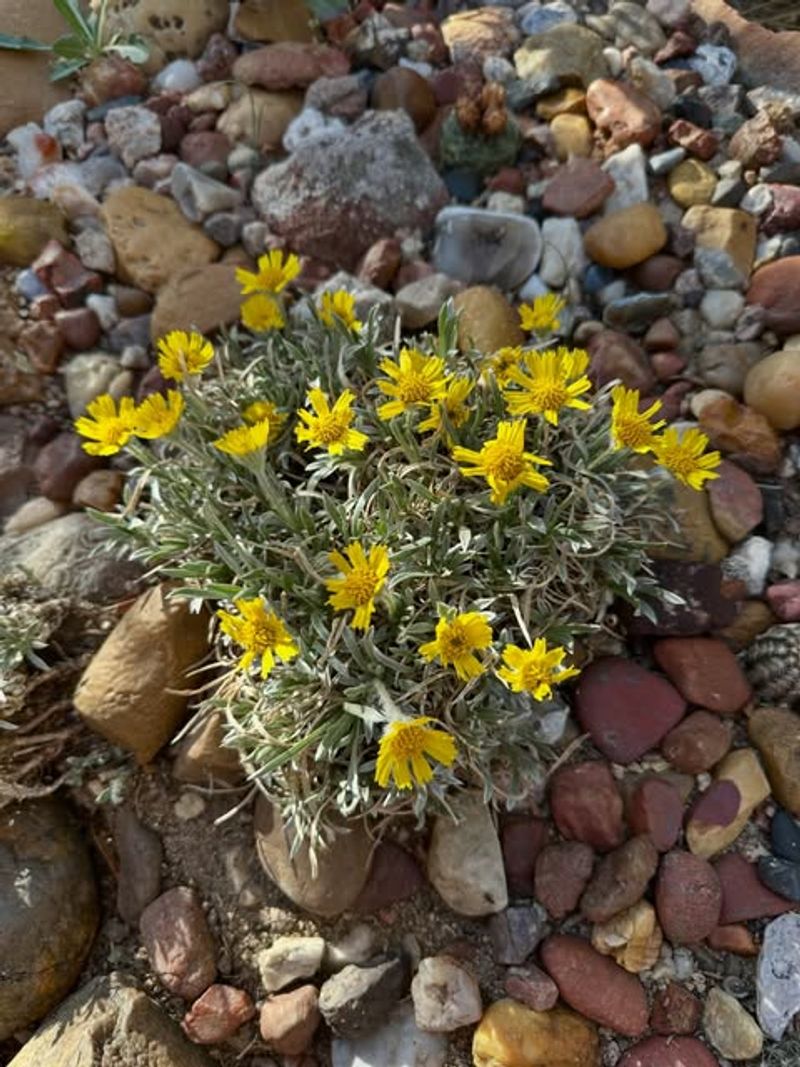
Not every plant needs to be aggressive to do its job well. Angelita Daisy, known botanically as Tetraneuris acaulis, is one of the most reliable ground-level bloomers in Arizona, and it earns that reputation by staying tidy while still filling in bare soil over time.
It forms a compact mound that tops out around six to eight inches tall, covered in cheerful yellow flowers that show up in spring and often continue well into fall.
Unlike some spreading natives that can get pushy, Angelita Daisy expands slowly and politely. It fills gaps without swallowing neighboring plants or creeping into walkways.
That makes it genuinely useful in smaller yards or in areas where you want coverage without constant editing. Plant a few together and they gradually merge into a soft, continuous layer of green and gold.
Rocky, well-drained soil is where it performs best, which fits most Arizona properties without any soil amendment. Full sun keeps the blooms coming strong.
Watering once or twice a week during the first summer is reasonable, then cutting back as the plant gets comfortable.
One thing worth knowing: it handles cold snaps better than many Arizona natives, so it tends to stay green and presentable through mild winters in lower elevation areas like the Phoenix Valley.
A genuinely low-fuss plant that just quietly covers ground and keeps blooming.
4. Parry’s Penstemon Adds Spring Color Then Settles In
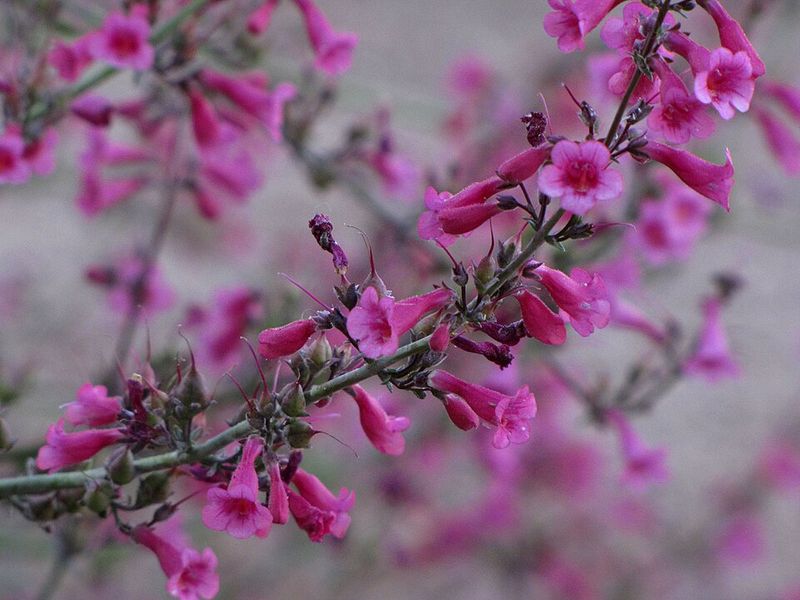
Few plants put on a spring show in Arizona quite like Parry’s Penstemon. Tall flower stalks shoot up to three or four feet, covered in hot pink tubular blooms that hummingbirds find irresistible.
The display usually runs from late February through April depending on elevation and weather, and during peak bloom it stops people on the sidewalk.
After flowering wraps up, the plant pulls back into a low rosette of gray-green leaves that sits quietly at ground level for the rest of the year. It is not showy in summer or fall, but it holds its place and keeps the soil covered.
What makes it especially useful as a gravel replacement is that it reseeds freely in the right conditions. A small patch can expand into a loose colony over several seasons, creating naturalistic sweeps of color without any replanting effort on your part.
Penstemon parryi wants full sun and fast-draining soil. Planting in amended clay or heavy soil tends to cause root problems, so stick with native soil or add gravel to improve drainage.
Water regularly through the first season, then pull back significantly. Overwatering during summer dormancy is the most common mistake with this plant.
Tucson gardeners especially tend to have great results with it because the elevation and rainfall patterns suit it well. Give it space, let it reseed, and it rewards you with more color every year.
5. Desert Ruellia Handles Heat And Expands Steadily
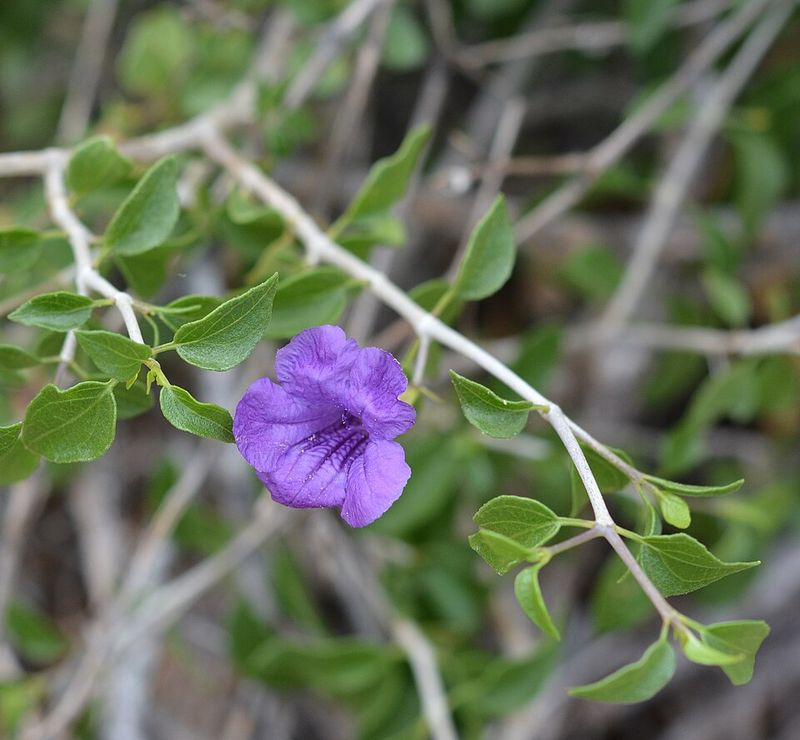
Hummingbirds find Desert Ruellia before most gardeners even notice it is blooming. Soft purple, trumpet-shaped flowers open reliably from spring through fall, and the plant’s spreading habit keeps it low to the ground at roughly six to twelve inches tall.
It is not flashy in the way a tall blooming shrub is, but up close the flowers are genuinely pretty and the plant looks polished without any effort.
What makes Ruellia peninsularis especially useful in Arizona is how it expands. Underground runners push outward gradually, filling gravel beds and bare patches in a steady, manageable way.
It is not the kind of plant that takes over a yard in one season, but over two or three years it builds real coverage. In Phoenix and other low-desert areas, it tends to perform particularly well because the heat does not slow it down the way it does some other natives.
Plant in full sun to part shade and water consistently through the first summer. Once it has been in the ground for a full season, it handles dry stretches without much visible stress.
Cutting it back in late winter encourages fresh, compact growth heading into spring. Avoid overwatering during cooler months when the plant is not actively pushing new growth.
Pair it with Desert Marigold or Globe Mallow for a layered, naturalistic planting that covers the ground and keeps blooming through most of the Arizona growing season.
6. Globe Mallow Thrives In Poor Soil And Fills Gaps
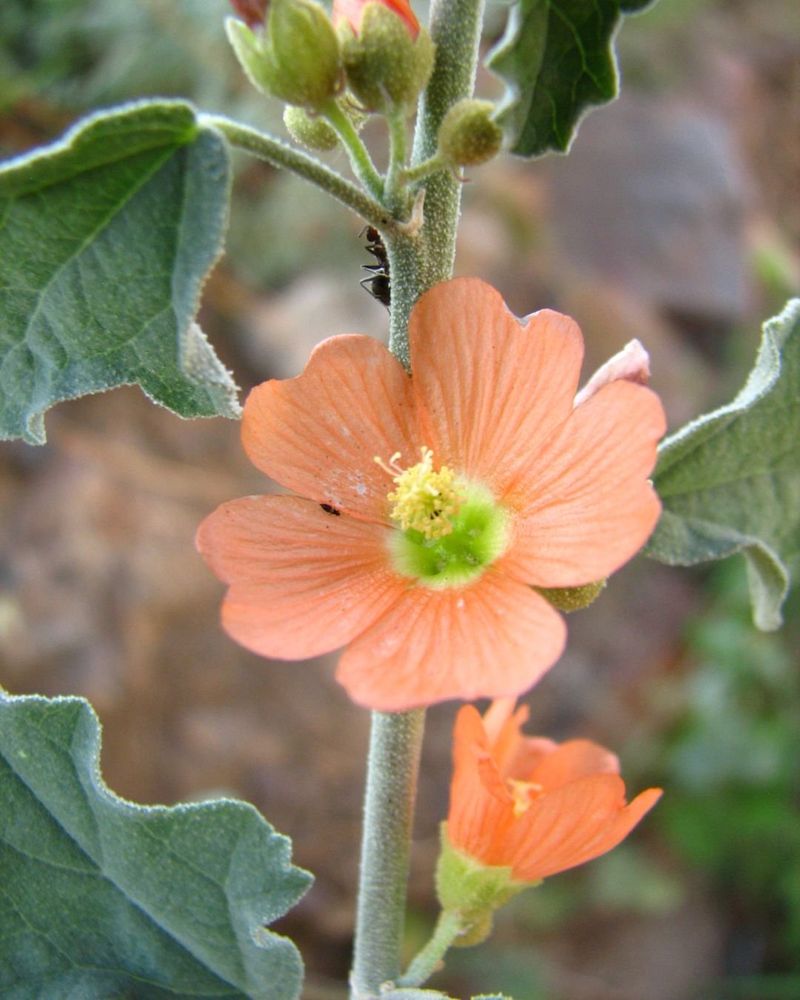
Poor, rocky, bone-dry soil is exactly where Globe Mallow does its best work. Sphaeralcea ambigua grows in spots where most plants would struggle to survive, which makes it incredibly practical for Arizona yards that have not had much done to them.
Cup-shaped flowers in shades of orange, red, and soft pink appear on upright stems from late winter through spring, then again after monsoon rains arrive in summer.
The soft, lobed leaves are covered in fine gray hairs that help the plant manage intense reflected heat. It grows one to three feet tall depending on soil and moisture, and it spreads gradually by reseeding into nearby gaps.
A yard that starts with five or six Globe Mallow plants can develop into a much fuller planting over a few seasons without any additional purchases or effort.
Full sun is non-negotiable. Shade slows the bloom cycle significantly and makes the plant leggy.
Drainage matters too, since sitting in wet soil after monsoon storms can cause issues at the root level. Cutting stems back by about a third in late fall keeps the plant compact and encourages strong regrowth the following spring.
One fair warning: the fine leaf hairs can irritate skin for some people, so gloves are worth wearing when trimming.
Beyond that, it is a straightforward, honest plant that fills gaps, tolerates neglect, and brings real color to the Arizona landscape without needing constant attention.
7. Arizona Fescue Adds Texture And Movement Year Round
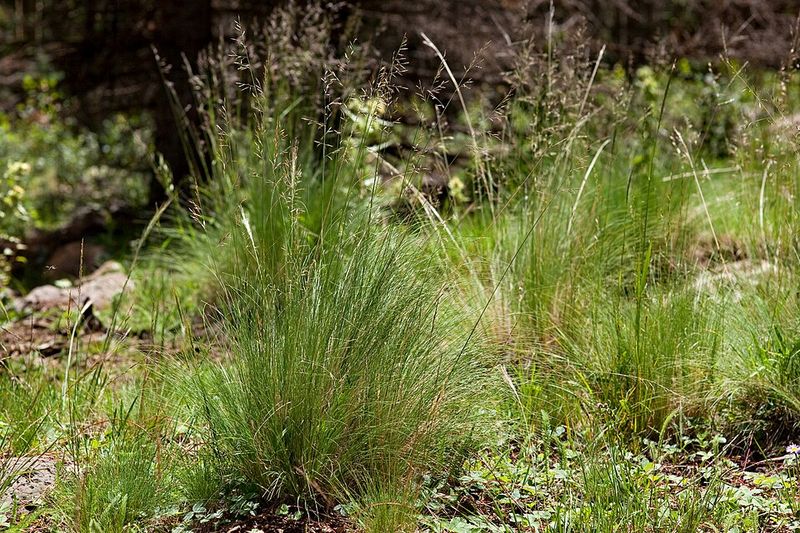
Gravel yards are static. Nothing moves, nothing changes, and after a while they all start to look the same.
Arizona Fescue breaks that pattern completely. Festuca arizonica forms graceful, arching clumps of fine blue-green blades that catch even the lightest breeze and add genuine movement to a yard.
It is one of the few native grasses in Arizona that stays green and attractive through most of the year, including cooler months when other plants go dormant.
It grows best at mid to higher elevations, so gardeners in Flagstaff and the surrounding areas tend to get the most out of it. At lower elevations like Phoenix, it often struggles through intense summer heat and is not a reliable long-term choice.
Along the Mogollon Rim corridor and in higher Tucson neighborhoods, it performs reliably without much coddling.
Clumps reach about two feet tall and spread slowly over time, eventually forming a soft, meadow-like texture when planted in groups. Spacing plants 18 to 24 inches apart gives them room to fill in naturally without crowding.
Water regularly through the establishment period, then reduce frequency as roots deepen. Dividing older clumps every three or four years keeps them vigorous and prevents the center from going bare.
Pair it with flowering natives like Penstemon or Desert Marigold to create a layered planting that has both color and texture working together across the whole yard.
8. Damianita Forms A Dense Low Mat And Handles Heat
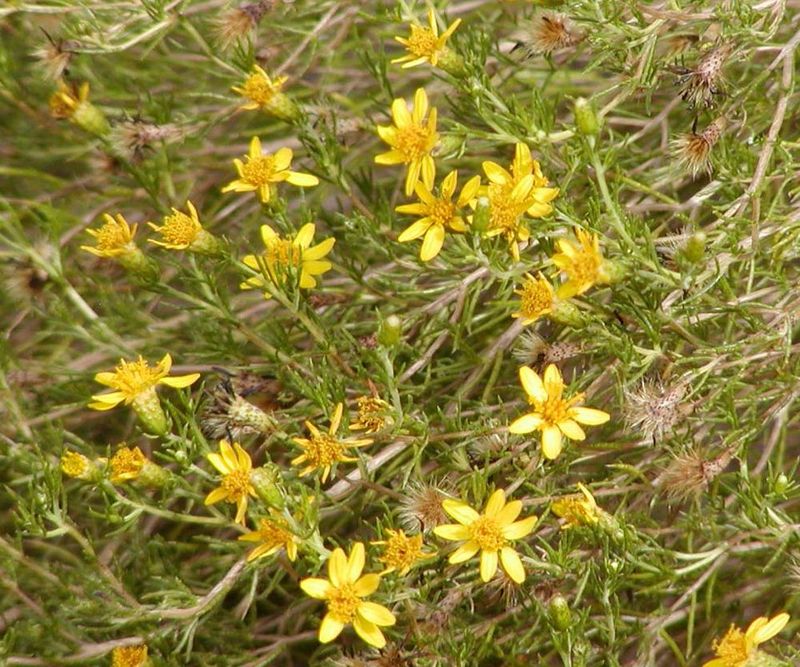
Step near Damianita on a warm afternoon and you catch a sharp, resinous scent that is hard to forget. Chrysactinia mexicana is a compact, mounding shrub that stays low, usually around one to two feet tall, and spreads into a dense mat of fine, dark green leaves.
Small yellow flowers cover the plant in spring and again after monsoon moisture arrives, giving it two distinct bloom periods in a single Arizona growing season.
What makes it especially valuable as a gravel replacement is how tightly it grows. Weeds have a hard time pushing through an established Damianita mat because the plant fills space so completely.
Along walkways, in rock gardens, or at the front of a border, it creates a clean, defined edge that holds its shape without constant trimming.
Full sun and excellent drainage are the two things it needs most. Limestone-based or rocky soil suits it well, which matches conditions found across much of southern Arizona.
Water sparingly through the first season, then cut back significantly. Overwatering is genuinely the main way people run into trouble with this plant.
A light shearing after the spring bloom keeps it looking tidy and often encourages a stronger flush of fall flowers.
It handles reflected heat from walls and pavement without showing stress, which makes it a practical fit for the kind of tight, sun-baked spaces that are common in Arizona front yards and entryways.