North Carolina Perennials That Come Back Stronger Every April
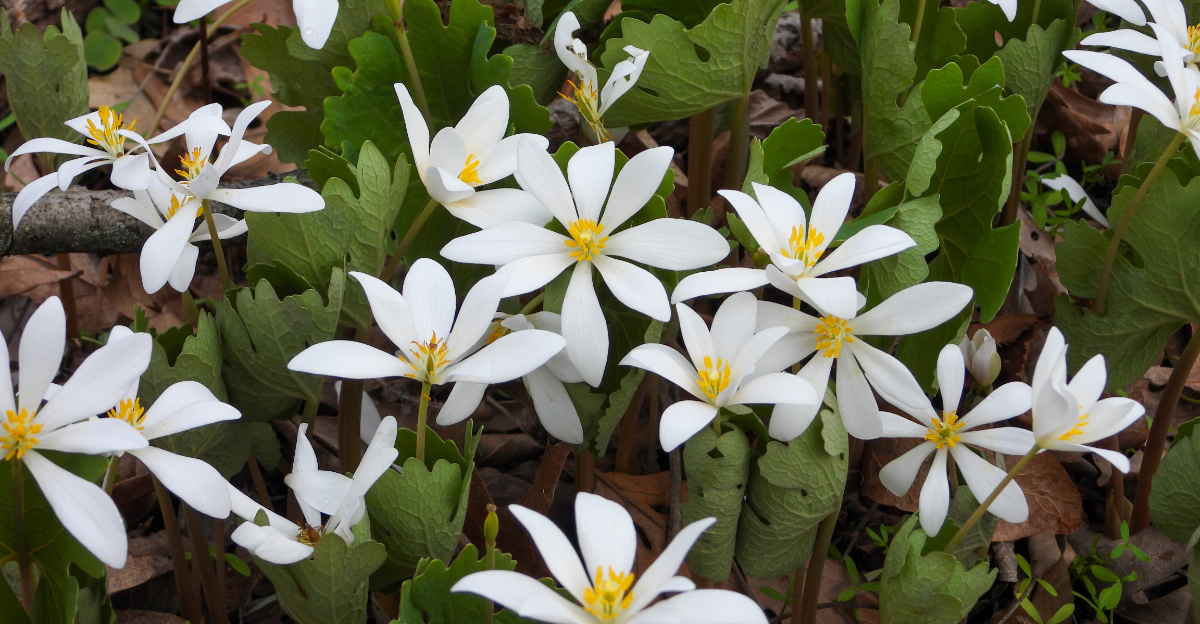
Every April, some perennials in North Carolina seem to wake up with extra energy, pushing out fresh growth and looking stronger than ever.
After a winter rest, these reliable plants return ready to fill garden beds with color, texture, and life just as the season starts gaining speed.
For gardeners, that kind of comeback is hard to beat. These are the plants that settle in over time, handle local conditions well, and often look better with each passing year.
North Carolina’s spring weather gives them a perfect chance to stretch, leaf out, and prepare for months of strong performance. Some will bloom early, while others build momentum for a longer show ahead.
If you want a garden that feels fuller and more dependable every spring, these perennials deserve a closer look. They prove that the right plants do not just return each year. They return better than before.
1. Foamflower (Tiarella Cordifolia)
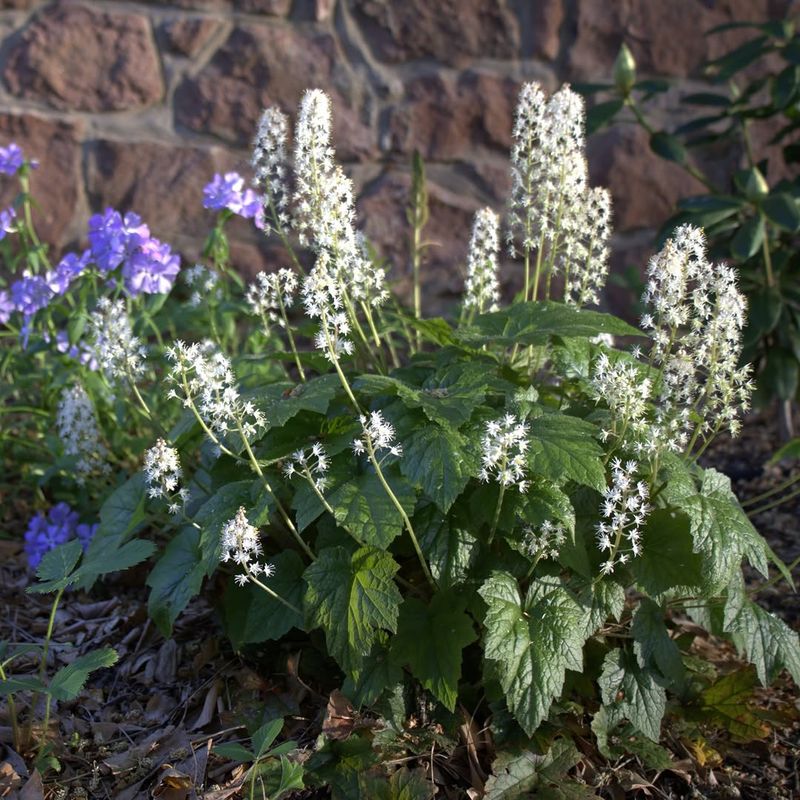
Few plants earn their place in a shady North Carolina garden quite like Foamflower. This woodland native emerges each April with fresh, heart-shaped leaves and delicate white flower spikes that seem to float above the ground like tiny clouds.
It is one of those plants that genuinely improves with age, filling in slowly but surely until it forms a lush, weed-suppressing carpet.
Foamflower thrives in moist, well-drained soil with plenty of organic matter. Shady spots under trees or along woodland paths are perfect locations for it.
In North Carolina, the rich forest soils found across the Piedmont and mountain regions create ideal conditions for this plant to really shine year after year.
Established clumps spread by short runners, gradually expanding without becoming invasive. That steady, reliable growth is part of what makes it so satisfying to grow.
You plant it once, and every April it rewards you with a fuller, prettier display than the season before. Pair it with ferns or wild ginger for a layered, naturalistic look that feels completely at home in the Carolina landscape.
Foamflower rarely needs fertilizing, and its low-maintenance personality makes it a smart choice for busy gardeners who still want a beautiful, thriving spring garden without a lot of fuss.
2. Dwarf Crested Iris (Iris Cristata)
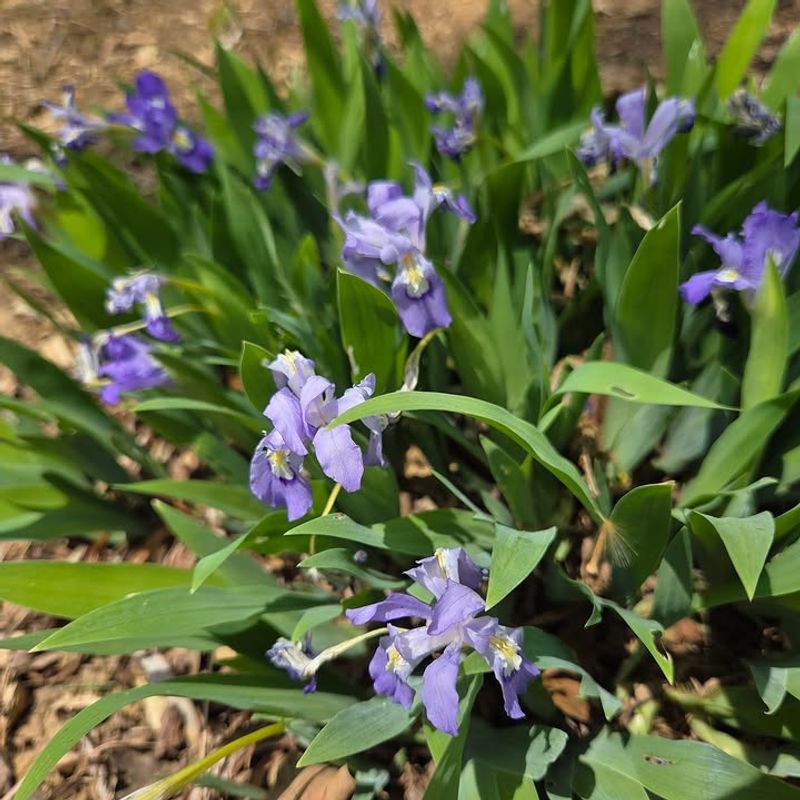
Imagine a tiny iris so beautiful that people stop mid-walk just to look at it. That is exactly what Dwarf Crested Iris does every April in North Carolina gardens.
Standing only three to six inches tall, this native gem produces pale blue to lavender flowers with distinctive golden crests at the center, creating one of the most charming spring sights you will find anywhere in the Southeast.
What makes this plant truly special is its ability to handle part shade and even dry shade, conditions that defeat many other spring bloomers. In North Carolina, it grows naturally along rocky woodland slopes and stream banks, which tells you a lot about its toughness.
Once established in the right spot, it spreads gradually into a dense, attractive mat that returns faithfully every spring.
Plant it along a shaded path, at the base of a tree, or tucked between rocks in a woodland garden. Well-drained soil with good leaf litter or organic matter gives it the best start.
Your North Carolina Garden Changes Every Week. Your Plan Should Too.
Gardening in North Carolina changes quickly throughout the season. Every Friday you’ll receive a simple weekly plan showing exactly what to plant, prune, fertilize, harvest, and protect so you never miss the right timing.
It pairs beautifully with wild ginger, Foamflower, or moss for a soft, layered ground cover effect that feels completely natural.
Dwarf Crested Iris rarely needs any attention once it settles in, making it one of the most rewarding native plants a North Carolina gardener can grow.
3. Golden Ragwort (Packera Aurea)
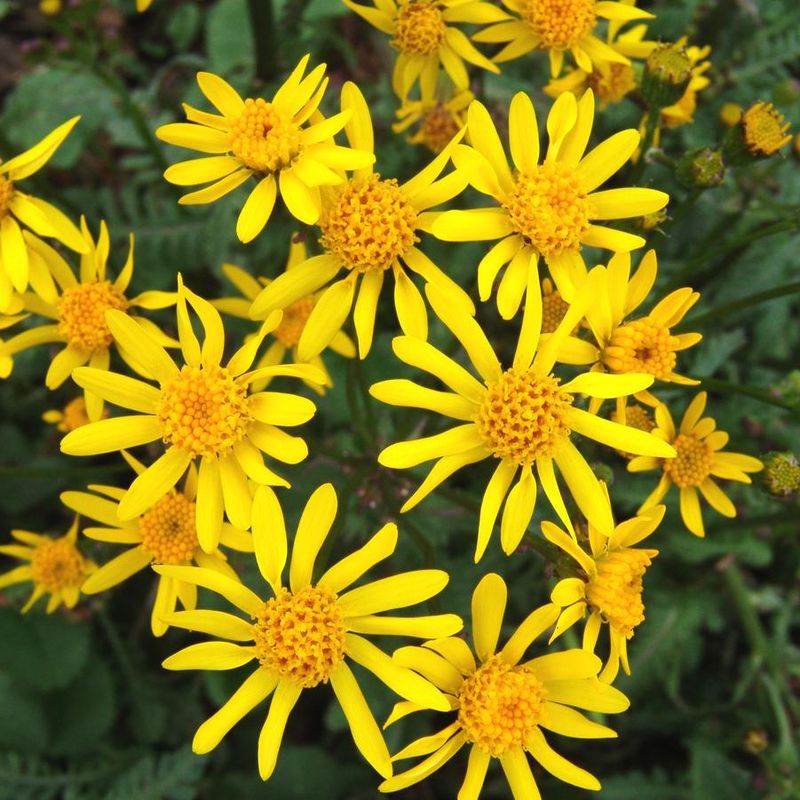
Golden Ragwort is the plant that lights up the shady corners of North Carolina gardens every April, long before most other perennials even think about blooming.
Its cheerful yellow daisy-like flowers rise above a rosette of deep green basal leaves, creating a warm, sunny effect even in spots that get very little direct light.
It is one of the earliest native perennials to flower in the entire region, making it genuinely valuable for early-season pollinators.
This plant is incredibly adaptable. It handles moist soil, average soil, and even occasional flooding without complaint.
Woodland edges, rain gardens, and shaded slopes across the North Carolina Piedmont and mountains are all perfect homes for Golden Ragwort.
Established plants spread steadily by short rhizomes and self-seeding, eventually forming impressive, weed-suppressing colonies that look intentional and beautiful.
One of the best things about growing Golden Ragwort is how little effort it requires once it gets going. After the first season, it practically takes care of itself, returning each April with more plants and more flowers than before.
Cut back spent flower stalks if you want a tidier look, or leave them to set seed and spread naturally across your garden.
Either way, this native perennial rewards patience generously, becoming one of the most dependable and visually striking plants in any North Carolina spring garden.
4. Wild Columbine (Aquilegia Canadensis)
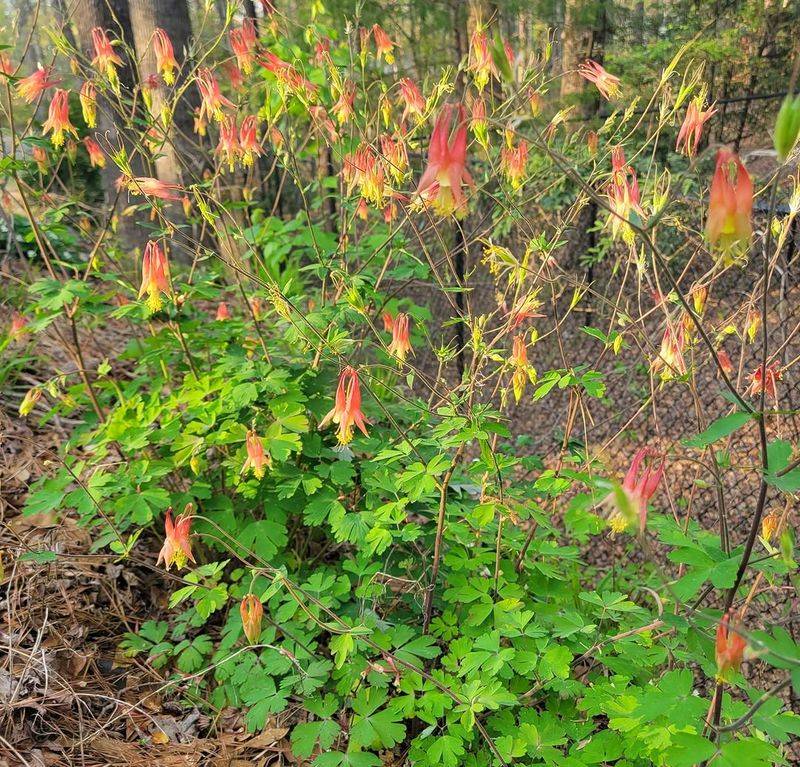
There is something almost playful about Wild Columbine. Its red-and-yellow nodding flowers dangle from slender stems like little lanterns, swaying gently in the April breeze.
Hummingbirds absolutely love it, making it one of the best native plants you can grow in North Carolina if you want to bring wildlife right up close to your garden.
Wild Columbine is tougher than its delicate appearance suggests. It grows naturally in rocky woodland edges, slopes, and open woods across the state, which means it handles a range of conditions including poor soil, part shade, and periods of dryness with ease.
Established plants persist for several years and often reseed themselves, so a single plant can eventually become a lovely, self-sustaining colony that keeps growing stronger every April.
For best results, plant Wild Columbine in a spot with good drainage and at least a few hours of morning sun. It looks stunning paired with Virginia Bluebells or Wild Geranium in a naturalistic planting.
Avoid heavy clay soil, which can cause the roots to sit too wet over winter. Once you find the right spot, this plant practically grows itself.
Every spring in North Carolina, it emerges fresh and full of energy, producing those iconic red-and-yellow flowers that make any garden feel alive, colorful, and genuinely connected to the natural world around it.
5. Creeping Phlox (Phlox Stolonifera)
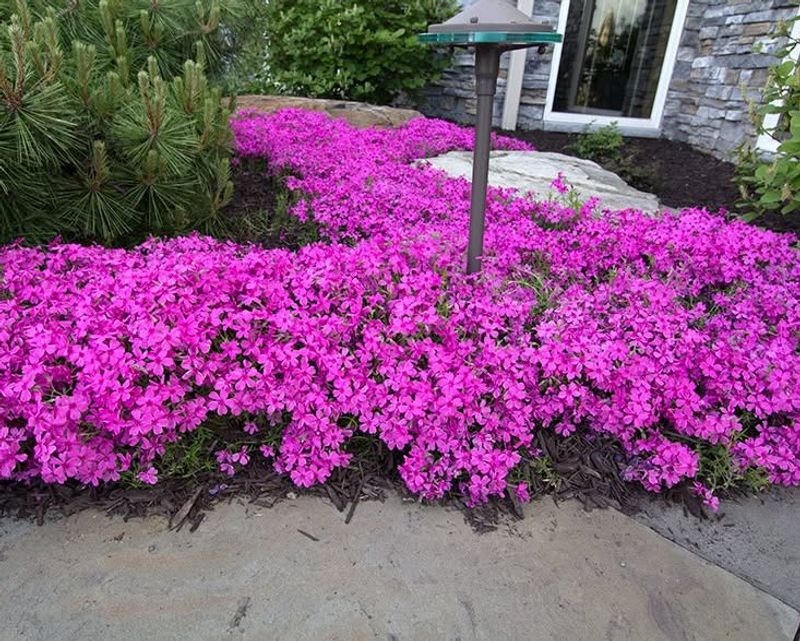
Walk through any well-loved Appalachian garden in April, and you will almost certainly spot Creeping Phlox spreading across the ground in waves of soft lavender-blue.
This native ground cover is one of the most rewarding perennials in North Carolina because it grows fuller and more floriferous every single year.
What starts as a small plant quickly becomes a lush, flowering mat that covers the ground beautifully and stops weeds in their tracks.
Creeping Phlox spreads naturally by stolons, which are horizontal stems that root as they creep along the soil surface. This makes it a fantastic choice for slopes, rock gardens, or any area where you want attractive, low-maintenance ground coverage.
It thrives in part shade and even tolerates dry shade conditions, which gives it a real advantage over many other spring bloomers in North Carolina gardens.
After flowering, the foliage stays semi-evergreen, providing year-round interest and ground coverage even in winter. A light trim after blooming encourages denser, more compact growth for the following season.
Pair it with Dwarf Crested Iris or Wild Columbine for a naturalistic spring planting that looks effortless but truly stunning.
Creeping Phlox is especially beautiful spilling over stone walls or cascading down a gentle slope, where its spreading habit and April flower display create a scene that feels straight out of a mountain woodland paradise.
6. Bloodroot (Sanguinaria Canadensis)
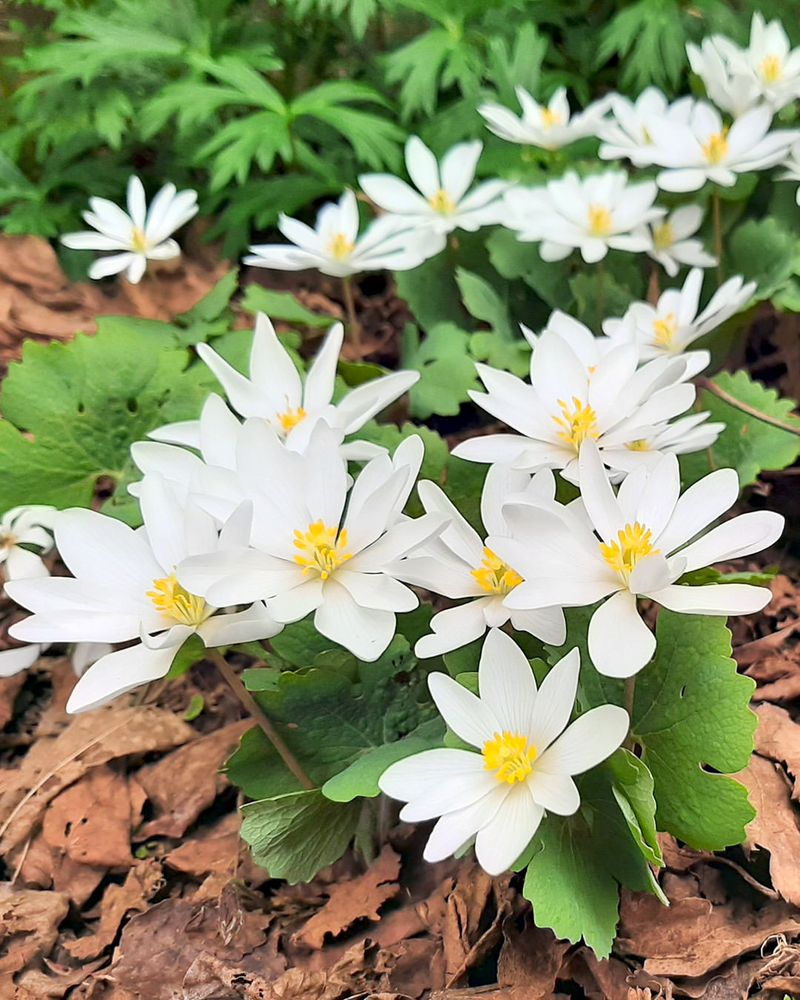
Bloodroot is one of those plants that feels almost magical the first time you see it. Pure white flowers with golden centers push up through the leaf litter in early April, often before the leaves have fully unfurled, creating a strikingly clean and beautiful display in the woodland garden.
In North Carolina, this native spring wildflower grows naturally across rich forest floors, and established patches are a true sign that your garden soil is healthy and full of life.
The name comes from the bright orange-red sap found inside the roots and stems, which Native Americans historically used as a dye and for medicinal purposes.
It is a fascinating plant with a rich history that adds an extra layer of interest for gardeners who love learning about the plants they grow.
Each flower lasts only a few days, but the deeply lobed, blue-green leaves remain attractive for weeks after blooming ends.
Plant Bloodroot in rich, moist, well-drained soil with plenty of leaf litter or organic mulch. A location under deciduous trees works perfectly because it receives full sun in early spring before the tree canopy fills in, which is exactly the light cycle it evolved to use.
Over time, established clumps slowly expand, and every April in North Carolina they produce more flowers than the season before. It is one of the most rewarding native wildflowers you can add to a woodland garden.
7. Wild Geranium (Geranium Maculatum)
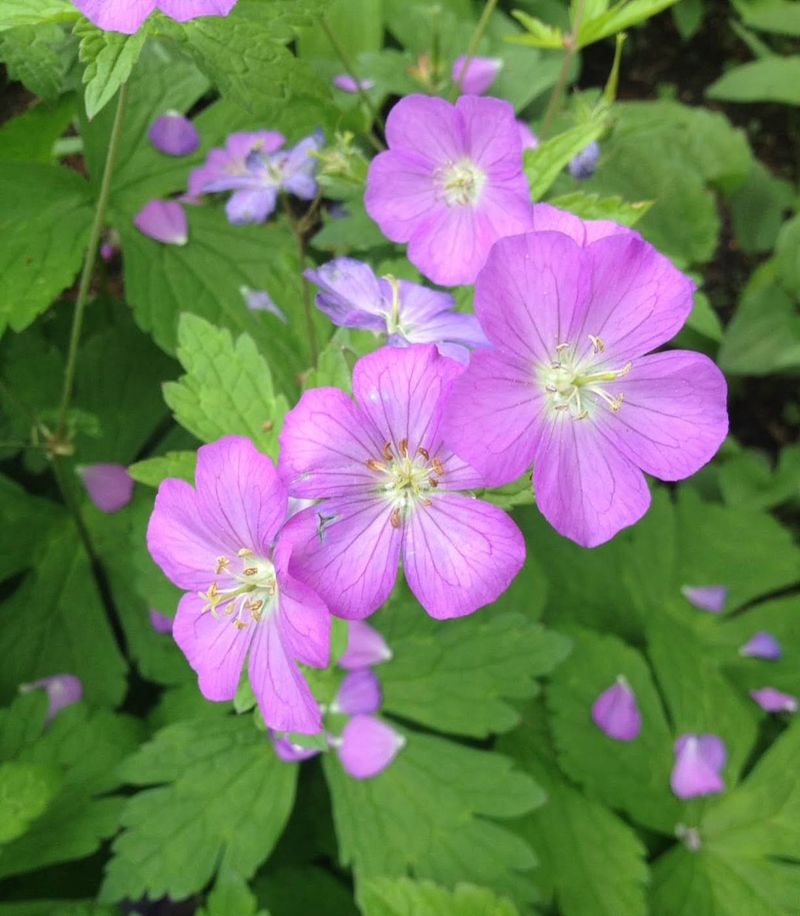
Wild Geranium has a soft, cottage-garden look that makes people assume it must be fragile or fussy. In reality, this North Carolina native is one of the most adaptable and easy-going perennials you can plant.
Every April, it returns with a fresh mound of deeply cut, attractive foliage and clusters of showy pink-purple flowers that pollinators absolutely flock to. It is a plant that earns more admiration every single year it grows in your garden.
In North Carolina, Wild Geranium grows naturally in open woodlands, forest edges, and meadow borders from the mountains to the Piedmont. It handles part shade beautifully and can even tolerate full sun in cooler mountain locations.
Average to moist, well-drained soil suits it well, and established plants are notably drought-tolerant once their root systems have had a full growing season to settle in.
After flowering in April and May, the foliage often turns attractive shades of red and orange in fall, giving this plant genuine multi-season value.
It pairs wonderfully with Wild Columbine, Golden Ragwort, and Virginia Bluebells for a richly layered native planting that looks beautiful from early spring through autumn.
Self-seeding is gentle and manageable, meaning new plants will appear nearby without becoming overwhelming.
Wild Geranium is the kind of perennial that experienced North Carolina gardeners always recommend to beginners because it is nearly impossible to go wrong with it.
8. Virginia Bluebells (Mertensia Virginica)
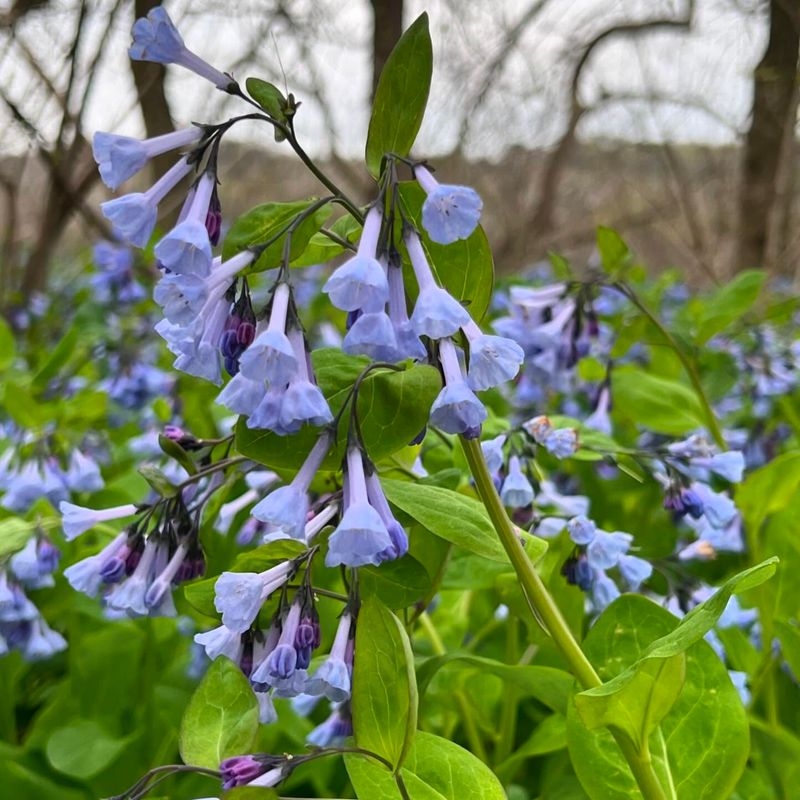
Virginia Bluebells might just be the most breathtaking sight in a North Carolina spring garden. Every April, clusters of pink buds open into soft, sky-blue bell-shaped flowers that drift above smooth, blue-green foliage in a way that feels almost dreamlike.
They bloom from March through May, but April is when they hit their absolute peak, turning shaded garden beds and woodland edges into something genuinely spectacular.
This native spring wildflower thrives in rich, moist soil with good organic content. Spots beneath deciduous trees, along stream banks, or in shaded rain gardens across North Carolina are ideal locations.
Virginia Bluebells are a spring ephemeral, which means their foliage fades away by early summer after they finish blooming. Plan for this by planting summer-emerging perennials like hostas or ferns nearby to fill the gap gracefully.
Established clumps gradually increase in size and produce more flowers each April, which makes them one of the most satisfying perennials to grow over time. They also self-seed gently, so you may find charming new plants popping up in spots you never expected.
Pair them with Wild Geranium or Foamflower for a layered, naturalistic spring planting that feels like a true North Carolina woodland brought right into your backyard.
Once you grow Virginia Bluebells, you will wonder how your spring garden ever felt complete without them.
9. Golden Alexanders (Zizia Aurea)
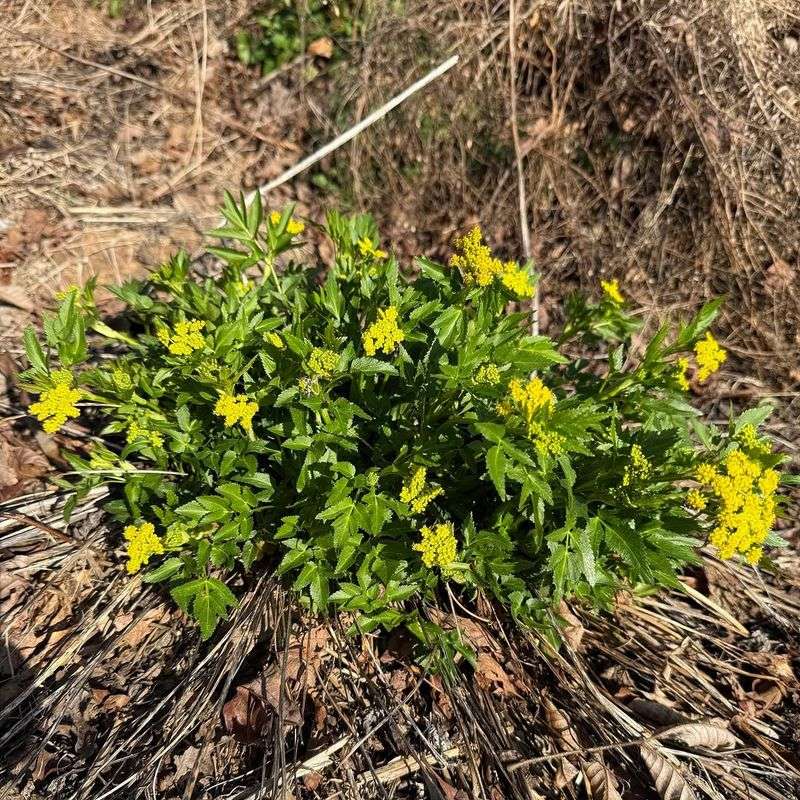
Golden Alexanders is a native perennial that constantly surprises people with just how tough and versatile it really is.
Despite producing elegant, bright yellow flower clusters that look almost refined, this plant handles full sun, light shade, average soil, moist conditions, and even occasional flooding without missing a beat.
In North Carolina, it is one of the most adaptable native plants available, and every April it comes back looking better than ever.
The flowers are flat-topped clusters called umbels, which are absolutely irresistible to early spring pollinators including native bees and the caterpillars of the Black Swallowtail butterfly.
Planting Golden Alexanders is essentially an open invitation to turn your North Carolina garden into a buzzing, fluttering hub of wildlife activity right when spring is getting started.
The dark green foliage is also attractive throughout the season, long after the April bloom period ends.
It grows well in both traditional garden borders and naturalized meadow plantings, making it one of the most flexible native perennials you can choose.
Established plants spread slowly and steadily by seed, filling in a planting over several seasons in a completely manageable way.
Pair Golden Alexanders with Wild Geranium, Golden Ragwort, or Wild Columbine for a cohesive native spring display full of color and ecological value. Every season it gets a little bigger, a little bolder, and a little more beautiful in the North Carolina spring garden.